-
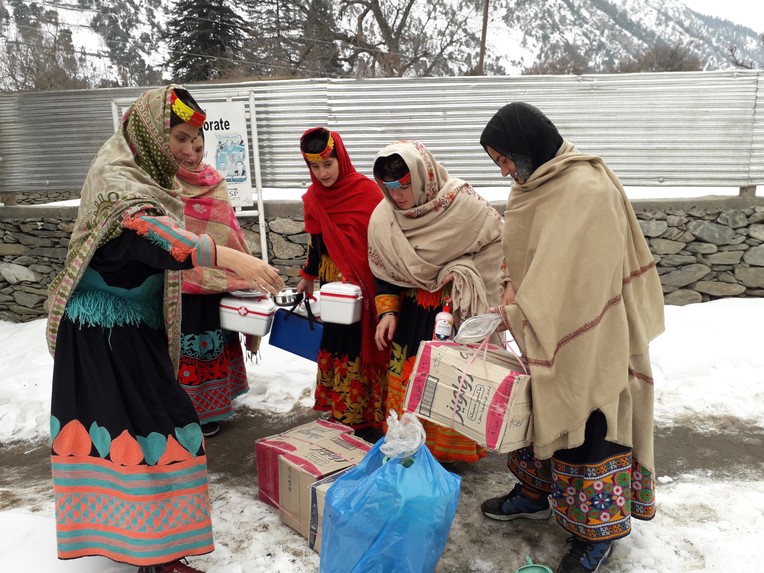
training and resources for MHM.
-
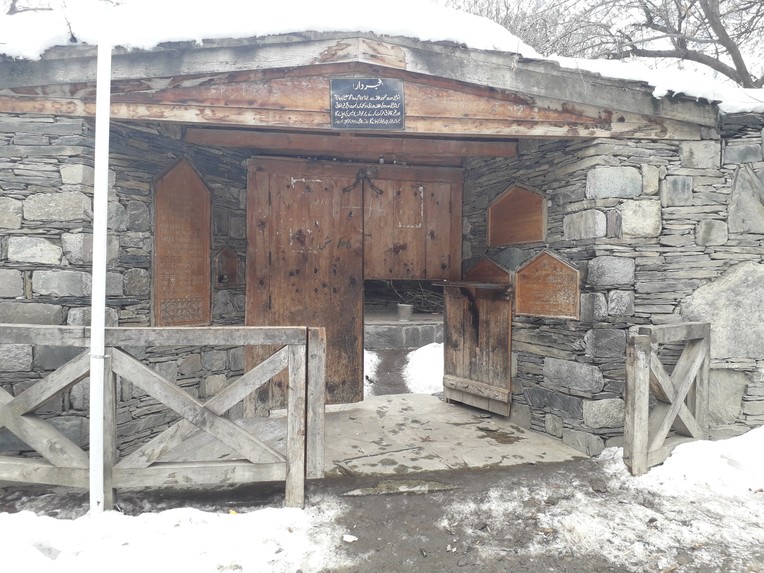
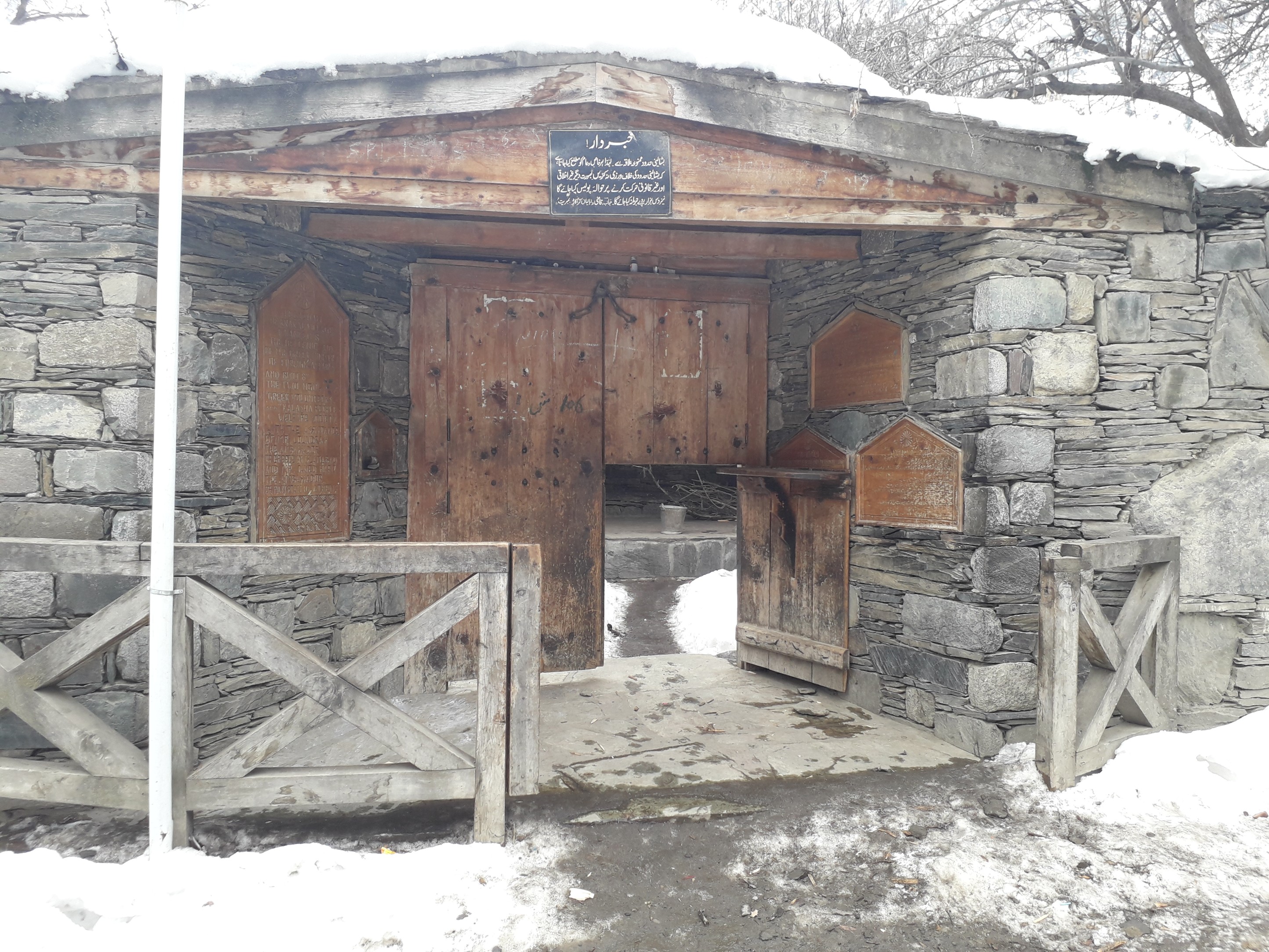
bashali building gate at bamborait village, kalasha, chitral, kpk
-
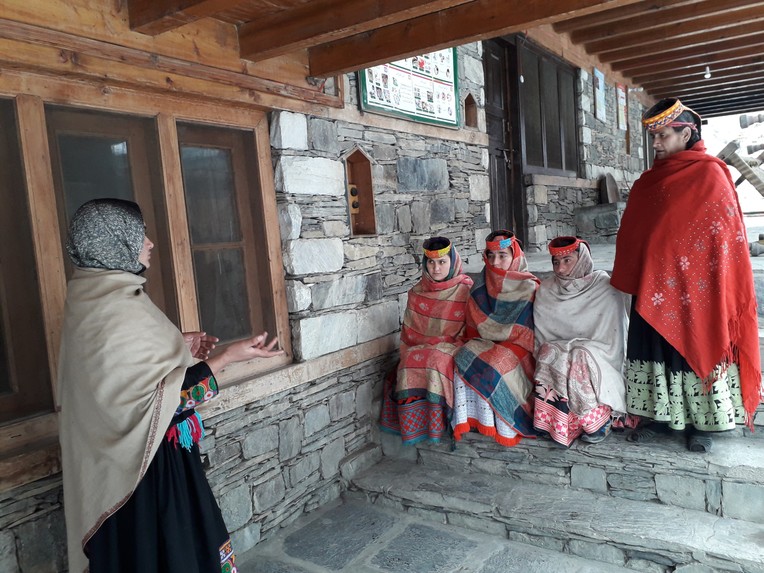
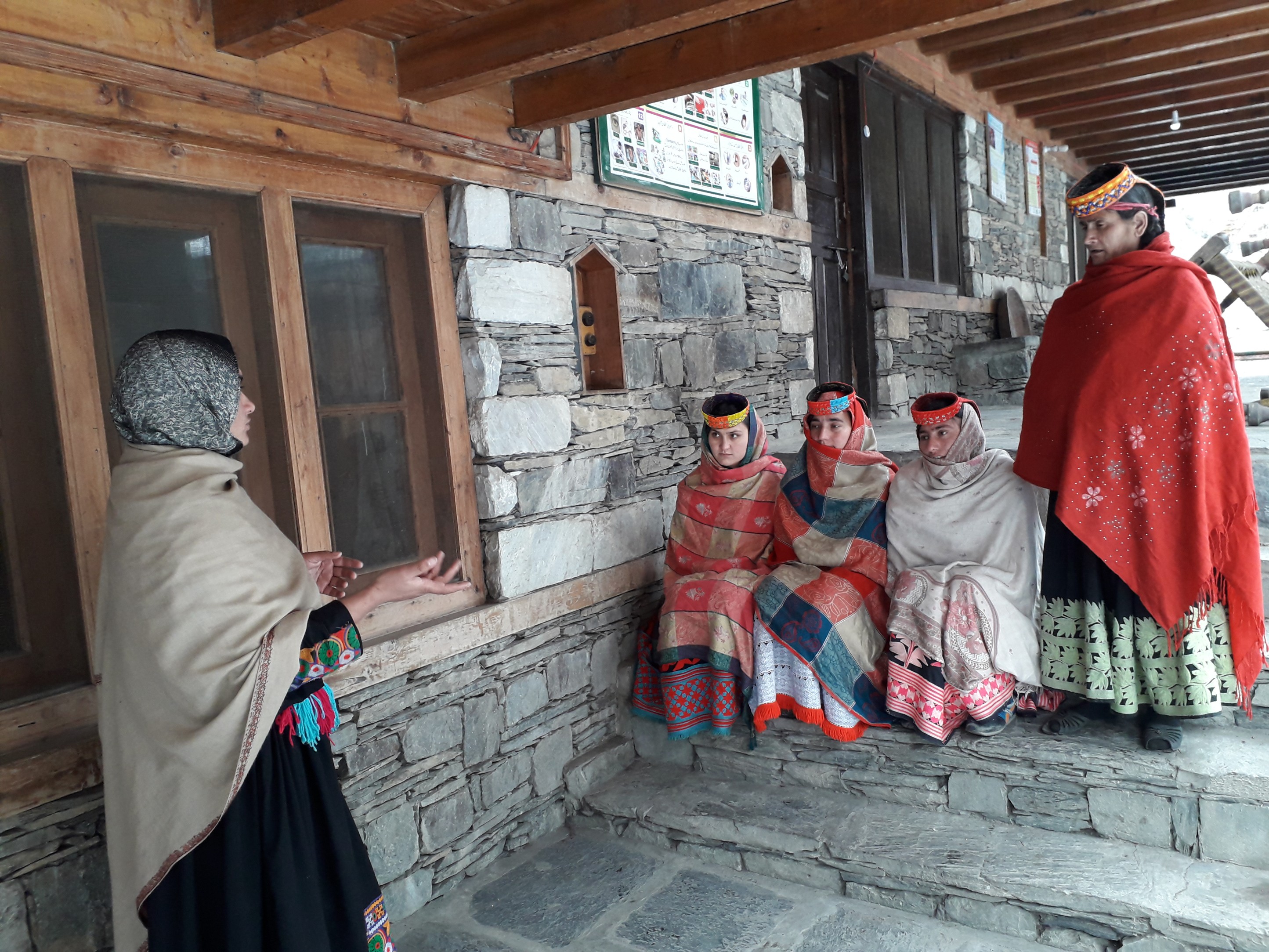
community awarness
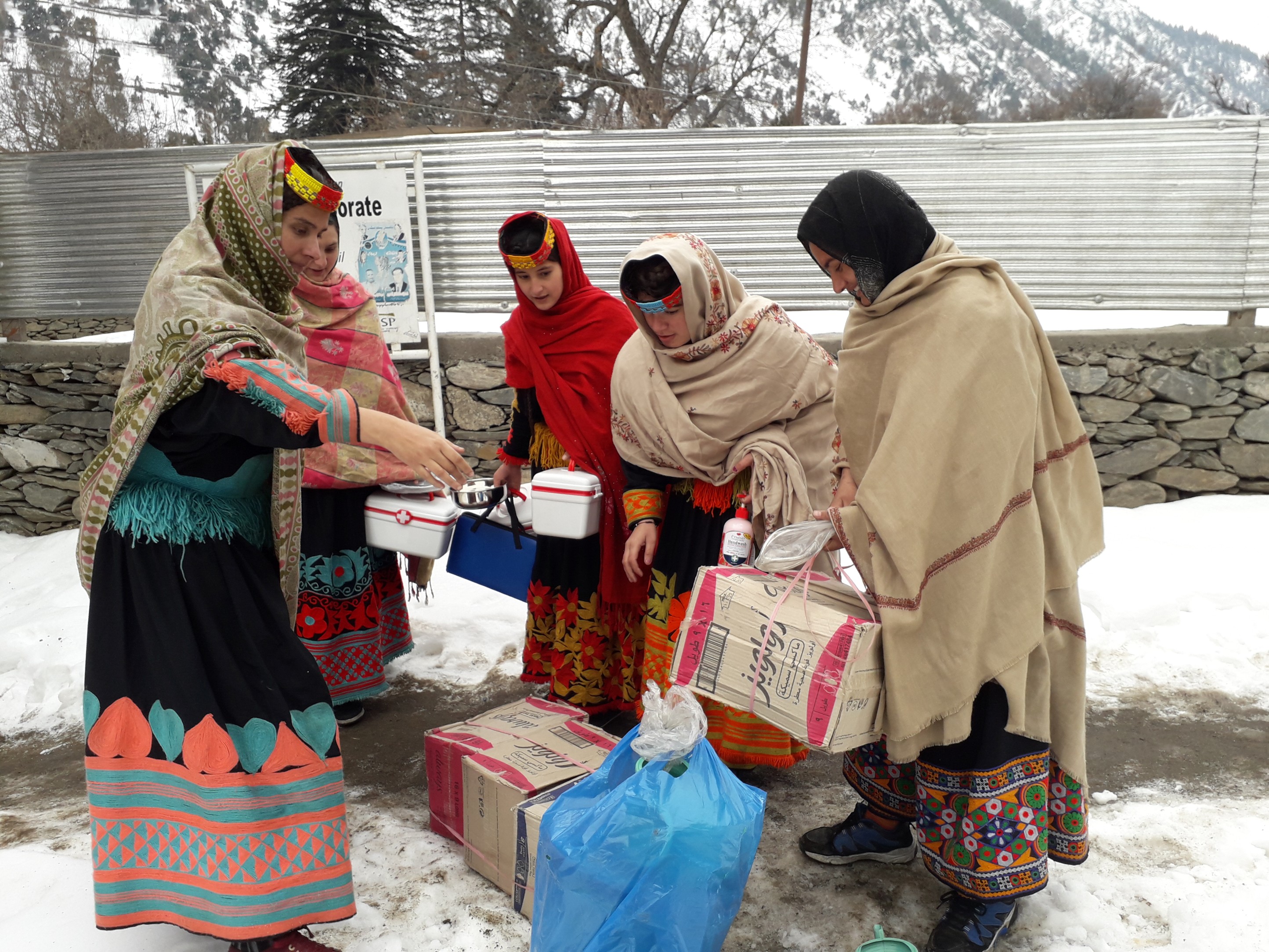
Inspiration
engage in lifelong struggle for gender equality, combating tabonand serotype around menstruation and inclusion seem most relatable to my personal, academic and professional life. besides these the kalasha minority is most vulnerable and on road to extinction. from childhood, i am moved by the empathy, which enabled me to feel the feeling of left out, loneliness, exclusion from social life, isolation and labeled impurity due to bleeding ( natural process) due to practice of bashali. Be the change you want to see in world is true enough and motivated me to embark on journey of gender equality and bleeding with dignity with proposition "teach a man to fish".
What it does
The centuries-old custom of confining women to a Bashali shed during their period persists in Kalasha community, with damaging and fatal results. A Bashali stone excluded and sanctioned by one’s religion they share is dark and filthy, freezing in the winter and littered with muck and Dotted pieces of clothes where women and girl feel horrible, lonely and wished nothing but “ to haven’t A period. Defining menstruation as intrinsically “impure” and enforcing restrictions on women. It is extremely complicated but we making headway on curbing Bashali in long term goal, through education and advocacy programs that target men, women and religious scholar of kalasha religion, by supporting better sanitation and menstrual hygiene practices by using role models and creating women entrepreneur that will turn bashali into training and sustainability hub in kalasha community. In the initial phase, for instance videos series about basic education about MHM, training of specified girl changemaker about sewing re-usable sanitary pads, proper disposal system, wash facility and first aid in bashali. it will be connected with established collection point which will serve as shop, display center and marketplace for all tradition cum, sanitary stuff. Furthermore, Solar panel, labour room, skills learning facility and entertainment facility will be installed to make them feel more human and substitute it by home.
How I built it
we as team came been through extensive research study for 4 month in kalash community and collected date through focus group discussion, interview all major stakeholder. we used human centered design thinking and lean business model for designing and implementing solution.
Challenges I ran into
Talking about gender equality and again about the period and its hygiene management and again for far located minority in pakistan is not challenge free. First and far most one is cultural cum religious restriction that confine the women during her period and creating a creative solution within social domain of concerned community. Secondly, accessibility, language barrier, market access are the major challenges.
Accomplishments that I'm proud of
We as team have tested out prototyped successfully in 2018 and made place in generation unlimited youth challenge, UNICEF globally.
What I learned
nothing is impossible with an attitude of consistency, persistence, compassion and empathy as human being with task ahead of all of us making this world more inclusive and place where all human irrespective of gender can live dignified life.
What's next for hygiene Bashali
the award will be utilise for extension of our service to all villages that inlcude birir, and rambor of kalasha community.
Built With
- inperson


Log in or sign up for Devpost to join the conversation.