-
-
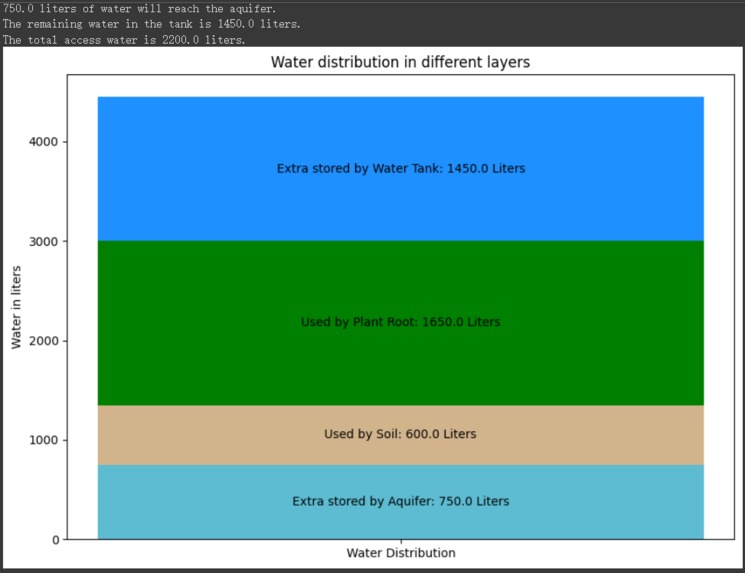
water distribution
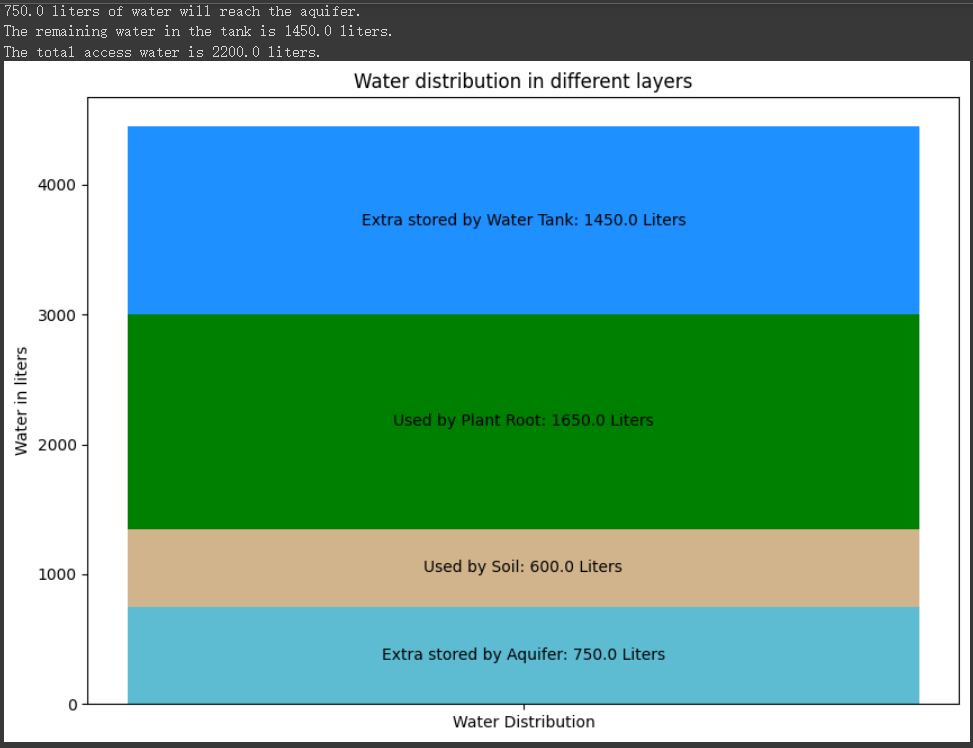
Inspiration
Agriculture faces unprecedented climate challenges due to global warming and extreme weather events (i.e., droughts). To mitigate the impact of droughts and climate change, it is necessary to have secure water storage and sustainable management systems in place. Drought-induced stressors like drought can be reduced by implementing pipelines at plant root zones, which effectively addresses the issue of surface evaporation during irrigation. An integrated management system is crucial to ensure the long-term sustainability of crops throughout droughts. Farmers usually rely on nearby surface water features (i.e. Rivers) or groundwater pumping boreholes for irrigation, with the latter being preferred due to its cost-effectiveness. Natural storage reservoirs in the form of shallow aquifers situated 15-20 meters below the surface can store extra water through pipelines before getting refilled naturally by groundwater aquifers, which allows for future use during droughts.
What it does
The Future of Agriculture Water Management. Our revolutionary solution integrates subsurface pipelines at the plant root zone, reducing water loss and evaporation. Connected to a rainwater harvesting system, crops are irrigated directly at the roots. Excess water flows efficiently into the underlying groundwater aquifer, ensuring availability during droughts. Farmers will receive accurate data on stored excess water for future use through the advanced numerical modelling we provided.
How we built it
The core principle of this project was to develop a Python-based model capable of simulating water flow through various layers. This model served as a tool for understanding how different elements such as rainwater, plant consumption, and soil absorption interacted within the system.
Our primary focus was the creation of a series of algorithms that could accurately model the distribution of water. The first step in this process was the collection of data regarding the different types of plants and their water consumption rates, as well as the characteristics of soil absorption. These elements, acting as variables within our model, were encoded into the Python script.
Subsequently, we created a 'decoding' algorithm that processed this encoded data, determining the amount of water reaching the aquifer and remaining in the water tank. This involved a subtraction of the cumulative water usage of plants and soil absorption from the total water in the tank, additionally accounting for the rainfall.
Our system was designed to capture the interdependencies between different layers, enabling the adjustment of one variable to reflect on the others, thereby mirroring real-world dynamics.
Challenges we ran into
One of the significant challenges we faced in this project was the complexity and variability of the data related to plant water usage and soil absorption characteristics. These elements greatly influence the efficiency of the water distribution, posing a challenge to the accuracy of our model. To address this, we incorporated average and typical values into our model, allowing it to be adaptable to specific situations.
The visualization of the system dynamics was another challenge that we faced. Our goal was to create an intuitive and clear representation of the water distribution across the different layers. Achieving this required several iterations and adjustments in Python to ensure that the visualization was accurate and easily interpretable.
Lastly, accounting for the variability in rainfall, particularly between dry and wet seasons, added another layer of complexity to our calculations and simulations. However, despite these challenges, we were able to successfully develop a functional model of our proposed system, effectively demonstrating its potential for improving water efficiency in agricultural practices.
Accomplishments that we're proud of
Just two days ago, we were thrilled to discover such an incredible opportunity and now take great pride in successfully developing and refining our concept within such a short timeframe. While going through this process, we encountered various challenges. Still, we overcame each obstacle through numerous modifications - especially proud that these issues were overcome, resulting in enhanced methods and more innovative concepts!
What we learned
In the initial design of this concept, the continuous flow of water through the pipeline was proposed, allowing water to replenish the groundwater aquifer after irrigating plant roots. This ensured that when farmers pumped water for irrigation, it completed the water cycle without adversely affecting the local groundwater levels.
However, upon further consideration, we recognized a key sustainability aspect missing from the concept. To address this, we propose adding a rainwater harvesting system, such as a rainwater tank. This system will capture and store rainwater, complementing the continuous water flow. Additionally, any excess water flowing through the soil will be efficiently stored in the groundwater aquifer, enabling its use in the future. Therefore we learned new knowledge to improve the sustainability of this concept.
What's next for Untitled
Due to the short timeframe, there are a few things we would to future develop:
- Develop a machine learning approach to predict water usage and excess storage more accurately.
- An real case study to demonstrate the uses of modelling in reality.


Log in or sign up for Devpost to join the conversation.