-
-
-
-
Visualization
Inspiration
Agriculture remains the backbone of global food security, yet farmers continue to face significant crop losses due to early-stage stress, diseases, and yield anomalies that often go unnoticed until it is too late. While modern farming generates vast amounts of temporal and sensor-based data, most existing solutions either rely on manual inspection or focus only on surface-level disease detection. We were inspired by the need for an early-warning intelligence system that can learn hidden patterns in crop behavior over time and alert farmers before stress translates into yield loss. This motivated us to design an AI system that does not just see crops, but understands their evolving condition.
What it does
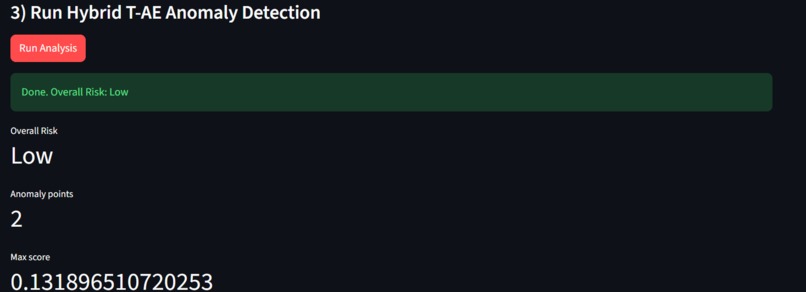
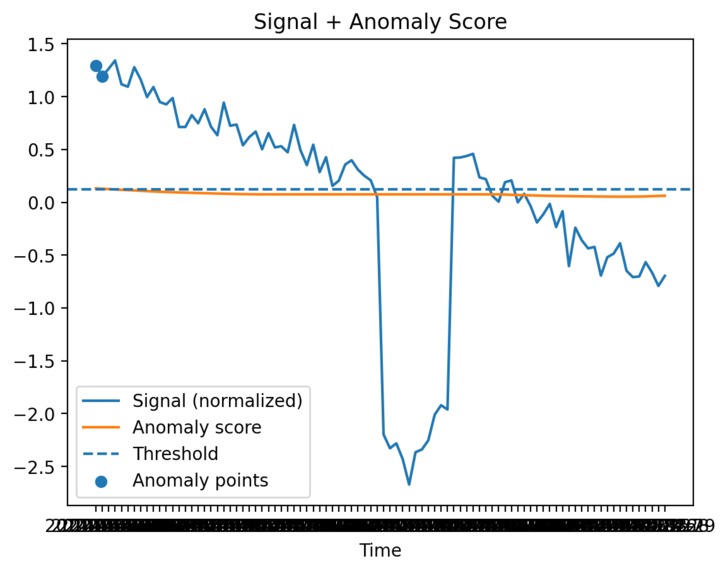
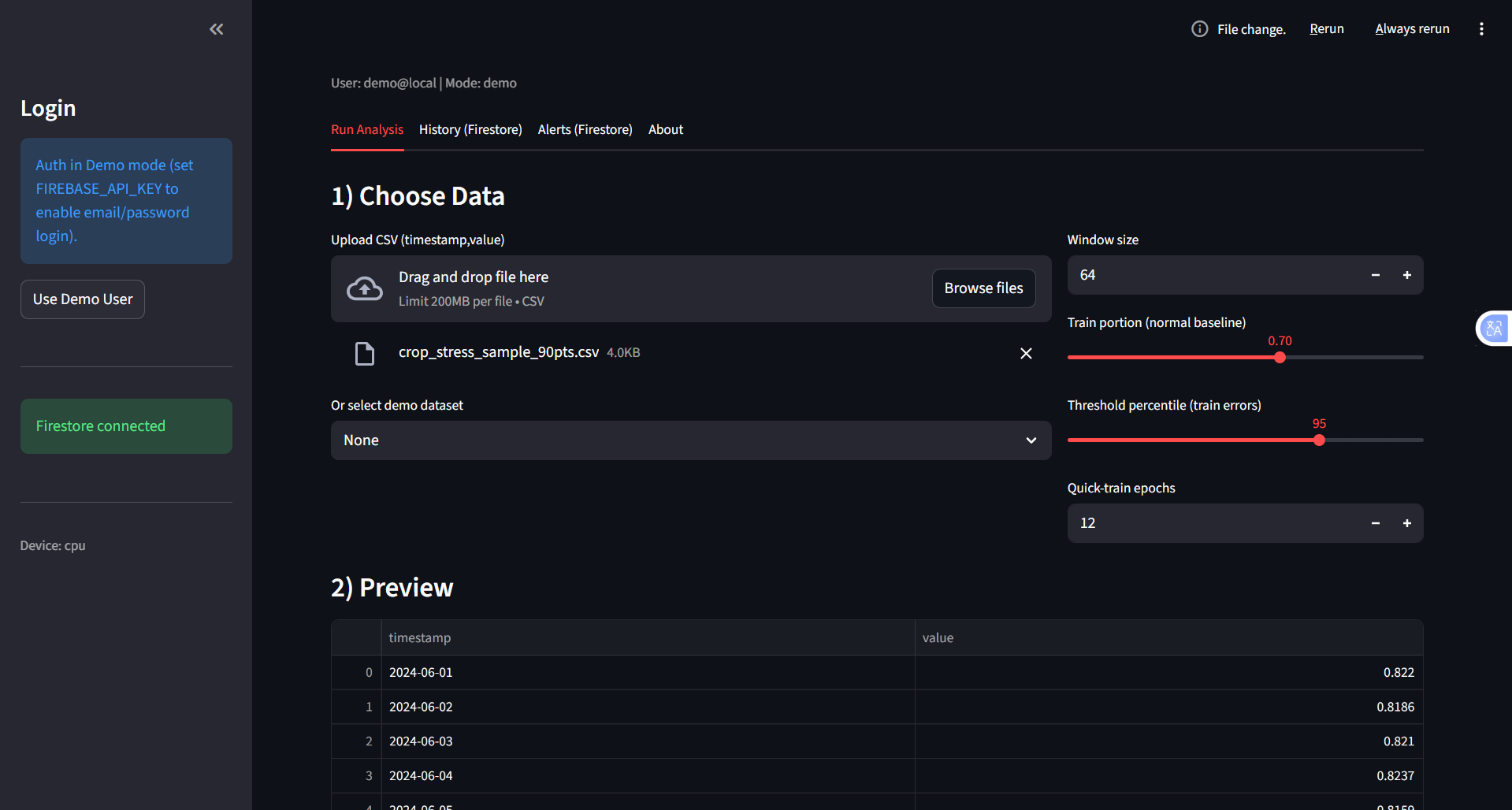
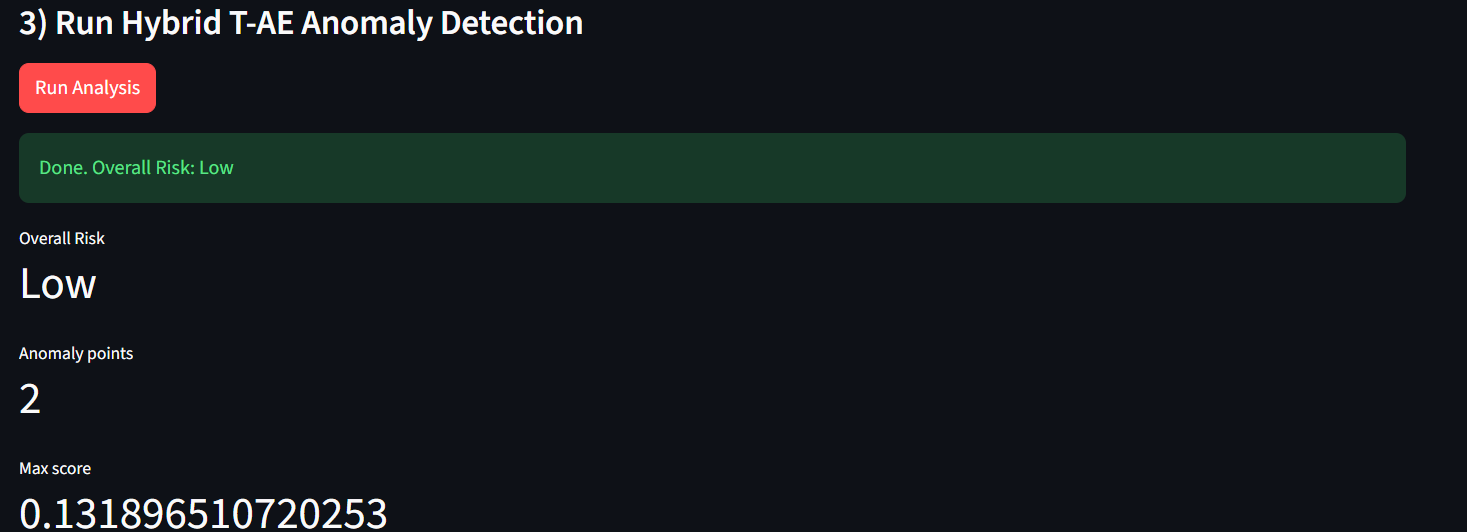
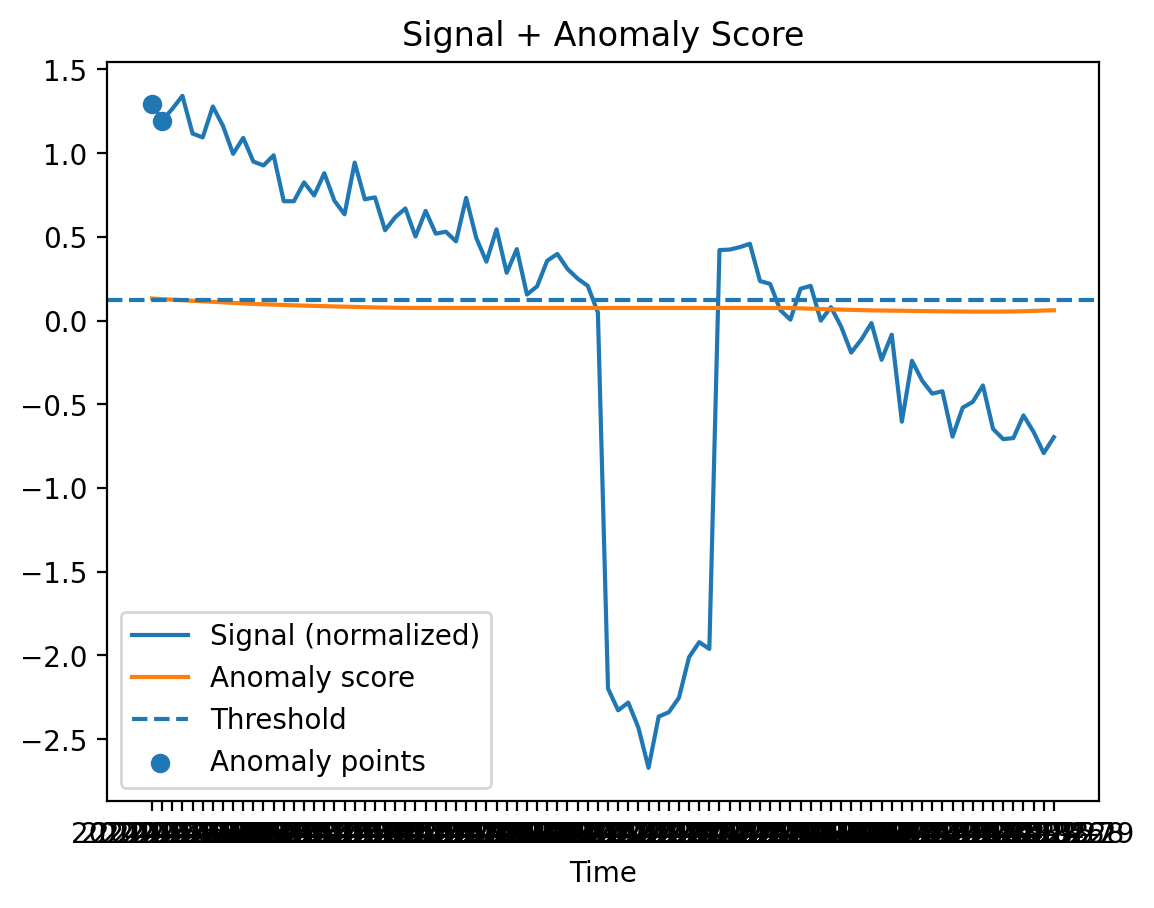
Our solution is a Hybrid Transformer–Autoencoder framework that continuously analyzes crop-related time-series data (such as vegetation indices, environmental signals, or sensor inputs) to detect early crop stress and yield anomalies. The autoencoder learns what “normal” crop behavior looks like, while the Transformer captures long-term temporal dependencies and seasonal patterns. When abnormal deviations occur, the system flags them as potential stress events and provides early alerts, enabling timely intervention. The goal is to help farmers and agronomists act before visible damage or yield loss occurs.
How we built it
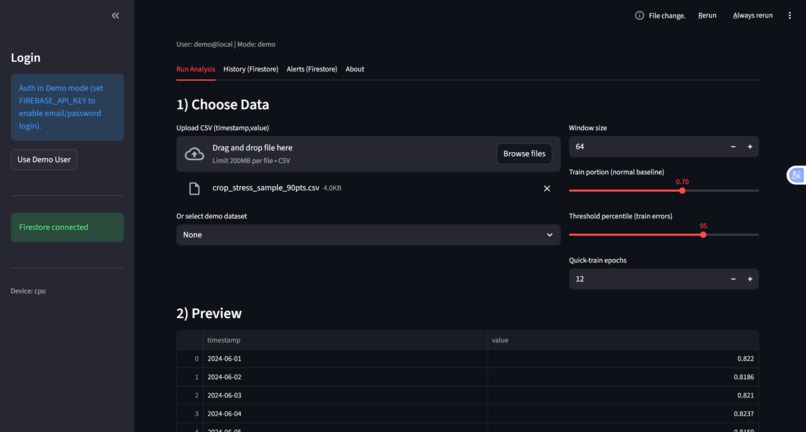
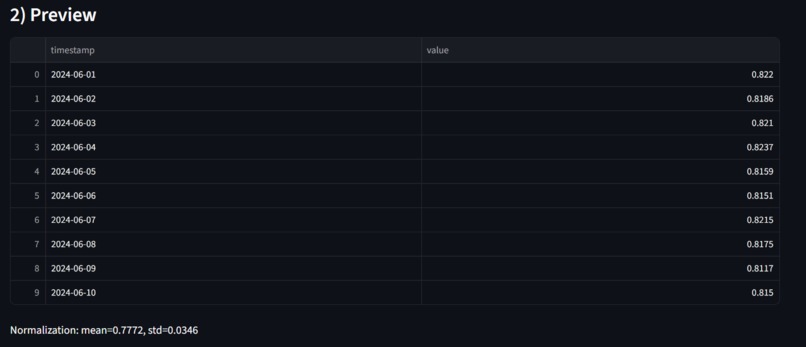
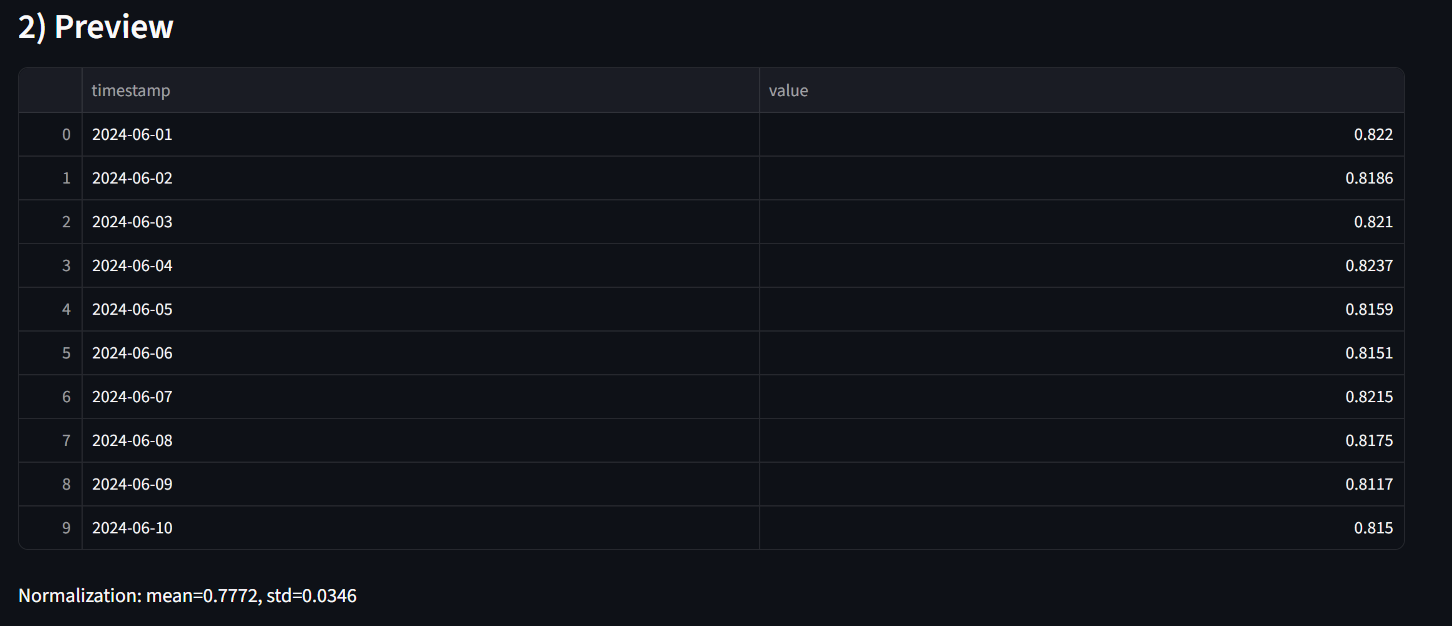
We built the system using a hybrid deep learning architecture that combines the strengths of Autoencoders and Transformers. The autoencoder is trained to reconstruct normal crop behavior, allowing it to highlight subtle anomalies through reconstruction error. The Transformer module models temporal dependencies across long sequences, capturing trends that traditional models miss. Data preprocessing includes normalization, noise handling, and temporal windowing. The framework is modular and scalable, making it adaptable to satellite data, IoT sensor streams, or farm-level historical datasets. The final output is an interpretable anomaly score that signals potential crop stress.
Challenges we ran into
One major challenge was handling noisy and incomplete agricultural data, which can vary across regions and seasons. Designing a model that generalizes well without overfitting to short-term fluctuations required careful tuning. Another challenge was balancing sensitivity and false alarms—detecting stress early without overwhelming users with unnecessary alerts. Integrating long-term temporal modeling while keeping the system computationally efficient was also a key technical hurdle we had to overcome.
Accomplishments that we're proud of
We successfully built a working hybrid model that captures both normal crop behavior and long-term temporal patterns, enabling early stress detection rather than reactive diagnosis. The framework is data-agnostic, meaning it can be extended to multiple crops and regions. Most importantly, the solution shifts the focus from post-damage analysis to preventive agriculture, which has real-world impact for farmers, agri-tech platforms, and policy planners.
What we learned
Through this project, we learned that temporal intelligence is critical in agriculture—crop stress is rarely sudden and often develops gradually over time. We gained hands-on experience in designing hybrid deep learning systems and learned how combining complementary models can significantly improve performance. We also deepened our understanding of real-world agricultural constraints, reinforcing the importance of simple, early, and actionable AI insights.
What's next for Hybrid Transformer–Autoencoder Framework for Crop Stress
Next, we plan to integrate real-time satellite and IoT sensor feeds, expand the framework to support multi-crop and multi-region analysis, and enhance explainability so users can understand why an anomaly is detected. We also aim to add a decision-support layer that recommends corrective actions based on the type and severity of stress. Ultimately, we envision this framework as a scalable early-warning system for climate-resilient and sustainable agriculture.

Log in or sign up for Devpost to join the conversation.