Inspiration
I was inspired to work on this project because of the growing importance of artificial intelligence in healthcare. Early detection of diseases like liver tumors can save lives, and I wanted to build a solution that could assist in medical diagnosis using deep learning. This motivated me to explore how AI models can analyze CT scan images and provide useful predictions.
What it does
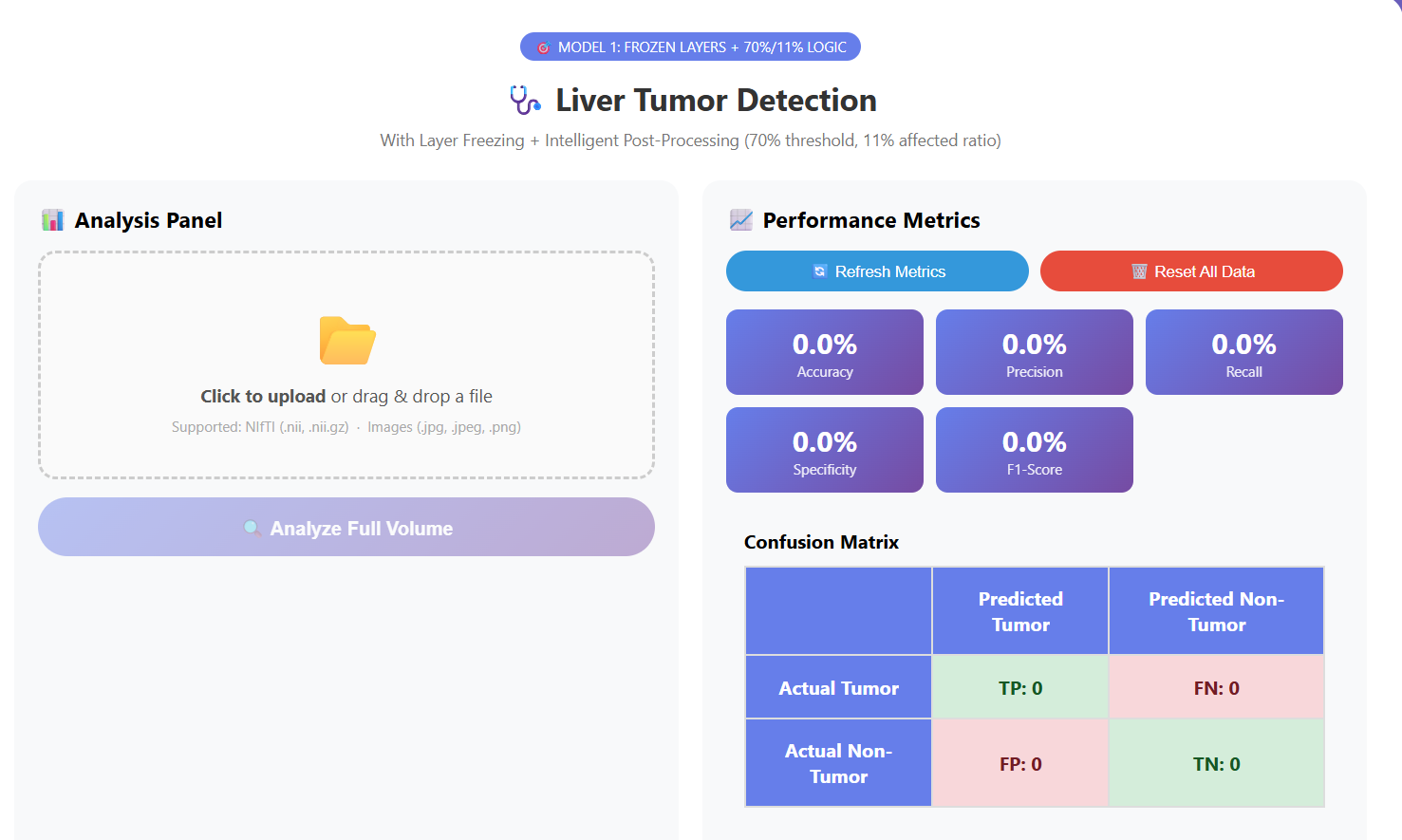
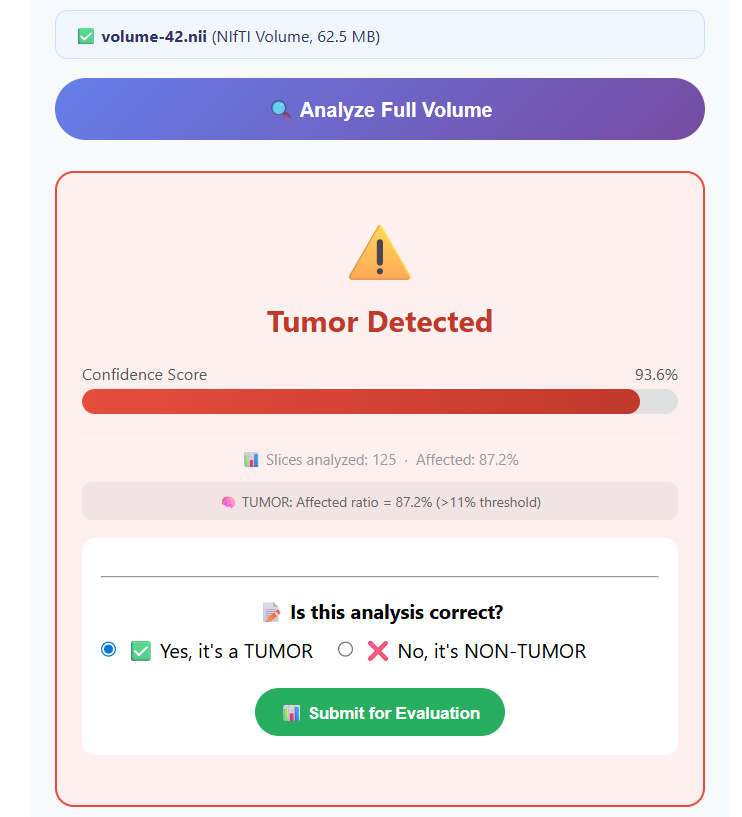
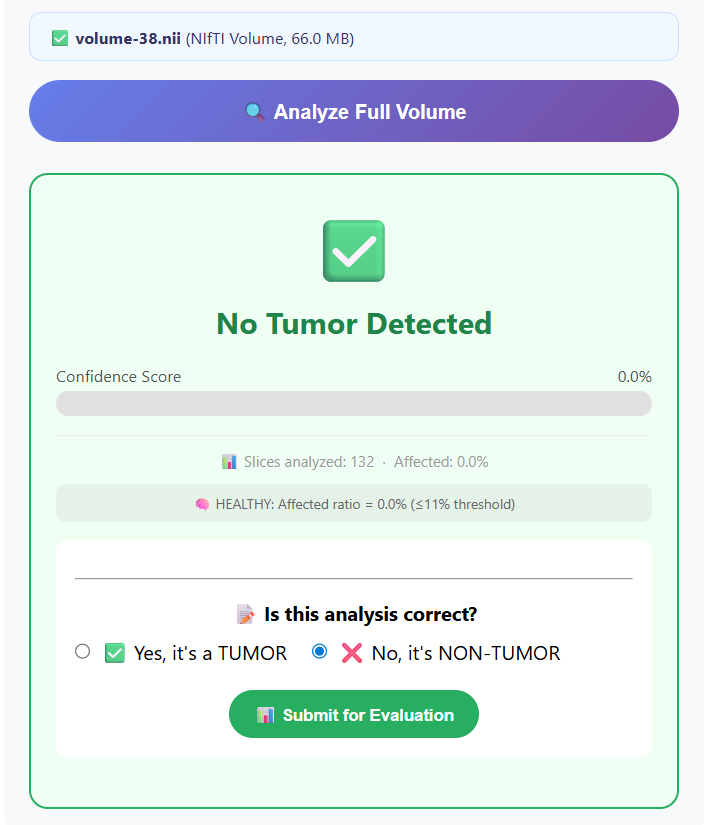
The Deep Learning Model for Liver Cancer Detection is designed to analyze CT scan images and classify them into tumor or non-tumor categories. It uses a trained ResNet18 model to automatically detect patterns in medical images that may not be easily visible to the human eye. The system allows users to upload CT scan images through a web interface, and it provides quick predictions that can assist in early diagnosis and decision-making.
How we built it
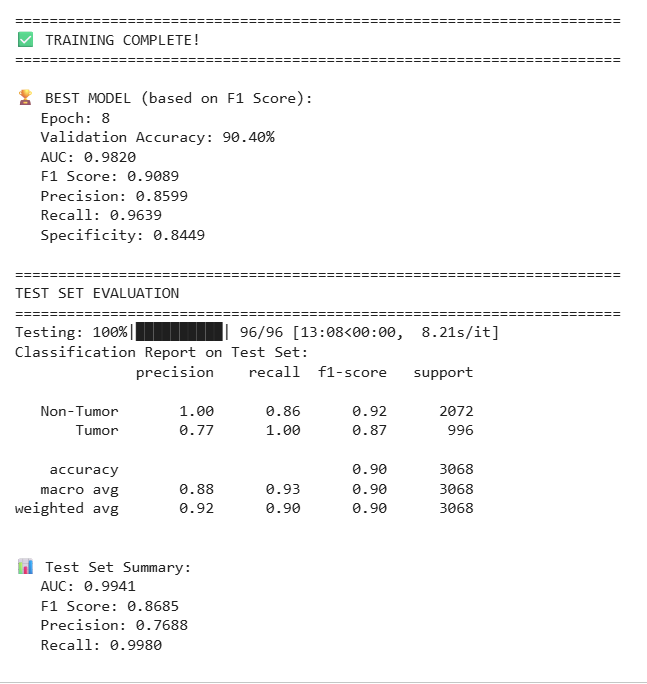
I started by collecting and preparing the dataset for training. After preprocessing the data, I trained multiple deep learning models and experimented with different configurations. I selected ResNet18 as it gave the best performance for my problem. The model was trained in stages to improve learning, and after achieving good results, I integrated it into a web application where users can upload CT scan images and get predictions. This helped me understand both backend model integration and basic frontend interaction.
Challenges we ran into
I faced several challenges during the development of this project: Finding a suitable dataset: It was difficult to find a high-quality and properly labeled dataset for liver tumor detection. Overfitting issue: My model was overfitting repeatedly. I worked on reducing overfitting by adjusting training strategies, tuning parameters, and experimenting with different approaches. Model selection: I tried multiple models before selecting the best one. Comparing their performance and choosing the most suitable model was a challenging task. Integration challenges: Connecting the trained model with the web application and ensuring smooth predictions required careful handling.
Accomplishments that we're proud of
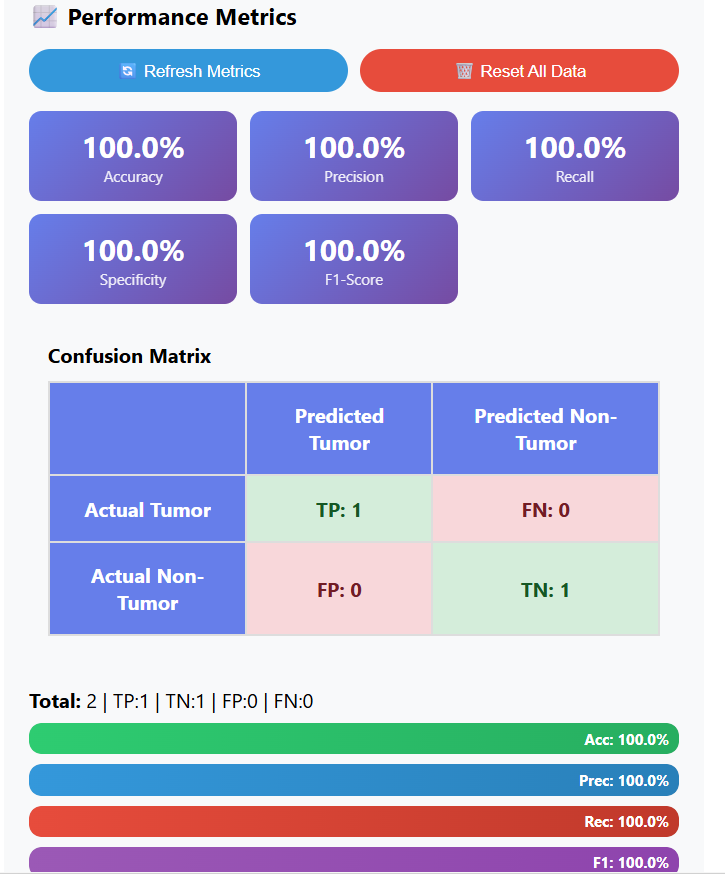
Successfully developed a deep learning model for liver tumor detection using CT scan images. Overcame major challenges like dataset selection and model overfitting through continuous experimentation and improvement. Trained and evaluated multiple models and selected the best-performing one (ResNet18) based on performance metrics. Achieved good results in terms of accuracy, precision, recall, and F1-score. Built and integrated the trained model into a working web application for real-time predictions. Gained hands-on experience in both AI model development and full project integration. Completed the project within the hackathon timeframe despite technical challenges. Improved problem-solving skills by debugging errors and optimizing the model step by step.
What we learned
During this project, I learned a lot through online resources, documentation, and practical experimentation. I improved my understanding of deep learning, especially working with CNN architectures like ResNet18. I also learned how to preprocess medical imaging data, train models, evaluate performance using metrics like accuracy, precision, recall, and F1-score, and integrate the trained model into a web-based application.
What's next for Deep Learning Model for liver cancer detection
There are several improvements and future directions for this project: Improve Model Accuracy: Train the model on larger and more diverse datasets to achieve better generalization and reduce errors. Multi-class Classification: Extend the model to detect different stages or types of liver tumors instead of just tumor vs non-tumor. Real-time Deployment: Deploy the application on cloud platforms so it can be accessed by users anywhere. User-Friendly Interface: Enhance the web interface to make it more interactive and easy to use for non-technical users. Integration with Medical Systems: Integrate the model with hospital systems to assist doctors in real-world clinical settings. Explainability (AI): Add visualization techniques (like heatmaps) to show which part of the image influenced the prediction, increasing trust in the model.
