-
-

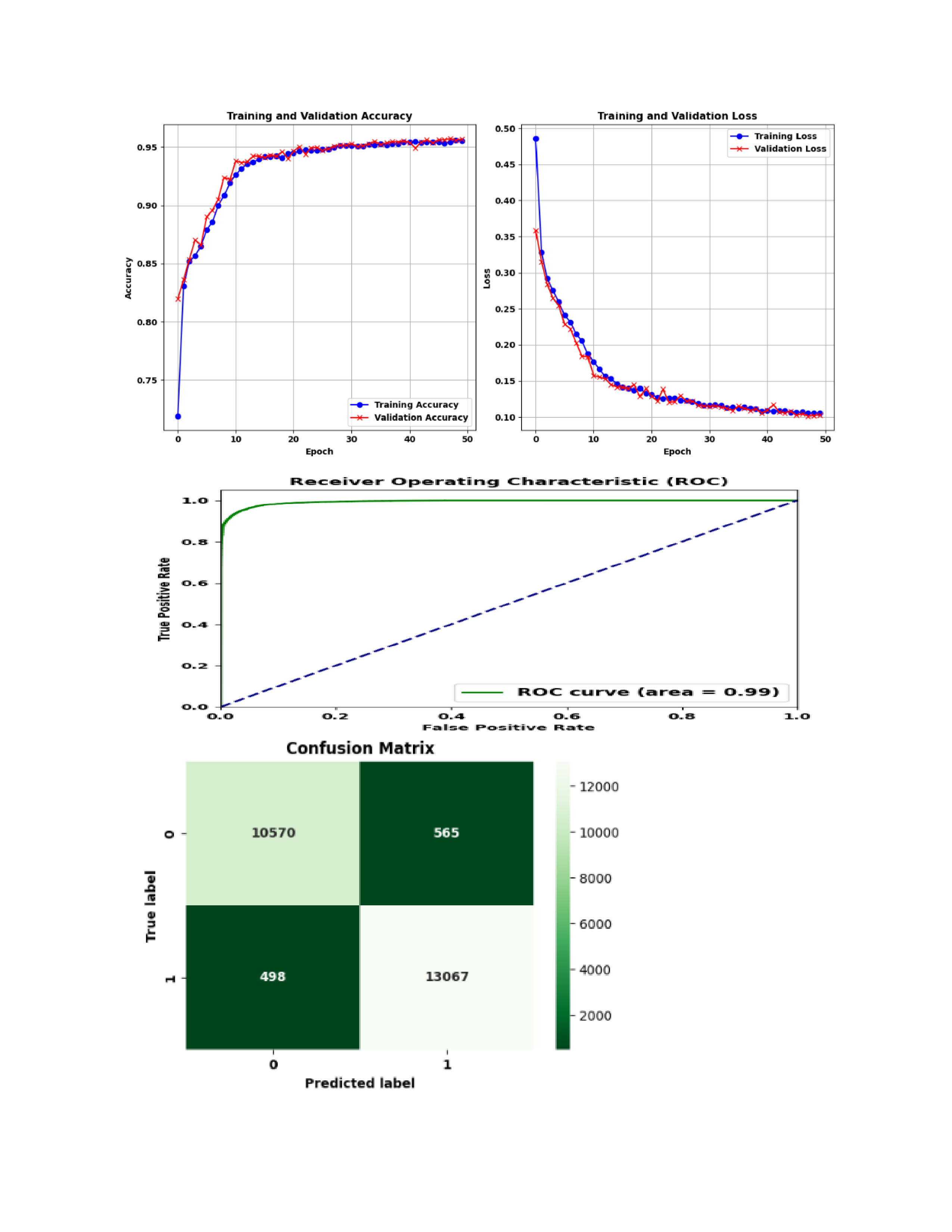
CONFUSION MATRIX AND ROC CURVE
-

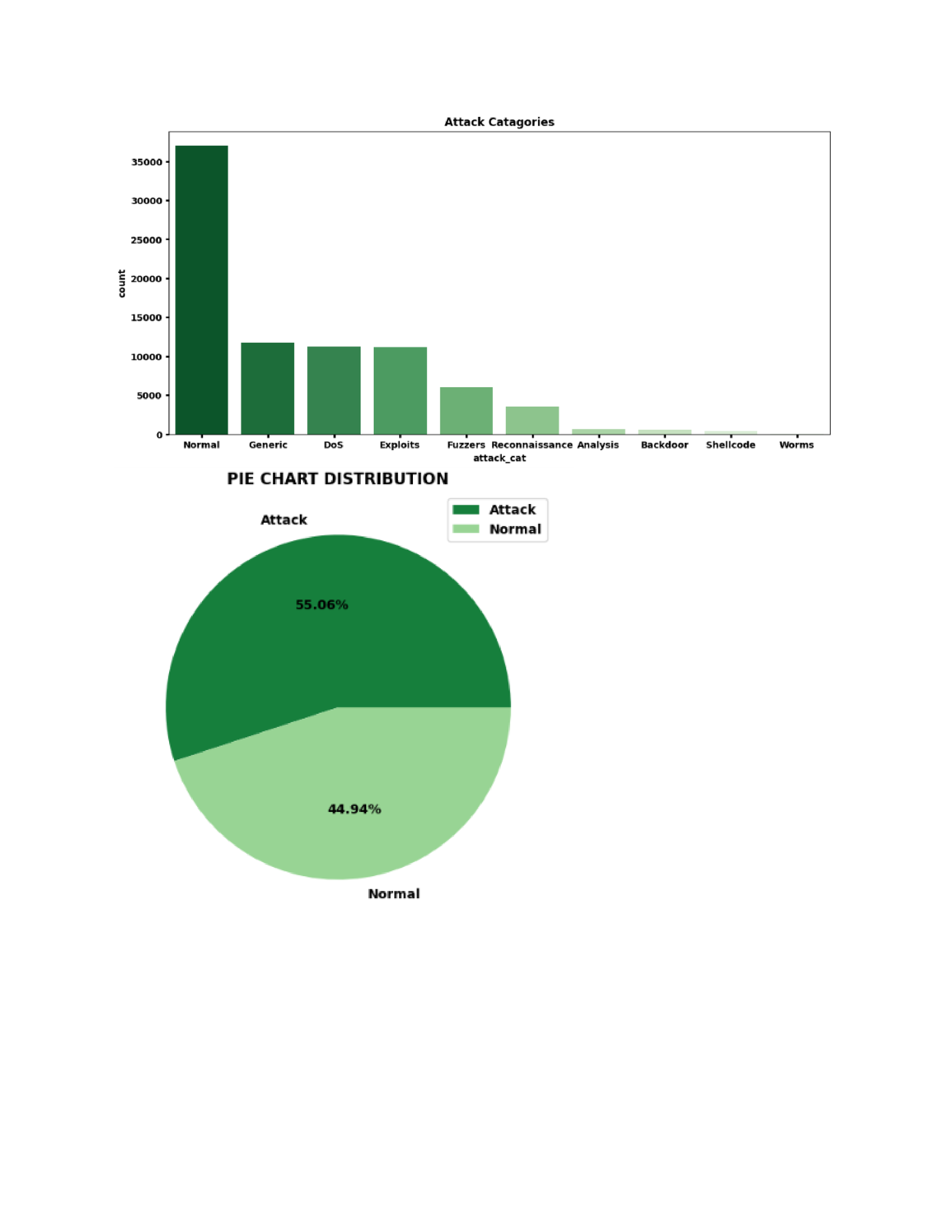
ATTACK CATEGORIES
Inspiration
The rapid expansion of networks has brought forth significant advancements in connectivity and smart applications. However, it has also exposed these networks to numerous security threats and intrusion attempts during routing. To address these challenges, a novel, optimized machine learning based intrusion detection system (IDS) is proposed aimed at enhancing security in networks.
What it does
This framework excels in identifying unauthorized access attempts and detecting potential malware attacks in an automated and efficient manner. To further optimize the performance of the neural network, an improved hybrid altruistic pack search optimization algorithm is employed.
How we built it
We built it by Python code using Google colab and dataset was taken from CIC IDS 2022 dataset.
Challenges we ran into
Many intrusion detection techniques have recently been created in a variety of disciplines, however because traditional techniques are becoming more complex and face increasingly sophisticated threats, they cannot be directly utilized to verify network security. These methods may be challenged by the growing volume of data and demand domain-specific expertise, necessitating sophisticated solutions integrating state of the art ML algorithms with a variety of data sources, including IOT sensors, network topology, and information.
Accomplishments that we're proud of
Creating a Receiver Operating Characteristic curve for true positive rate and false positive rate.
What we learned
The hybrid altruistic pack optimization algorithm dynamically adjusts learning rates and other critical hyper parameters, ensuring faster convergence and reducing the volume of training data required.
What's next for Hybrid altruistic pack optimization method to route attacks
This innovative approach is designed to minimize training loss and enhance convergence speed by selecting improved hyper parameters for the neural network.
Built With
- cicids
- colab
- google-drive
- python


Log in or sign up for Devpost to join the conversation.