-
-
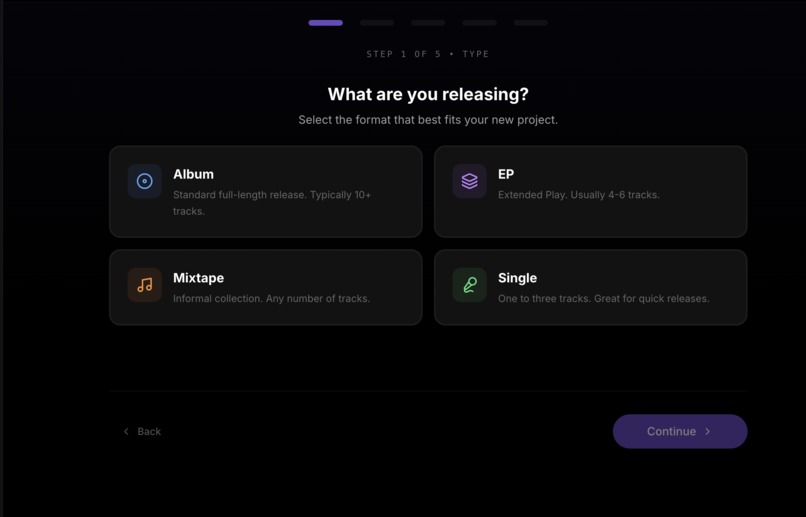
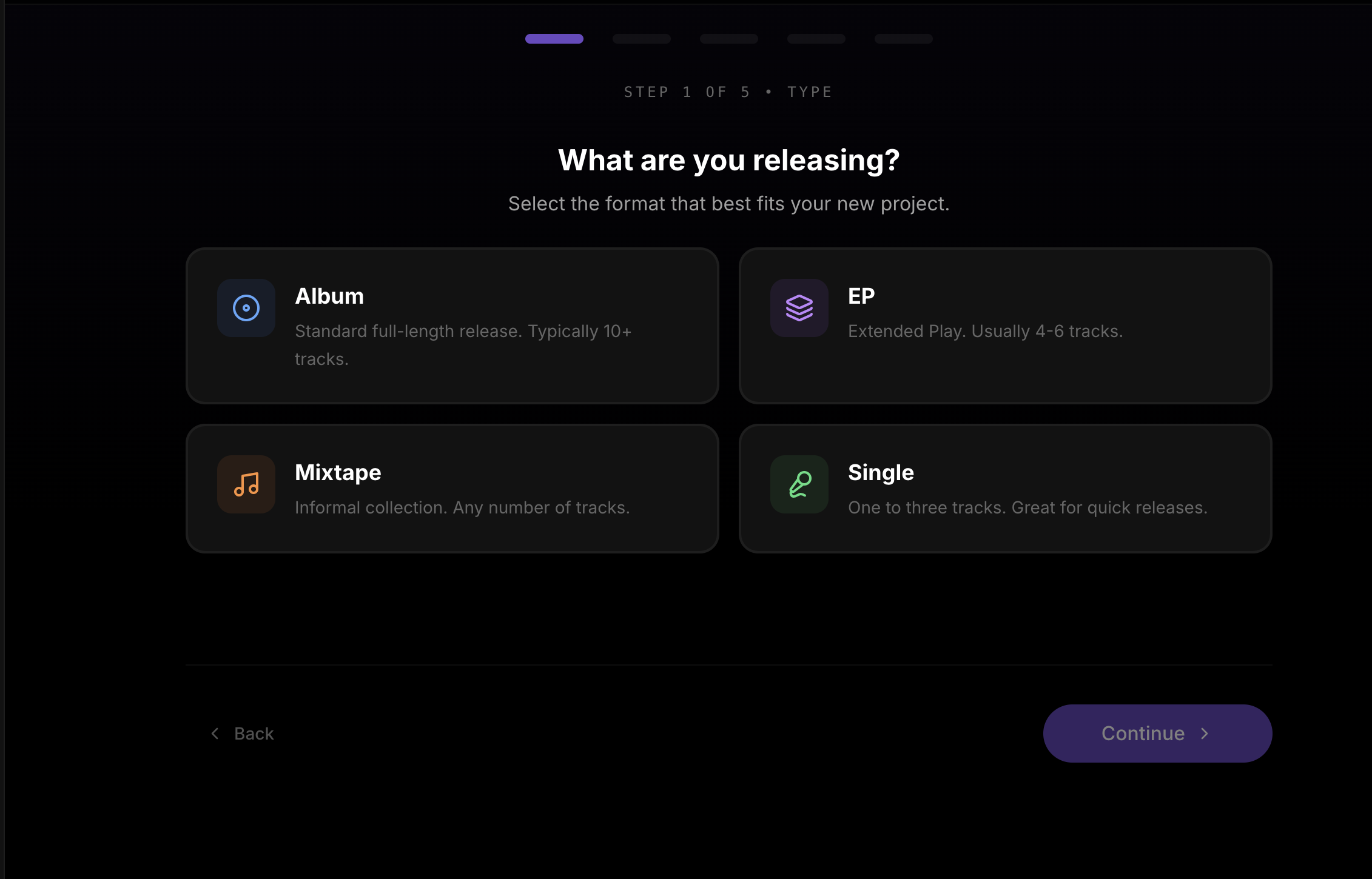
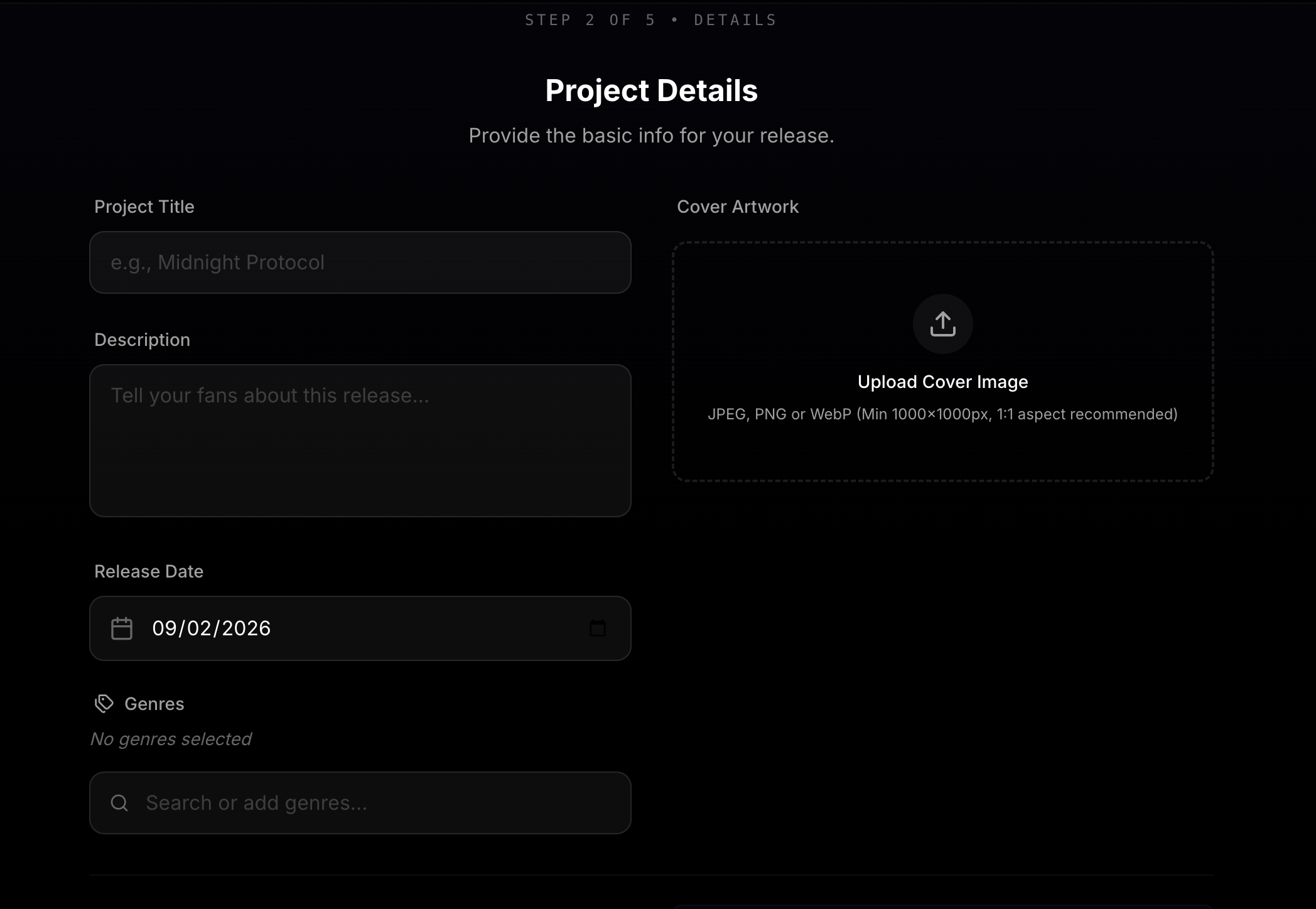
Upload Music Screen
-
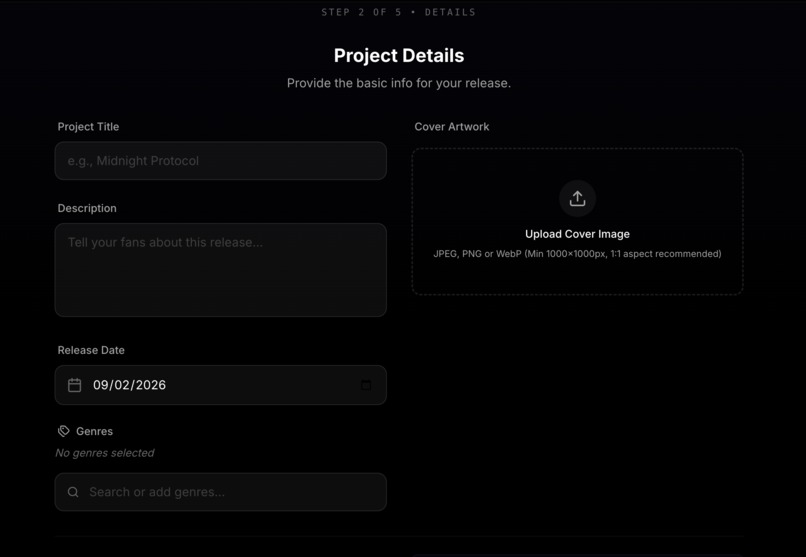
Upload Music Screen
-
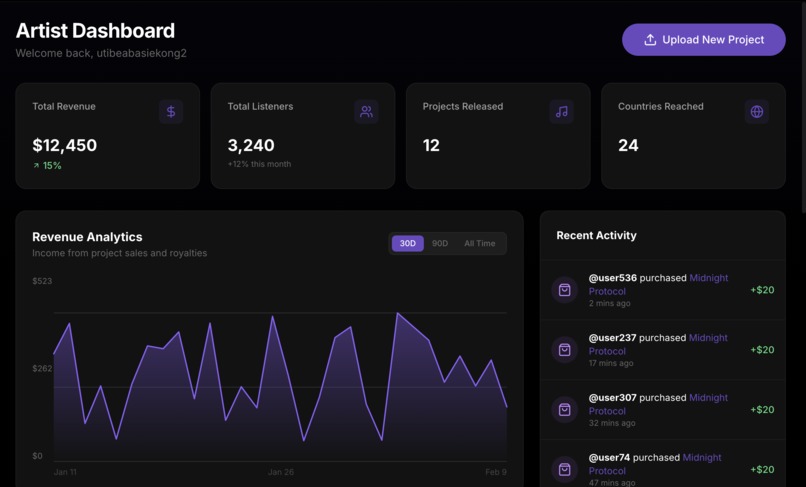
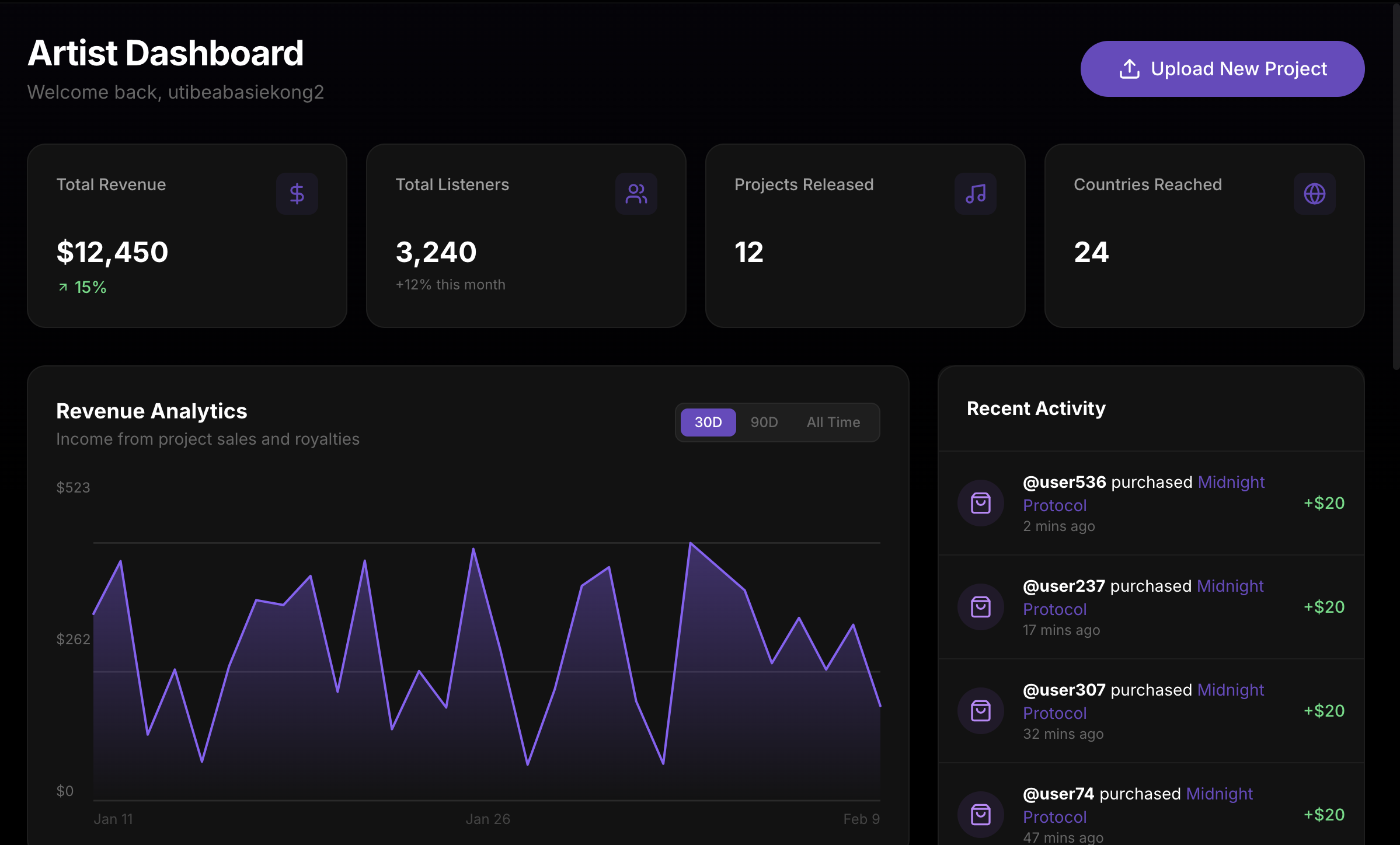
Artist Dashboard
-
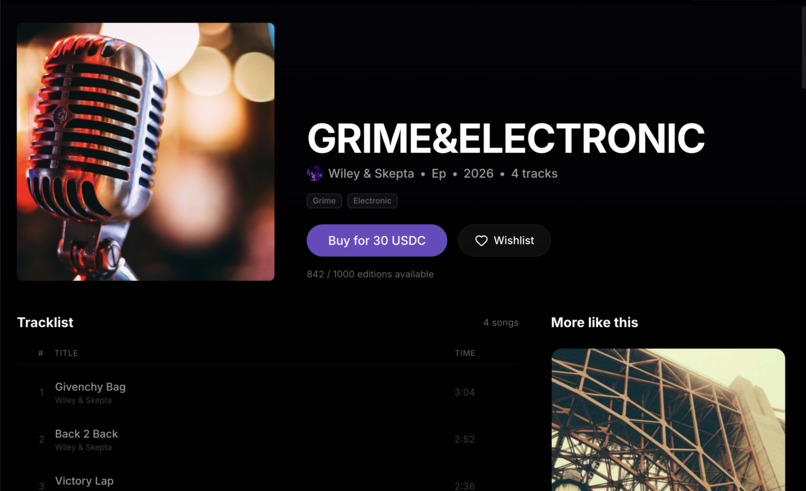
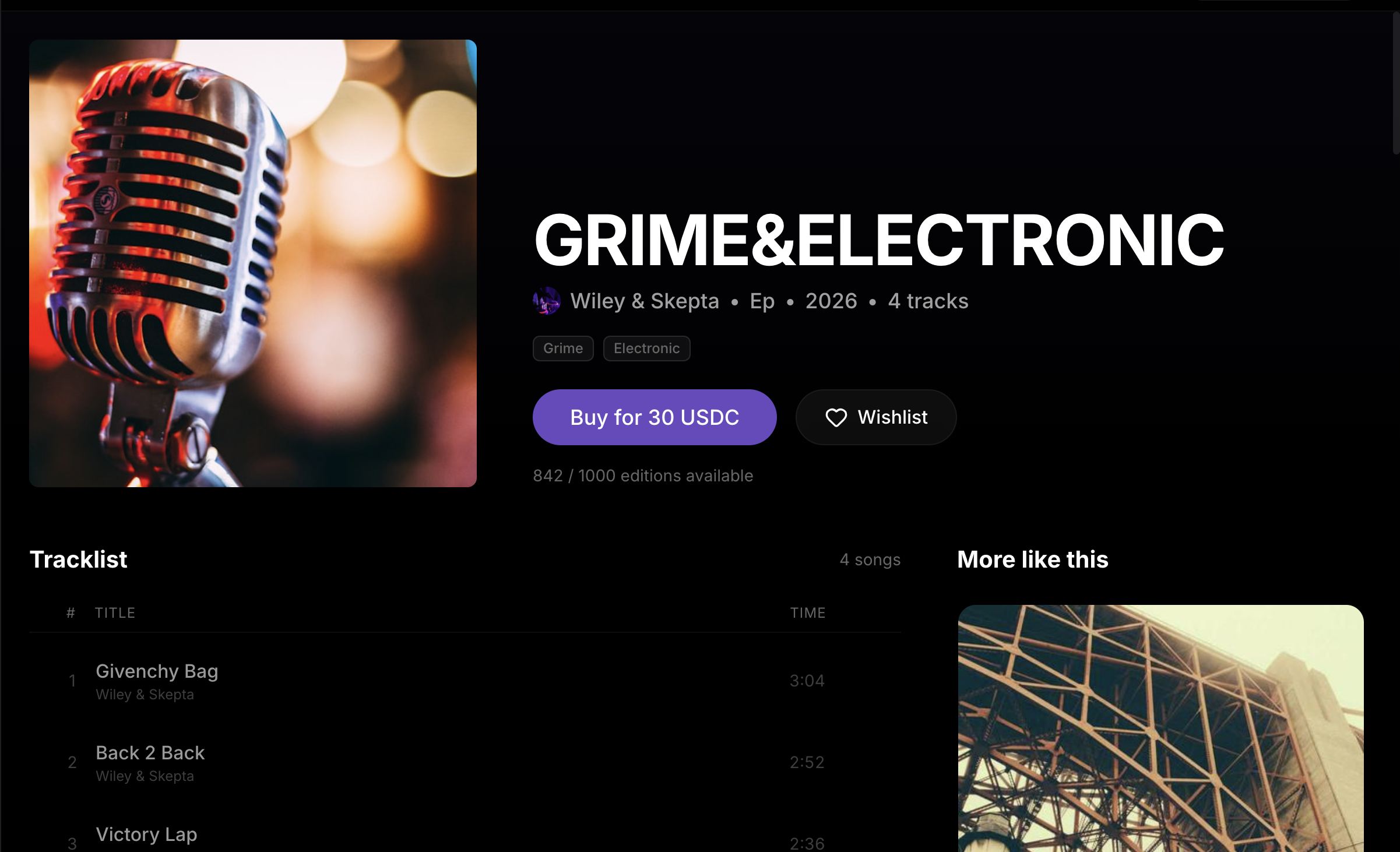
Project Details Page
-
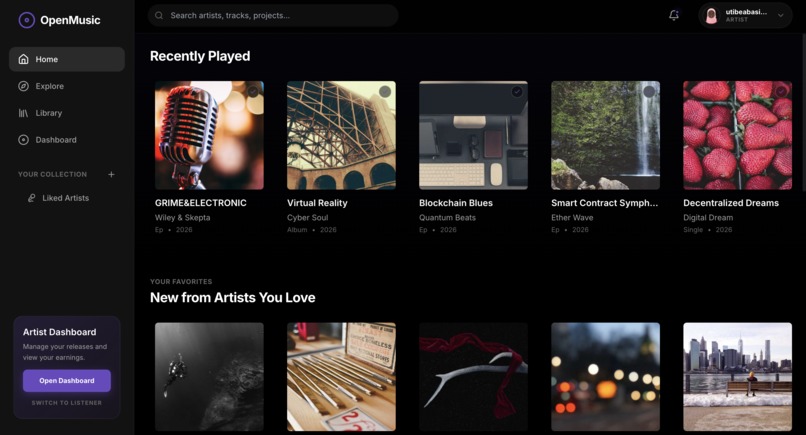
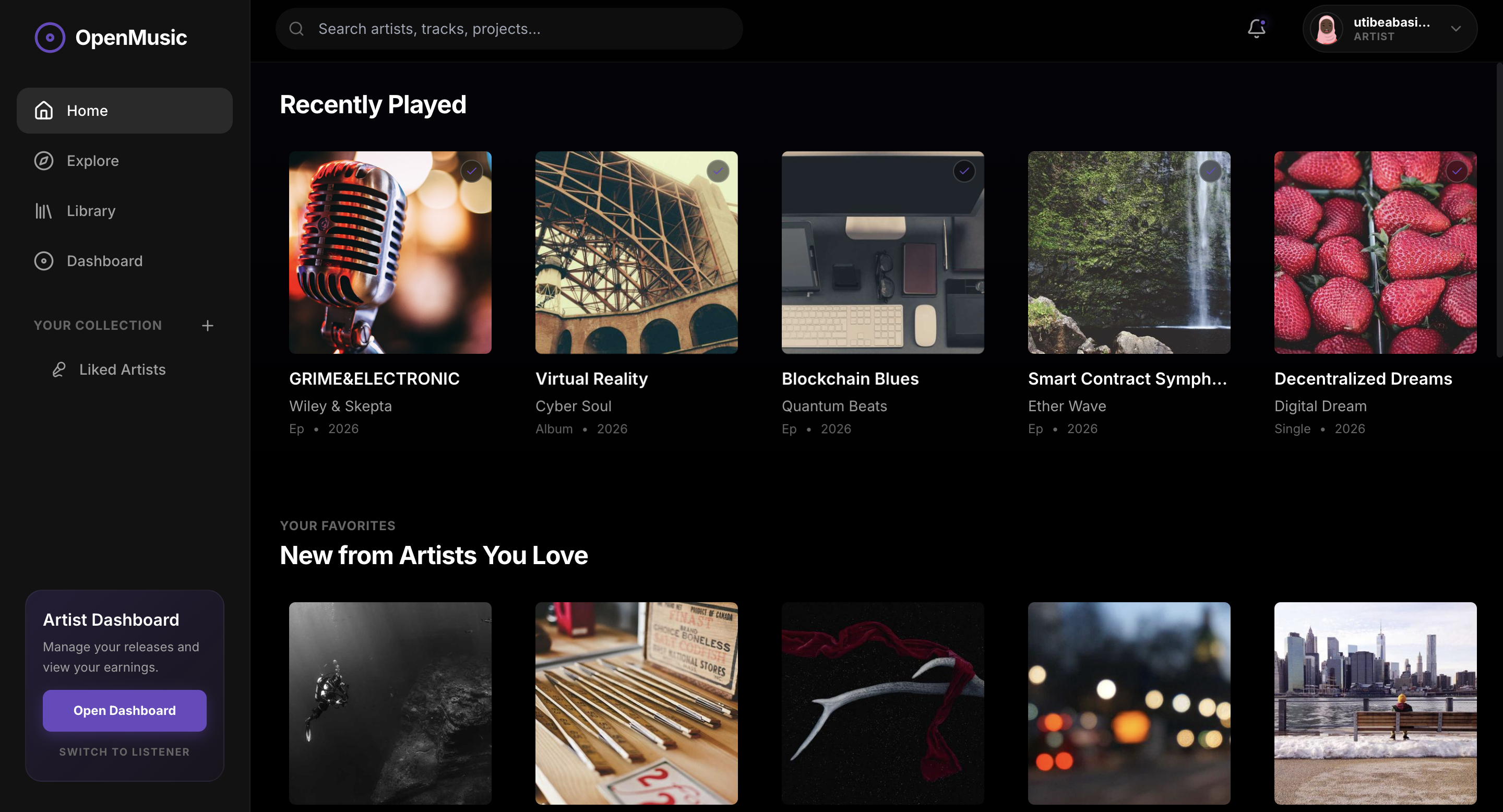
Explore Page
-
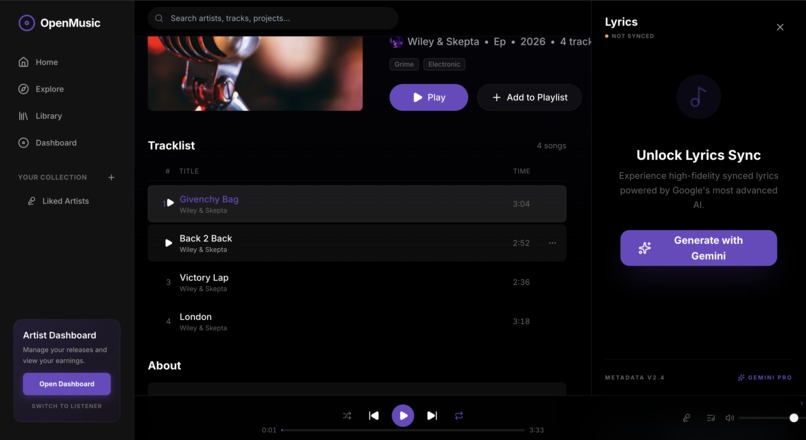
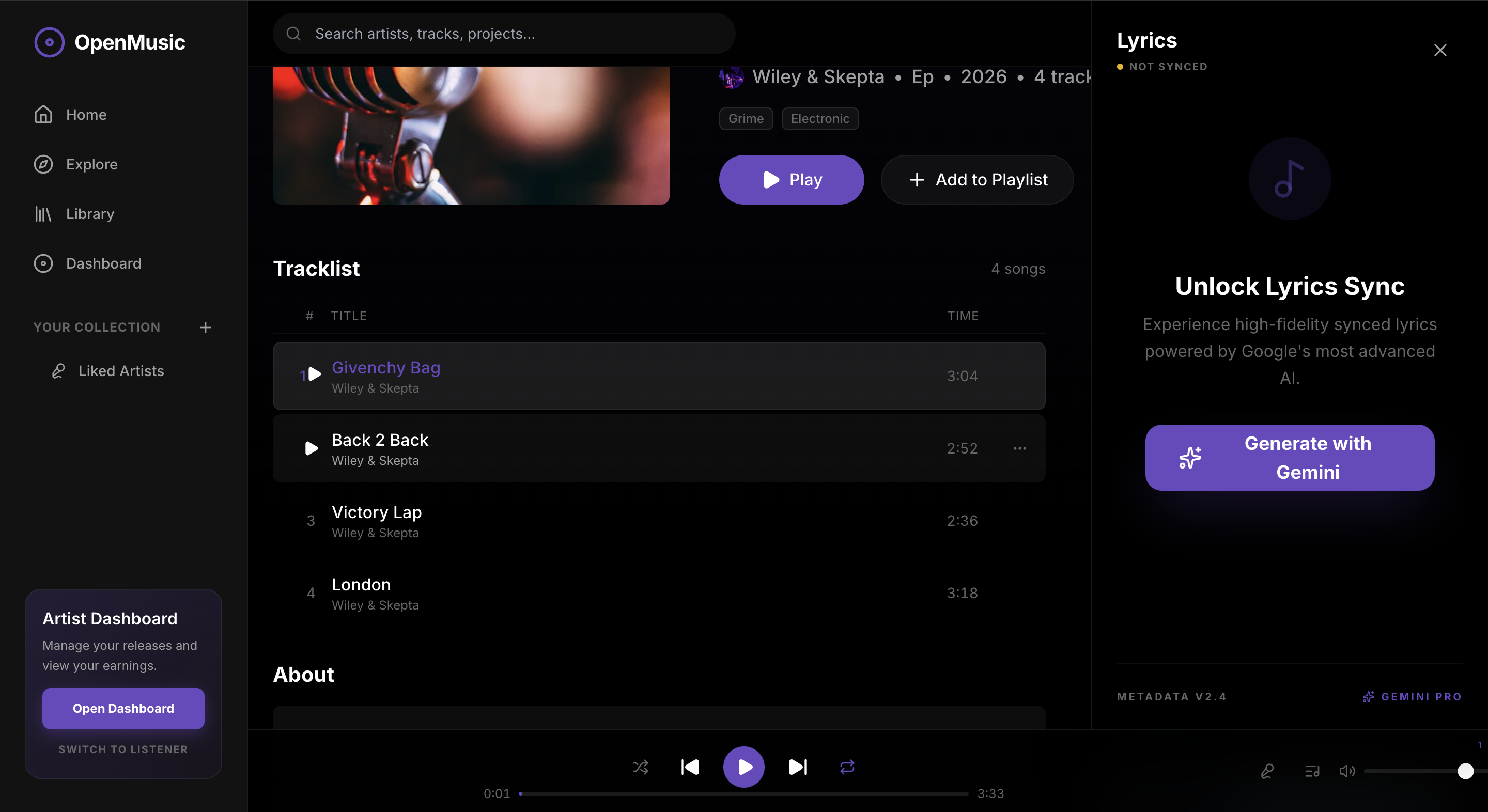
Generate Lyric With Gemini While Music Plays
Inspiration
The inspiration for OpenMusic comes directly from the philosophy of British Grime legend JME. In various interviews, JME has expressed a deep distaste for how musicians have become "employees" of giant tech corporations. He argues that modern streaming platforms force artists to fit into an ecosystem designed to feed the "big streaming companies" rather than allowing music to exist as an independent piece of art.
When music is just a button press away, it becomes devalued. By releasing his album Grime MC only on physical vinyl and CD initially, JME forced fans to make a conscious effort to engage with the art. OpenMusic is built to give every artist that same power: to release music as a digital "physical" good—independent, scarce, and valuable.
What it does
OpenMusic allows artists to release projects (EPs, Albums, Mixtapes) just as they would via vinyl: by minting NFTs that represent each unit of the music. The scarcity is entirely dependent on the artist and not the platform. Supporters and fans purchase these units of art and own them forever, unless they decide to sell them to someone else. Users can play their owned music directly on the platform with a premium interface.
Key Features:
- True Ownership: Music tracks are collectable assets with intrinsic value.
- Gemini Sync: Utilizes state-of-the-art AI to generate high-fidelity, timestamped lyrics for every track.
- Artist Independence: Artists control their own pricing, supply, and release rhythm.
How we built it
The project was built using a modern, reactive stack focused on high-performance audio and AI integration:
- Frontend: React + TypeScript with Vite for an optimized and scalable UI.
- AI Integration: I leveraged Gemini 3 (specifically the experimental preview via Google AI SDK) to implement "Gemini Sync." This feature allows the platform to "listen" to audio tracks and transcribe them into perfectly timed JSON data.
- Development Workflow: I made extensive use of Antigravity, an advanced agentic coding assistant, to iterate rapidly and maintain a high standard of UI/UX.
- Auth & Wallet: Integrated Privy to handle seamless Web3 onboarding, making the blockchain layer invisible to the average listener.
Challenges we ran into
- Audio Engine Precision: I encountered significant hurdles in ensuring the music player resumed correctly from precise timestamps. Fixing the "restart bug" required a deep refactor of how we track audio source states.
- Gemini Model Quotas: Implementing Gemini 3 Pro required navigating strict rate limits. We had to iterate quickly through model variants, eventually optimizing for the Gemini 3 Flash preview to ensure transcription reliability without hitting quota walls.
- Seamless Sync: Coordinating the UI scroll position with the audio's current time $T$ required precise mapping logic where the active lyric line index $L$ is determined by: $$\text{Index} = \arg\max_{i} { \text{Time}_i \le T }$$ Ensuring this remained smooth during seeks was a major technical challenge.
Accomplishments that we're proud of
- Premium Interactive Lyrics: Created a "scrolling lyrics" experience that feels like a native mobile app, complete with glassmorphism and timed highlighting.
- Gemini 3 Integration: Successfully building a multimodal pipeline that handles raw audio bytes and returns structured metadata.
- Artist-First Architecture: Maintaining the integrity of JME's vision—treating digital music as a physical-standard good.
What we learned
I learned that multimodal AI is a game-changer for digital content metadata. Where artists used to spend hours manually typing and timing lyrics, Gemini 3 can now do it in seconds with higher accuracy. I also learned that build systems like Antigravity allow individual developers to architect complex, multi-layered applications (AI + Web3 + Audio) which would have previously required a large team.
What's next for OpenMusic
This is the MVP (Minimum Viable Product) and the beginning of a larger movement:
- On-Chain Reality: Deploying full smart contracts on Layer 2 (Base) to move beyond mock data.
- Generative Art Covers: Extending the Gemini 3 implementation to generate unique, prompt-based album artwork for artists during the upload process.
- Independent Backend: Building a decentralized storage layer using IPFS for the audio files.
- Marketplace: Implementing a secondary market where fans can trade their digital vinyl collections, ensuring artists receive automated royalties on every resale.

Log in or sign up for Devpost to join the conversation.