-
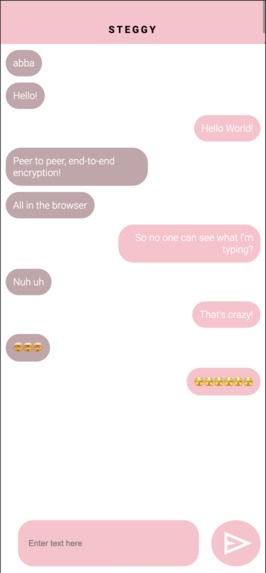
Hush Demo
-
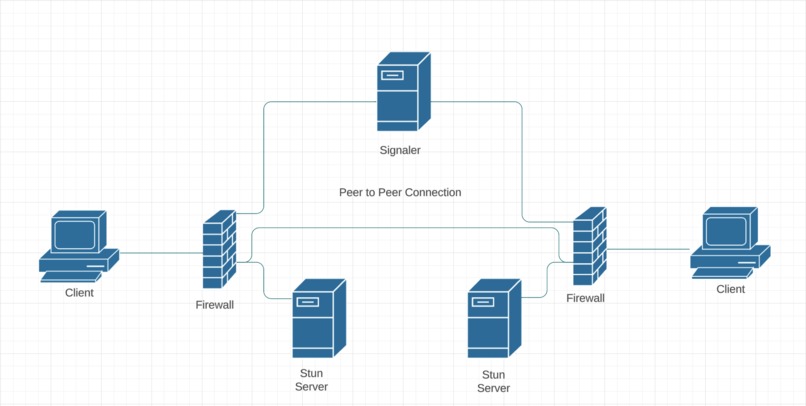
Network Map
Inspiration
In today's world, online privacy is not a given. In fact, it's not even the default. We as consumers have to manually protect ourselves from the prying eyes of those who want to sell our data. In 2022, roughly 2 in 5 women reported having their privacy breached, which suggested a need for a more secure means of communication.
What it does
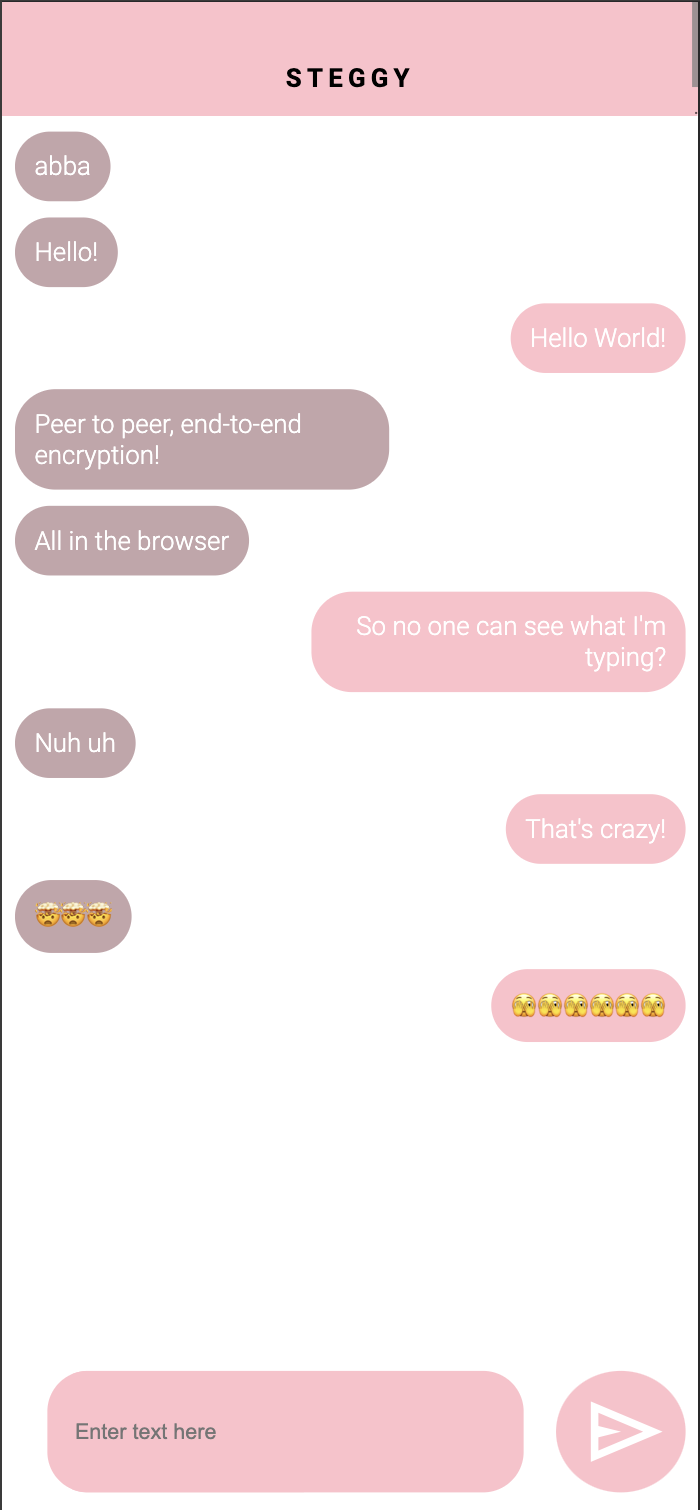
Hush uses WebRTC to provide fully encrypted and ephemeral chats. Users are prompted for a username in order to setup one time chat sessions with a correspondent.
How we built it
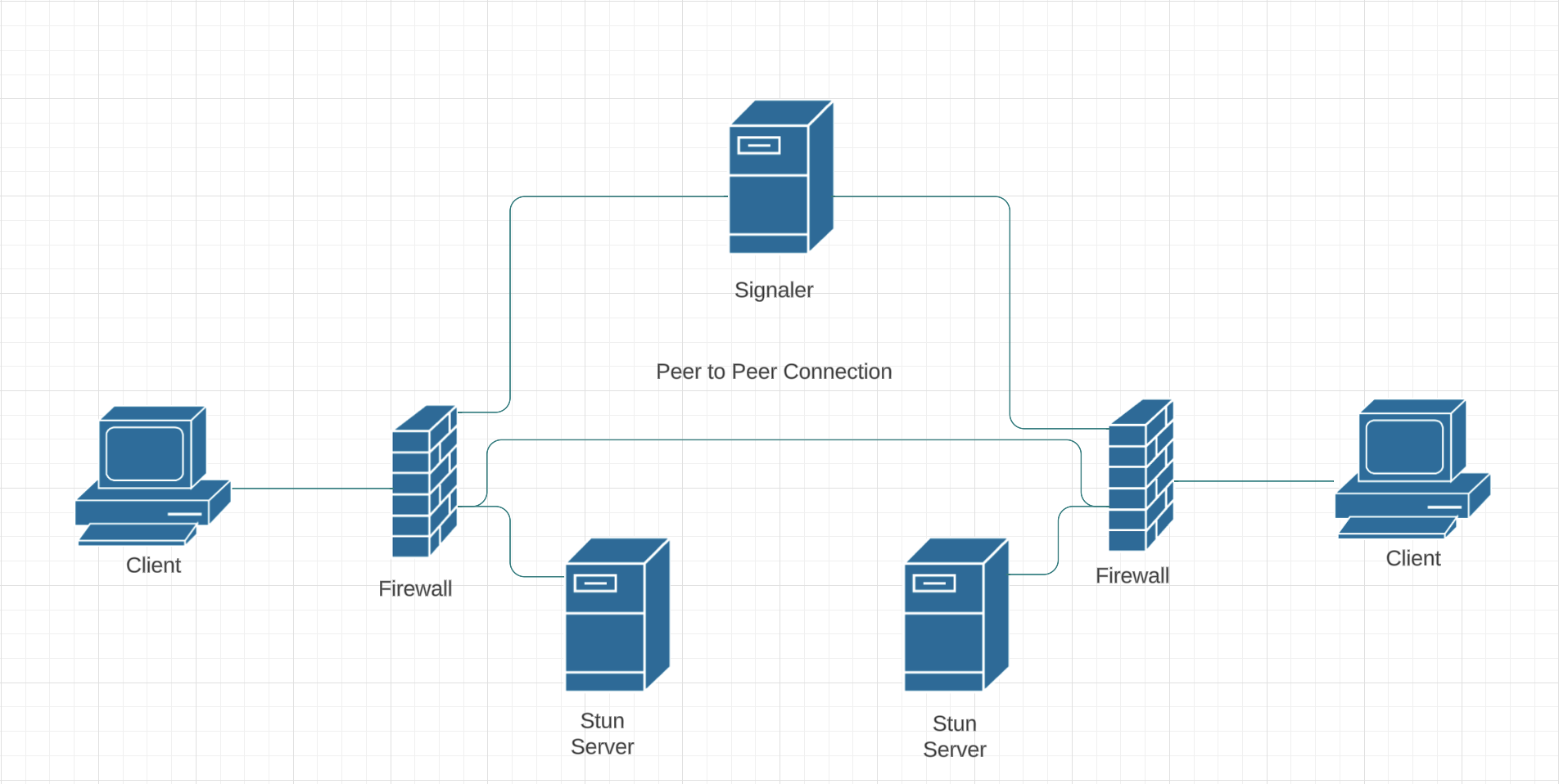
The entire project is built into a single, portable file. The scripting and styling is packaged into an HTML file that can be opened on any modern web browser. The WebRTC browser API is used to communicate with peers, using Google's TURN servers and a custom signaling server written in Python to facilitate handshakes.
Challenges we ran into
In order to bring this idea to life, we had to learn how to use technologies that were new to us, like WebRTC, HTML, CSS, and more. This came with a steep learning curve, which meant we spent a good chunk of our hacking time figuring out how to make our idea feasible.
Accomplishments that we're proud of
The application is truly peer to peer and end to end encrypted, all contained in a single HTML file that can be ran on any computer with a web browser.
What we learned
In our brainstorming process, we learned how much data is stolen from us by companies that we are supposed to trust. We also learned about how much the industry relies on our data to thrive.
What's next for Hush
In the future, we want to implement more features such as group chats, sending images, and Markdown support. This would help Hush reach a larger audience. We would also like to implement a decentralized mesh like network of trustless signaler servers, similar to that of the Tor network. This will allow for a anonymous and secure chat experience.
Built With
- css
- html5
- javascript
- python
- webrtc
- websocket

Log in or sign up for Devpost to join the conversation.