
Inspiration
We are all video game lovers looking to create a more immersive horror experience for those who love horror games.
What it does
Our video game collects brain signals while you are playing. Different situations will occur in the video game based on your concentration level(relaxed or focused). The project contains two main sections, data collection and the video game.
How we built it
For data collection and visualization, we used Muse 2 to detect brain signals, then used the boilerplate provided by NatHack2022 to collect electroencephalography(EEG) data. Then we computed the alpha and beta ratio using the NumPy library.
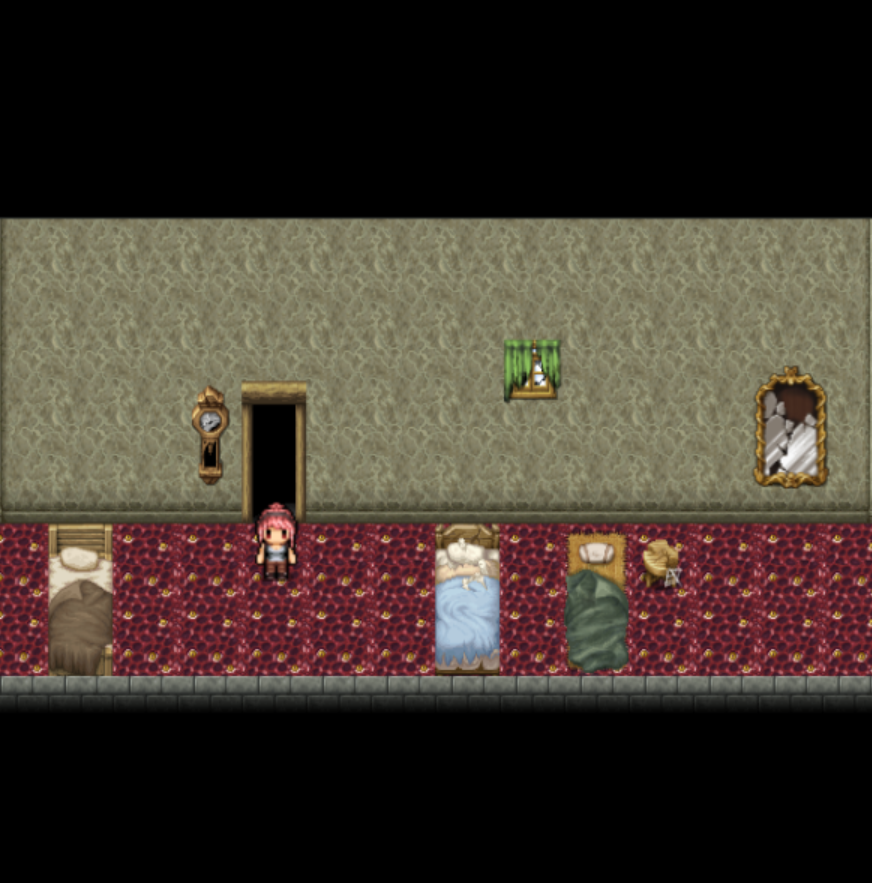
The video game was created mainly using the python “arcade” library. Boilerplate code from “arcade” documentation was used as a template. No other software was used for the game portion of our project, but the tilesets from RPGMaker were used to create images for the game map.
Challenges we ran into
We ran into the problems of collecting and using the data initially and to make the real-time data go from one python script to the other, we tried implementing multiprocessing and multithreading, which was not feasible.
Accomplishments that we're proud of
This is the first time we have used neurotechnology and created a video game using the python arcade library.
What we learned
We learned how to use Muse 2 and collect and analyze brain signals.
What's next for Hunted House
We will use the template code we have in MyGame to use the float gathered from the .txt file to determine in on_update() how the game should react to this data

Log in or sign up for Devpost to join the conversation.