Inspiration
The inspiration behind HungryFishy.io was to create a fun and engaging game that educates children and young adults about the impact of pollution on aquatic life. The reason for this is because we realized that many popular video games do not promote environmentally-friendly behaviour, so we decided to create a game that could both entertain and educate players on this important issue. The goal was to make a game that could capture the attention of players, while also teaching them about the negative impacts of pollution on marine life.
What it does
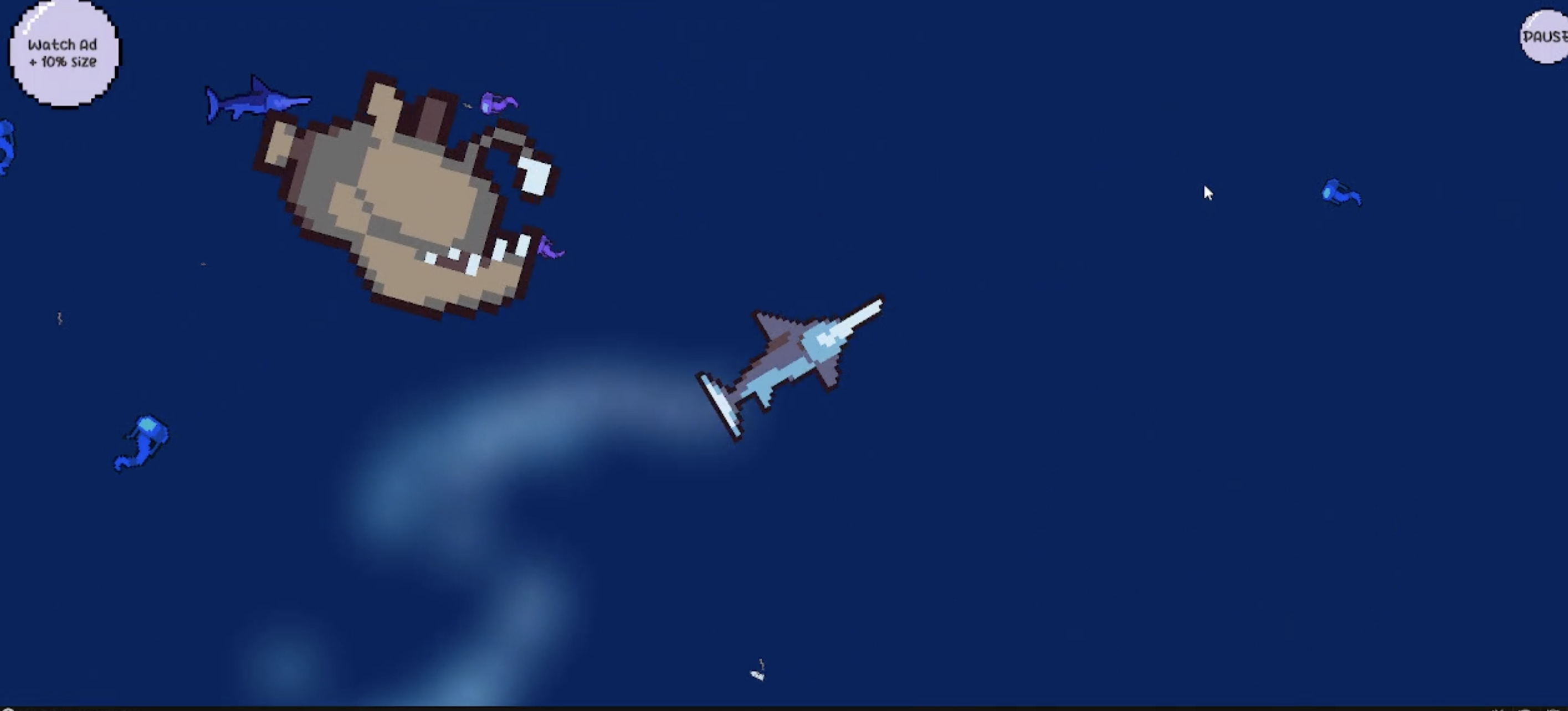
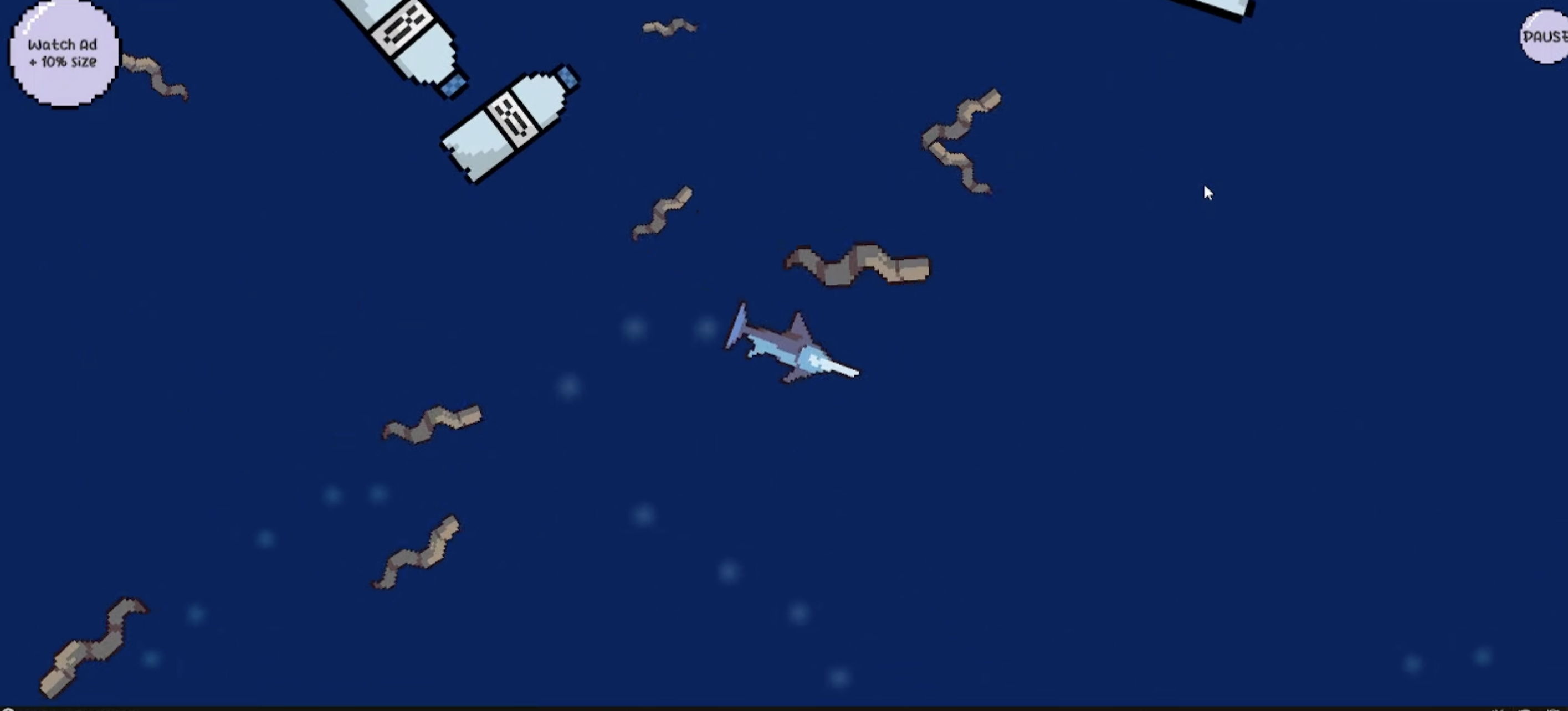
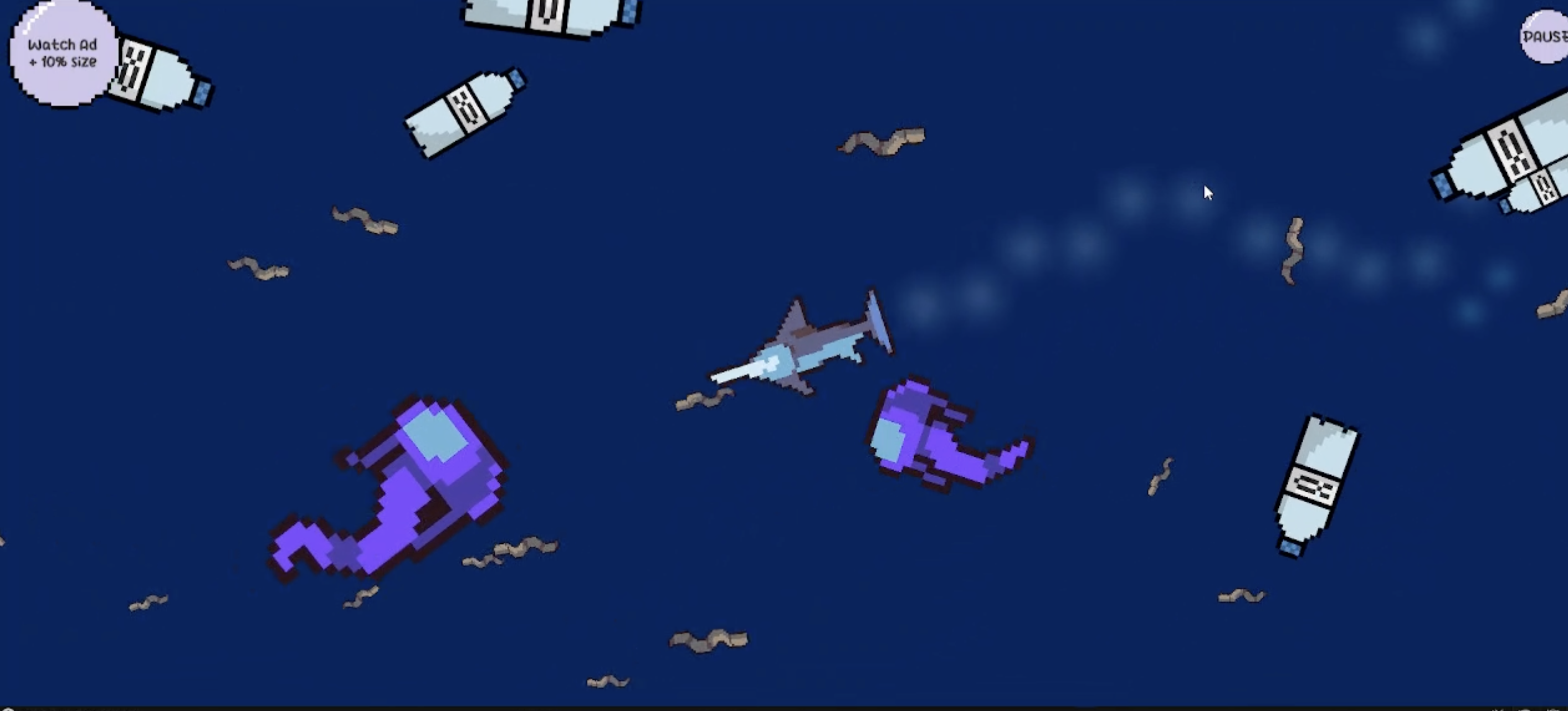
HungryFishy.io is a mobile game where the player takes on the role of a fish that must grow as large as possible by eating other fish. However, the game is also designed to educate players on the impact of pollution on aquatic life. If the player's fish comes into contact with plastic or garbage in the water, it will shrink in size, making it harder to find prey and survive. The game also includes features that demonstrate how pollution affects the biodiversity of aquatic life and the importance of protecting wildlife habitats. Additionally, all profits from in-game advertisements go to various environmental charities, making it a game that not only educates players but also contributes to the fight against pollution.
How we built it
We built HungreyFishy.io using the Unity 2D game engine and programmed the game mechanics using C#. We used various Unity features such as the physics engine, sprite animations, and user interface tools to create the game. We also incorporated advertisements and charity donations into the game through coding and third-party integrations.
Challenges we ran into
Another challenge we faced was the limited timeframe. We only had 36 hours to develop the entire game from scratch, and neither of us had prior experience in making a mobile game or participating in a hackathon. This meant that we had to work quickly and efficiently to overcome any roadblocks that came up and deliver a functioning game on time. Additionally, we had to ensure that the game was both fun and educational, which required a lot of brainstorming and iteration to get right.
Accomplishments that we're proud of
- Successfully integrating the movement code with the animation despite the challenges encountered.
- Creating a functional prototype of the game within a short timeframe.
- Implementing all of the game mechanics we wanted to include
- Designing and creating appealing graphics and sound effects for the game.
- Collaborating effectively as a team despite having a wide range of individual skill levels.
What we learned
Through building HungryFishy.io, we learned how to use Unity 2D to develop a game, work collaboratively as a team, troubleshoot coding issues, and effectively communicate and delegate tasks. We also gained a better understanding of game design principles and the importance of user feedback in refining a product.
What's next for HungryFishy.io
There are several ways to improve the game, such as adding more levels with increasing difficulty, introducing different types of fish with unique behaviours and characteristics, incorporating power-ups and obstacles, and implementing a scoring system with leaderboards to increase competitiveness. Additionally, improving the graphics and sound effects can enhance the overall user experience. Regular updates and bug fixes can also keep the game fresh and engaging for players. Furthermore, we plan to promote the game to a wider audience to raise awareness about marine environmental issues and inspire people to take action to protect our oceans.


Log in or sign up for Devpost to join the conversation.