-
-

App icon
-
Screenshot 1
-
Screenshot 2
-
Screenshot 3
-
Screenshot 4
-
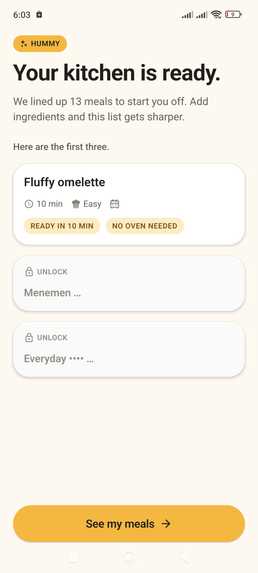
Screenshot 6
-
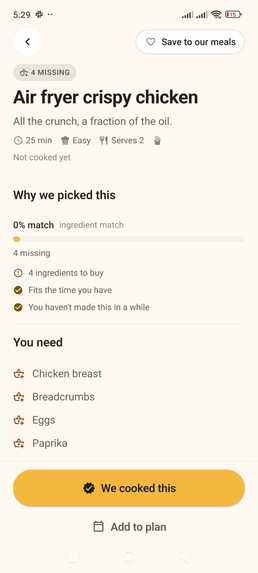
Screenshot 5
-
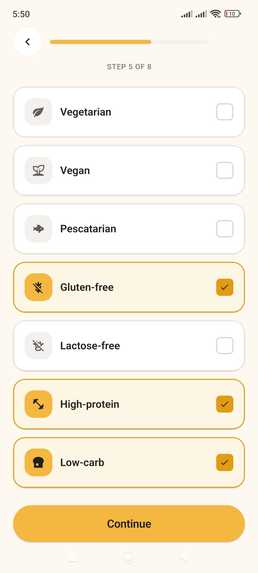
Screenshot 7
-
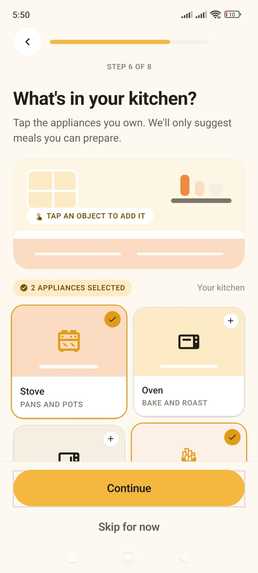
Screenshot 8
-
Screenshot 9
-
Screenshot 10
-
Screenshot 11

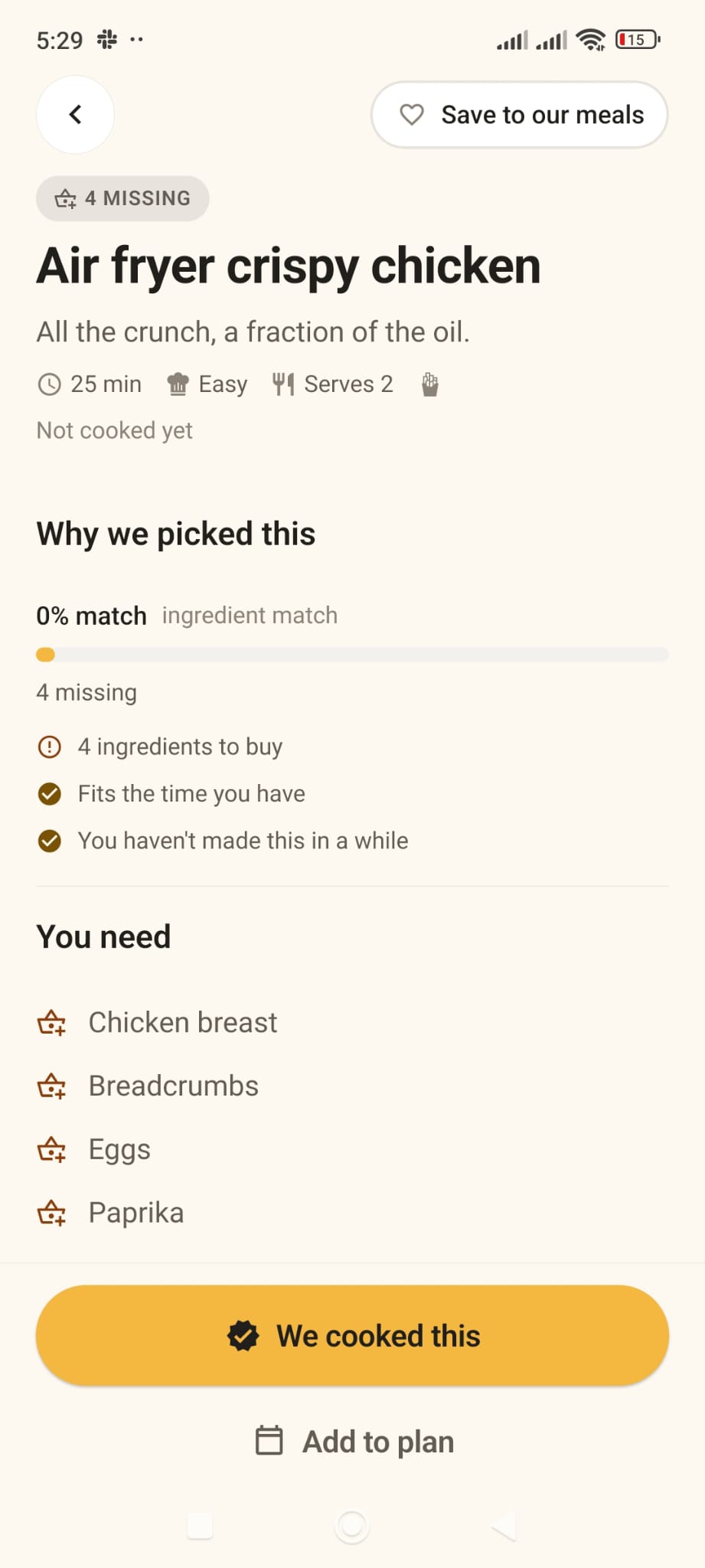
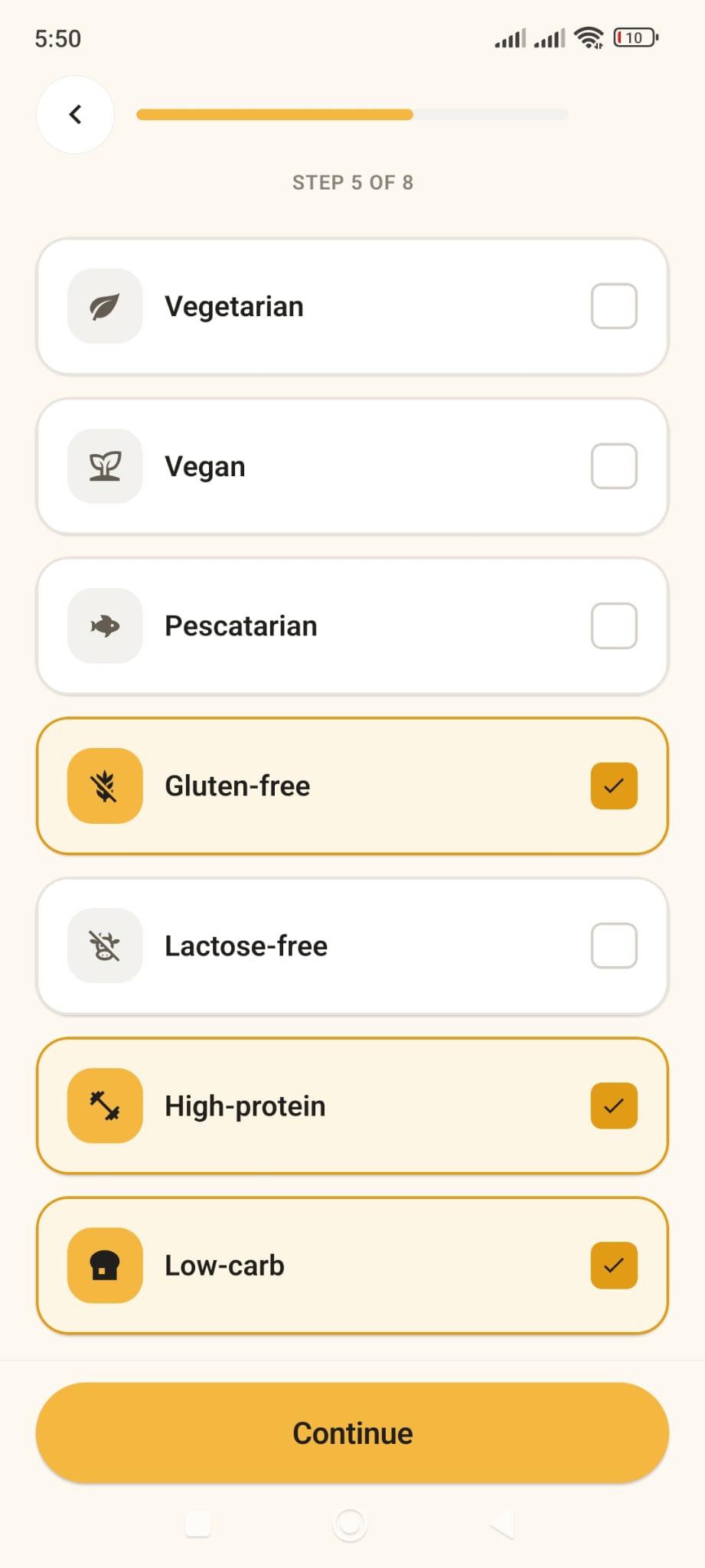
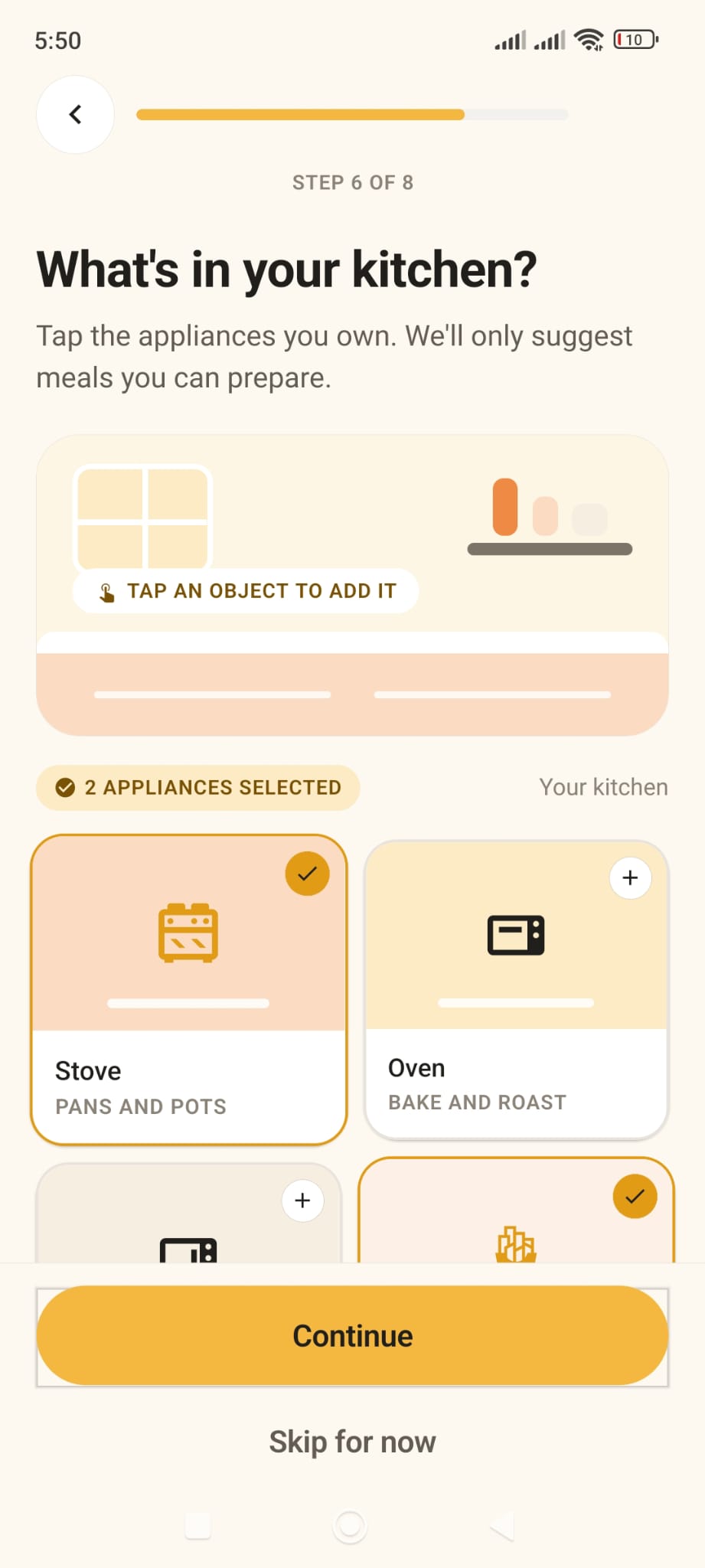
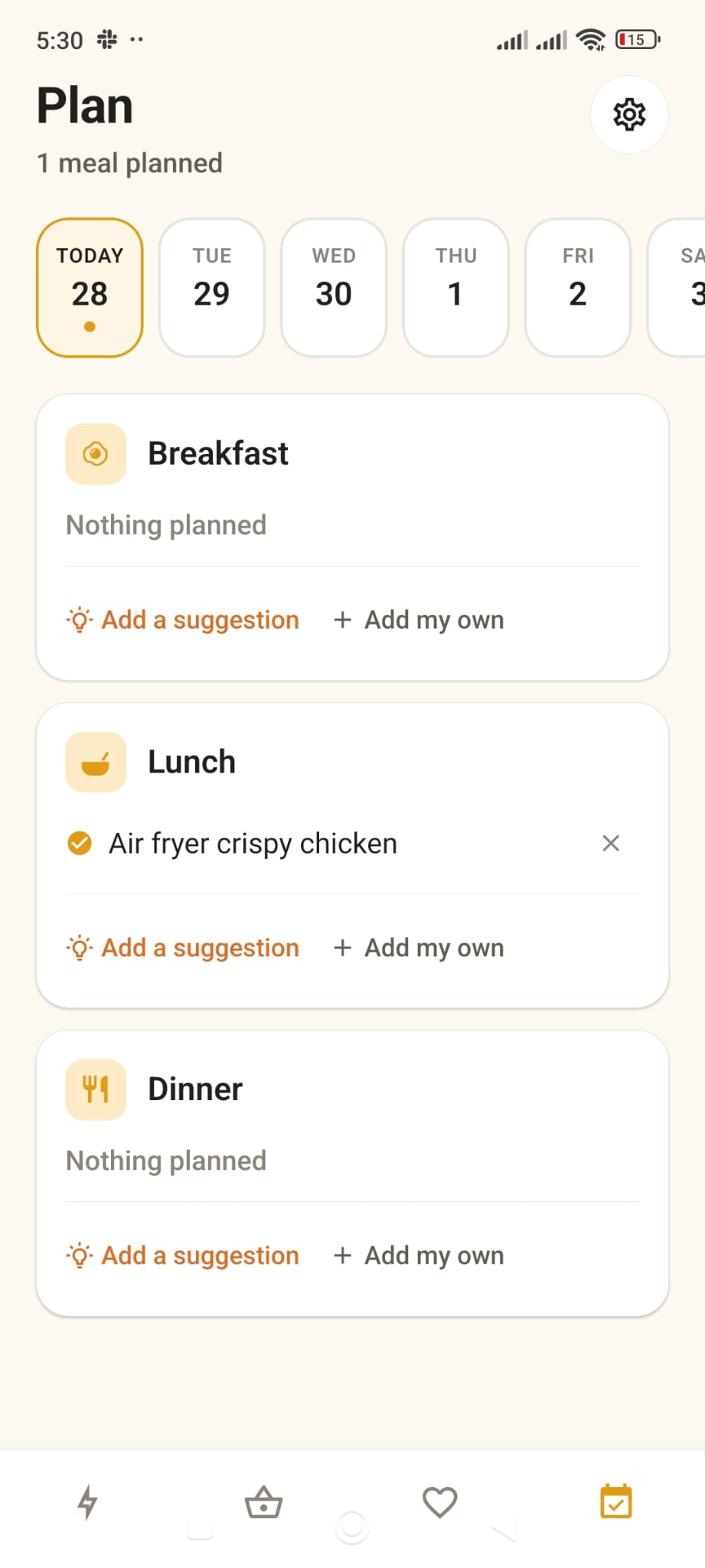
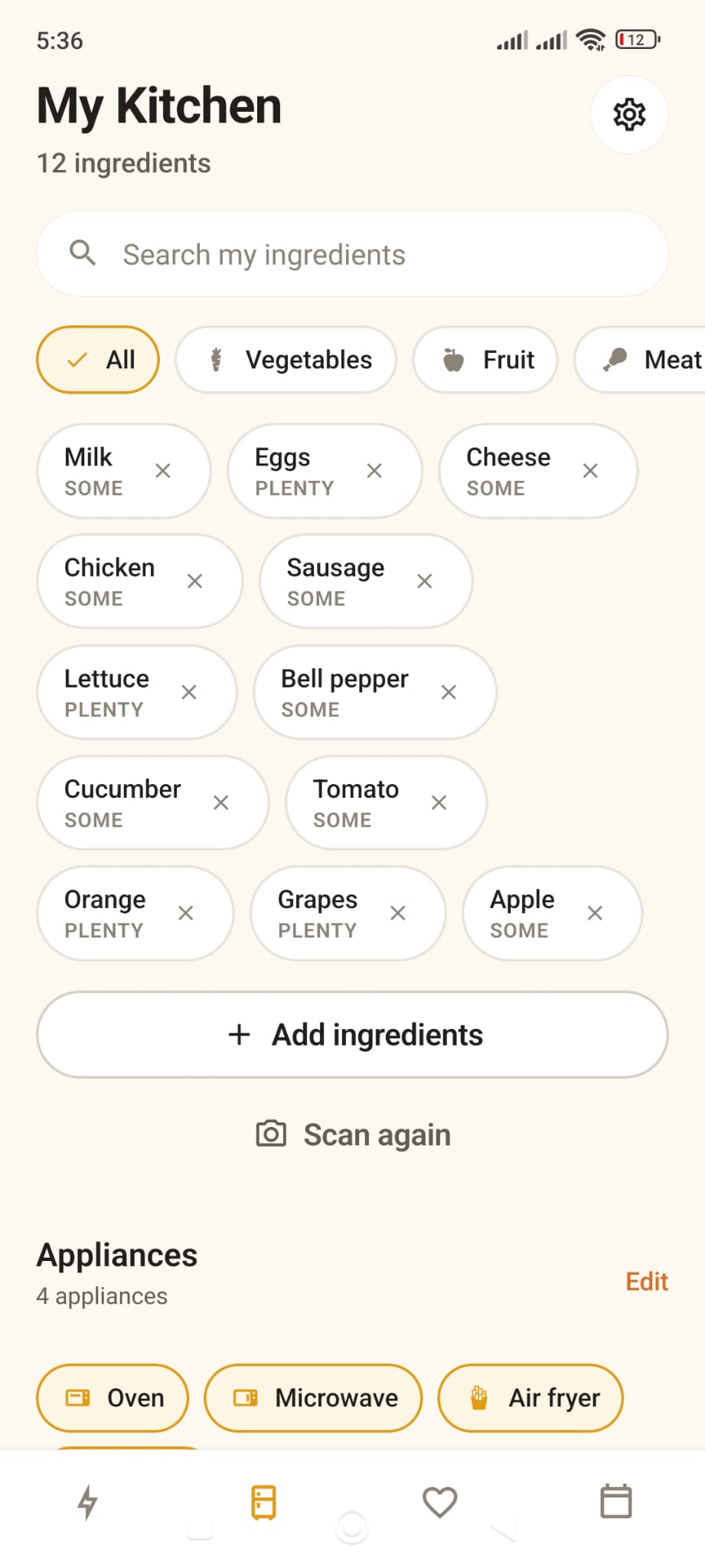
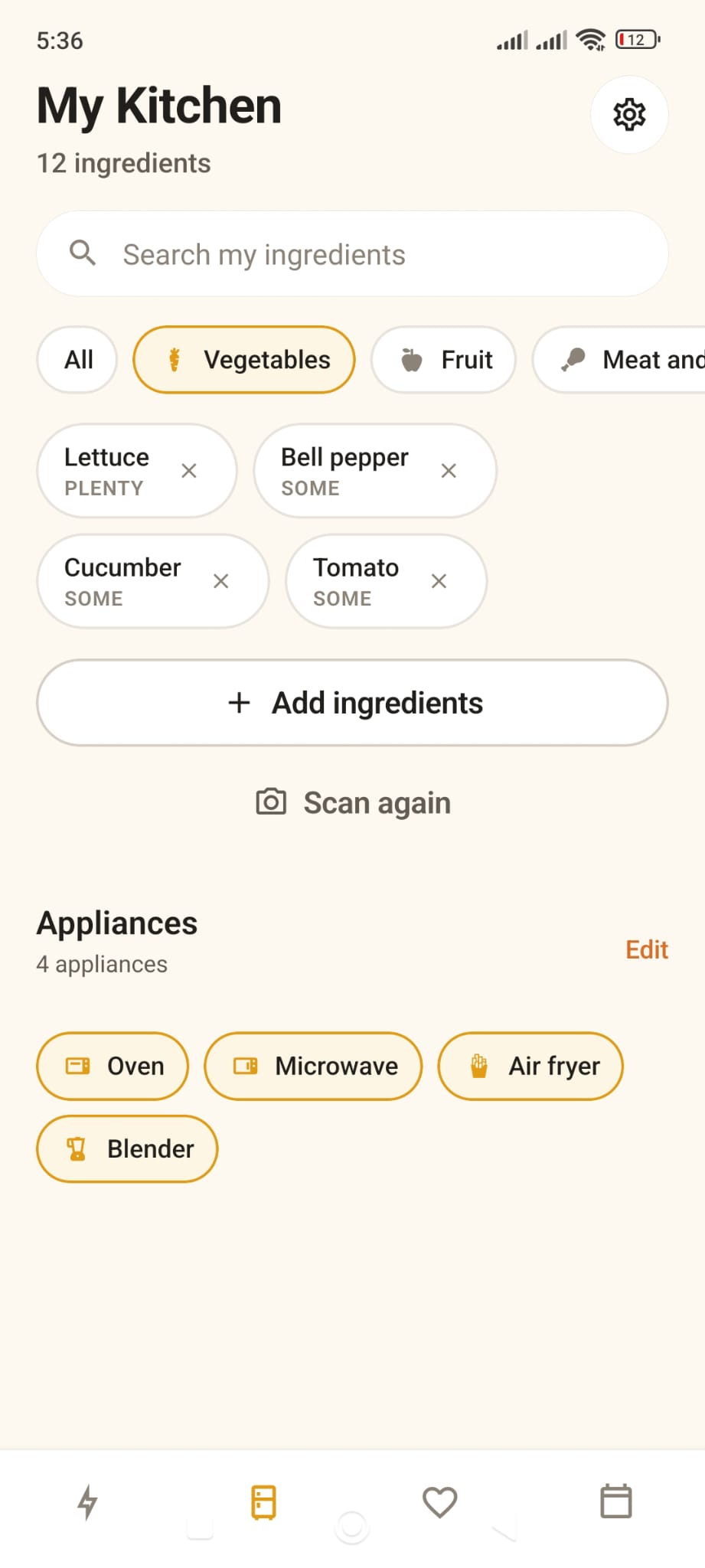
We are two co-founders, and we both love cooking and trying new recipes.
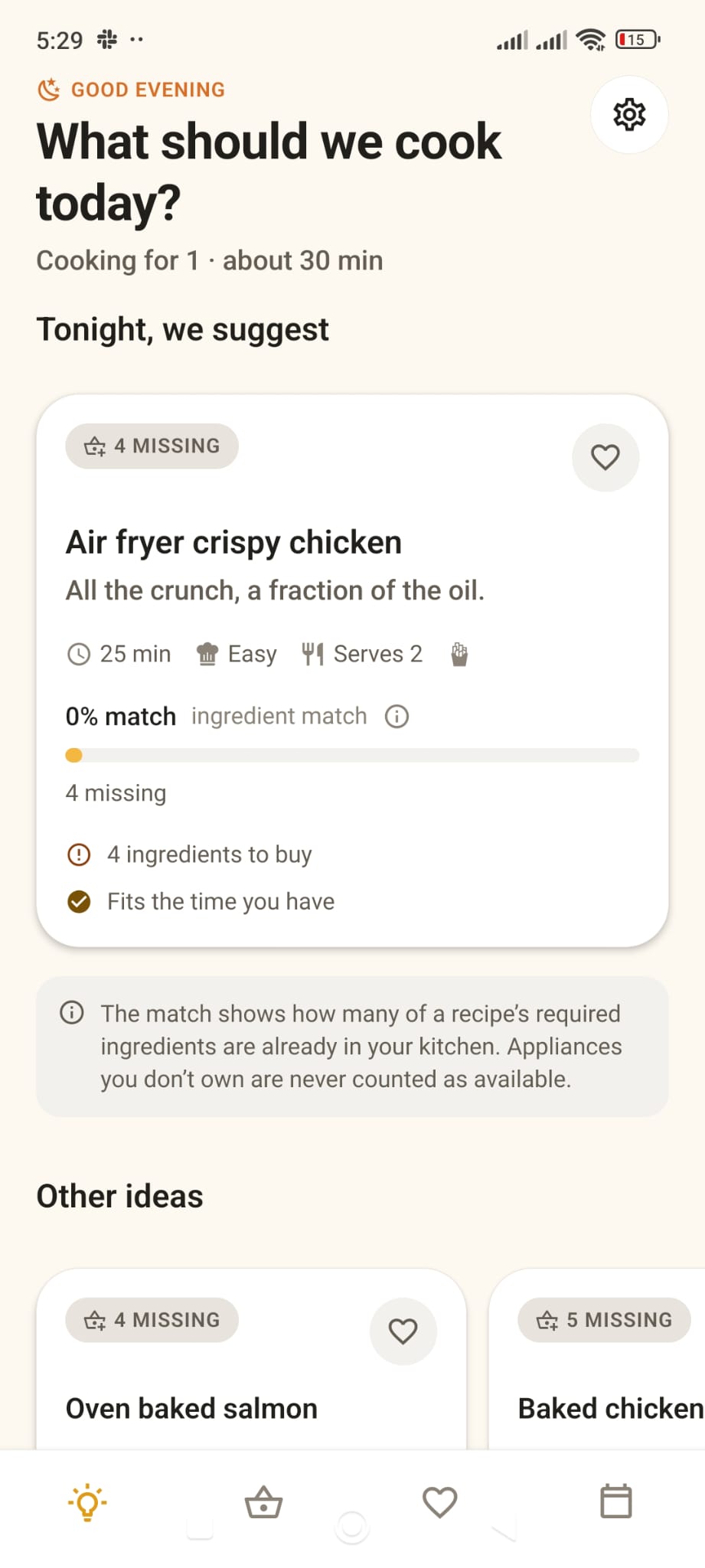
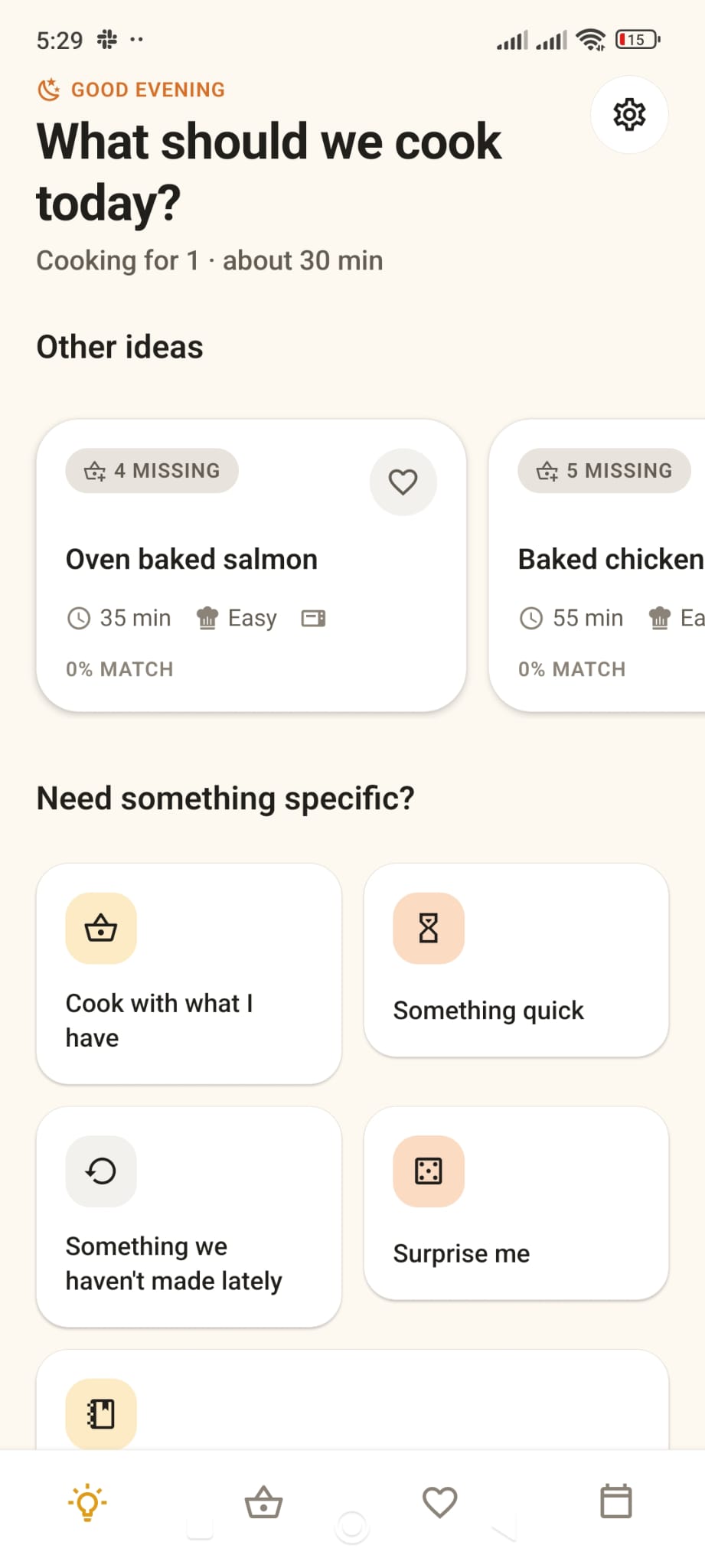
The idea for Hummy came from a very simple problem we were already experiencing in daily life. Said, one of the founders, lives with his grandmother. Every day, they were thinking about the same question: “What should we cook today?” They enjoyed trying new recipes, but deciding what to make with the ingredients already at home was often difficult.
We have been building mobile apps for about a year, and while working on our previous products, we saw how much AI can simplify everyday tasks. This made us think about recipe apps in a different way.
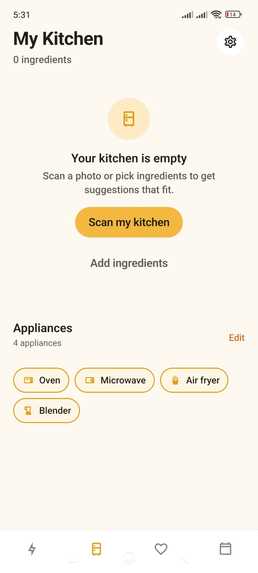
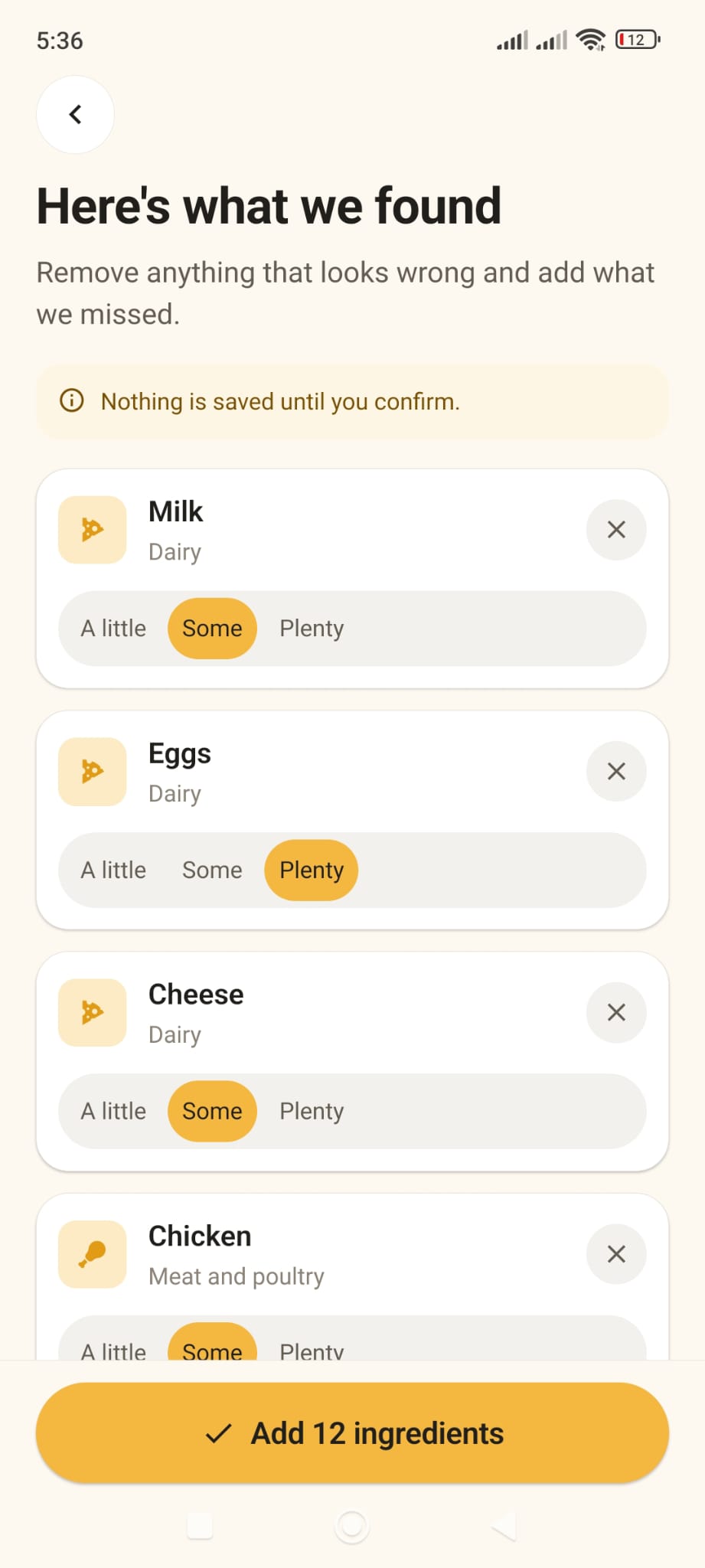
In many existing apps, users need to manually enter every ingredient they have at home. They may also need to add information about their kitchen equipment before they can get useful suggestions. We wanted to make this process much faster.
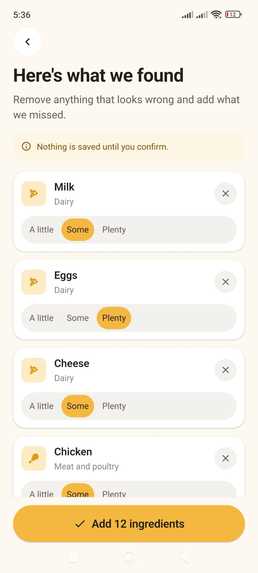
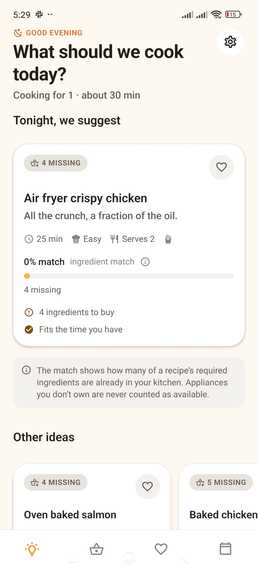
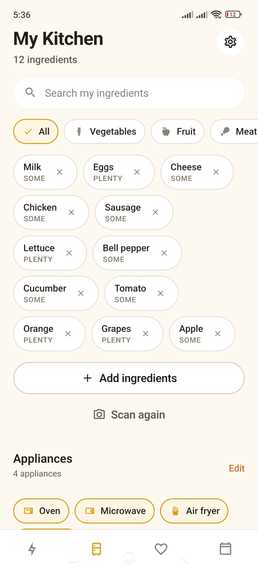
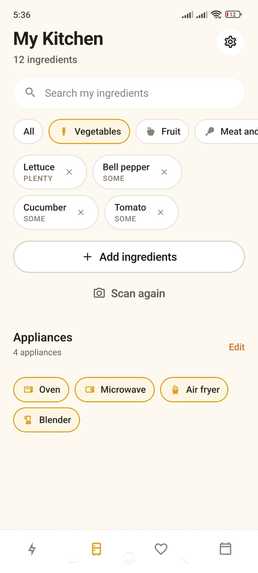
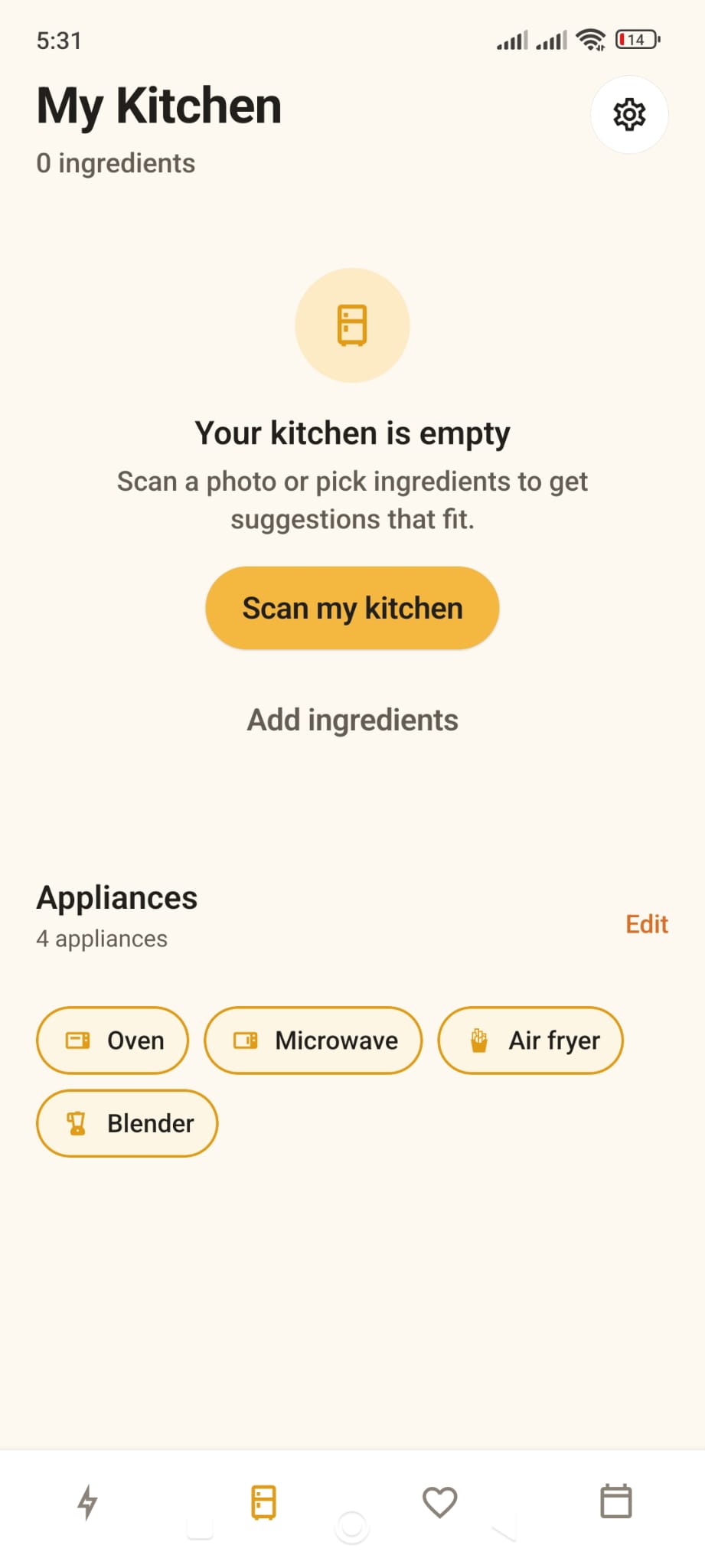
With Hummy, users can simply take a photo of their fridge. AI detects the available ingredients and uses them to suggest meals they can actually make. During onboarding, we also learn about the user’s dietary preferences, such as whether they are vegan or celiac disease etc. , and which kitchen tools they have, like an oven, blender, or air fryer.
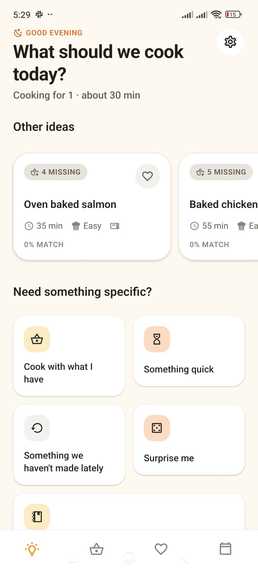
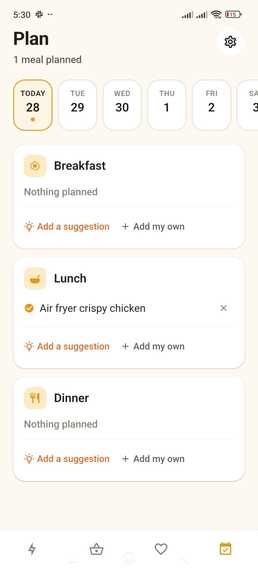
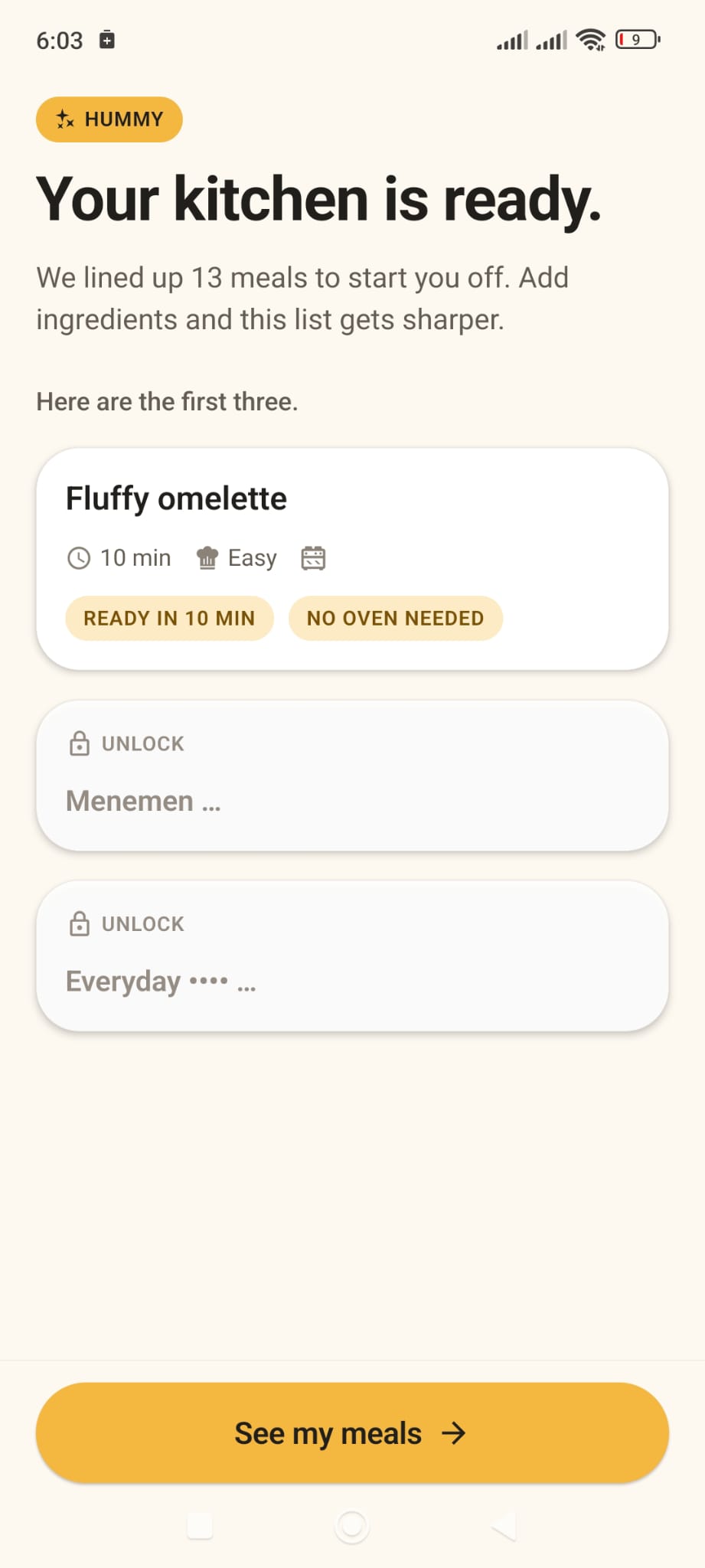
Hummy can also suggest a few extra ingredients the user could buy (not from the app) to unlock more meal options, and users can create a weekly meal plan based on their preferences and available food.
One of the main challenges was making the experience simple. AI can detect many things, but the result still needs to be useful in real life. We had to connect ingredient detection, dietary preferences, kitchen equipment, and meal suggestions in a way that feels natural instead of complicated.
While building Hummy, we learned that AI is most useful when it removes small repetitive tasks. Instead of asking users to enter everything manually, we try to understand their kitchen with one photo and help them answer a very common question: “What can I cook with what I already have?”

Log in or sign up for Devpost to join the conversation.