Inspiration
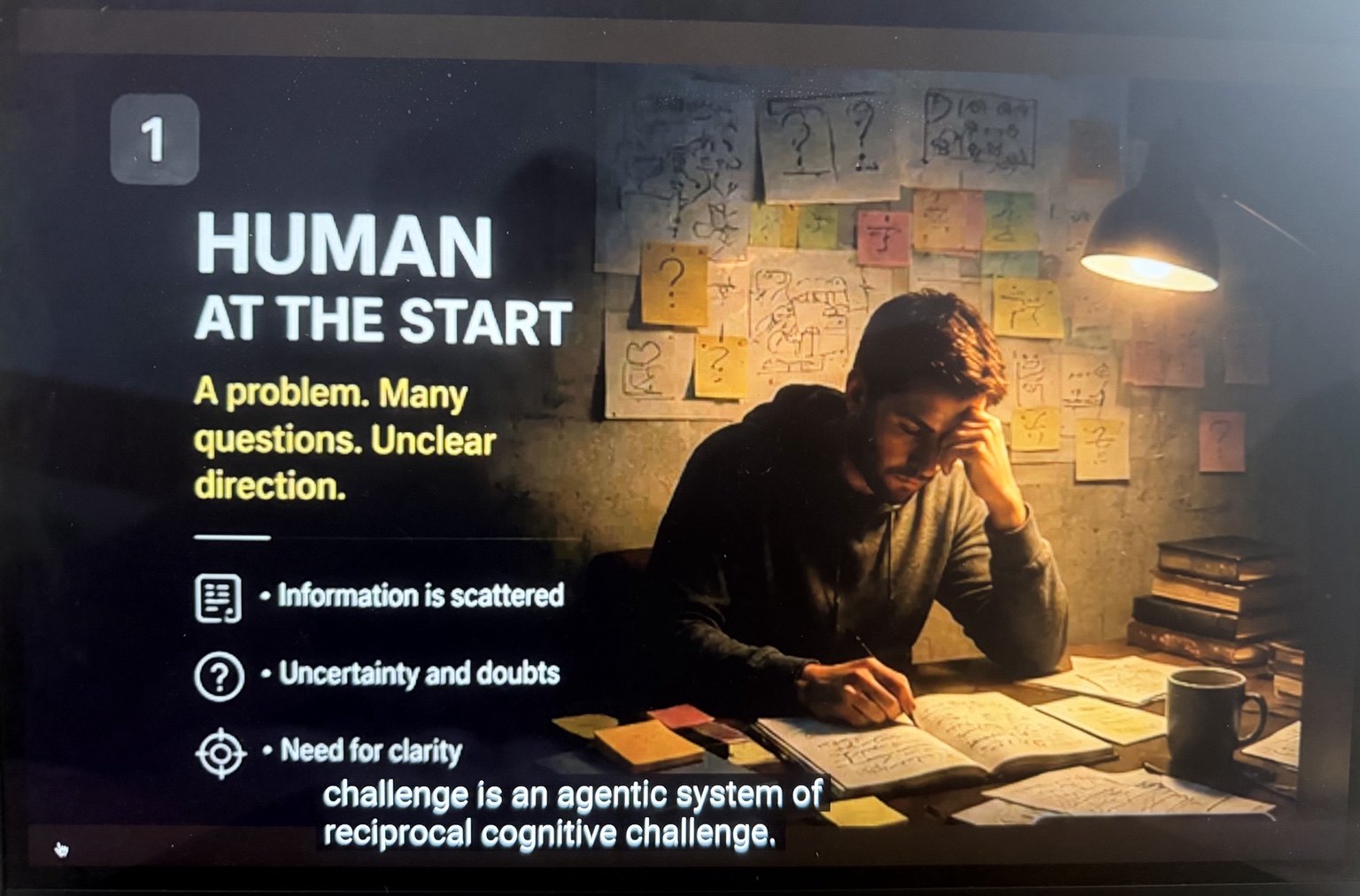
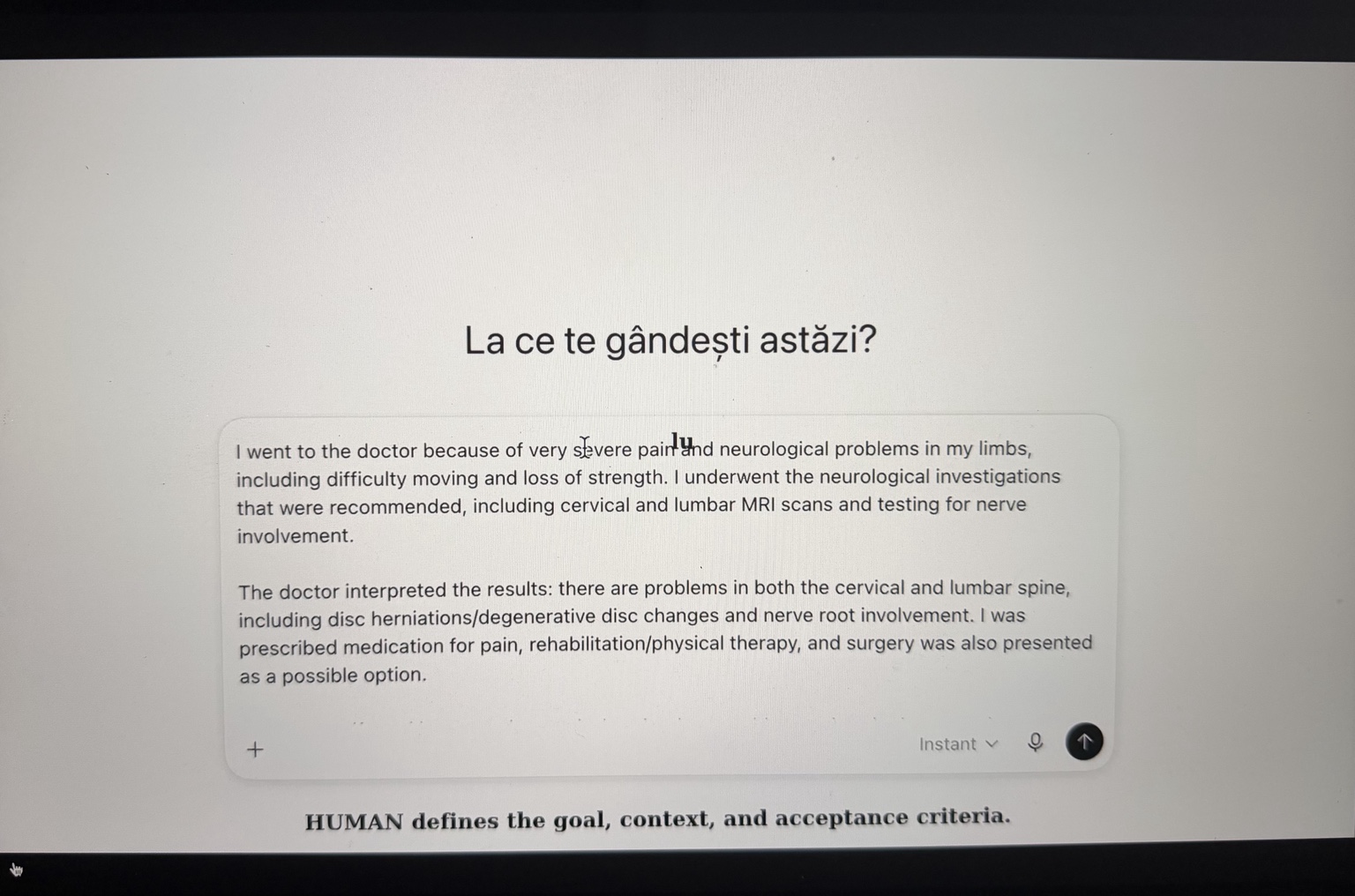
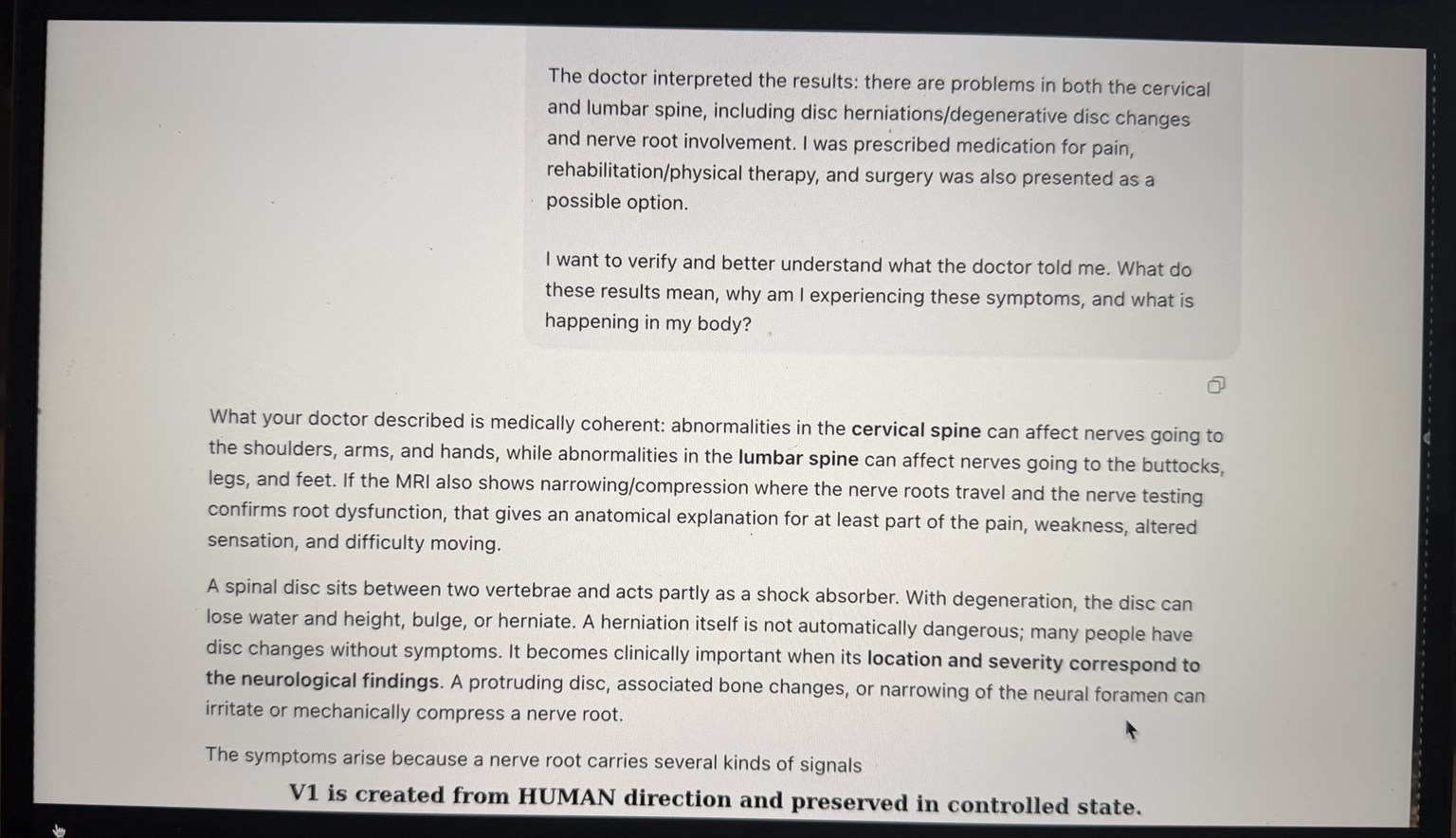
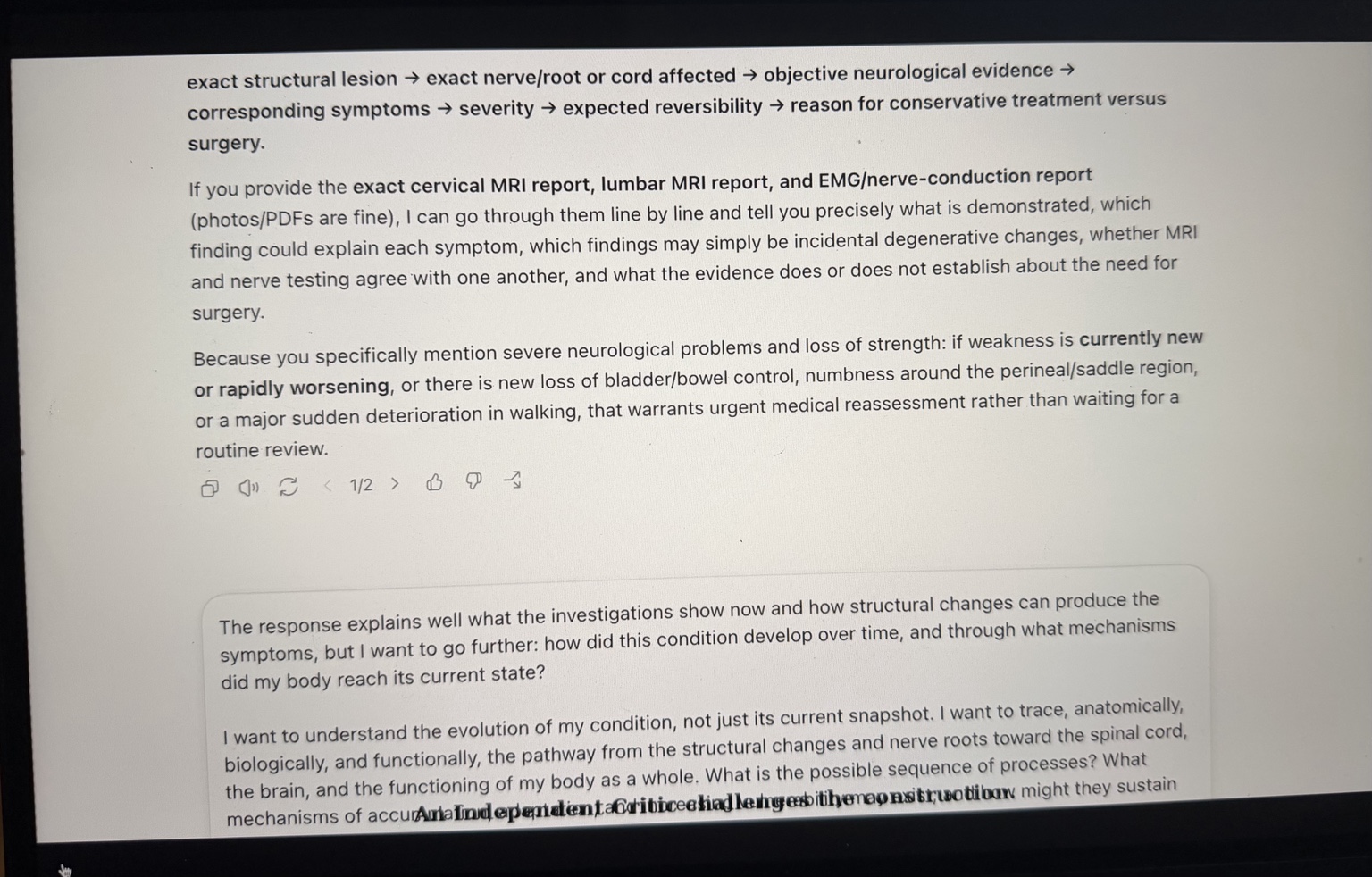
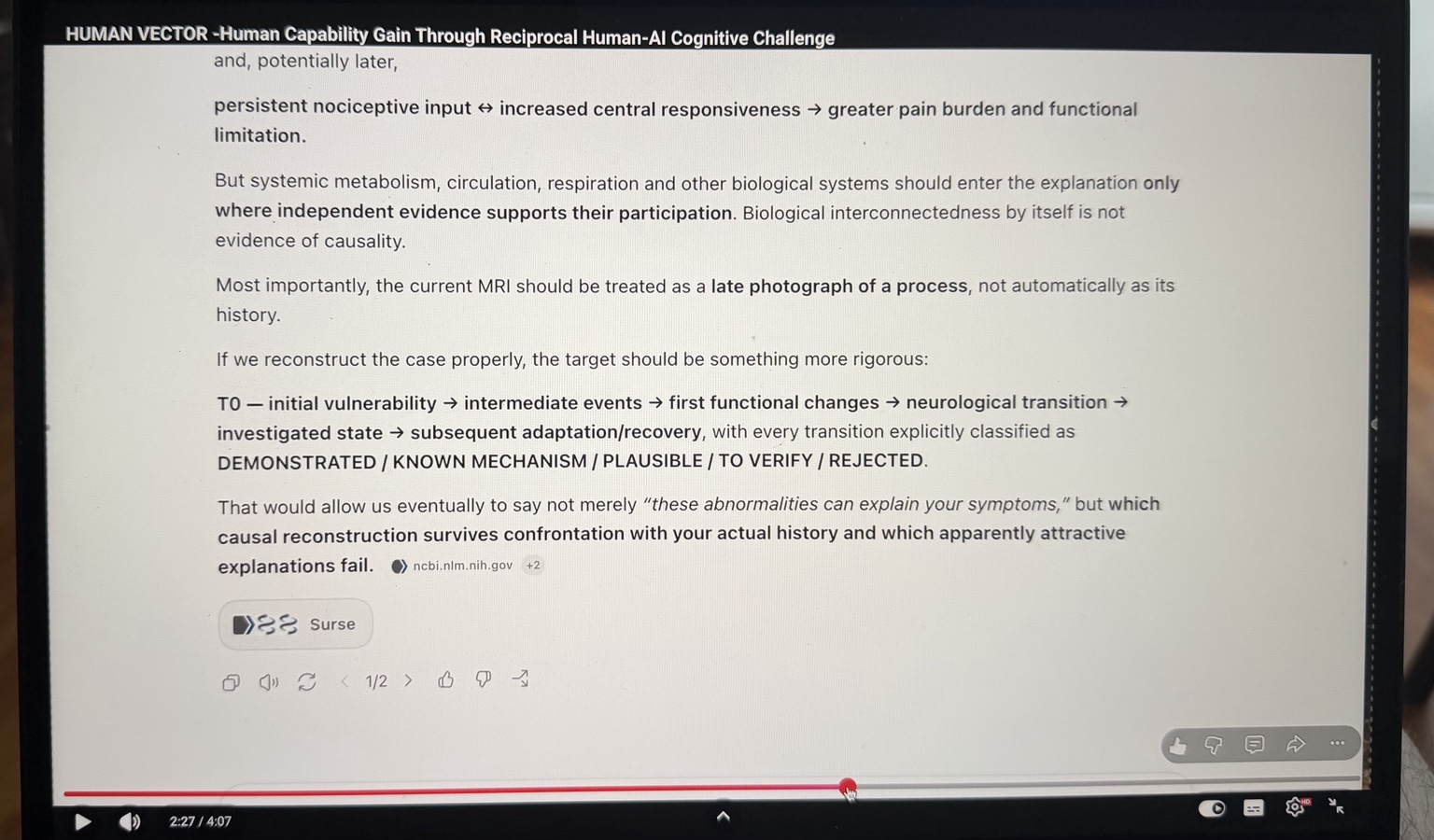
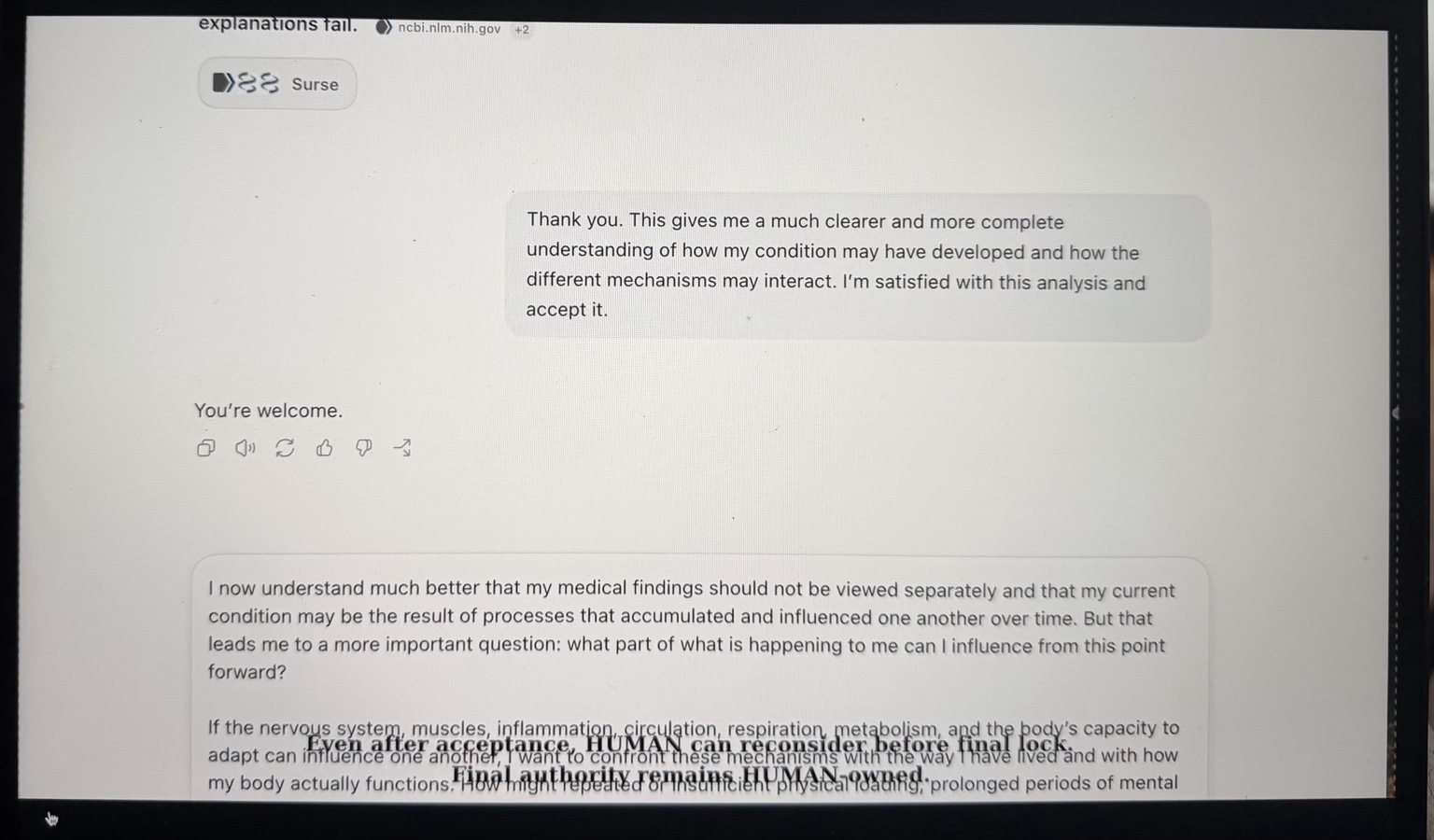
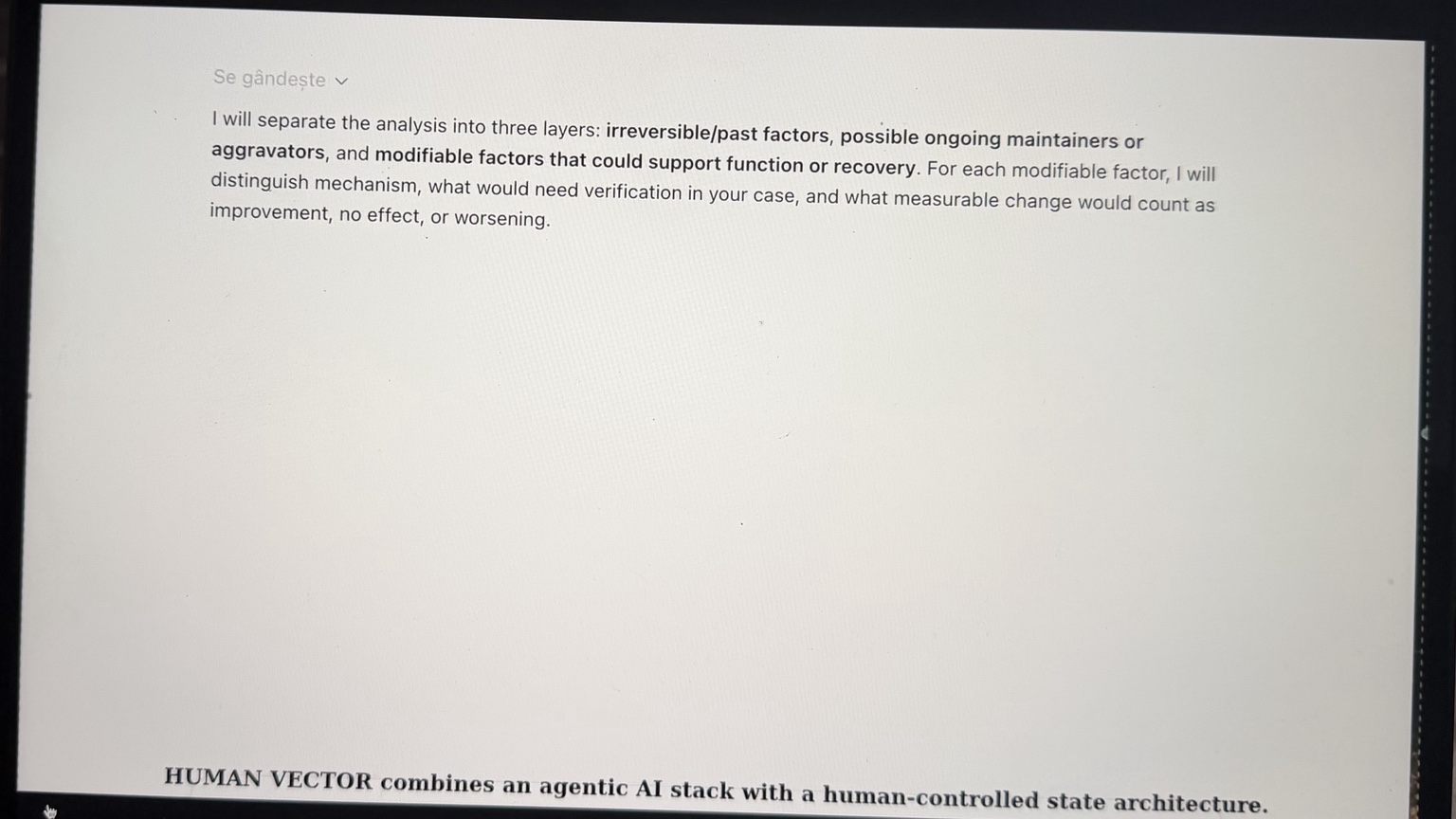
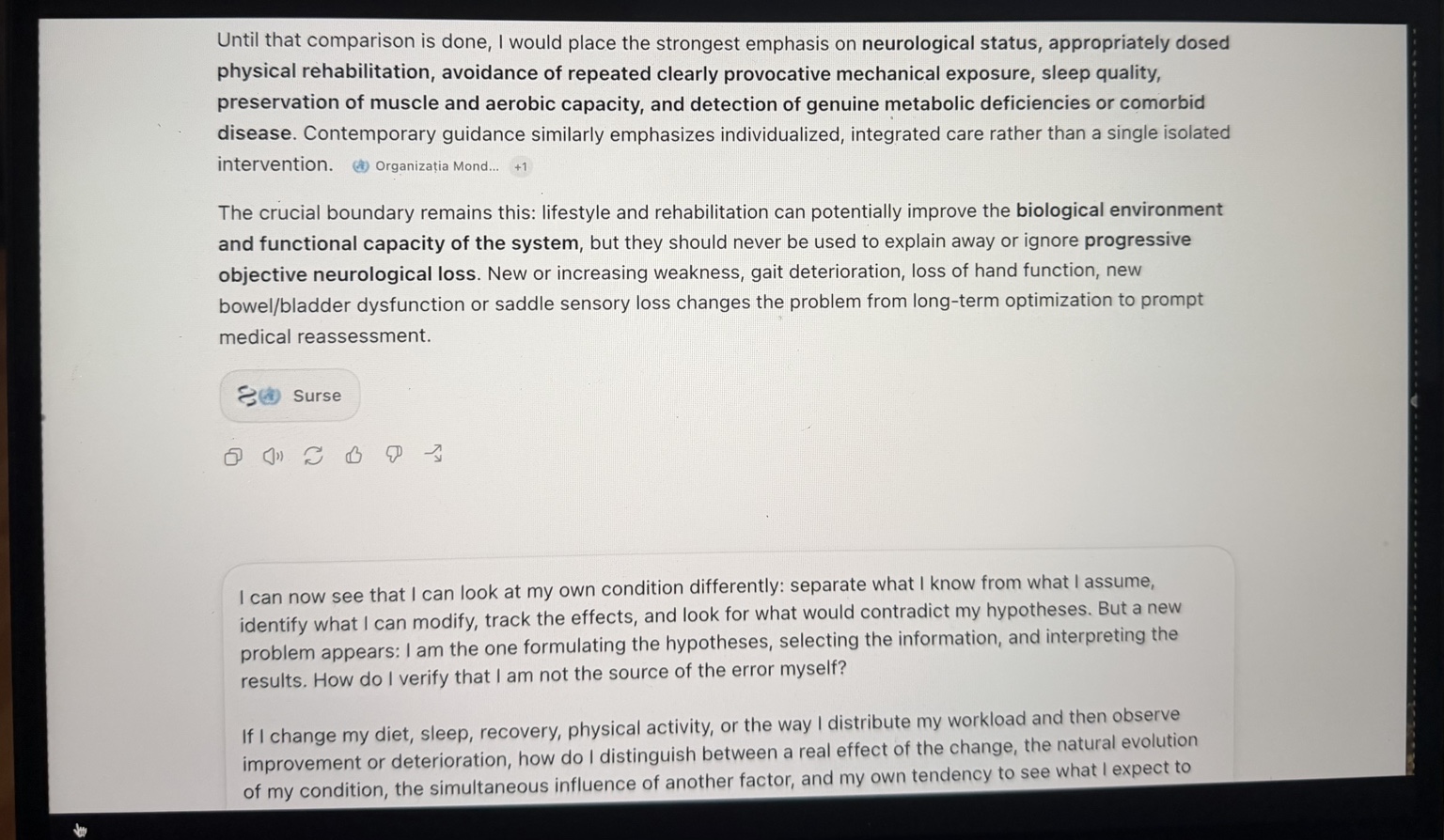
HUMAN VECTOR was born directly from my real-world experience working with artificial intelligence. By using ChatGPT extensively in real legal matters, as well as for intellectual, educational, and medical research, I discovered both the extraordinary speed and breadth of information AI can provide and the limitations that come with it.
My formal background is in engineering, not law. Yet while dealing with real legal problems, I had to rapidly learn concepts, procedures, and professional language that I had not previously mastered. Over time, I noticed a change in myself: I was not only learning new information, but also learning how to ask better questions, verify and compare answers, detect errors, and challenge AI responses when they were incomplete or incorrect. Eventually, I became capable of representing myself and interacting directly and more knowledgeably with public institutions.
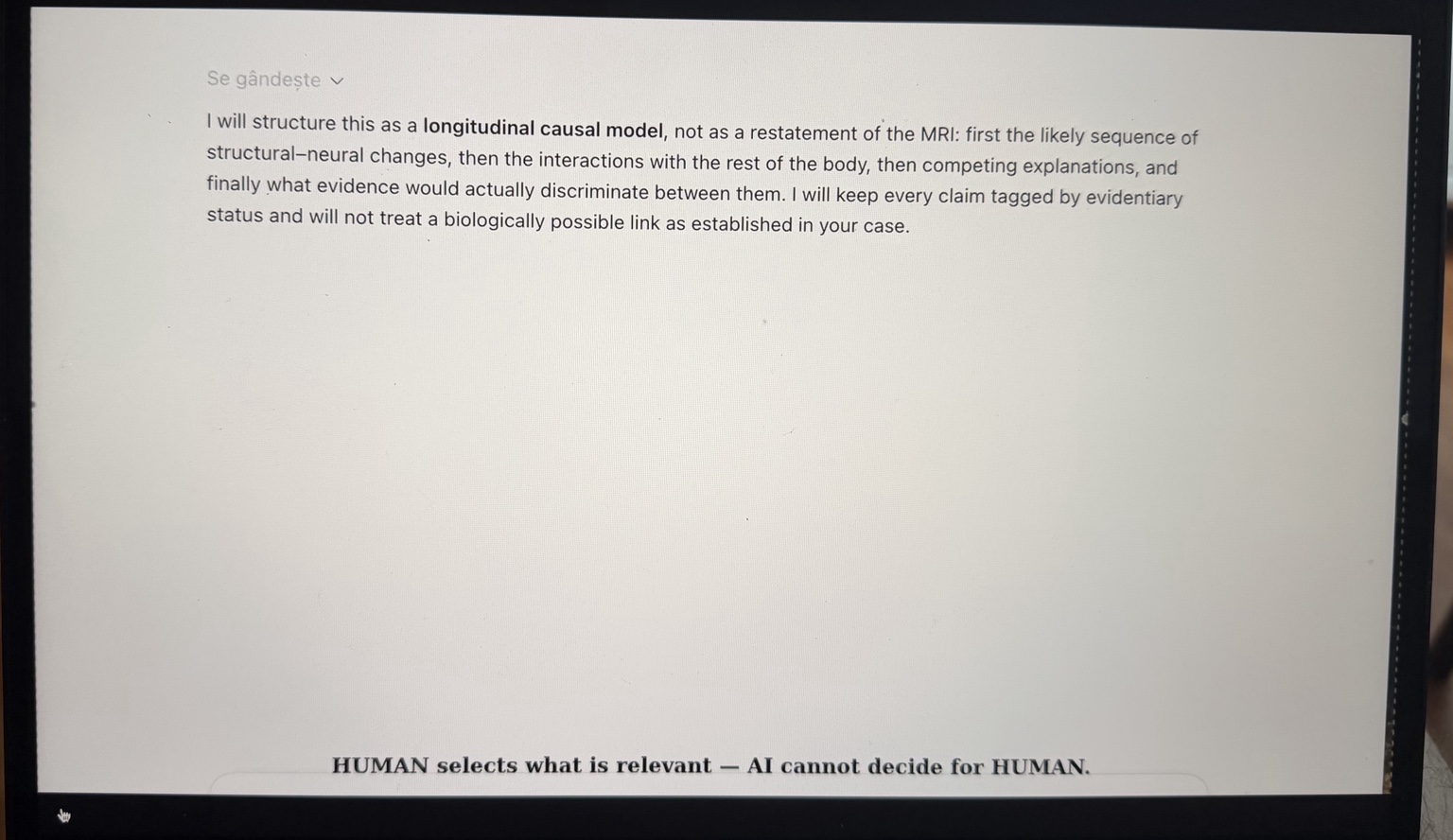
The same pattern appeared in other domains. AI could rapidly provide broad perspectives and connections, but the volume and speed of information sometimes produced errors, insufficient answers, or directions that did not match my actual goal. I learned not to accept the output passively. Challenging, correcting, and redirecting the AI often produced deeper and more useful results. At the same time, this process forced me to become more attentive, informed, and capable of judging what I received.
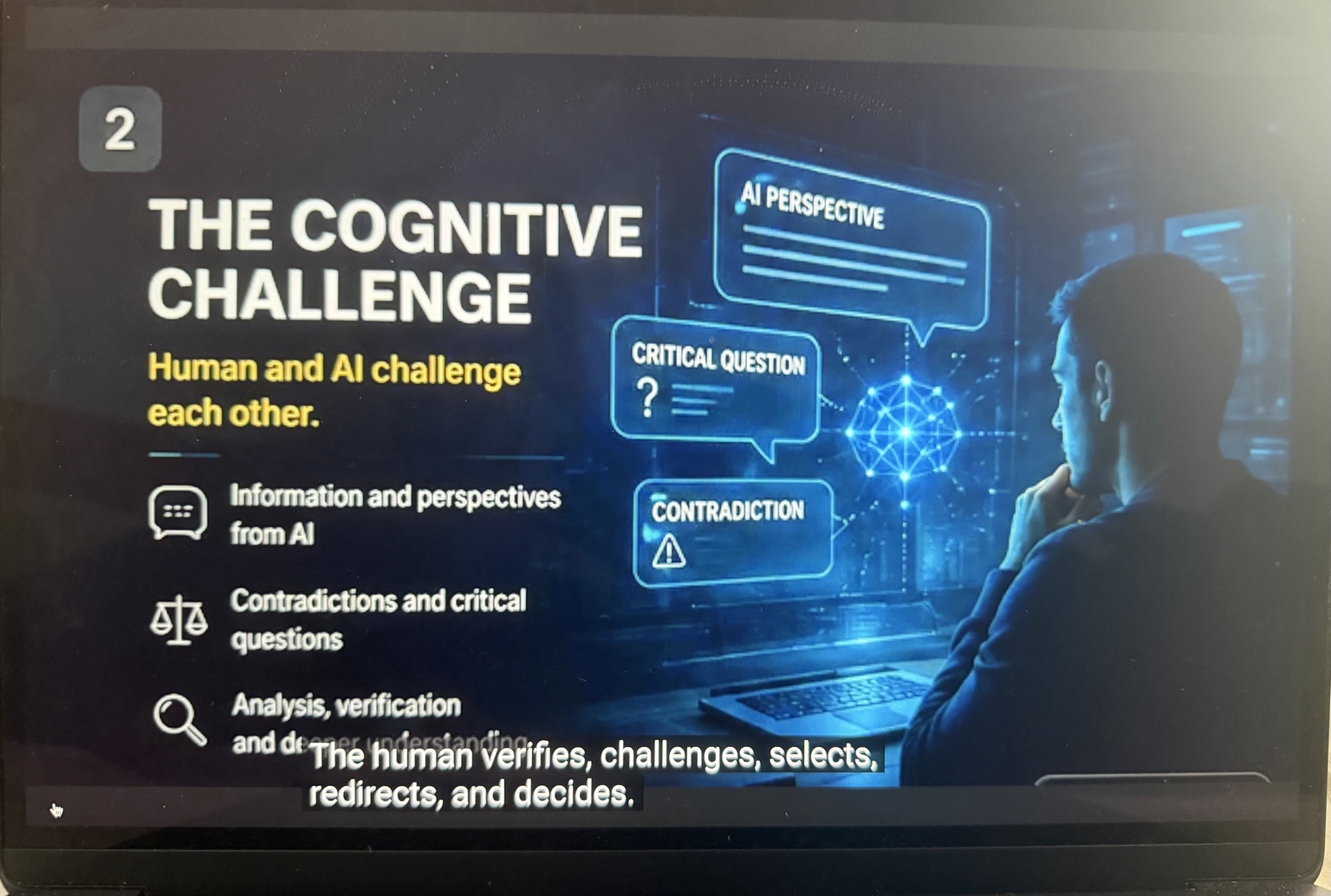
This led to the central idea behind HUMAN VECTOR: Human–AI collaboration can generate two simultaneous forms of development. AI challenges the human through information, speed, alternatives, and contradiction; the human challenges AI through verification, criticism, selection, original ideas, and redirection. The result should not simply be a better answer, but a more capable human after each cycle.
An invitation I received in July to participate in a competition encouraged me to transform this personal way of working into an explicit concept. In August, I began structuring it theoretically, defining its principles, and developing the manuscript whose core is represented by the 25 HUMAN VECTOR principles. When I discovered the All Things Agentic Hackathon, I realized that its agentic requirements were much closer to what I was trying to build, so I transformed the concept into a functional system.
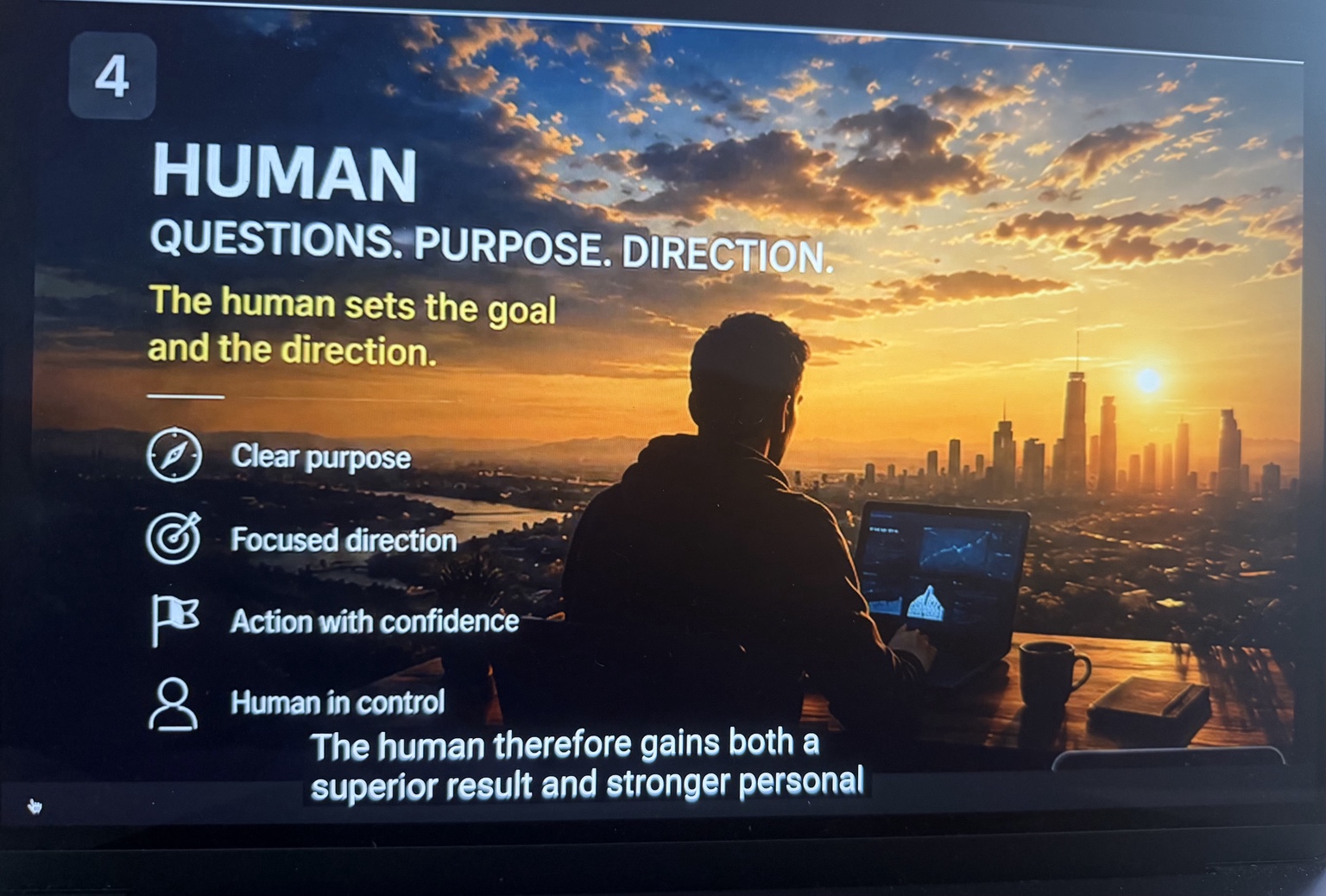
The development process itself reinforced the idea. I encountered errors, deviations, and situations in which AI proposed paths different from the direction I had established. I had to verify, challenge, correct, and repeatedly bring the process back toward the intended goal. From this experience, one of HUMAN VECTOR’s fundamental principles became even clearer: AI may have autonomy in execution, but direction, selection, and final authority must remain with the human.
HUMAN VECTOR is therefore the result of transforming a real Human–AI collaboration experience into an agentic system designed to pursue three outcomes simultaneously: a stronger solution, measurable growth in human capability, and preservation of human authority over direction and the final result.
Built With
- cloud-run
- fastapi
- firestore
- gemini
- github
- google-adk
- google-cloud
- next.js
- python
- typescript


Log in or sign up for Devpost to join the conversation.