Inspiration
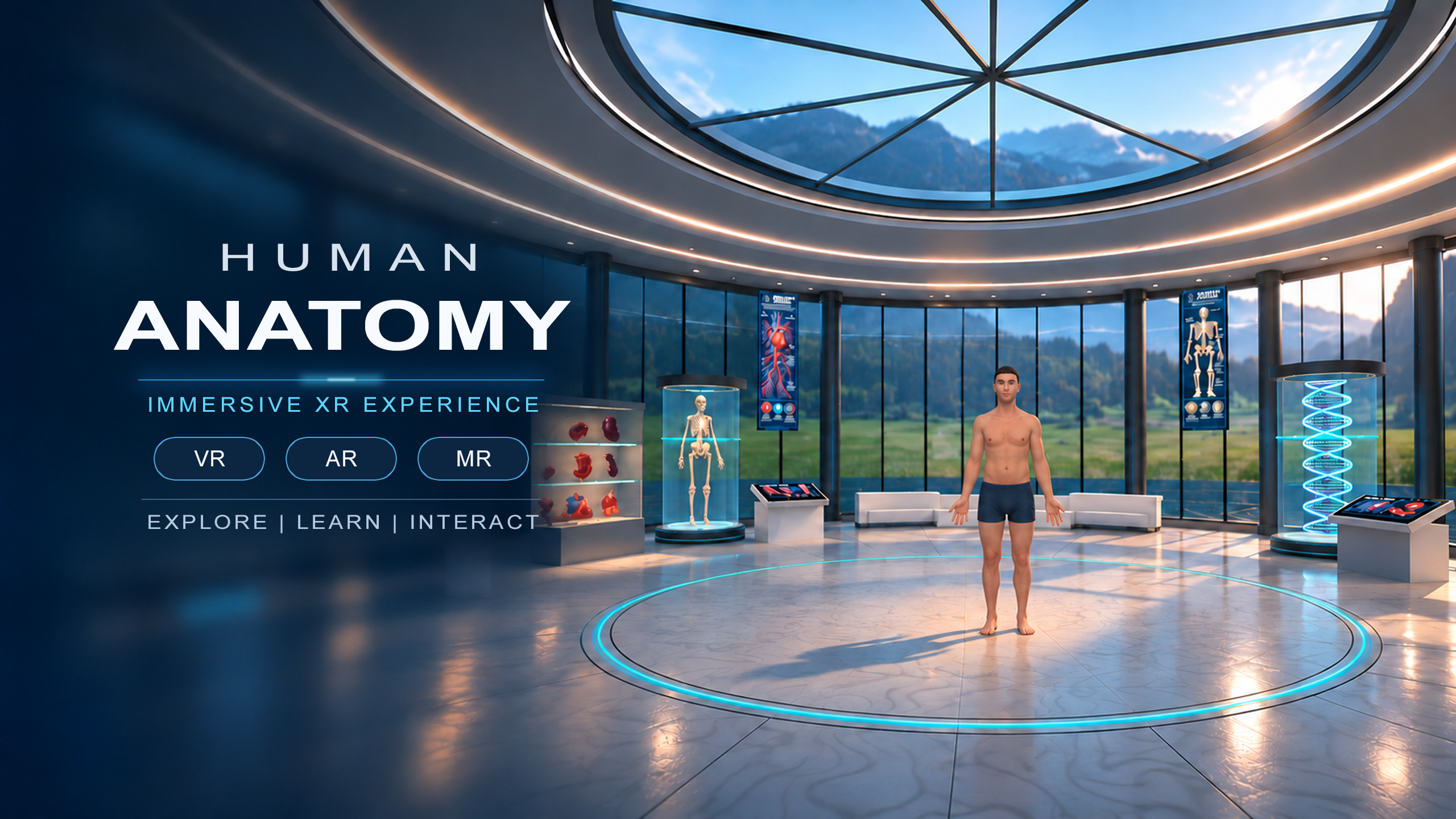
A textbook can show the lungs and airways on a page, but it can be hard to picture how they fit together inside the body. We built Human Anatomy VR/MR to let learners explore those relationships in 3D and then test what they remember.
What it does
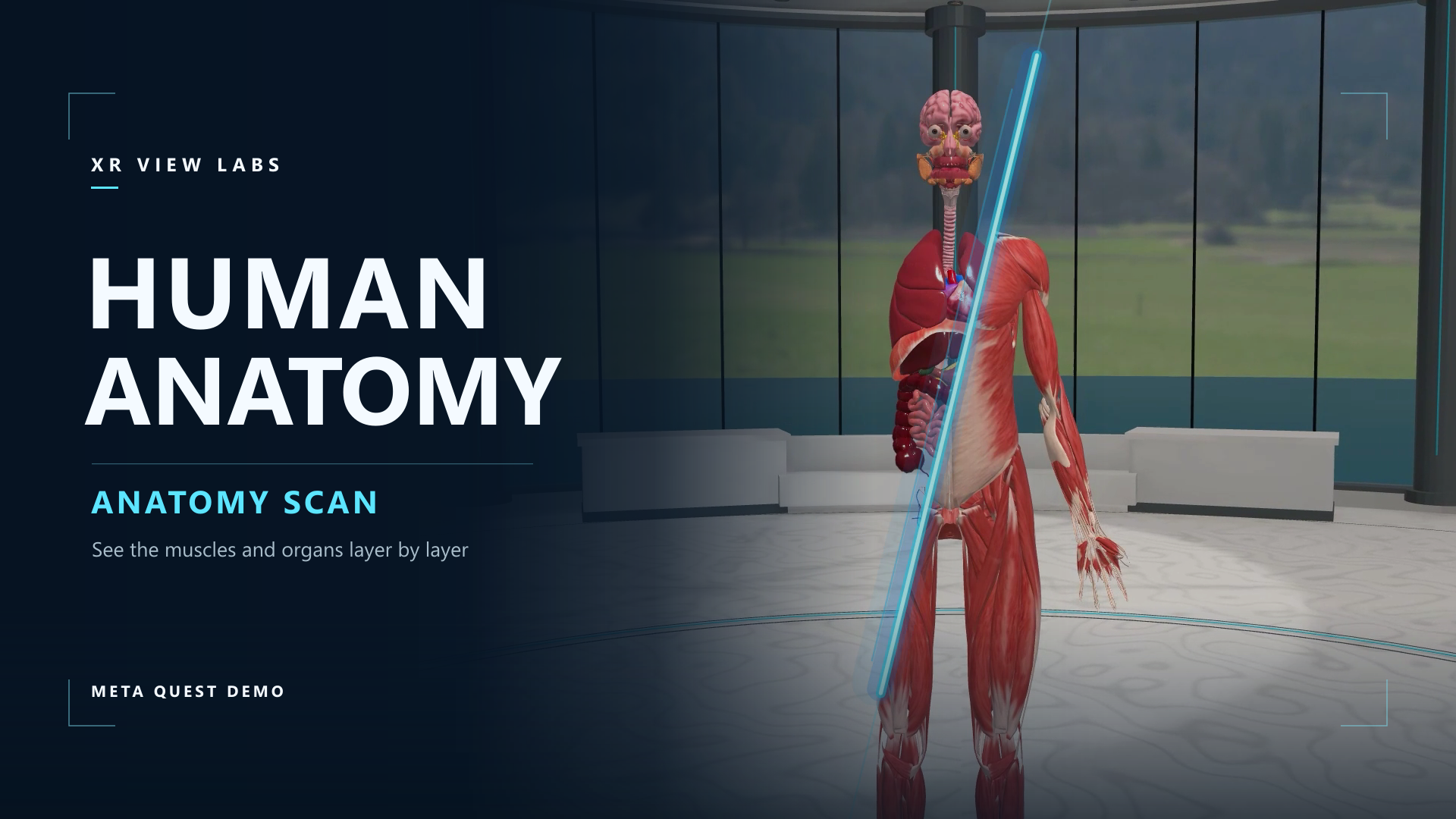
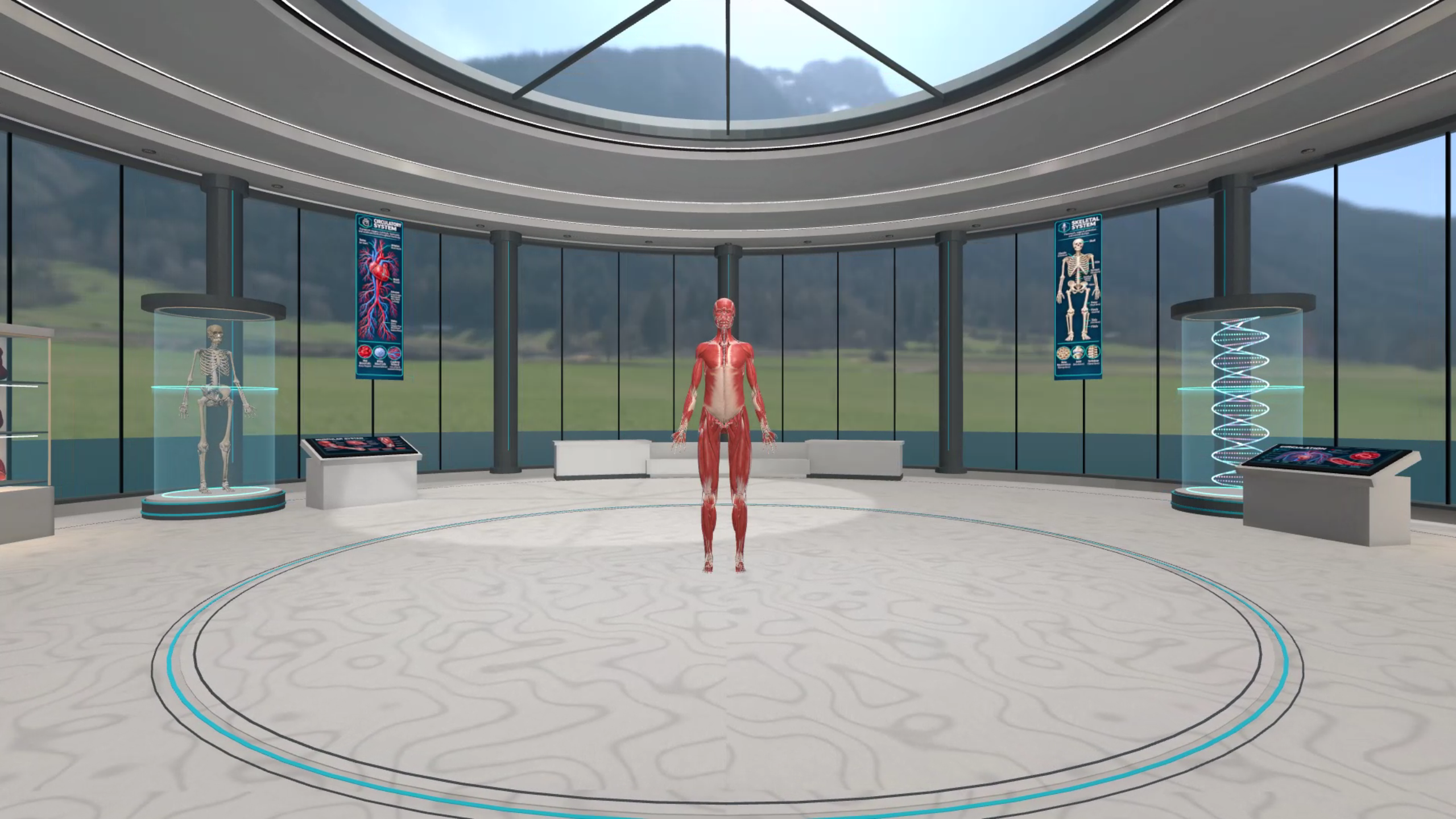
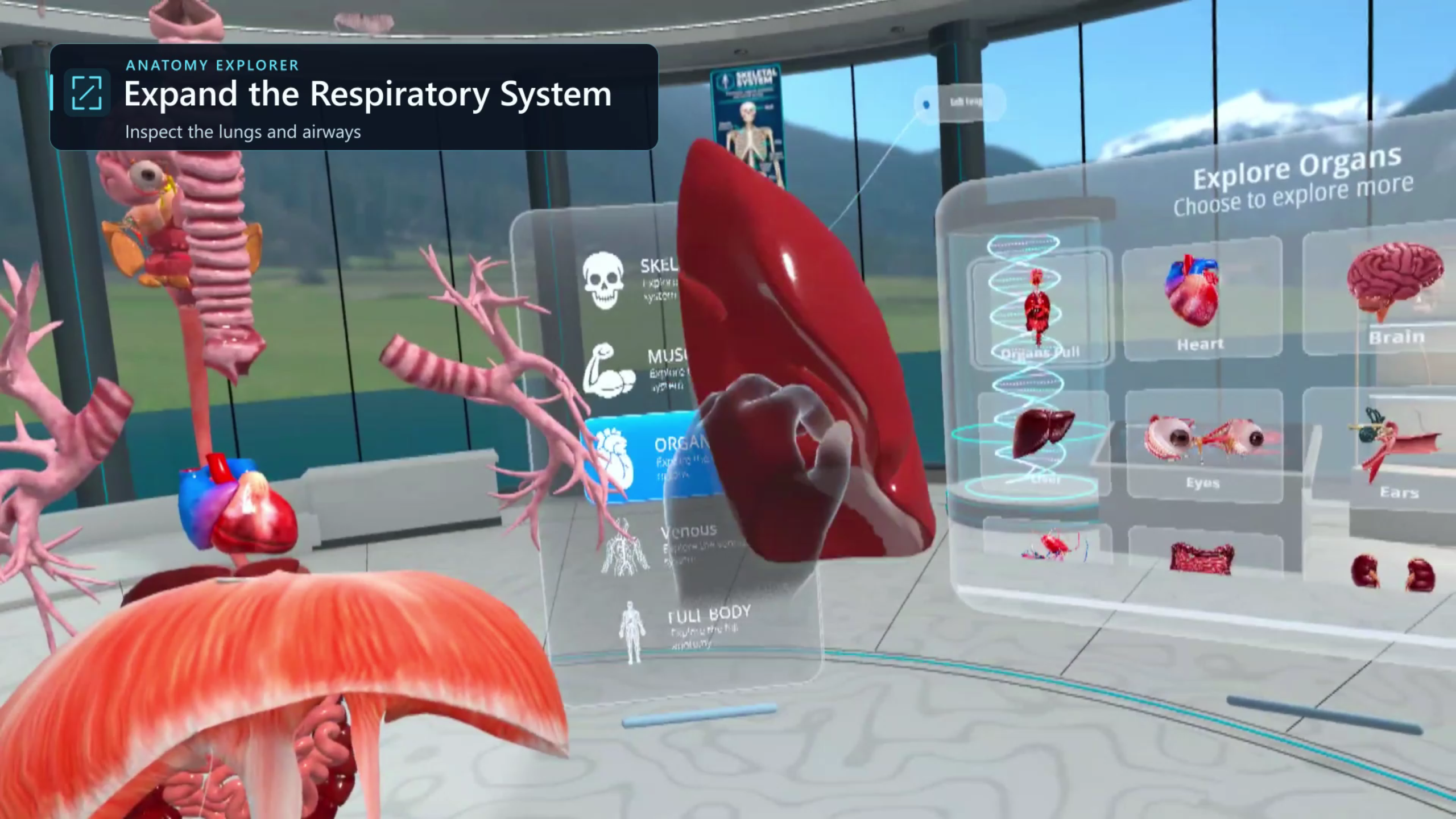
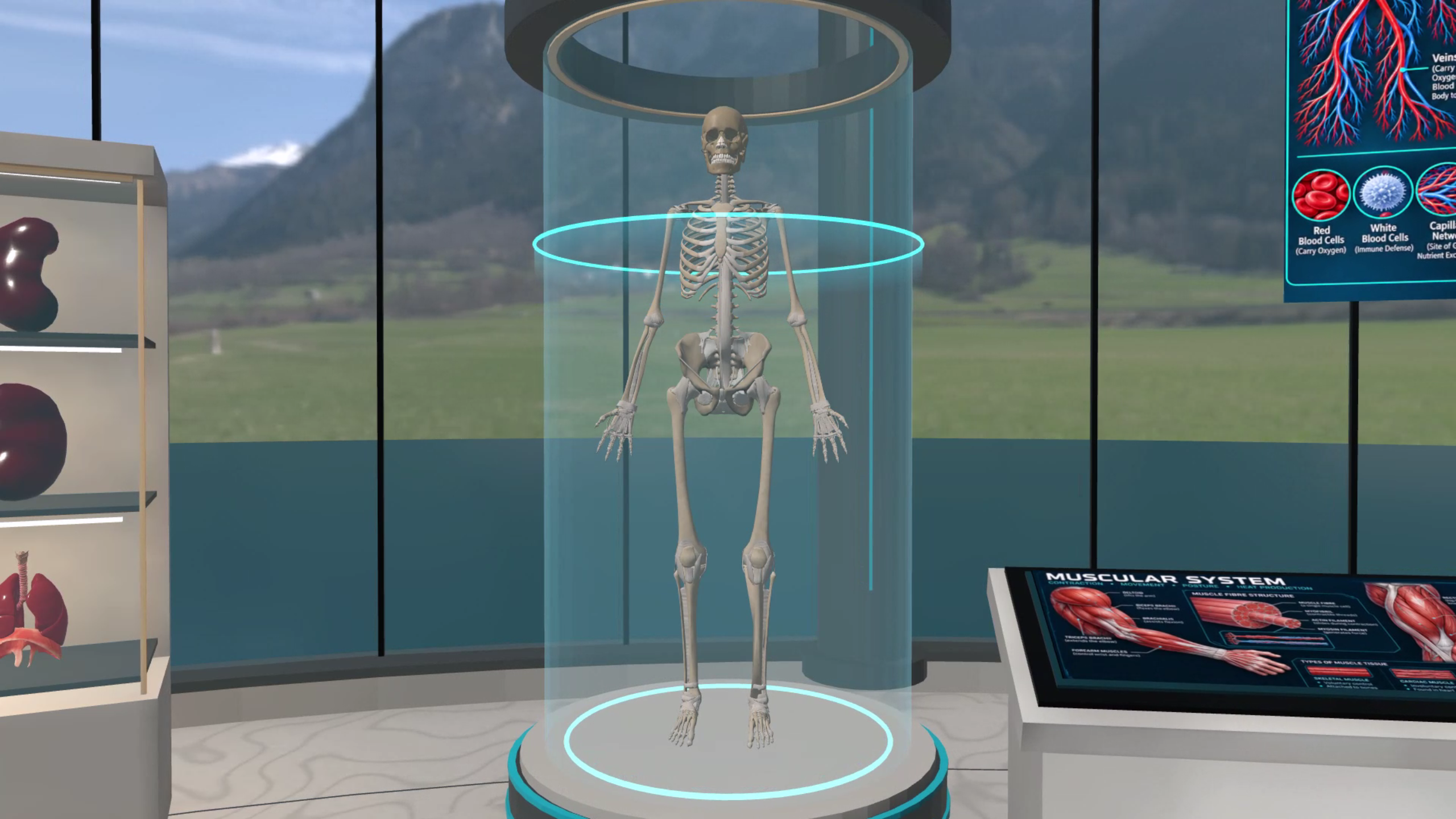
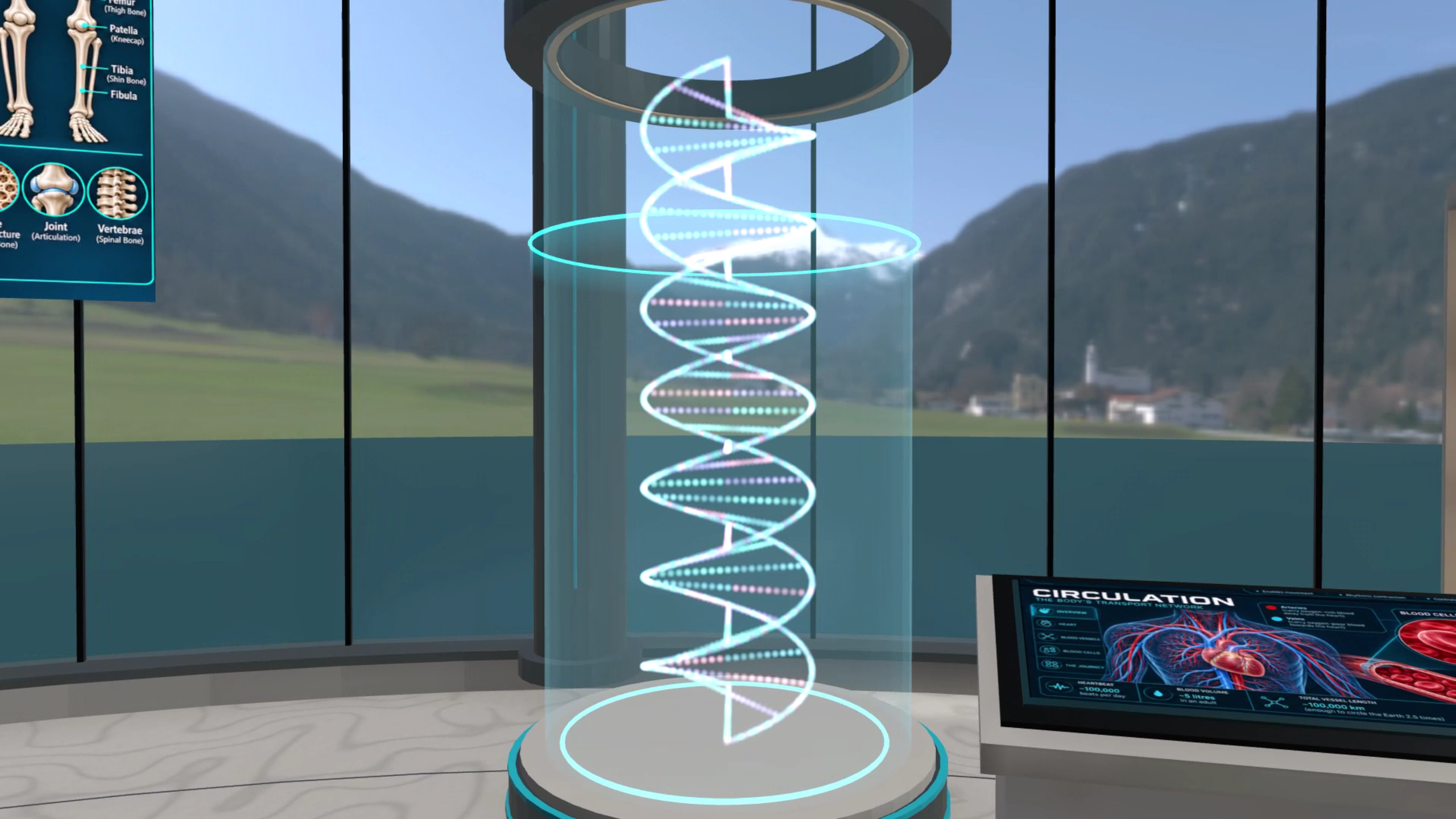
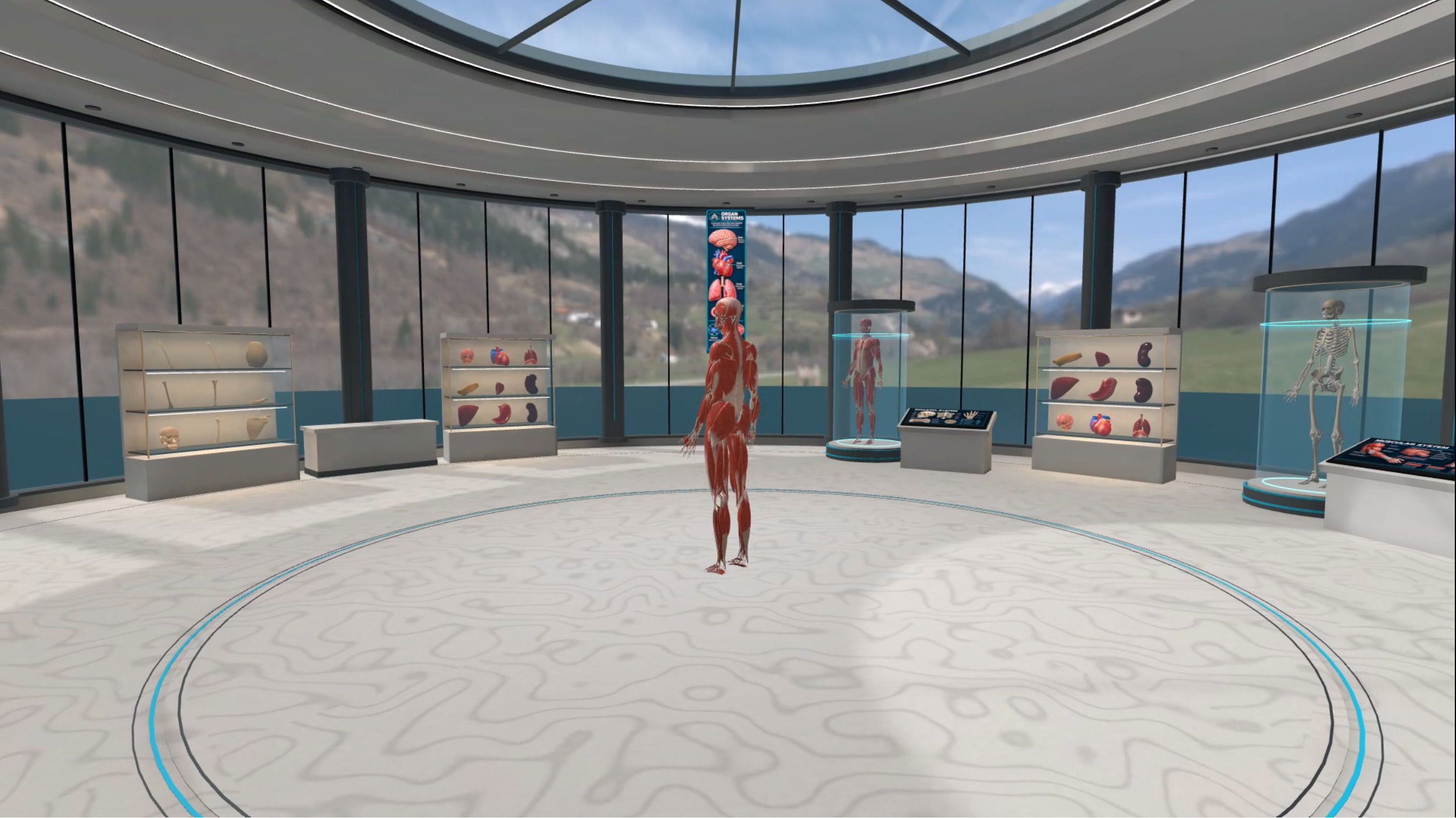
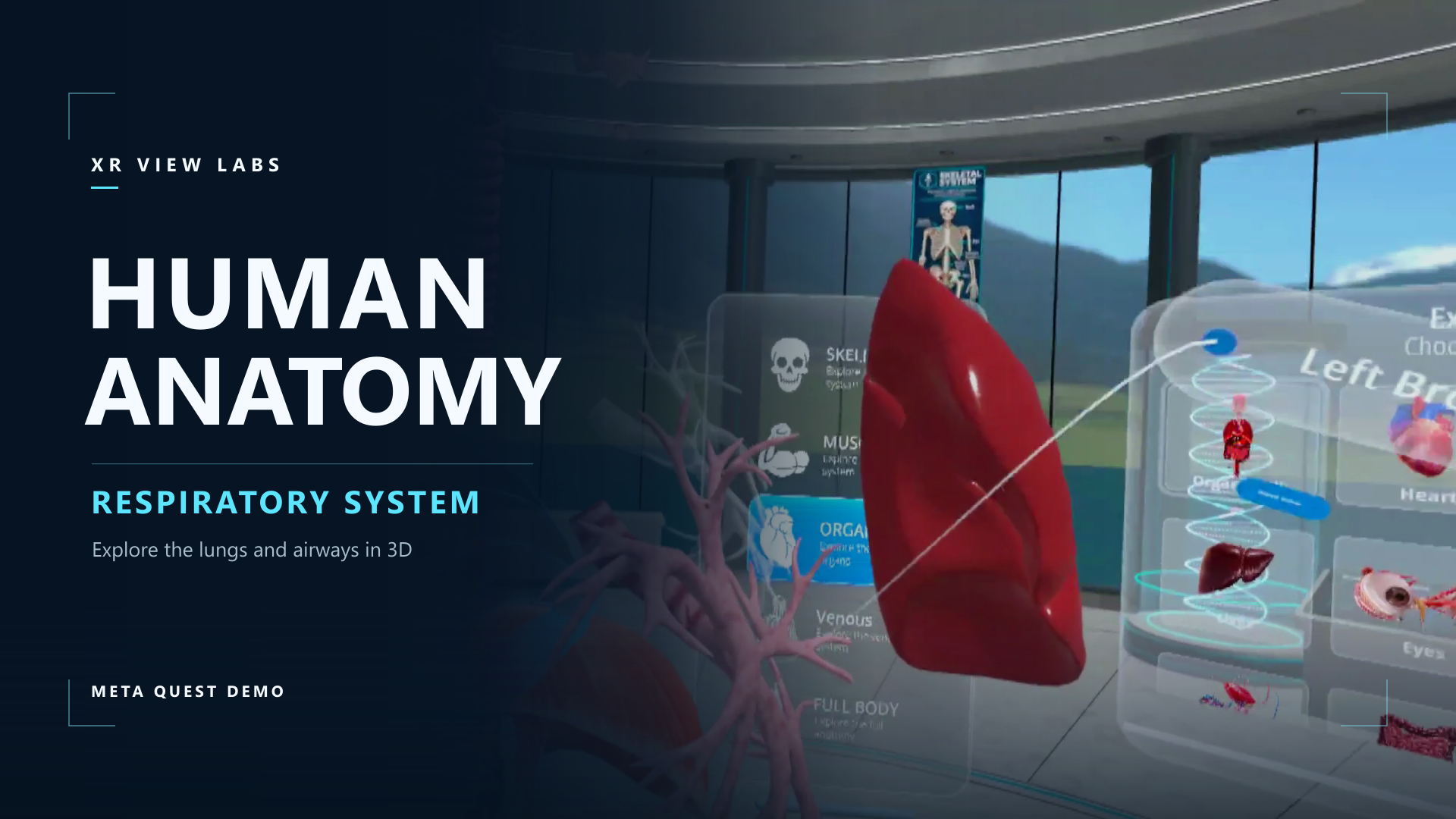
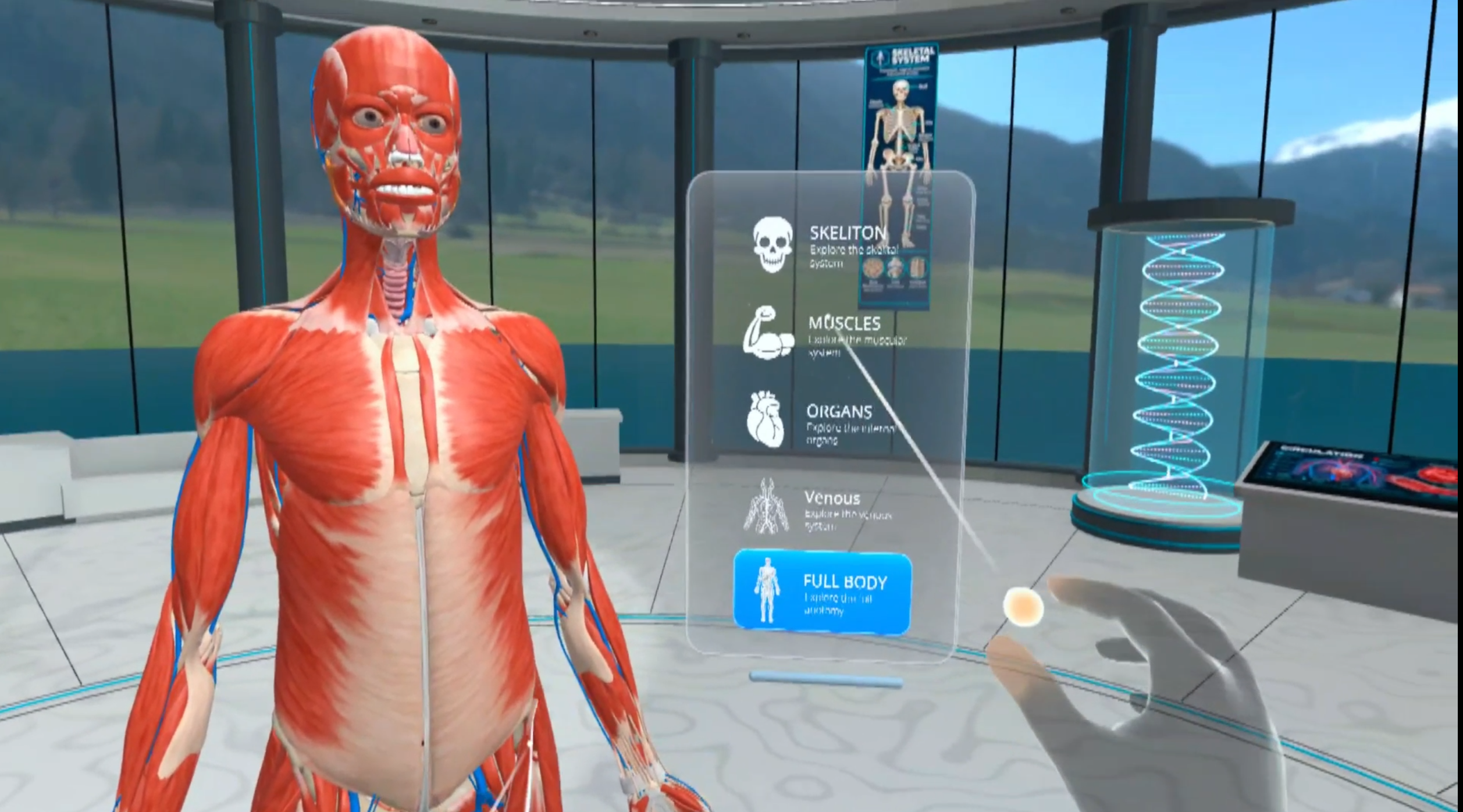
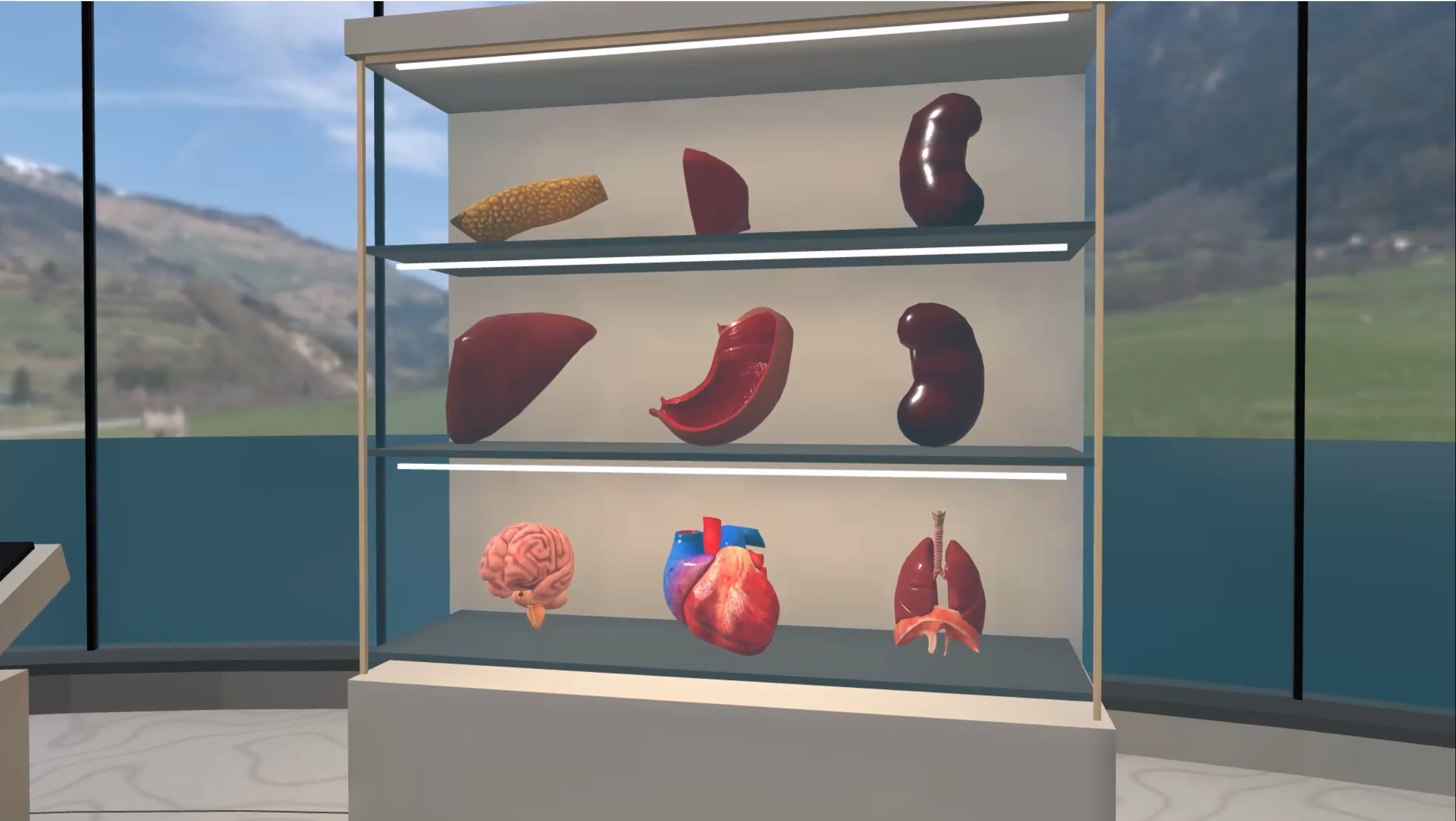
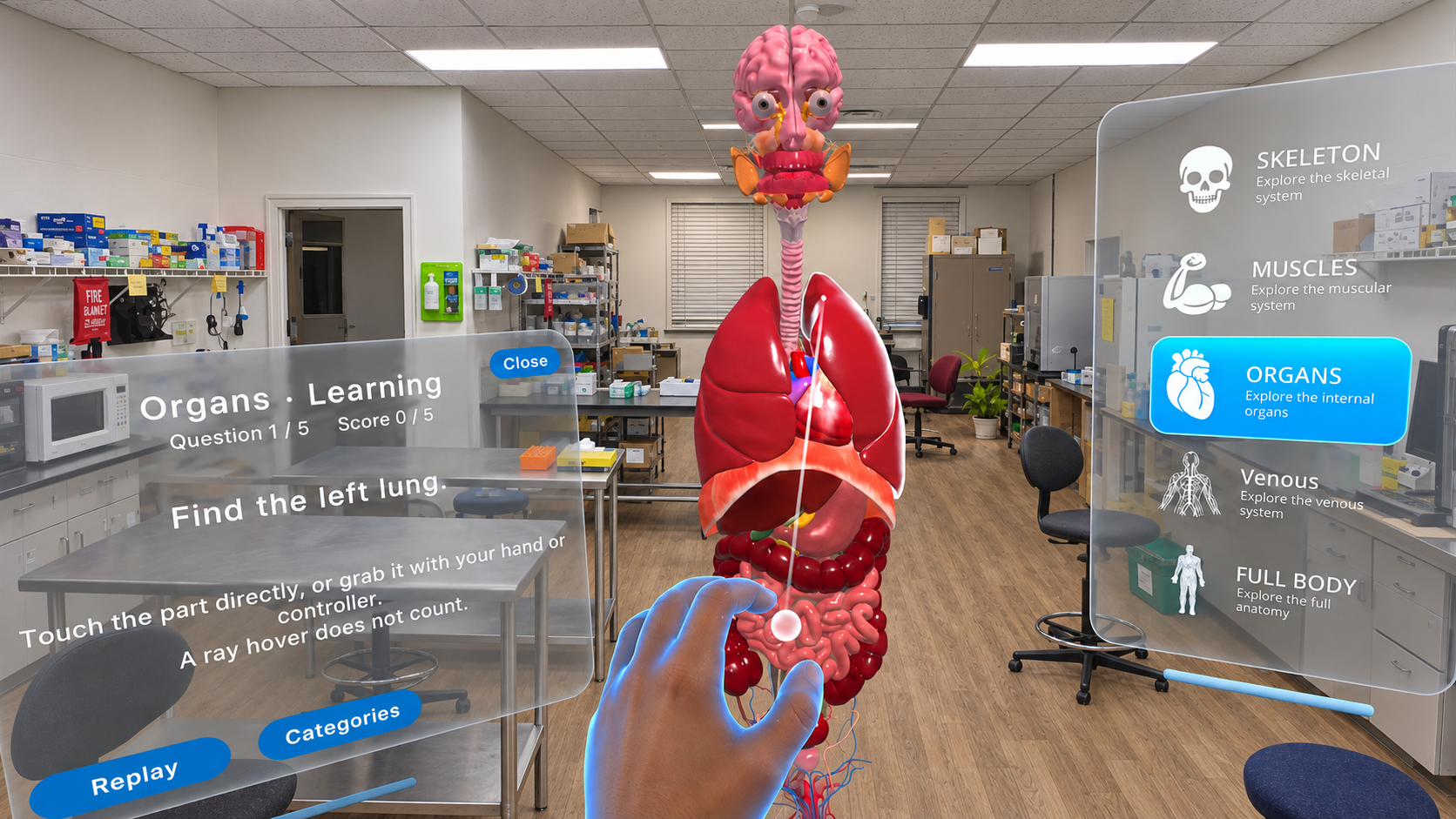
On Meta Quest, learners can explore muscles, organs, blood vessels, and the skeleton using hand tracking or controllers. They can expand the respiratory system to see how the lungs and airways connect, then select individual structures to read detailed explanations and hear voice narration.
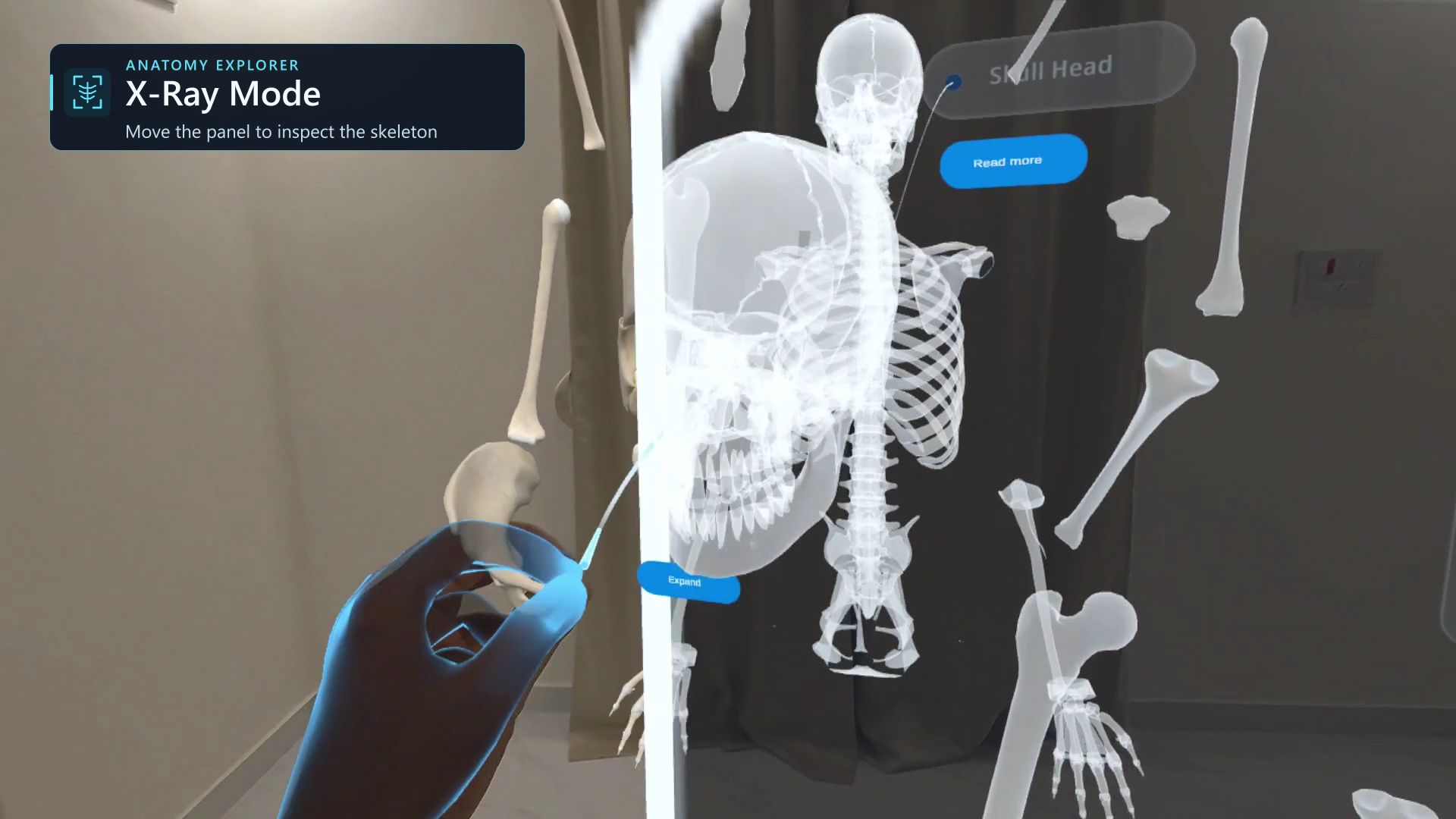
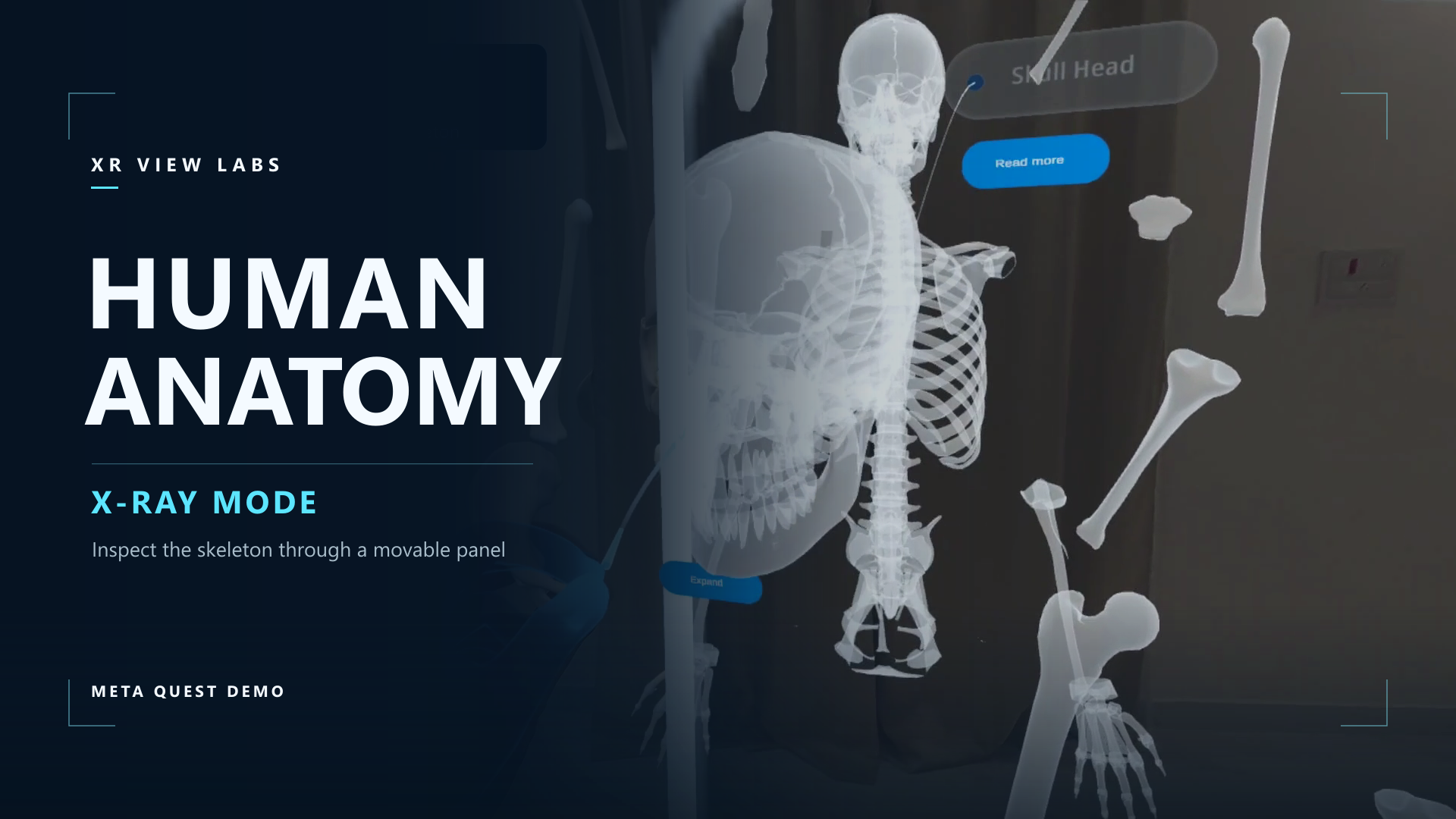
A movable X-Ray Mode panel gives learners another way to inspect the skeleton. Mixed reality passthrough lets them bring the anatomy model into their room. In Quiz Mode, learners answer questions by touching or grabbing the requested structure on the 3D model and receive immediate feedback.
How we built it
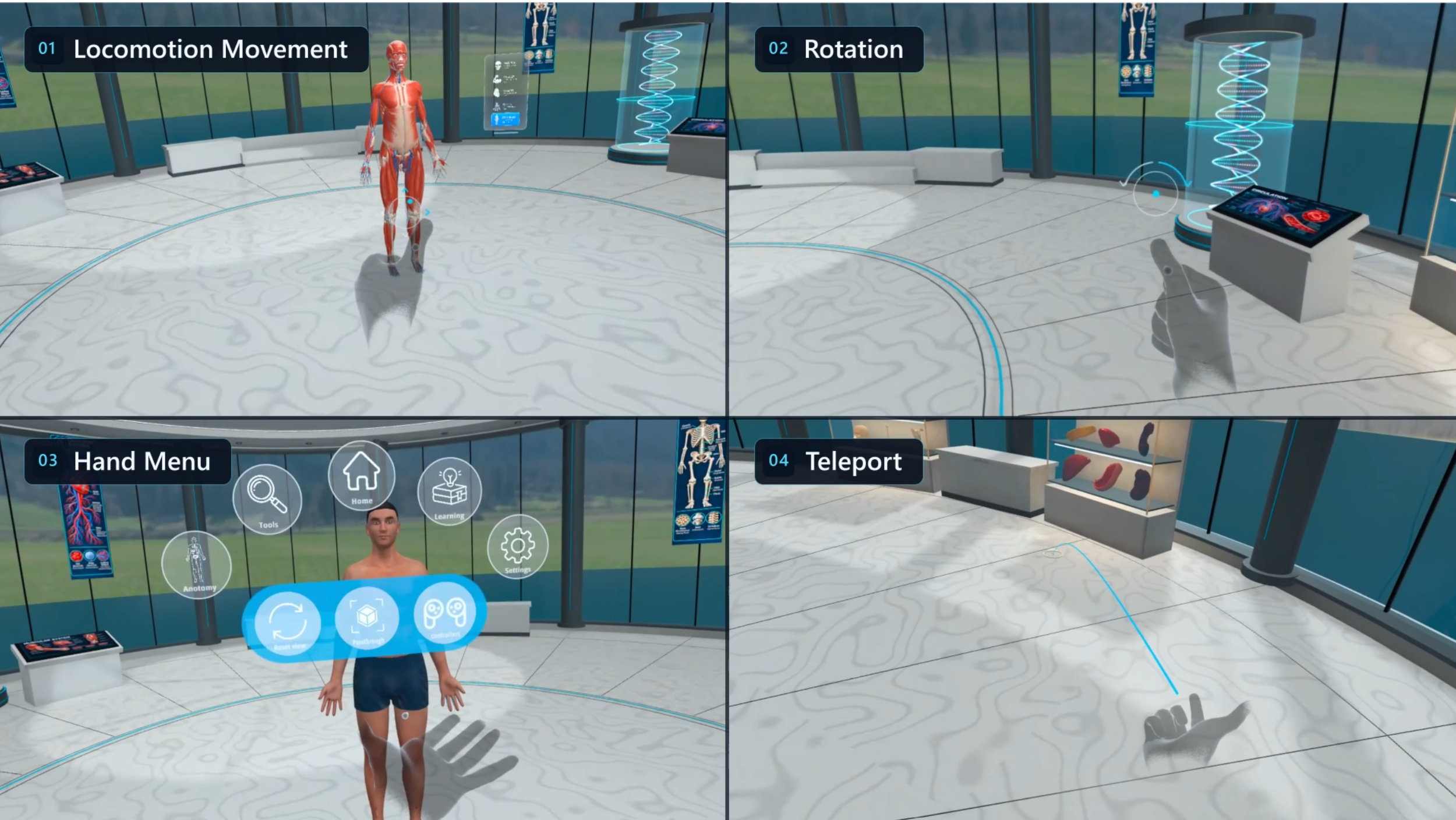
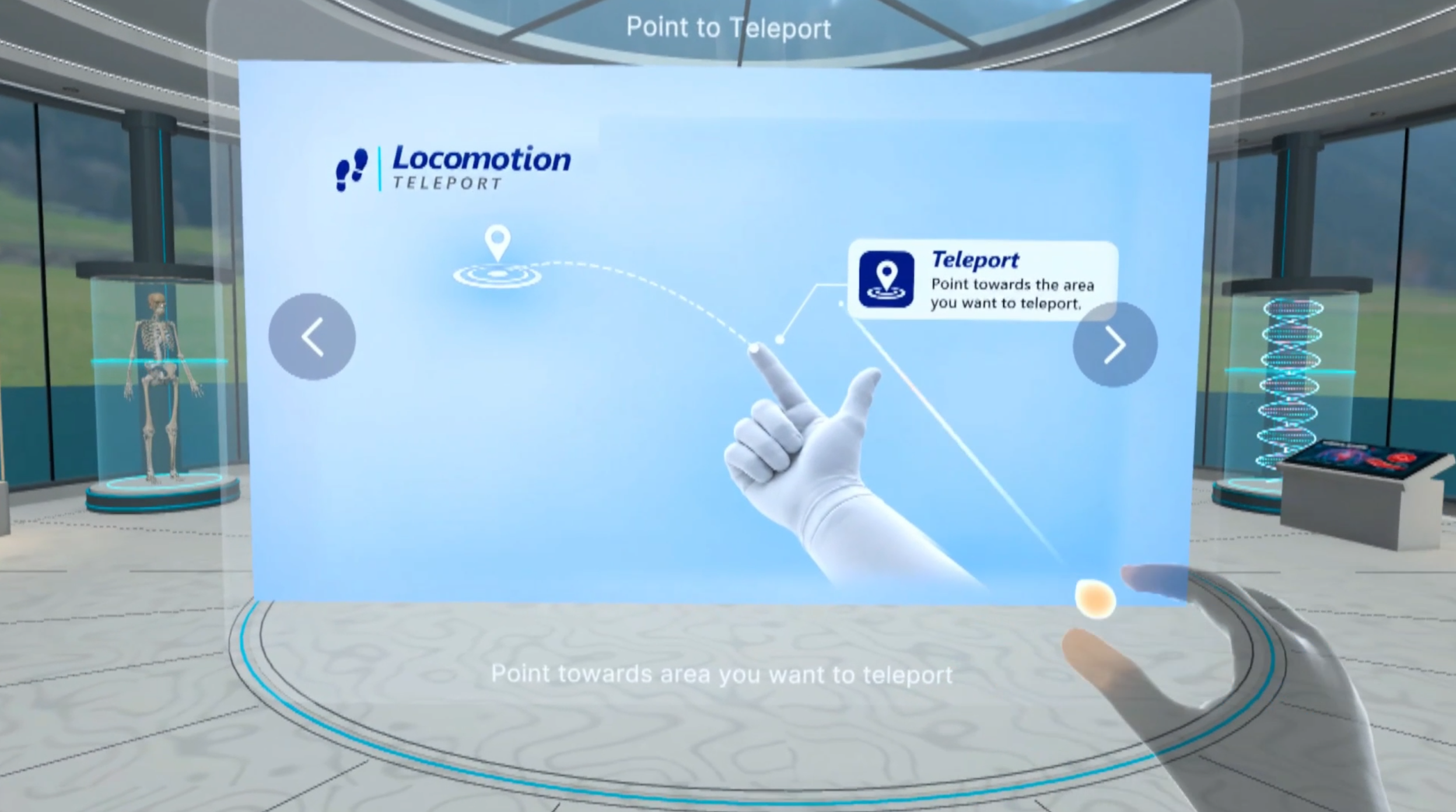
We built the experience in Unity for Meta Quest. We connected individual anatomy structures to their labels, detailed information, narration, and quiz answers. We built a hand menu and gesture controls for movement, rotation, and teleportation, alongside controller input.
Challenges we ran into
The hardest interaction to design was letting learners navigate, open menus, and handle anatomy models with the same hands. We also had to make it clear when a learner was pointing at a structure and when they were actually selecting it as a quiz answer.
Accomplishments we're proud of
We’re proud of the organ system demo. A learner can pull the system apart, pick a structure to hear what it does, and then identify it on the model in a quiz. That sequence connects spatial exploration with a concrete learning task.
What we learned
A feature is easier to understand when it answers a question the learner already has. Expanding the organ system helps answer “Where does this part fit?” The narration explains what it does, and the quiz checks whether the learner can find it again.
What's next for Human Anatomy VR/MR
We want to add more guided lessons and quiz questions across body systems, then use feedback from students and educators to improve the hand controls and first-time experience.

