-
-
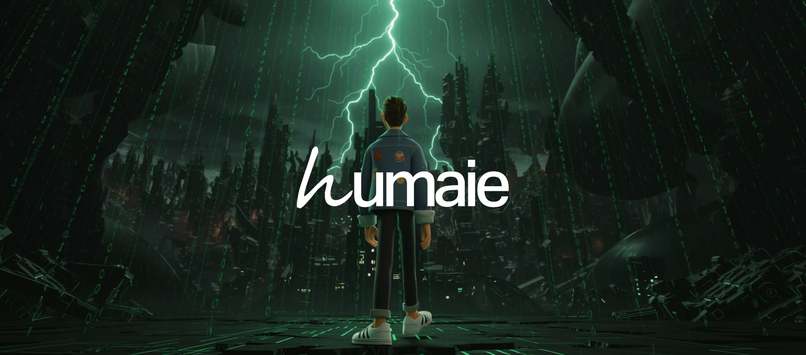
Humaie Album Cover
-
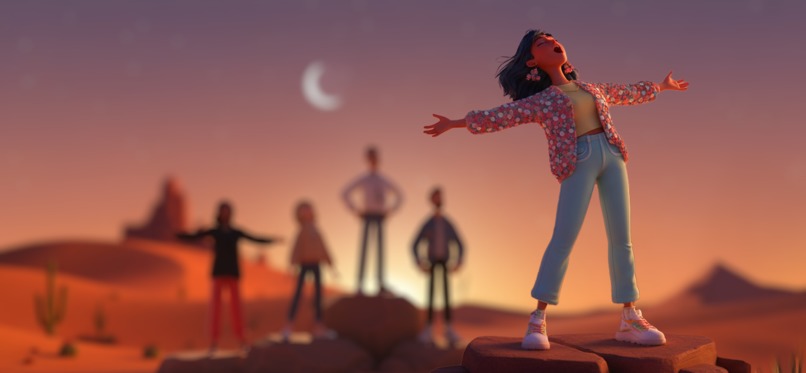
Humaie - Team Howl
How I Built This Film
This project started with a TVC style script I wrote for an AI services Company launching their new brand www.humaie.com. The idea is based on the insights from the client about their customer personas and the problems Humaie solve for them.
I knew exactly what I wanted to make: an animated modern fable about how people experience AI at work. A light hearted comedy showing the fear, the tension, the exhilaration when things finally click.
The challenge was to build it end-to-end on my own, using AI as the primary part of the production toolkit.
The process I wrote the script the same way I’d approach any film; thinking as both writer and director, mapping tone, rhythm, and emotion before touching a tool.
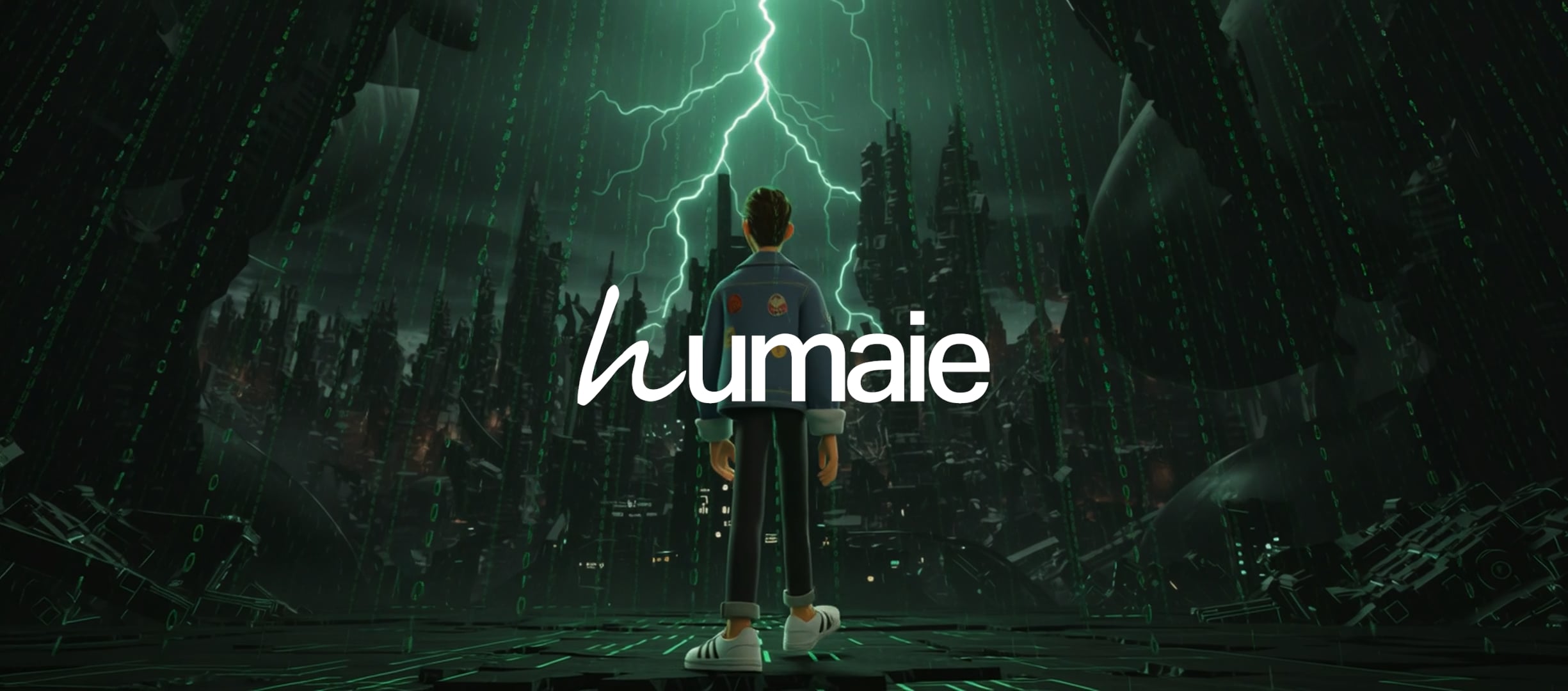
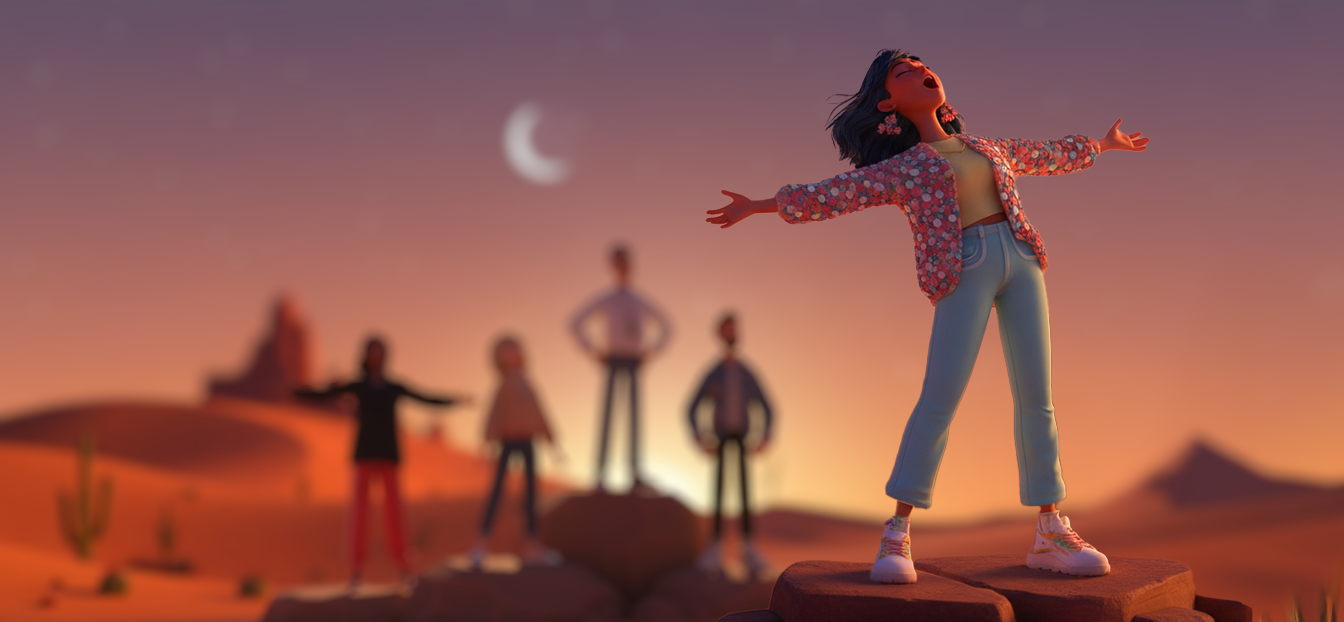
Next I built a library of characters to present as the main "cast" to the client. Once approved we gave them names and I set out to methodically build the different worlds and environments I'd written into it. (Matrix Hellscape, Wester Frontier, Office Cubicle, Expansive Utopian Office with a clear view of the Melbourne skyline, Board Room)
I recorded the voiceover myself, then refined and reshaped it through 11 Labs to match the pacing and tone I needed.
From there I moved through Runway, Midjourney, Photoshop, and Premiere — developing characters, building worlds, composing transitions, designing sound, and cutting everything together like a live-action piece.
This part of the process is like raw material gathering you'd take when making any film project - it's in the edit where you can reinvent and rewrite.
What I learned • Consistency is craft. You still have to cast, light, and dress every frame — the difference is you’re doing it through prompts and layers instead of cameras and crews. • Aspect ratio matters more than you think. Feed a portrait into a widescreen project and your whole world warps. • The tools don’t make it faster — they make it possible. Craft still takes time. Hundreds of generations, hours of finessing, and the same discipline as any film. • Voice and sound are everything. Good sound design sells emotion; bad sound breaks it.
The challenges
The biggest challenge was holding the creative line while working inside a completely new work flow. Runway would crash mid-thread (with new VEO model just added), characters would shift faces or drop details between generations, and lip-syncing demanded more persistence than precision. Continuity became an obsession; keeping the distinct patches on a denim jacket, the same light across a scene, a consistent hairstyle, all while building and compositing worlds alone. It was equal parts directing, editing, VFX, and troubleshooting. But through it all, the thread was human. The creative decisions, where to hold, where to cut, how to pace a breath were all guided by instinct, not automation.
Conclusion Using AI tools expanded the possibilities of what I could create solo - I did miss the collaboration of most other projects, but excited about doing this in a team and the crazy work we could then create.
CreativeDirection #AIStorytelling #Filmmaking #Runway #11Labs #GenerativeAI #BrandFilms
Built With
- adobe
- adobeaudition
- adobepremiere
- elevenlabs
- midjourney
- premiere
- runway

Log in or sign up for Devpost to join the conversation.