-
-
Welcome
-
-
-
-
-
📱 HugAmi - Project Story
🌟 Inspiration
It was 3 AM, and I couldn't stop replaying tomorrow's presentation in my head. I opened three different meditation apps, desperate for help.
- App #1: Create account → Choose "wellness goals" → Take 10-question anxiety assessment
- App #2: Select experience level → Pick meditation style → Schedule daily reminders
- App #3: Complete personality quiz → Browse categories → Finally start meditating
By the third app's personality quiz, I was more stressed than when I started.
I just needed someone to listen—not another onboarding flow.
That night, I realized the irony: apps meant to reduce anxiety were adding to it with endless setup screens, categories to browse, and decisions to make. When you're overwhelmed at 3 AM, the last thing you need is a questionnaire about your "meditation journey."
That's when HugAmi was born—from the frustration of barriers between people and peace. The name combines "Hug" (the comfort we all need) with "Ami" (friend in French, like amigo in Spanish), because that's what the app feels like: a warm hug from a friend who understands.
💡 What it does
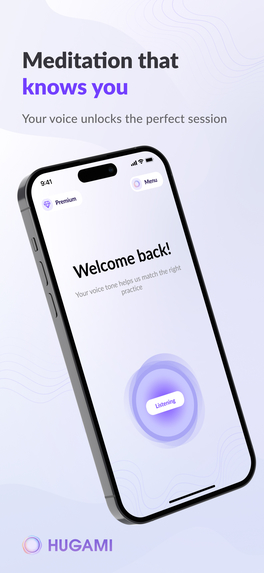
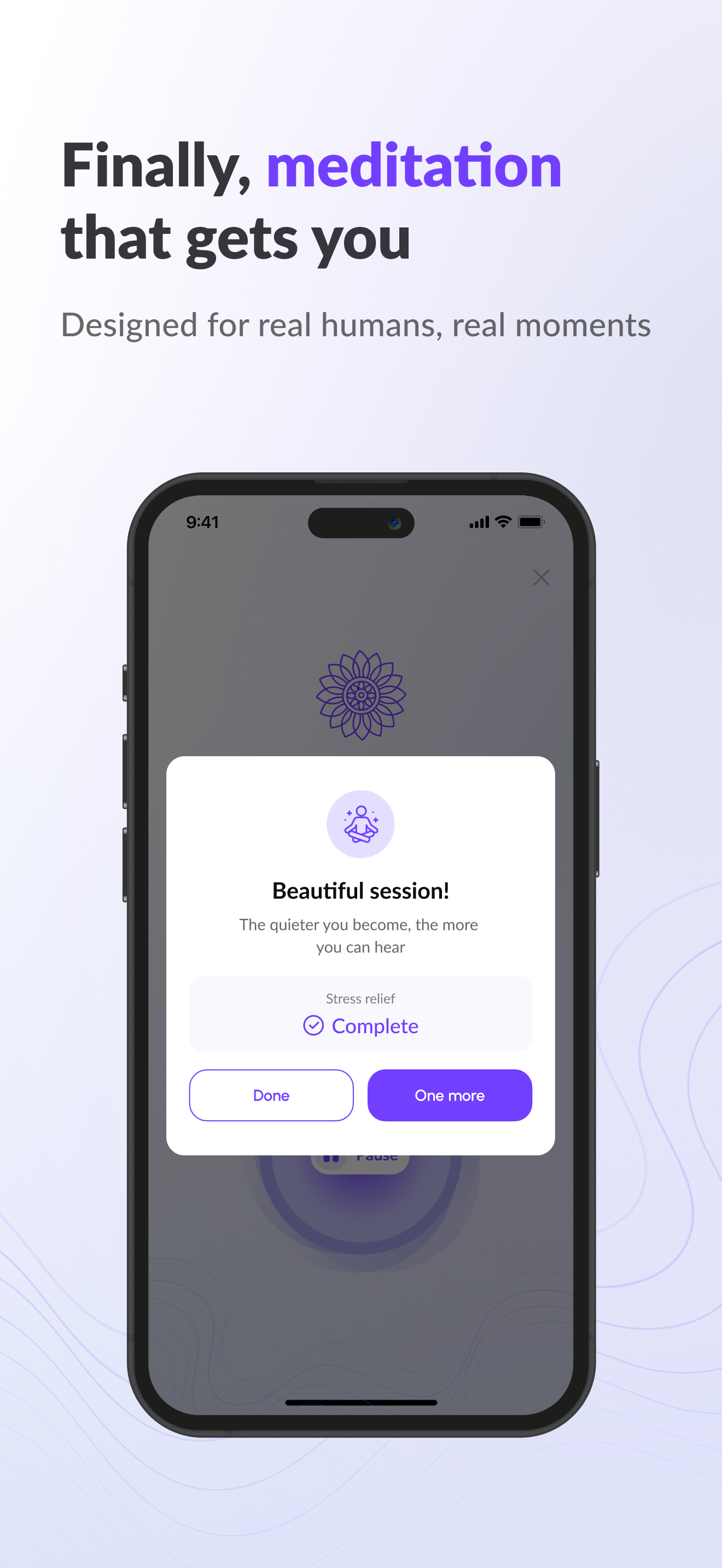
HugAmi transforms meditation from a library of recordings into a responsive conversation.
How it works:
- 🎯 Tap to start - No login, no setup, just one button
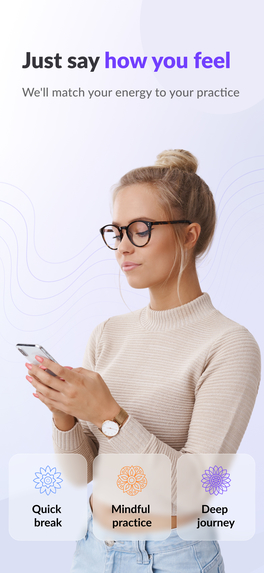
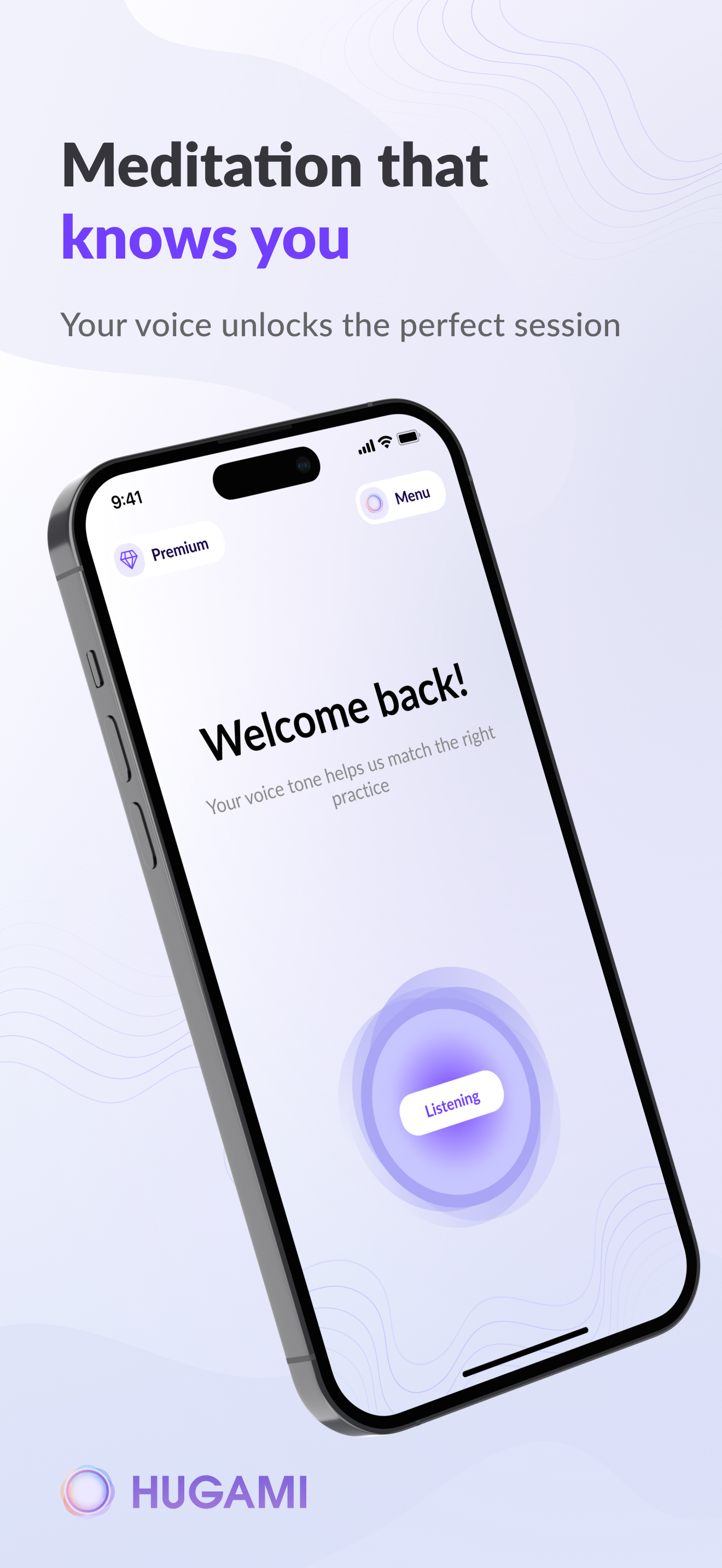
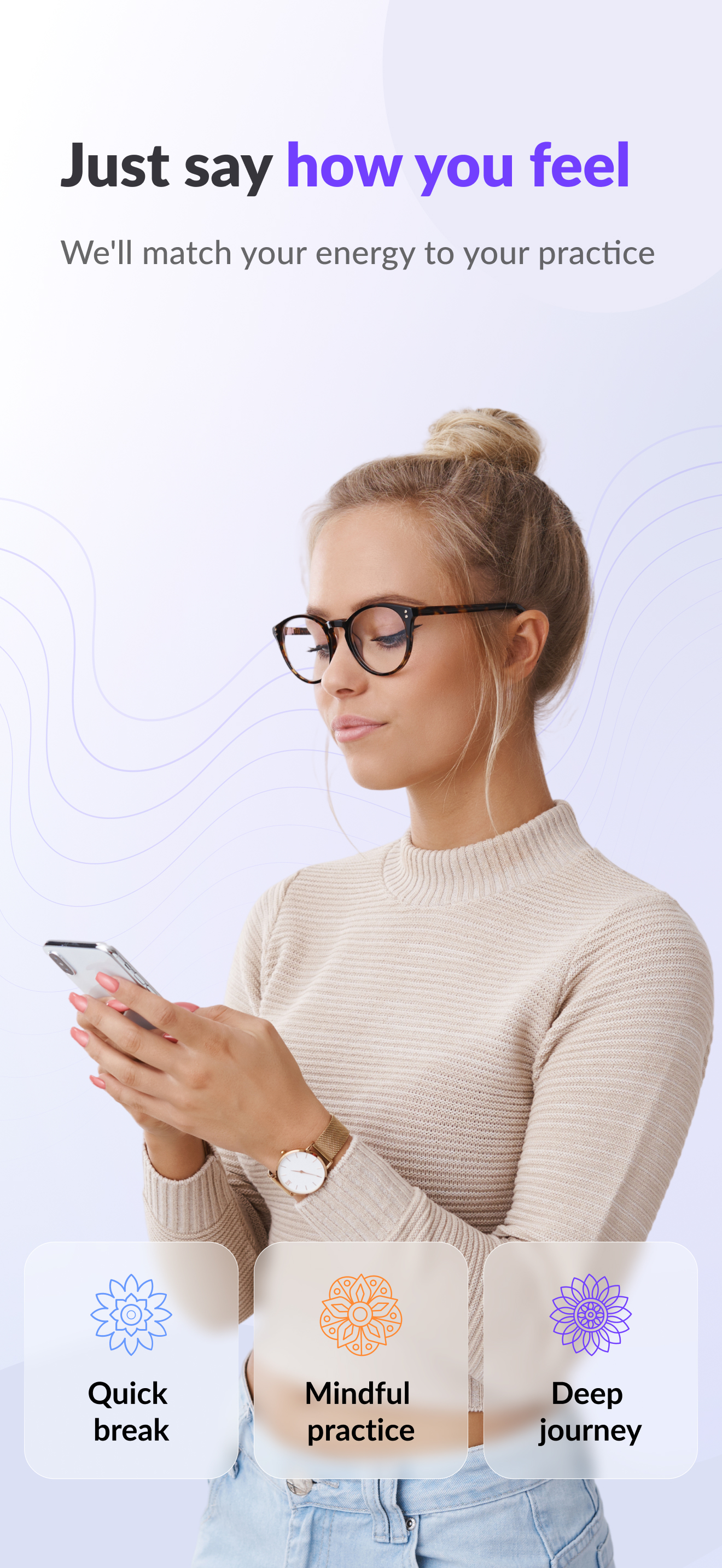
- 💬 Share what's on your mind - Speak naturally about your feelings
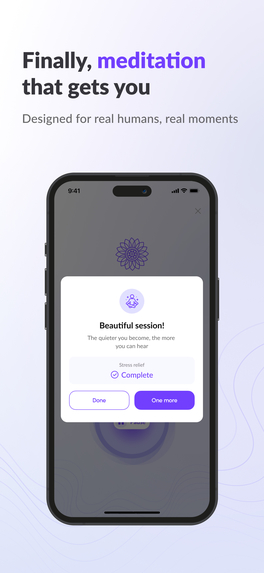
- 🧘 Receive personalized guidance - Get meditation tailored to your exact needs
Key Features:
- ⚡ Instant access - No registration required
- 🎙️ Voice-first interaction - Just talk, we'll understand
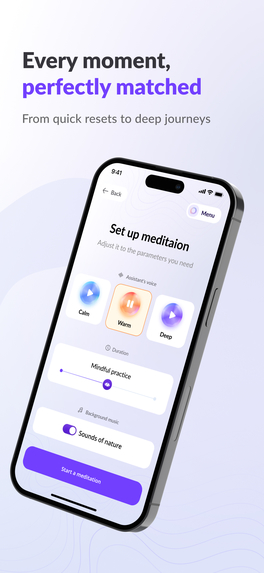
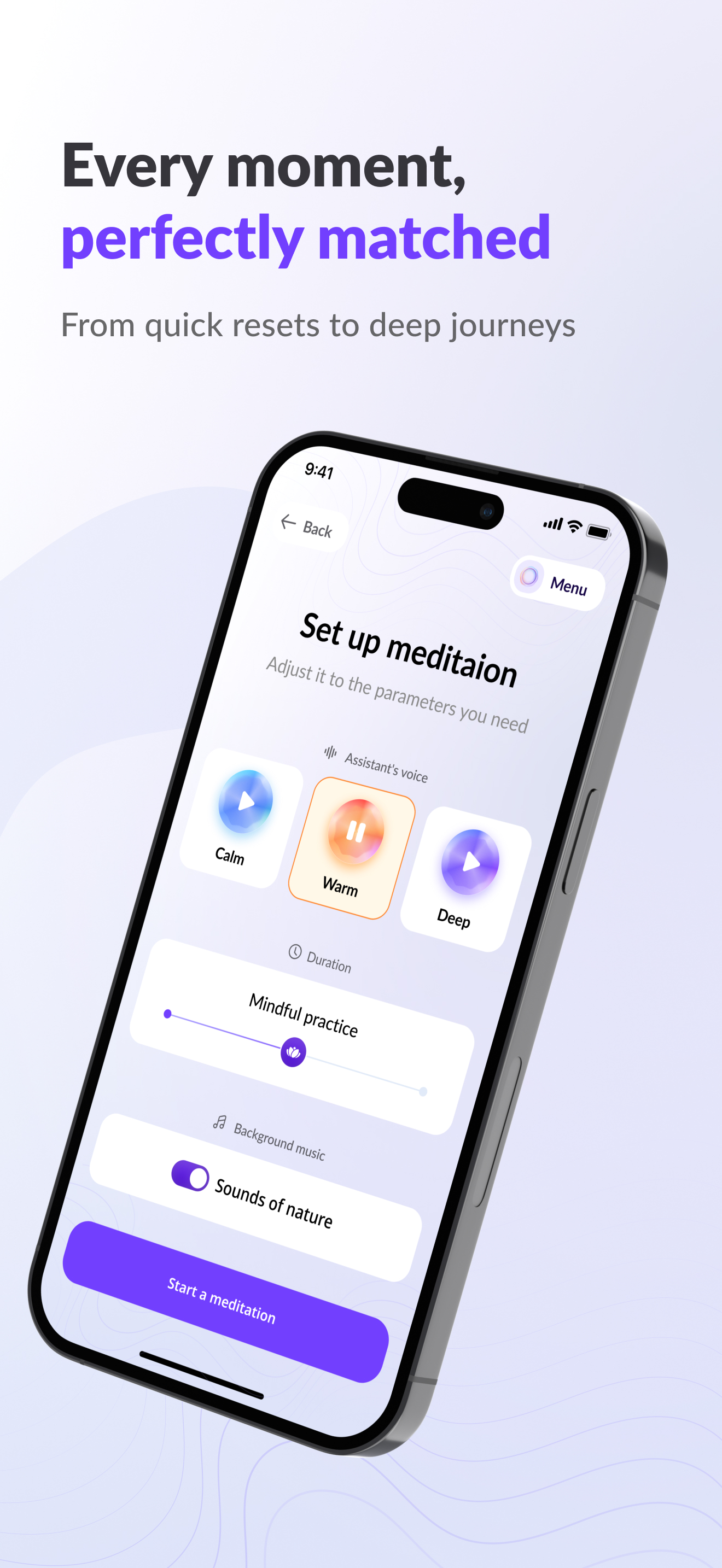
- ⏱️ Flexible duration - 5 to 20 minutes based on your schedule
- 🎨 Multiple AI voices - Find the personality that resonates
- 🔒 Privacy-first - No data storage, no tracking
"Every session is unique because every moment of your life is unique."
🔧 How we built it
Tech Stack:
Frontend:     FlutterFlow + Flutter (iOS + Android)
Voice AI:     ElevenLabs Conversational API
Monetization: RevenueCat SDK
Backend:      Cloud Functions
Analytics:    Privacy-preserving event tracking
FlutterFlow accelerated our development from months to weeks. Its visual builder let us rapidly prototype UI flows and iterate on designs in real-time. We could test user interactions immediately without writing boilerplate code, then export to Flutter for custom voice integration features.
The AI processes natural language to understand emotional context, analyzing:
- Specific stressors mentioned
- Available time
- Emotional intensity
- Preferred meditation style
Based on this analysis, our system intelligently selects and personalizes the most appropriate meditation for each user's unique situation.
🚧 Challenges we ran into
1. Latency Optimization ⚡
- Problem: 30-second wait times during anxiety attacks
- Solution: Smart buffering + parallel processing
- Result: Sub-3-second response times
2. Therapeutic Appropriateness 🏥
- Problem: Balancing support without medical claims
- Solution: 50+ prompt engineering iterations
- Result: Helpful yet responsible AI responses
3. Privacy-First Architecture 🔐
- Problem: No accounts = no cloud storage
- Solution: Local-only preferences + stateless backend
- Result: Complete privacy with personalization
4. Voice Quality at Scale 🎵
- Problem: Audio streaming interruptions
- Solution: Adaptive bitrate + edge caching
- Result: Smooth playback on any connection
🏆 Accomplishments that we're proud of
| Metric | Achievement | Industry Average |
|---|---|---|
| Response Time | < 3 seconds | 10-15 seconds |
| Session Completion | 85% | 40% |
| User Rating | 4.8 ⭐ | 3.5 ⭐ |
| Time to Launch | 4 weeks | 3-6 months |
| Voice-First Interface | Revolutionary conversational UI | Tap/type navigation |
Notable Achievements:
- ✅ Eliminated decision paralysis - No more scrolling through categories wondering "Is this anxiety or stress?"
- ✅ Universal accessibility - Works for everyone: tech-savvy or not, young or elderly, calm or in crisis
- ✅ 50+ emotional contexts recognized and addressed
- ✅ Zero-friction experience - no login required
- ✅ True cross-platform parity with single codebase
- ✅ Beta user feedback: "Like having a meditation teacher who actually gets it"
📚 What we learned
Key Insights:
1. Simplicity Wins
The best interface is no interface. One button outperformed complex mood trackers.
2. Friction Kills Adoption
Every extra screen in onboarding dropped completion by 30%
3. Emotion Over Technology
Users don't care about AI - they care about feeling understood
4. Speed Matters Most
A good meditation now beats a perfect meditation in 30 seconds
Technical Learnings:
- Edge computing crucial for voice processing
- Progressive disclosure improves UI adoption
- Context understanding > content quantity
🚀 What's next for HugAmi- Guided meditation
Q4 2025 - Immediate
- 🌍 Multi-language: Spanish, French, Polish
- 📱 Offline mode: Download personalized sessions
- ⌚ Apple Watch: Quick relief from your wrist
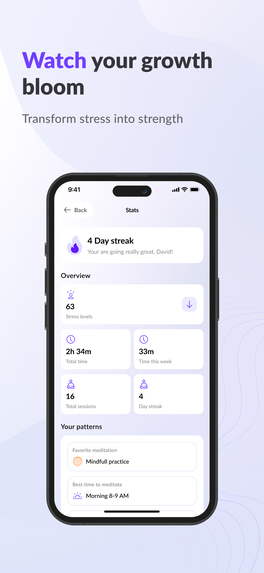
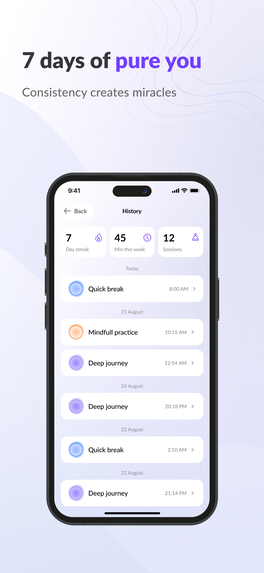
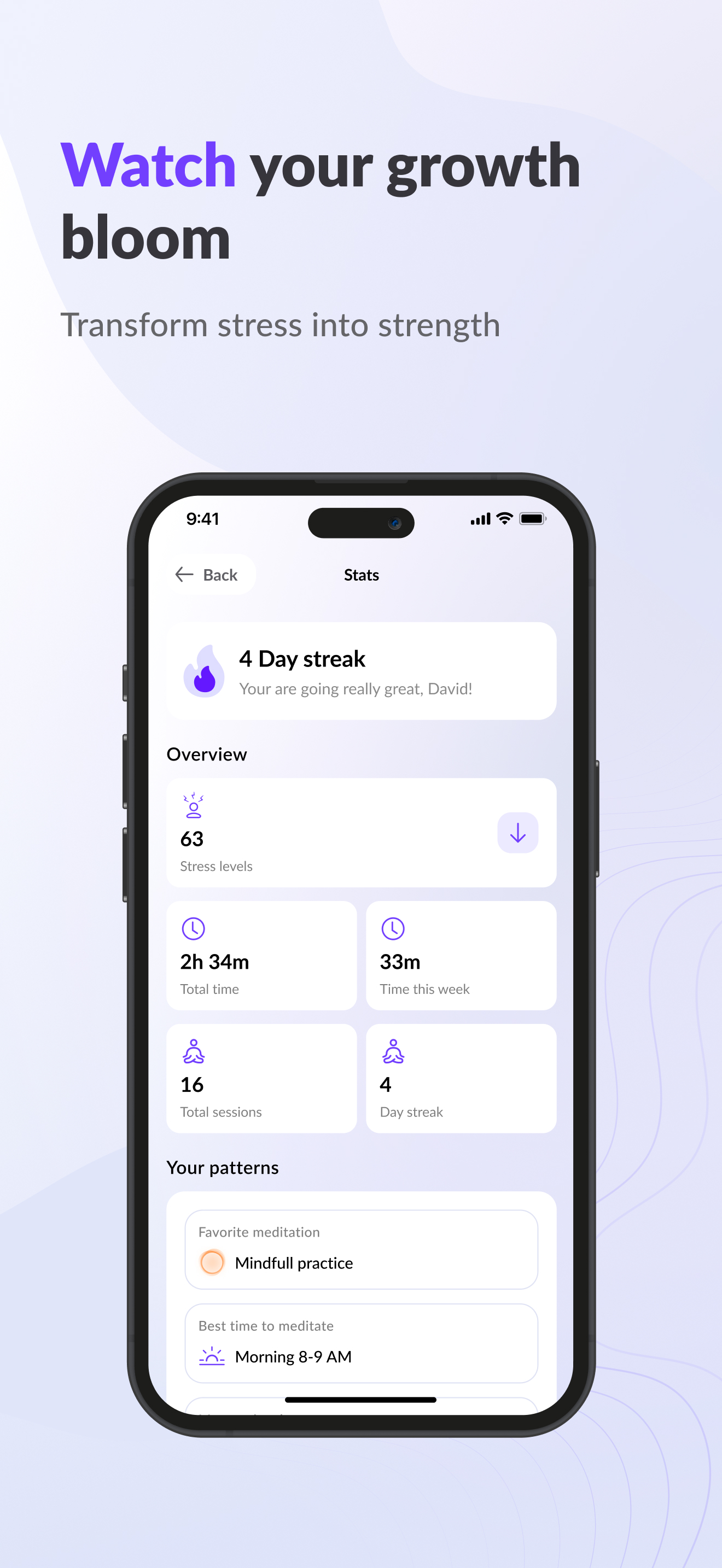
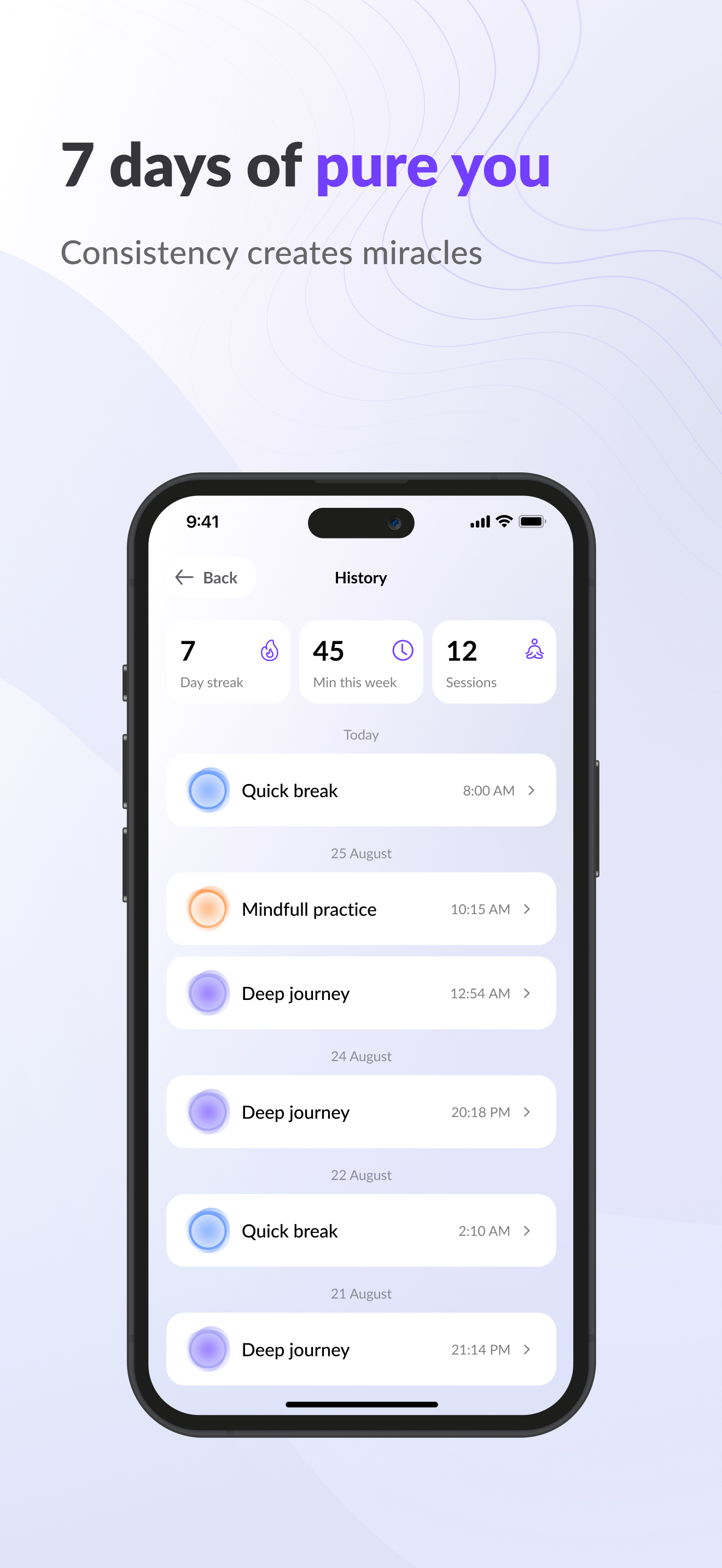
- 📊 Progress tracking: Personal meditation journey analytics
- 🔔 Smart reminders: Gentle nudges based on stress patterns
2026 - Expansion
- 🧠 Emotional Weather Patterns: AI learns your stress cycles and proactively offers support before crisis moments
- 🌙 Dream Journal Integration: Morning check-ins that connect sleep quality to emotional wellbeing
- 🎭 Mood Prediction Engine: Subtle notifications when detecting potential anxiety triggers in your routine
- 🏢 B2B wellness: Corporate mental health support
Long-term Vision
- 🩺 Professional Portal: Mental health providers can recommend specific meditation protocols to clients between sessions
- 🤖 Emotion API: Developer platform for wellness apps
- 🌐 Global reach: 50+ languages, culturally adapted
Our Mission: Ensure nobody faces their difficult moments alone. Mental wellness support should be immediate, personal, and accessible—not after creating an account, not after a questionnaire, but right when you need it most.
Built with ❤️ for Shipaton 2025
Technologies: FlutterFlow • Flutter • ElevenLabs AI • RevenueCat
Categories: Best Vibes Award • Peace Prize • Design Award • HAMM Award
Try HugAmi today - because your mental health can't wait for onboarding.


Log in or sign up for Devpost to join the conversation.