-
-

The bulbs
-
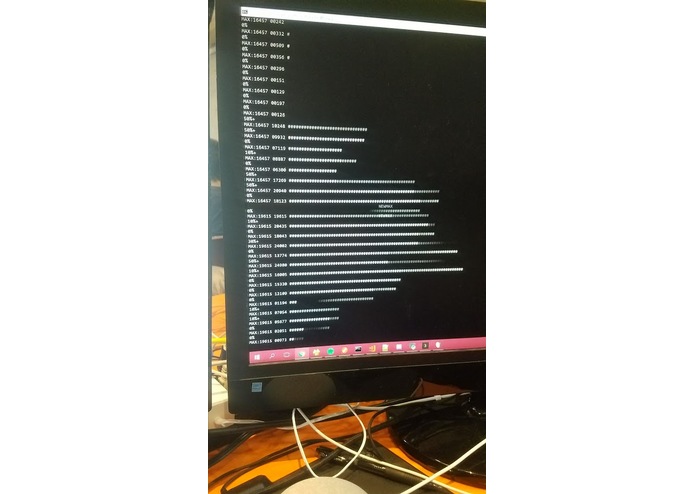
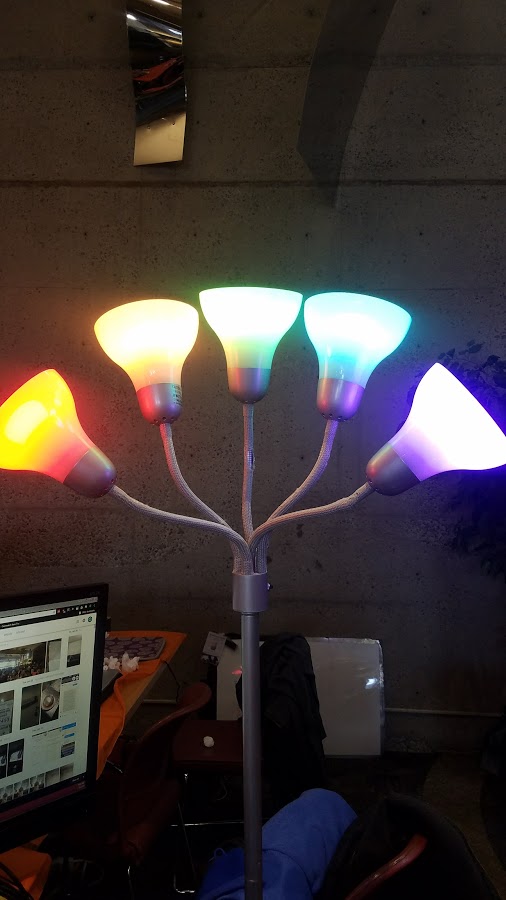
The visualizer in action!
Inspiration
I bought the Hue lights a couple months ago, and didn't really do anything of interest with them until now. I wanted to take advantage of Brickhack to finally do something cool with them!
What it does
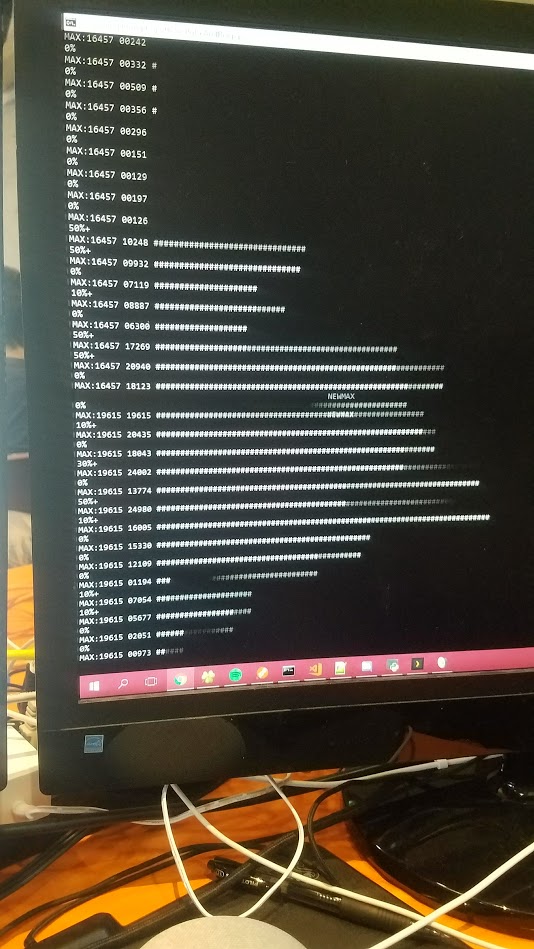
It loads an audio stream from either my mic, or my computers internal audio recording, and categorizes the music by wavelength before sending it to the bulbs
How I built it
Honestly, it was just a ton of trial and error before I stumbled upon something that seemed usable
Challenges I ran into
I spent an absurdly long amount of time trying to get a c-wrapped-in-python audio processing library working. It was fully featured, but after blowing more than an hour on it, I gave up, and decided to use the raw audio input and a little bit of math, and build the functionality I needed myself
Accomplishments that I'm proud of
I'm honestly just proud I got it working. There was a serious dryspell in the middle of the night, and I was absoulutely elated when I finally got it working! The biggest limitations were the processing and the bandwidth limitation of the bulbs. I'm happy to have worked around them.
What I learned
The basics of how audio visualization works! I feel like I have a stronger understanding of sound and music as well from this project
What's next for HueVisualizer
A couple of things!
- Working on a more robust visualization (i.e. Responding to frequency)
- Working to decrease latency
- Better handling of rogue sounds (someone slamming a door or shouting)
- Audio passthrough to cast-audio
Built With
- numpy
- philips-hue
- pyaudio
- python

Log in or sign up for Devpost to join the conversation.