
Inspiration
In a cardiac emergency, panic is the enemy. While many people know the basics of CPR, maintaining the correct rhythm (100-120 BPM) and proper form (depth and recoil) while under extreme stress is incredibly difficult. We realized that the technology to solve this: accelerometers, gyroscopes, and haptic engines is already sitting on our wrists. We wanted to build a real-time CPR coaching system to turn a Huawei Watch 5 into a real-time life-saving coach that doesn't just track data, but actively guides the rescuer.
What it does
Pulse is a standalone wearable application that uses a multimodal feedback system:
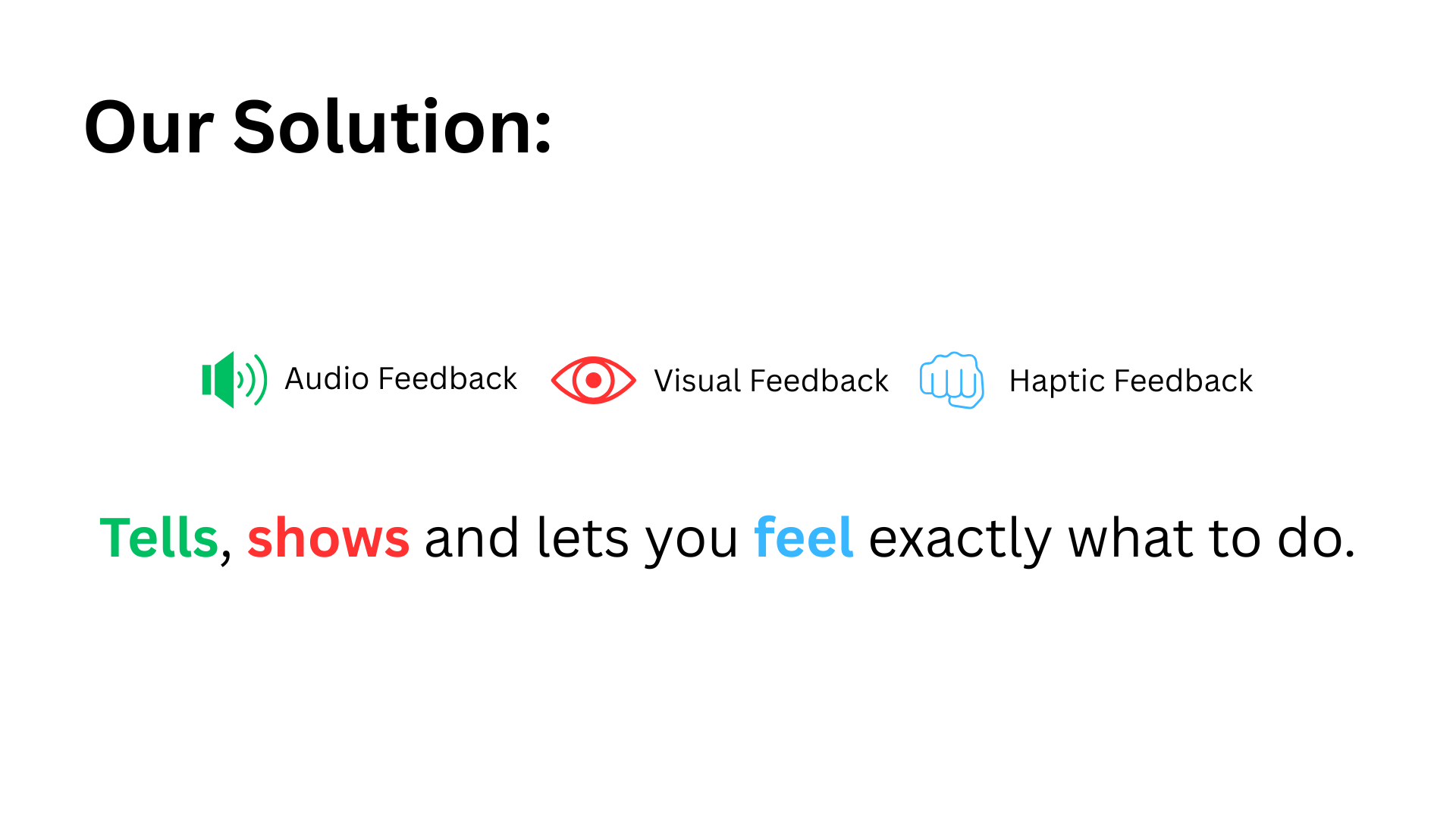
- Feels: A strong vibration metronome set to 110 BPM keeps the rescuer locked into the perfect rhythm.
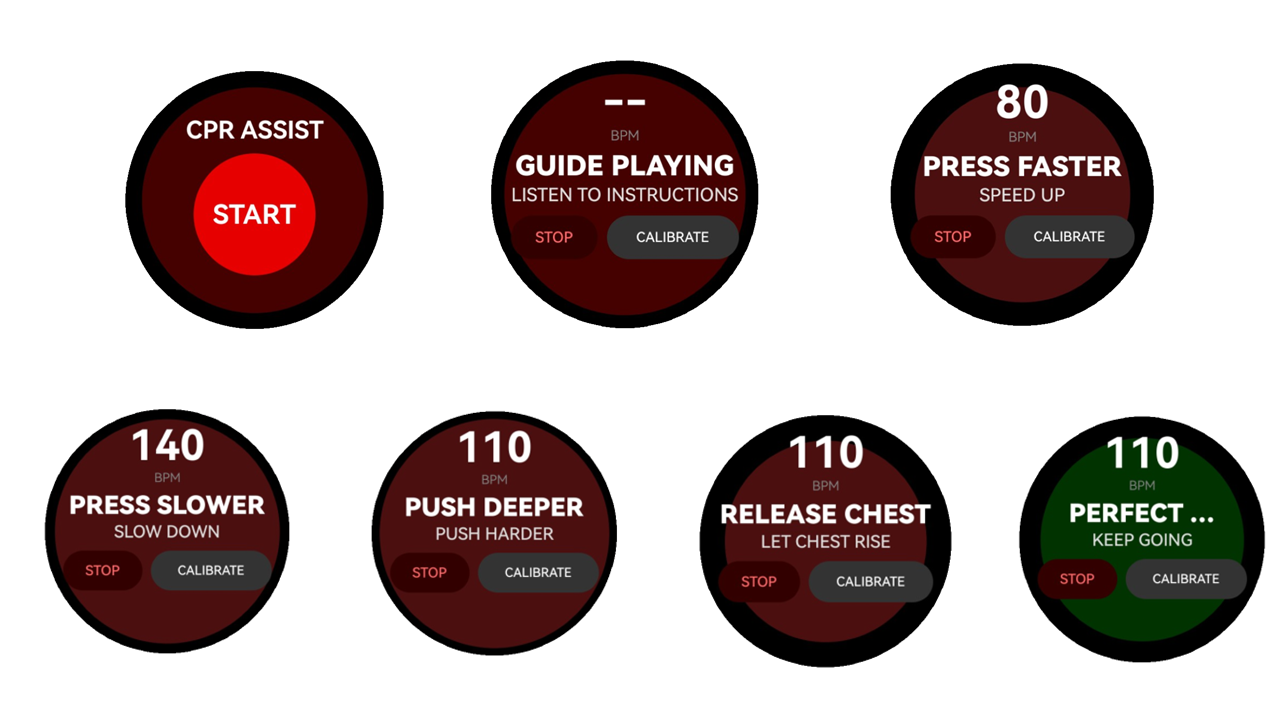
- Tells: Voice commands give immediate corrective feedback (e.g., "Push Faster," "Release Chest Fully").
- Shows: A clear, high-contrast UI designed for circular displays providing visual cues.
How we built it
We built the application using ArkTS on the OpenHarmony operating system, pushing the wearable hardware to its absolute limits. By accessing raw high-frequency sensor data, we reconstructed the biomechanics of the rescuer's hands.
Instead of relying on generic activity recognition APIs, we engineered and trained a custom machine learning decision tree using a proprietary dataset we collected ourselves directly with the Huawei Watch 5. By running this custom-trained model on-device, we can analyze complex motion patterns in real-time, allowing us to distinguish between proper compressions and specific form errors with a level of precision that standard algorithms cannot achieve.
Challenges we ran into
Our biggest technical hurdle was recoil detection (detecting "leaning"). Accelerometers are noisy, and distinguishing between a shallow press and a failure to release the chest (leaning) is mathematically complex due to gravity drift. We solved this by implementing a dynamic calibration system that locks the "zero point" when the user starts, allowing us to detect when the chest hasn't returned to its neutral position.
What we learned
- The Power of HarmonyOS & ArkTS: We learned that ArkTS is capable of much more than just simple UI. By leveraging OpenHarmony's efficient architecture, we were able to process high-frequency sensor data (50Hz) and run complex logic in real-time without compromising the smoothness of the UI. This proved to us that ArkTS delivers the native-grade performance required for critical health applications on wearable hardware.
Built With
- arkts
- arkui
- deveco-studio
- huawei-watch-5
- oniro
- openharmony


Log in or sign up for Devpost to join the conversation.