Inspiration
Every day, someone funds a project they shouldn’t have. Or loses money to a company (or leader) they shouldn’t have trusted.
And it’s not because they’re reckless, it’s because it's almost impossible to verify if what an organisation or public figure says is actually what they do.
A little background I’ve spent nearly two decades working across sustainability, leadership, and communication, from grassroots social enterprises to UN agencies and multinationals. Along the way, I’ve seen greenwashing, whitewashing, and fear-based PR spin become routine. It's crazy. I’ve seen reporting used more to defend reputation than to improve it.
Public trust is cracking and for good reason.
This became personal when I posted two tests on LinkedIn:
- One showing a scratch test that revealed PLA (plastic) coating inside a so-called compostable cup
- Another using oil to expose hidden PFAS/PFOS (forever chemical) in takeaway cardboard packaging
The post exploded, over 350,000 views in 12 hours. Then came the threat.
A packaging executive recognised their box even though there was no logo and no brand name visible nor mentioned and threatened to sue me unless I took it down within 24 hours. I had just been made redundant from my Head of Sustainability role at a waste company due to the economic recession, and hadn’t yet incorporated my company. So if they sued, they’d sue me personally. With a young family I just couldn't take the risk.
That experience was terrifying both terrifying and frustrating, but it wasn’t unique. It was a symptom of a larger pattern: companies reacting with legal pressure instead of accountability. A culture of defensiveness instead of disclosure.
Why this is tricky* At the same time, I know most businesses aren’t trying to deceive. They’re overwhelmed. They’re trying to grow. And they’re rewarded for bold claims, not cautious nuance. But now that AI is flooding the market with synthetic messaging, and ESG regulations are loosening thanks to lobbying, that gap between claims and credibility is becoming dangerous.
The human and economic risks A quick search will show you the economic harm misleading claims does to business and people:
- Volkswagen faced an estimated US $34.7 billion in fines and lawsuits globally after the “Dieselgate” scandal when the company installed defeat devices to falsify emissions tests [https://www.reuters.com/sustainability/german-asset-manager-dws-fined-25-mln-eur-greenwashing-case-2025-04-02/]
- Clorox Australia was fined A$8.25 million (~US $5.2 million) for misleading consumers with “ocean plastic” claims on GLAD bags [https://www.accc.gov.au/media-release/clorox-ordered-to-pay-825m-in-penalties-for-misleading-ocean-plastic-claims-about-certain-glad-products]
- Keurig Canada settled for CA$3 million, plus investigation and cleanup costs, over claims that K-cup pods were recyclable with no solid recycling program to support the statement
This is why we built HowLegit: a tool to help people assess trustworthiness before they purchase, invest, fund, or partner with clarity, speed, and fairness.
What it does
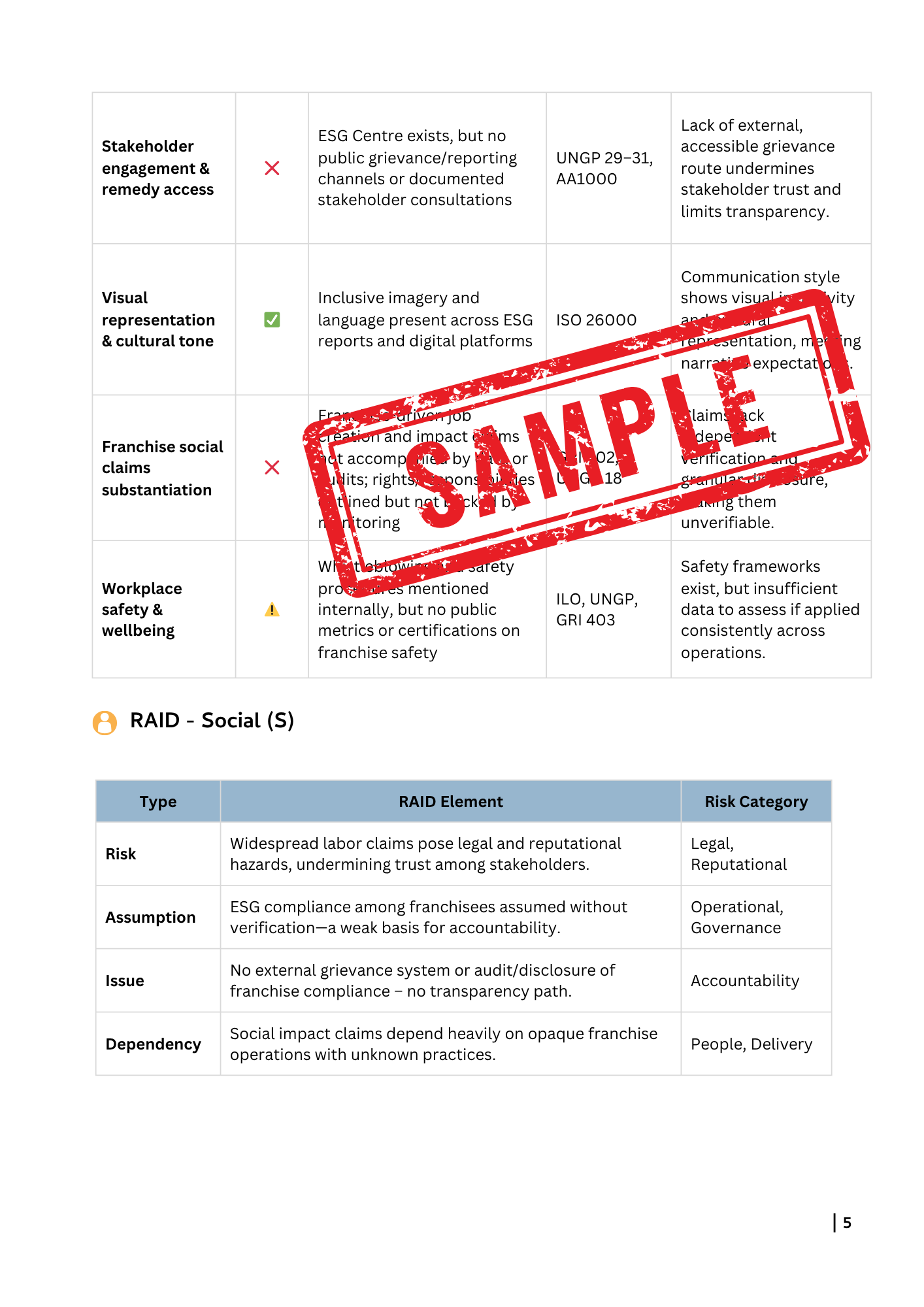
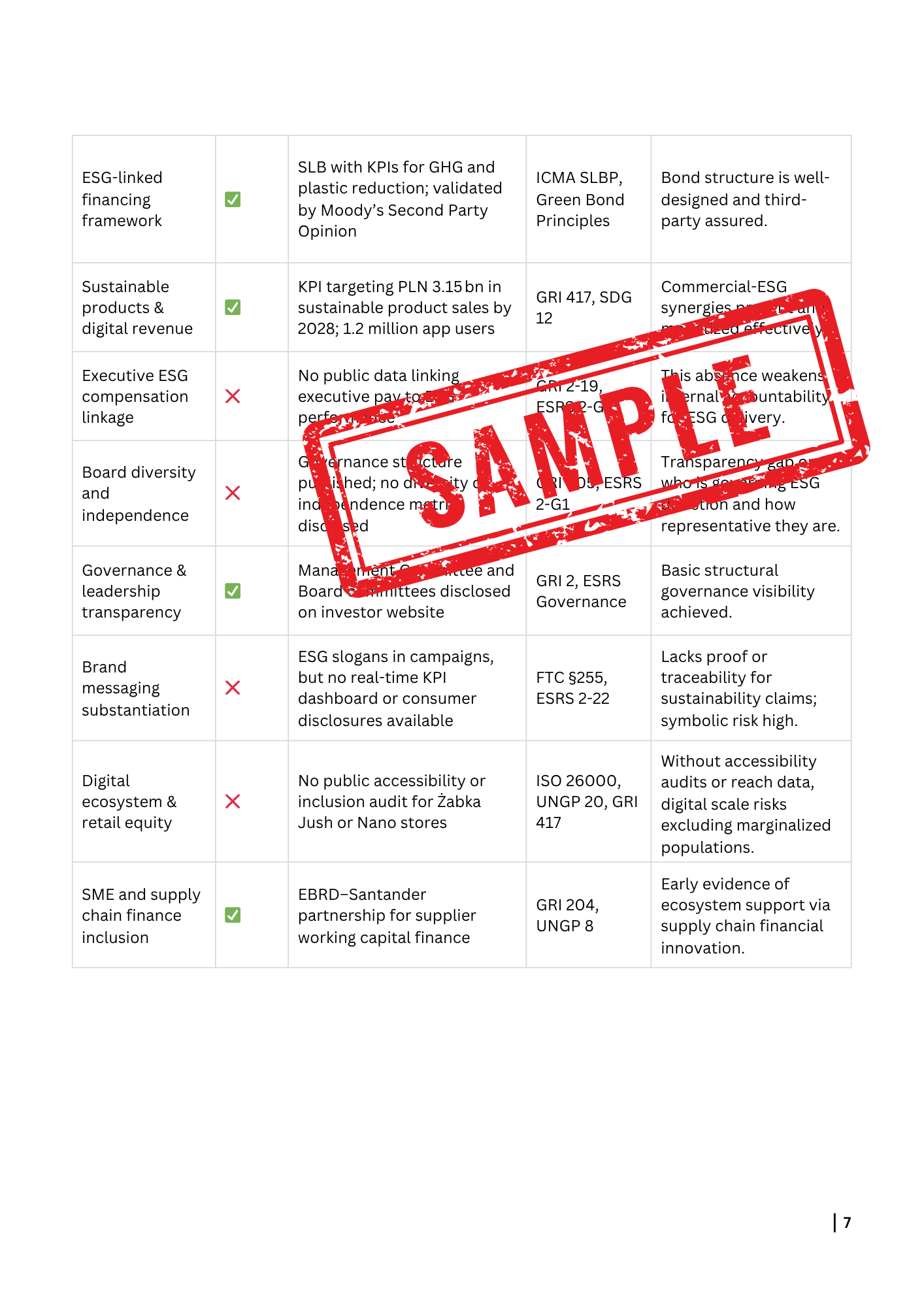
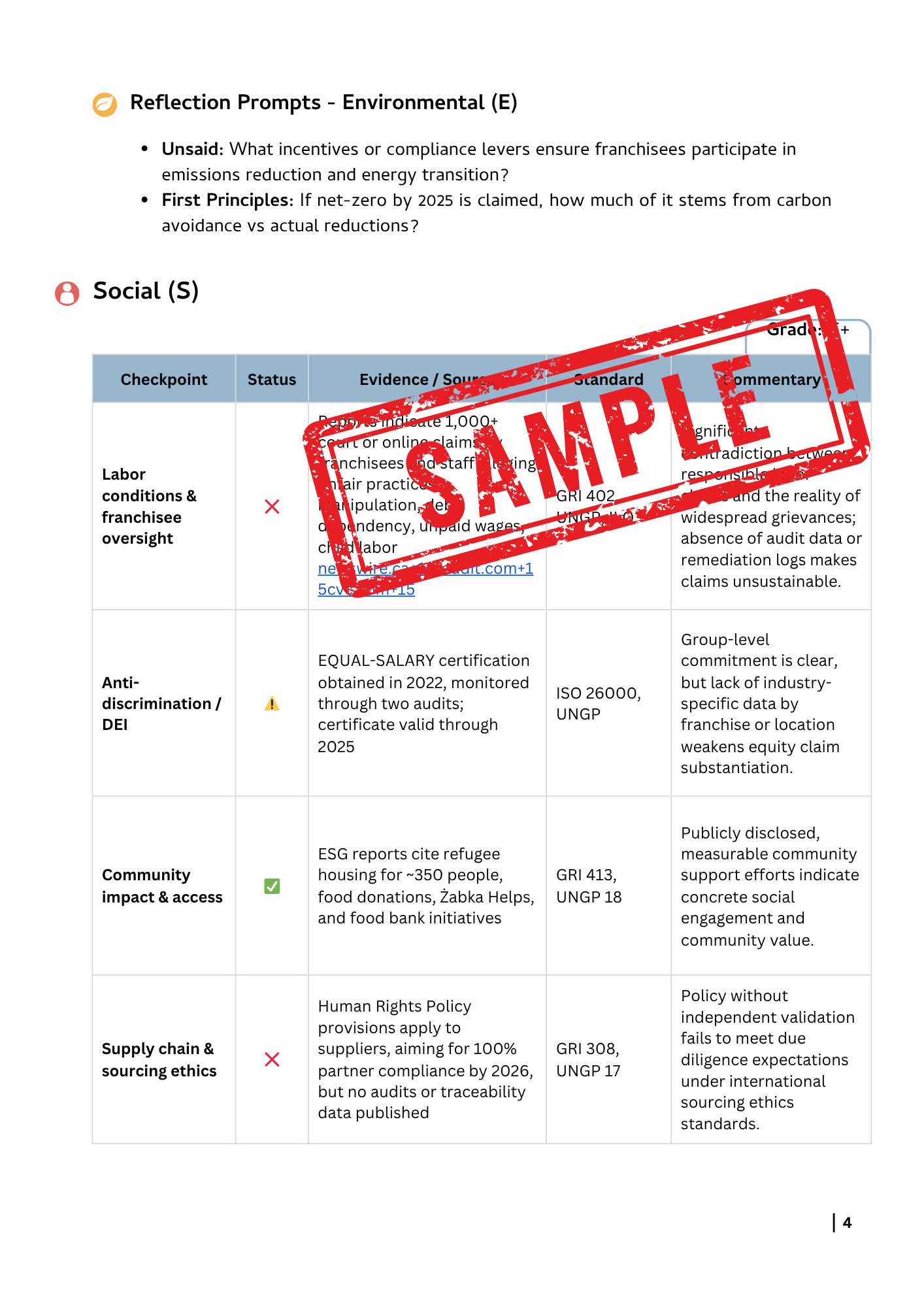
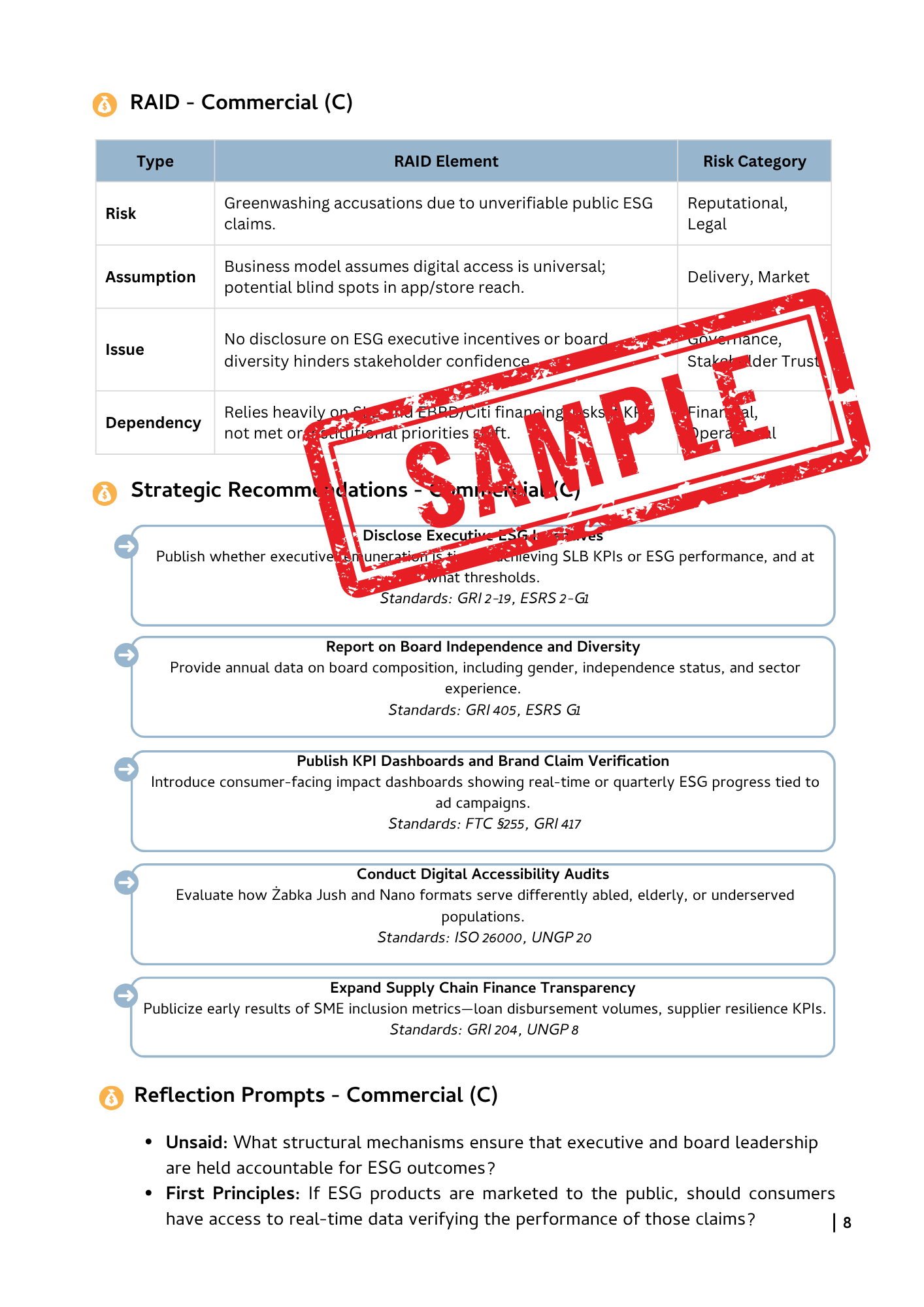
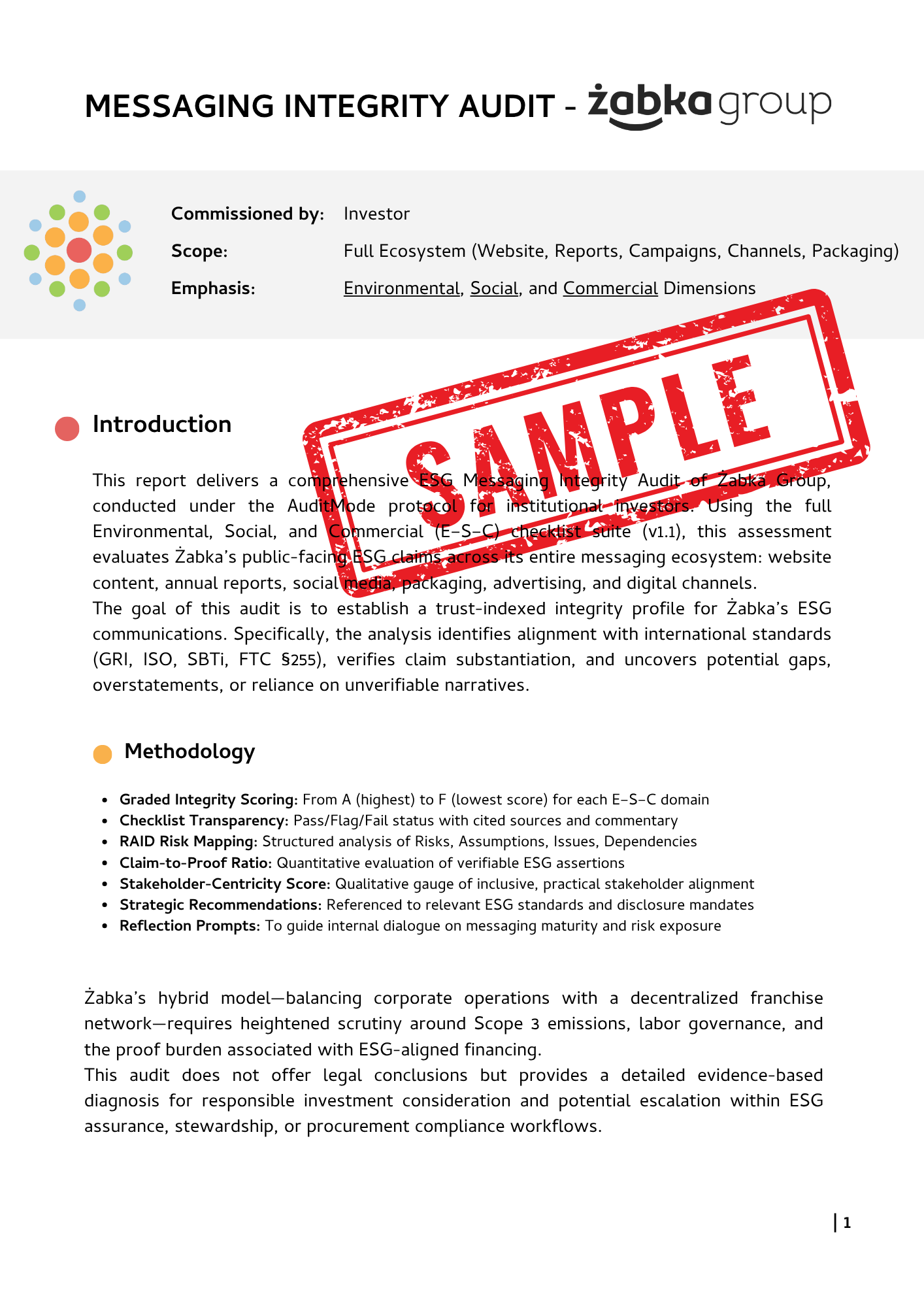
HowLegit gives you a structured audit of an organisation’s public messaging so you can gauge credibility before you commit.
It scrapes and reviews:
- Websites
- Reports and brochures
- Leadership statements
- Public channels like social media and news
We then benchmark what’s said against recognised international standards like ISO and ESRS and flag what’s missing, overstated, or unclear.
Every paid report is reviewed by a real consultant before it’s delivered ensuring the results are not only accurate, but actionable in context.
Here’s what you get:
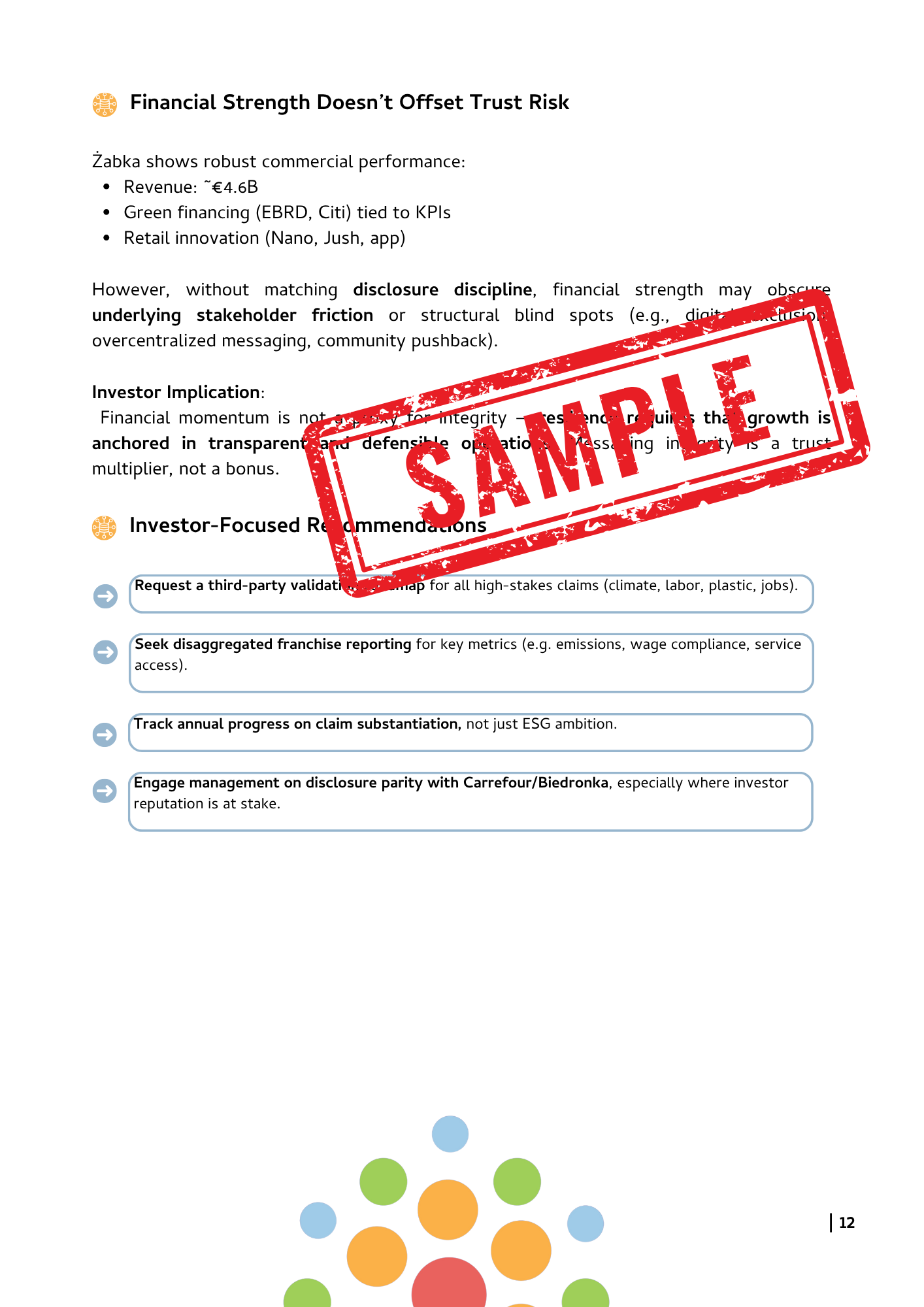
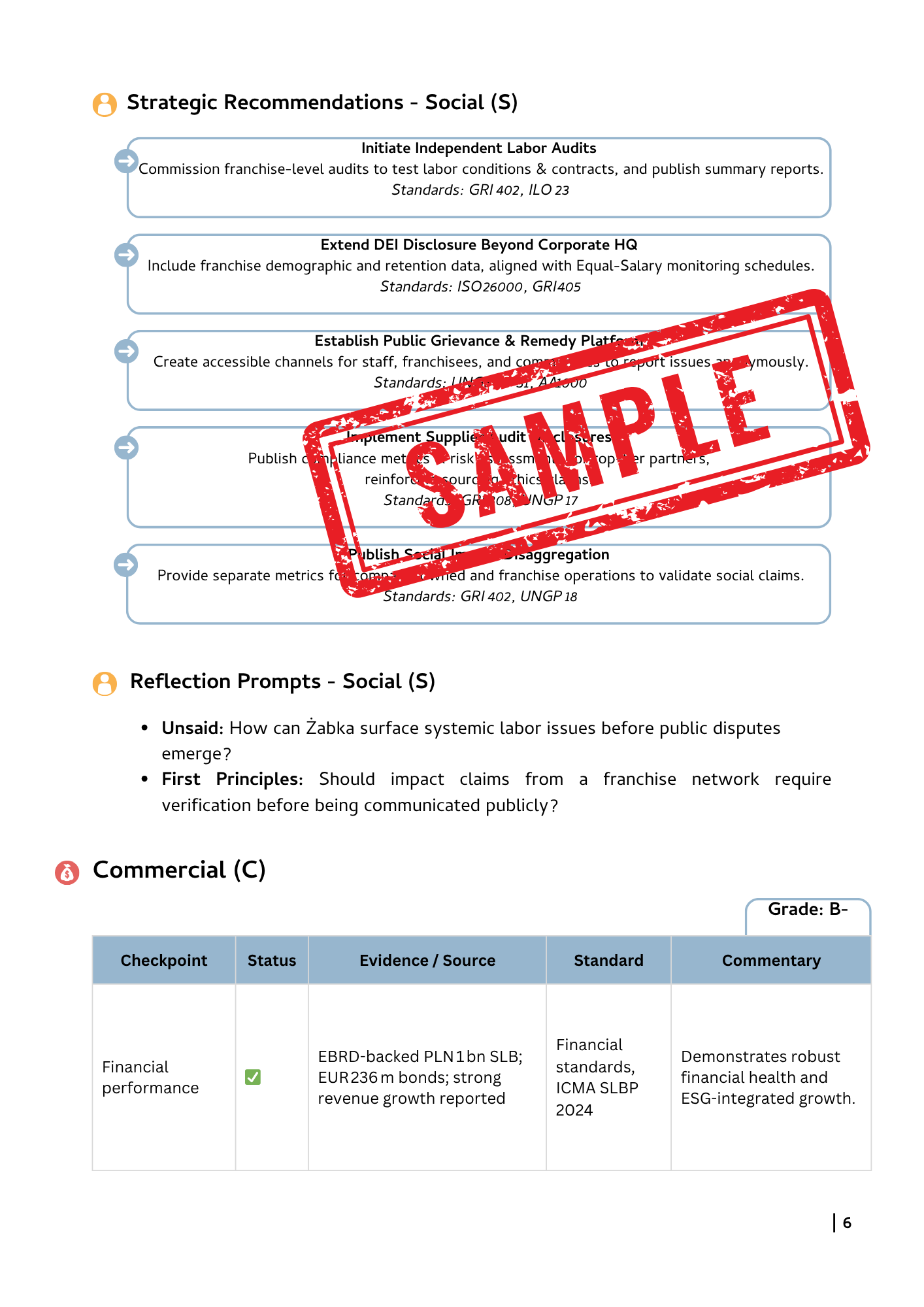
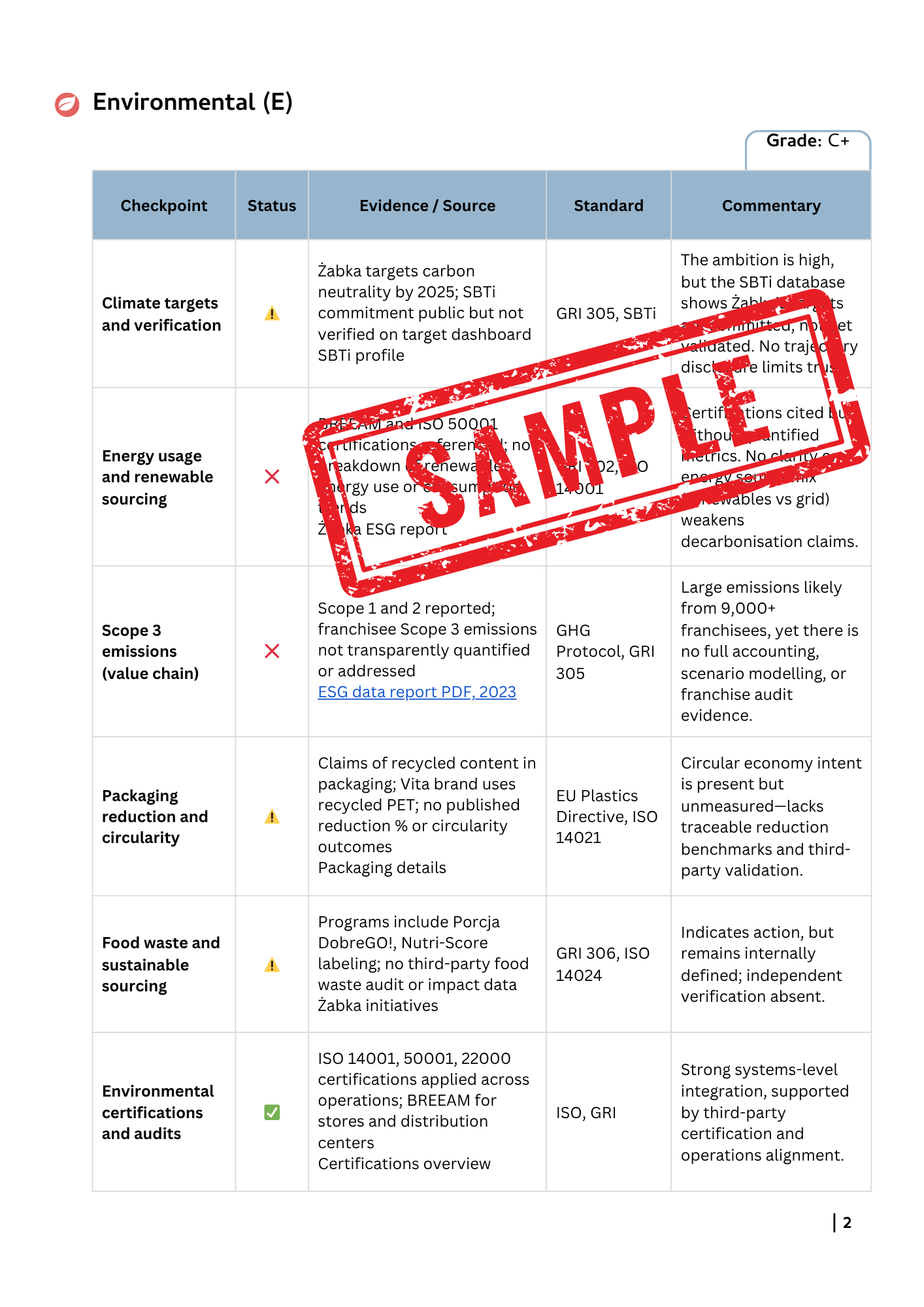
- A clear A–F credibility score
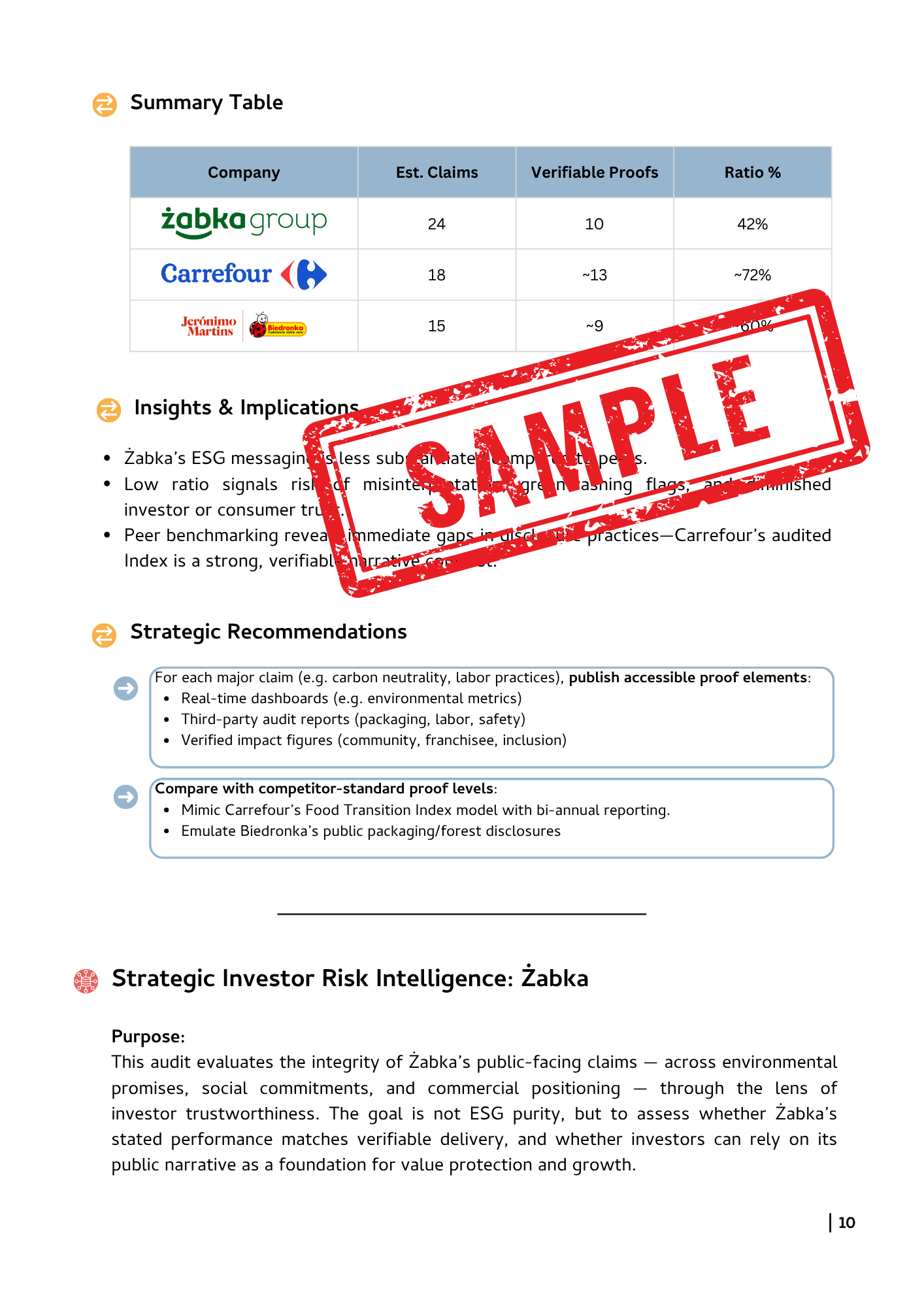
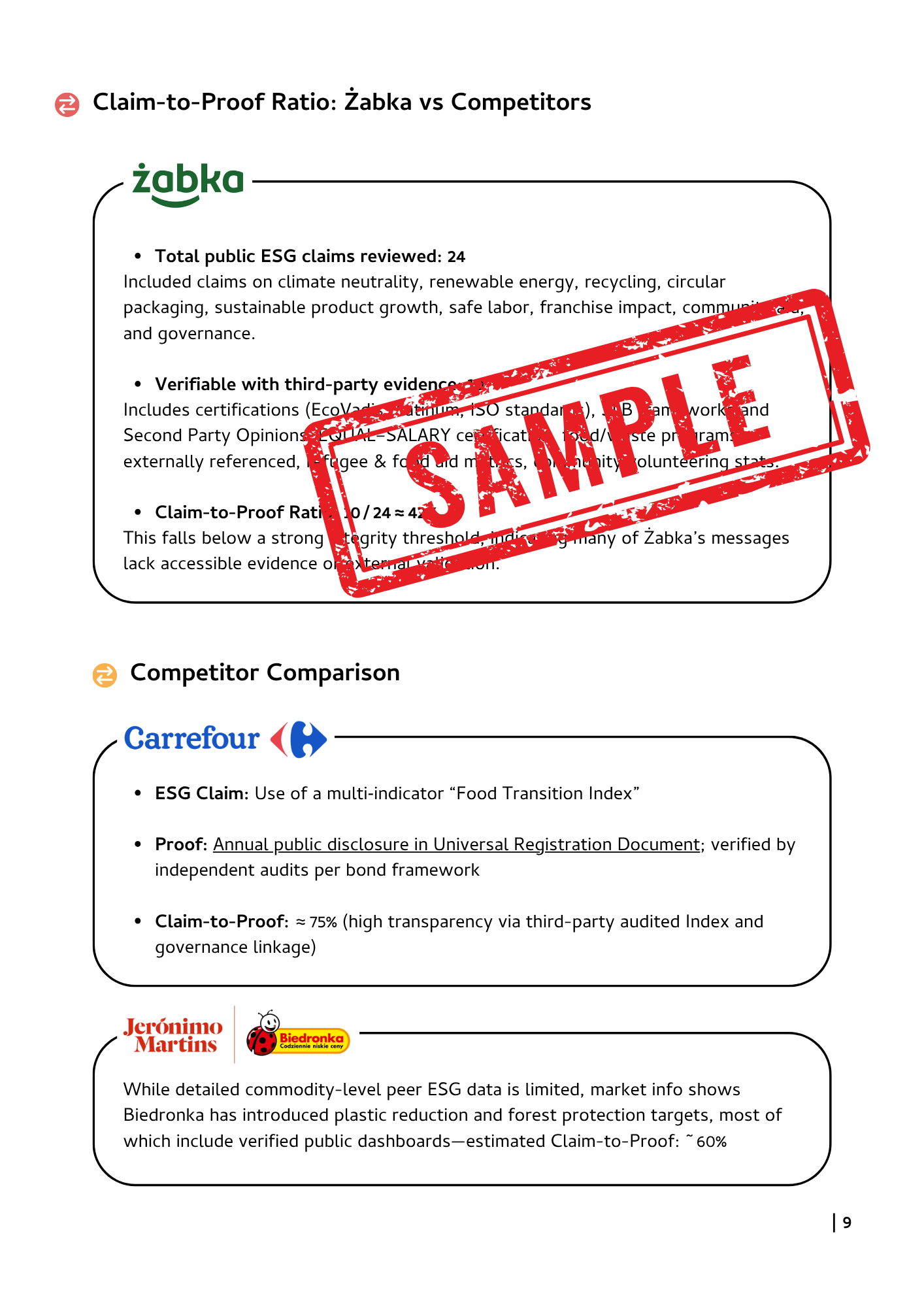
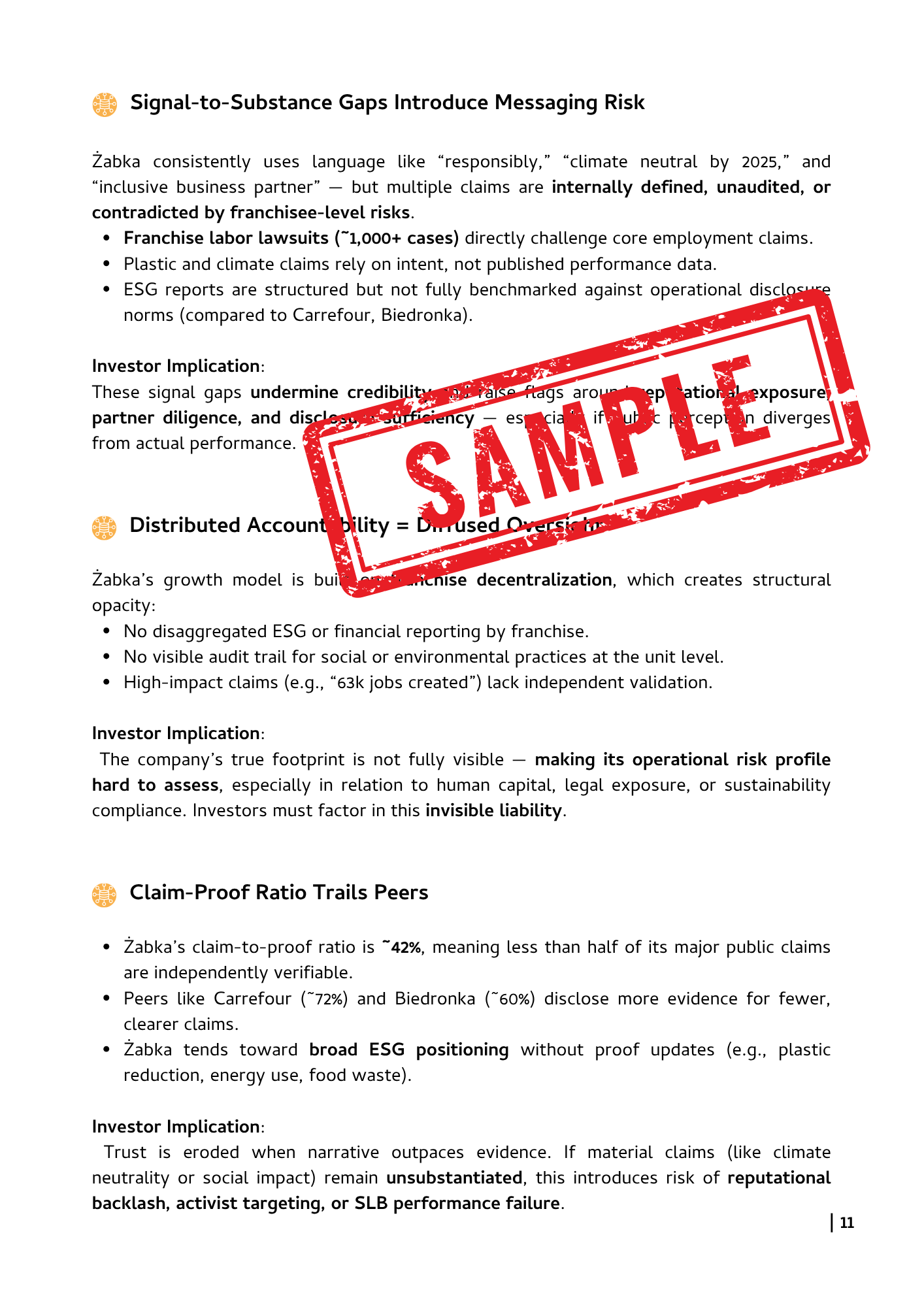
- Claims-to-proof ratio
- Commentary and supporting references
- Messaging consistency check
- Strategic follow-up questions to ask
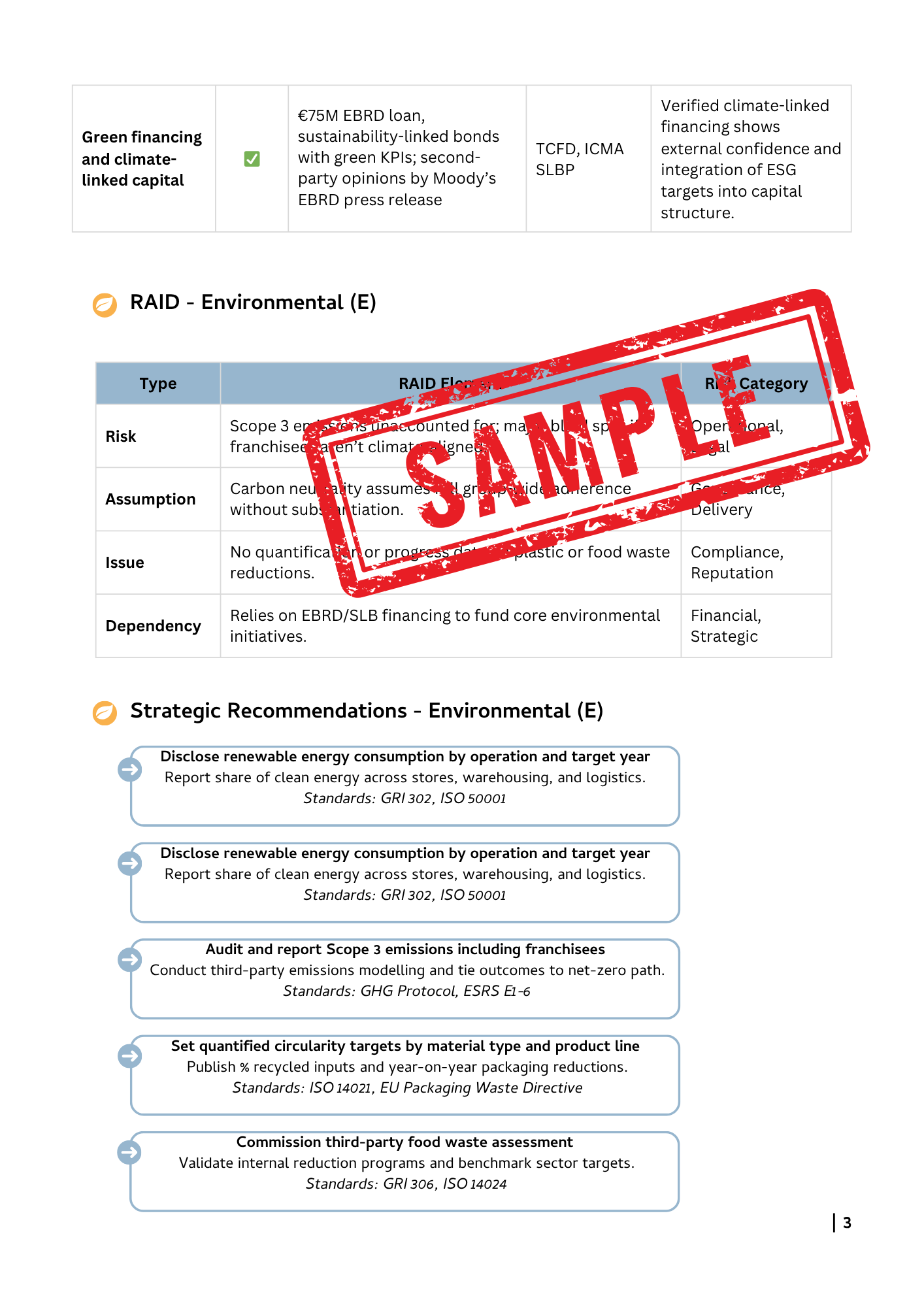
- RAID analysis for internal decision-making
- Peer comparison (Paid report)
The Paid report is:
Delivered in under 24 hours.
Built for trust, not just insight.
If you’ve ever had to Google a company and wonder whether they walk their talk, this is the shortcut you’ve been missing.
How we built it
We built HowLegit using a no-code/low-code hybrid stack to move fast and keep the tool lean.
- Frontend: Built using Bolt.new to rapidly design our landing and app interface, with fine-tuning done in Cursor using **React, **Vite, **TailwindCSS, and **Supabase for backend logic and data.
- Hosting: Deployed via **Netlify for fast global delivery.
- Email: Integrated **Resend to deliver user reports and confirmations.
Our approach allowed us to build, test, and deploy a fully functional MVP with human-in-the-loop auditing in under one week.
Challenges we ran into
Business challenges Originally, we thought this would be great to run as a niche-version of DeepResearch with a trained and verified checklists based on international frameworks and standards that would deliver a grade within minutes.
After almost 10 trials and conversations with procurement departments, private-equity investors, lawyers, and donors, it was apparent we needed a human-verified version. It turns out tech was only going to take this so far.
Honestly, this was a little bit of a relief for the comms experts in our team as it proved that AI wasn't going to replace all of our work, it would enhance the ability to provide value by people who could use AI.
Tech challenges One of the tests we found that scrapers and Deep Research on ChatGPT would confuse companies of the same name, skewing results. The only way we could resolve this was inputting a human filter in the review process with a 24 hour window, which was enough time to resolve this problem.
Accomplishments that we're proud of
We've been able to save a lot of time for procurement departments of infrastructure companies in New Zealand to NGOs in Cambodia and Poland over the last few days.
We've also started exploring using this to educate business leaders in a Business Sustainability Accelerator and to Startup Accelerators to help companies improve their claims, while developing plans to tighten their operations to be both more sustainable and honest with the claims they are making. All initial talks but promising!
Honestly, it's hard to measure what emissions, or waste or funding was avoided from being wasted! So we're happy to just say we've supported over 10 different organisations in their sustainability and comms messaging, and all the consumers and stakeholders that are impacted by their presence.
What we learned
How quick and easy it was to use Bolt and the integration with supabase
What's next for HowLegit
Outreach and impact! We're going to test a go-to-market fit strategy to start working with public institutions to create watchlists of firms to engage before taking legal action, and help guide them to improve their claims as they profit from consumers and other businesses from misleading claims (selling with increased pricing and volume).
Built With
- bolt.new
- cursor
- react
- resend
- supabase
- tailwind
- vite


Log in or sign up for Devpost to join the conversation.