-
-
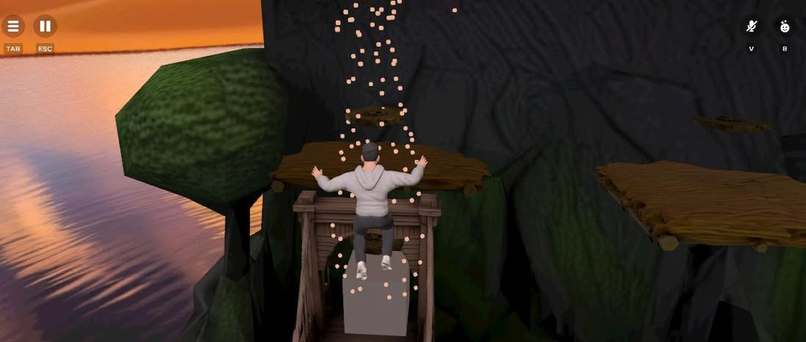
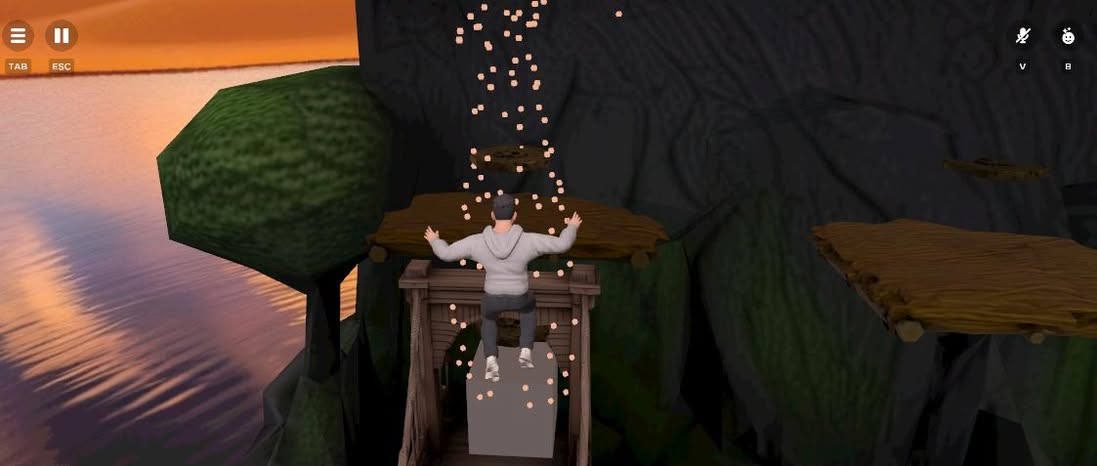
How far can you get?
-
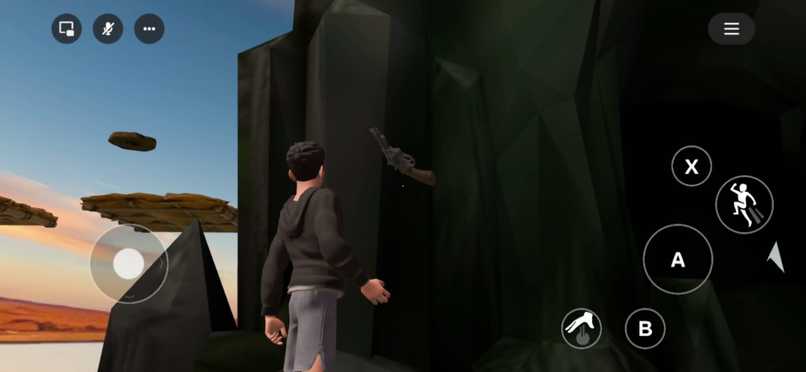
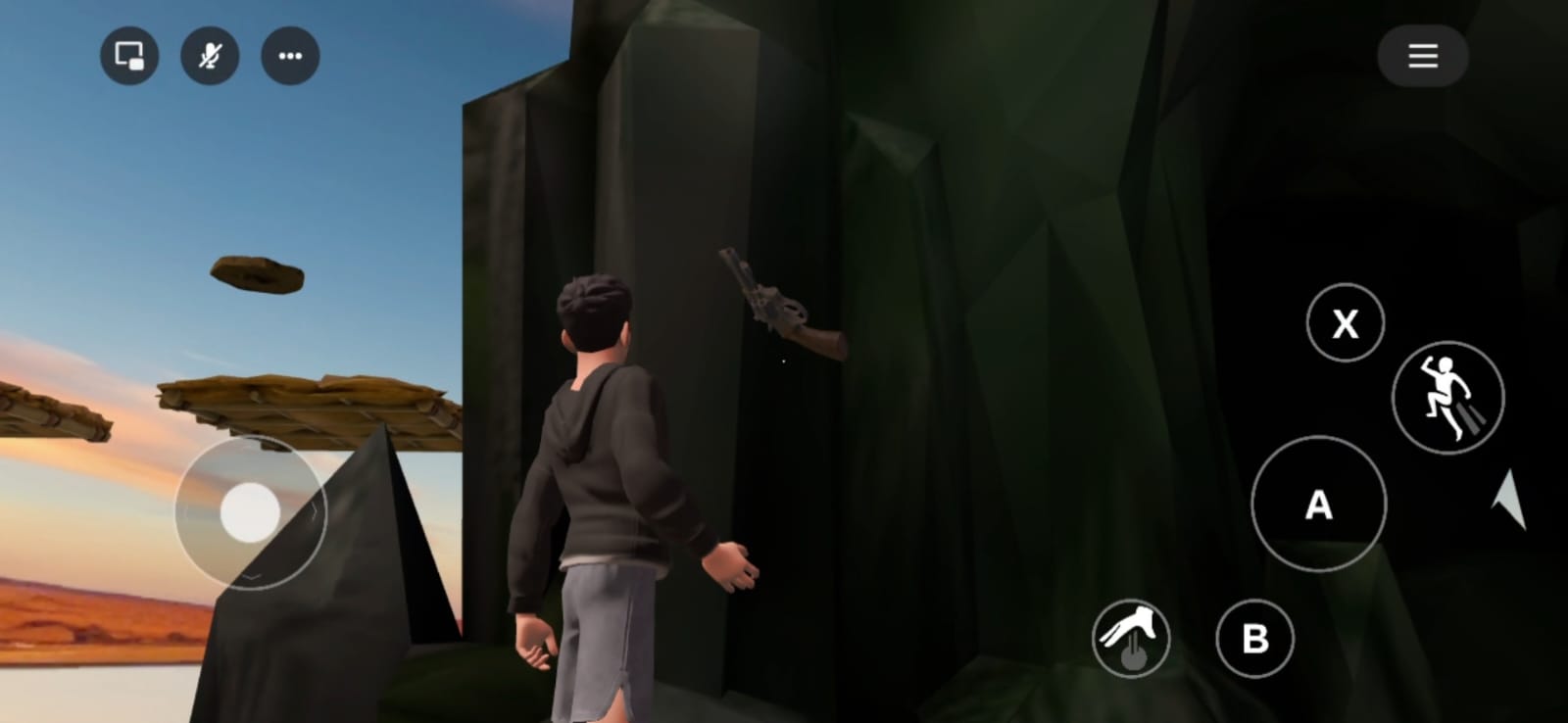
Inspiration
Classic platformers like Super Mario inspired the concept. I wanted to capture the joy of exploration and skill-based progression, but with a twist: instead of a single obvious exit, players must experiment to find one of the many possible ways out of the starting castle. The idea was to blend nostalgia with discovery, while also testing how far generative AI could support world-building inside Meta Horizon.
What it does
The world, How far can you get?, challenges players to:
Escape the castle through hidden or alternative paths.
Reach airborne platforms that demand agility and timing.
See how far they can progress across increasingly difficult stages.
There’s no single “win” state — the challenge is endurance, creativity, and exploration.
How we built it
The world was built entirely in Meta Horizon, combining hand-crafted design with generative AI elements. AI was used to assist in:
Prototyping platform layouts.
Suggesting variations of obstacles.
Helping brainstorm thematic elements for different zones.
The structure was created iteratively:
Phase 1: Castle escape mechanics and multiple exits.
Phase 2: Procedurally varied floating platforms.
Phase 3: Polishing interactions, checkpoints, and visuals.
Challenges we ran into
Balancing difficulty: Ensuring it’s tough enough to be rewarding, but not frustrating.
Multiple exits logic: Designing several valid escape paths without breaking immersion.
Generative AI integration: Translating AI ideas into Horizon’s tools required iteration and creative problem-solving.
Accomplishments that we're proud of
Creating a castle with multiple escape routes — a core feature that sparks replayability.
Blending AI-generated inspiration with manual world-building in a way that feels seamless.
Watching playtesters discover unexpected solutions to challenges we hadn’t even anticipated.
What we learned
The power of AI-assisted creativity in game design: AI is not just a time-saver, but a source of playful surprises.
Designing for exploration vs. direction: giving players freedom means they’ll approach levels in ways the designer might not predict.
That difficulty can be modeled almost like an optimization problem: $$D=f(S,R,T)$$ where S = skill requirement, R = randomness, and T = time to solve.
What's next for How far can you get?
Adding new worlds and biomes (ice, lava, space).
Introducing AI-driven adaptive difficulty, where the world adjusts to the player’s skill level.
Leaderboards and social features to track who can get farthest.
Built With
- c
- gemini
- horizon
- meta
- python
- typescript
- vscode
- worlds


Log in or sign up for Devpost to join the conversation.