-
-
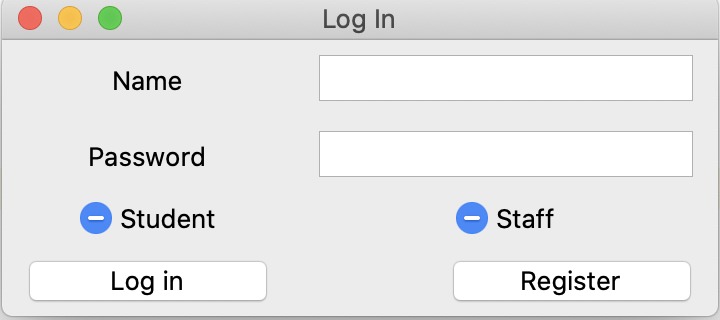
Log in
-
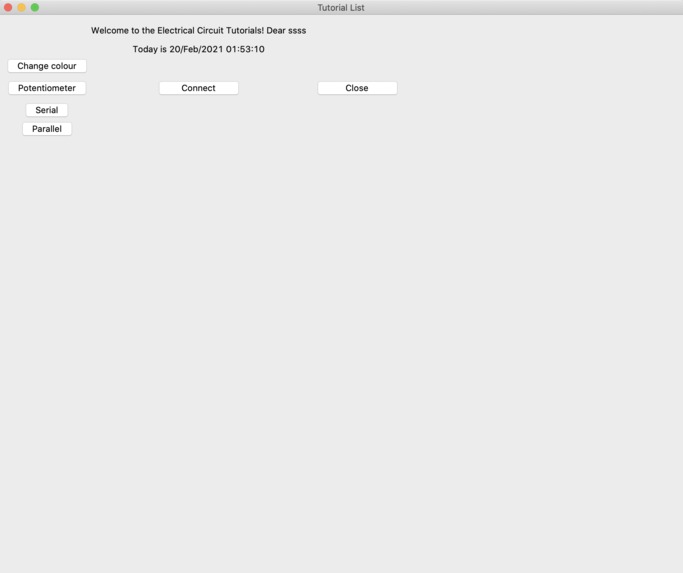
Tutorials
-
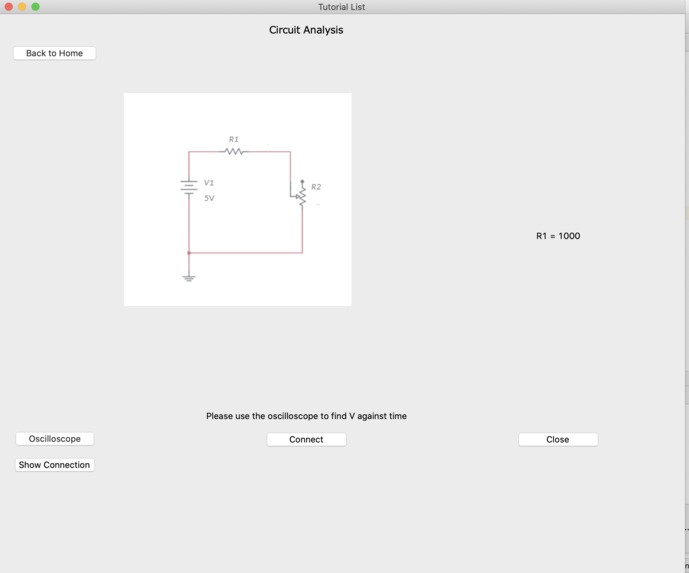
Section
-
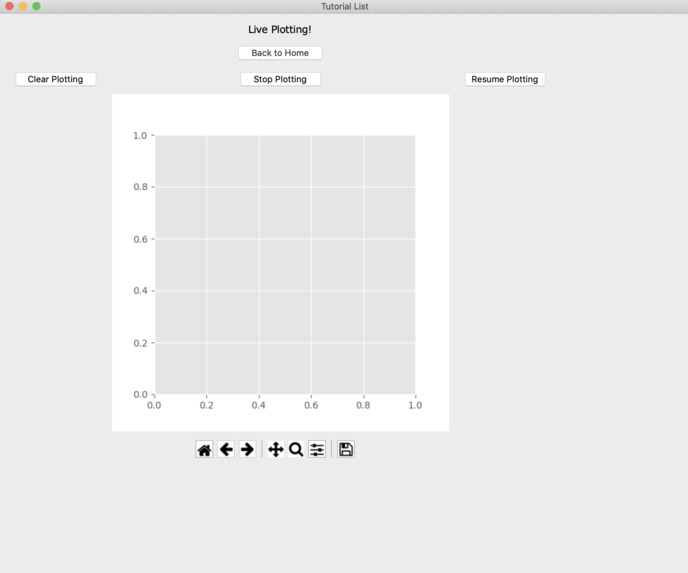
Oscilloscope
Inspiration
As a result of the pandemic, most of the electric labs are moved online. Currently, we have software such as Multisim that can stimulate the circuits and aid the labs. However, we want to find a way to make the labs more "real" by allowing us to build actual circuits on the breadboard and implement an automaker to help the labs getting marked.
What it does
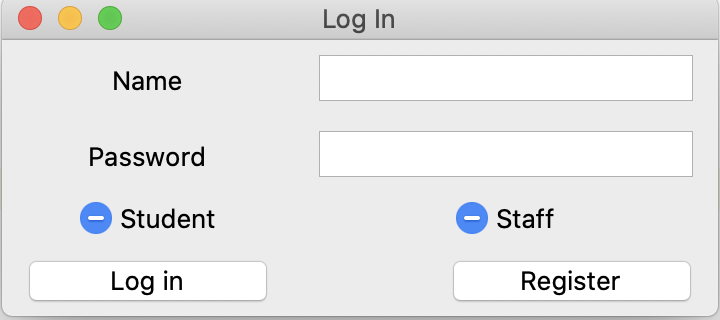
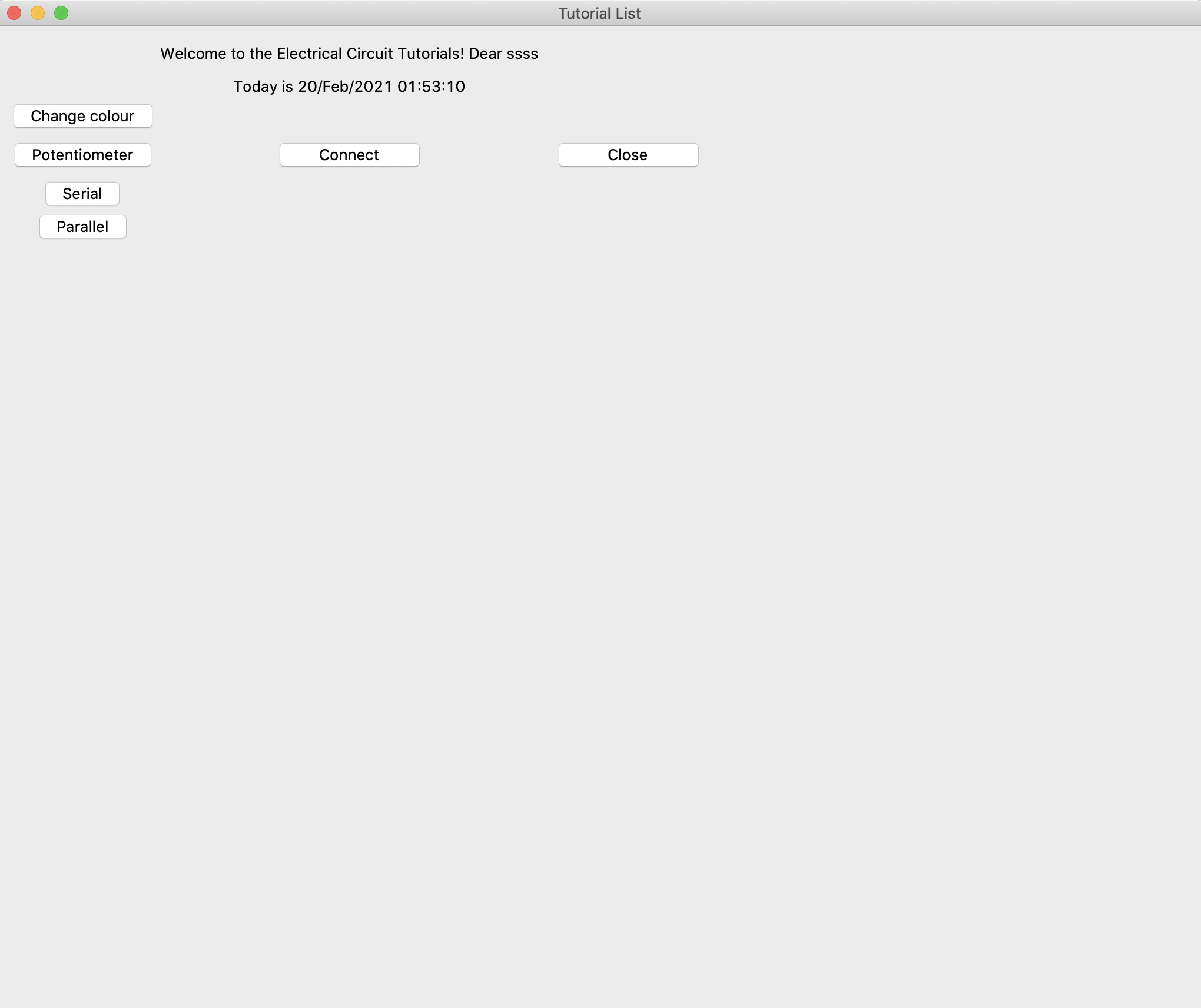
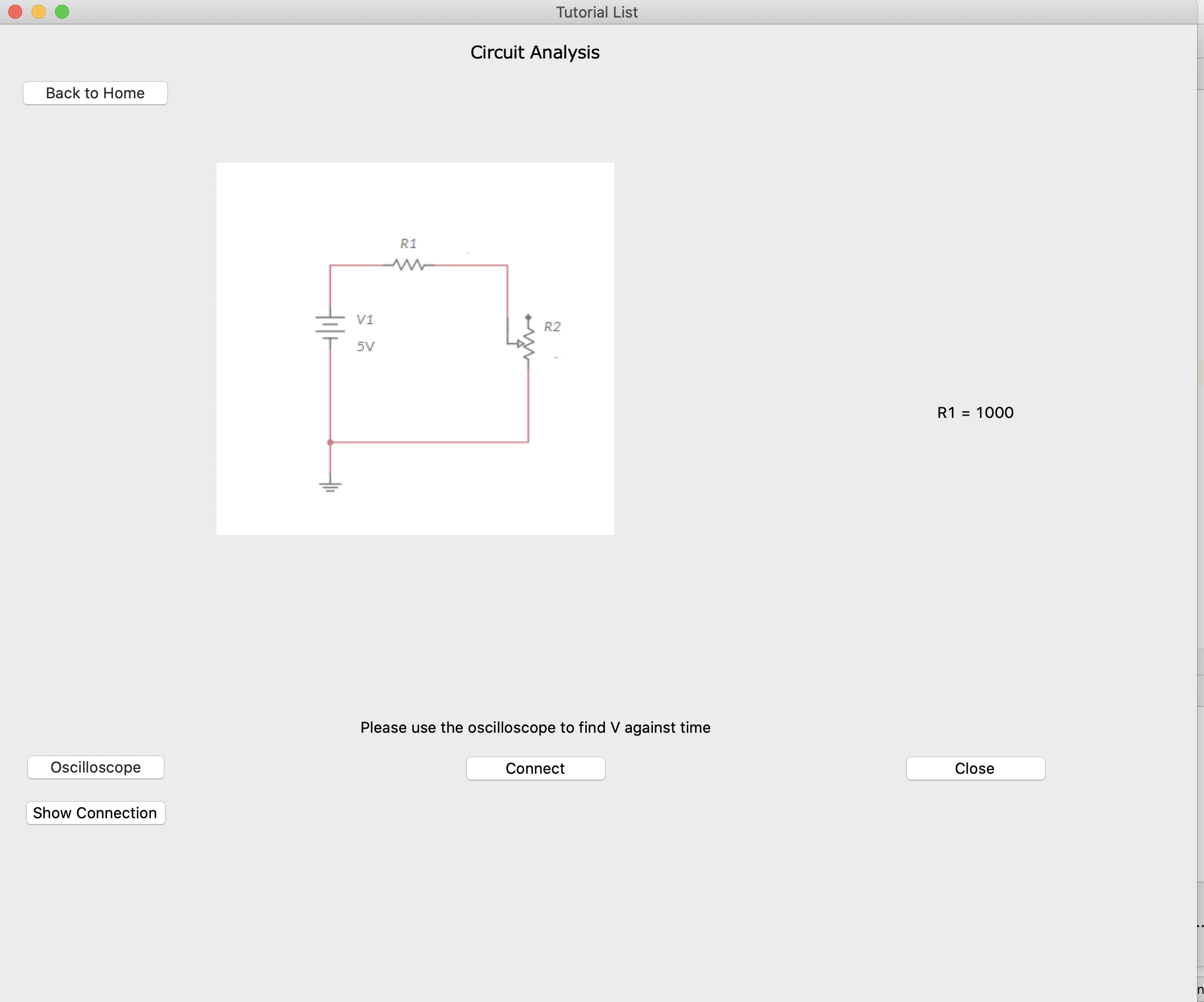
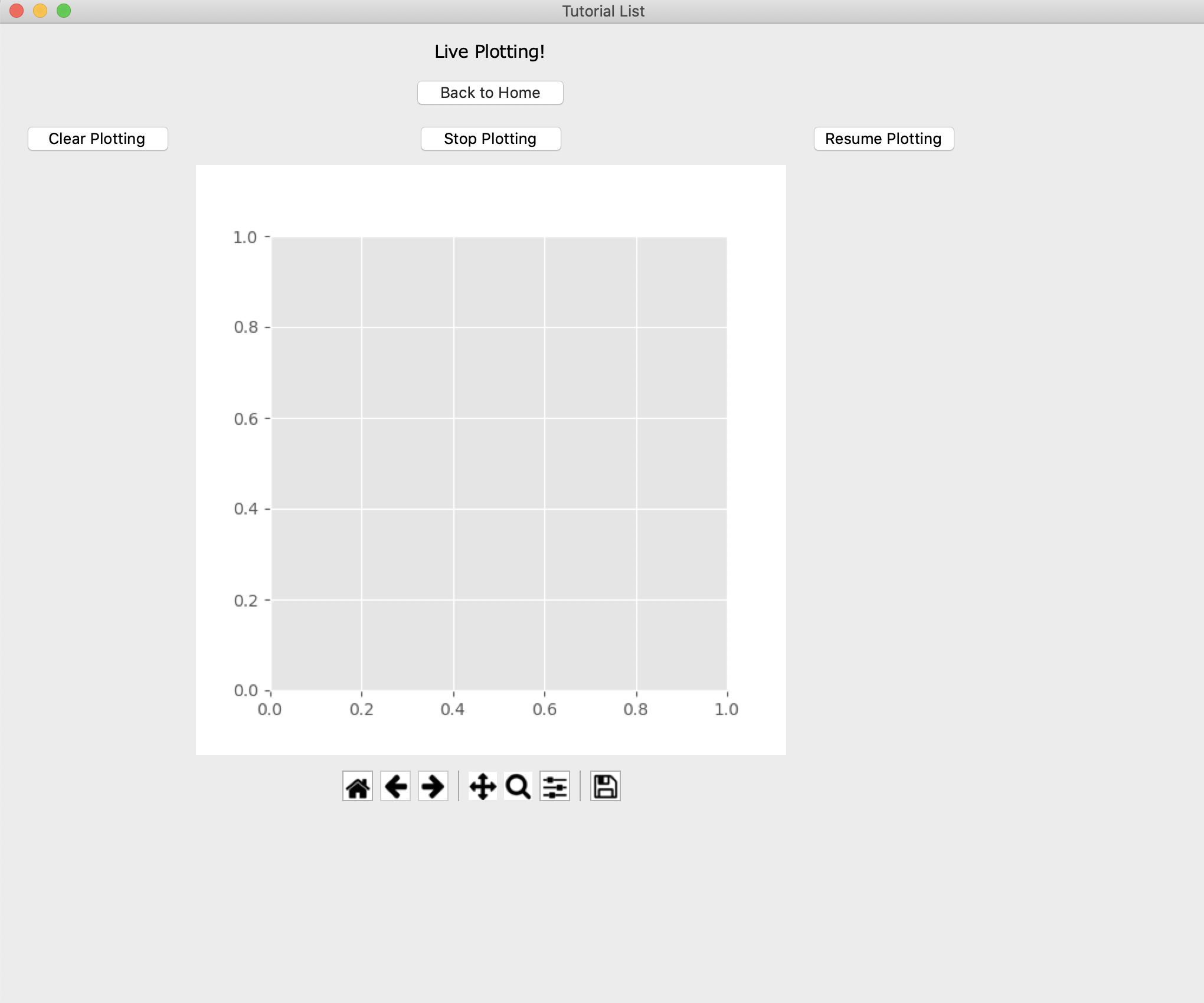
The user can firstly login into the system by pre-registered username and password. Then, there will be a list of tutorials, from which the user can select one and enter the corresponding section. A sketch of the circuit will appear on the screen and the user needs to build the circuit on the breadboard and plug the pin into the appropriate position. Then, the system can read from the pin and check the value read from the board against the expected outcome.
How we built it
Login system: allow users (teachers or students) to register and login, record the marks and analysis the trend of study
- For each student: must refer to a teacher, have username and password set
- For each teacher: have him/herself an account with username and password, have a list of students that is under the teacher’s name
Prototype database: pre-draw circuits and record them. Setting solutions to be checked
- Main components of a circuit: battery, resistor, capacitor, potentiometer, thermistor
- Very simple and easy circuits
- Parallel and serial connection of resistors
- Estimate the resistance of a potentiometer
- Design a specific current/resistance/voltage
Hardware connection: read data from Arduino Uno and send it to the software.
- Check the answers to the solutions and reflect the result in the form of a mark.
- Collect the voltage/resistor/current from the breadboard and send them to the software
- Compare the results with the solution and provide a mark for the overall performance
Challenges we ran into
Communication:
- The team members are located in two different time zones so that the collaboration becomes harder and there is a very limited period of time that members can work at the same time.
- Only one of the team members owns the hardware (including the board and other components). Therefore, only this person can work on the hardware part and solve related problems.
Hardware:
- The proposed project offers tutorials for both DC and AC circuits and that's why we have an oscilloscope in our project. However, the Arduino Uno board does not have the Digital-to-Analog transfer, meaning that we are unable to generate AC waves without a wave generator. We could only truncate the project and focus only on DC circuit tutorials.
- The electric circuit components we own are limited to a small range, we are unable to build complicated circuits and test them. Moreover, we don't have access to a real oscilloscope or multimeter so that we are unable to detect potential errors in the circuit. To prevent detrimental effects to the board and other components, we decided to only work on the simple circuits.
Software:
- We wanted to design an user-friendly interface that allows users to drag the circuit diagram, however, we failed to do so.
Accomplishments that we're proud of
This is the first time we work on a project that involves both software and hardware. Even though this project looks a bit simple, we put effort into communication within the team and building connections between the software and hardware. There are limitations due to the hardware we own, but we tried our best to build a project based on what we have and the majority of the proposed project has been realized.
What we learned
- building connections between the hardware and software
- working on the Arduino Uno board
- collaboration and problem-solving with teammates under the remote condition and different time zones
What's next for How Circuits Work
- We are looking for a method to generate the AC waves by using either the wave generator or the op-amp (if we have a chance to purchase one). This will allow us to build more complex circuits and use the built-in oscilloscope in a better way.
- We want to make the user interface more organized and introduce a playground where the users can customize their circuits and test functionalities (similar to the Multisim).


Log in or sign up for Devpost to join the conversation.