Inspiration
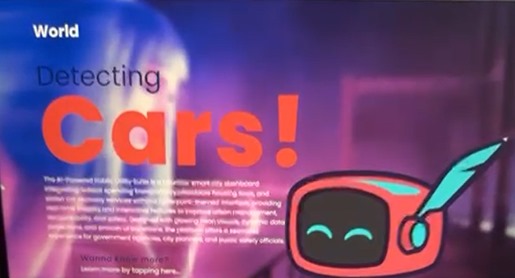
With the increasing number of vehicle thefts globally, we wanted to harness the power of AI to develop a solution that helps identify stolen cars quickly and efficiently. The idea stemmed from the need to aid law enforcement and car owners by providing a tool that can match stolen vehicles with user-submitted images, potentially speeding up recovery efforts.
What it does
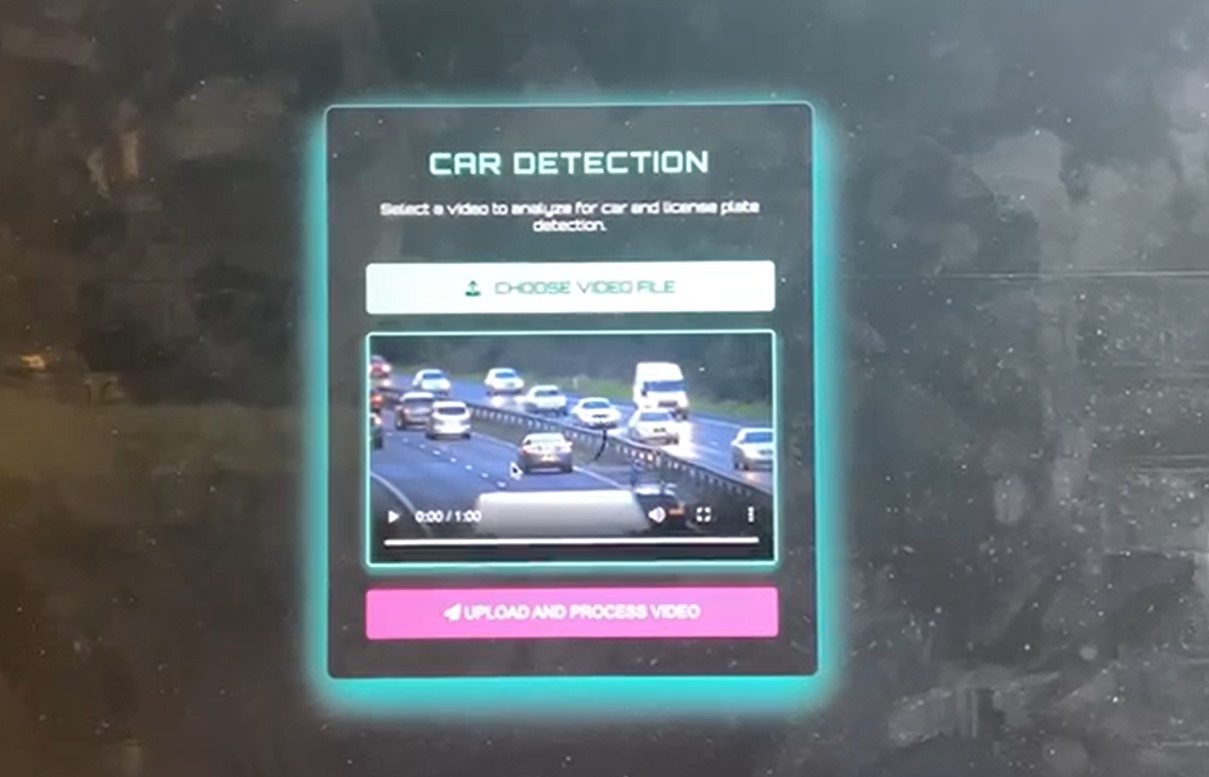
The project uses an AI-powered image classification system to detect whether a car in a submitted photo matches a known database of stolen vehicles. Users upload a photo of their car, and the system predicts if it belongs to a “stolen” or “non-stolen” category, based on the trained model. This simple, user-friendly interface brings advanced AI technology to everyday crime prevention.
How we built it
We built the system using:
TensorFlow for training the image classification model. Flask for serving the machine learning model as a backend API. React for creating an interactive and dynamic frontend where users can upload car images. Axios for connecting the frontend to the backend API for predictions. Pillow for image processing and resizing. We used a dataset that included images of both stolen and non-stolen cars to train our model.
Challenges we ran into
Dataset Preparation: Finding and structuring a diverse and reliable dataset for the model was challenging. Model Accuracy: Initially, the model’s accuracy wasn't ideal, which required experimenting with different architectures and hyperparameters to improve the results. Integration: Connecting the backend AI model with the React frontend while ensuring smooth communication and handling of large image files was a technical hurdle.
Accomplishments that we're proud of
Successfully integrating a complex machine learning model into a user-friendly web application. Building a tool that could potentially help in real-world crime prevention by aiding stolen vehicle recovery efforts. Overcoming technical challenges to improve model accuracy and efficiency.
What we learned
Model Training: We gained deep insights into image classification and the nuances of training models to detect visual patterns. Full-Stack Development: This project helped us enhance our skills in integrating machine learning with web technologies, learning how to bridge the gap between backend AI and frontend UX. Practical Applications of AI: We learned how to take AI from a theoretical concept to a real-world tool that can impact everyday lives.
What’s next for AI-Powered Stolen Car Detection
Expanding the Dataset: Including more varied images and possibly collaborating with law enforcement to access real-world data. Enhanced Features: Adding features such as vehicle type detection or integration with public databases of stolen vehicles for more accurate results. Mobile App: Building a mobile version of the application to allow users to take and upload pictures directly from their phones. This summary captures the essence of your project and outlines your journey effectively!

Log in or sign up for Devpost to join the conversation.