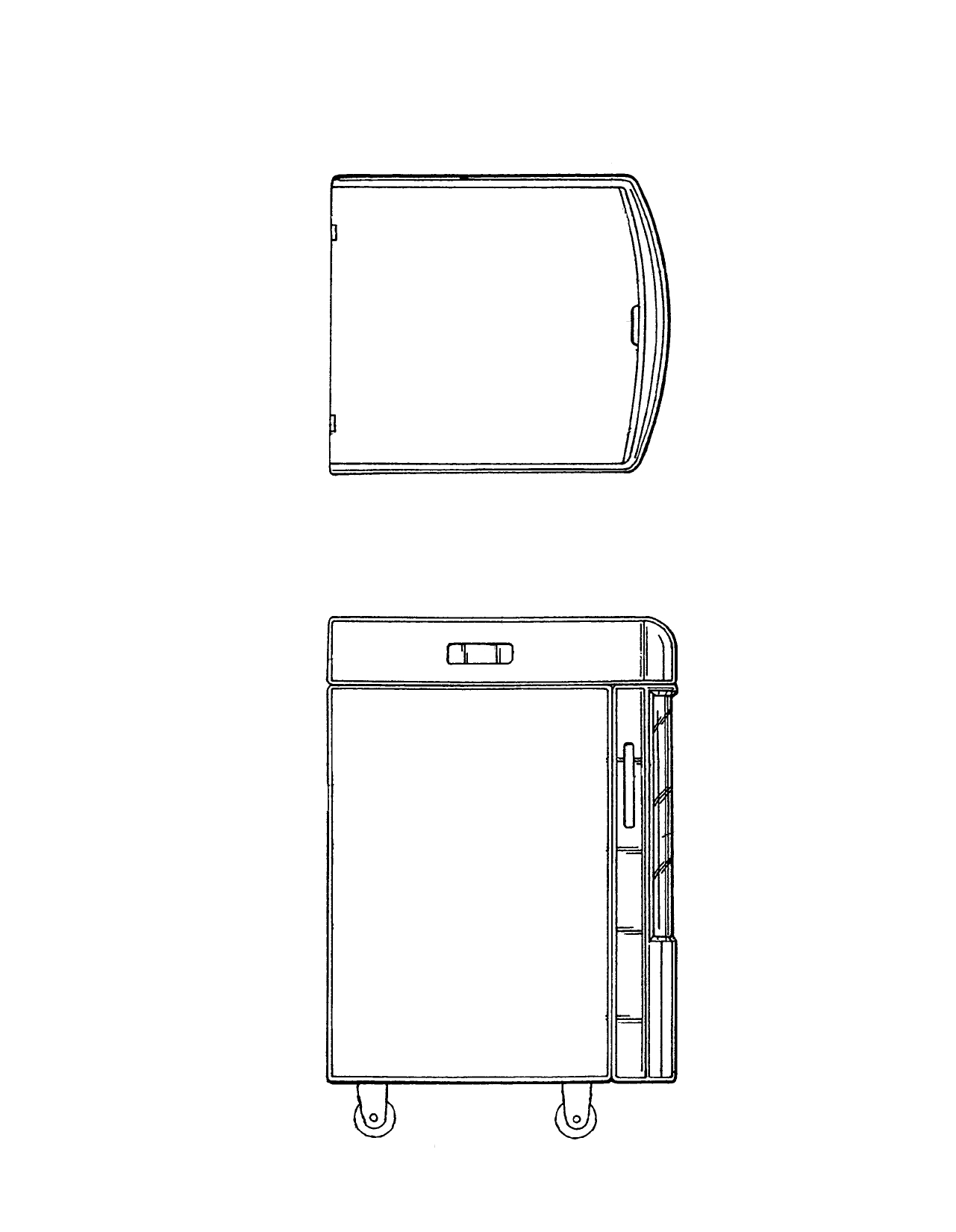
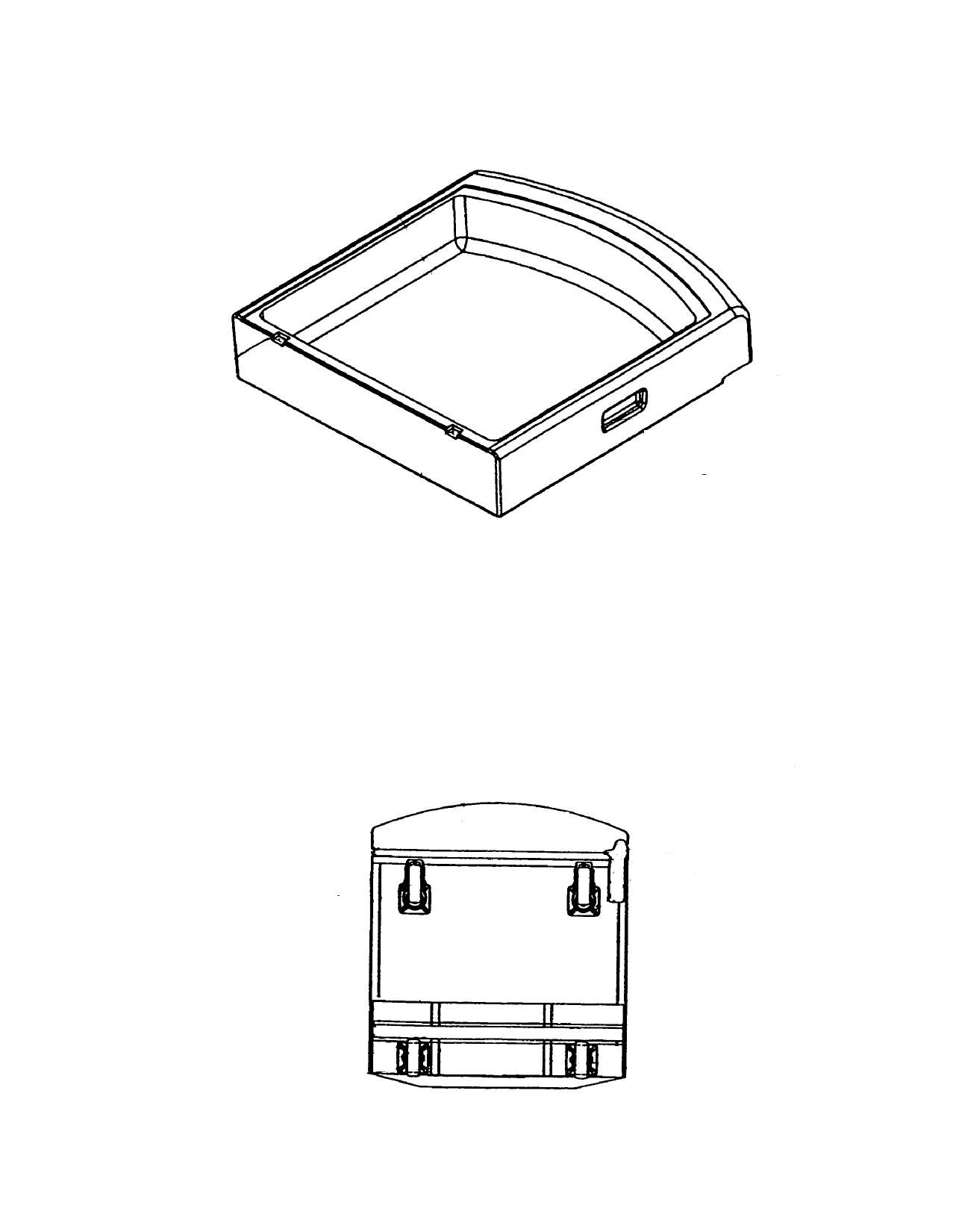
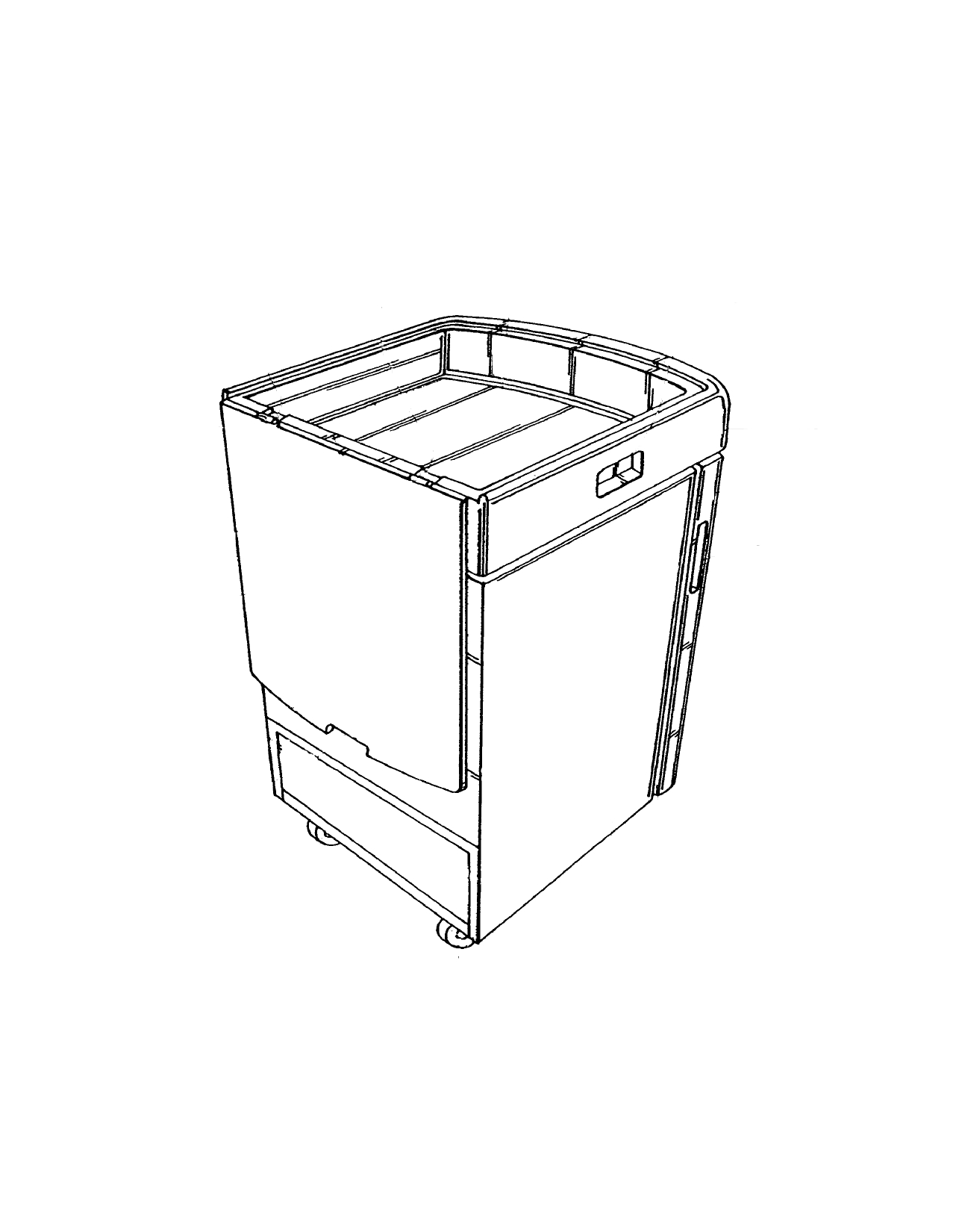
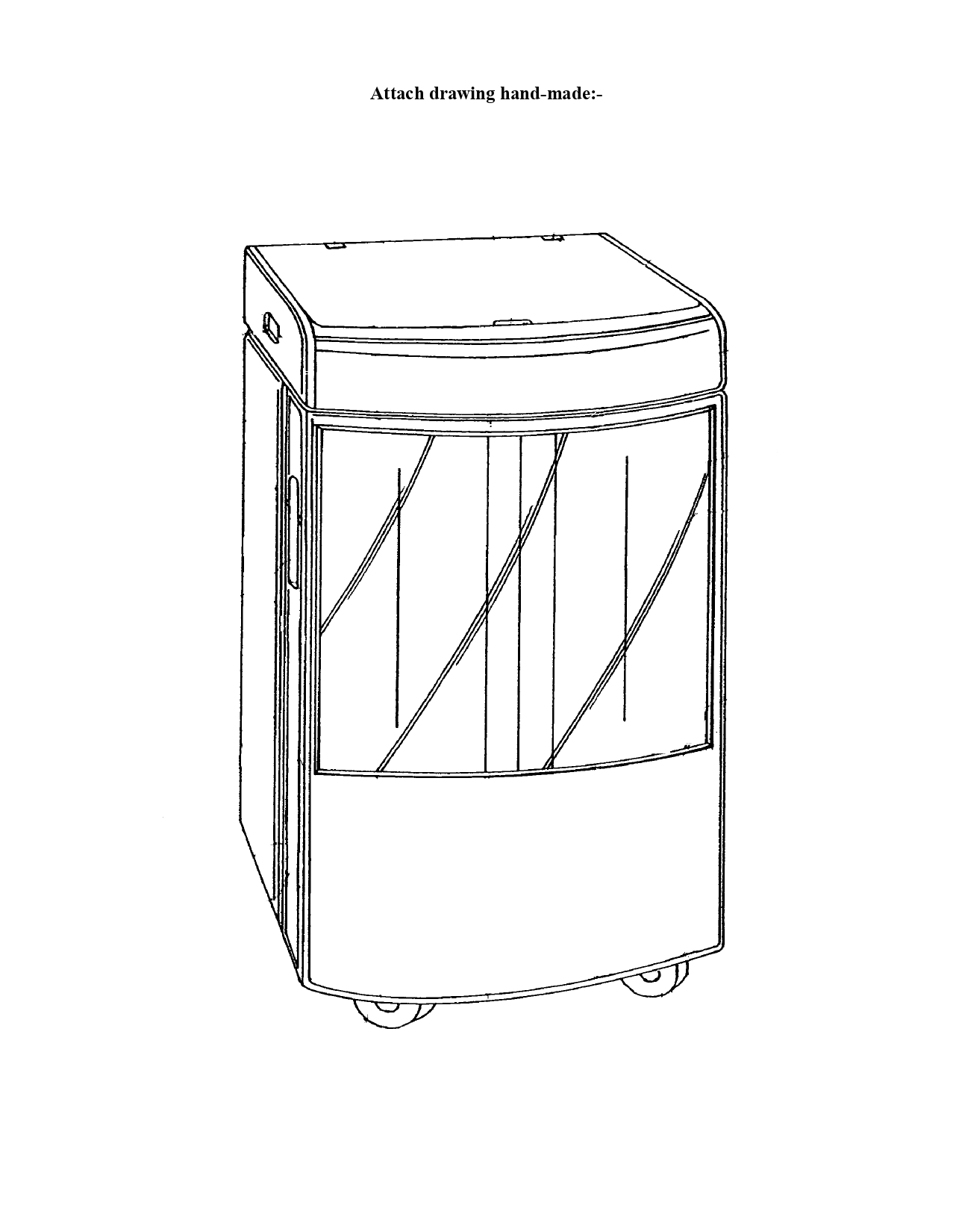
Inspiration
The inspiration for the House Hold Super Storage project came from the need to address the environmental impact of traditional refrigerators. Conventional models use harmful gases like CFCs and HFCs, which deplete the ozone layer and negatively affect both the environment and human health. We wanted to create a solution that would be both eco-friendly and efficient.
What it does
The House Hold Super Storage is an innovative refrigeration system designed to:
Eliminate harmful gases: It uses environmentally friendly cooling methods. Reduce electricity consumption: It operates on low energy, making it more cost-effective. Enhance food safety: It preserves food more effectively, reducing health risks associated with food spoilage.
How we built it
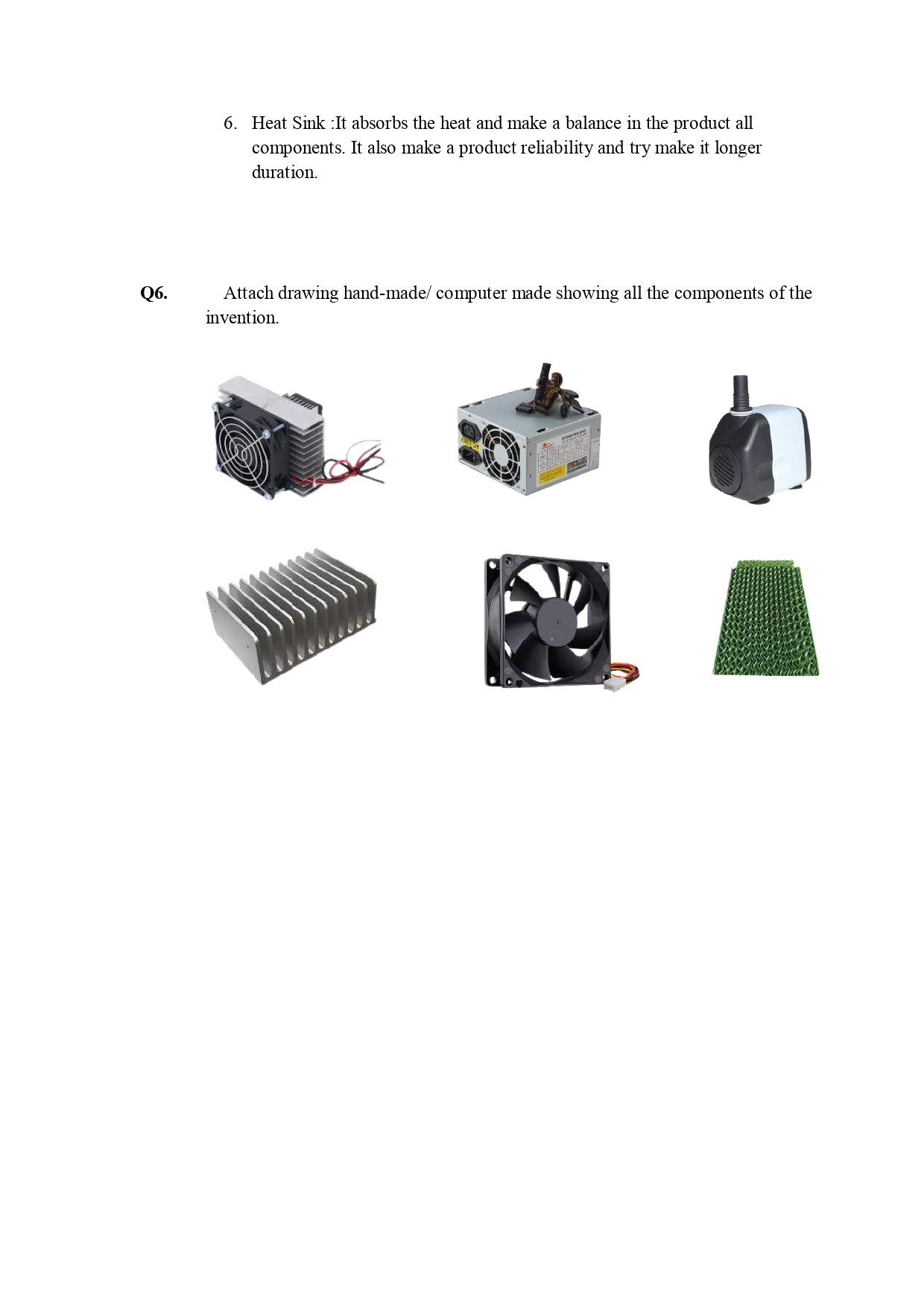
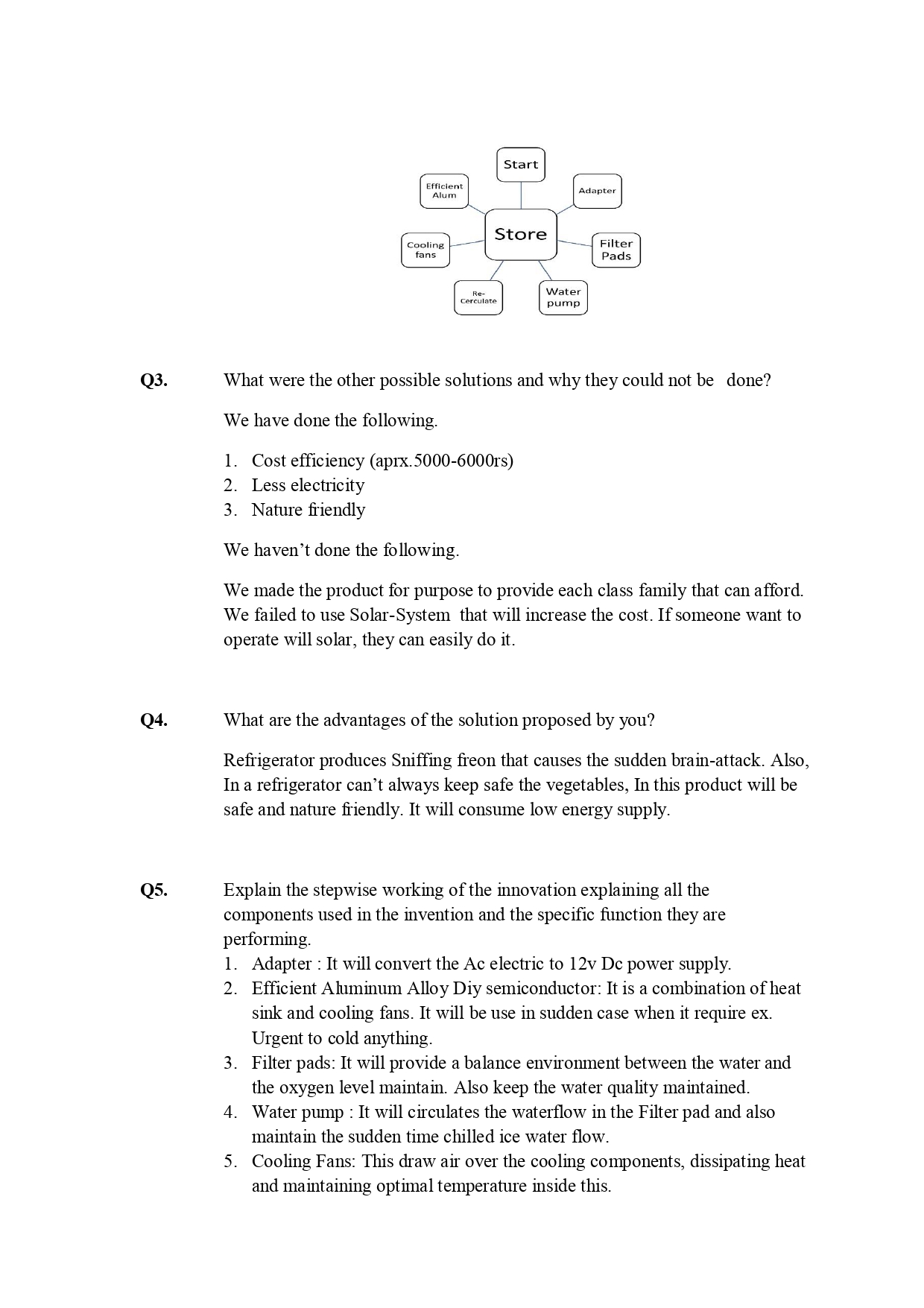
Design and Components: We integrated various components including an adapter for power conversion, an efficient aluminum alloy DIY semiconductor for cooling, filter pads for water and oxygen balance, a water pump for circulation, cooling fans for temperature regulation, and a heat sink for heat absorption. Prototyping: The system was assembled and tested to ensure all components work together effectively. Testing: We performed extensive tests to validate the efficiency, safety, and energy consumption of the unit.
Challenges we ran into
Cost Constraints: Balancing affordability with the inclusion of advanced features like solar power was challenging. Component Integration: Ensuring seamless integration of various components without compromising the efficiency or safety of the system. Technical Issues: Addressing technical issues related to cooling efficiency and maintaining consistent temperature levels.
Accomplishments that we're proud of
Eco-Friendly Design: Successfully eliminated the use of harmful gases and reduced energy consumption. Affordability: Created a cost-effective solution accessible to a wide range of users. Food Safety: Developed a system that effectively preserves food and enhances safety.
What we learned
Design Efficiency: Learned how to optimize the integration of different components to achieve the desired cooling effect. Cost vs. Features: Gained insight into balancing cost with the inclusion of additional features like solar power. Technical Skills: Improved technical skills related to prototyping, testing, and component integration.
What's next for House Hold Super Storage
Further Development: Explore incorporating solar power to enhance sustainability without significantly increasing costs. Market Expansion: Develop strategies to bring the product to a broader market and increase accessibility. Continuous Improvement: Continue refining the design based on user feedback and technological advancements to further enhance efficiency and functionality.
Built With
- iot
- ml
- python


Log in or sign up for Devpost to join the conversation.