
Inspiration
Museums should be accessible to everyone. Visually impaired visitors currently miss out on rich cultural and historical experiences. During our personalized tours at Jelling Museum, we had the opportunity to talk about potential "braille language" solutions around the museum and its content. We understood such "remodeling" would demand a substantial restructuring of the exhibition itself, which also represents too high a cost—hard to justify for the relatively small audience of visually impaired visitors.
From the reasons and factors above, and tackling also the simplicity and connectivity achievable through Bluetooth technology and BLE beacons at our disposal, we decided to combine them all and ideate something that can start small but with greater potential to grow and "shine": "less is more"! Our solution uses professional Bluetooth beacon technology to automatically deliver audio descriptions as visitors explore the museum freely. An option to allow them to experience seamless, automatic, and hands-free museum guidance, tailored to where and who they are!!
What it does?
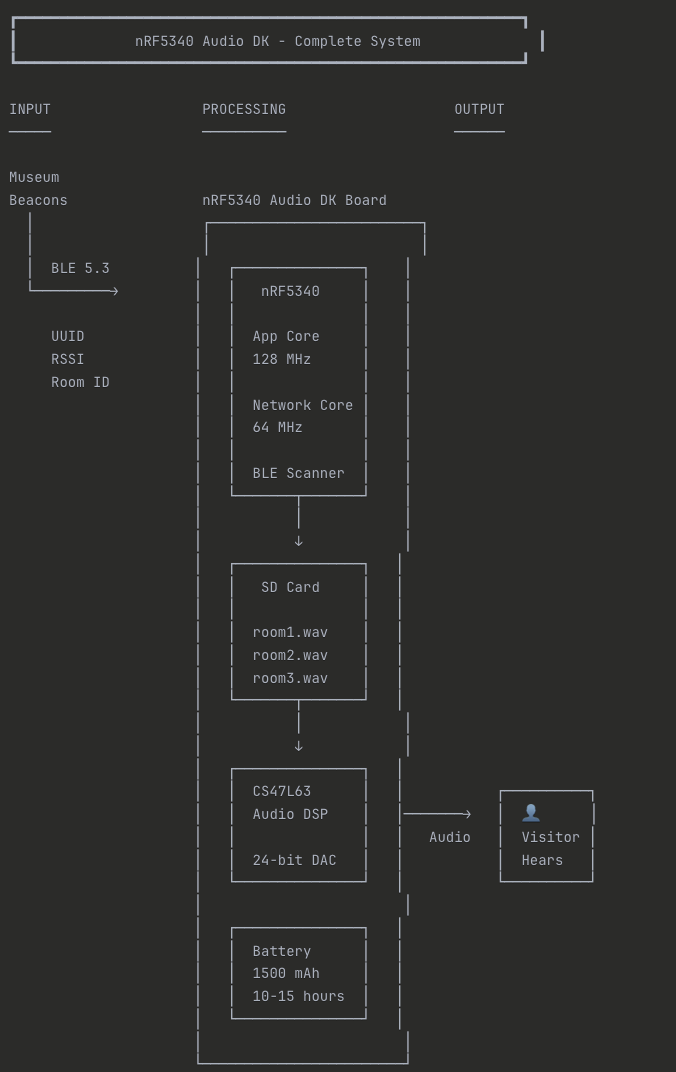
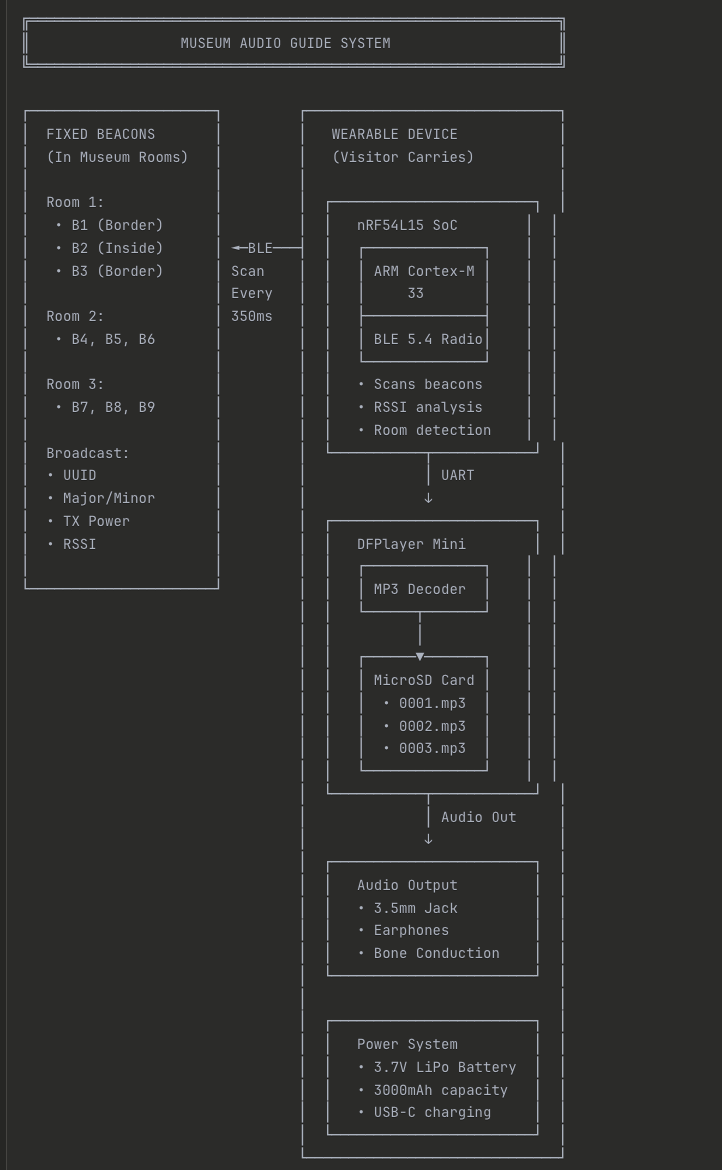
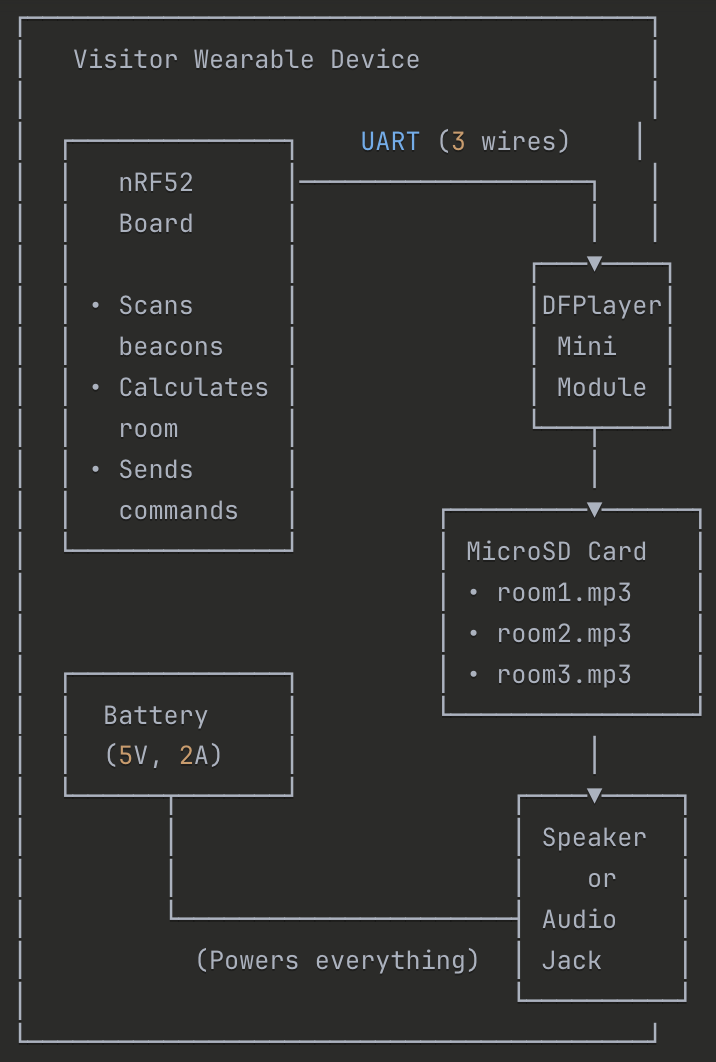
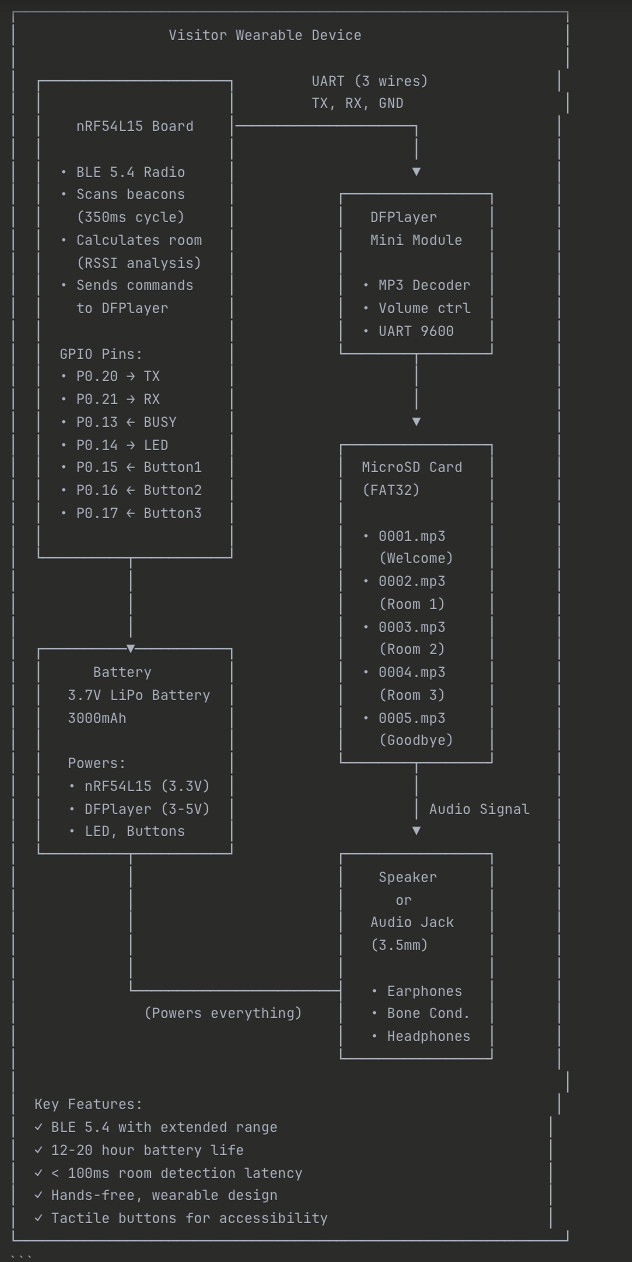
Using Bluetooth Low Energy technology, the wearable device continuously scans for signals from beacons installed in each museum room. By measuring signal strength (RSSI), it determines which room the visitor is in — stronger signals indicate closer proximity — and automatically plays the relevant audio guide for that location. This happens seamlessly in the background every 350 milliseconds, ensuring visitors receive immediate, context-aware information as they naturally explore the museum.
How we built it?
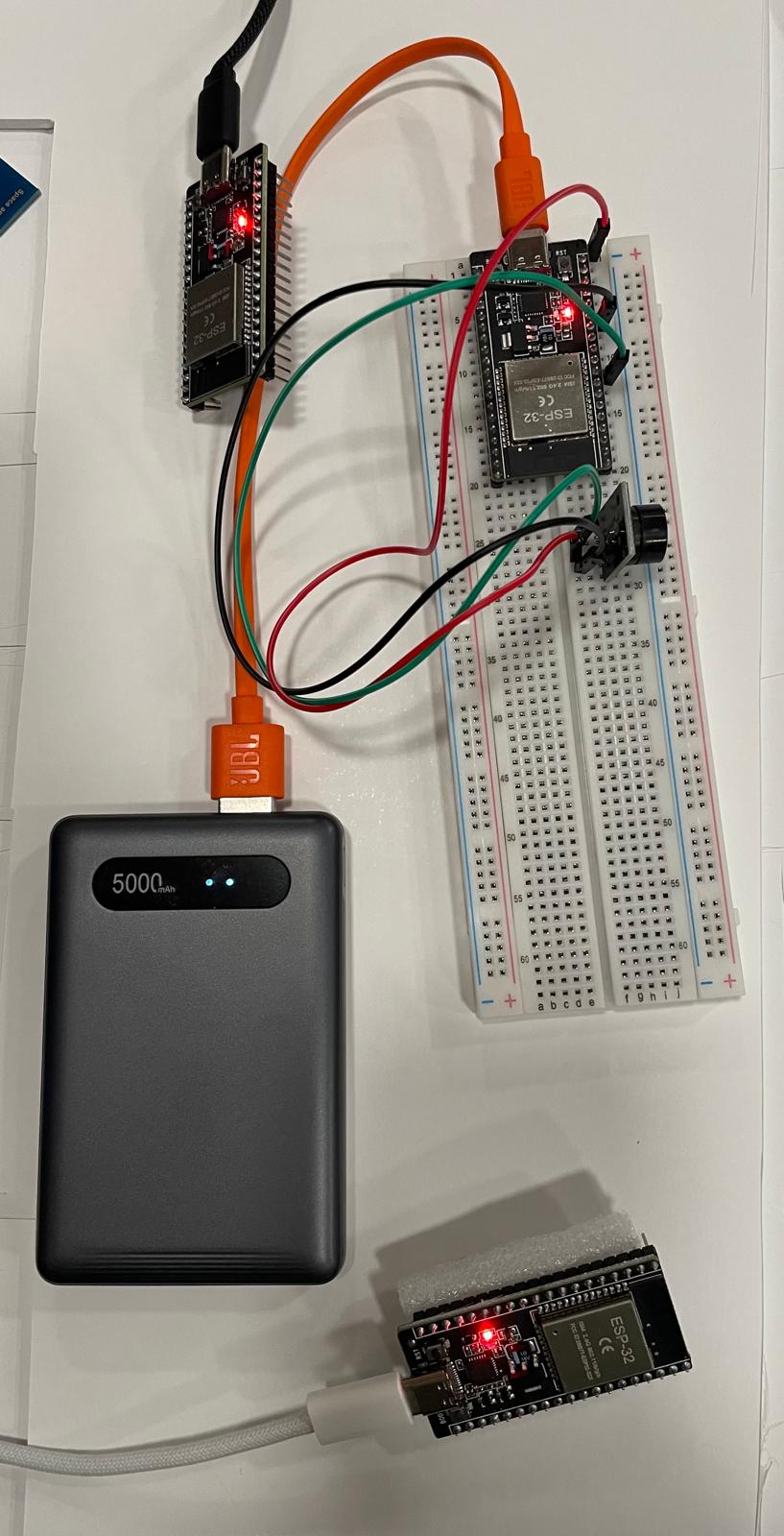
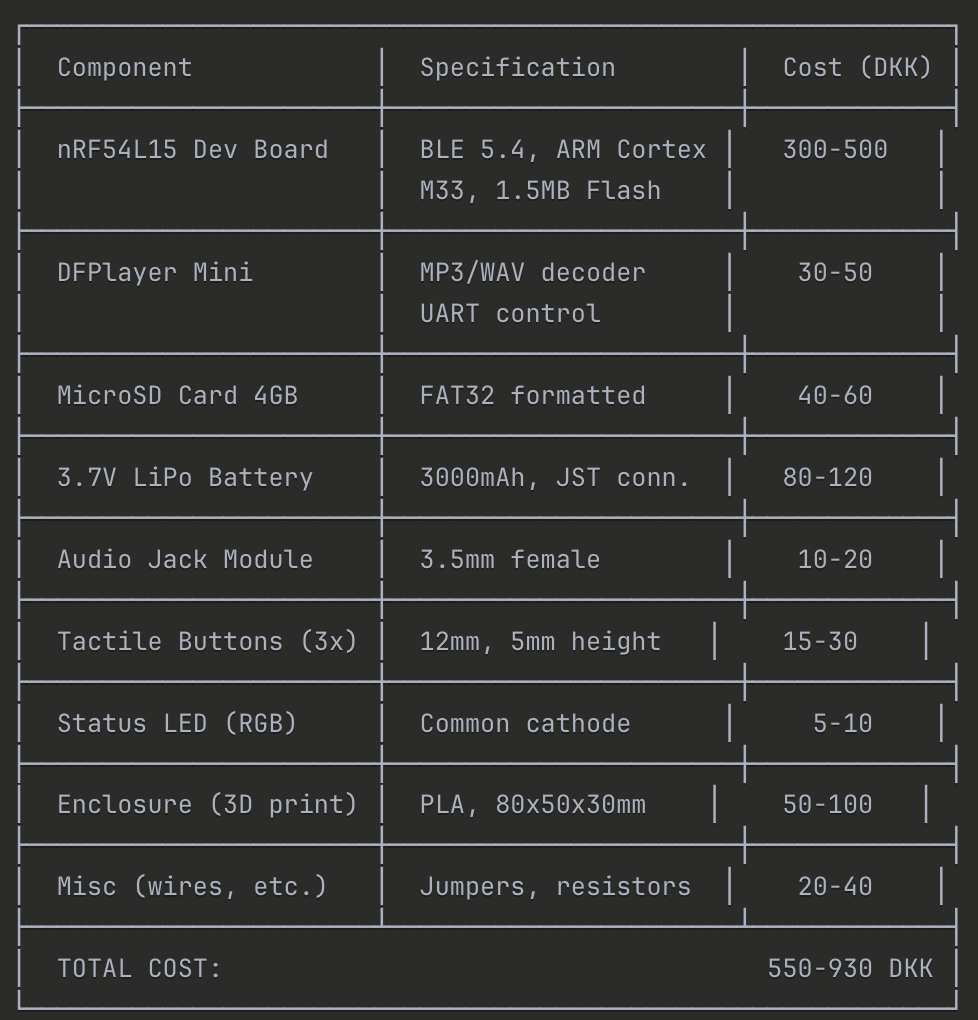
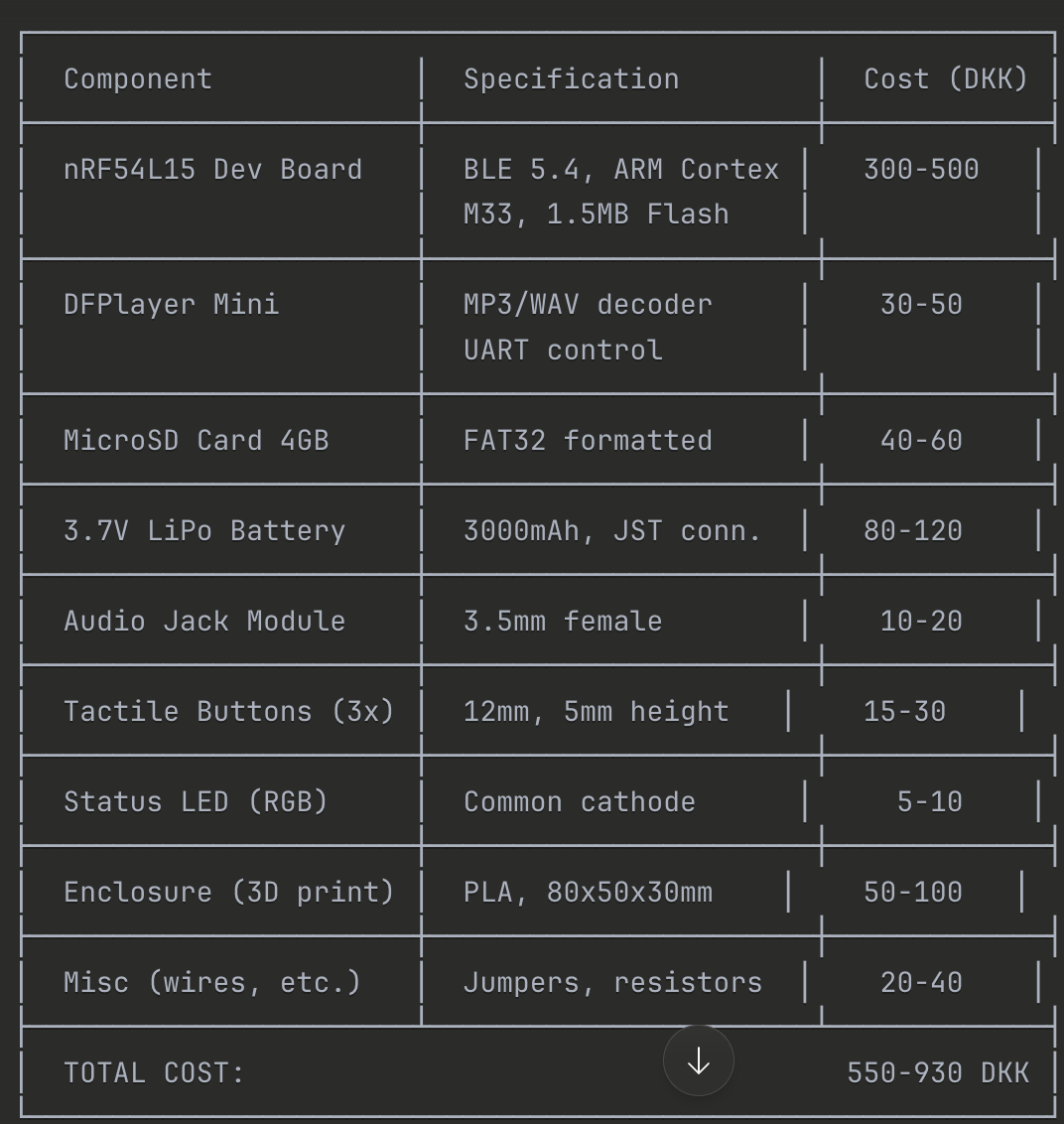
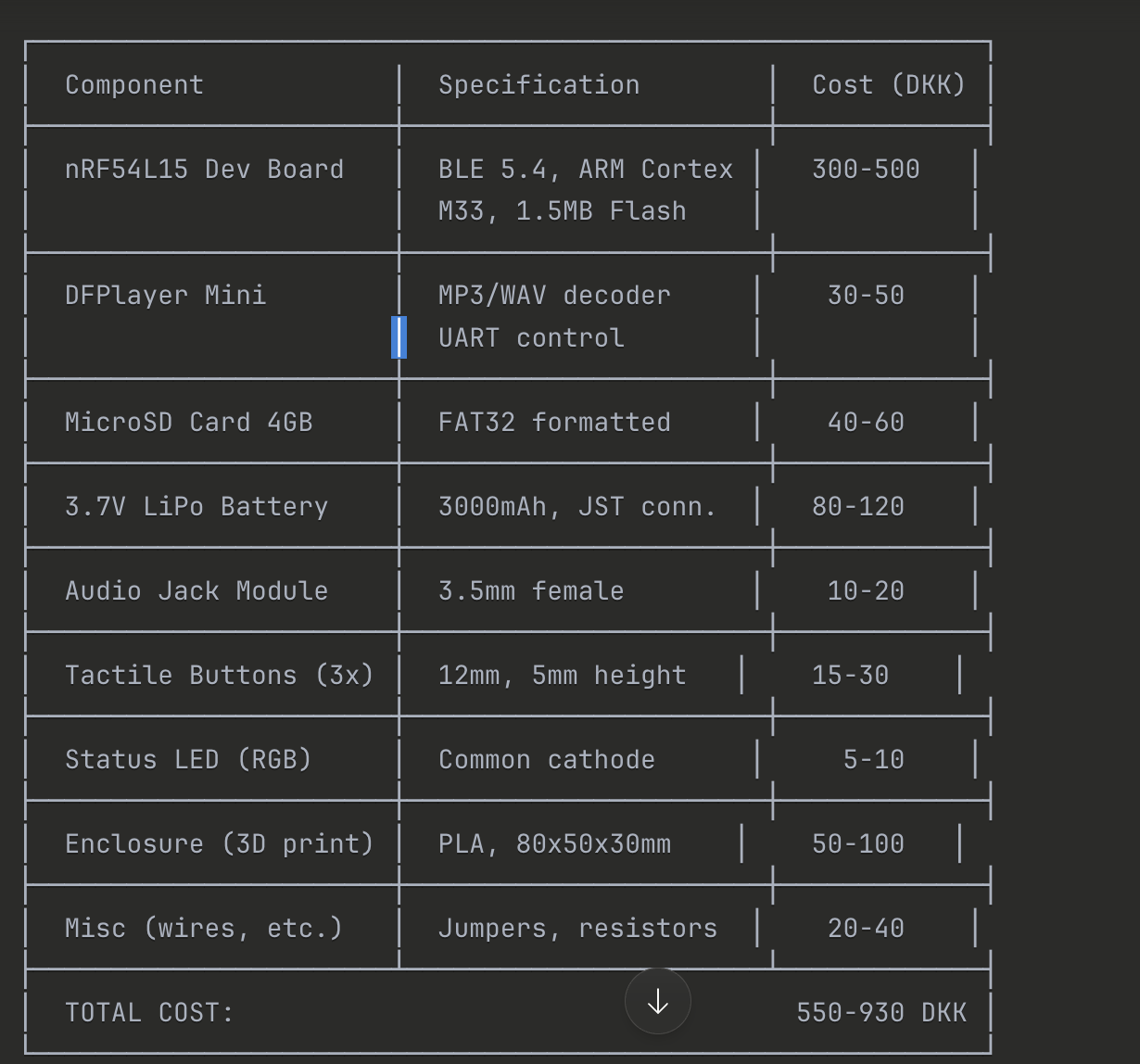
Using BT hardware and prototyping with the BLE options both hardware and software, in our case, coding with MicroPython. The system was originally designed for nRF54L15 and nRF5340 chips, which offer more advanced BLE capabilities and lower power consumption. However, due to time constraints, hardware availability and better coding team skills with MicroPython, ESP-32 boards were used as a practical alternative, due to time and technological coding restrictions, and to prove our technical conceptualization.
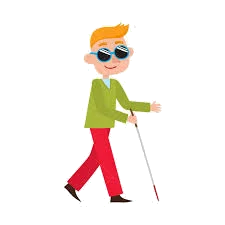
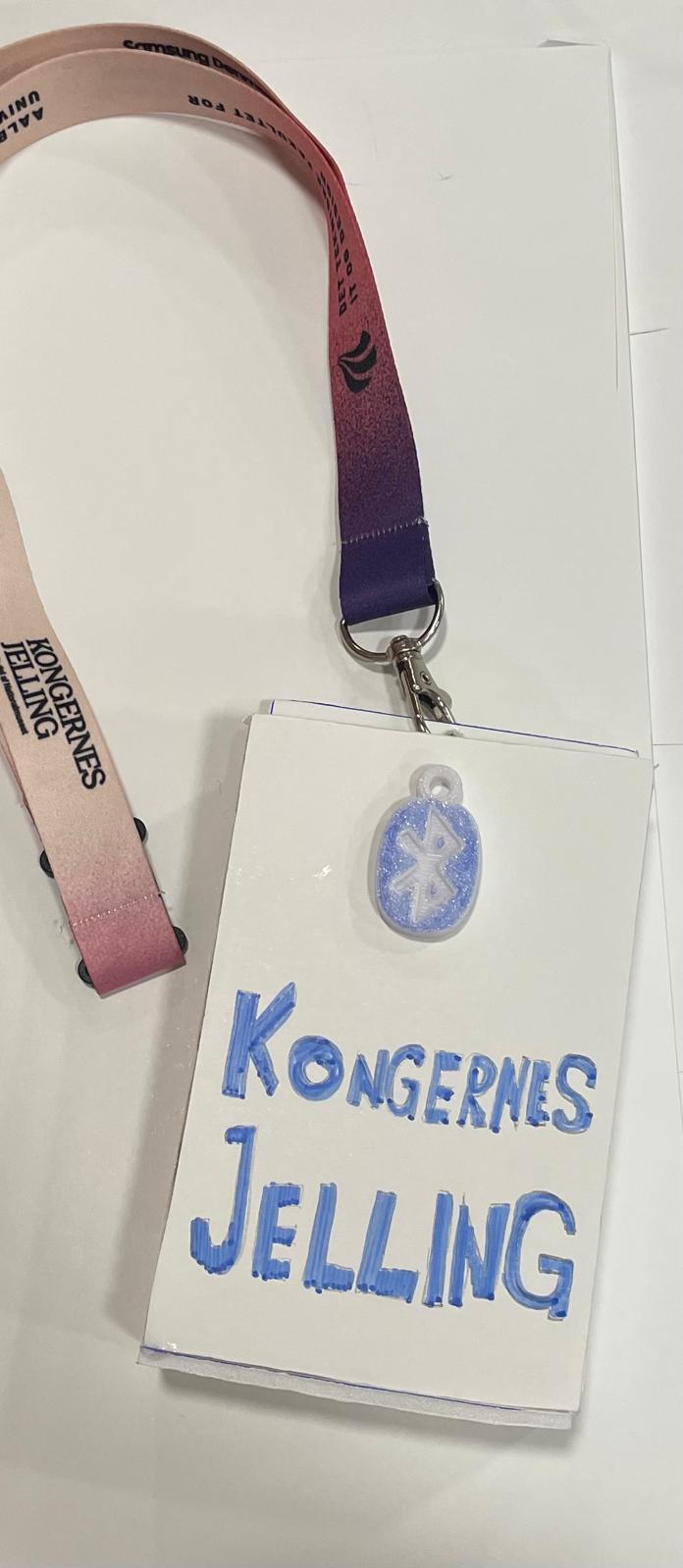
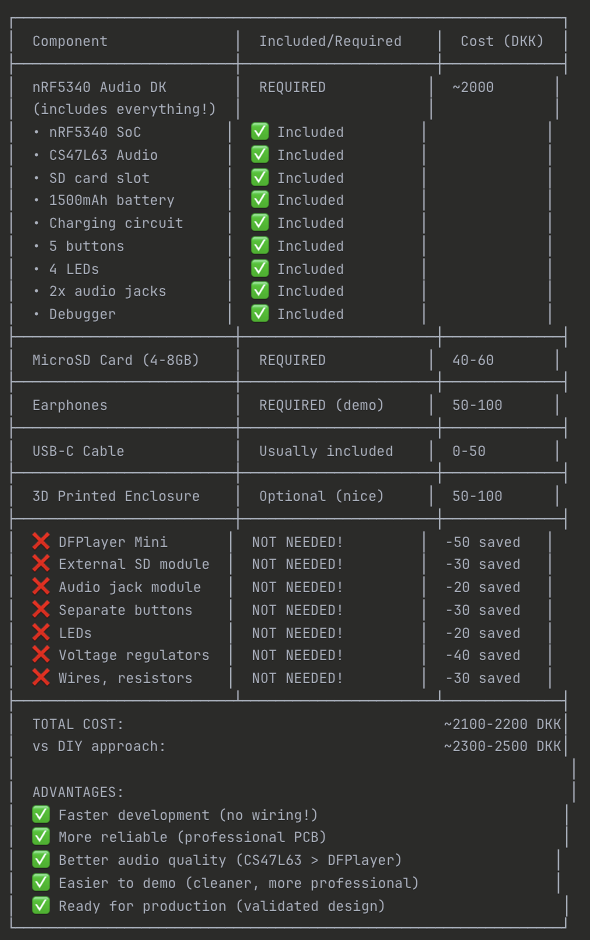
Our optimal model prototype is based on nRF5340 Audio DK Hardware from Nordic Semiconductor, as a Enterprise-Ready Hardware, combining Advance BLE Stack, codec, storage, and sound output integrated and an enhanced location technique, Precise Advertising Intelligence. We have also built a physical mockup to demonstrate how a visually impaired person could easily wear the device whilst walking around the museum.
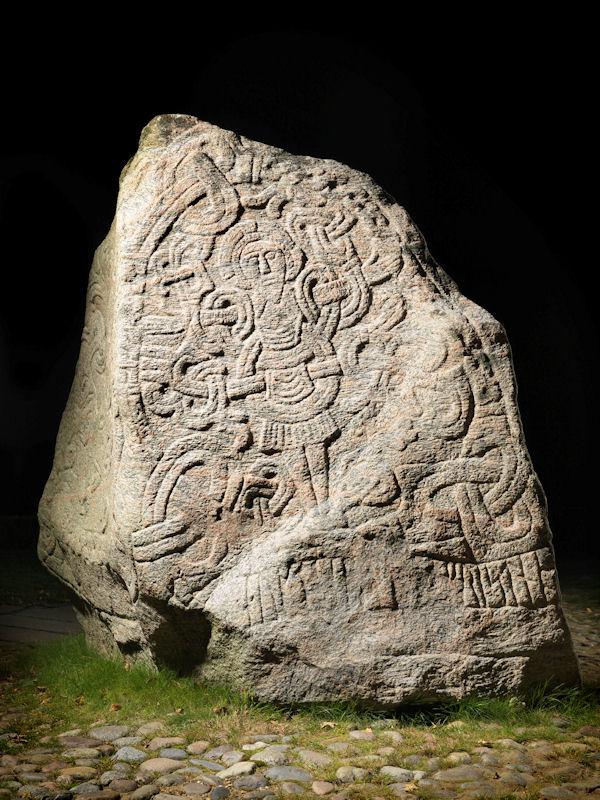
Taking this further, we thought of how the "device box" could also be improved; which resulted in a small 3D printing model as to create an enclosure to fit within a 3D-printed Jelling Stone cover. This design choice allows our target audience to touch and feel the contours and texture of this emblematic symbol—an experience they cannot access visually.
Beyond our technological prototype, which provides personalized, hands-free audio guidance directly through earphones, we've created a multisensory experience. The wearable device now engages both auditory and tactile senses, enriching the user's connection to Danish cultural heritage. We went further as to re-think our wearable box to fit into a 3D printing Jelling Stone cover, provide the opportunity for our target audience to also touch and feel the saliences and shape of the most emblematic symbol, that they can not see.
Therefore, adding to our technological prototype that provides a personal and hands free sounding guiding experience directly to one's earphones, we had the sensory outcome whilst wearing the portable device.
Challenges we ran into
The first day was perhaps the most challenging as we moved into the intro and ideation phases, which not only required a natural adjustment to seek harmony between five strangers, but also the ability to reach consensus and agreement: to both understand the technology itself, its scope and capabilities.
Due to some scientific research and related investigation within the themes of Bluetooth and Museum Experiences, done prior to the Techathon weekend, we were able to use it as a stepping stone for our project's inspiration and foundation.
Accomplishments that we're proud of
There have been many learnings, and for sure all five of us are leaving with a shared sense that team effort and teamwork does pay off. Regardless of the particularities of each of us, both as students and as individuals, our multidisciplinarity combined with our multicultural backgrounds were definitely a promotor for the successful completion of our project mission.
Last but not least, coming up with a prototype that we could technically proof-of-concept, given the limited inventory and hardware at our disposal, was definitely a motive for celebration! But beyond the technology itself, we created added value for the user experience, especially considering our target group of visually impaired people. We not only designed a simple wearable hands-free device, but we envisioned it to be encapsulated within a 3D-printed Jelling Stone cover—giving an extra sensory and tactile experience of the most emblematic symbol of this place!
This meant we completed a full cycle: from tech prototyping to enhanced user experience and product development, all within one weekend!
What we learned
Teamwork and combined multidisciplinary skills resulted in an outcome that the entire team achieved as a success! Differences and disagreements are "catalyst promoters" for growth and development, both professionally and personally.
What's next for Houdini Project?
Andrea: "Like next we could implement either in a cheap way with only esp32 with also “observer” esp32 that just don’t make the siren sound when you are in the museum (for example shop / corridor / cafe or other areas) but don’t make anything play. Another big technical update would be to use the wifi connection of the esp32, and communicate through a backend in web (maybe with flask since we are sticking to python) , so the museum staff can set audio to play, beacon pairing with rooms and maybe also you can watch extra content on your phone (for visually impaired, hearing impaired and people interested, since the content can be audio/video etc.) based on the room the wearable is in. This would allow for maximum scalability and accessibility but would be important to take into account also the security aspects. With a main server it would be easy to add functionality, and in the esp32 code just put downloads of new configurations from the server (so if a room is added or is changed, all esp32 can be easily updated without changing the code or flashing the boards, and non technical staff could do it and upload audio files for different languages for every room. We could use the stones of jelling as prototyped for the wearable to “connect” with the history of Denmark and Jelling when the people visit it. For the language functionality we could either use nfc tags that people scan, or a configuration from the webserver from a museum staff website, when the staff gives the audioguide to you, they set the language, or use 3d printed models of different stones with the wearables inside for just english and danish. For English the Bluetooth stone since it’s international, for Danish the Gorm stone since he is considered the founder of Denmark. As a team I really liked working with boards, learning and talking with other teams to see their ideas and implementation and trying to solve a problem from different point of views. I think we also worked well since we discussed but reached always agreements and socialized in these days. I really liked also the opportunity to learn about Danish history and have social activities outside to know more about Denmark and each other"
Helena: "It is really scalable - we can use different languages in audios, for example for neighboring Danish countries. For fun - we can also "translate" history to Gen Z slang. Giving visually impaired people the opportunity to enjoy museums like everybody else (easy, accessible, it just happens, no clicks, no extra apps!) This was my first hackathon/techathon. I didn't know anybody from a team before I came and we were all really different people - from different majors, different backgrounds, different places. Sometimes we had problems with understanding each other and there were points where it was pretty hard. But I am really happy that we managed and made something really cool and useful. I also learned a lot about Bluetooth technology and strengthened my understanding in embedded systems. I don't usually work with hardware, but it was really fun. I think it was a really successful week and that I grew as a team player and as an engineer."
Gustavo: "This project gives every visitor the opportunity to enjoy this wonderful piece of culture. Would like to explore what application features and future possibilities this idea can grow into. Participating in this hackathon with my colleagues allowed me to sharpen my critical-thinking skills and also broaden my knowledge of Bluetooth technologies. Looking forward for the next challenge."
Margarida: "I would love to hear it will be tested with real-life visually impaired people and become a case study to be explored. As for our team, I envision the Houdini to have given inspiration and new approaches to what initially seems impossible to achieve in 48h, within a group of 5 strangers. As well as a valid opportunity to broaden the accessibility scope of Jelling Museum and its visitors."
Rubens: "Add more functionalities for room changes."
Built With
- ble
- buzzer
- cables
- esp32
- esptool
- jumper
- micropython

Log in or sign up for Devpost to join the conversation.