-
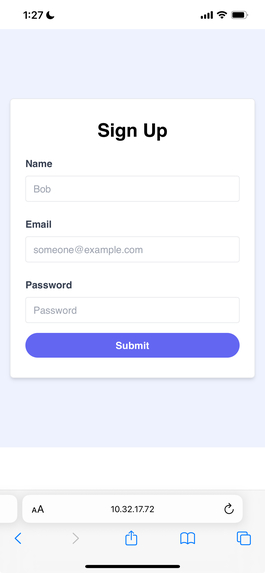
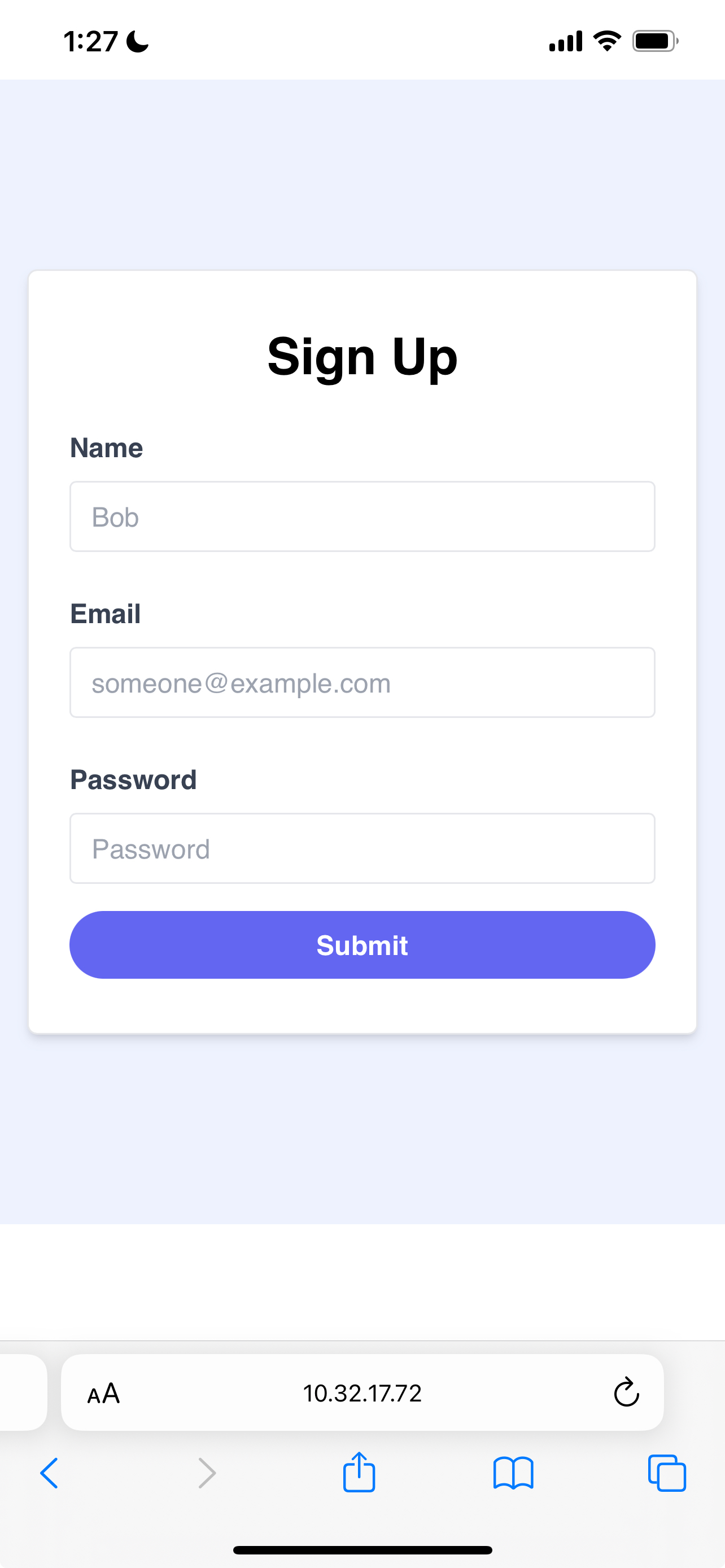
Login Page
-
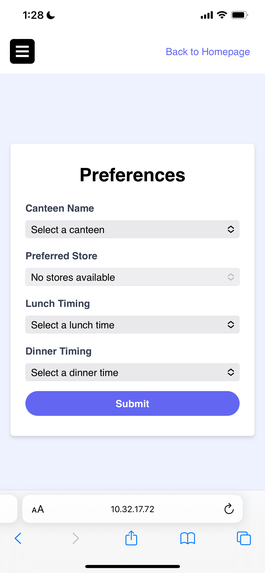
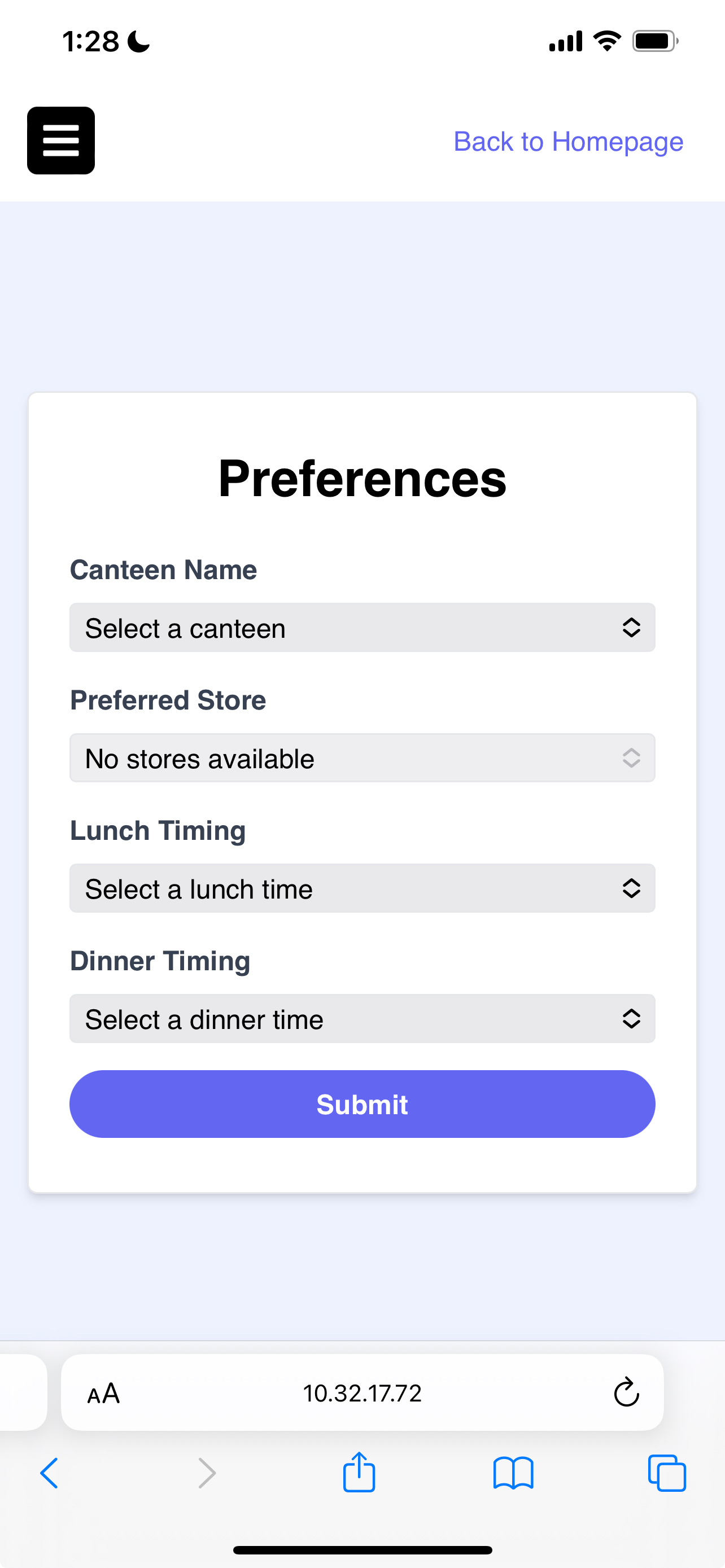
Preferences Page
-
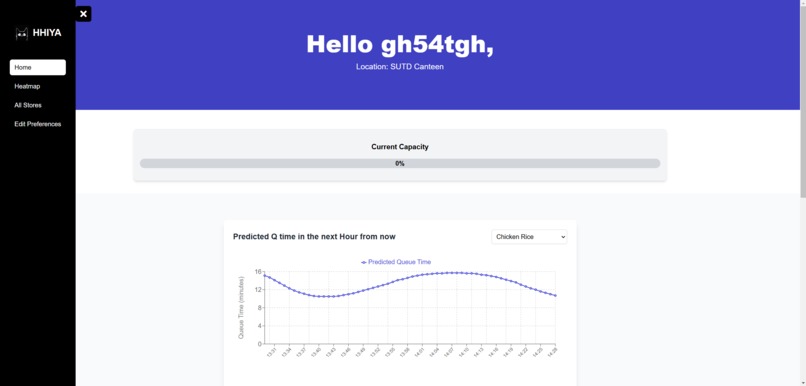
Main Page
-
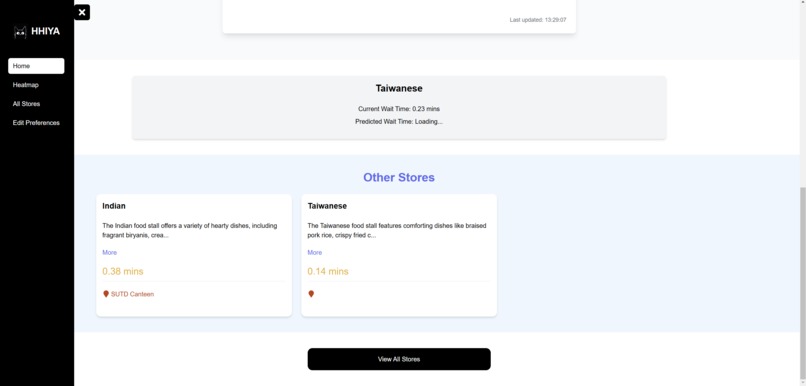
Main Page Pt2
-
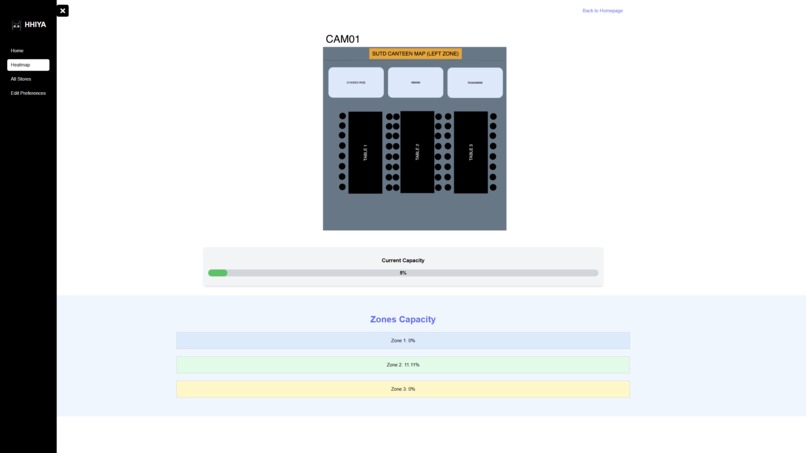
Heatmap
-
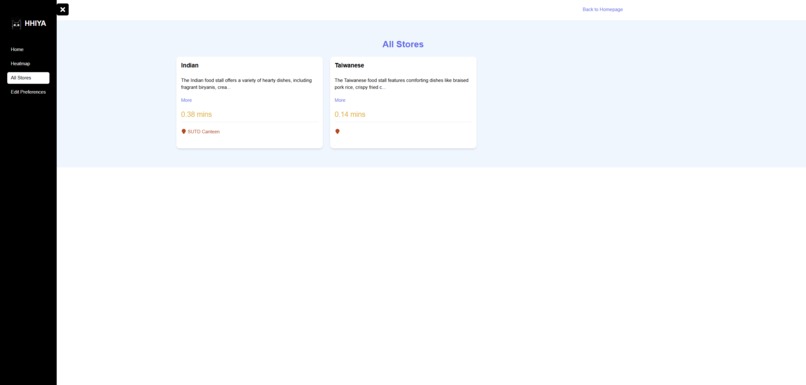
All Stores Page
Inspiration
Hawker centres are a cornerstone to the Singaporean way of life as it is widely available and affordable. However, the inefficiencies caused by overcrowding, long waiting times, and the lack of real-time information often diminishes the dining experience. To address these challenges, our solution integrates Artificial Intelligence (AI) and the Internet of Things (IoT) to revolutionise the way people interact with hawker centres.
Target group and problems solved
Hence our target group would be people who frequent hawker centres. For instance working adults who face the rush of lunch hours. With the web app, they are able to make an informed decision to choose less congested hawkers so as to maximise their time during their lunch break rather than spend the majority of the time waiting. This would help to alleviate economic costs that arise due to loss of work hours as people may return to their workplaces later than intended. Hence resulting in lower productivity levels. Moreover, workplaces that are strict on time management may result in excess stress for the workers.
By offering this level of convenience and efficiency, the web app ensures that working adults can maximise their lunch hour—spending more time enjoying their meal and less time waiting in queues or navigating overcrowded spaces. This not only enhances the lunch experience but also helps users return to work on time, refreshed and ready to focus on their tasks.
What it does
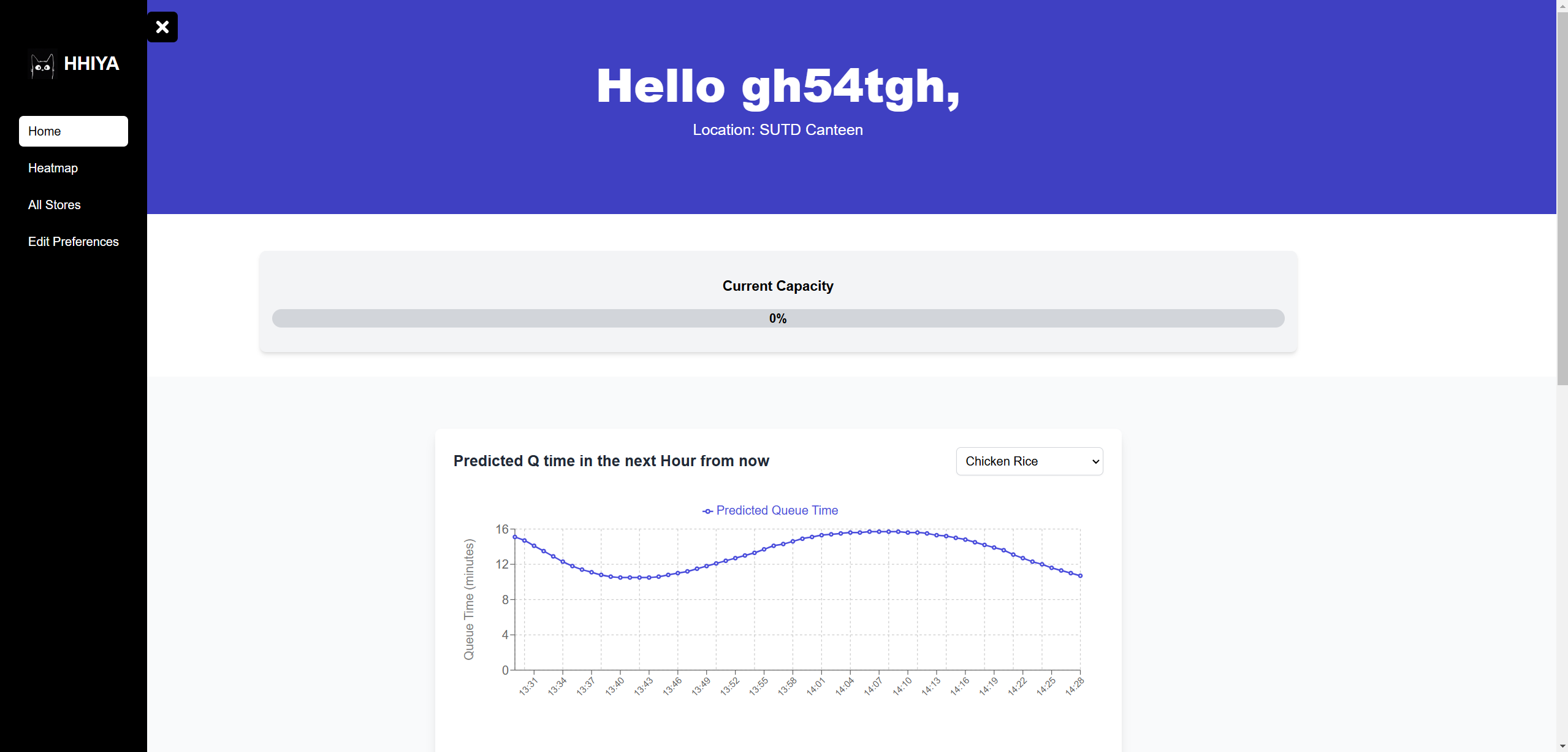
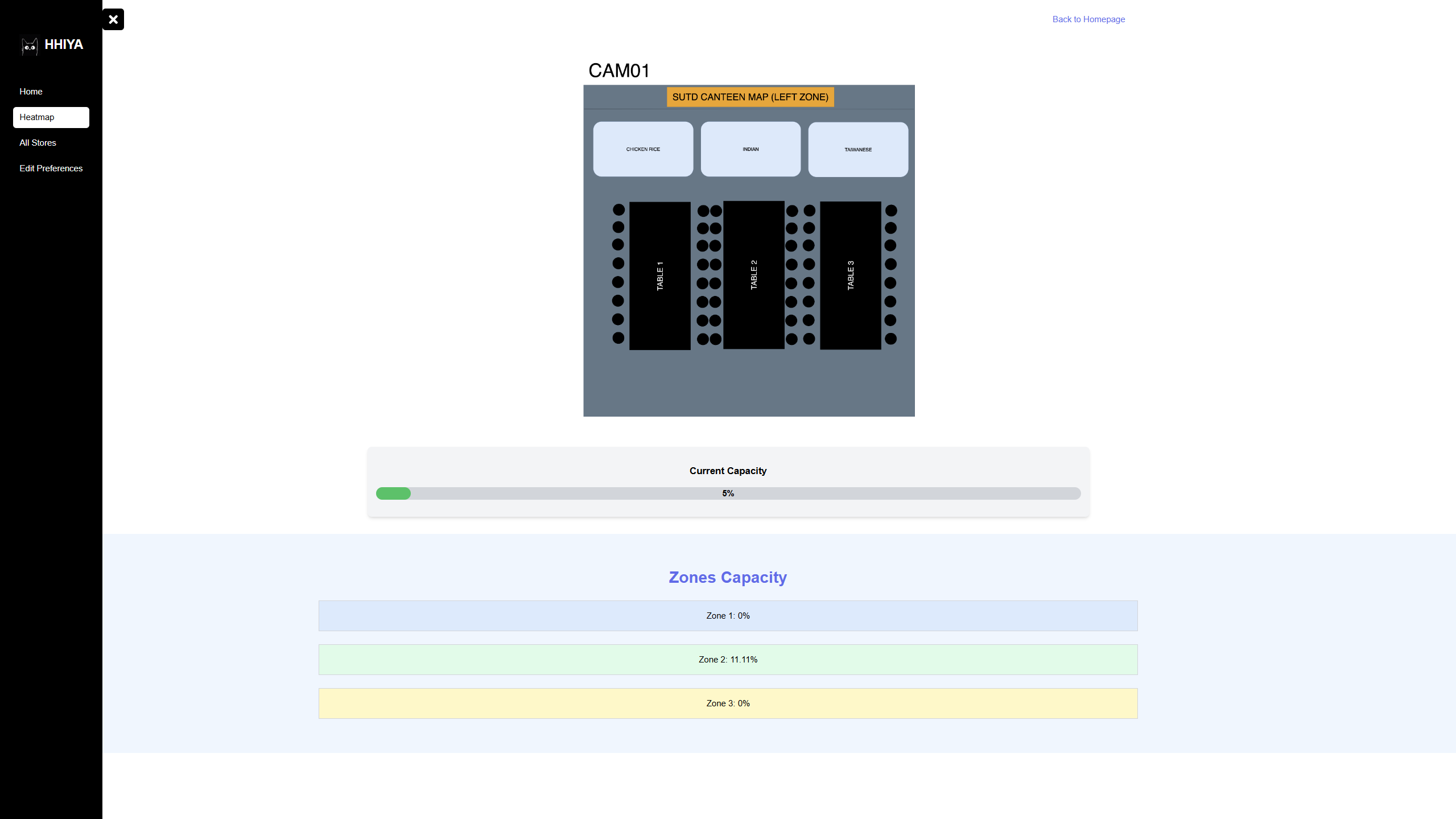
We used models to analyse RTSP for real-time analysis of hawker spaces with the usage of cameras, bringing greater convenience to people's lives. By integrating real-time data with heatmaps, we provide users with a visual representation of the seat availability within hawker centres. This allows individuals to make informed decisions about when and where to visit, avoiding long queues or crowded environments.
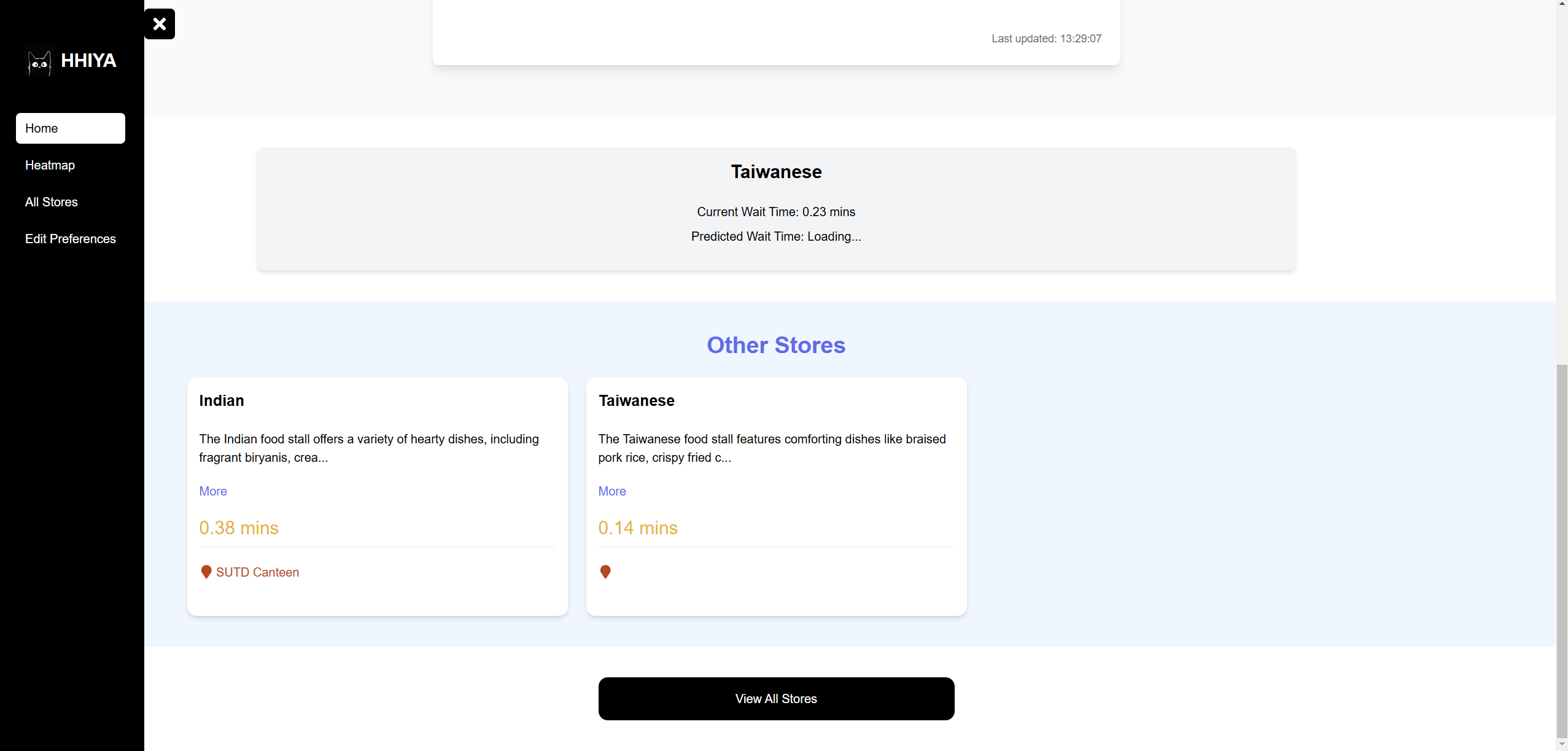
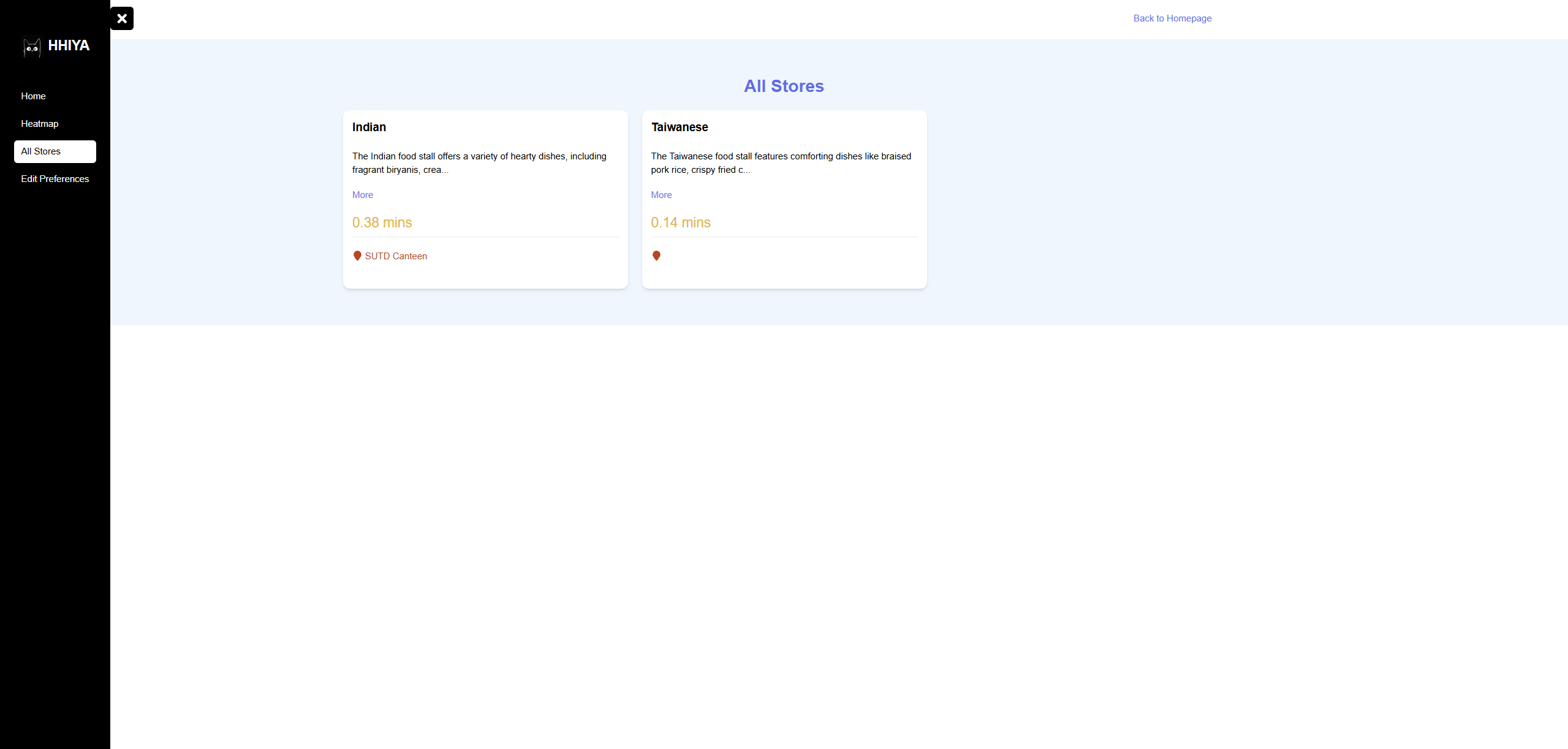
Additionally, the system offers a personalised experience through a "favourite stores" feature. Users can choose their preferred hawker stalls, enabling quick access to relevant information such as live crowd status, estimated waiting times.
How we built it
For the frontend, we built it using React JS. The backend was done up with Flask with Firestore database. Lastly for the modelling, we used YOLO v8 , Bytetracker and Ultralytics.
Challenges we ran into
For our prototype, we focused on the SUTD canteen as our test environment. However, due to constraints, we were unable to access CCTV footage or leverage multiple camera angles. This limitation restricted us to using a single video captured from one fixed perspective, which hindered our ability to gather comprehensive data on the canteen's activity from different viewpoints.
Additionally, time constraints prevented us from developing and training a customised computer vision model. As a result, we encountered glitches in tracking individuals within the video
Moreover, since each member had a specific role and were using different technologies, we sometimes found it difficult to explain the terminologies to one another.
Accomplishments that we're proud of
Proud that we have a functional product with a database which can take in real time data. We also have a working model that can track seat availability and dwell times. Furthermore , we are also proud of the fact that most of us were able to pickup new technologies for this hackathon in a short period of time
What we learned
We learnt new technologies like ReactJS and Flask and Ultralytics YOLO v8.
What's next for HotHawkersInYourArea
We would like to start small from canteens and then scale our way upwards to hawker centres. The fact that cameras are relatively cheap hardware means that the cost of scalability will not be much of an issue. Moreover, when looking at the technologies we used such as ReactJS and Firestore also allows us to scale it up further. Furthermore, we also intend to train the model every month such that it starts to learn the trends better for each place

Log in or sign up for Devpost to join the conversation.