-
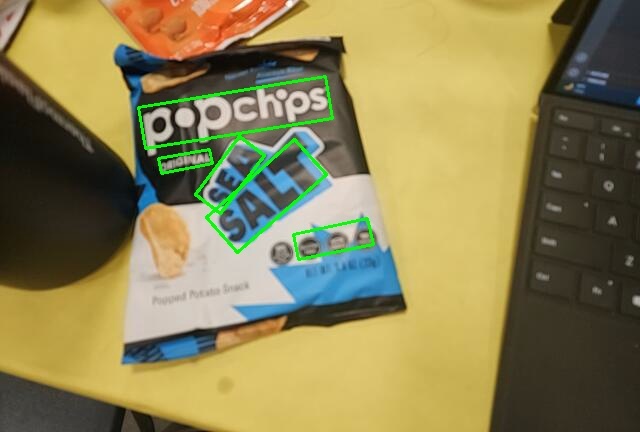
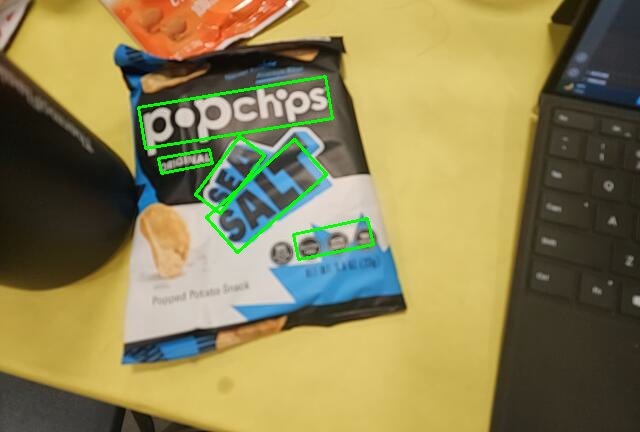
Reading Text on Chip Bag
-
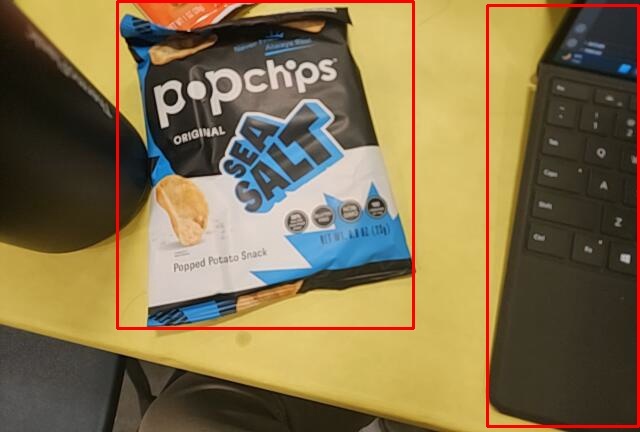
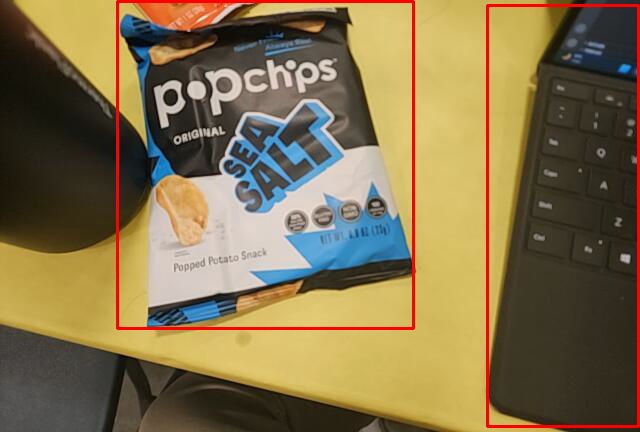
Object Detection of Chip Bag
-
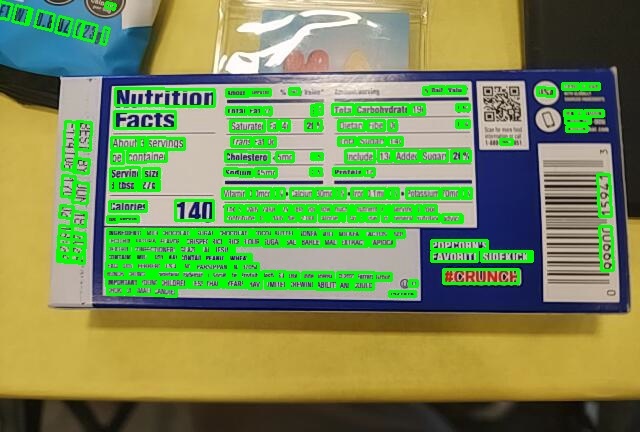
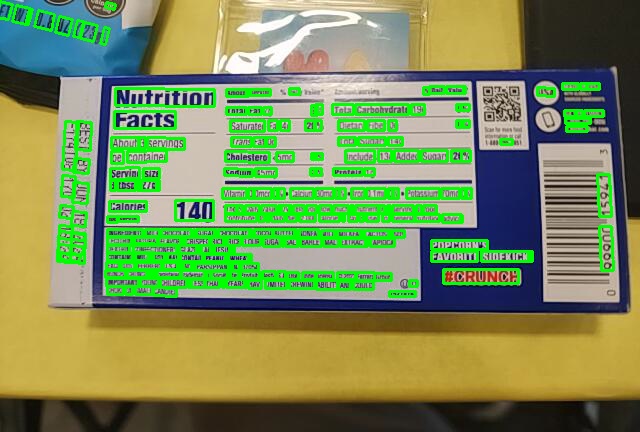
Reading Small Text
-
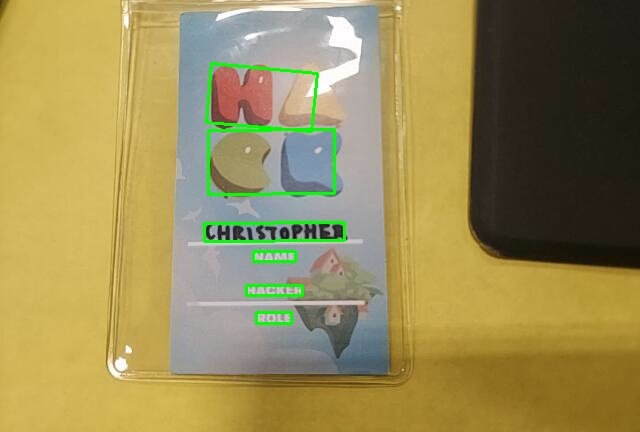
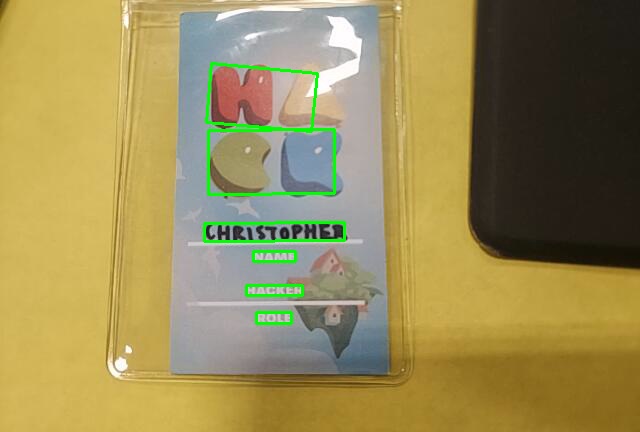
Reading Handwriting
Horus - A Voice-Activated Visual Aid
Inspiration
In a world increasingly dependent on visual information, we identified a significant gap in assistive technologies for the visually impaired, especially concerning the day-to-day task of identifying objects and reading labels. Initially, our vision was limited to aiding the visually impaired in reading medication labels effectively. However, as we delved deeper into the capabilities of AI models, our horizon expanded, nurturing the ambition to develop a tool that could potentially redefine how visually impaired individuals interact with their surroundings, broadening the scope to encompass a myriad of objects and reading materials.
What it does
Horus stands as a beacon of independence and empowerment for the visually impaired community. This innovative voice-activated tool utilizes state-of-the-art AI technology to facilitate effortless object identification and label reading through simple voice commands such as, "read" and "scan". Whether it's recognizing everyday items or reading labels on medicine bottles, Horus strives to make the world more accessible, one voice command at a time.
How we built it
We designed Horus leveraging Google's Vision API to integrate potent AI models capable of detecting objects and extracting text from images for seamless label reading. Our system utilizes OpenCV to manage and process the video feed, while Google's Web Speech API stands as the backbone for voice command recognition, ensuring a fluid user interaction with the application.
Challenges we ran into
One of the many challenges we encountered was the initial plan to deploy Horus as a mobile application - a plan hindered by our limited experience in mobile development. Nonetheless, innovation prevailed as we ingeniously repurposed our smartphones into IP cameras, facilitating live feed capture through the web. This adaptive approach allowed us to bypass our initial hurdles, integrating the video and audio feeds into our application for real-time detection and interaction.
Accomplishments we're proud of
Despite encountering obstacles in the development journey, we are immensely proud of our resilience and innovation. Our team demonstrated a remarkable ability to pivot and adapt, converting a setback into a stepping stone for progress. The successful integration of the IP camera as a workaround exhibits our resourcefulness and determination to bring Horus to life, setting a firm foundation for future enhancements and iterations of the project. Furthermore, the cross-referencing with a dictionary to ensure that only accurate and relevant words are returned back to users is another feature that we are excited to continue developing.
What we learned
Through the journey of developing Horus, we have garnered invaluable insights into the boundless potential of AI technology, especially its power to bridge gaps and foster inclusivity. Furthermore, we learned the importance of flexibility and innovative thinking in the face of challenges, fostering a spirit of resilience and collaborative problem-solving that we believe will be instrumental in our future endeavors.
What's next for Horus
Looking ahead, we envision Horus evolving into a standalone mobile application, offering users an enhanced level of independence and functionality. We are eager to explore the integration of a 'Find Feature' that would allow users to locate specific items through vocal commands, further enriching the user experience and promoting autonomy. With more time, we would aim to add a flash feature to enable users to use Horus in low-light settings, as well as noise filtering to improve use in loud environments. Additionally, we strive to develop the text-to-speech to be more natural and human-like, simulating the cadence of natural language. We also aim to associate certain packaging abbreviations with English words, such as reading 'g' as 'grams' from nutritional food labels).
Our journey with Horus is just beginning, and we are excited to continue pushing the boundaries of what's possible, one step at a time.
Built With
- google-vision-api
- google-web-speech-api
- opencv
- python
- pyttsx3


Log in or sign up for Devpost to join the conversation.