-
-
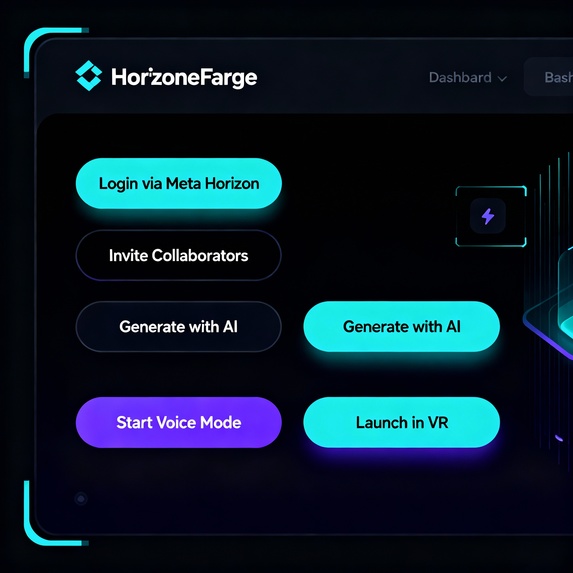
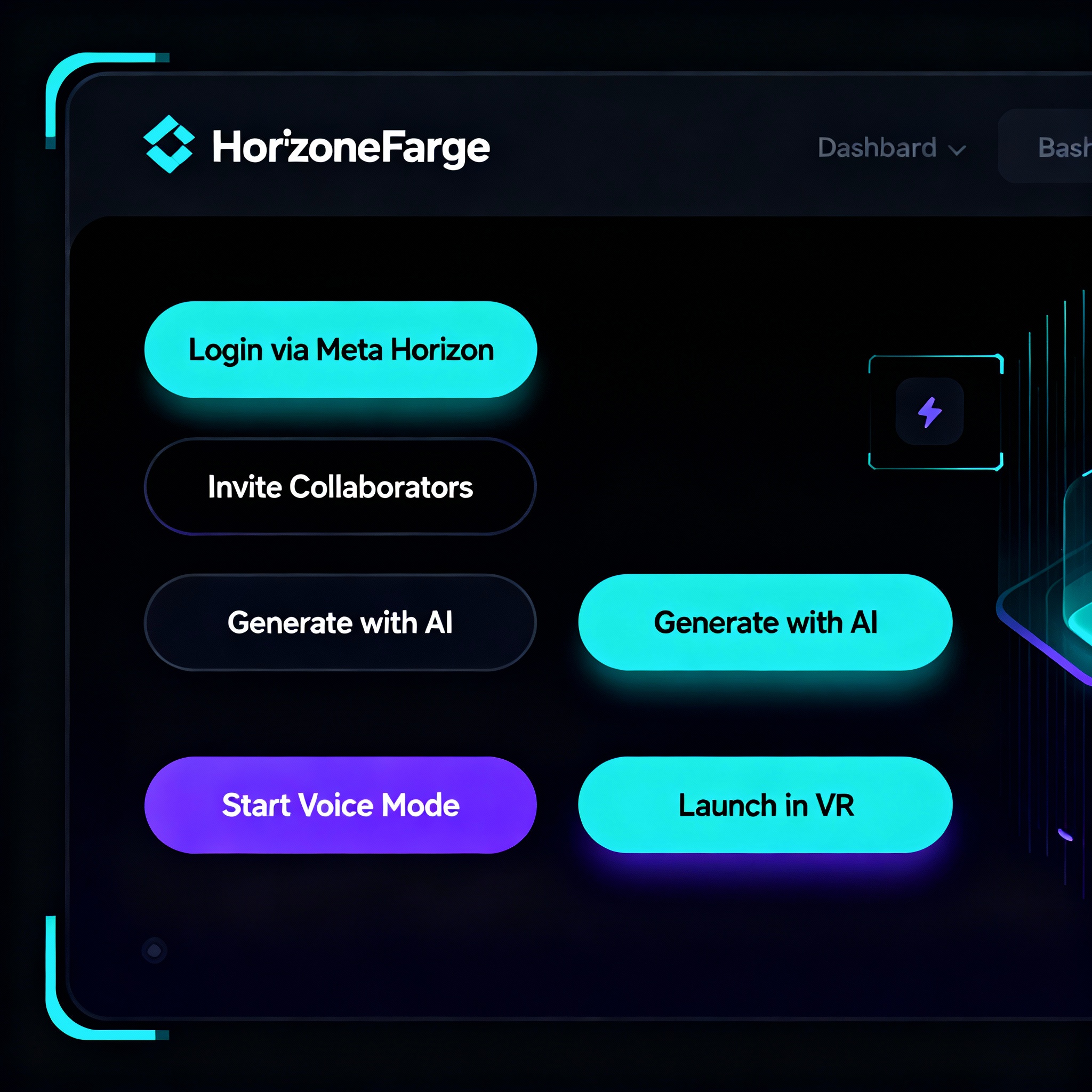
Interactive builder interface with drag-and-drop tools, procedural object creation, and VR compatibility.
-
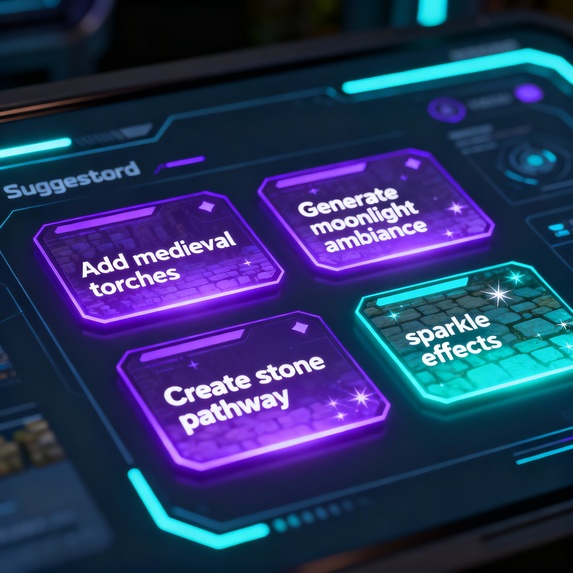
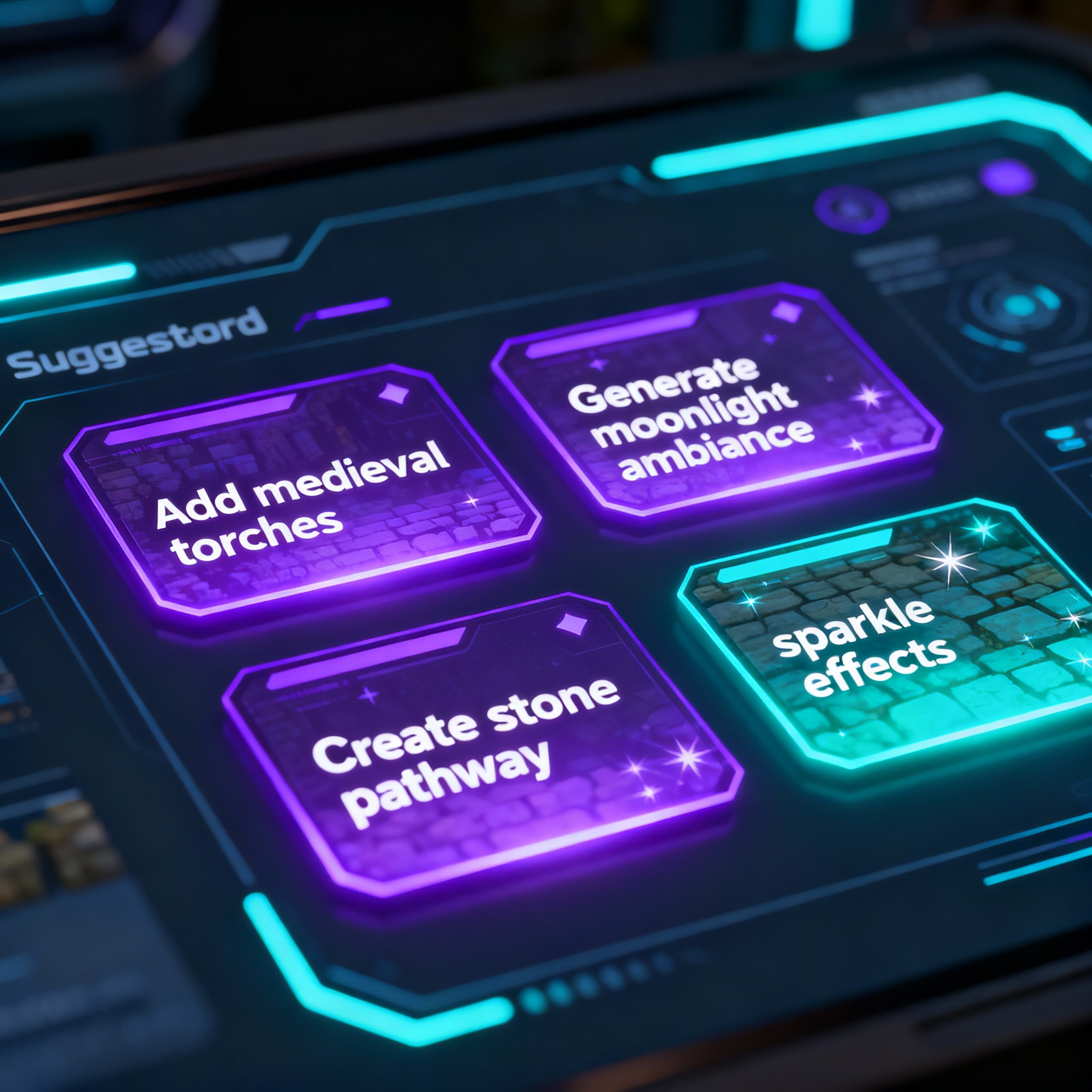
AI-powered terrain and asset generation with Stable Diffusion integration—custom landscapes ready in seconds.
-
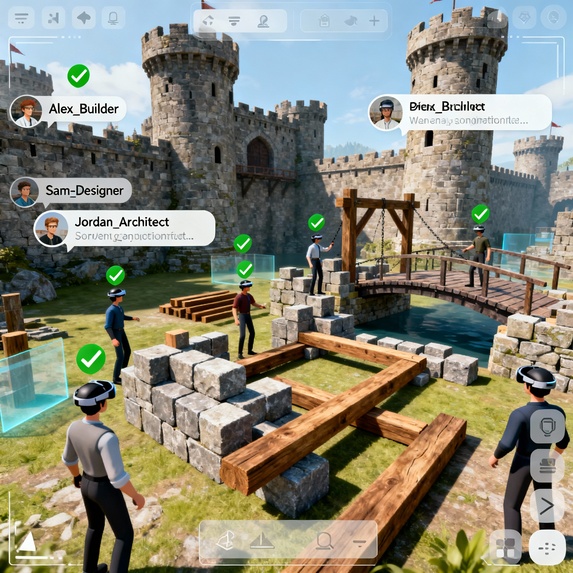
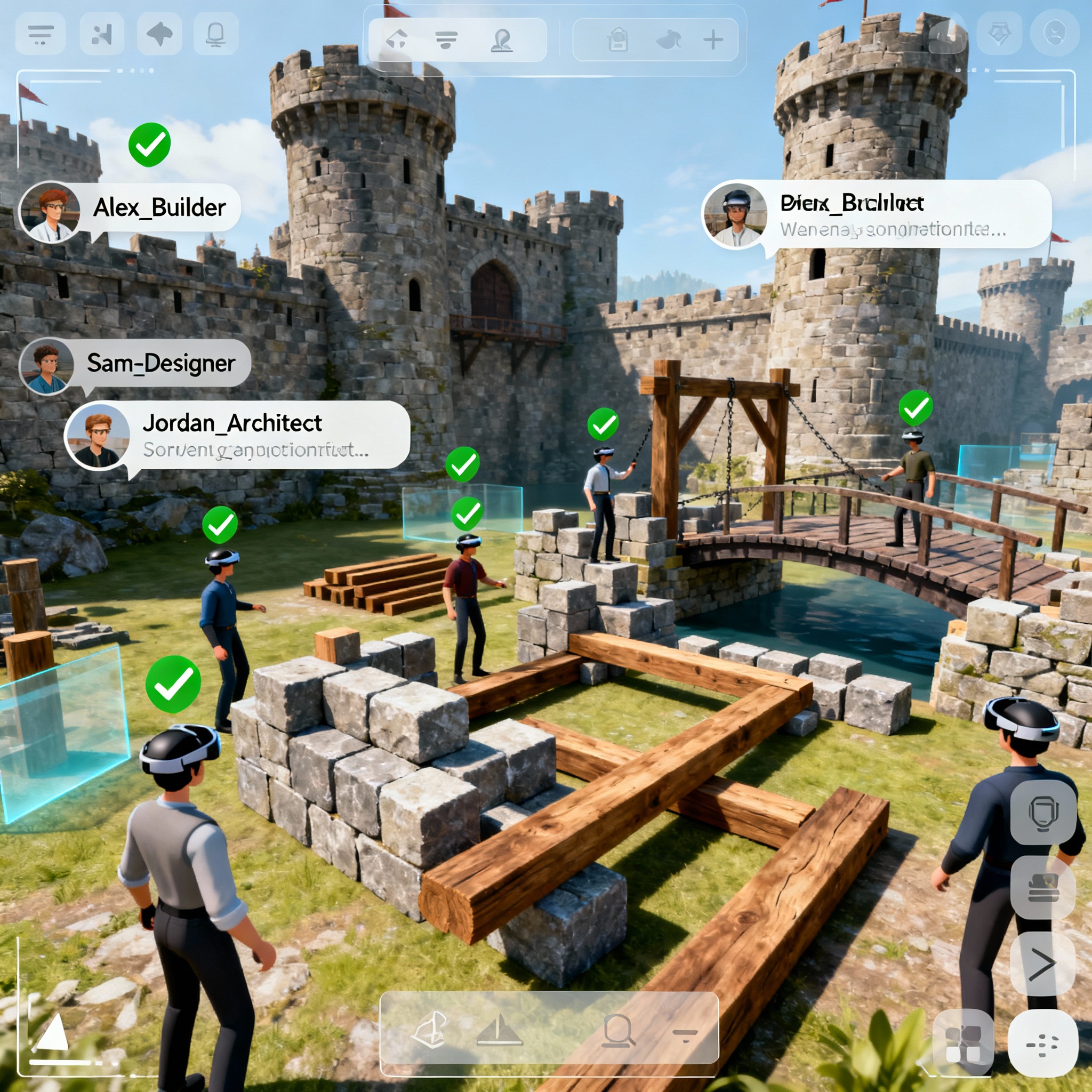
Live, ultra-low-latency sync across all devices. Watch real-time edits instantly appear for every user.
-
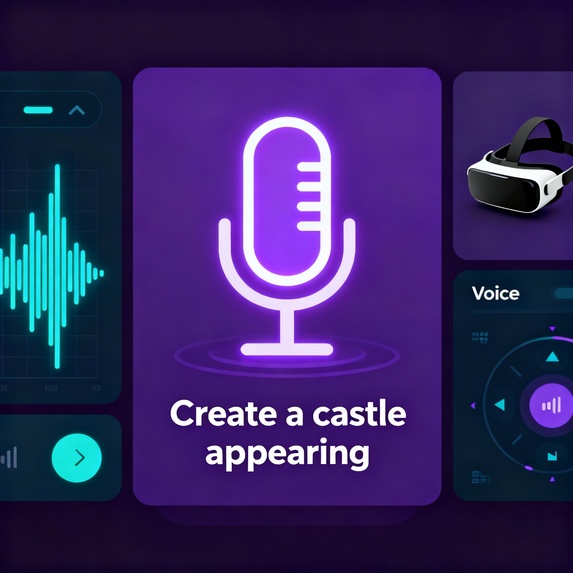
Collaborative world-building in action: multiple creators generate immersive environments using GenAI tools.
We set out to reimagine collaborative VR world-building by blending Meta Horizon’s creation tools with real-time AI assistance. The inspiration came from the friction we all felt when switching between building, scripting, and generating assets — HorizonForge was our answer to make it seamless.
What it does
HorizonForge empowers multiple creators to co-build immersive environments in real time. Using AI pipelines (GPT-4 for procedural world-building prompts and Stable Diffusion for visual assets), builders can instantly generate terrain, textures, and objects, then edit and sync them live across devices. WebRTC and Firebase ensure ultra-low-latency collaboration so every change appears instantly for all users.
How we built it
- Core Platform: Unity 2023.2 LTS, Meta Horizon Worlds SDK, Meta XR SDK
- AI & Intelligence: OpenAI GPT-4, Stable Diffusion API
- Backend & Sync: Node.js/Express services, Firebase Realtime Database for state sync, WebRTC for multi-user connections
We developed the interface in Unity, wired it to our Node.js backend, and orchestrated sync across Firebase. AI requests are piped through GPT-4 for logic generation and Stable Diffusion for texture and environment creation.
Challenges we ran into
- Getting WebRTC to maintain stable connections in multiplayer VR
- Synchronizing AI-generated assets across sessions without breaking state
- Performance tuning on Meta Quest devices with limited resources
- Timeboxing AI calls to keep latency manageable in live builds
Accomplishments that we’re proud of
- Built a working multi-user collaborative VR builder from scratch in weeks
- Integrated two AI pipelines directly into the workflow
- Achieved reliable cross-user synchronization with Firebase + WebRTC
- Created a demo that runs smoothly on Meta Quest
What we learned
- How to architect distributed real-time systems
- How to optimize AI model calls for interactive experiences
- How to scope features so they work within Quest’s performance limits
- The value of tight cross-discipline collaboration (AI, backend, VR design)
What’s next
- More AI-driven features (NPC scripting, quest/storyline generators)
- Expansion into a marketplace for sharing and remixing worlds
- Optimizing asset streaming for larger collaborative projects
- Open-sourcing components for other Horizon creators to build on
What's next for HorizonForge — World-building emphasis
Built With
- express.js
- firebase-realtime-database
- meta-horizon-worlds-sdk
- meta-xr-sdk
- node.js
- openai-gpt-4
- stable-diffusion-api
- unity


Log in or sign up for Devpost to join the conversation.