-
-
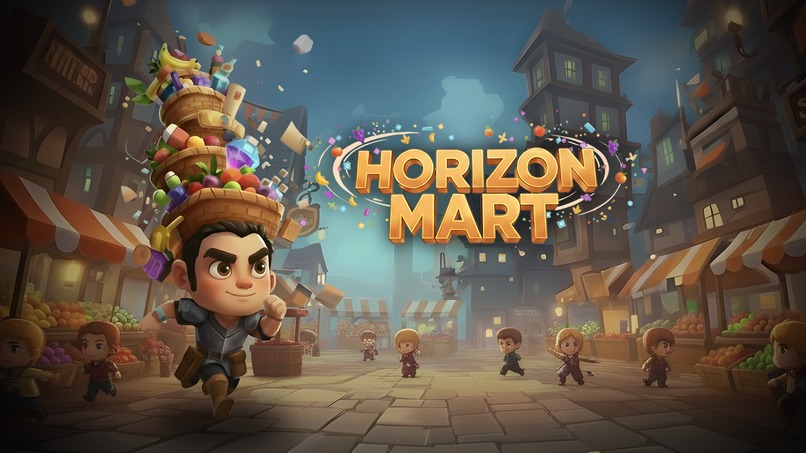
Cover
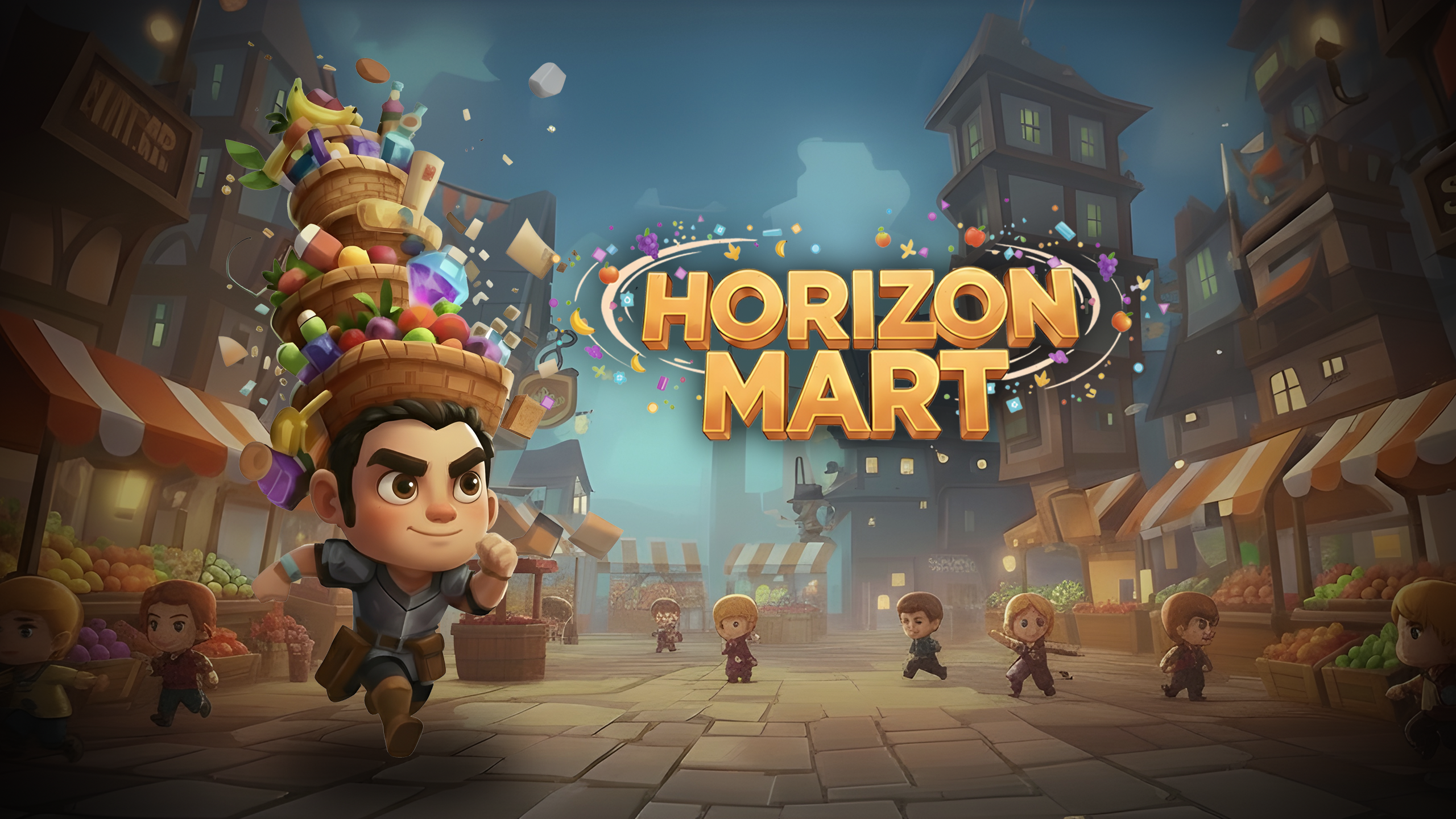
Inspiration
The genesis of Horizon Mart stemmed from a desire to capture the compelling and instantly rewarding loop of casual tycoon games, with Monkey Mart being a primary source of inspiration. Our goal was to transfer the highly satisfying flow of management, resource harvesting, and automated sales into Meta Horizon Worlds. We aimed to create a place where Meta Avatars, both players, customers and assistants, could interact in a vibrant, progression-focused business simulation that feels uniquely native to the platform.
What it does
Horizon Mart is a captivating, seasonal Tycoon world. Players run a seasonal corner shop (currently Halloween/Autumn-themed), where they engage in a complete resource management loop. They actively harvest crops, craft goods, hire and manage Meta Avatar assistants, and diligently keep the shelves stocked to serve a steady stream of eager customers. The ultimate objective is to watch your business flourish as you climb the leaderboards.
How we built it
Platform & Scripting
Built using Horizon Worlds Desktop Editor. Gameplay logic and interactions handled with TypeScript in Microsoft VS Code.
3D Modeling & Texturing
In the absence of dedicated 3D artists for this challenge, we utilized a hybrid approach to asset creation. The majority of the models, particularly for thematic elements and props, are sourced from either Gen AI tools or the asset library provided by the Horizon Worlds editor. Some other assets were modeled in Blender and textured in Photoshop before import.
Audio
The immersive soundscape of the Mart is a mixed composition. We utilized sound effects available within the Horizon Worlds Desktop Editor alongside custom tracks and sound cues sourced from the studio's existing audio bank.
Project Planning
Our process was highly iterative and feasibility-driven. We began by rigorously testing the Worlds Desktop Editor’s limits to scope the project realistically. This involved studying successful market examples on mobile and web platforms to distill the core gameplay loop first. We adopted a simple Kanban board for task management, allowing for continuous integration of features. The environment itself was added late in the process, replacing simple placeholders, as it was deemed non-essential to the core functionality.
Challenges we ran into
The primary difficulty was a demanding timeline. Being staffed on other professional projects meant we had to deliver a fully functional and engaging experience in roughly half the time the challenge permitted. This necessitated quickly mastering the engine, validating the scope's feasibility, and delivering an interesting experience under extreme time pressure. While the available templates and tutorials were indispensable for accelerating the initial process, not having a dedicated graphic designer presented another challenge. We relied on the engine’s Generative Mesh tools, but these had limitations in detail and back-face quality. This constraint guided our design choice: we favored a slightly fixed and distant camera view, allowing the generated meshes to be used without visual quality degradation. Furthermore, due to internal staffing, we only had the possibility of being a multi-person project in the final week, adding unexpected difficulties inherent to the engine's collaborative workflow.
Accomplishments that we're proud of
We are immensely proud to have delivered a compelling and fully playable experience in such a constrained timeframe. Our biggest accomplishment is successfully translating the immediate, addictive "thrill" of the casual Tycoon genre into the Meta Horizon Worlds framework. The sense of visible progress, automated effort has been retained, making the game loop genuinely fun and motivating for players.
What we learned
This project provided invaluable hands-on experience in two key areas. First, we gained deep proficiency in using the Horizon Worlds engine for a complex, stateful world application. Second, we learned the practical limits and quick iteration potential of Generative AI tools for asset and code creation.
What's next for Horizon Mart
Our roadmap focuses on scaling and polishing the core experience:
- Polish & UX: Refine HUD elements and feedback systems, and significantly improve overall User Experience (UX).
- Vibrancy: Add more life and engaging animations throughout the Mart.
- Expansion: Introduce several new themed Markets (levels) with unique resources and crafting chains.
- Progression & Customization: Implement a cosmetic shop and a comprehensive upgrade system for player stats, assistants, and production machines.
- Dynamic Gameplay: Introduce temporary Bonus Buffs directly onto the map to encourage active play.
- Game Balancing: Dedicate effort to fine-tuning the resource flow, difficulty, and reward loops.
- Social & AI: Improve assistant AI performance and introduce cooperative levels to enhance the social side of the game. Add community events.
Built With
- typescript
- worlds-dektop-editor


Log in or sign up for Devpost to join the conversation.