Hopscotch Disaster Response: A Lifeline in the Storm
Inspiration
In the wake of devastating hurricanes that have battered coastal communities in recent years, our team of passionate UCLA Anderson students was inspired to revolutionize disaster response. We observed how victims often struggled to find accurate, real-time data about safe zones, evacuation routes, and available resources. Meanwhile, relief organizations grappled with efficiently communicating their needs and coordinating efforts. This realization sparked our vision: a powerful mobile application that would become an indispensable lifeline for those in the path of nature's fury.
What it does
Hopscotch Disaster Response is an innovative two-sided platform:
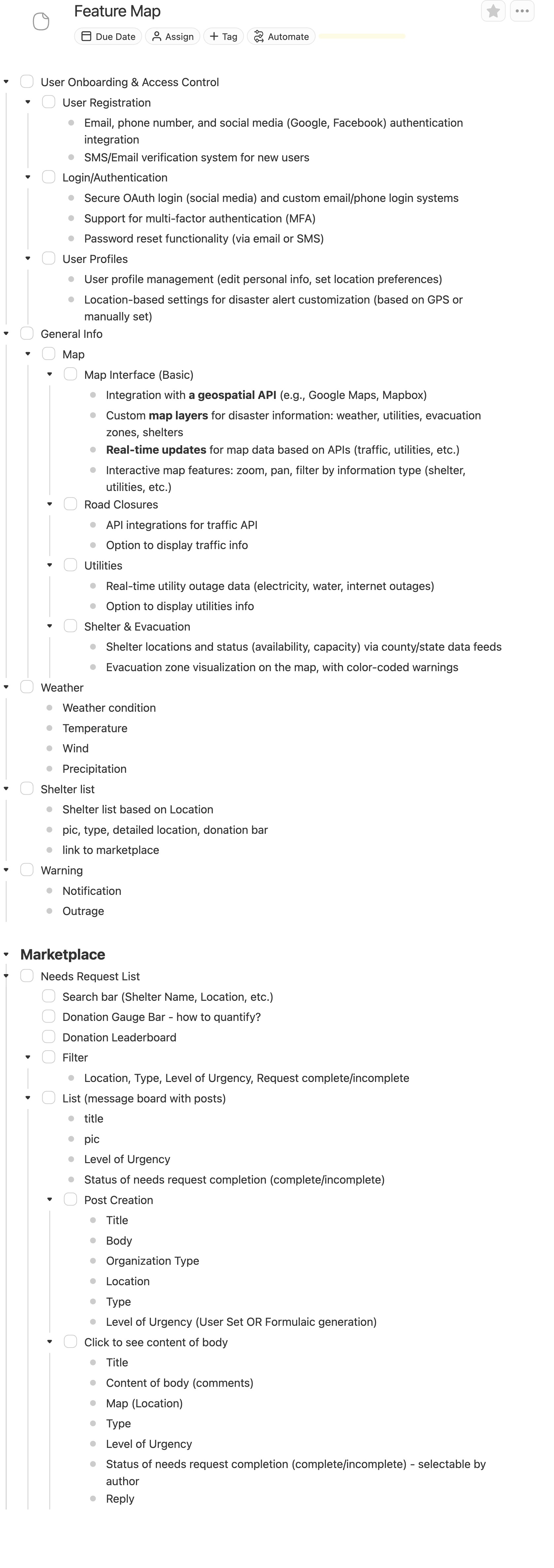
The Lifeline Map: A dynamic, user-friendly map interface that provides critical, real-time information to those in affected areas. Users can quickly locate:
- Utility Information
- Nearby shelters
- Medical facilities
- Distribution centers for food and supplies
The Response Marketplace: A feature allowing shelters and relief organizations to broadcast their specific needs in real-time. This will include:
- Volunteer requests
- Specific supply needs (e.g., bottled water, blankets, medical supplies)
- Specialized skill requirements (e.g., medical professionals, translators)
Beyond immediate response, the app also supports long-term community resilience through pre-hurricane planning, investment guidance, and ongoing disaster preparedness education.
How we built it
Our team leveraged a combination of cutting-edge technologies and user-centered design principles to build Hopscotch:
- Front End: Next.js, React,
- Back End: Supabase, Drizzle,
- Chatbot: Gemini
Challenges we ran into
- Ensuring data accuracy and real-time updates during crisis situations
- Balancing user-friendliness with comprehensive functionality
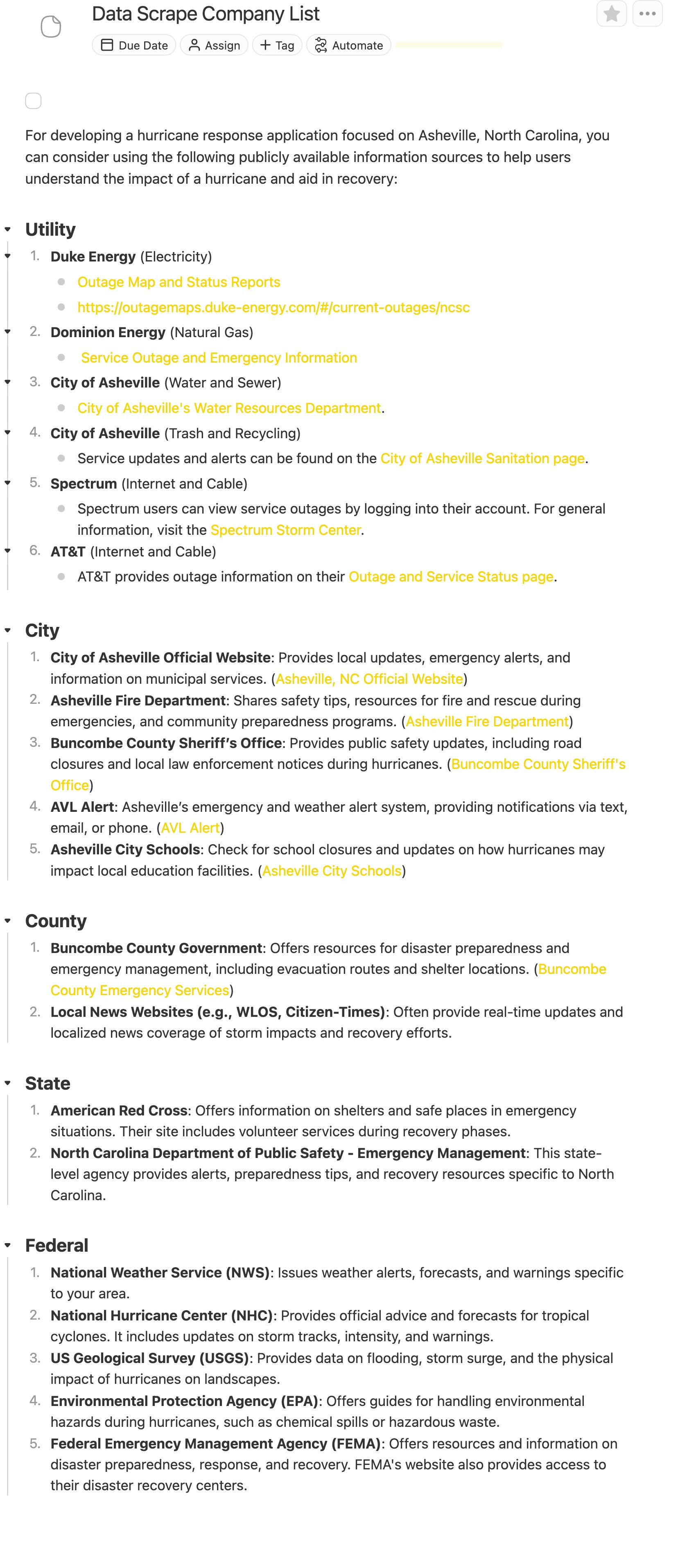
- Developing scraping from public data sources
Accomplishments that we're proud of
- Developing a dual-platform solution that addresses both victim and responder needs
- Creating an intuitive interface that's accessible even in high-stress situations
What we learned
- The critical importance of user testing in crisis-response applications
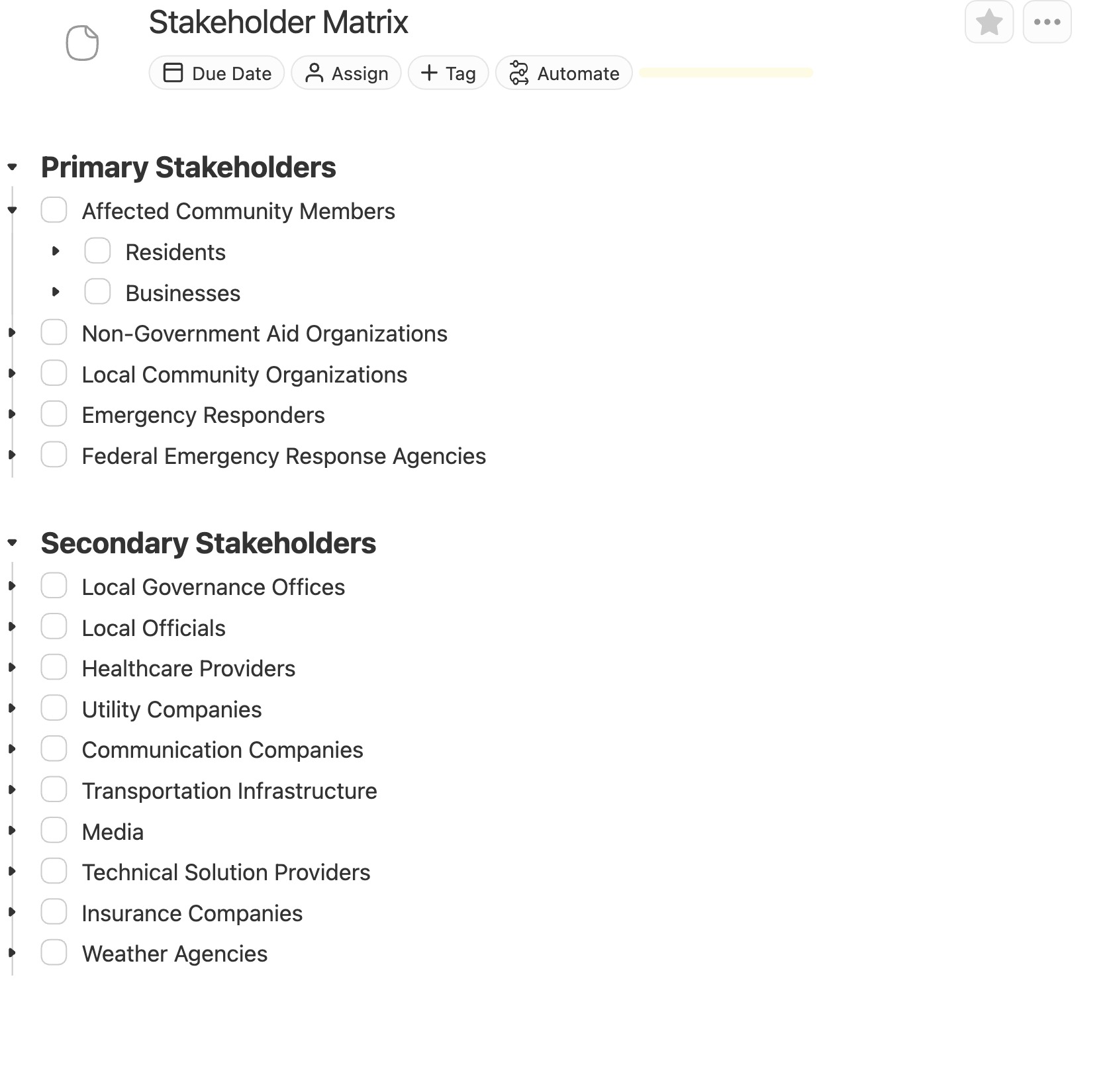
- The complexities of coordinating multiple stakeholders in disaster scenarios
- The potential of technology to make a significant impact in humanitarian efforts
- The value of interdisciplinary collaboration in solving complex problems
What's next for Hopscotch Disaster Response
As we refine our prototype, we envision Hopscotch becoming an essential tool in every hurricane-prone region. Our next steps include:
- Expanding partnerships with local and national disaster response organizations
- Continued development of marketplace features and lifeline map information
- Developing offline functionality for use in areas with limited connectivity
- Exploring applications for other types of natural disasters


Log in or sign up for Devpost to join the conversation.