-
-
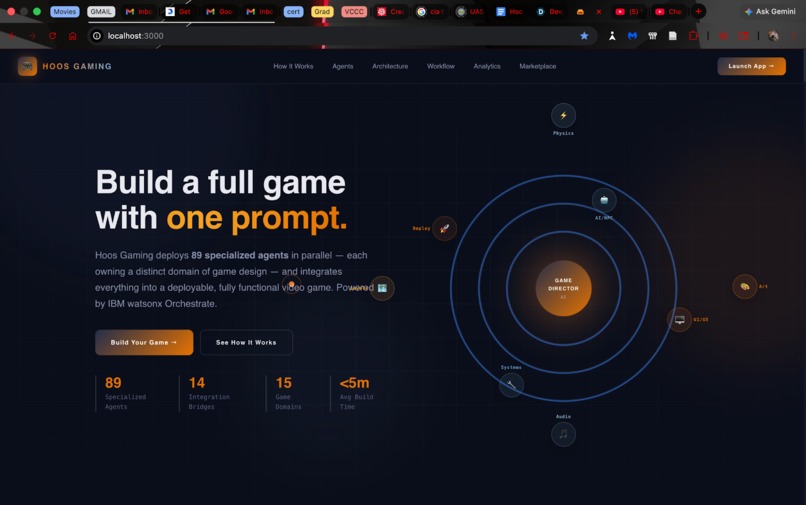
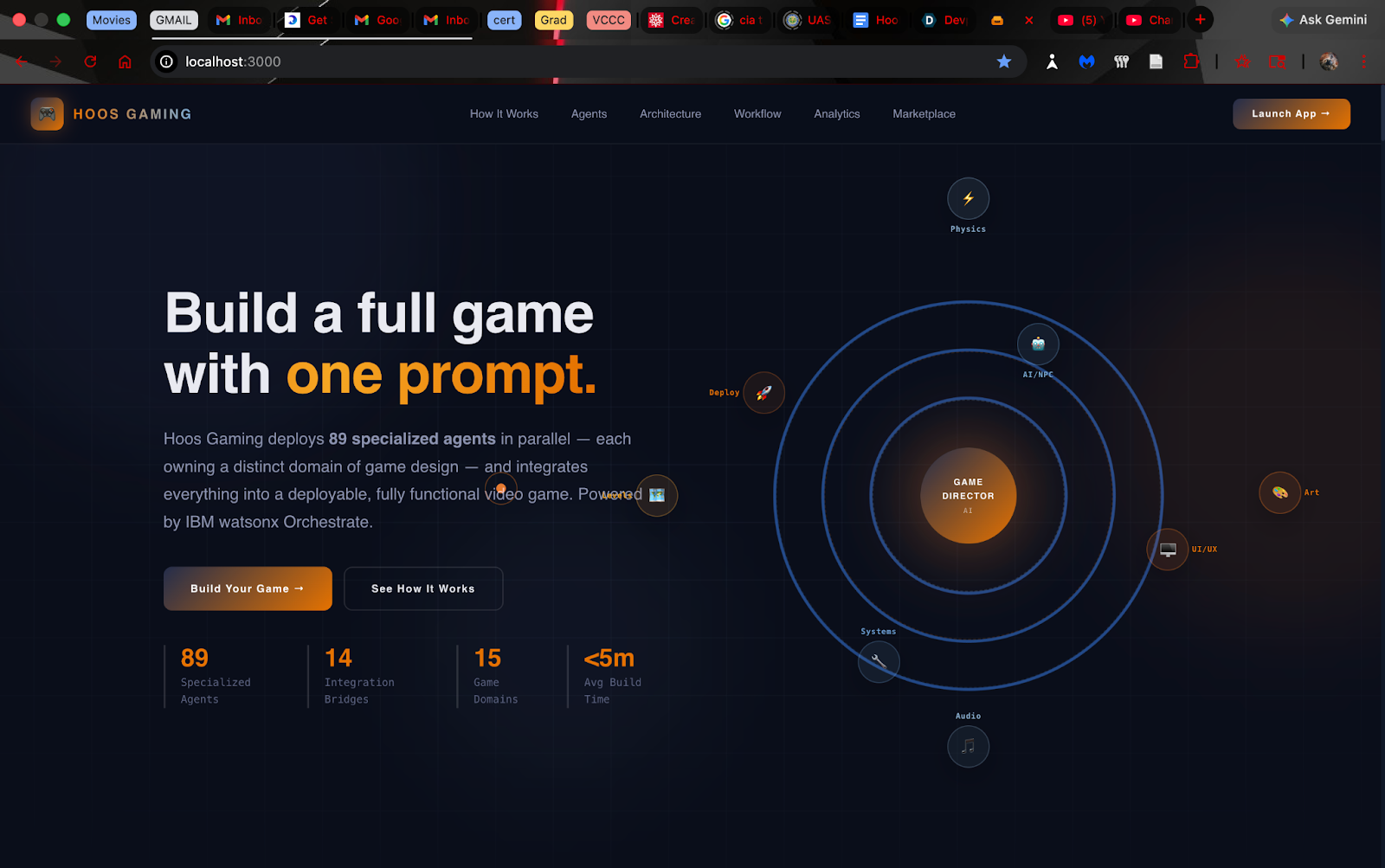
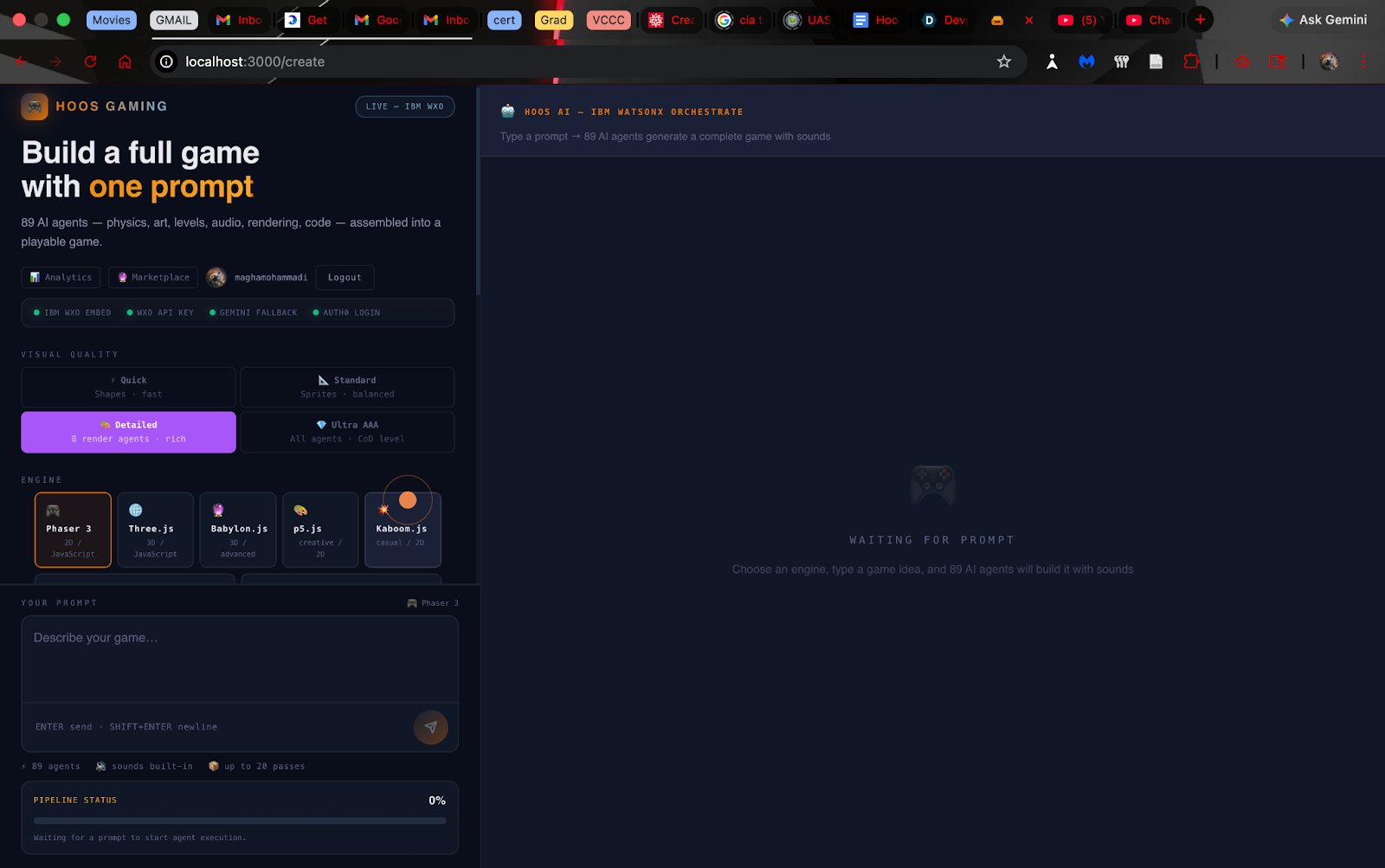
Home page
-
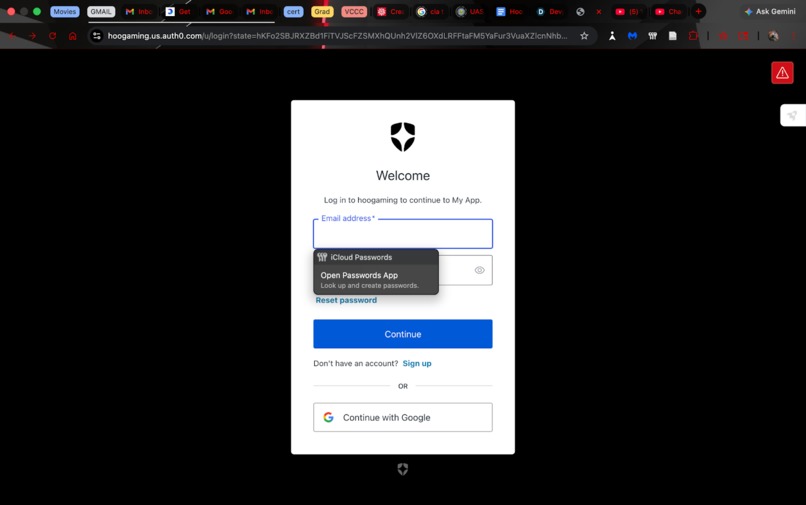
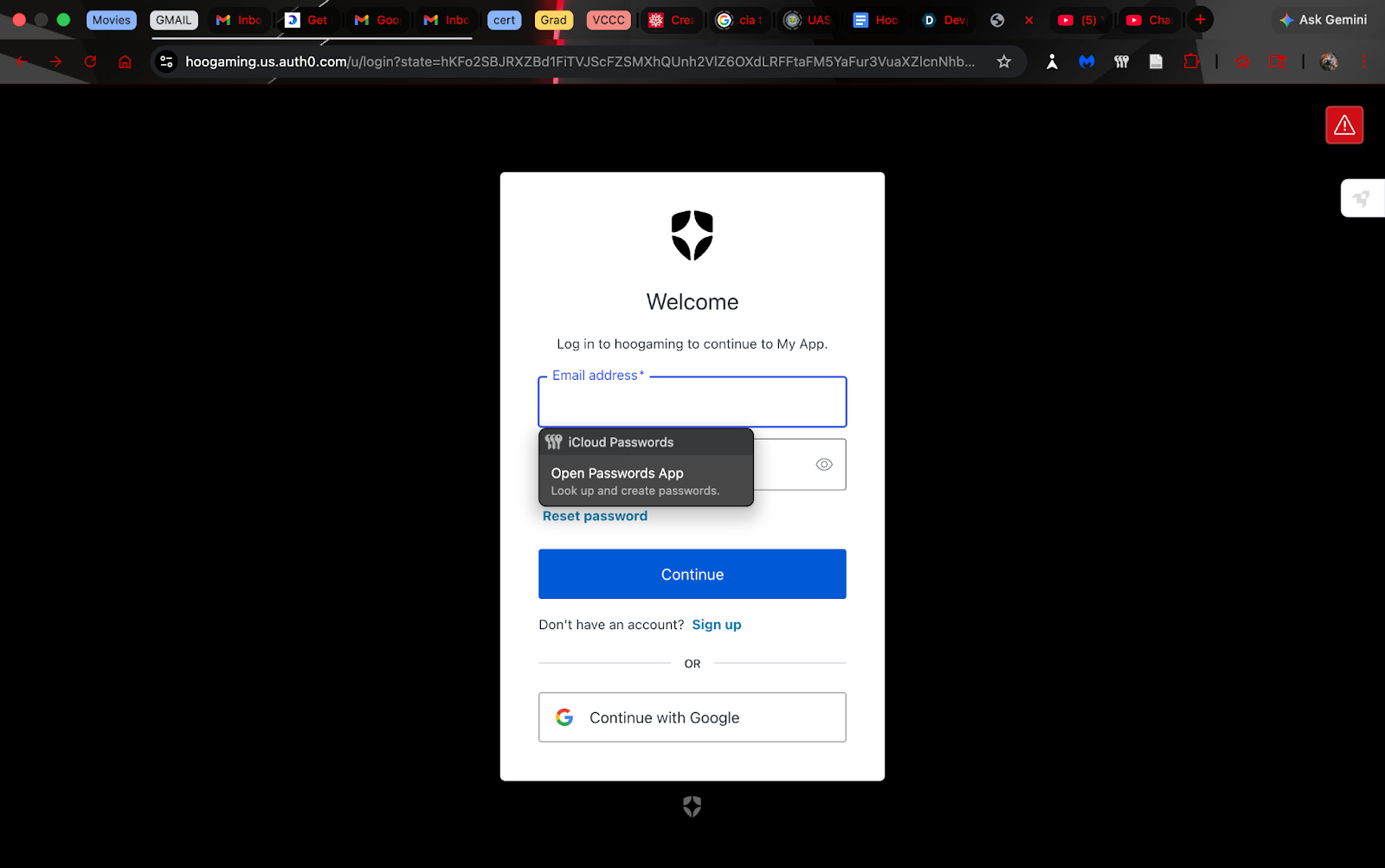
Login page for Authentication
-
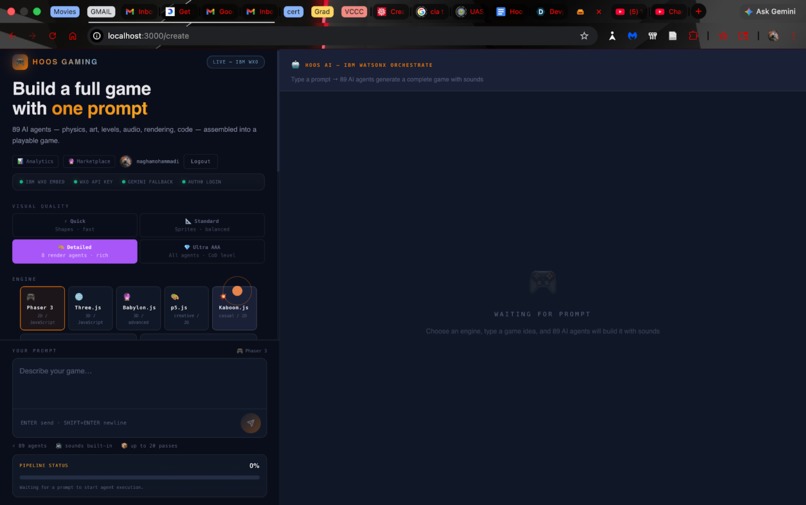
Prompt
-
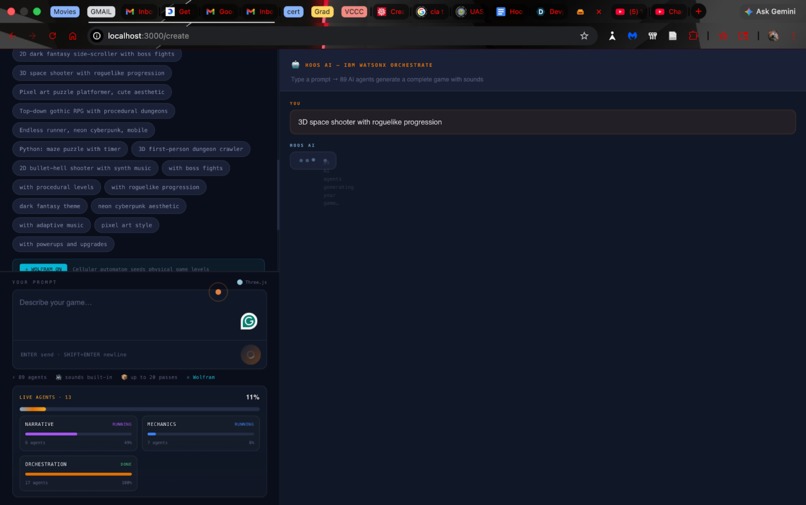
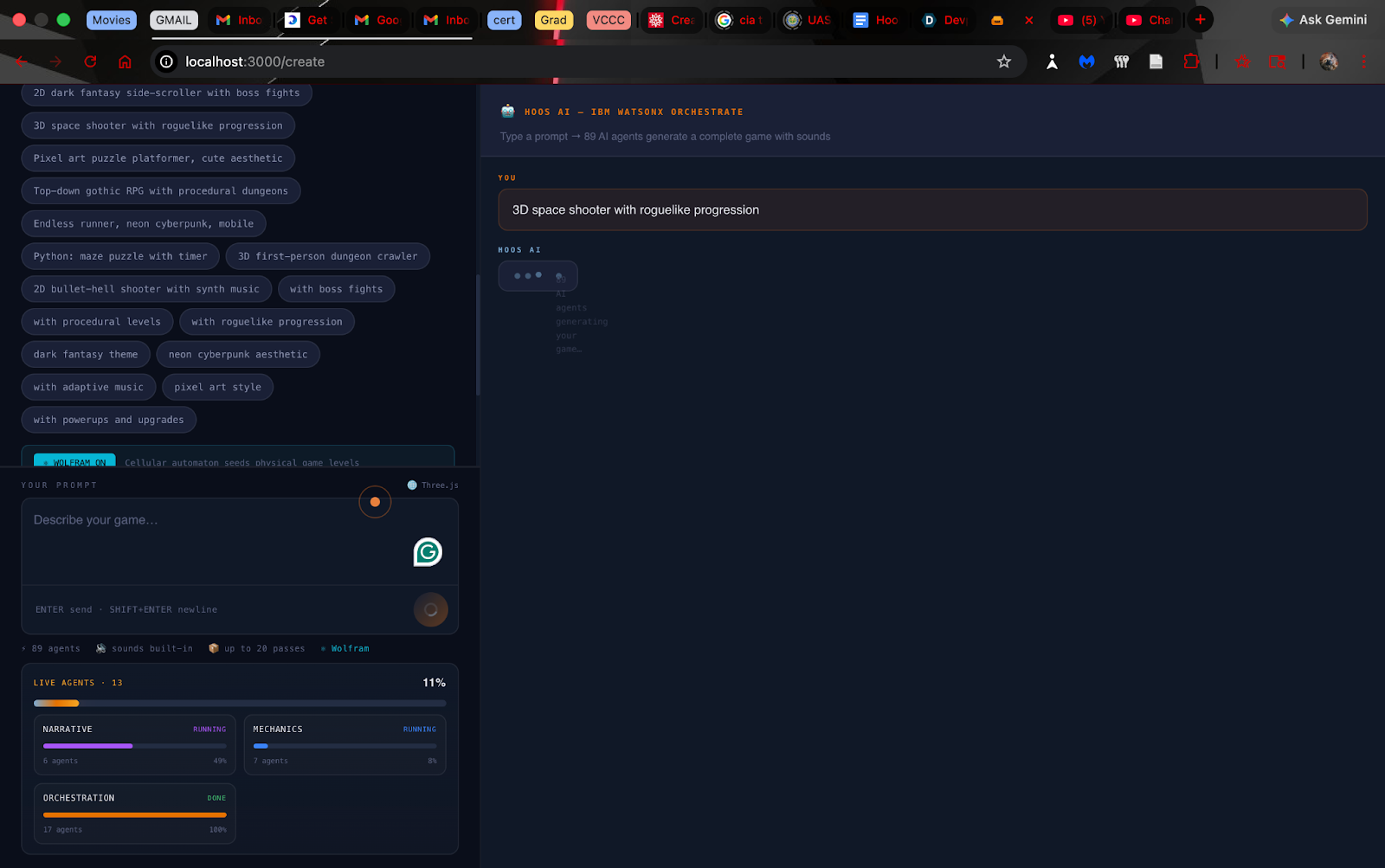
Running
-
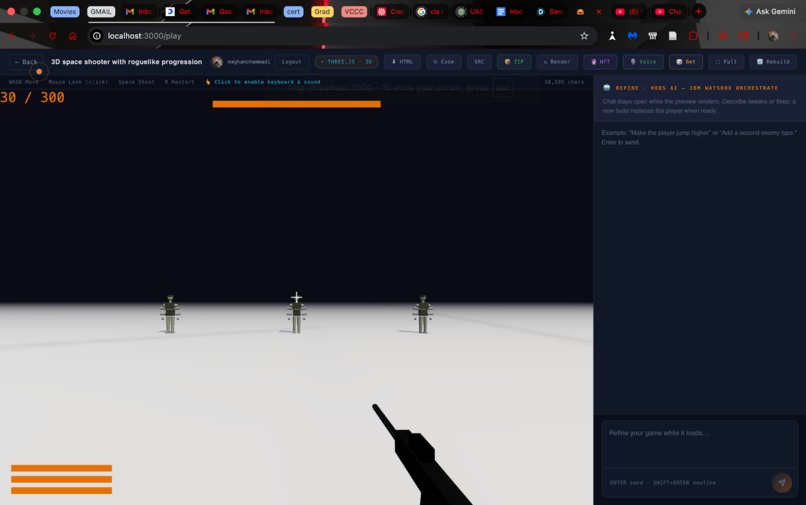
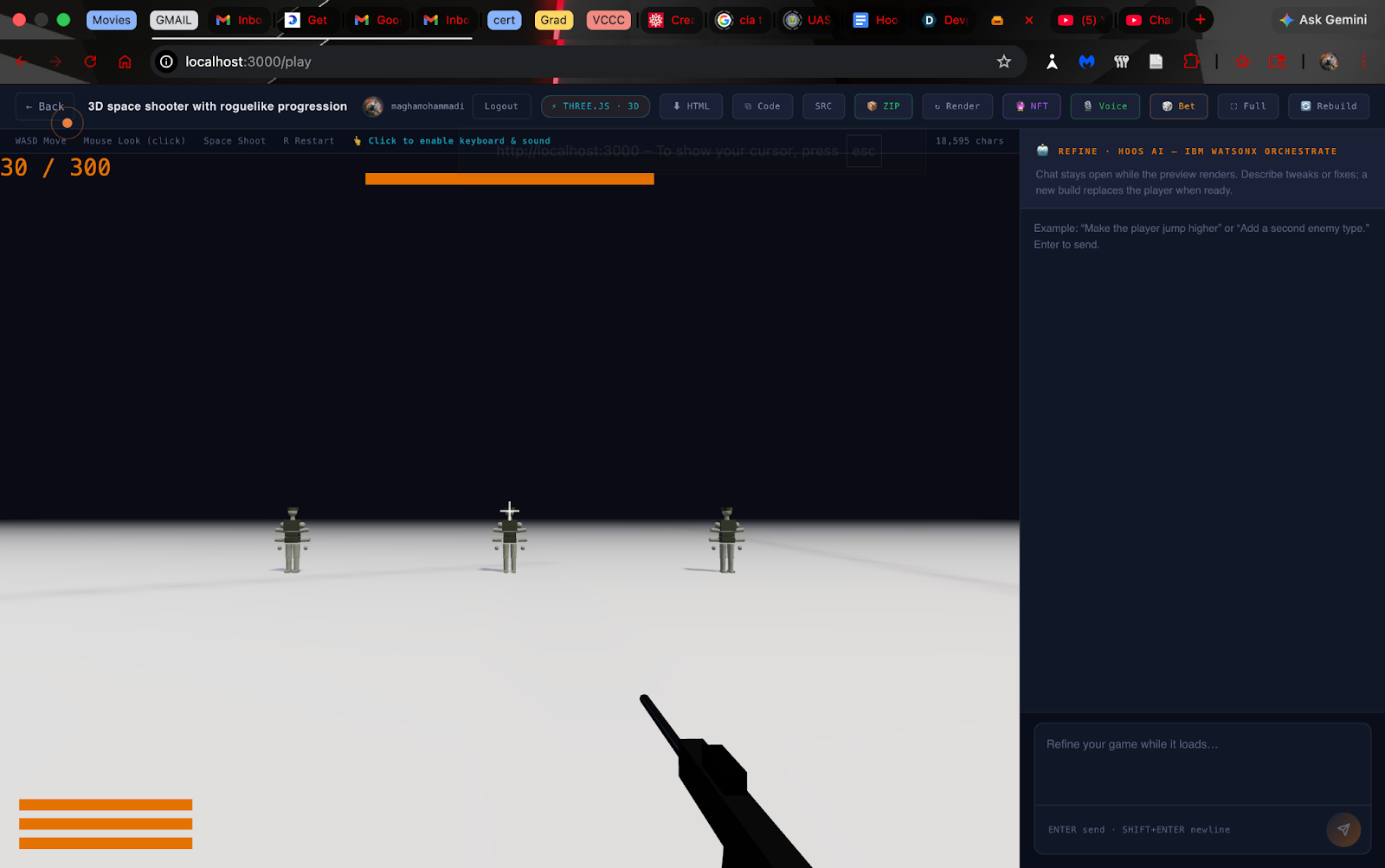
Game in Action
-
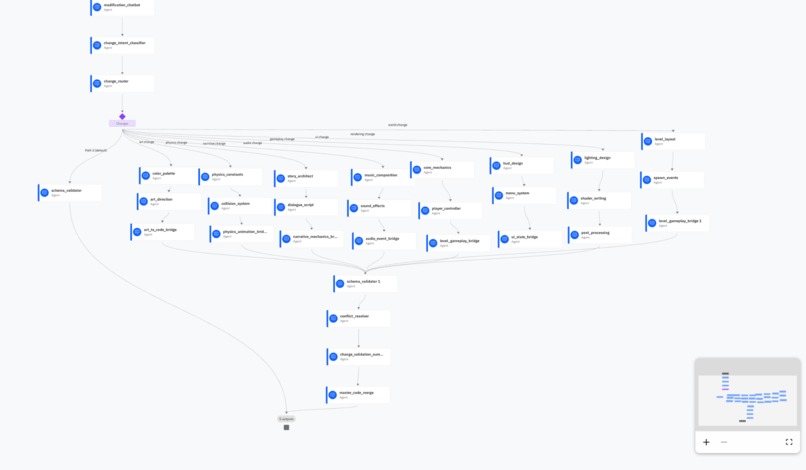
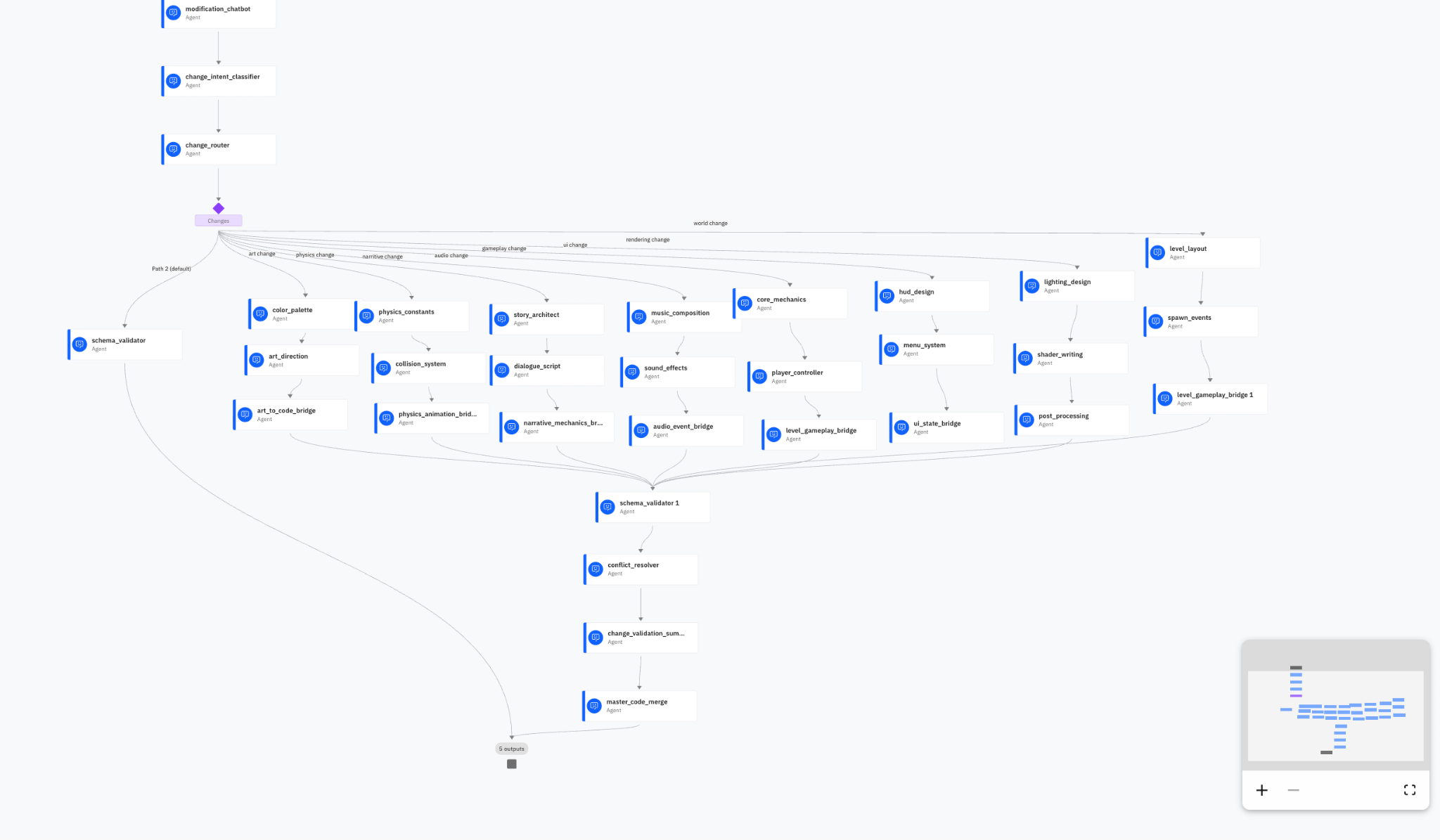
AI Agent Modification Flow
-
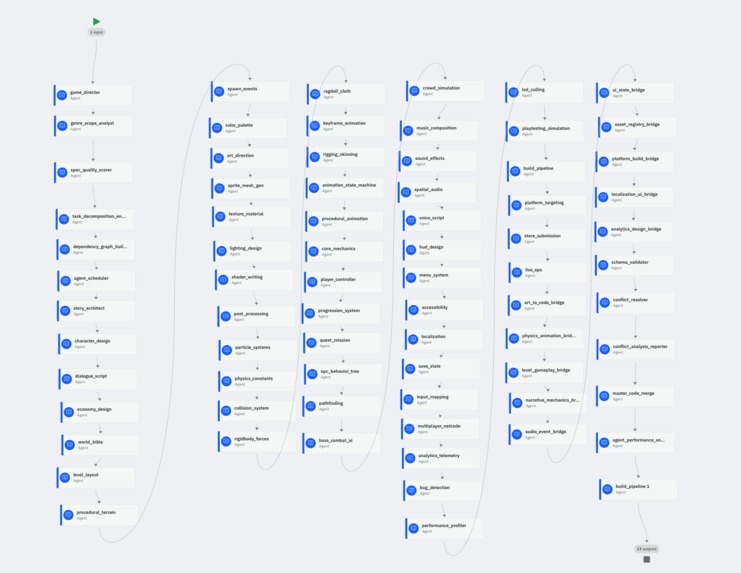
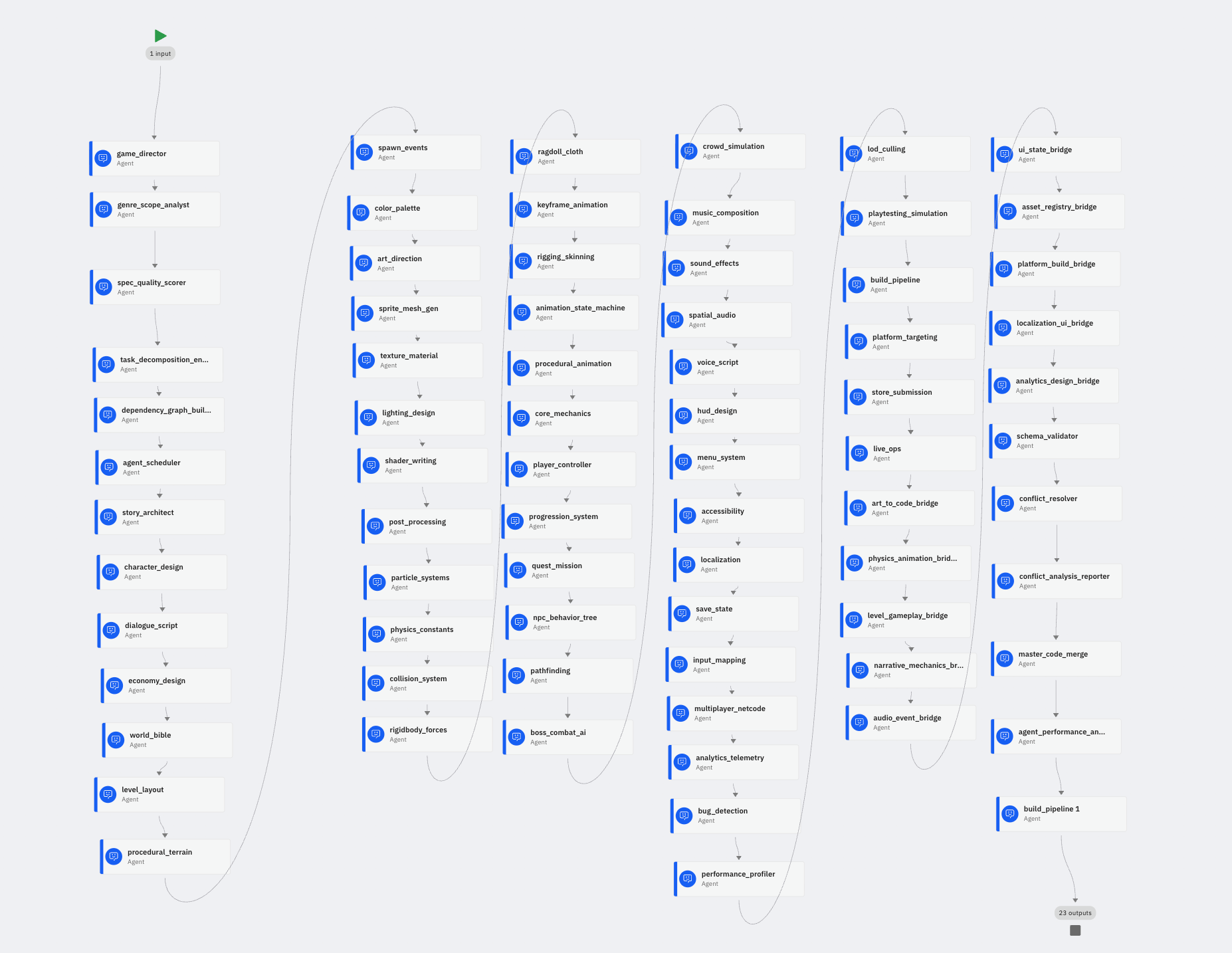
89 AI Agent Flow
Inspiration
We were inspired by the gap between creativity and technical execution. Building a game normally requires knowledge of engines, physics, rendering, and code but generative AI has the potential to collapse that entire stack into a single prompt. We wanted to push that idea further by combining multi agent AI, real world data, and external APIs into one system that doesn’t just generate ideas but produces complete, playable software.
What it does
Hoos Gaming turns a single text prompt into a fully playable HTML5 game using a multi-agent AI pipeline on IBM WatsonX Orchestrate. It generates code, physics, UI, audio, and gameplay, validates the output, and ensures completeness using an auto-continuation system.
It also enhances generation with: • Wolfram for real world physics constants • ElevenLabs for dynamic voice narration • Gemini API for fallback generation • Snowflake for analytics and trend insights • Auth0 for secure user sessions • IPFS + Solana for portable game ownership • Presage for interactive prediction mechanics
The result is a system that combines AI generation + real data + real user interaction into one seamless experience.
How we built it
We built a Next.js full stack application with API routes acting as a central orchestration layer. • IBM watsonx Orchestrate runs a 78 agent system across domains like physics, gameplay, and UI • Custom prompt engineering + engine templates ensure structured, valid output • AST-based completion detection (isGameComplete) ensures code correctness • Multi-pass continuation loop solves LLM truncation limits • SSE streaming provides real-time feedback to users
We integrated: • Wolfram API → injects real physics values + procedural level seeds • Gemini API → fallback generation for reliability • ElevenLabs → generates dynamic in-game narration • Snowflake → logs builds and powers analytics dashboards • Auth0 → handles authentication and session management • NFT.Storage (IPFS) + Solana → stores and represents games as portable assets • Presage API → enables prediction-based interaction tied to gameplay
Challenges we ran into
• AI output reliability: LLMs frequently produced incomplete or broken code
→ solved with AST validation + continuation loops • Multi-agent orchestration latency: coordinating many AI tasks increased response time → solved with streaming UX and progressive feedback • API reliability: external services could fail or timeout → solved with fallback systems (Gemini, demo mode) • Data consistency: ensuring physics and gameplay logic aligned → solved by injecting Wolfram verified constants • Cross-system integration: syncing AI output with analytics, storage, and user sessions
Accomplishments that we're proud of
• Successfully built a multi agent AI system that produces fully playable software, not just text
• Integrated 6+ real world APIs into one coherent pipeline
• Created a self-healing AI generation system (continuation + fallback)
• Used Wolfram data to ground AI outputs in real physics
• Built a real-time analytics pipeline with Snowflake
• Enabled game ownership and portability via IPFS/Solana
• Delivered a system that is both technically complex and instantly usable
What we learned
• Multi-agent AI systems require strong validation and orchestration layers
• AI alone isn’t enough data integration (Wolfram, analytics) significantly improves output quality
• Reliability comes from fallbacks, monitoring, and graceful degradation
• Real-time UX (streaming, feedback) is critical for long-running AI tasks
• Combining AI with auth, analytics, and external APIs turns a demo into a real product
What's next for HoosGaming
• Improve AI quality and consistency with better validation and feedback loops
• Expand Wolfram integration for more advanced simulations and environments
• Add real multiplayer and persistent game states
• Enhance analytics with Snowflake for personalized game recommendations
• Expand on-chain capabilities (Solana) for true ownership and sharing
• Deepen voice + interaction systems (ElevenLabs) for immersive experiences
• Optimize the pipeline for faster generation and real-time editing

Log in or sign up for Devpost to join the conversation.