-
-
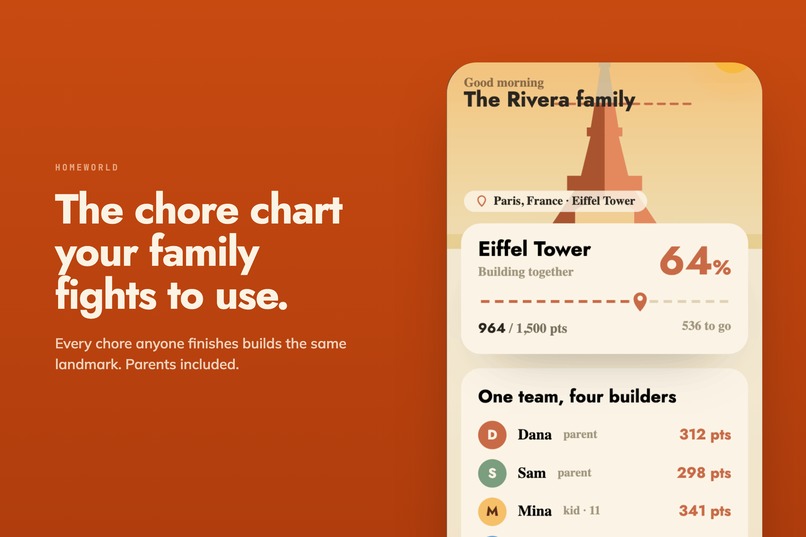
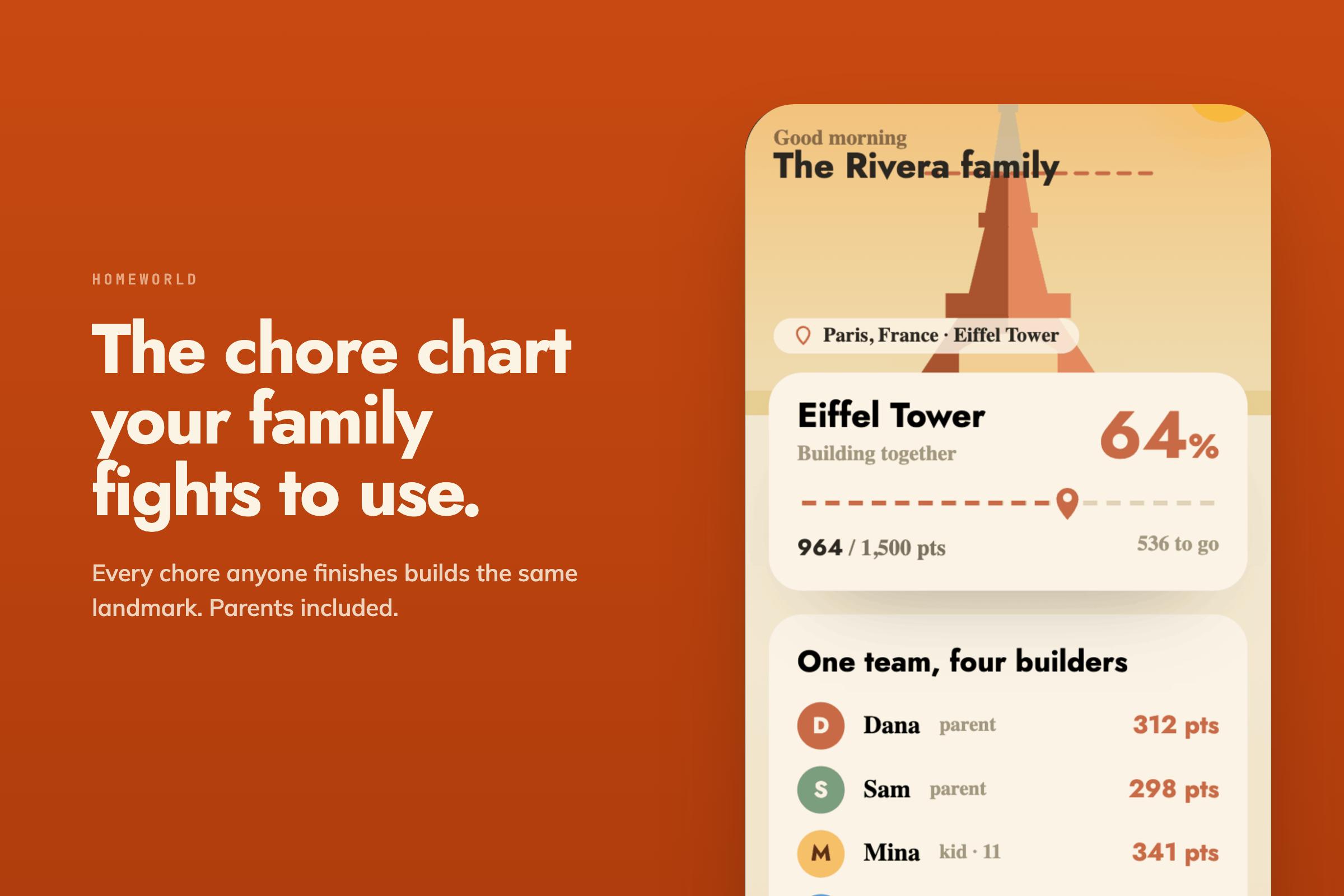
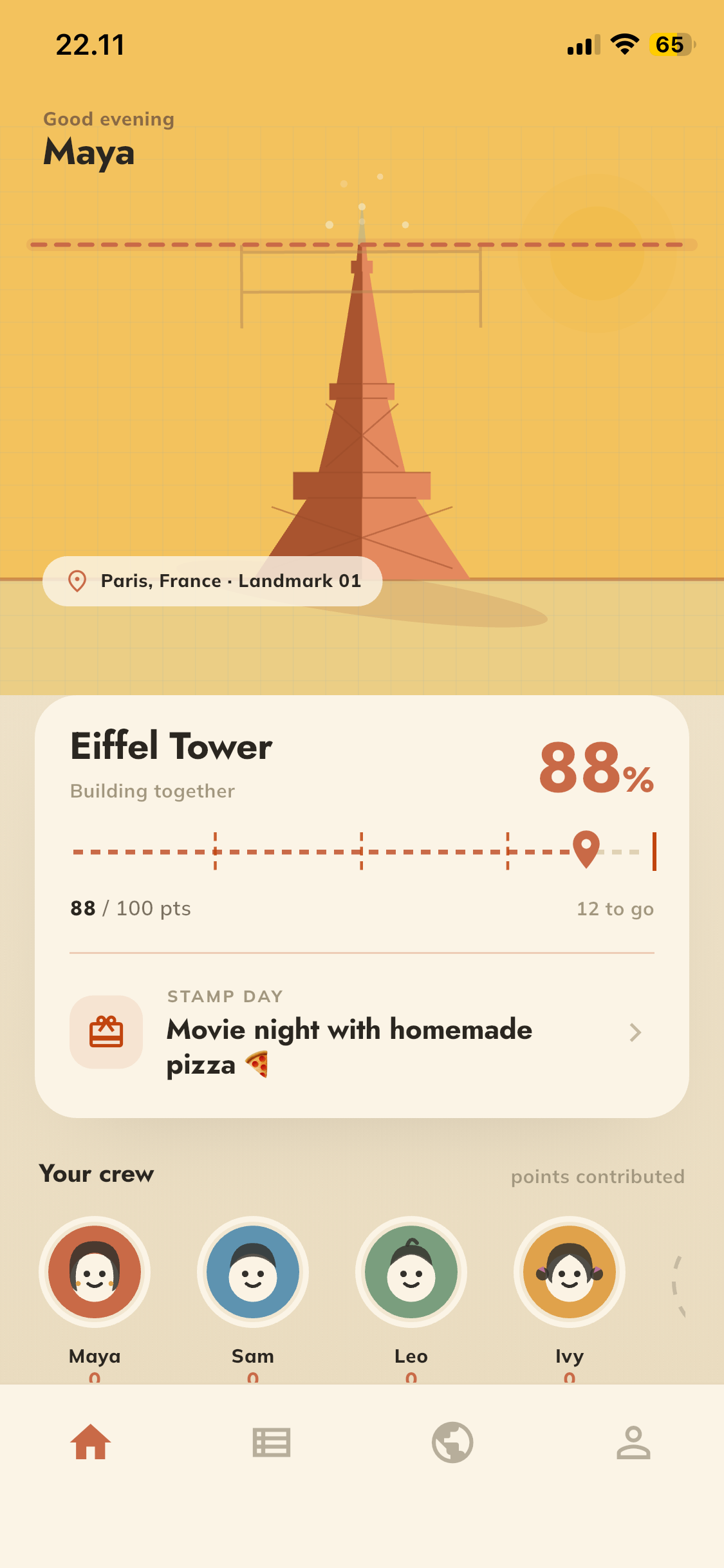
A shared home screen, not a parent dashboard. Every family member contributes to one landmark, with the same visual weight.
-
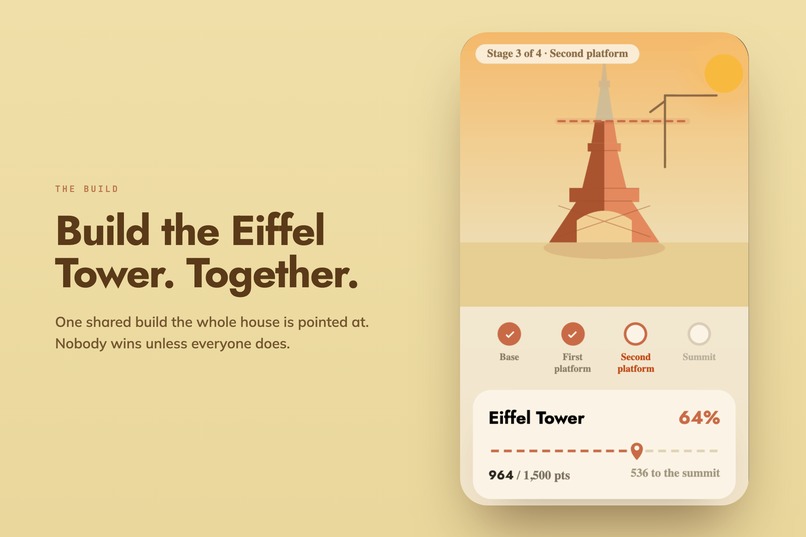
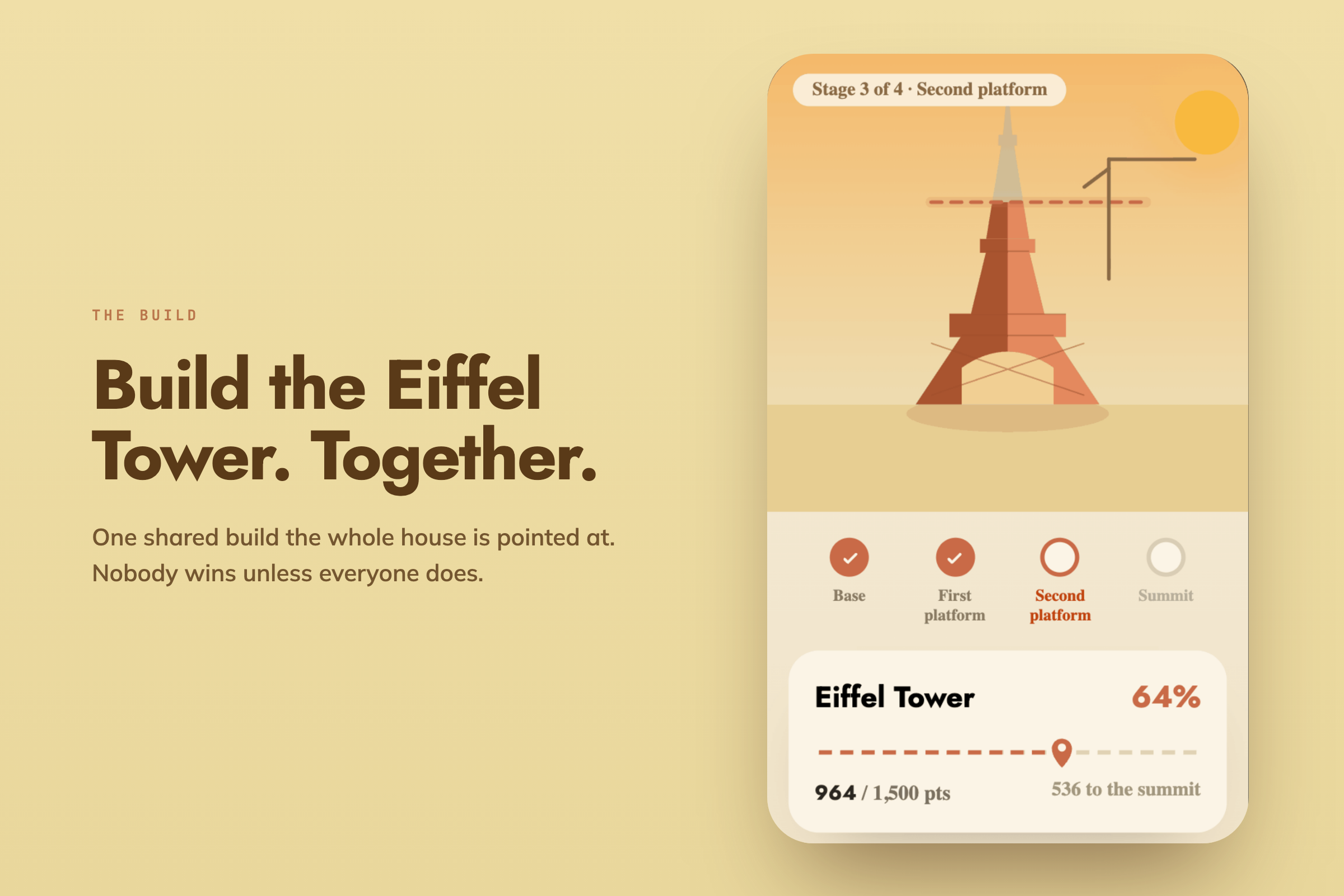
Progress has a physical feeling. Each chore moves the family through a four-stage landmark build instead of filling generic progress bar.
-
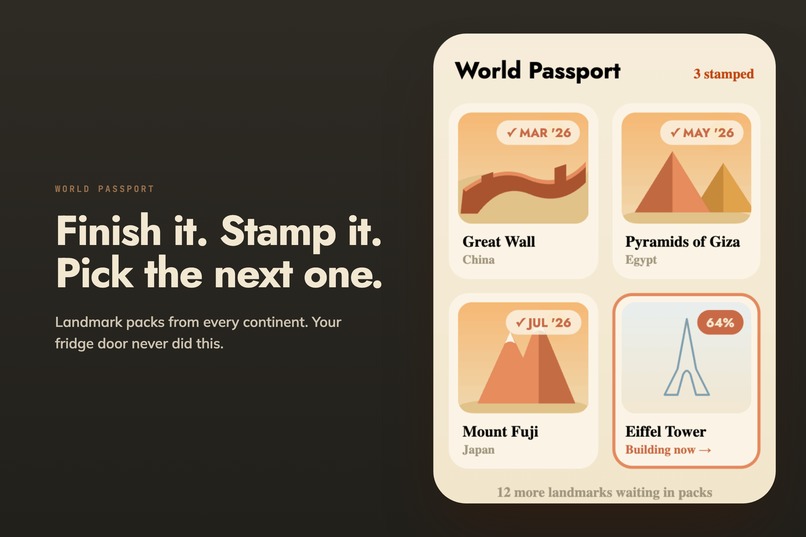
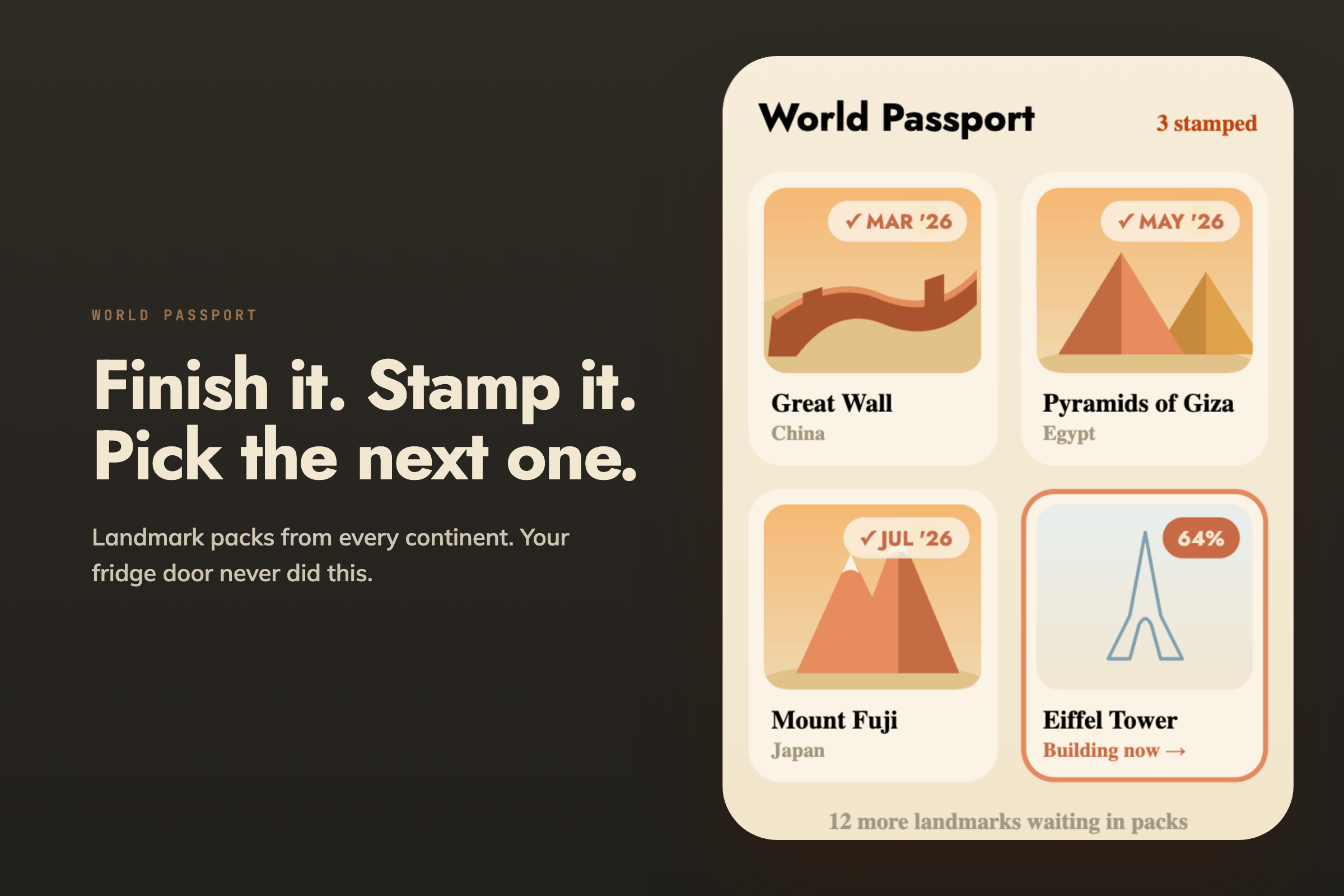
The World Passport makes progress worth keeping. Completed landmarks become a growing record of what the family built together.
-
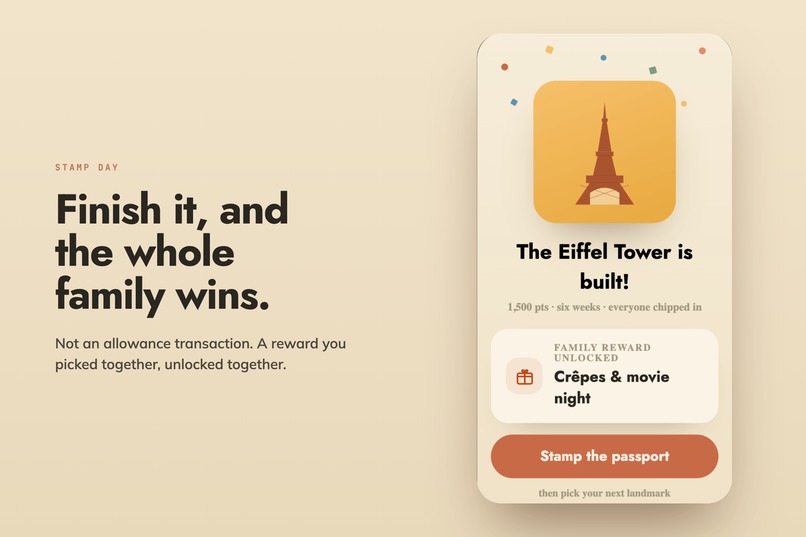
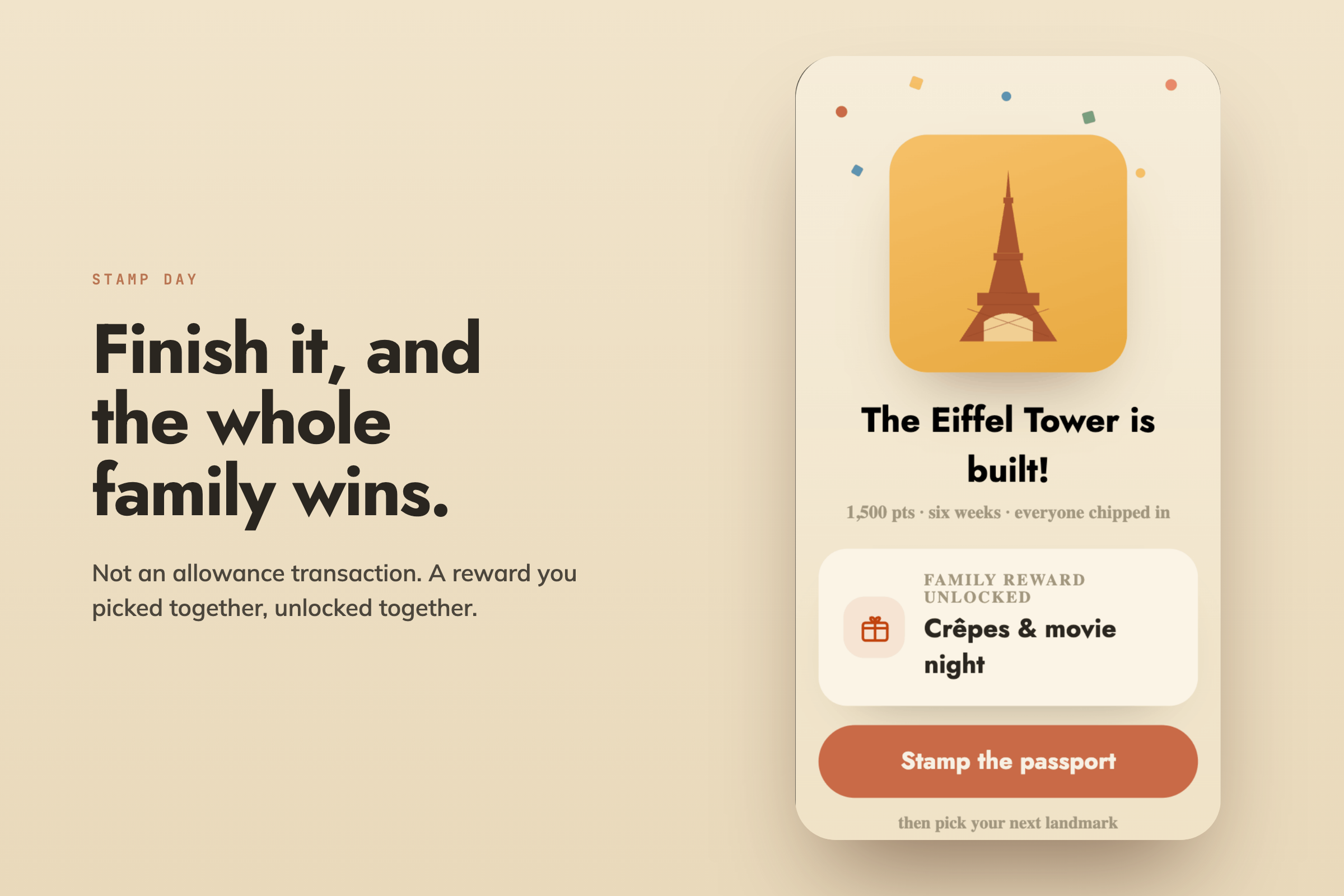
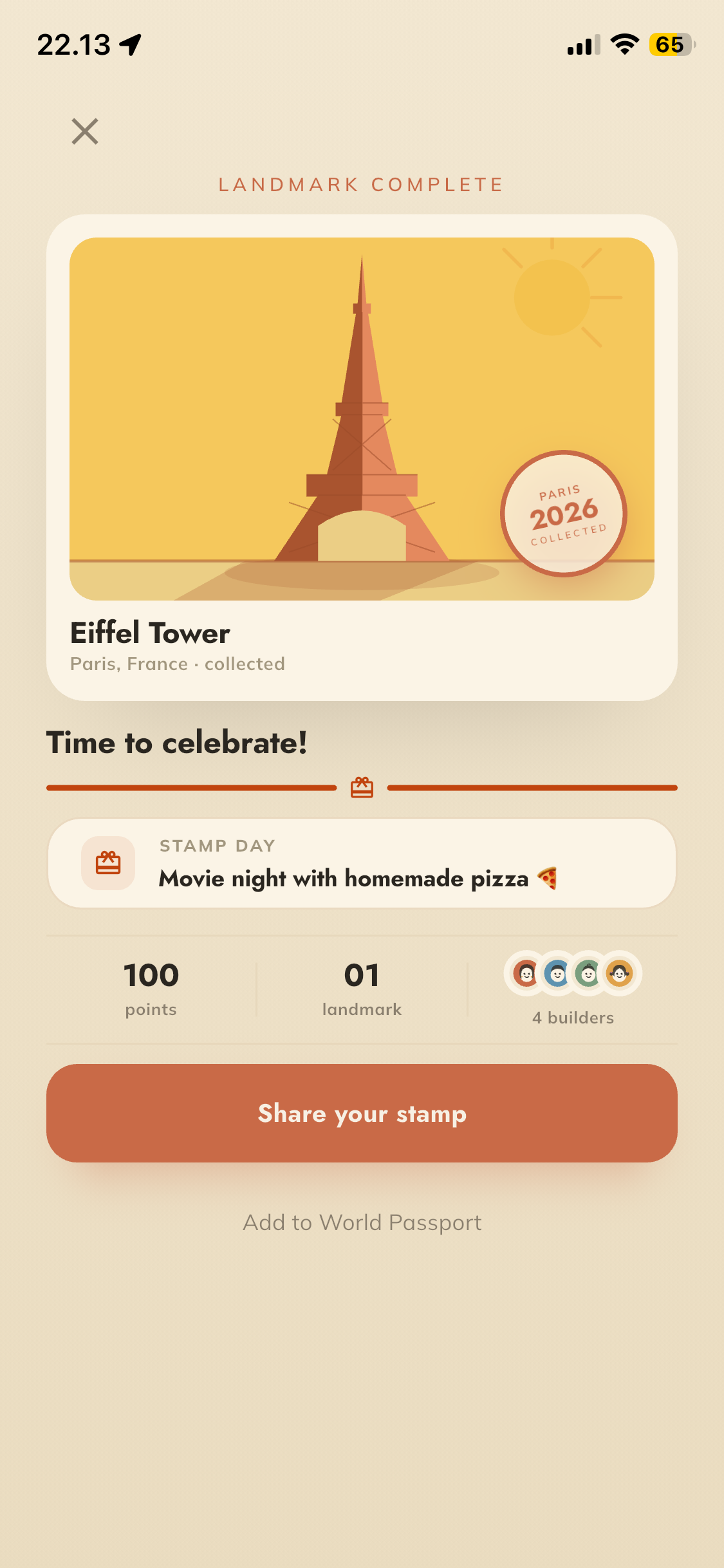
Stamp Day turns completion into a family moment. Finish the landmark, unlock the reward the family chose together, then celebrate.
-
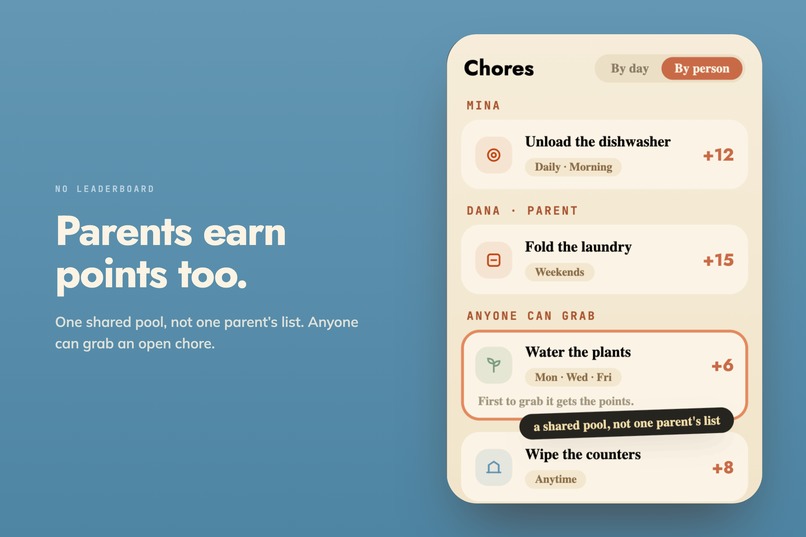
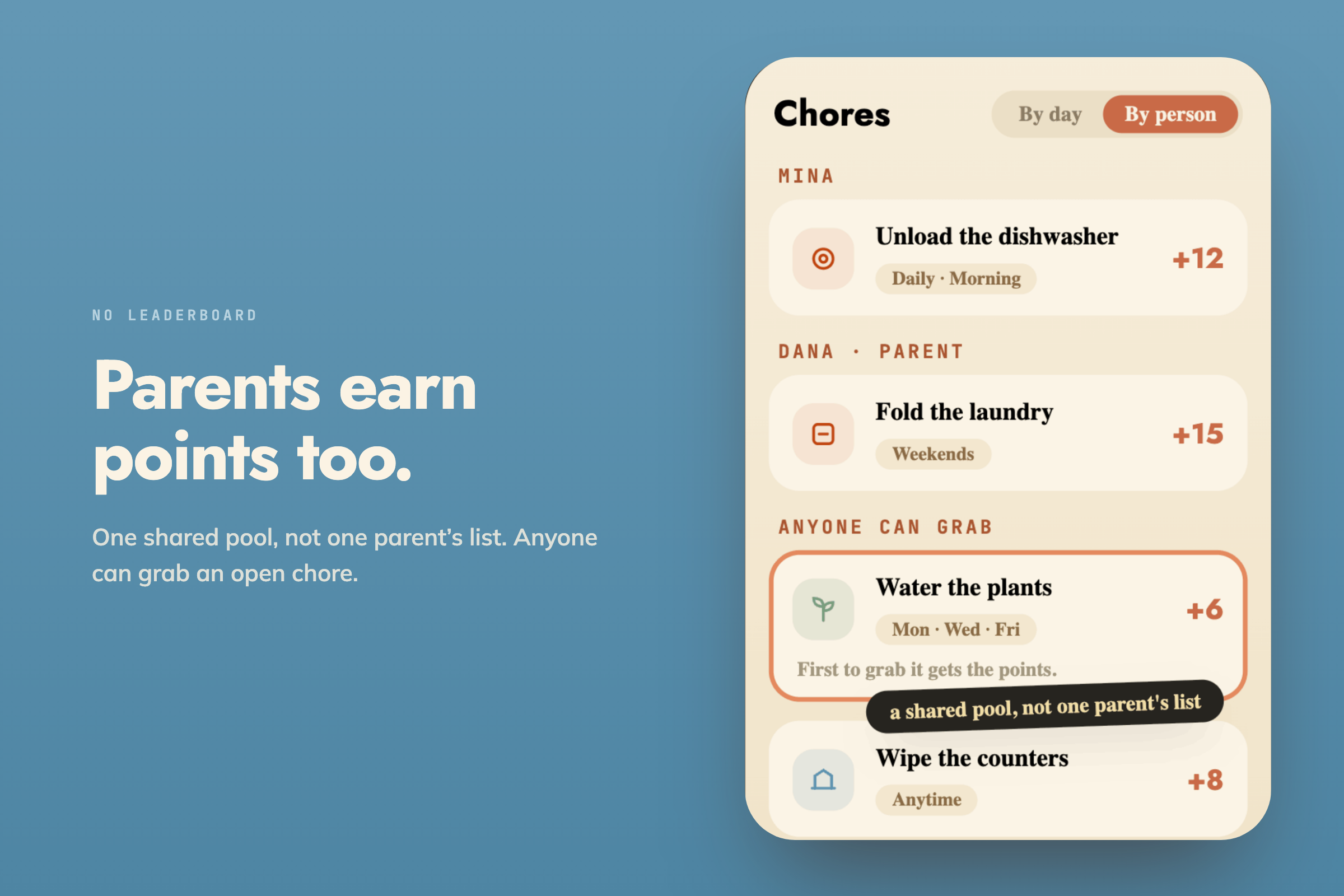
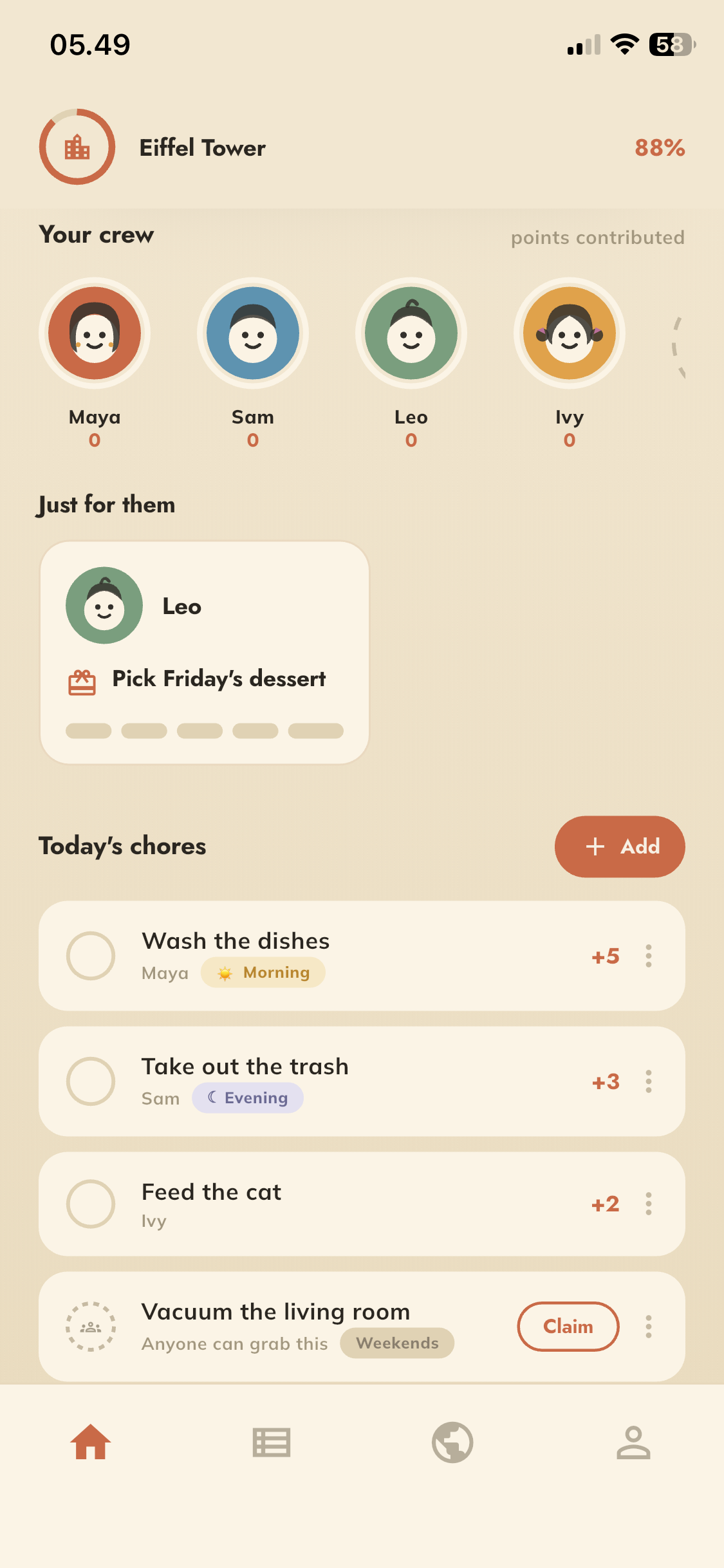
No leaderboard by design. Homeworld makes adults and kids teammates, with claimable chores and a shared goal instead of a ranking.
-
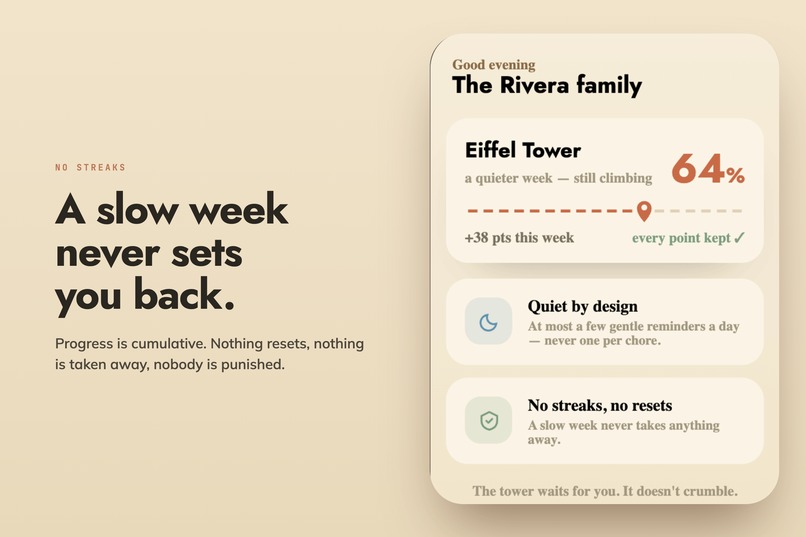
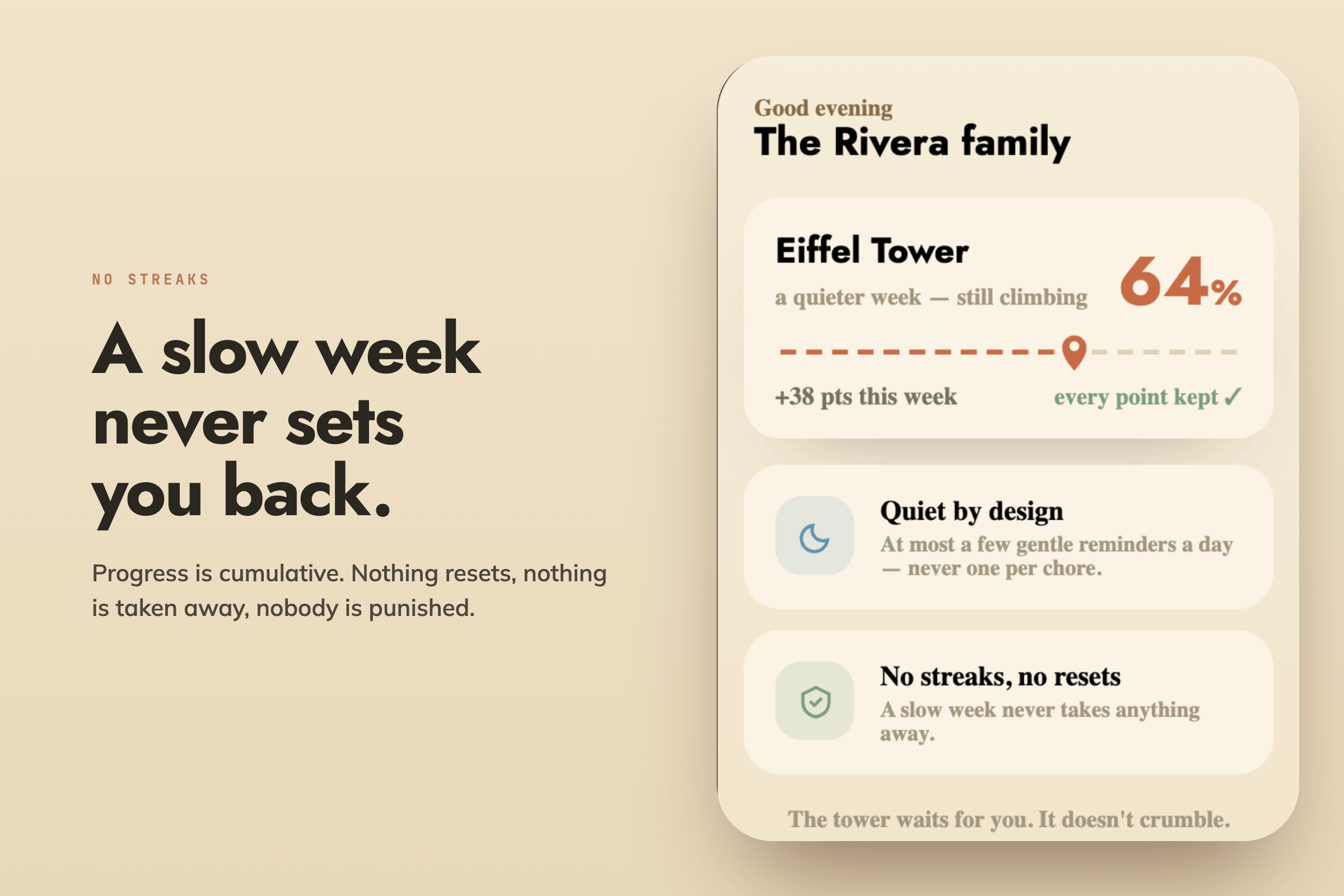
No guilt loop. Landmark progress is cumulative, so a slow week never erases anyone’s work or turns the app into another source of pressure.
-
App Icon
-
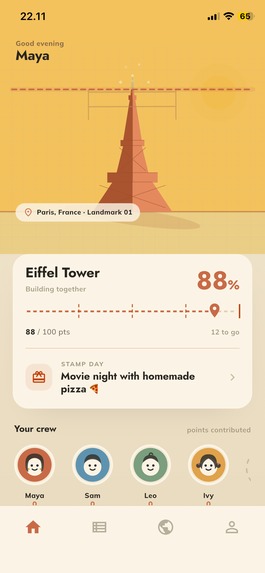
Home screen of the Homeworld app with the Eiffel reach its latest stage before completed.
-
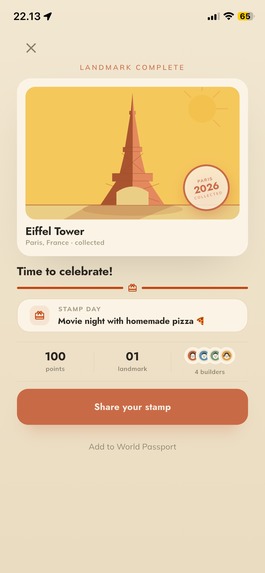
Stampday: A sequence once the landmark is completed and the family unlock real reward.
-
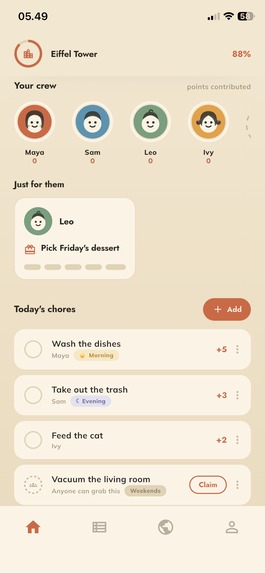
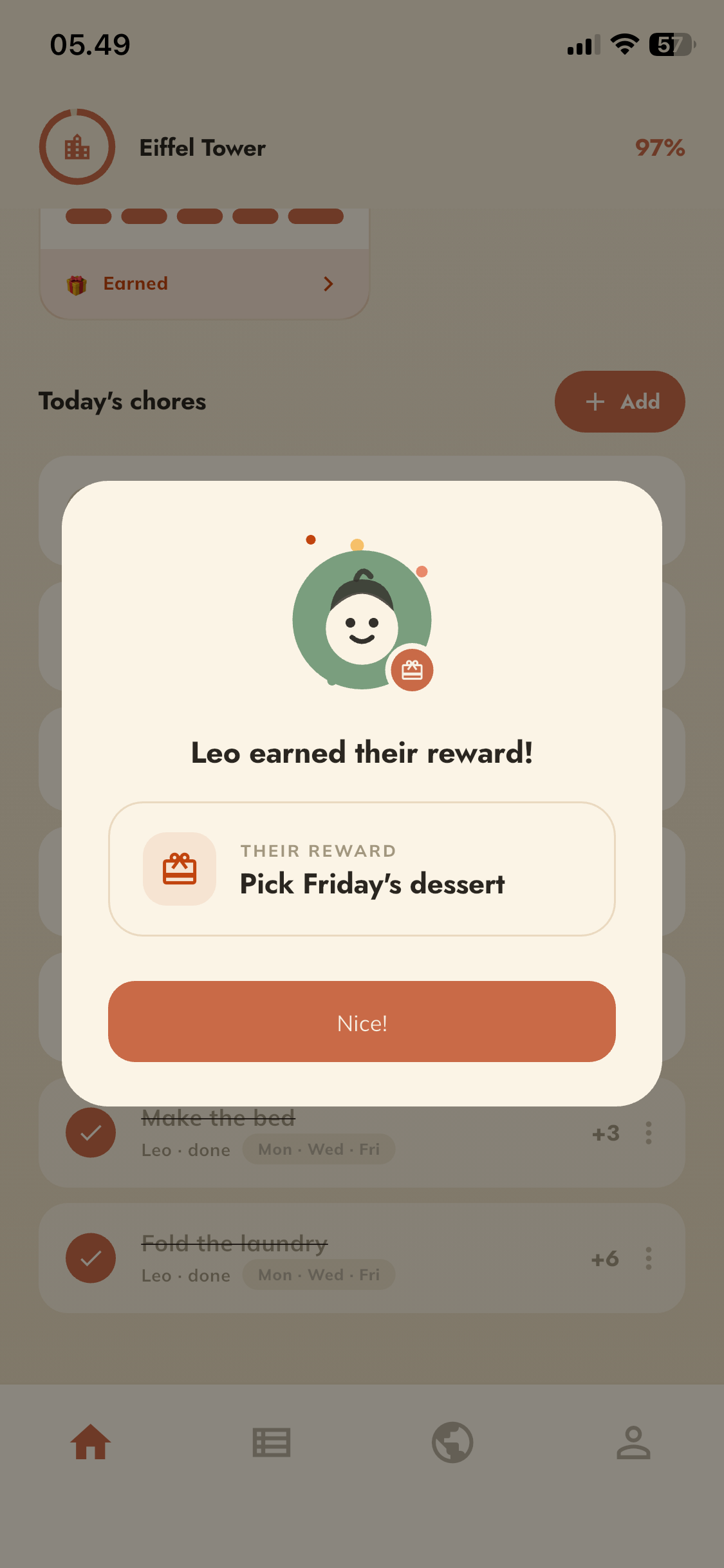
A Pro feature where a kid can have their own personal reward.
-
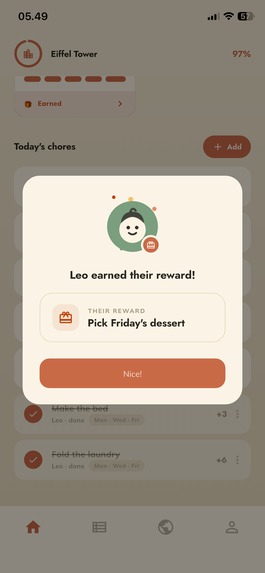
A kid personal reward is unlocked.

Inspiration
I built Homeworld because I kept forgetting my share of the housework. Small tasks piled up, someone else had to remember them, and the result was a home that felt more stressful than it needed to be. Most chore apps make one person the manager and everyone else the people being managed. I wanted to make the whole family feel like a team instead. That meant no leaderboard, no public scorekeeping, and no parent-versus-kid dynamic. Just a shared goal that gives everyday work a little more meaning.
What it does
Homeworld is a family chore app where every completed task helps the household build a shared world landmark, such as the Eiffel Tower or the Great Wall. When the landmark is finished, the family unlocks a real reward they chose together, like pizza night or a movie, and earns a stamp in their World Passport. Then they choose their next landmark and keep building. Adults and kids are equal players. Chores can be assigned or claimed by anyone, but all points go into one shared build. The app is designed to replace nagging with a clear, positive reason to pitch in.
How we built it
Homeworld is a Flutter app for iOS and Android. I used Riverpod for state management and go_router for navigation, with Firebase handling authentication, real-time household sync, storage, Cloud Functions, and Crashlytics. The app has a clean data layer so the interface does not depend directly on Firebase. That made it possible to test the full family experience with an in-memory version of the app while keeping the production app connected to Firestore. I built the landmark system around hand-drawn SVG illustrations with progressive build stages, so a landmark visibly grows as the family completes chores. RevenueCat powers household-wide subscriptions and one-time landmark packs, while OneSignal handles respectful reminders and celebration notifications. Challenges we ran into The biggest challenge was getting the landmark experience right. It had to feel rewarding enough that checking off a chore created a real moment of progress, without making the app feel childish or distracting. Getting the illustration stages, progress milestones, celebration flow, and World Passport to feel like one connected experience took a lot of iteration. The other hard part was resisting the default shape of a chore app. It is easy to build a single-player checklist or a parent-admin system. Homeworld needed to work for a whole household, where adults and kids are teammates and nobody is publicly ranked against anyone else. That decision affected everything from the points system to the language, notifications, rewards, and pricing.
Accomplishments that we're proud of
I am proud that Homeworld feels like a real product rather than a checklist with a theme on top. People who have seen it have called it beautiful and responded strongly to the idea of building something together instead of competing over chores. I am also proud of the product principles behind it. There is no punishment for a slow week. Landmark progress is never taken away. Children are not put into a purchase flow. Reminders are designed to help without turning one family member into the household nag. Most of all, I am proud that the core idea survives in the details: every screen tries to make household work feel shared.
What we learned
We learned that the most important product decision was not the landmark art or the points system. It was deciding what Homeworld should refuse to do. Families do not need another leaderboard that shows who did the least. They do not need guilt-based streaks or a dashboard that makes one adult responsible for everyone else. They need a system that makes the next helpful action obvious and gives the whole household a reason to care about it. We also learned that design has to carry the product philosophy. The shared landmark, the equal-sized family profiles, the collective reward, and the World Passport all reinforce the same message: this is something we are building together.
What's next for Homeworld: Chores, Together
Next, we are focused on getting Homeworld into more families and learning from real use. That means marketing the app, listening closely to feedback, and improving the parts of the experience that help a household come back day after day. We will keep expanding the world with new landmark packs, giving families more places to build toward together. We also plan to add a way for one family to gift a landmark pack to another, so grandparents, friends, or other families can sponsor the next shared adventure.


Log in or sign up for Devpost to join the conversation.