-
-
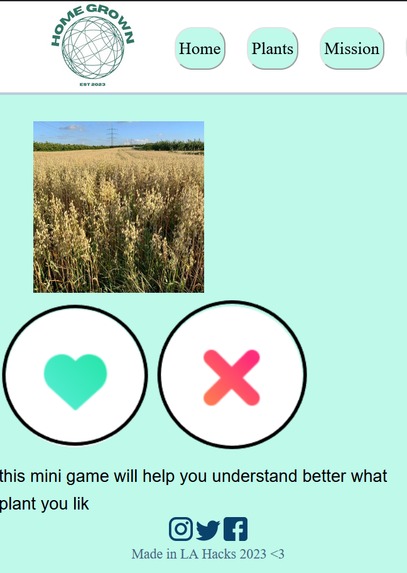
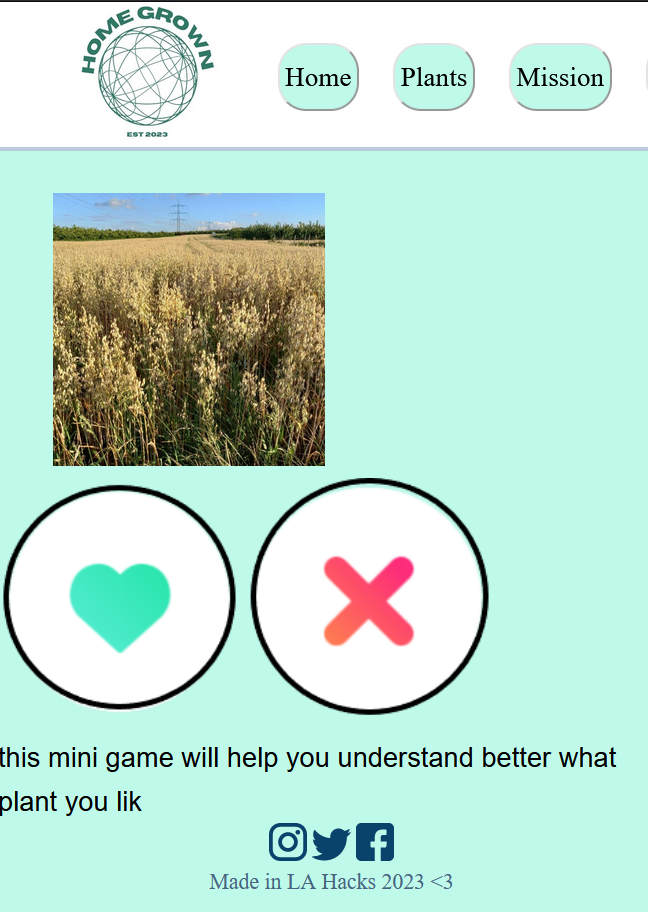
mini game to have some fun
-
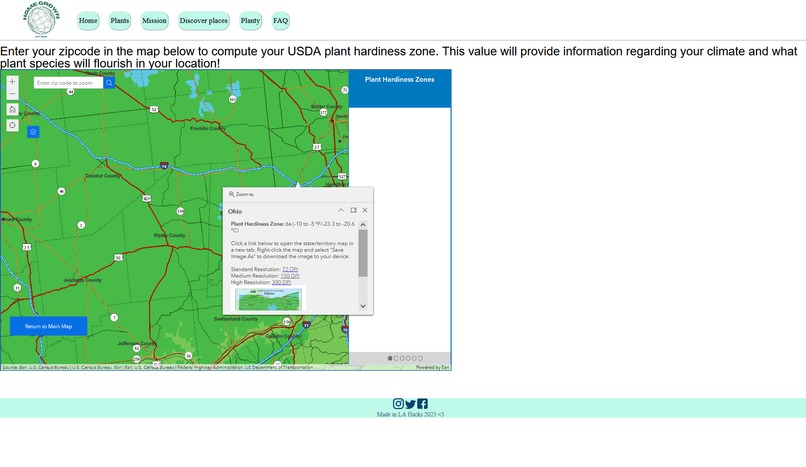
interactive software to get to know more about plants
-
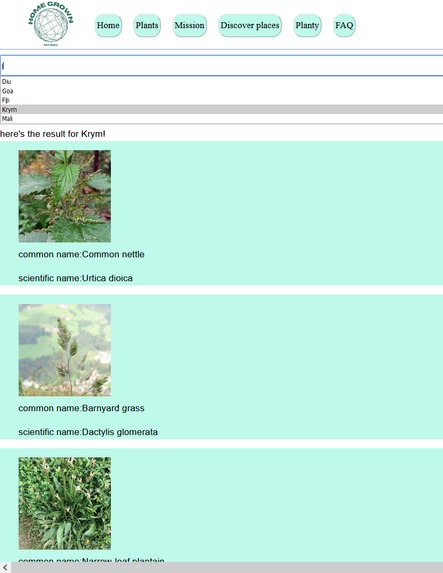
explore plants arround different place of the world
Inspiration
Our group was inspired by the infamous "food deserts" of Southside Chicago - a deeply troubling humanitarian issue where high rates of neighborhood crime drive a vicious cycle wherein basic needs stores close in the region, forcing people in the region to commute for groceries and suffer higher rates of food insecurity and health diagnoses (related to processed or spoiled foods) that perpetuate cycles of poverty. Our attention was particularly drawn to the nonprofit organizations that sought to combat these food deserts through opening and maintaining community gardens. We recognized gardening to be not just effective in reducing one's carbon footprint (by contributing less to the transportation of goods, and processed materials), but also as an important method to alleviate food insecurity and empower communities.
What it does
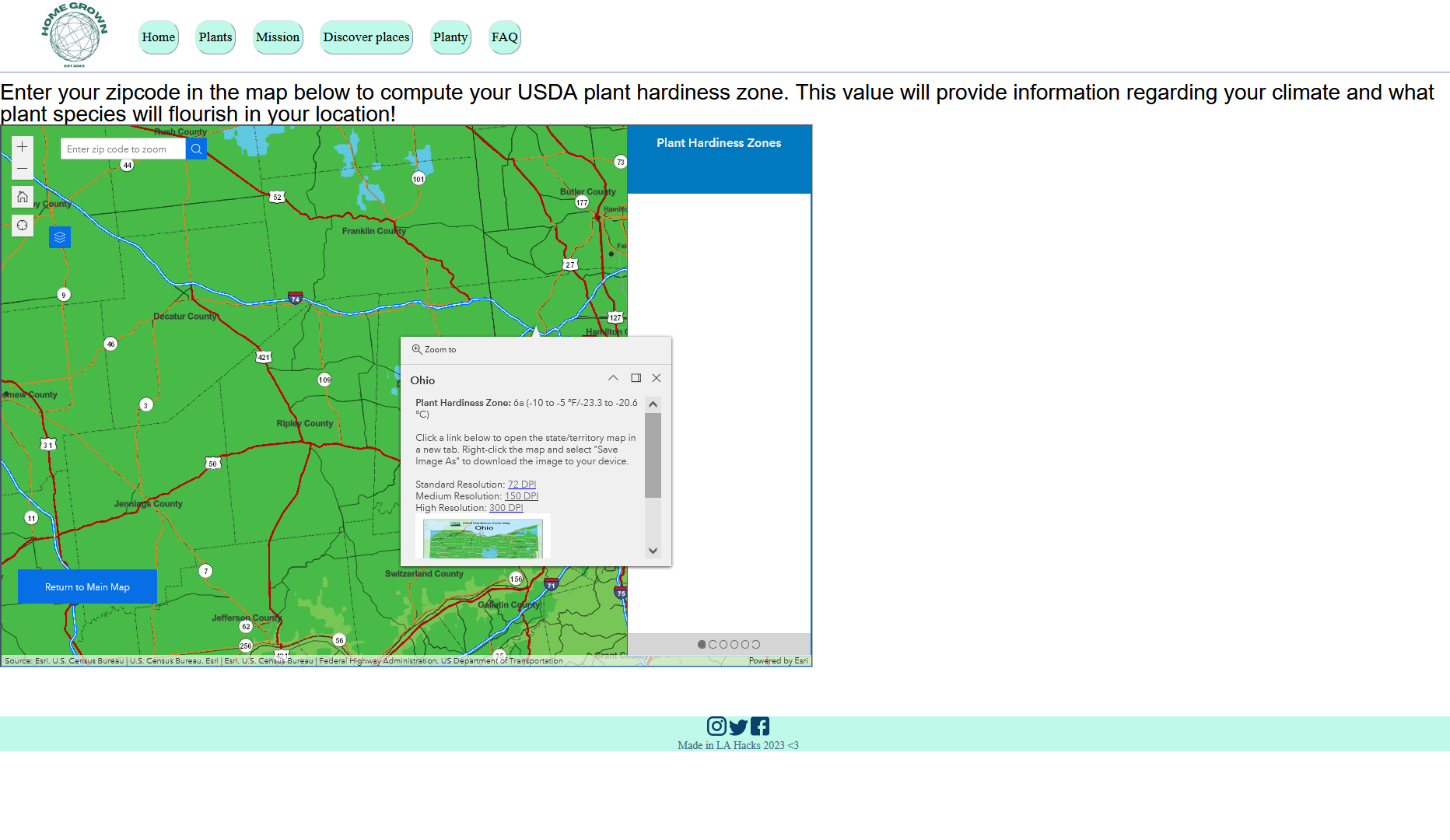
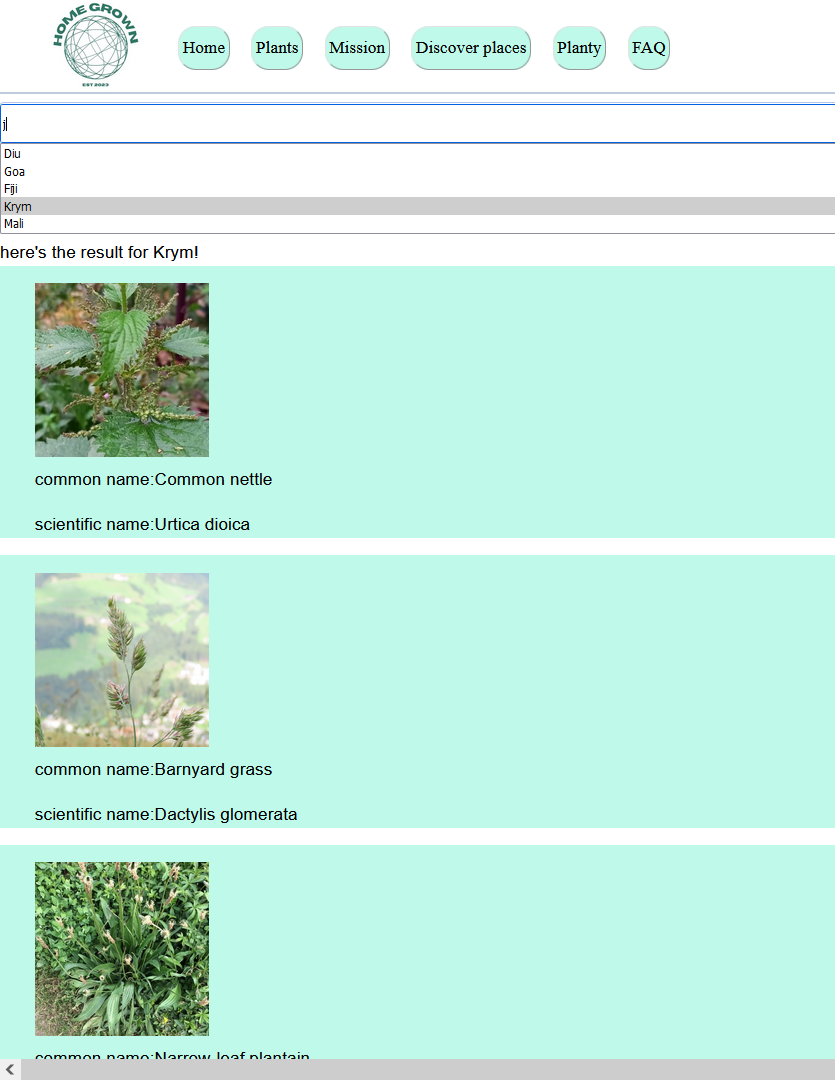
Thus, our idea for HomeGrow was born: it's an web application that allows individuals interested in beginning gardening, farming, or botany to look up native plants in their cities (which could assist with foraging), express their opinion on plant aesthetics for fun (which can help them determine their identity in gardening), and identify what crops their region supports best.
How we built it
After some experimentation with VS Code and numerous technical issues (not all of our team could get it working), we decided to use Replit, since we all had accounts and experience working with it, and it was integrable with most major web dev tech stacks. We first drew wireframes and listed down ideas for the main function of our websites, then did research into APIs of native plants to find one that we could draw from. We coded our website collaboratively (taking advantage of Replit's affordance for group work), using HTML, CSS, JavaScript, and some Python, to manipulate our data files. Our work was predominantly frontend.
Challenges we ran into
3 of our group members were hackathon rookies, and 3 had little to no web development experience, so there was an initial learning curve as we figured out the language and possibilities of the platform we were using for web dev. We initially planned to create a login function and user specific dashboard using Firebase, but it became clear that we were going to run out of time struggling with it when we needed to prioritize getting our site's central features up and running first. We also discussed using React Native to clean up our code files, but we got stuck trying to figure out how to mesh the raw HTML and JS programs that we started out with as practice with the React components we wrote up. We ended up scrapping React and just working with HTML, JS, and CSS.
Accomplishments that we're proud of
We're very proud that so much of our group was able to quickly pick up 3 new languages and complete a web app, especially since most of us had 0 web experience to begin with. We also all had very different experiences with specialties in very different languages, so it was incredible that we were able to contribute these talents to something of social impact.
What we learned
We recognized the full potential of Replit, learned a lot about agricultural zoning and native plants, and figured out how to create csv and json files to pull data from!
What's next for HomeGrown
Our website's UI could be cleaned up significantly, so we will work on that! We will also migrate the project to React using VSCode, and set up the user portal using Firebase and the MERN toolstack for database and backend support. After refining the functionality to be more targeted for helping individual users identify what to grow and where they can grow it, it might be fun to publish as an educational gardening app!


Log in or sign up for Devpost to join the conversation.