-
-
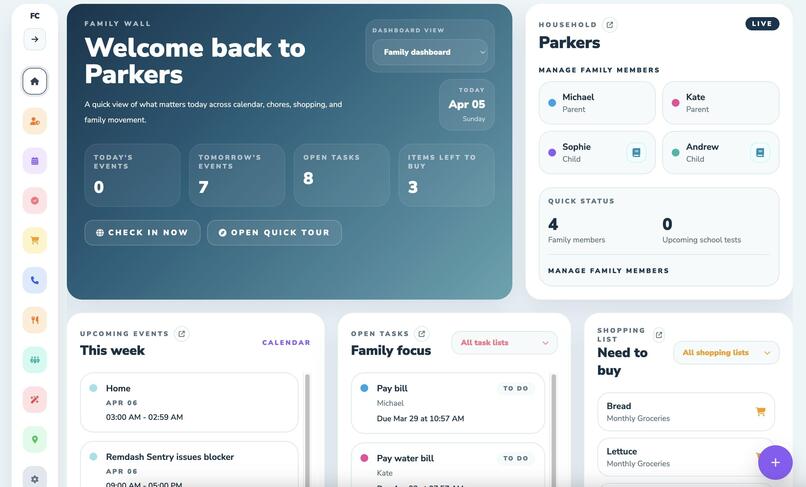
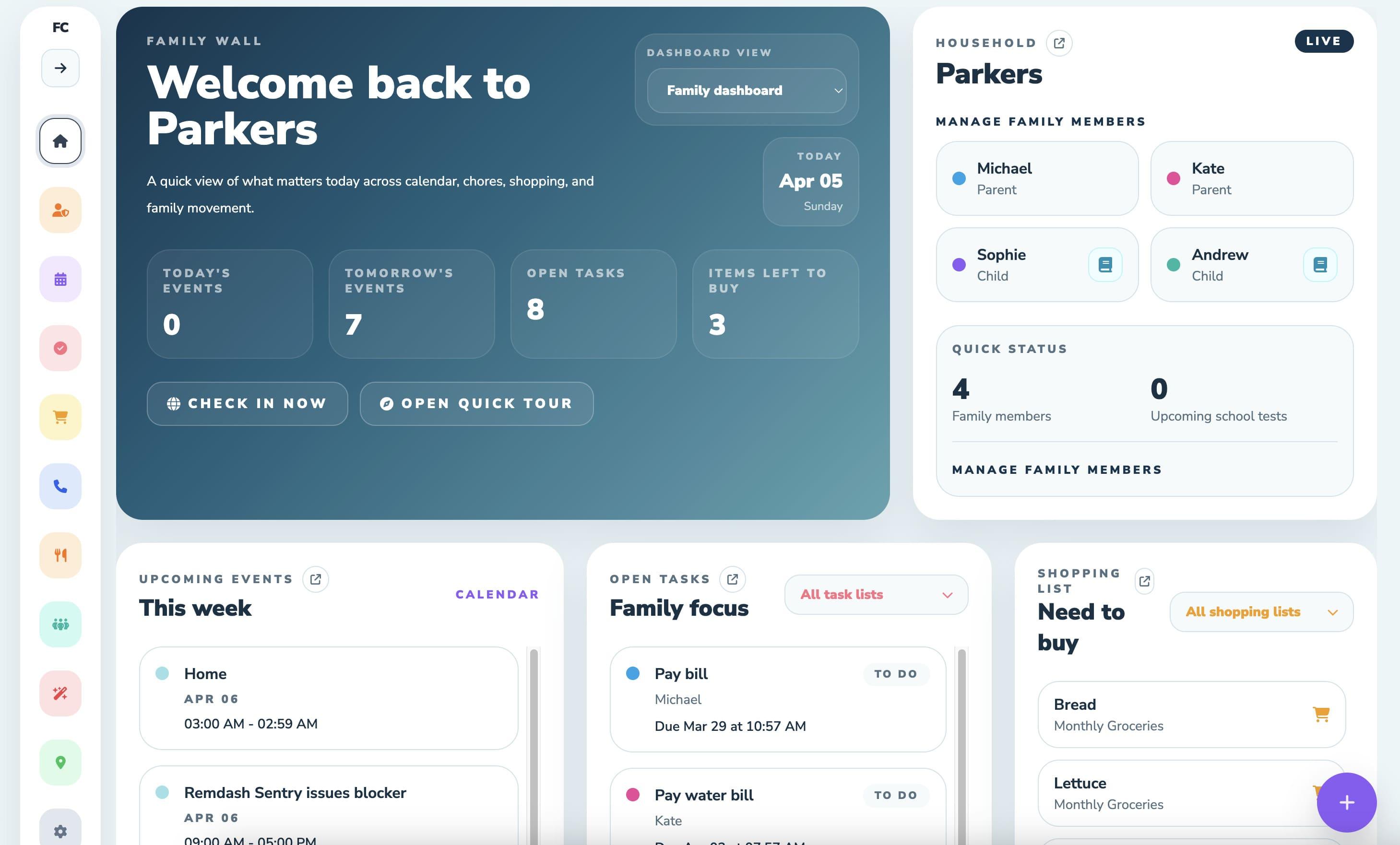
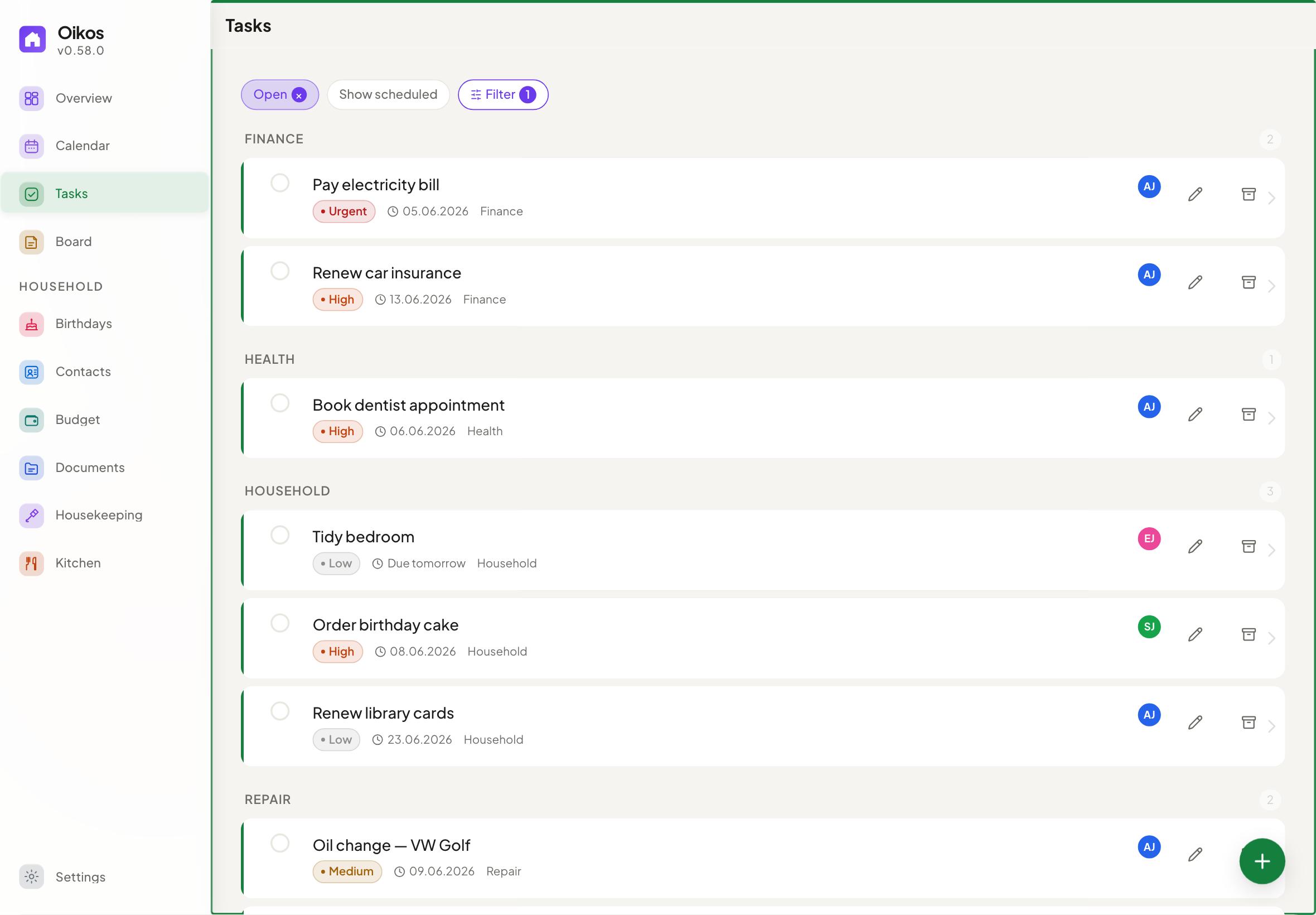
1. HomeFlow AI — Main Dashboard : Manage household chores, reminders, completed tasks, and simulated entry events from one smart dashboard.
-
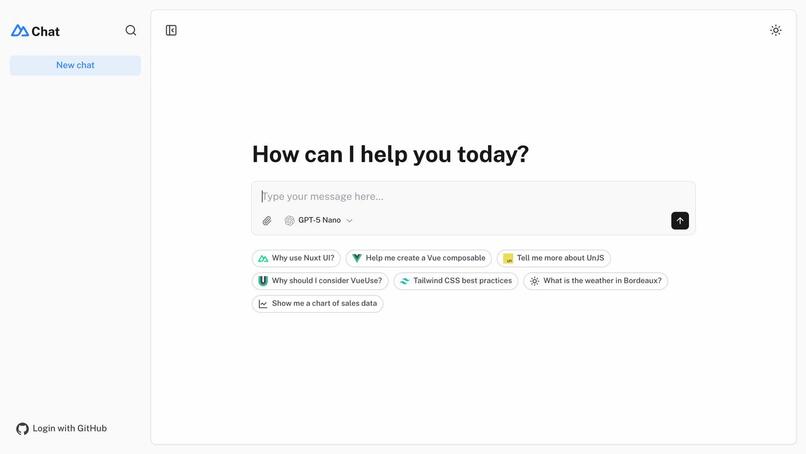
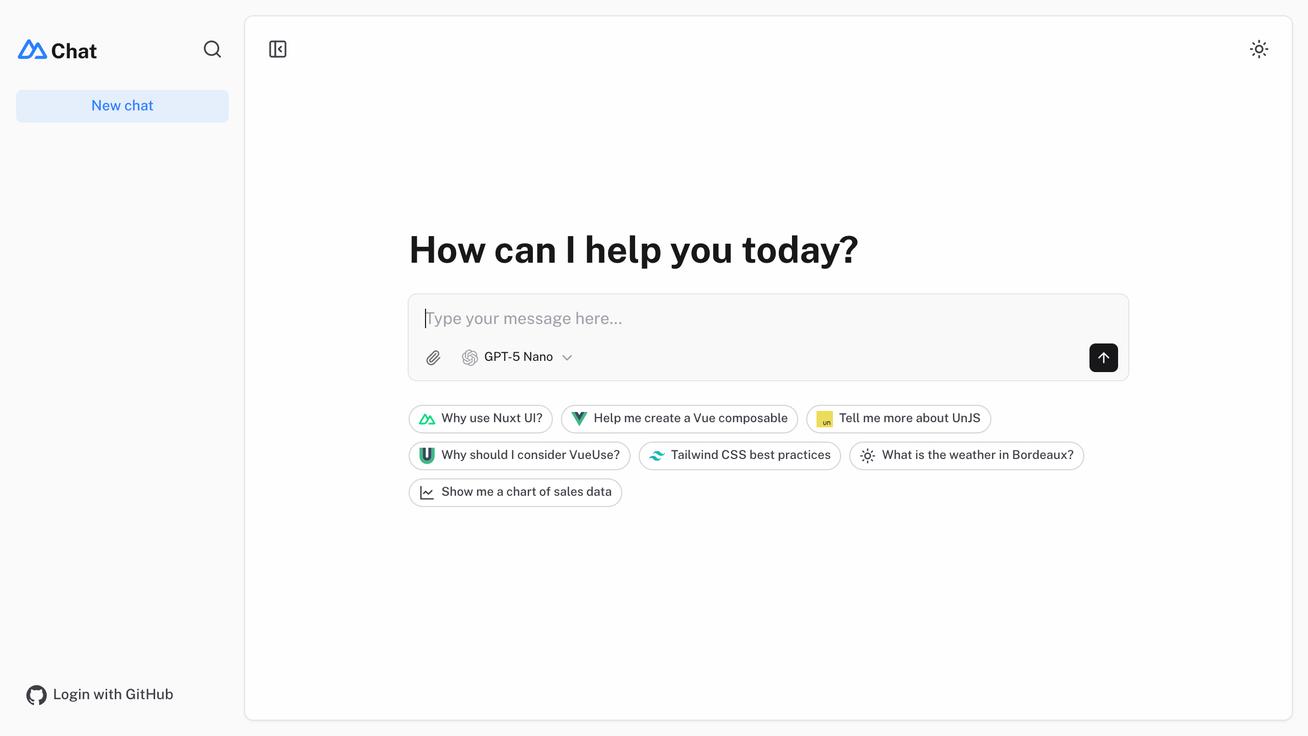
2. Natural-Language Assistant : Use natural language to create tasks, check pending chores, and request household activity summaries.
-
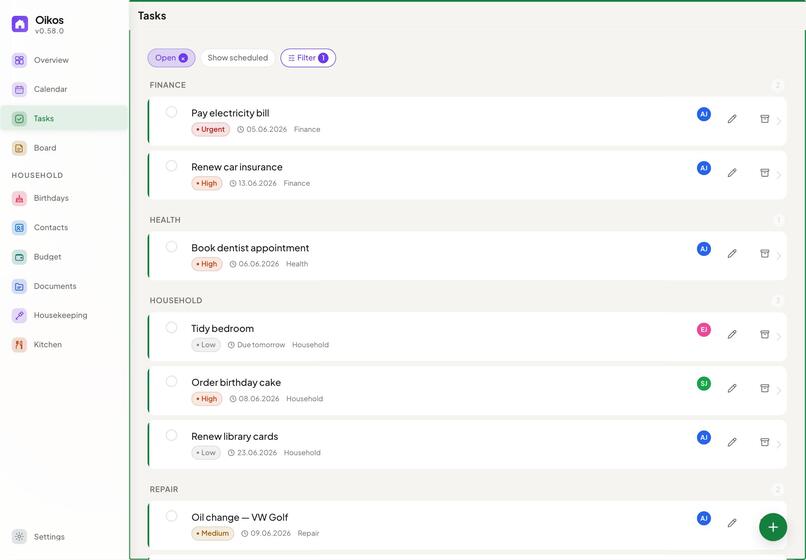
3. Household Task Management : Organize household chores with priorities, categories, due dates, and completion tracking.
-
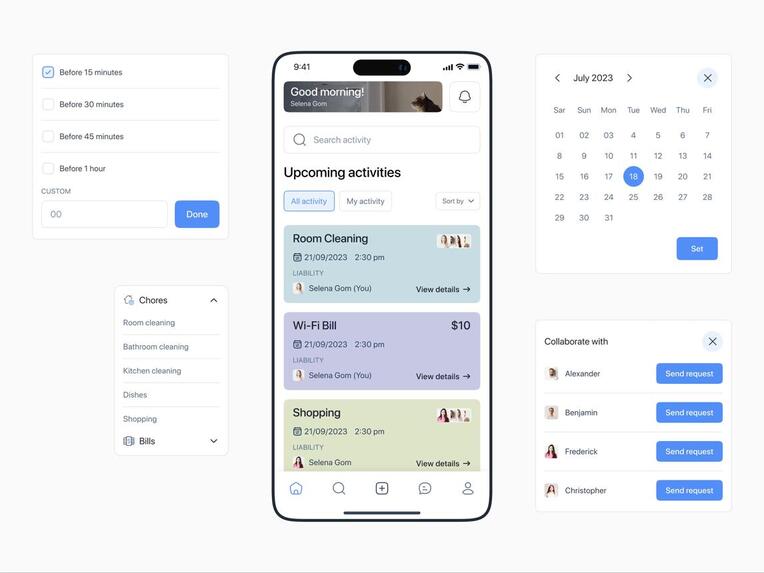
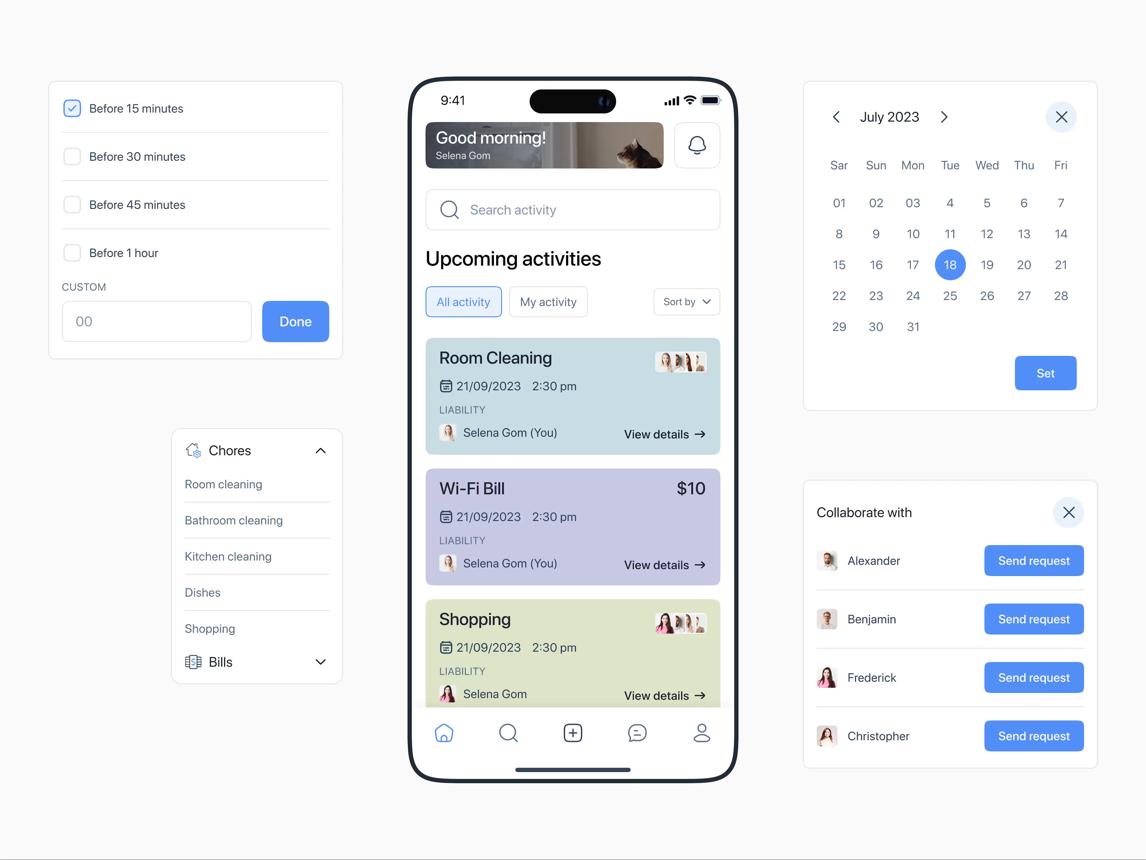
4. Household Reminders : Schedule and track upcoming household activities with convenient in-app reminders.
-
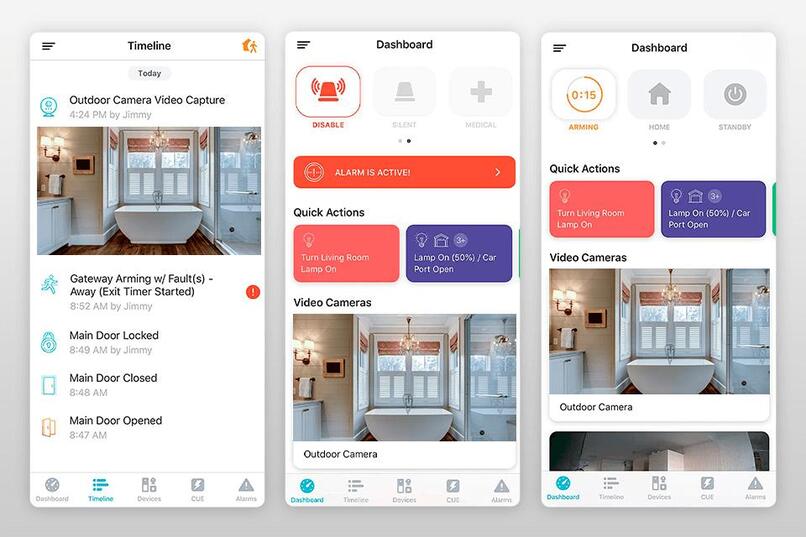
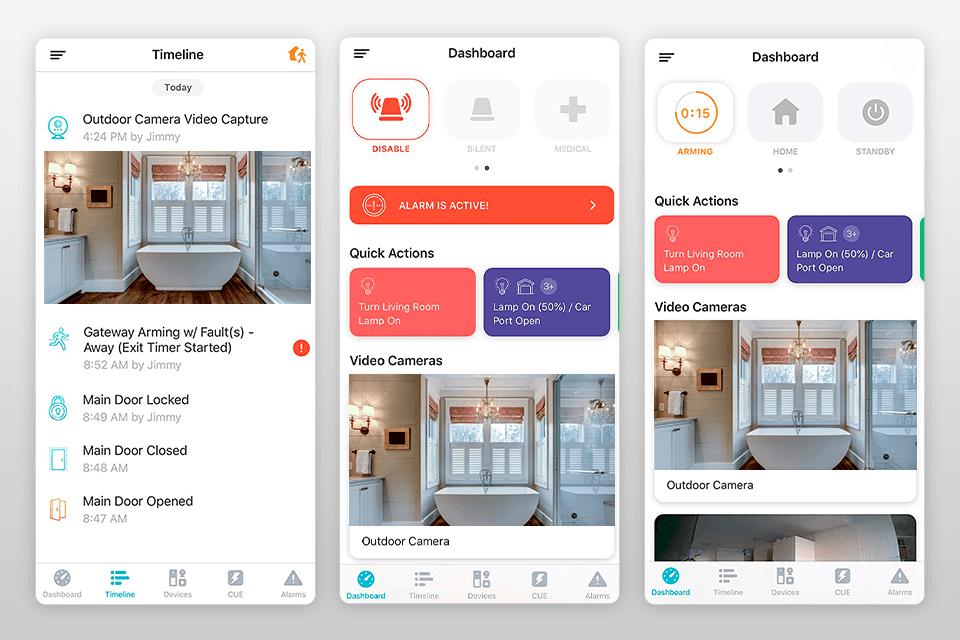
5. Simulated Entry-Event Monitoring : Explore simulated door, motion, and doorbell events. No physical security devices are connected.
-
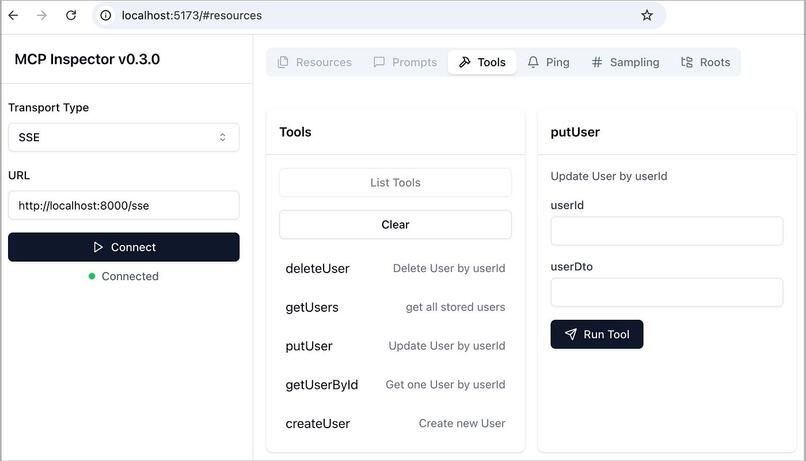
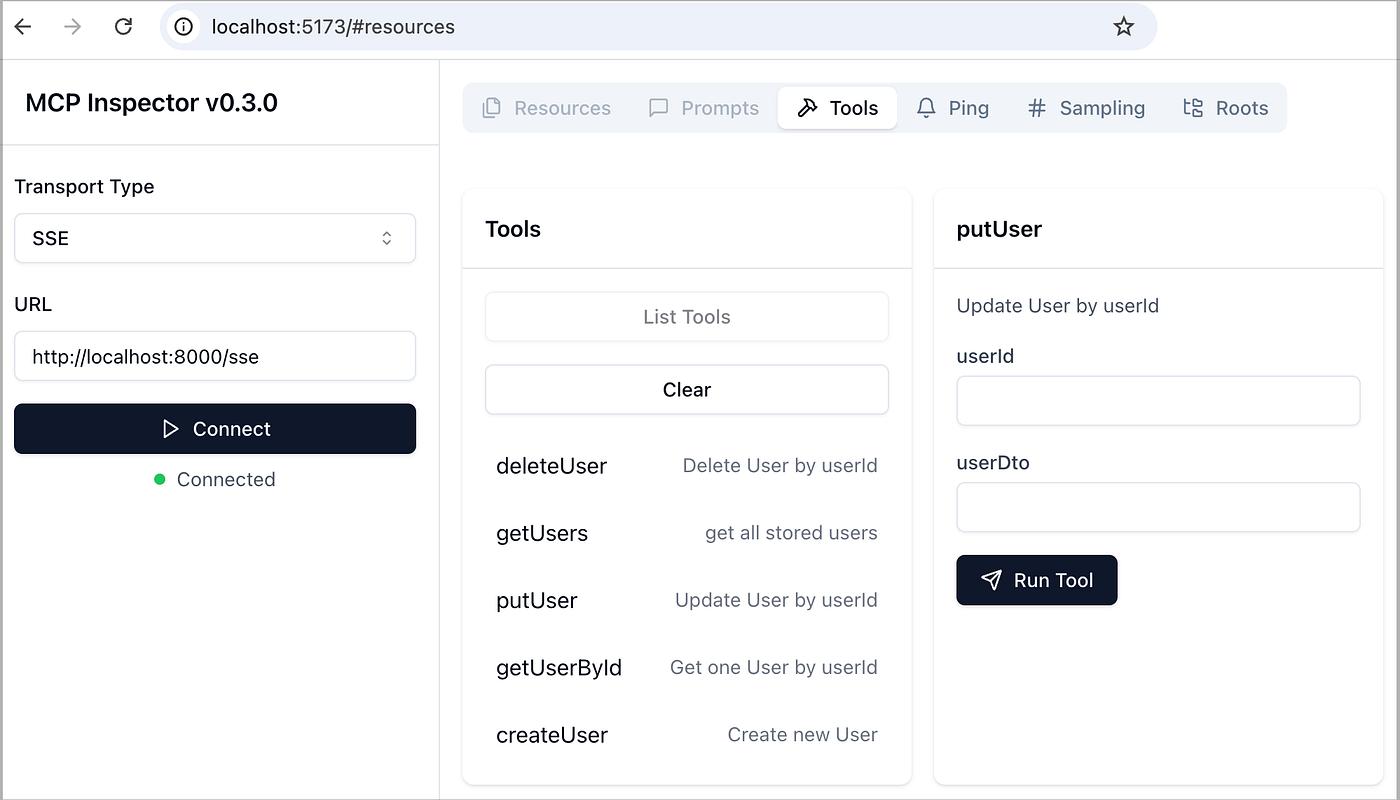
6. MCP-Powered Tool Integration : Connect AI-assisted workflows with structured MCP tools for household task management.
About the Project
Inspiration
Managing a household involves many small but important responsibilities, from completing daily chores and remembering appointments to keeping track of reminders and household activities. These tasks can become difficult to organize when they are spread across different tools or depend entirely on memory.
We were inspired to explore how natural-language interaction and AI-powered tools could make household coordination simpler. This led us to build HomeFlow AI, an intelligent household task and routine coordination assistant that brings task management, reminders, daily summaries, and simulated entry-event monitoring into one dashboard.
What It Does
HomeFlow AI allows users to interact with a household assistant using everyday language. The application is designed to support common requests, such as creating a household task, viewing pending chores, managing reminders, and reviewing household activity summaries.
The dashboard provides an overview of pending and completed tasks, upcoming reminders, and simulated entry events. It also includes a standalone Model Context Protocol (MCP) server with 10 registered tools that operate against the application's SQLite database.
The simulated entry-event feature demonstrates how example household events can be recorded and displayed. These are simulated events and do not represent connections to physical security devices.
How We Built It
We built HomeFlow AI as a web application with a React and Vite frontend, a FastAPI backend written in Python, and SQLite for data storage.
The frontend provides the interactive dashboard, natural-language assistant, task management interface, reminders, and simulated event controls. The backend handles application requests and connects supported operations to the database.
We also implemented a standalone MCP server using the Python MCP SDK, with tools for creating, listing, updating, and completing tasks, alongside other household coordination operations. This allowed us to explore how structured tools can expose application functionality in a consistent way.
We deployed the frontend on Vercel and the backend on Render, making the prototype accessible through a public website.
Challenges We Faced
One of our main challenges was connecting the frontend and backend in a deployed environment. The application worked across separate services, so we had to address API configuration, cross-origin resource sharing (CORS), and production environment variables.
Another challenge was connecting natural-language requests to structured application actions. A request such as adding a task must be interpreted correctly and translated into the appropriate operation. We also had to ensure that the
Built With
- api
- artificial
- context
- css
- fastapi
- html
- intelligence
- javascript
- language
- mcp
- model
- natural
- processing
- protocol
- python
- react
- rest
- sdk
- sqlite
- vercel
- vite

Log in or sign up for Devpost to join the conversation.