-
-
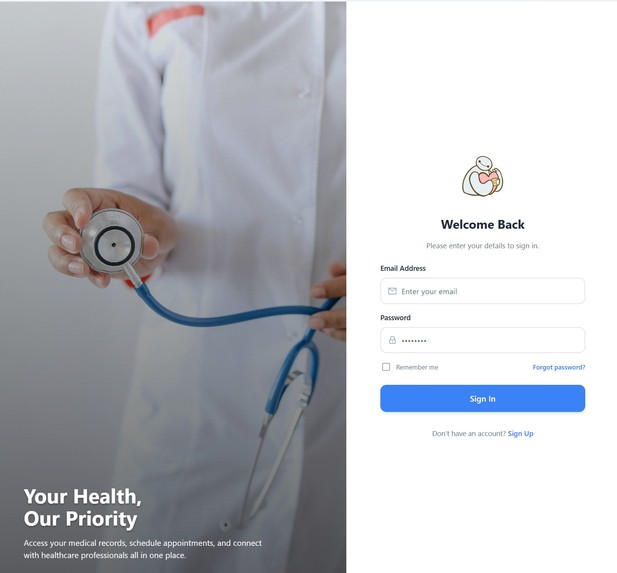
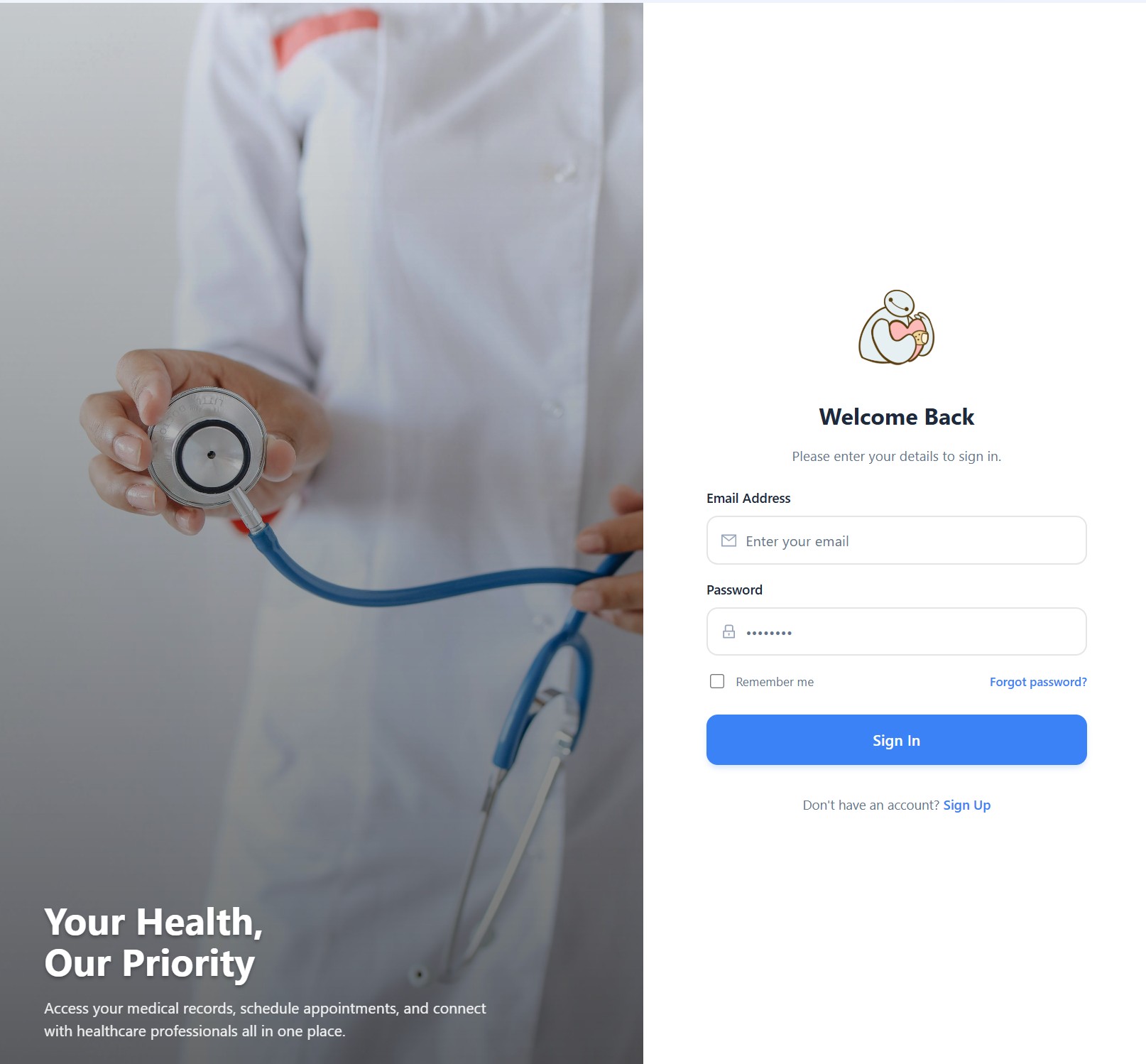
Sign up/log-in page
-
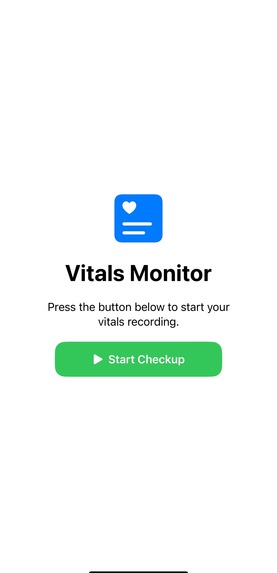
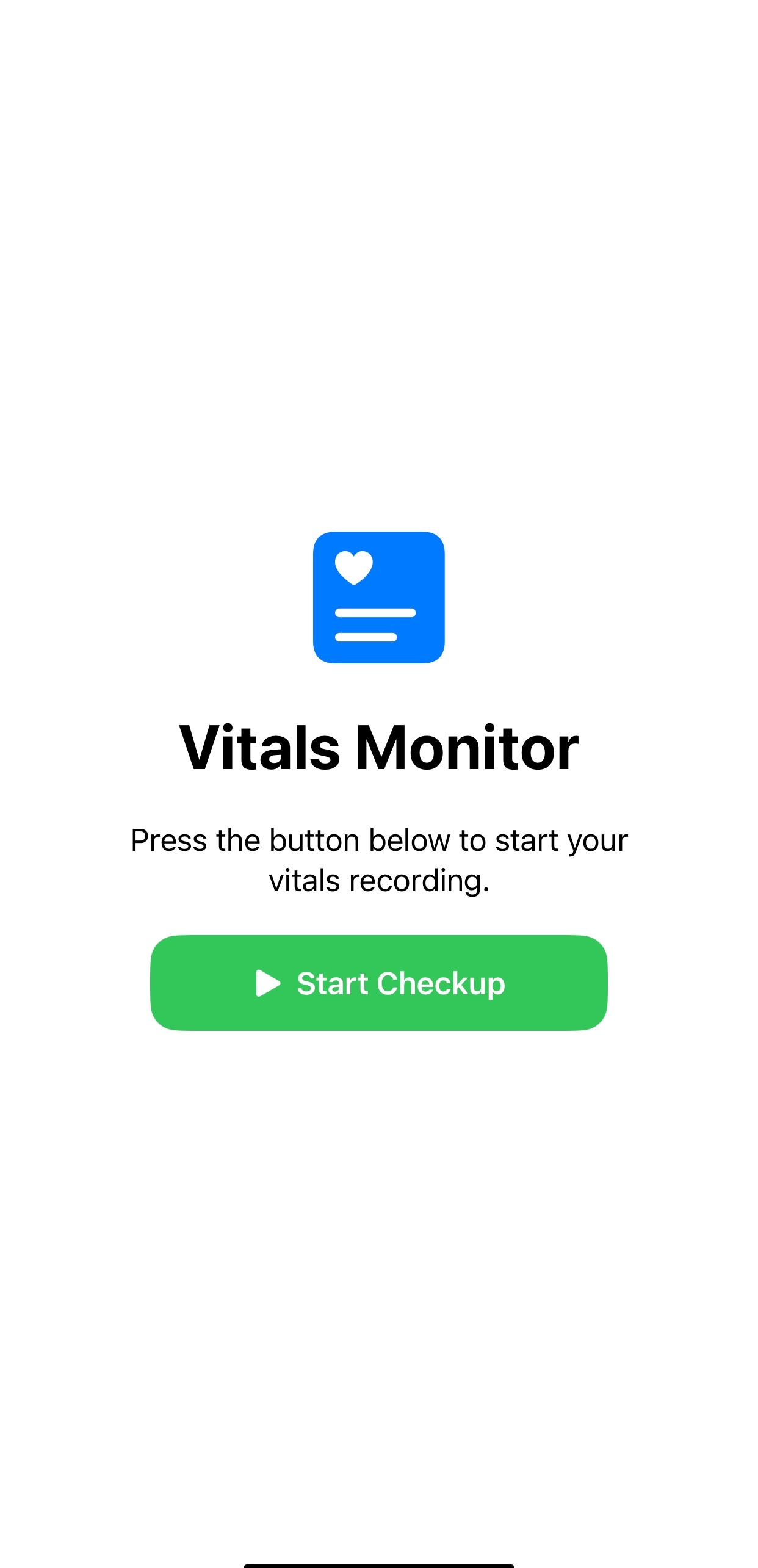
The 'Start Checkup' button on IOS
-
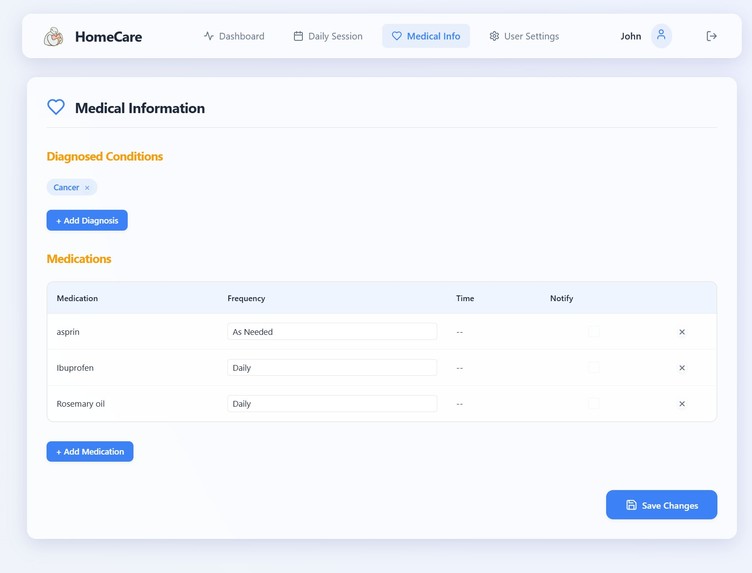
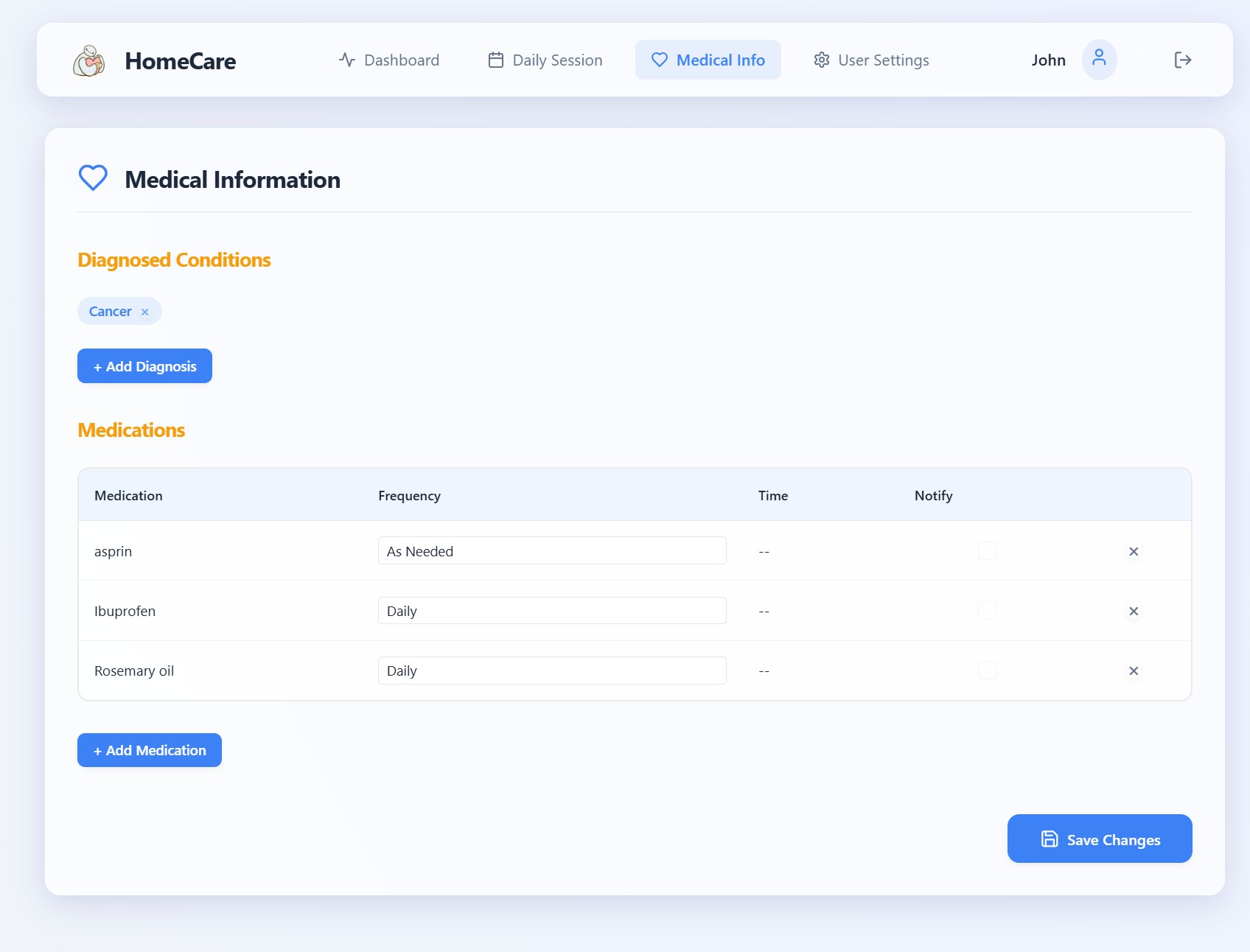
Medication list and notification settings
-
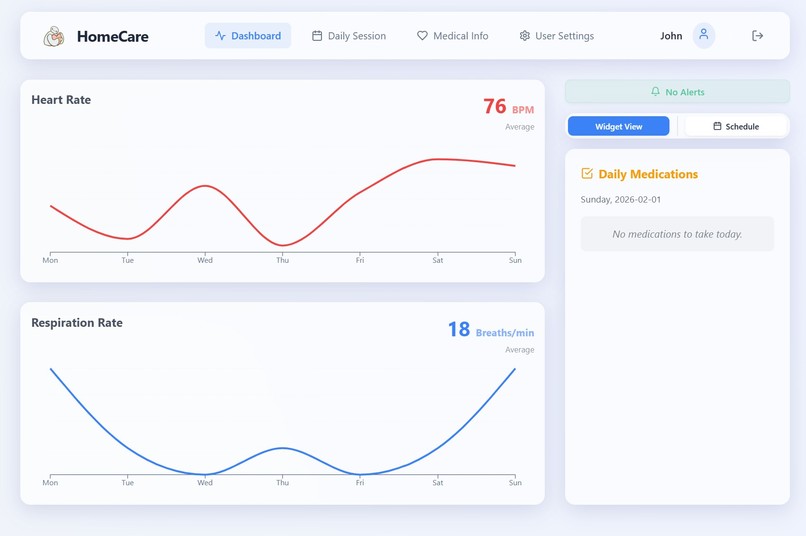
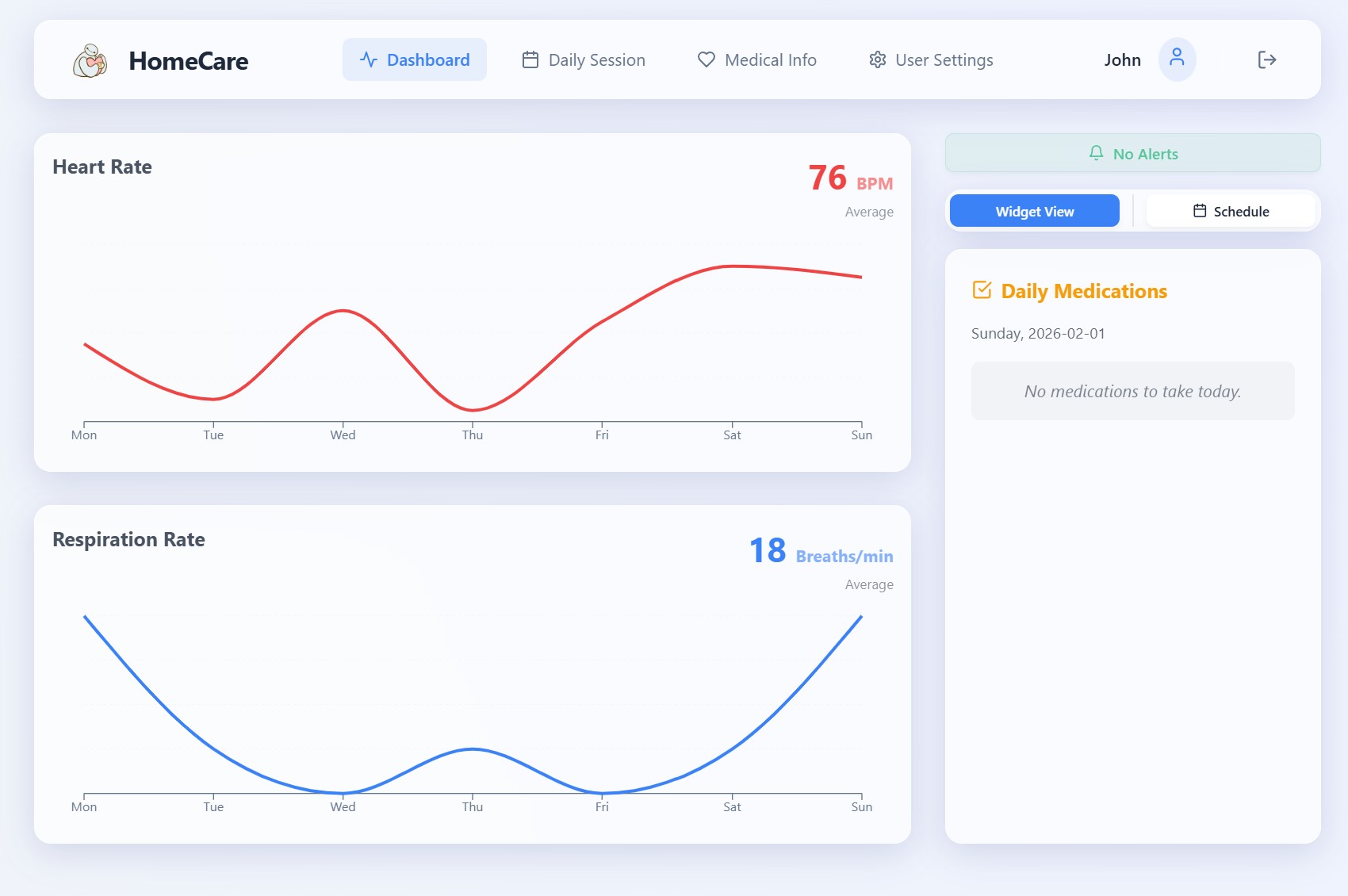
Neat Dashboard data display
-
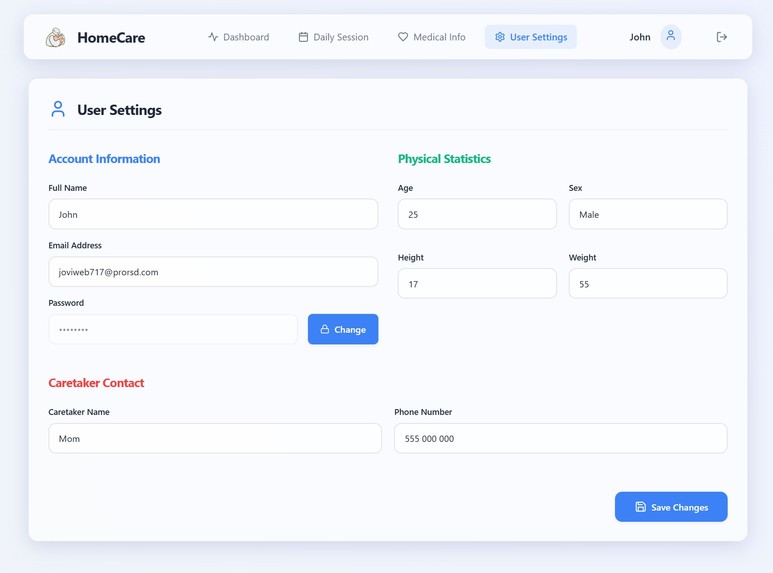
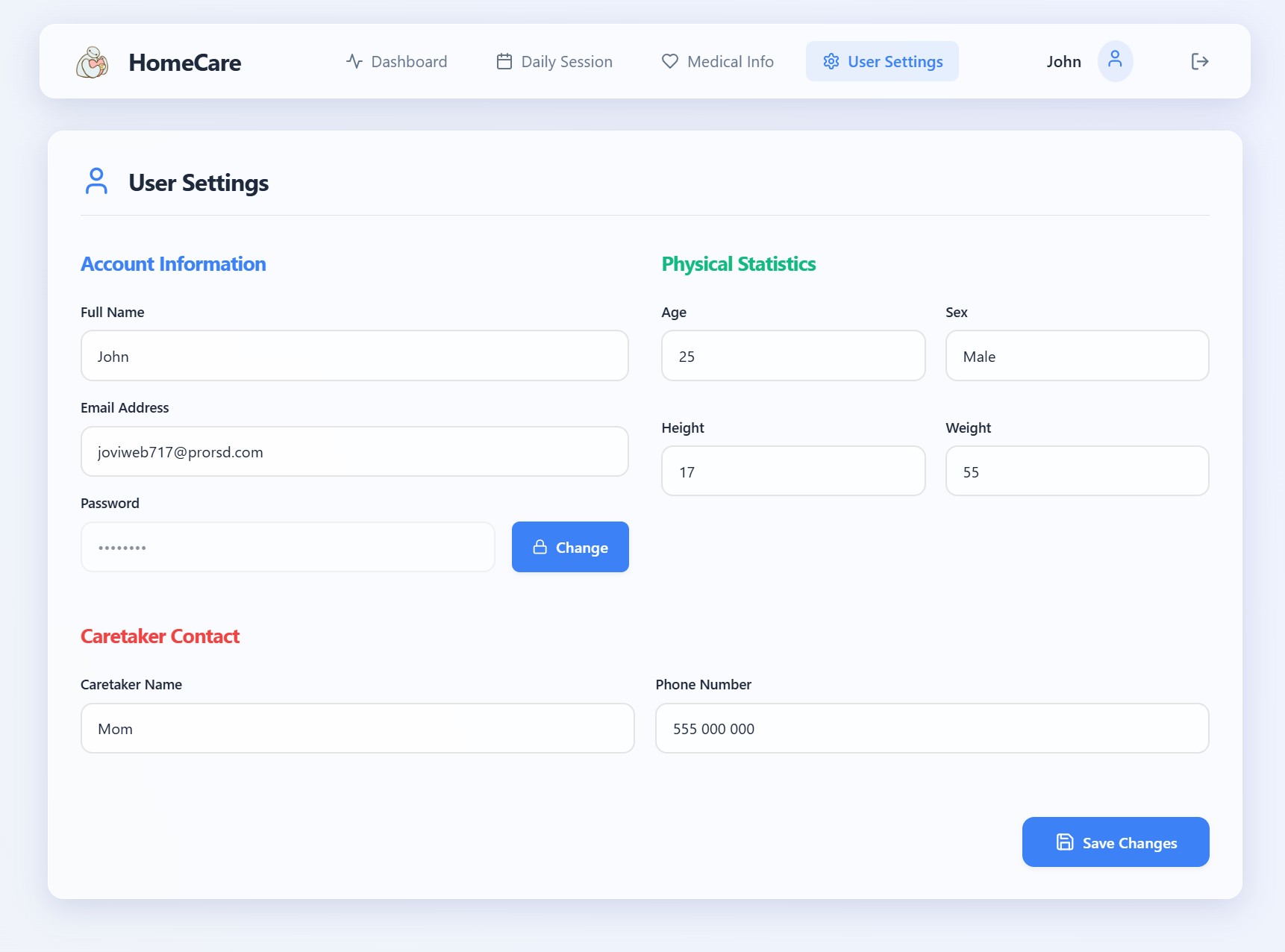
User data organized
Inspiration
Healthcare should feel supportive, accessible, and empowering, yet for millions of people, it doesn’t.
While researching the healthcare system in Canada, we discovered major gaps in access to care, especially for those who rely on home-based services. Many people feel unheard, unsupported, or disconnected from their own medical data. Seniors, individuals with disabilities, people who struggle with consistent check-ups, and those with limited time or resources often face the biggest barriers.
We were inspired to create HomeCare as a way to give people more control, clarity, and daily support in their health journey using technology they already have.
What it does
HomeCare is an AI-powered, accessible healthcare web app that:
Accessibility & Design: HomeCare is an AI-powered health monitoring app that prioritizes usability for seniors, neurodivergent users, and people with sensory sensitivities.
Functionality: Measures vitals (heart rate and respiration) using only a camera (Presage / SmartSpectraSDK) Generates summaries, using AI to identify patterns and escalate anomalies Sends medication reminders and daily health check-ins Alerts users when professional care may be necessary
Technology & Impact: Combines real-time biometric monitoring, AI trend analysis (Gemini API), and scalable full-stack architecture (React, Swift, Firebase) to deliver a practical, low-cost, and scalable solution.
User Empowerment & Relevance: Enables users to understand and manage their health daily, filling the gap in accessible, preventative healthcare.
How we built it
Frontend: React (web app) + Swift (iOS app). Backend: TypeScript services, Firebase Realtime Database & Firestore. Vitals monitoring: Presage / SmartSpectraSDK (camera-based). AI summaries: Gemini API for trend analysis and outlier detection.
Workflow:
- User uses phone camera to record vitals (<1 minute)
- Presage captures heart rate and respiration
- Data streams to Firebase in real time
- Gemini AI uses personal and clinical data to provide anomaly detection
- User receives actionable insights and reminders This architecture allows HomeCare to scale easily while remaining low-cost and adaptable.
Challenges we ran into
Integrating Presage SDK: The official C++ documentation only supported Ubuntu, while our team used Windows and Mac laptops. We debated alternatives like TensorFlow, MediaPipe, and OpenCV models, but chose Presage because of its unique capabilities in non-invasive vitals detection. To overcome the limitation, we built a companion iOS app to record vitals, which allowed us to proceed with the project while maintaining the technology’s advantages. This process required learning Swift and iOS development for the first time, expanding our technical skillset and preparing us for future accessibility-focused solutions.
Streaming real-time data: Our initial plan was to use custom WebSockets to transmit metrics at set intervals. After evaluation, we realized Firebase Realtime Database was ideal since it already provides millisecond-level streaming using WebSockets, which simplified implementation and improved scalability.
Analyzing and displaying data: We developed a backend service that waits for session data, analyzes it, and sends clean, actionable results to the frontend. This ensured users receive accurate, real-time health summaries while maintaining performance and usability.
Learning outcomes & innovation: Tackling these challenges strengthened our understanding of cross-platform compatibility, real-time data streaming, AI data analysis, and scalable architecture. By addressing these hurdles, we also created a foundation to provide feedback to Presage developers and explore future business opportunities using the technology.
Accomplishments that we're proud of
Originality: Created a novel approach by combining AI-based, camera-driven vitals monitoring with accessibility-first design for users often underserved by traditional healthcare.
Design: Built a clean, intuitive, and inclusive interface that supports seniors, neurodivergent users, and people with sensory sensitivities.
Relevancy: Directly addresses accessibility in healthcare, helping users monitor health daily and proactively alerting them when professional care may be needed.
Technology: Integrated real-time biometric monitoring, AI trend analysis (Gemini API), and a scalable full-stack architecture (React, Swift, Firebase).
Presentation/Impact: Developed a working MVP with clear visual summaries and reminders, demonstrating a solution that is practical, scalable, and future-proof.
User Empowerment: HomeCare empowers users to understand their health, track trends, and make informed decisions, while supporting caregivers and healthcare providers.
What we learned
How to integrate AI with real-time biometric monitoring. Importance of accessibility-first design in healthcare tech. Best practices for full-stack architecture in scalable applications. How to communicate complex health data clearly to non-expert users. Collaboration under constraints to build an impactful MVP. We also learned that healthcare technology is most effective when it empowers users, not overwhelms them.
What's next for HomeCare
Voice-Based Summaries & Reminders for accessibility Enhanced Security with stronger encryption and privacy safeguards Wearable Integration with devices like Fitbit and Apple Watch Advanced Analytics Dashboards for caregivers and healthcare professionals Neurodivergent Support Features, like mood tracking and daily check-ins Medical Guideline Integration to provide context for vitals and trends
Built With
- api
- figma
- firebase
- gemini
- github
- javascript
- presage
- react
- swift
- swiftui
- typescript
- websockets


Log in or sign up for Devpost to join the conversation.