-
-
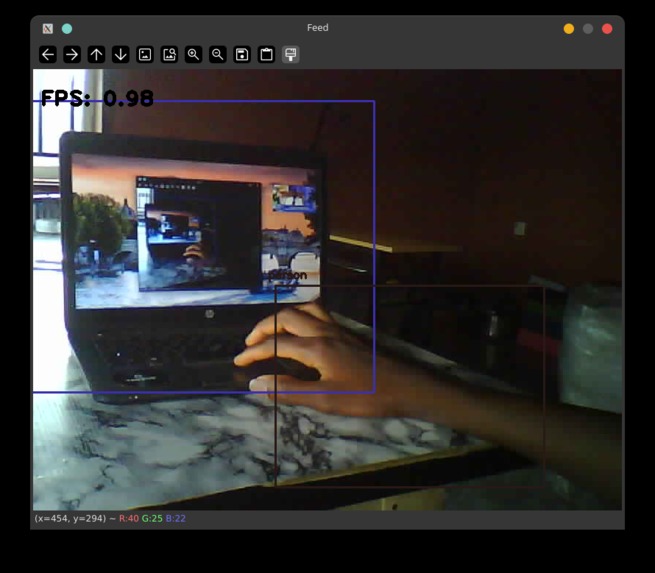
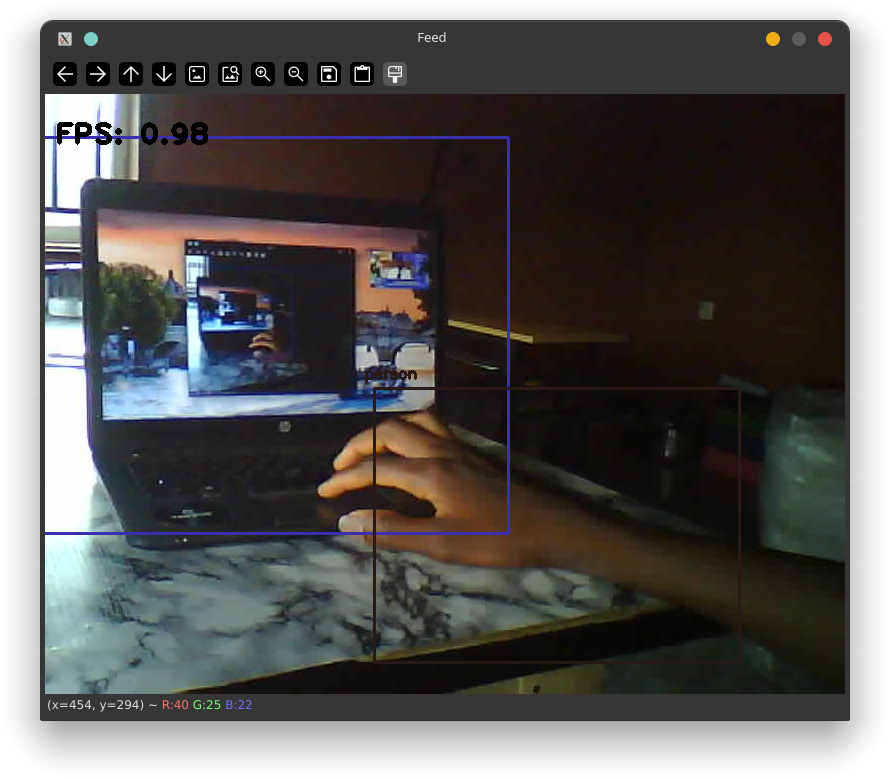
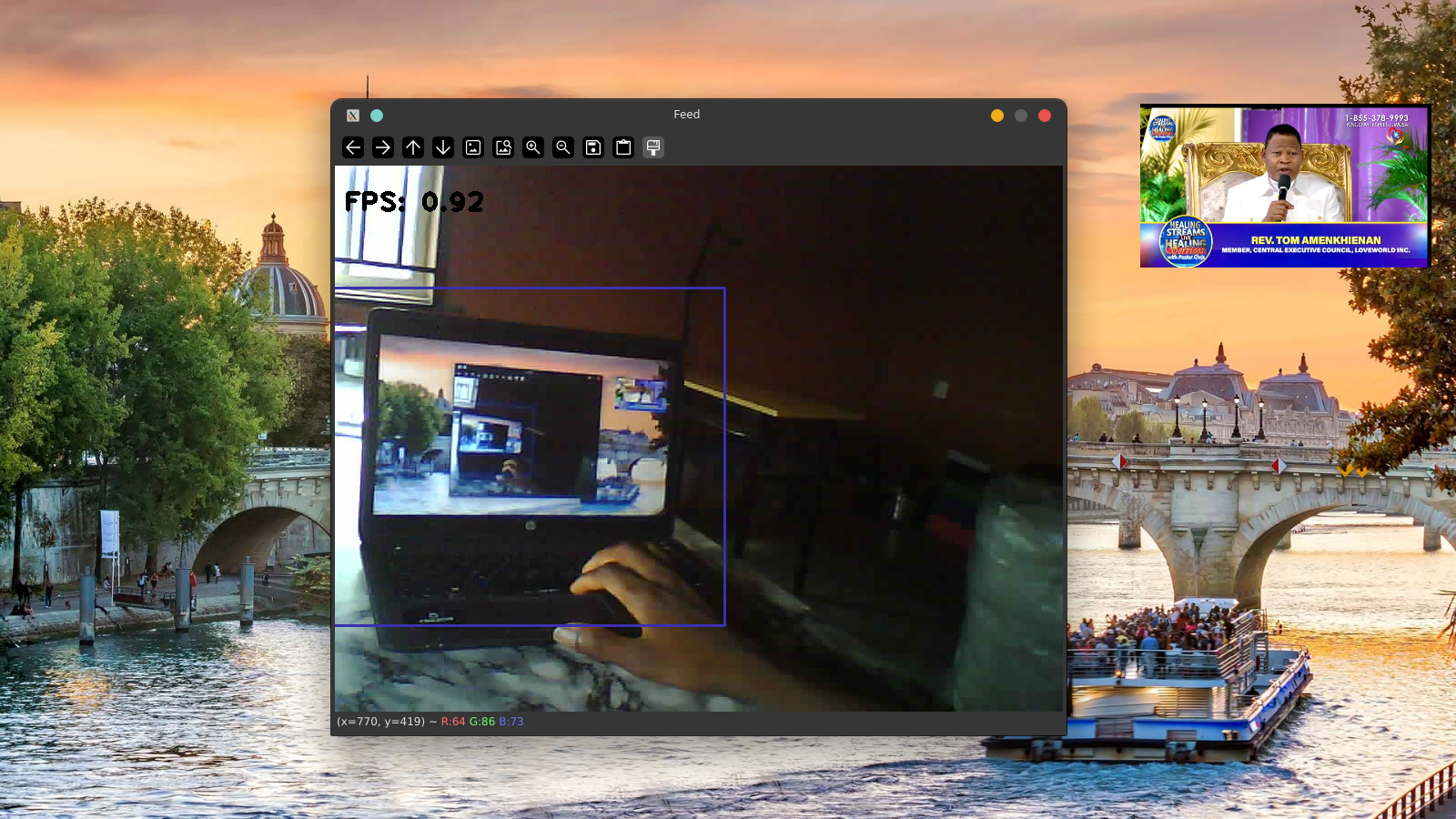
It recognises a laptop
-
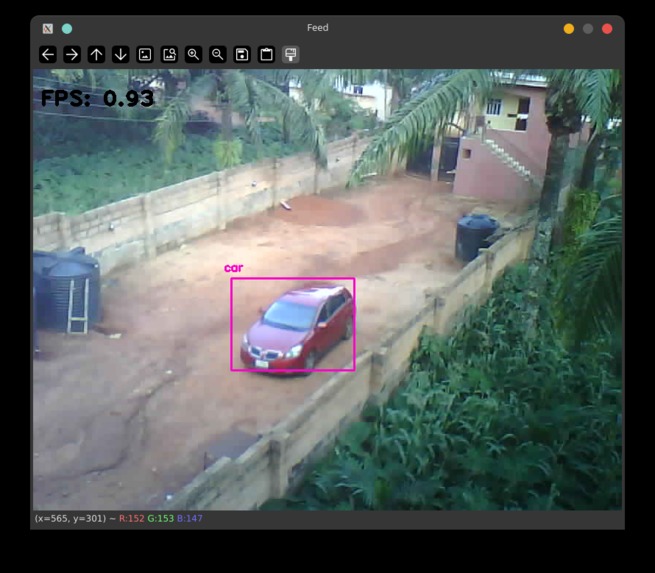
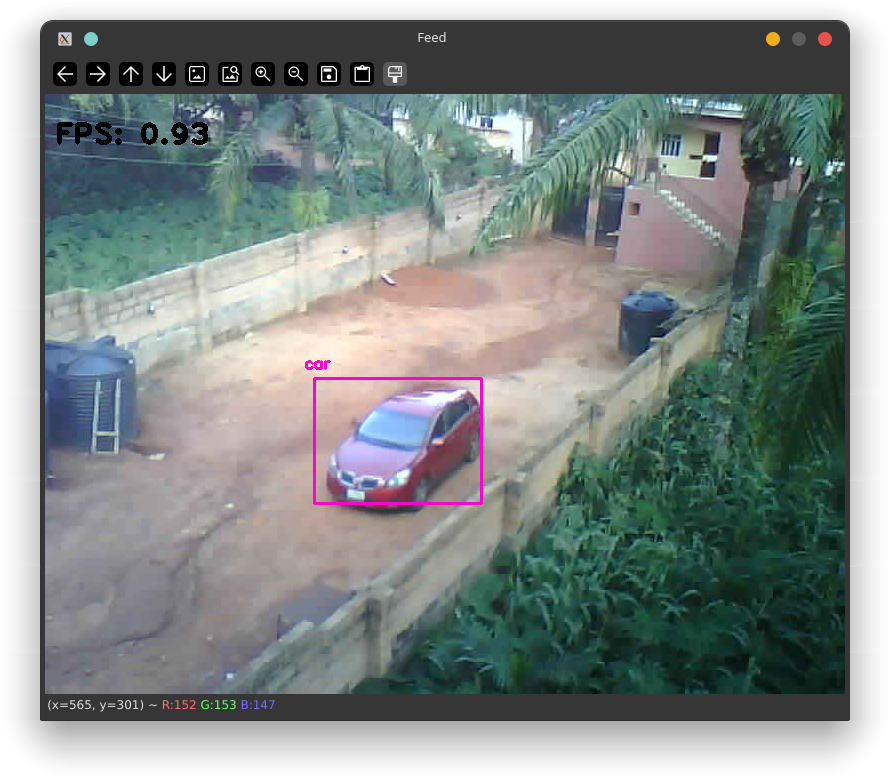
Checking an Open Environment with my model
-
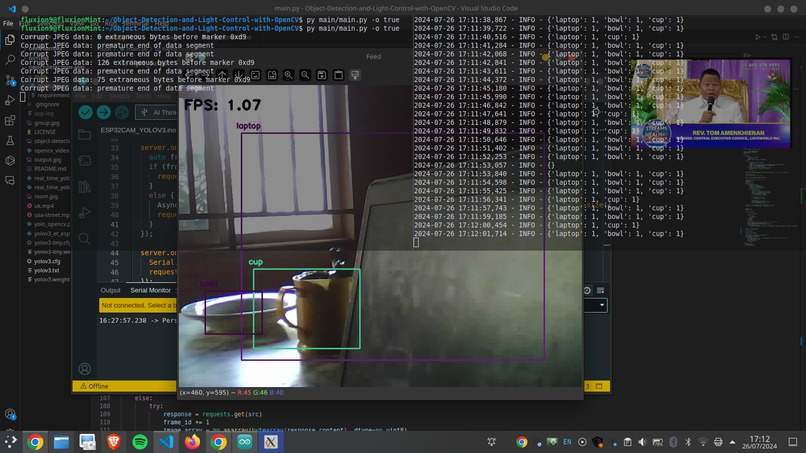
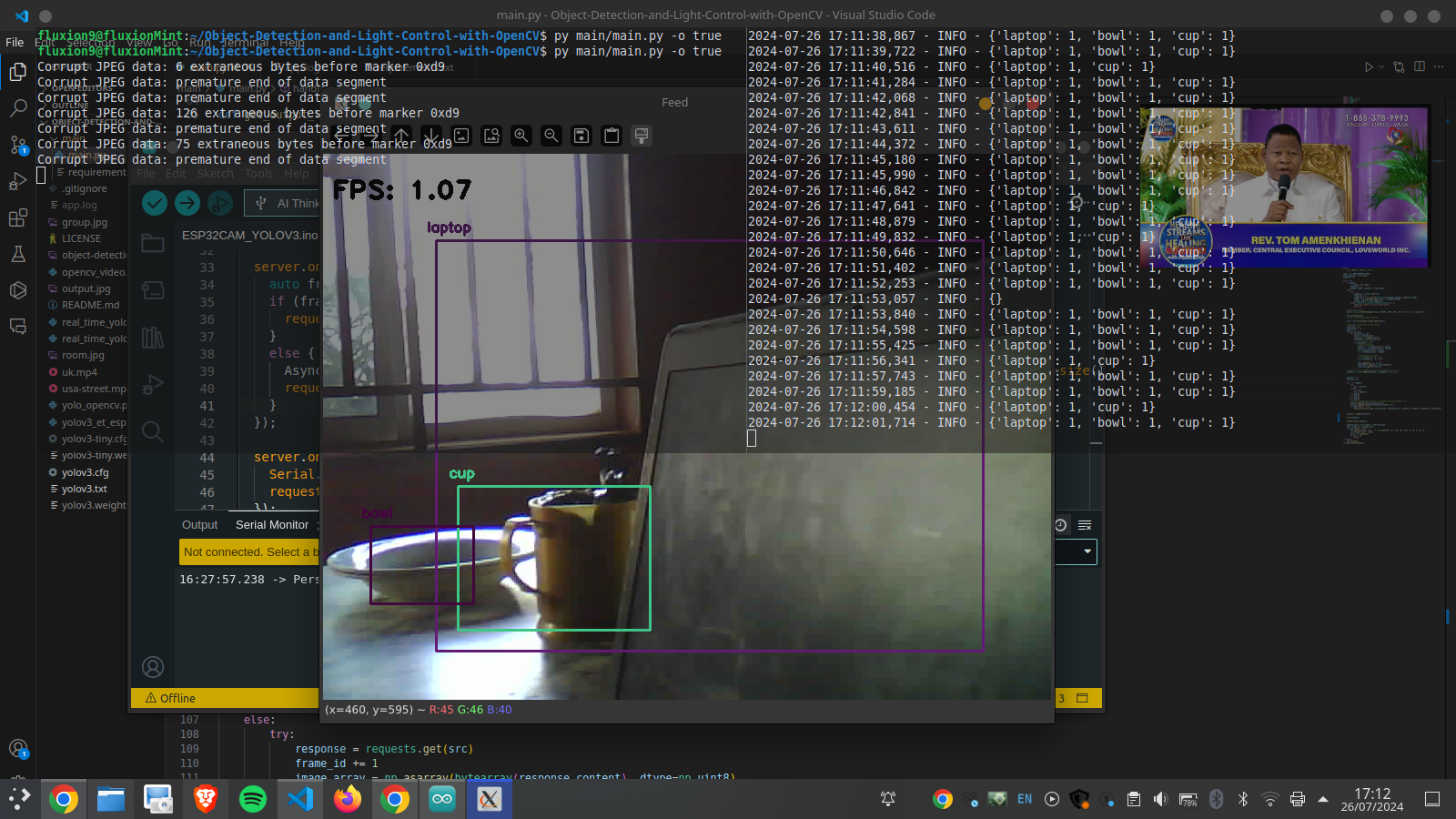
The model detects household utensils
-
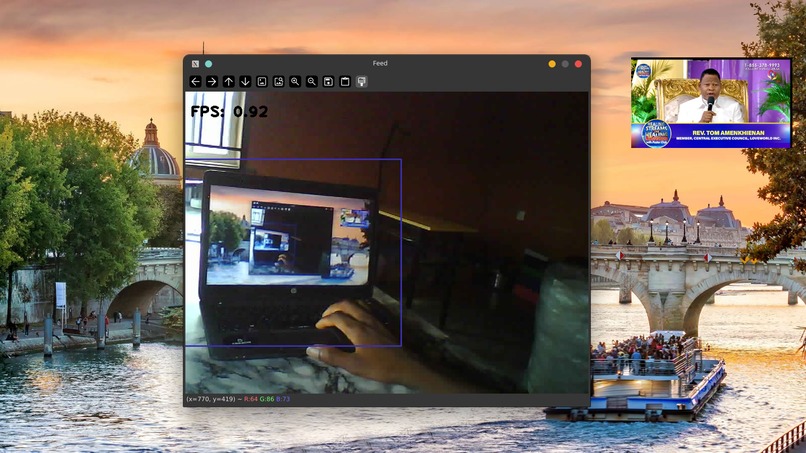
Testing with an external camera, ESP32-CAM
-
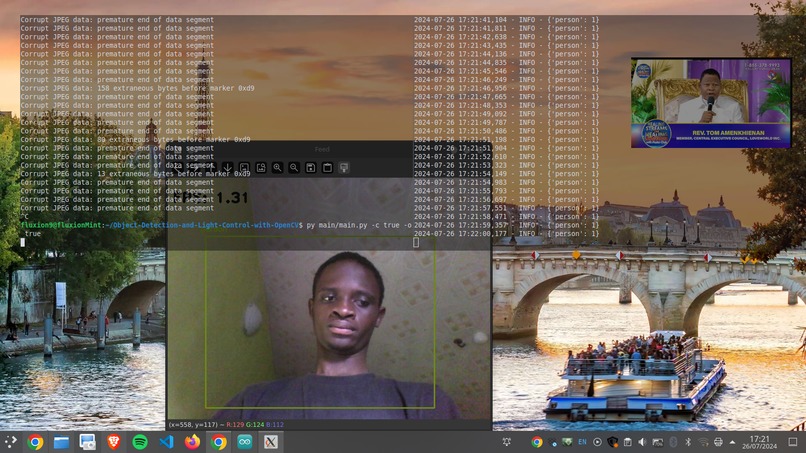
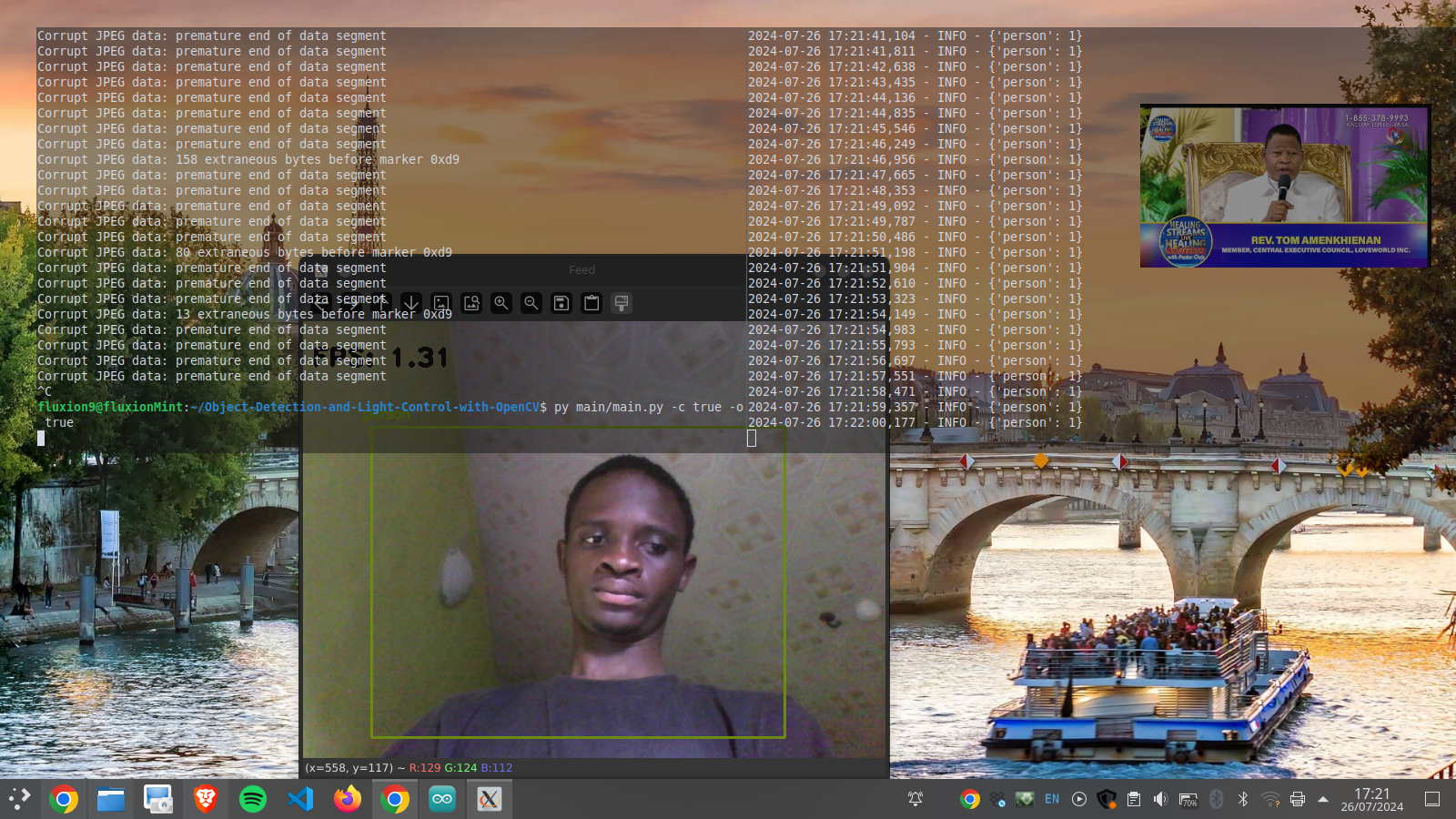
My model detects me :)
Inspiration
My fascination with artificial intelligence (AI) has been a driving force behind the creation of this project. AI, with its immense potential and transformative capabilities, has always intrigued me. This curiosity led me to explore how AI could be seamlessly integrated into everyday life, particularly in managing and enhancing our home environments.
The idea was to harness the power of AI to perform tasks that are typically done by humans, thereby making home management more efficient and secure. I envisioned a system where AI could open doors or gates, recognizing authorized individuals and providing seamless access. The same technology could also detect intruders or unwanted animals, ensuring that our homes remain safe and secure without requiring constant human oversight.
Another aspect that inspired me was the opportunity to use AI for energy conservation. I wanted to create a system that could monitor the presence of people in a room and automatically control appliances. For instance, turning off lights when no one is around to reduce energy consumption and promote a more sustainable lifestyle. This not only adds convenience but also contributes to reducing our carbon footprint.
The culmination of these ideas led to the development of a comprehensive AI-powered home management system. This project reflects my passion for AI and my commitment to leveraging technology to solve real-world problems, making our homes smarter, safer, and more energy-efficient.
What it does
My project leverages advanced computer vision algorithms, specifically the YOLO (You Only Look Once) model, to bring intelligence and automation to home management. By utilizing the pre-trained YOLO model, the system is capable of detecting up to 80 common objects that are typically found in homes, offices, or open environments.
The core functionality of the project revolves around using camera feeds to identify these objects. It integrates seamlessly with existing home camera systems, or it can operate with specially installed cameras if needed. The AI processes the video feeds in real-time to locate and identify objects within the environment.
Currently, the primary application of this detection capability is to manage home lighting to reduce power consumption. The system monitors the presence of people in different areas of the home. When it detects that there is no one present in a room, it automatically turns off the lights to conserve energy. Conversely, it can turn lights on when someone enters a room, ensuring convenience while optimizing energy use.
This project represents a significant step towards smarter home management by integrating AI and computer vision to perform tasks that enhance both security and energy efficiency. By automating these processes, it reduces the need for human intervention and promotes a more sustainable living environment.
How we built it
The development of this project began with an extensive review of existing research and designs in the field of computer vision and object detection. Among the various models and approaches, I found the YOLO (You Only Look Once) model particularly intriguing due to its efficiency and accuracy in detecting multiple objects in real-time.
To gain a deeper understanding of how YOLO works, I visited their official website and thoroughly studied the documentation and resources available. This research phase was crucial in familiarizing myself with the underlying concepts and mechanisms of the YOLO model.
After acquiring the necessary theoretical knowledge, I proceeded to download the pre-trained weights for the YOLO model. These weights are essential for the model to perform accurate object detection based on the training it has undergone on a large dataset.
With the weights in hand, I embarked on the practical implementation phase. I developed several Python scripts that utilize the YOLO model to process various types of visual input, including static images, recorded videos, and live camera feeds. These scripts are designed to analyze the visual data, detect objects, and draw bounding boxes around the identified objects, effectively highlighting them in the output.
The scripts are capable of processing real-time camera feeds, making it possible to monitor and respond to dynamic changes in the environment. For instance, the system can detect the presence or absence of people in different areas of the home and subsequently control the lighting to optimize energy consumption.
This comprehensive approach, combining thorough research with practical implementation, allowed me to build a robust and functional AI-powered home management system.
Challenges we ran into
One of the primary challenges I faced during the development of this project was working as the sole member of my team. Developing the entire system alone presented numerous obstacles, particularly when it came to debugging and troubleshooting.
Many times, I found myself in lengthy and tiring debugging sessions, trying to identify and resolve issues that arose during the development process. The lack of a team meant that I had to handle all aspects of the project, from coding and testing to debugging and refining the system, which was both time-consuming and mentally exhausting.
As a result, I was not able to finish the project to the extent I initially envisioned within the stipulated time and deadlines. The pressure of managing everything on my own inevitably impacted the pace at which I could work and the overall progress of the project.
However, despite these challenges and the accompanying stress, I was able to achieve significant milestones. The project's core functionalities were successfully implemented, and I managed to create a robust system capable of performing the intended tasks. These achievements are a testament to my perseverance and dedication, demonstrating that even in the face of considerable obstacles, it is possible to accomplish great feats.
Accomplishments that we're proud of
One of the accomplishments I am particularly proud of is the impressive performance of my model in detecting objects. Despite the challenges faced during the development process, I was thrilled with how quickly and accurately the YOLO model was able to identify and detect various objects in real-time.
The speed and precision of the object detection exceeded my expectations, showcasing the effectiveness of the YOLO model and the robustness of the implementation. This accomplishment was a significant milestone for the project, as it validated the extensive research and development efforts that went into creating the system.
Seeing the model perform so well in real-world scenarios, accurately identifying objects from live camera feeds and processing the data in real-time, was incredibly rewarding. It reinforced my confidence in the project's potential and highlighted the transformative impact that AI and computer vision can have on home management and automation.
This success not only demonstrated the technical capabilities of the system but also underscored the value of perseverance and dedication in overcoming challenges and achieving meaningful results.
What we learned
Deepened Understanding of AI and Computer Vision: Working extensively with the YOLO model and computer vision algorithms has deepened my understanding of AI and its practical applications. I learned how to effectively utilize pre-trained models, process various types of visual data, and optimize the performance of these algorithms for real-time applications.
Importance of Thorough Research and Preparation: The success of the project was heavily dependent on the initial research phase. Studying existing research, understanding the capabilities of different models, and preparing adequately before diving into development proved to be crucial. This experience highlighted the importance of a solid foundation of knowledge and planning.
Challenges of Solo Development: Developing the project alone taught me the challenges and rewards of solo development. I learned how to manage my time efficiently, handle multiple aspects of a project simultaneously, and push through the inevitable periods of frustration and fatigue that come with long debugging sessions.
Problem-Solving and Debugging Skills: The numerous debugging sessions honed my problem-solving skills. I became more adept at identifying issues, tracing their origins, and finding effective solutions. This experience has made me more resilient and resourceful in tackling technical challenges.
Value of Persistence and Adaptability: Despite facing significant challenges, the persistence and adaptability required to see the project through were invaluable. I learned that staying focused, being flexible, and continuously adapting to new information and obstacles are essential qualities for successfully completing complex projects.
Real-World Application of AI: Seeing the practical implementation of AI in real-time object detection and home automation was enlightening. It provided a tangible example of how theoretical concepts can be translated into practical, impactful solutions.
This project was a profound learning experience that not only enhanced my technical skills but also taught me important lessons about project management, perseverance, and the real-world applications of AI.
What's next for Home Management with Computer Vision
Building on the successes and lessons learned from the initial phase, I have several plans to enhance and expand the capabilities of my AI-powered home management system.
Expand Object Detection Capabilities: While the current model detects up to 80 common objects, I plan to extend this capability by training the model on additional datasets specific to my home environment. This will enable the system to recognize a wider range of objects and perform more specialized tasks.
Integrate Advanced Features: Incorporating more advanced features, such as facial recognition and gesture control, can significantly enhance the system's functionality. Facial recognition can be used to provide personalized responses and security enhancements, while gesture control can offer a more intuitive way to interact with the system.
Improve Energy Management: I aim to refine the energy management aspect of the project by integrating more sensors and data analytics. By analyzing patterns in energy usage, the system can make more intelligent decisions to further reduce consumption and improve efficiency.
Expand to Other Home Automation Tasks: In addition to controlling lights, I plan to expand the system to automate other home tasks such as adjusting thermostats, managing home security systems, and controlling smart appliances. This will provide a comprehensive solution for smart home management.
Develop a User-Friendly Interface: Creating a user-friendly interface, possibly in the form of a mobile app or web dashboard, will make it easier for users to interact with the system, customize settings, and monitor the status of various components in real time.
Enhance Security and Privacy: Ensuring the system is secure and respects user privacy is paramount. I plan to implement robust security measures and data encryption to protect the system from unauthorized access and ensure that personal data is handled with care.
Collect and Analyze User Feedback: Gathering feedback from users who interact with the system will be crucial for making continuous improvements. I plan to implement mechanisms for collecting user feedback and use this information to refine and enhance the system based on real-world usage and preferences.
Explore Integration with Other Smart Home Ecosystems: Integrating the system with existing smart home ecosystems, such as Amazon Alexa, Google Home, or Apple HomeKit, can provide users with a seamless and cohesive smart home experience.
These next steps will not only enhance the functionality and efficiency of the system but also ensure it remains adaptable and user-friendly, ultimately creating a more intelligent and responsive home environment.

Log in or sign up for Devpost to join the conversation.