-
-
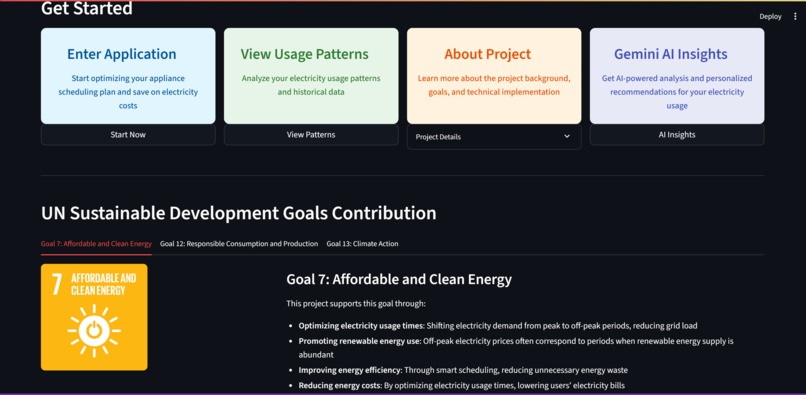
Multiple Features
-

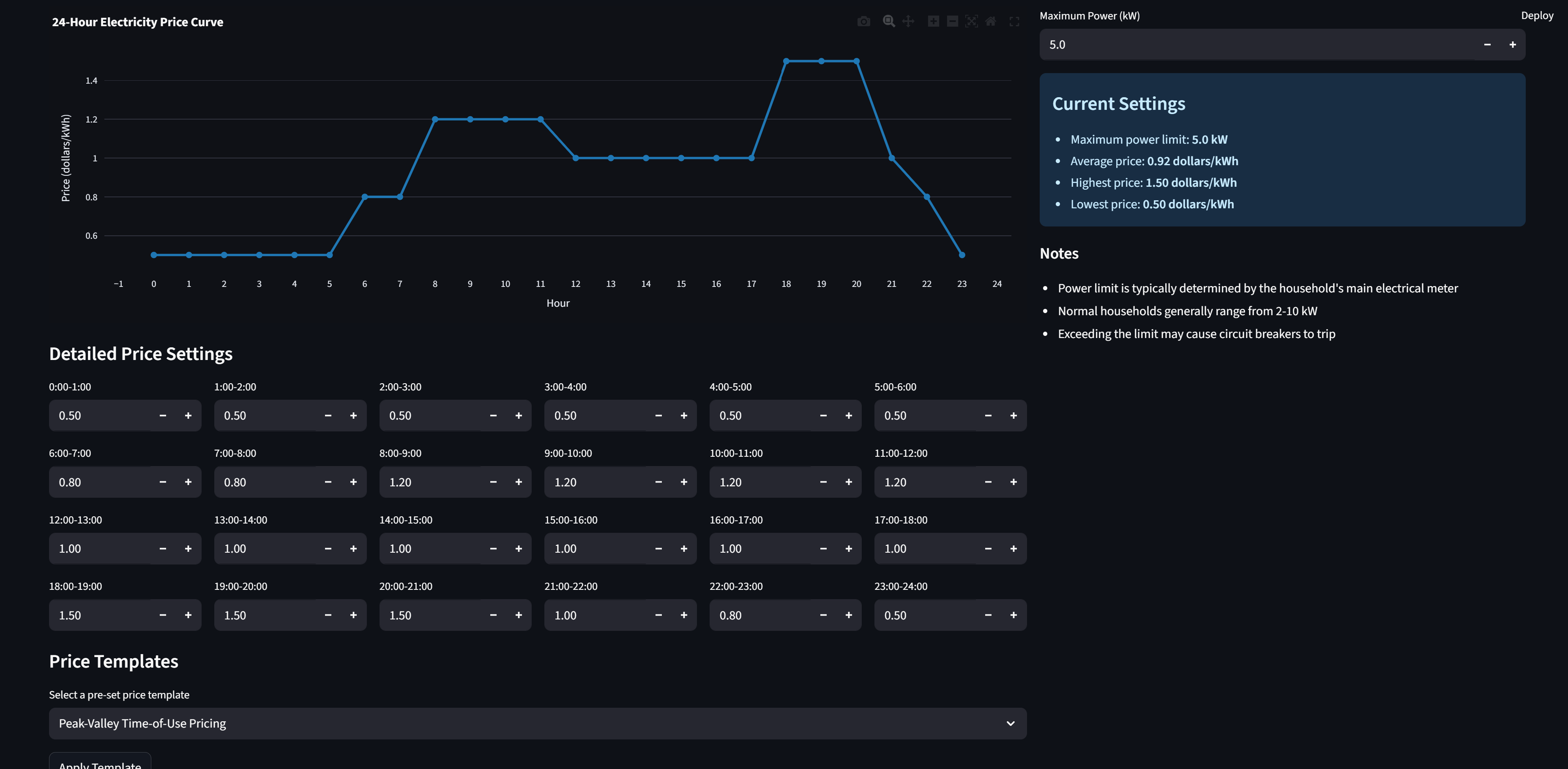
Supports Dynamic Energy Pricing
-
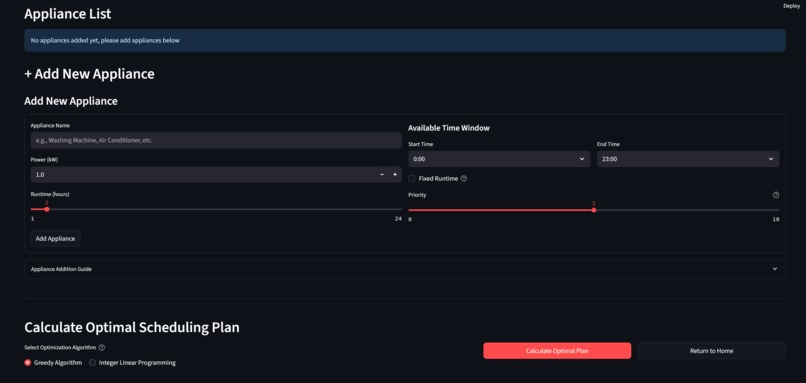
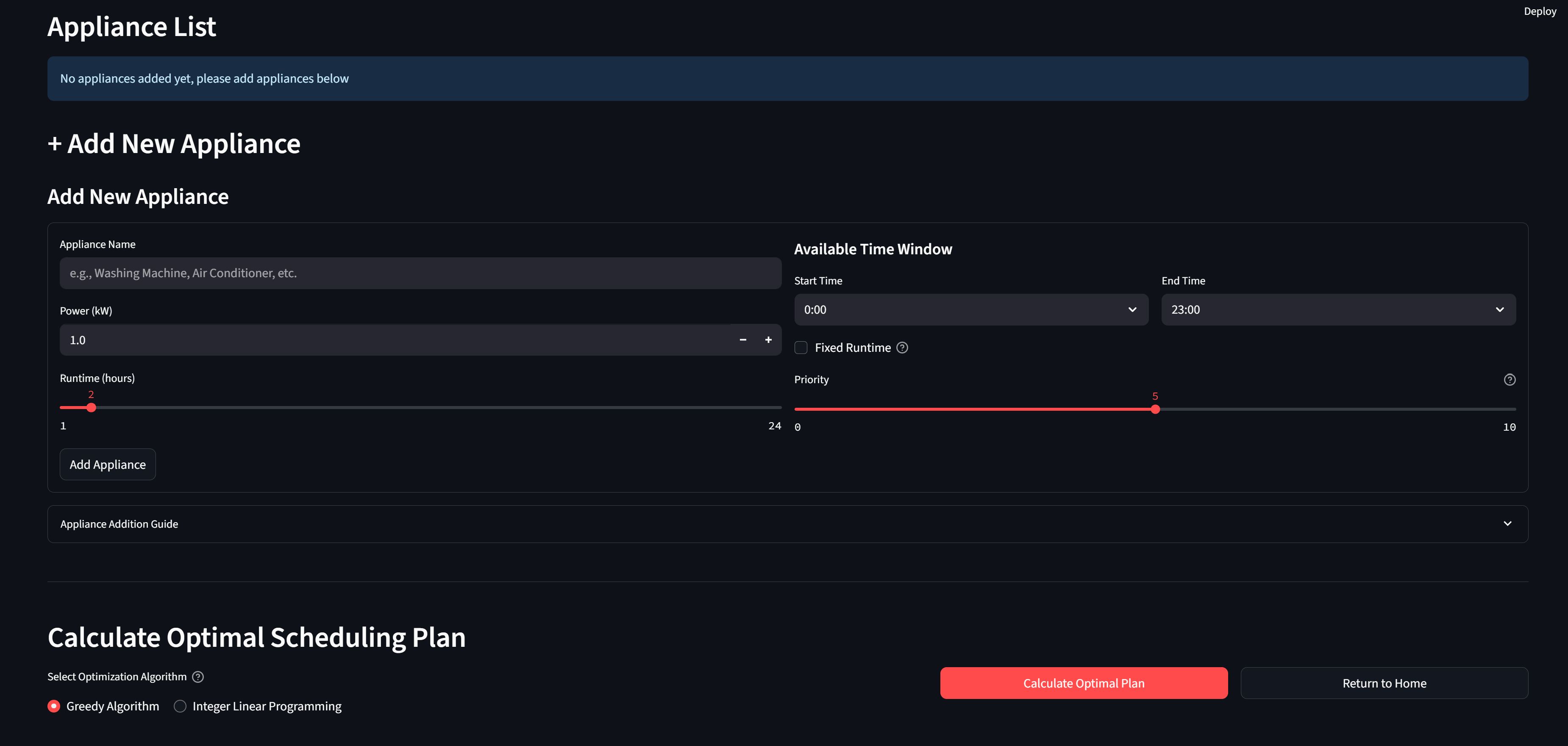
Add as Many Appliances as You Want
-
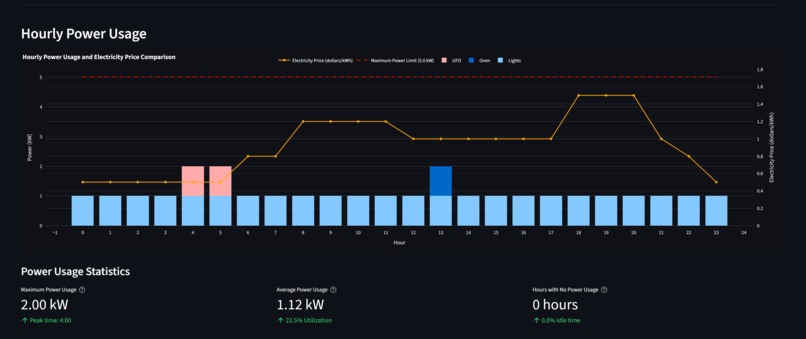
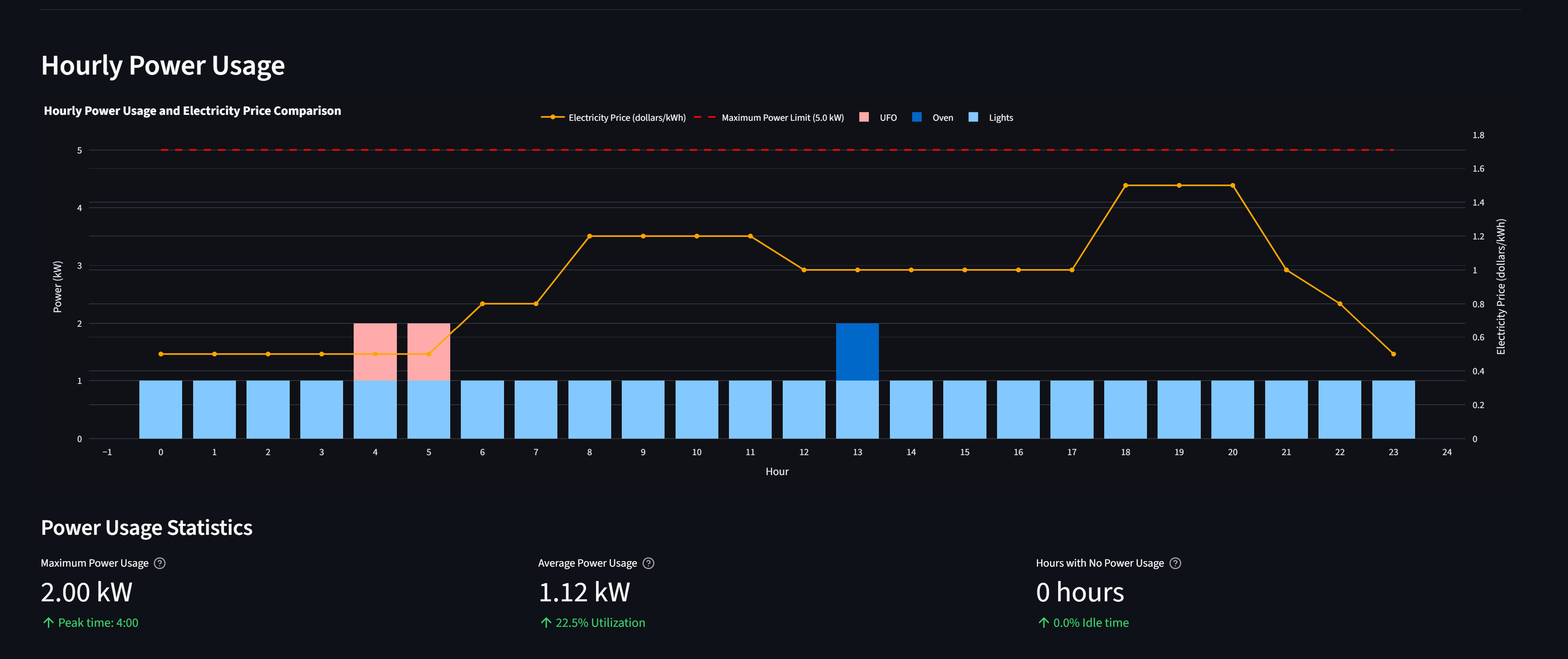
Instant Optimization
-
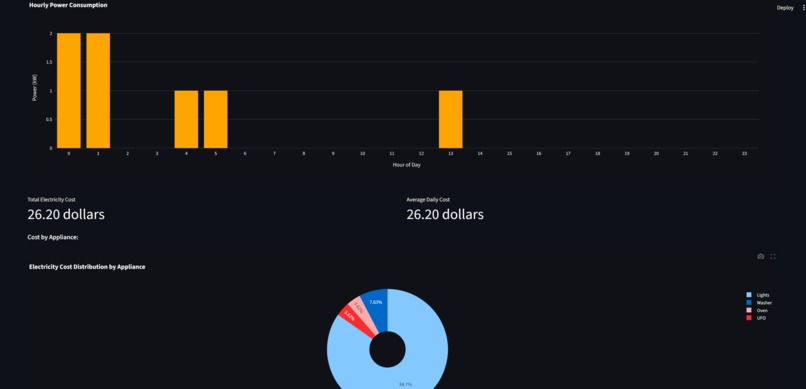
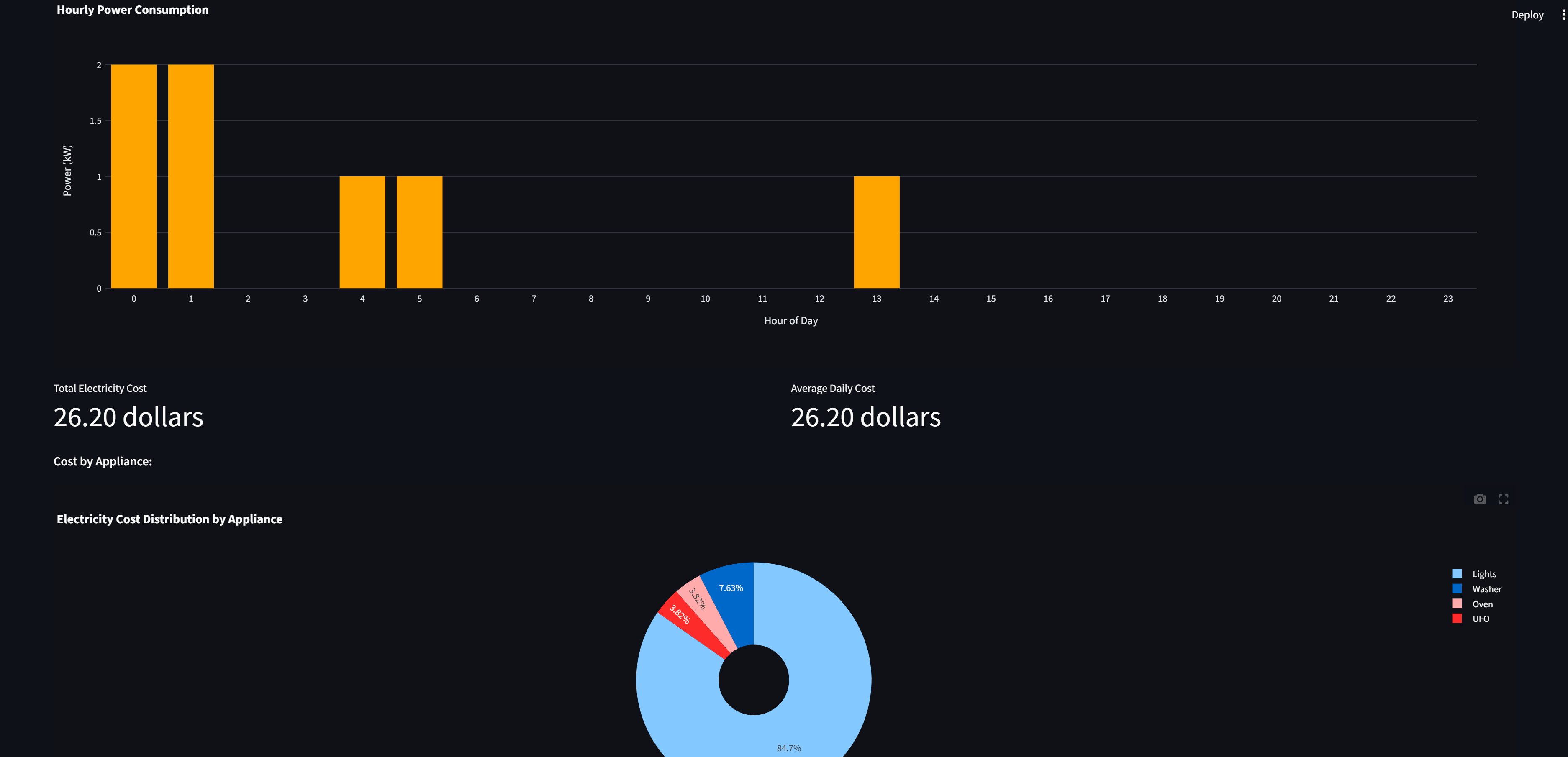
Various Analysis Tools
-
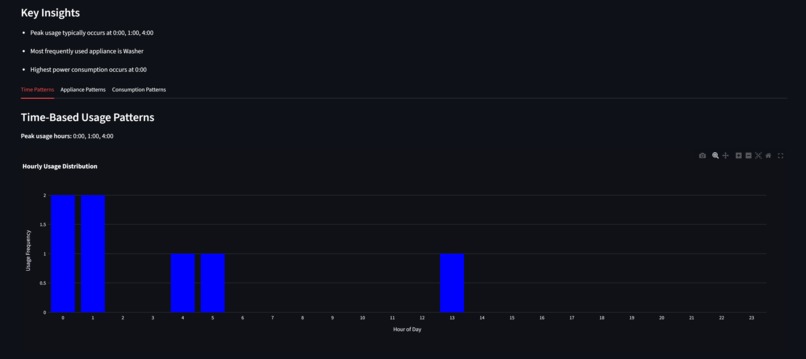
Various Analysis Tools
-
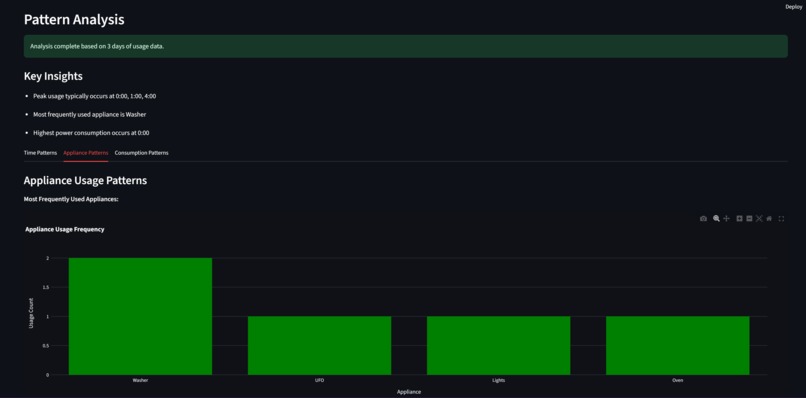
Supports Multiple Entries on Separate Occasions
-

Gemini AI Integration
-
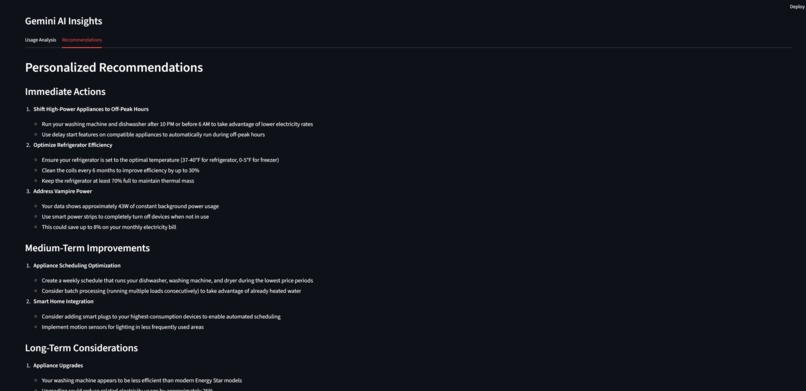
Gemini AI Suggestions
Inspiration
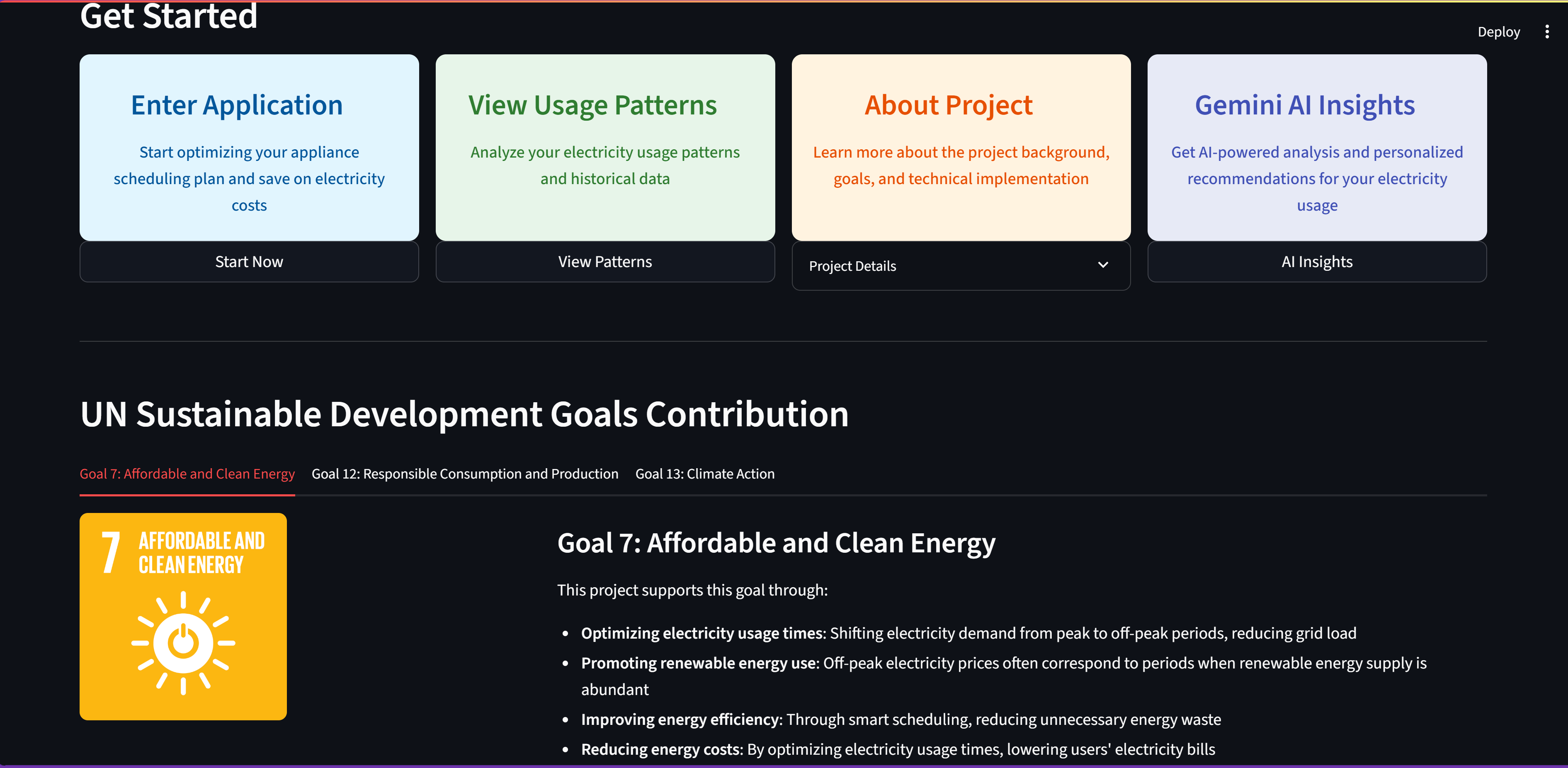
The United Nations’ Sustainable Development Goals (SDGs) provide a framework for global progress—and three of them are at urgent risk:
Goal 7: Affordable and Clean Energy
Goal 12: Responsible Consumption and Production
Goal 13: Climate Action
As global electricity demand rises - especially with the growth of electric vehicles, air conditioning, and smart devices - our power grids are under increasing stress. Much of this electricity is still produced from fossil fuels, meaning poor energy management directly translates into higher emissions. During peak hours, when demand surges, dirtier energy sources are often brought online - intensifying pollution and worsening the climate crisis.
This mismanagement isn’t just an industrial issue - it happens at the household level every day. Millions of homes unknowingly run high-power appliances during peak hours, contributing to higher utility bills and energy waste. Without tools to make smarter choices, individual households remain unaware of their collective impact on both the grid and the environment.
But I have found hope.
By giving people the ability to schedule appliance usage efficiently, this project empowers individuals to reduce their carbon footprint, cut down on utility costs, and play an active role in grid sustainability. What may seem like a small personal choice becomes part of a larger movement toward climate resilience, responsible energy use, and a smarter future.
What it does
The Home Appliance Scheduling Optimization Platform is a Streamlit-based application designed to help users optimize the running times of home appliances to minimize electricity costs. By considering electricity price variations, appliance power requirements, and operational needs, the system can calculate optimal scheduling plans while contributing to sustainable development.
How we built it
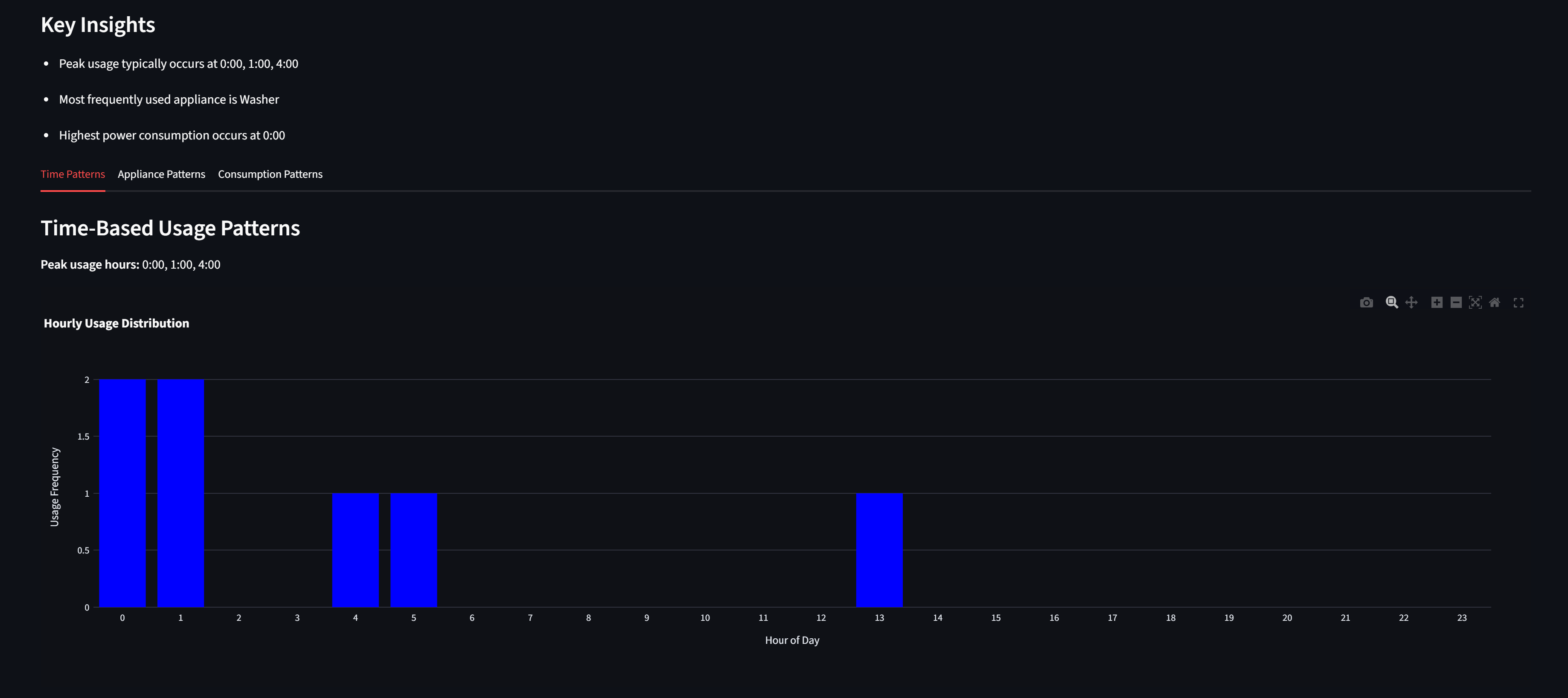
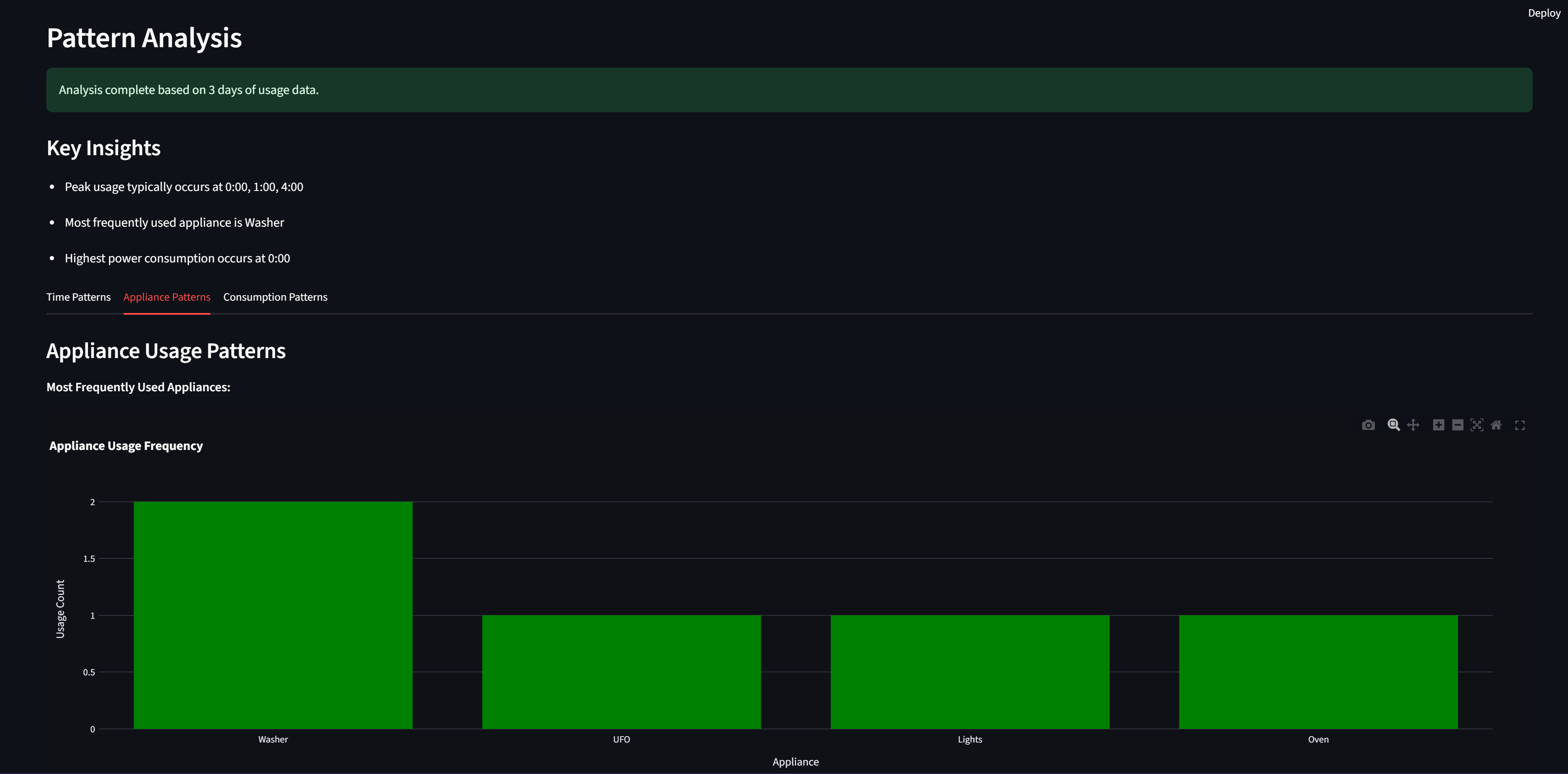
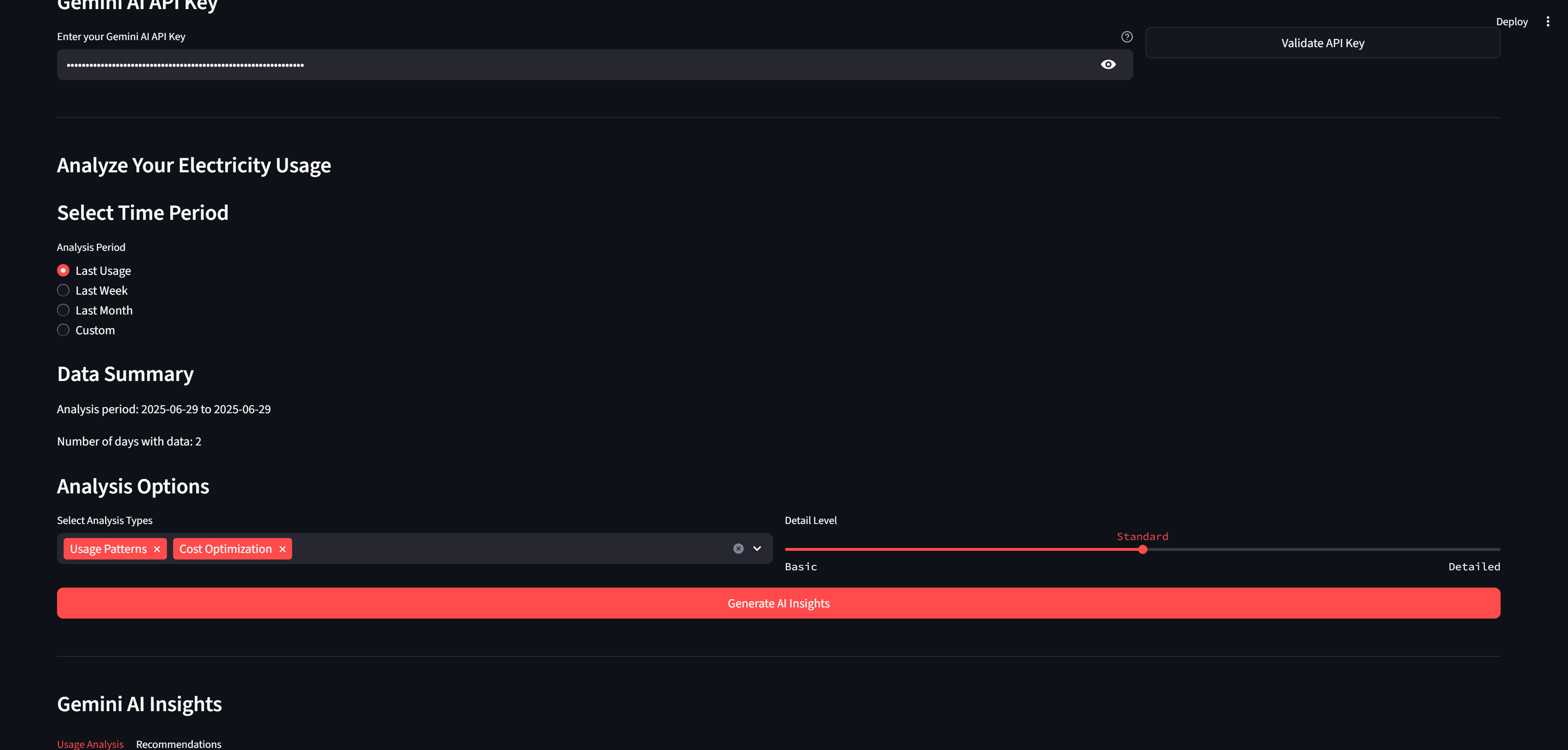
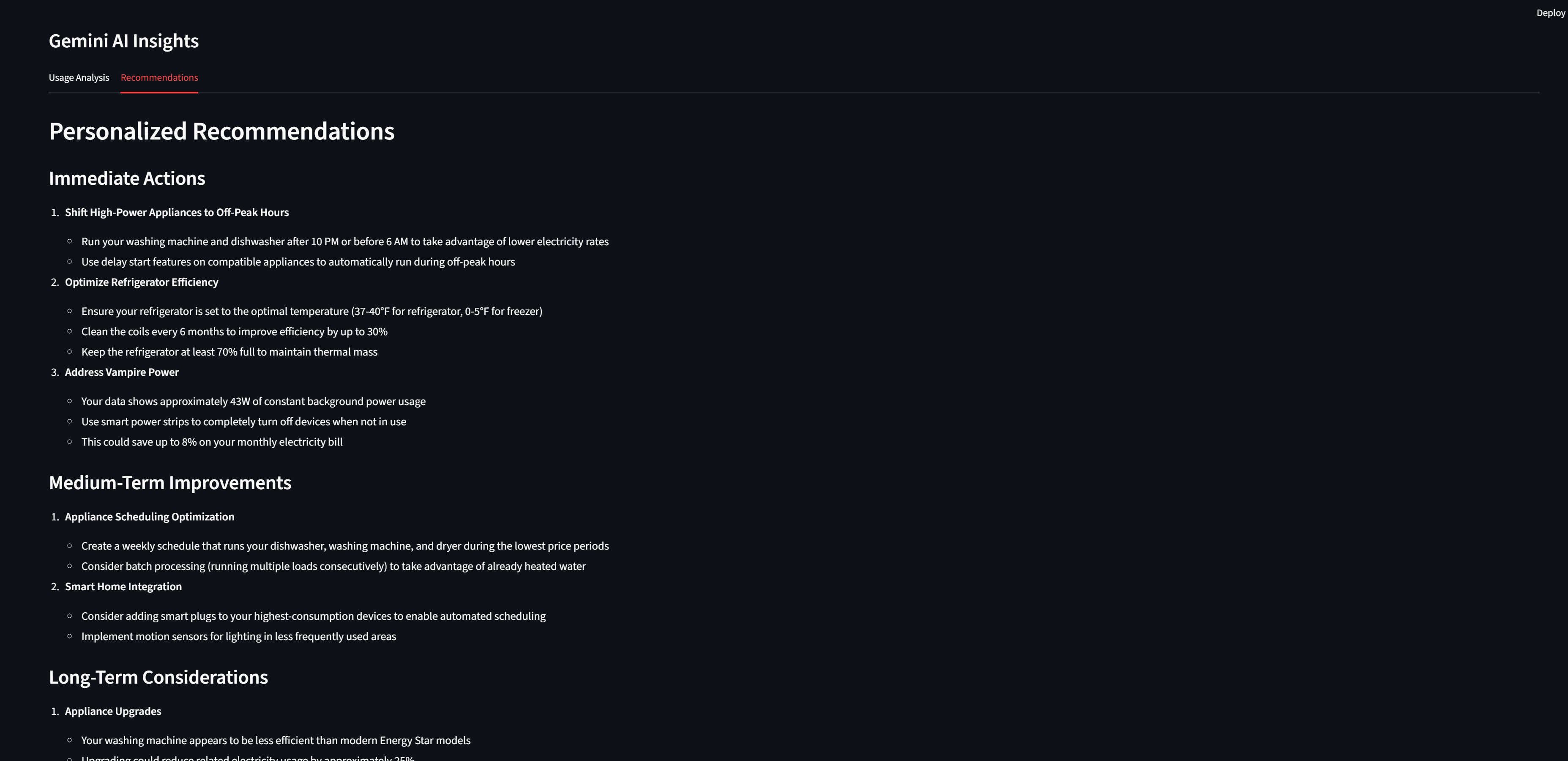
The Home Appliance Scheduling Optimization Platform is built on a modern Python-based tech stack, with Streamlit serving as the primary framework for creating the interactive web interface. The application leverages Plotly for advanced data visualization, enabling dynamic charts and graphs that represent electricity usage patterns and optimization results. For the core optimization functionality, the platform employs both a custom greedy algorithm and integer linear programming techniques implemented in Python, supported by NumPy for numerical computing and Pandas for efficient data manipulation. Data persistence is handled through JSON file storage for usage history and Streamlit's session state for runtime data management. The platform features AI integration through the Gemini AI API, which provides intelligent analysis of electricity usage patterns and personalized recommendations. Security is implemented through careful API key management, while the application is designed to be deployable either locally or on cloud platforms via containerization with Docker. This lightweight yet powerful stack enables the platform to deliver sophisticated scheduling optimization with minimal system requirements, requiring only Python 3.8+
Challenges we ran into
There were some challenges getting the graphs to display properly in the streamlit UI, but most of the issues could be attributed to simply faulty coding. After some debugging I changed the way it was called and it was generally fixed. Since streamlit is mostly markdown, its quite easy to add new things.
Accomplishments that we're proud of
I think it was a great feat to pull this all off in one day, and I am very proud of the speed at which I developed the entire project.
What we learned
I learned a lot about integrating the various python libraries and features with streamlit, which is a primarily GUI related library. Furthermore, I also learned a lot about MILP computations and the PULP library.
What's next for Home Appliance Scheduling Optimization Platform (HASOP)
It will go live! And then I plan on adding login as well as connections to physical components, so that HASOP can serve as a 'brain' of sorts, and help control the appliances in a household.

Log in or sign up for Devpost to join the conversation.