-
-
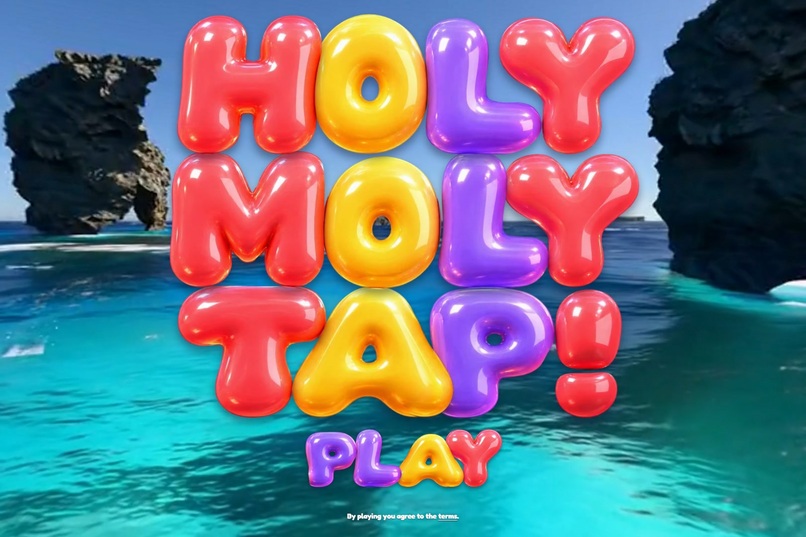
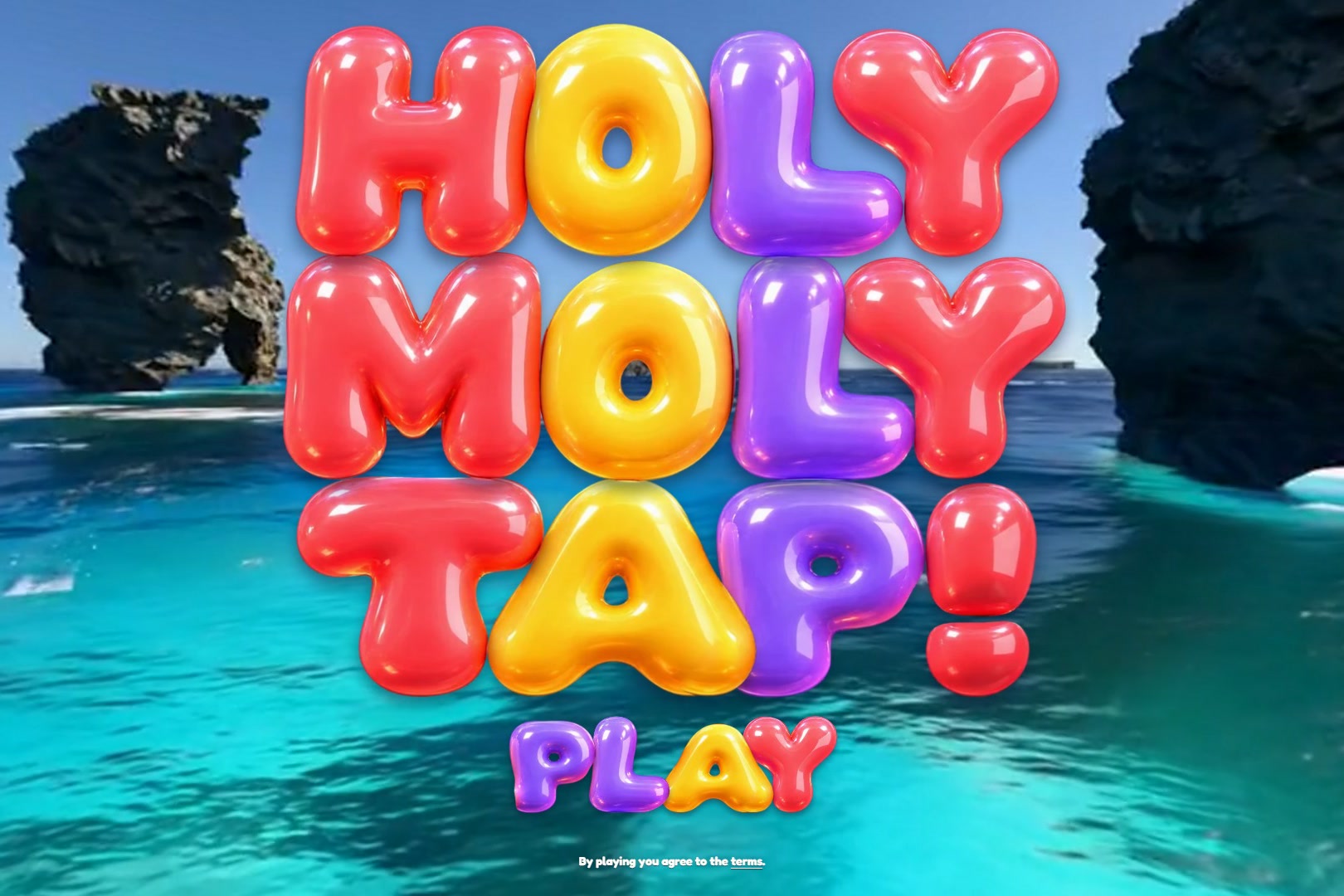
HOLY MOLY TAP! A rhythm game you play on your own table.
-
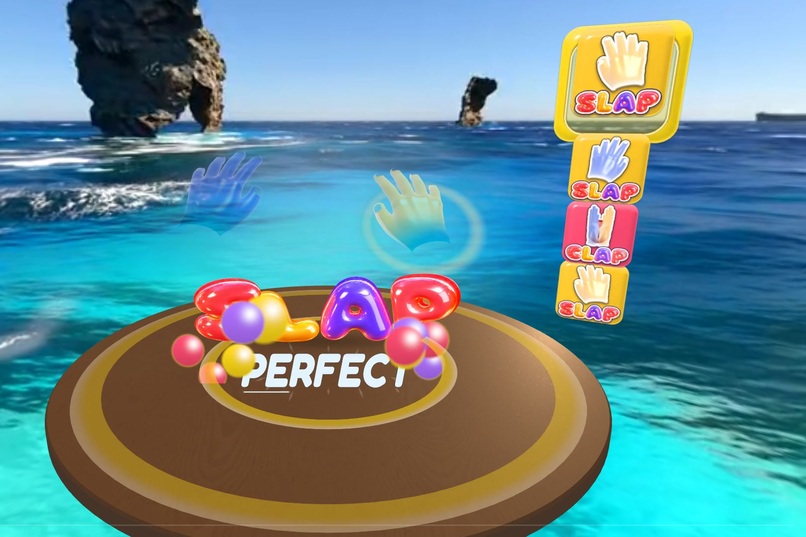
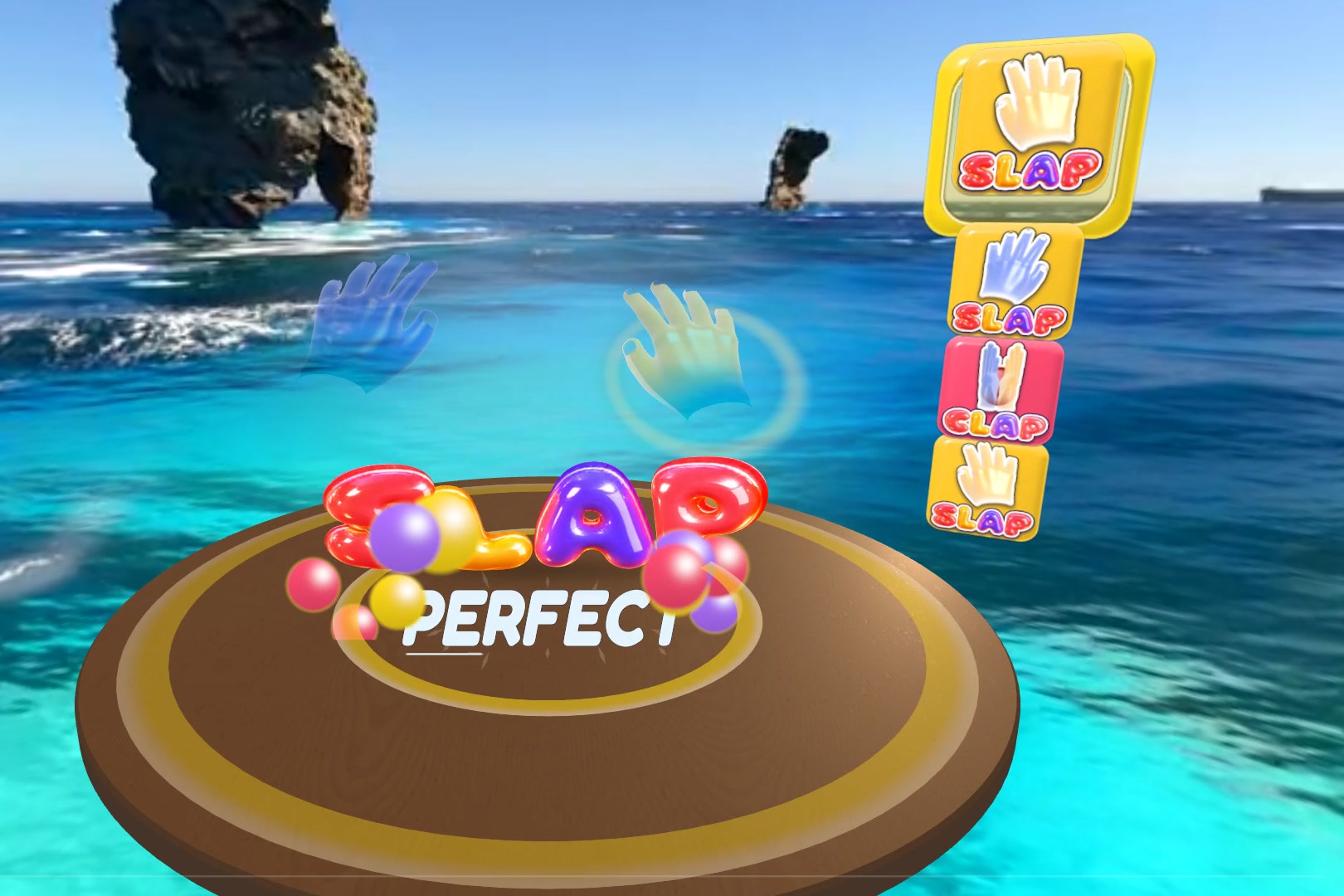
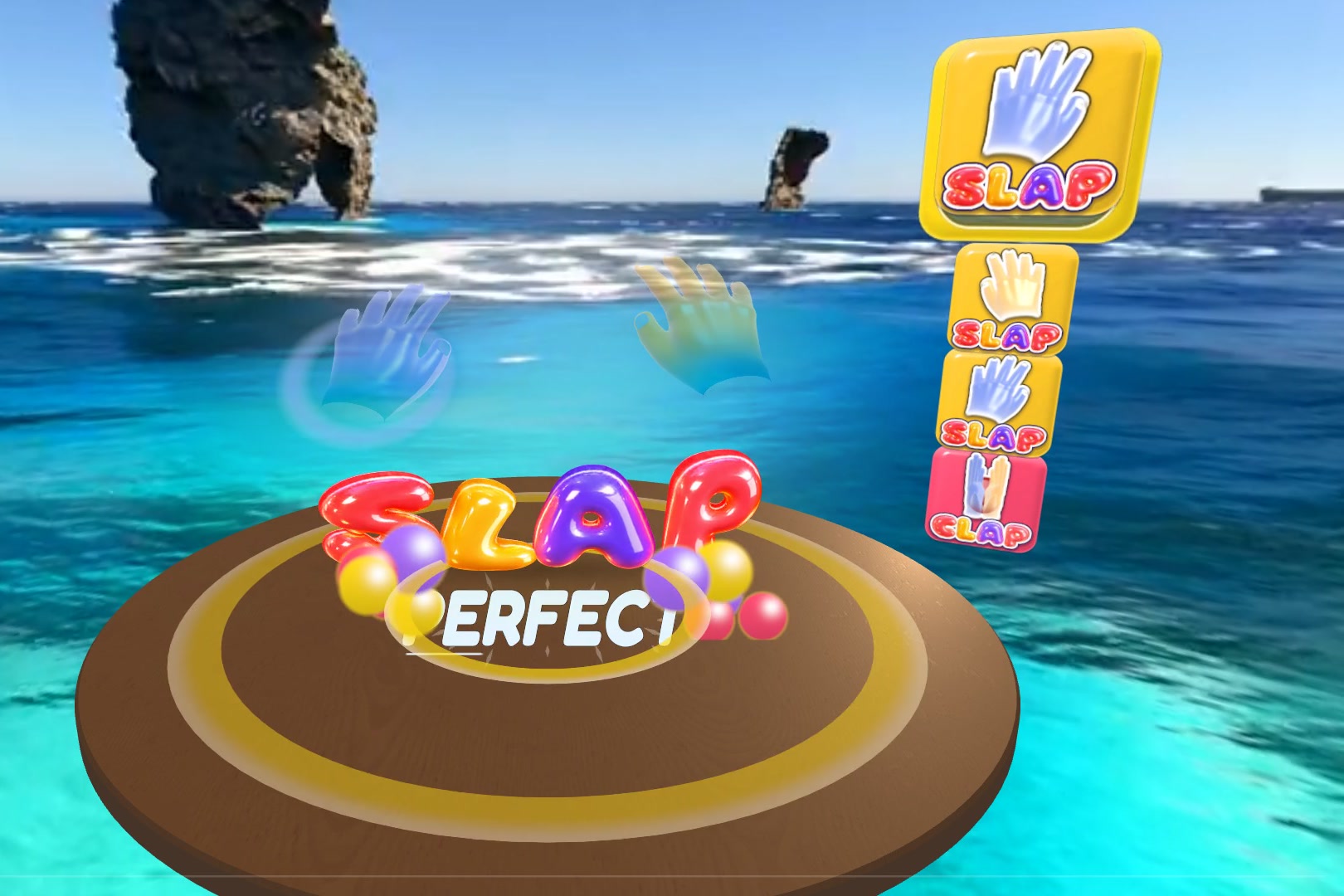
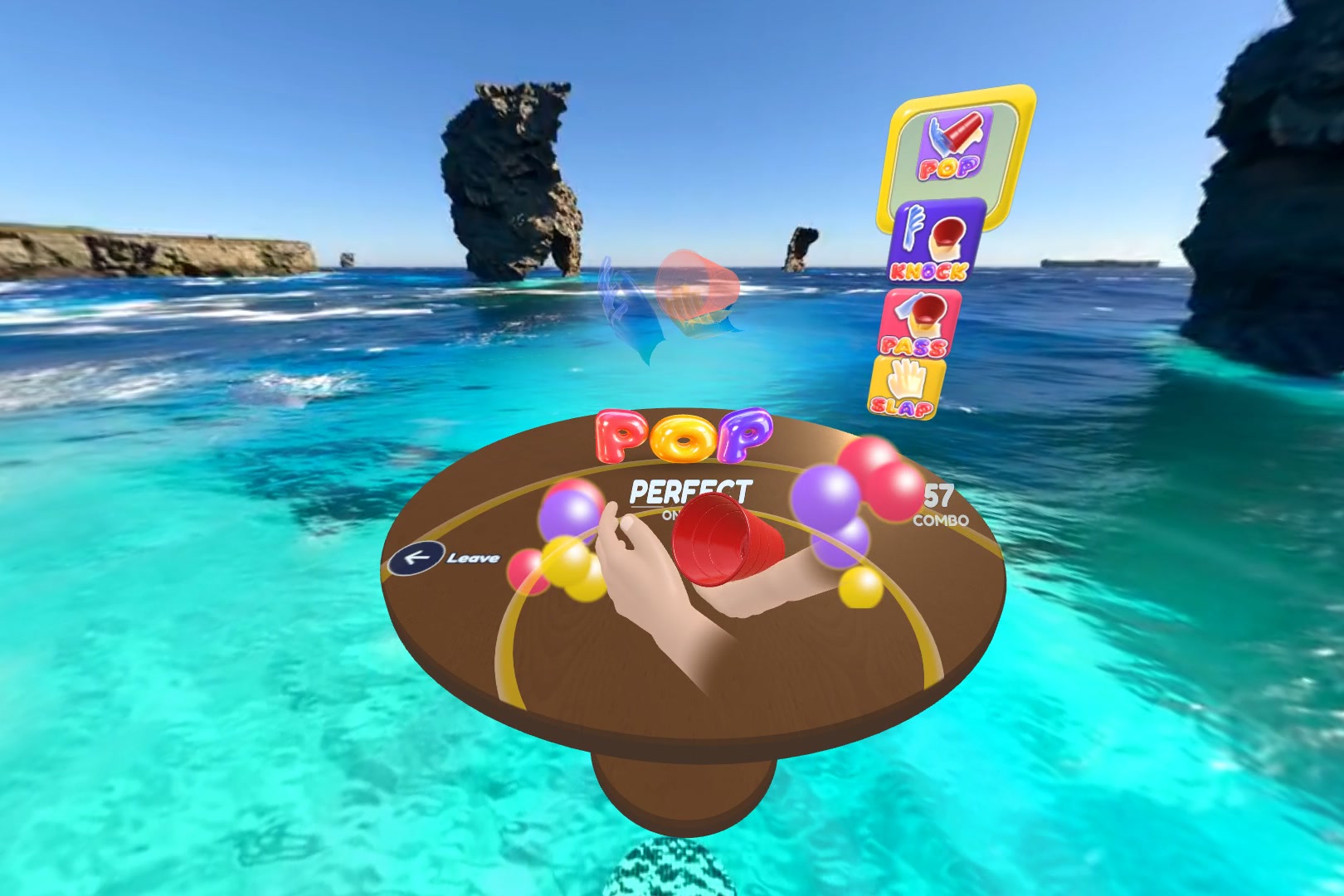
A Perfect hit: gel beads burst and a ring runs across the table.
-
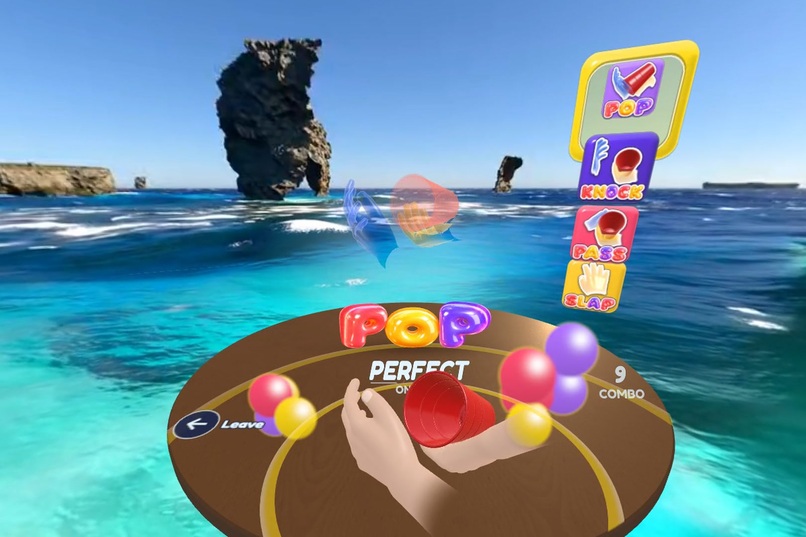
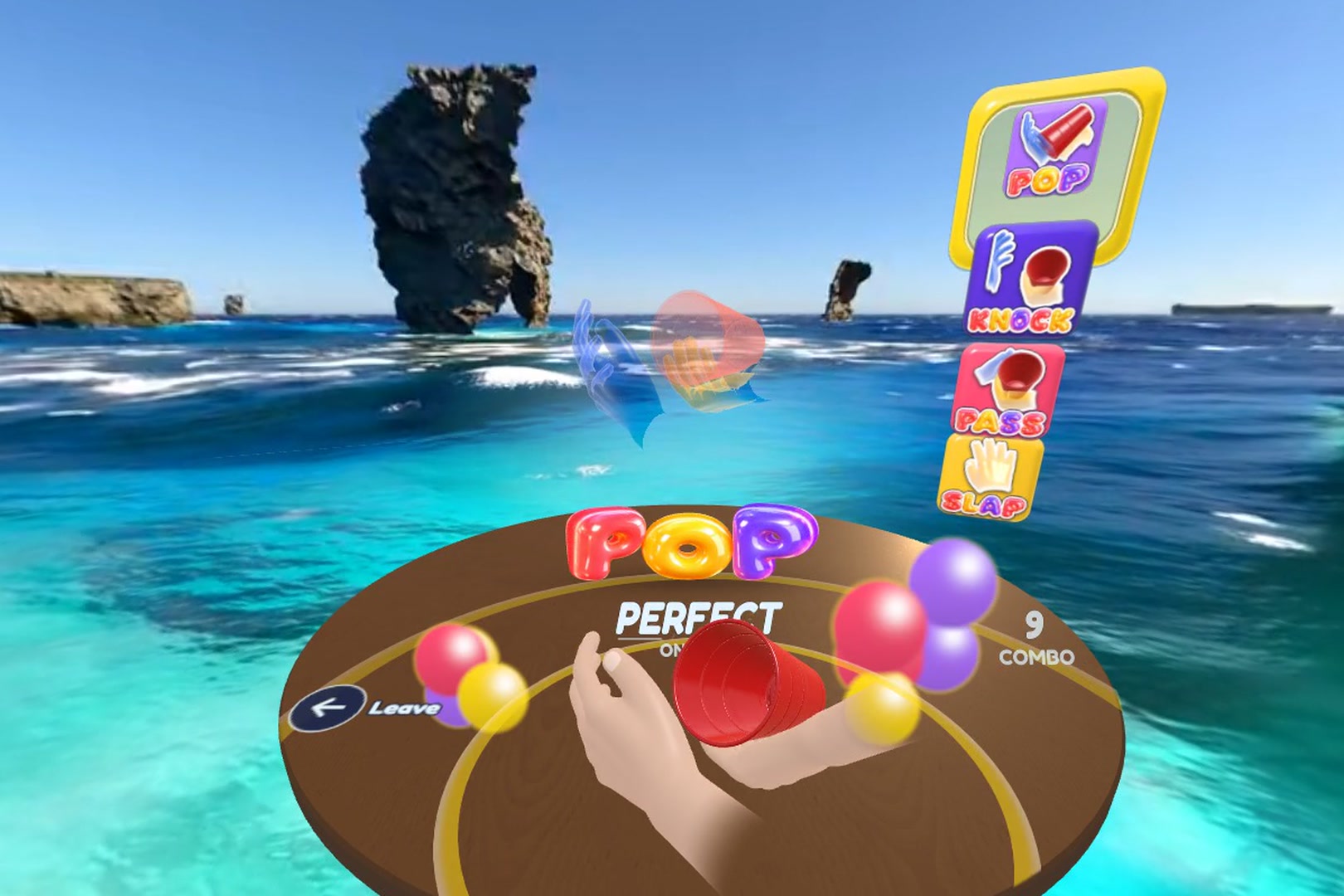
Headset view (emulator): your hands, a cup, and the next moves lined up on the right.
-
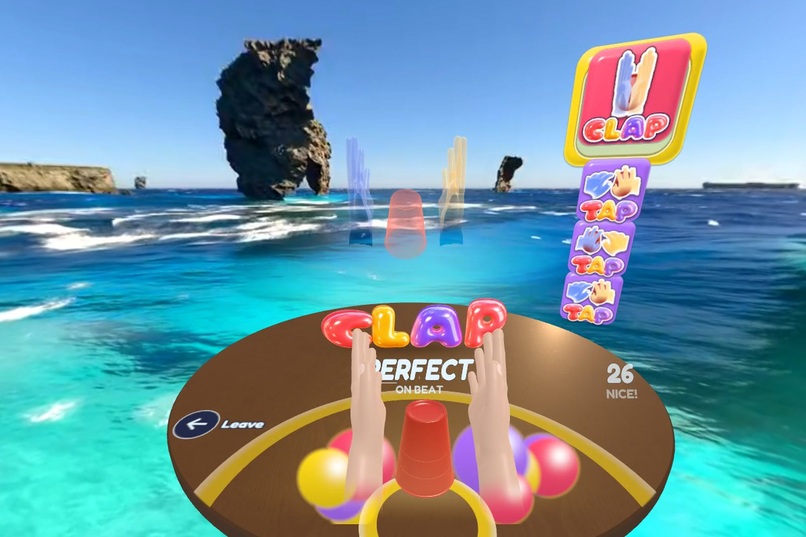
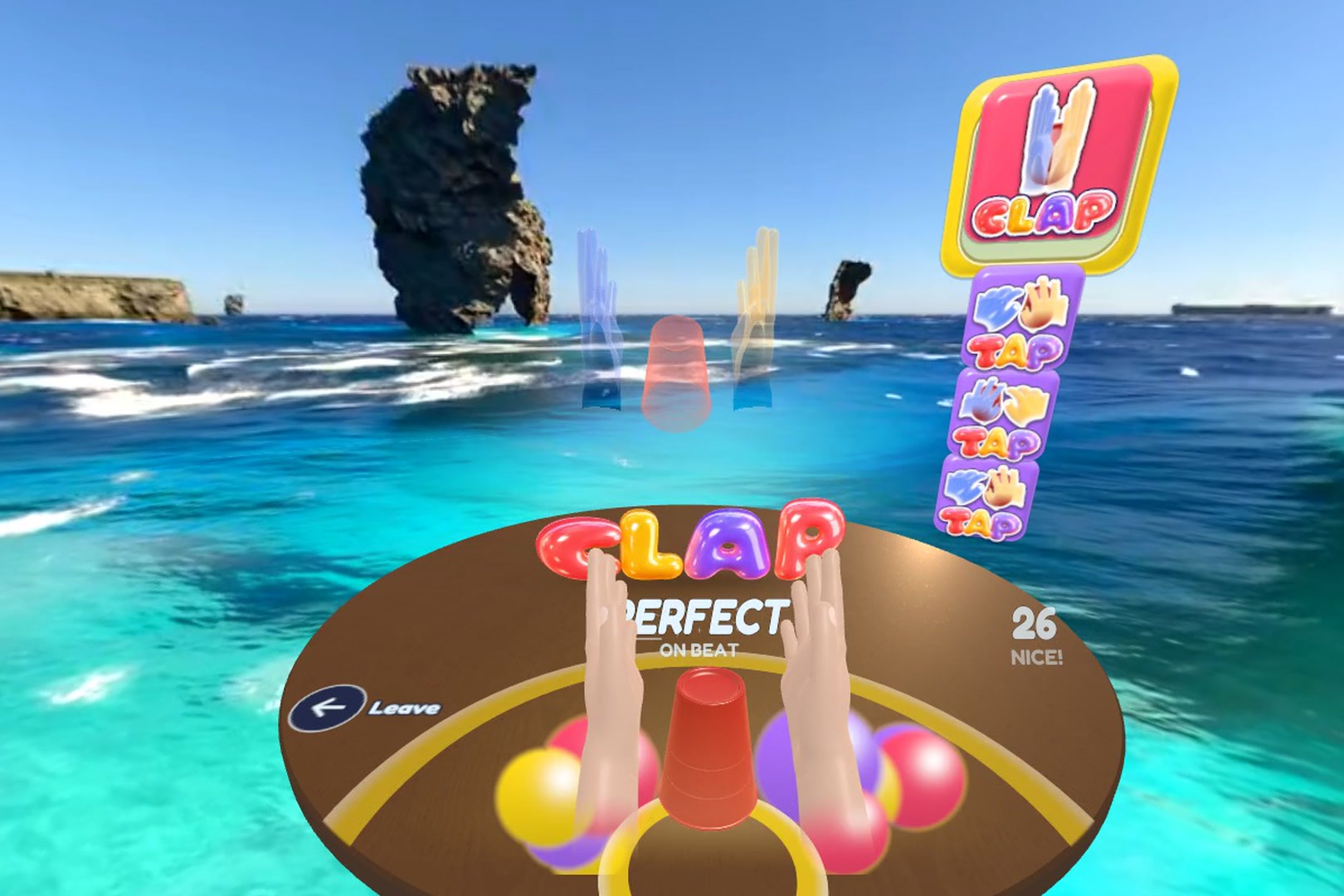
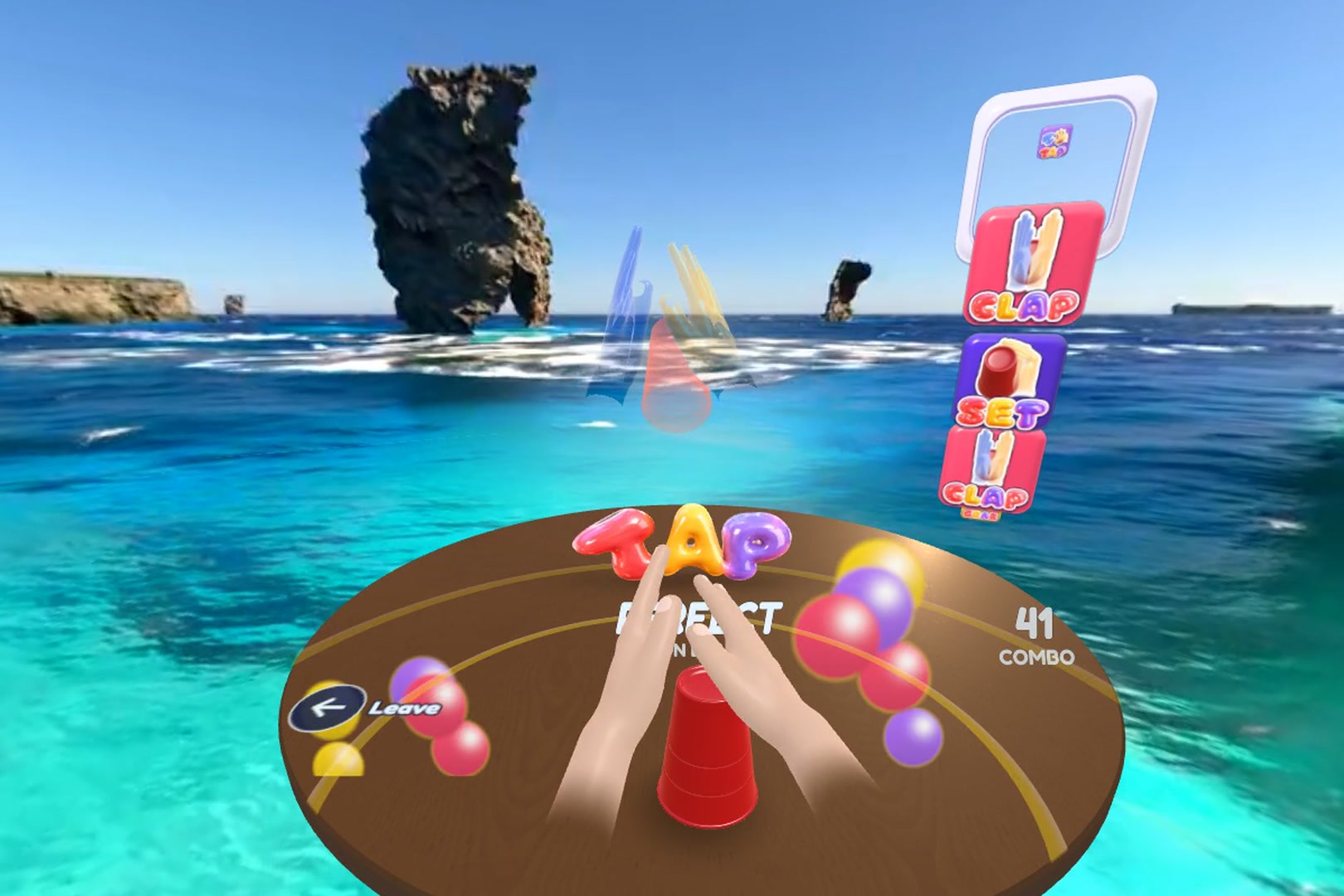
Headset view (emulator): clap, tap and move the cup on the beat.
-
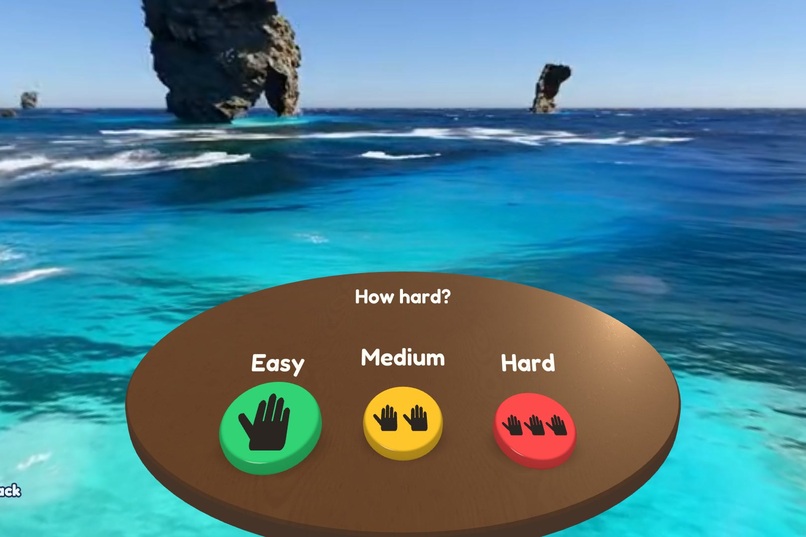
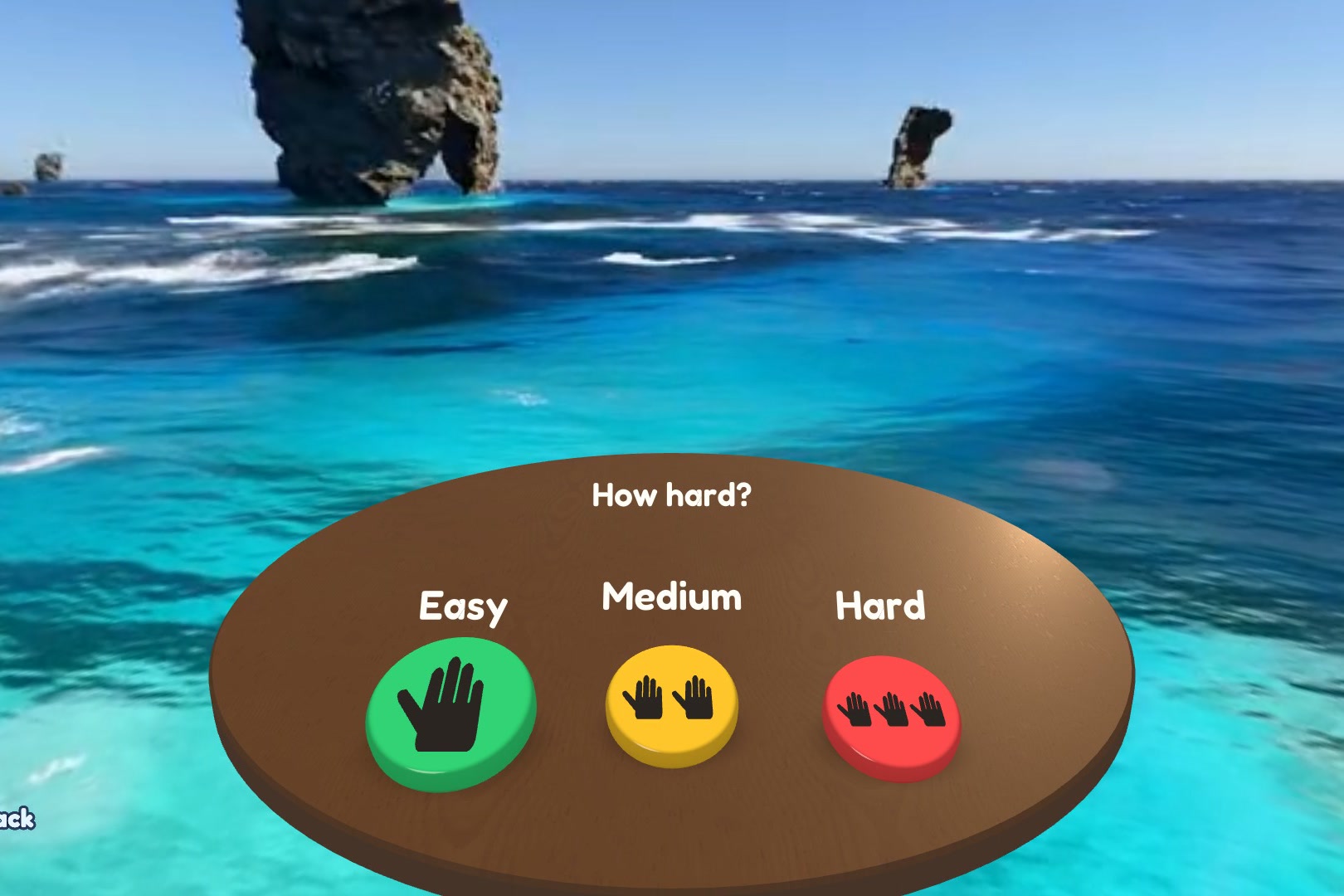
One question before you play: Easy, Medium or Hard.
-
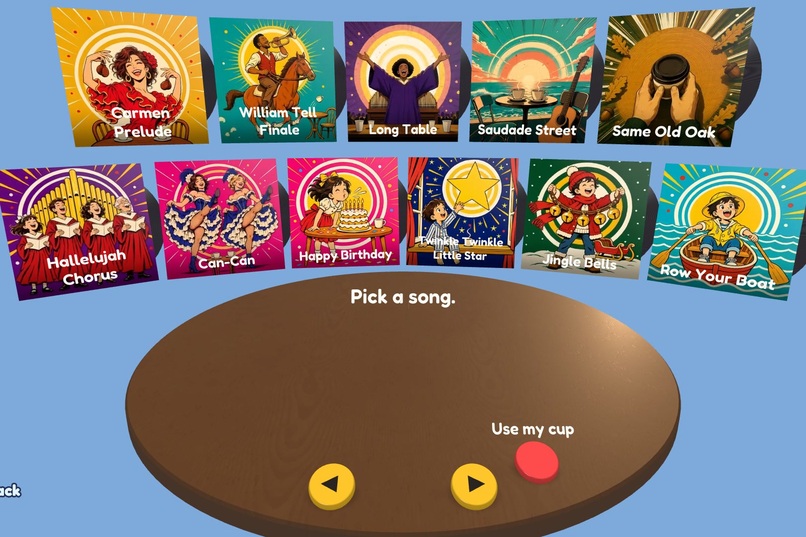
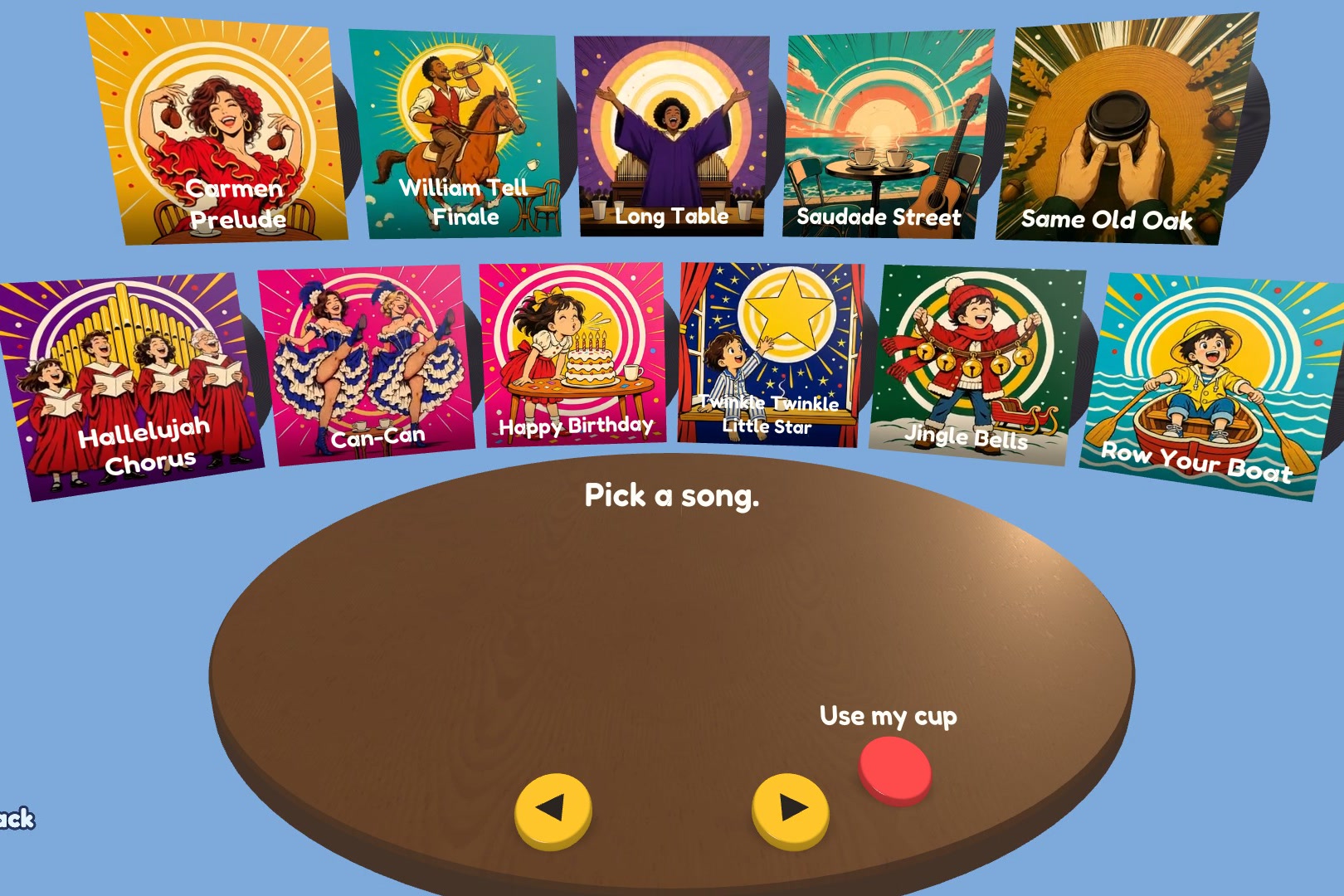
Pick from 37 songs: public-domain classics and originals made for the game.
-
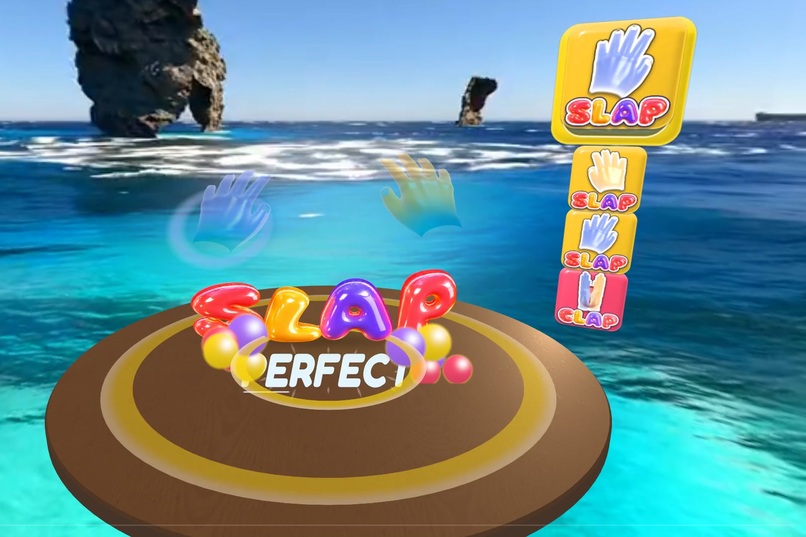
Play well and the song fills in: a sung voice, harmony and colour join.
-
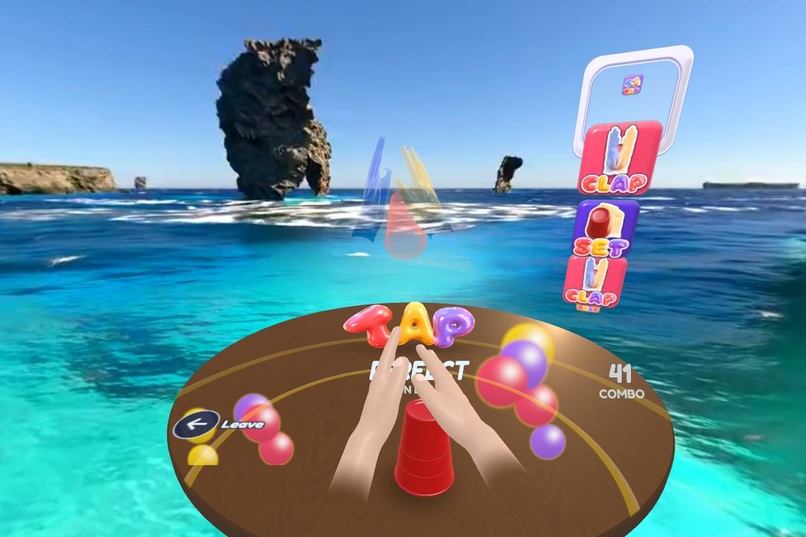
Headset view (emulator): every good hit answers in the grade's colour.
-
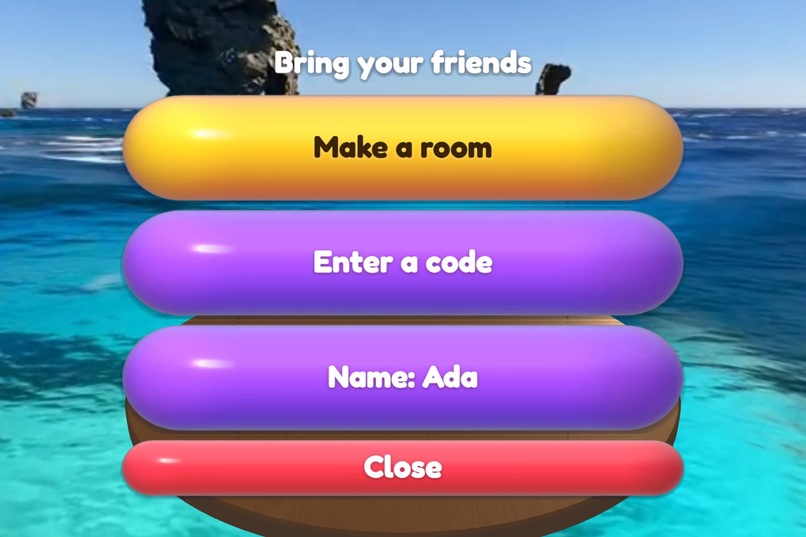
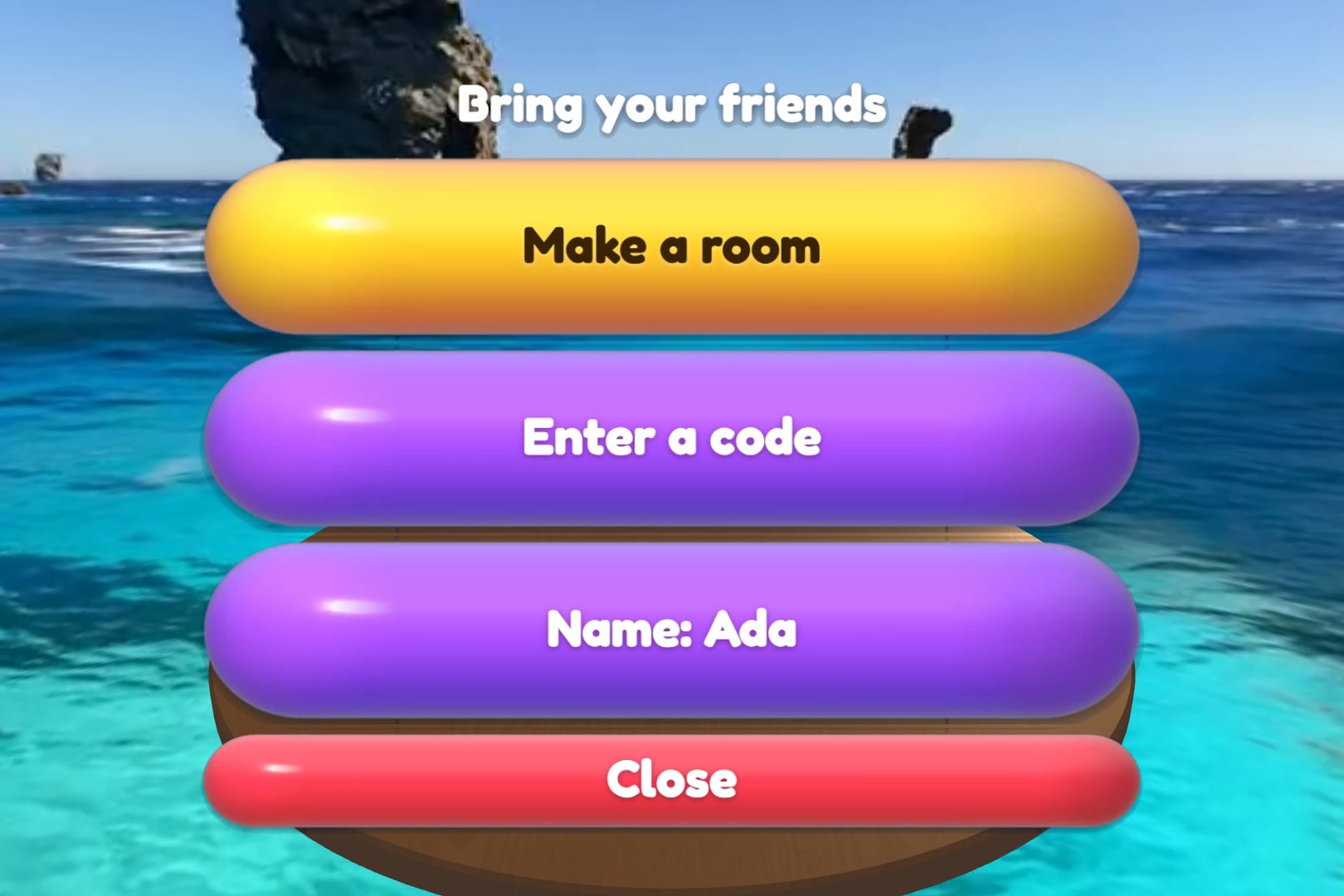
Friends: one press makes a room.
-
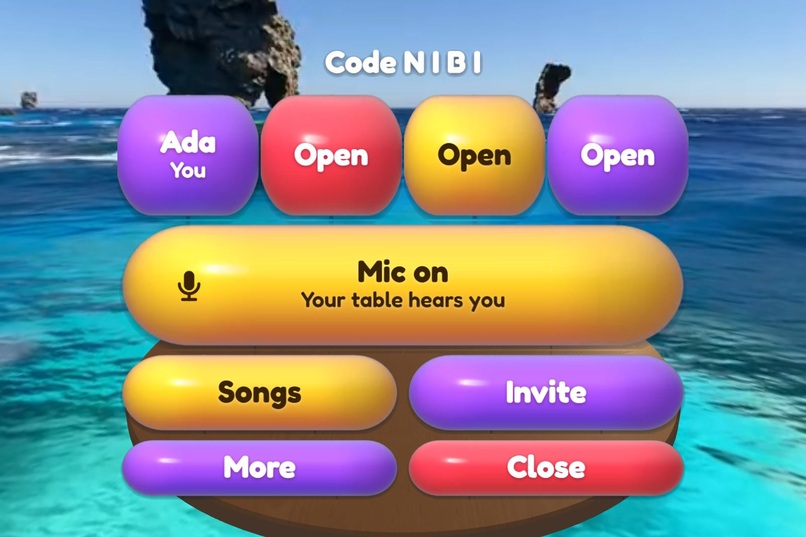
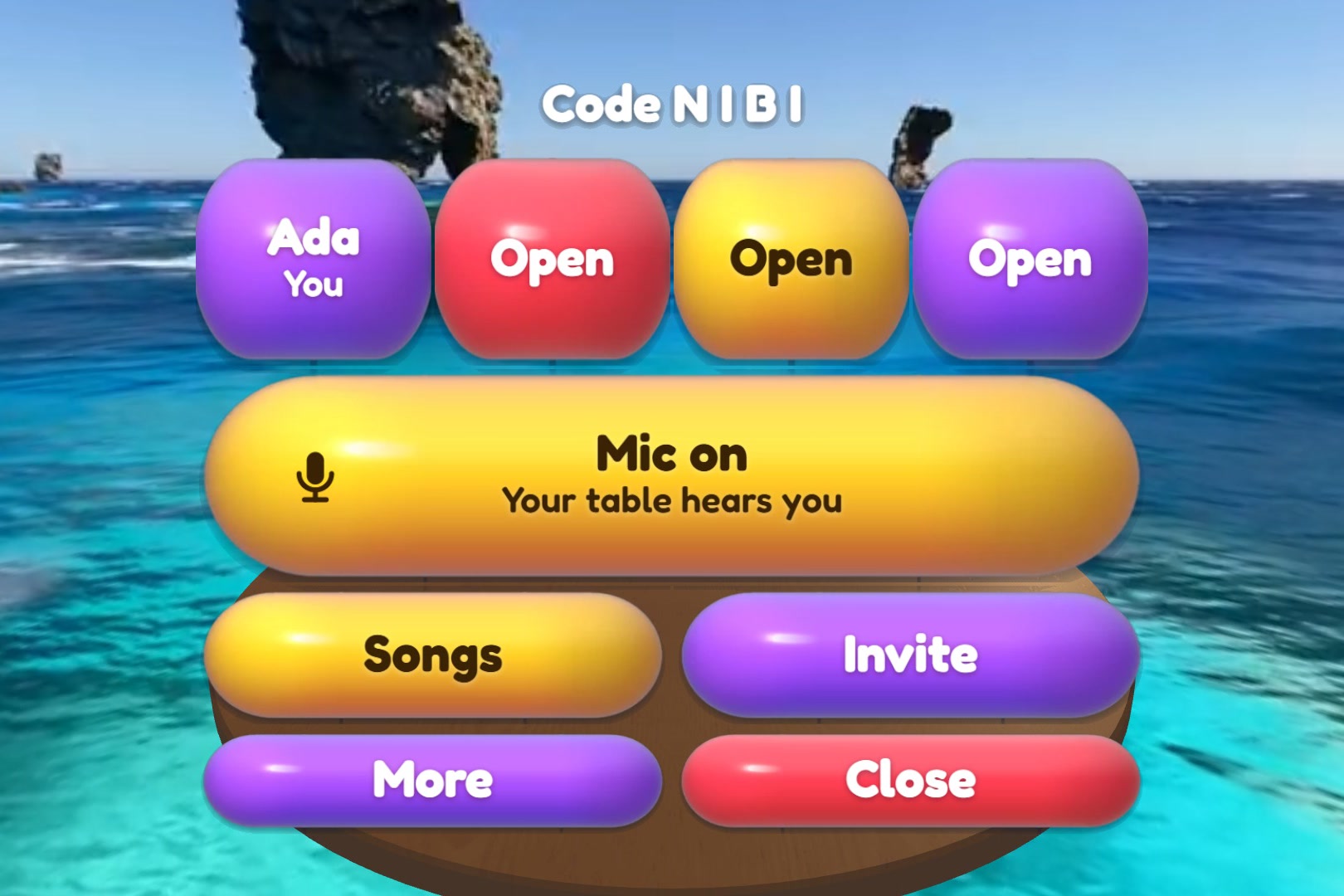
Your room and its four-letter code. Voice is on; the mic mutes it.
-
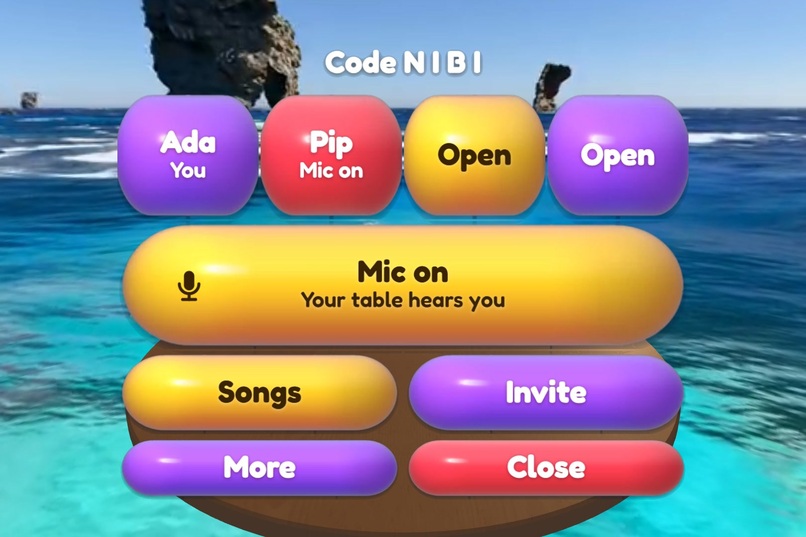
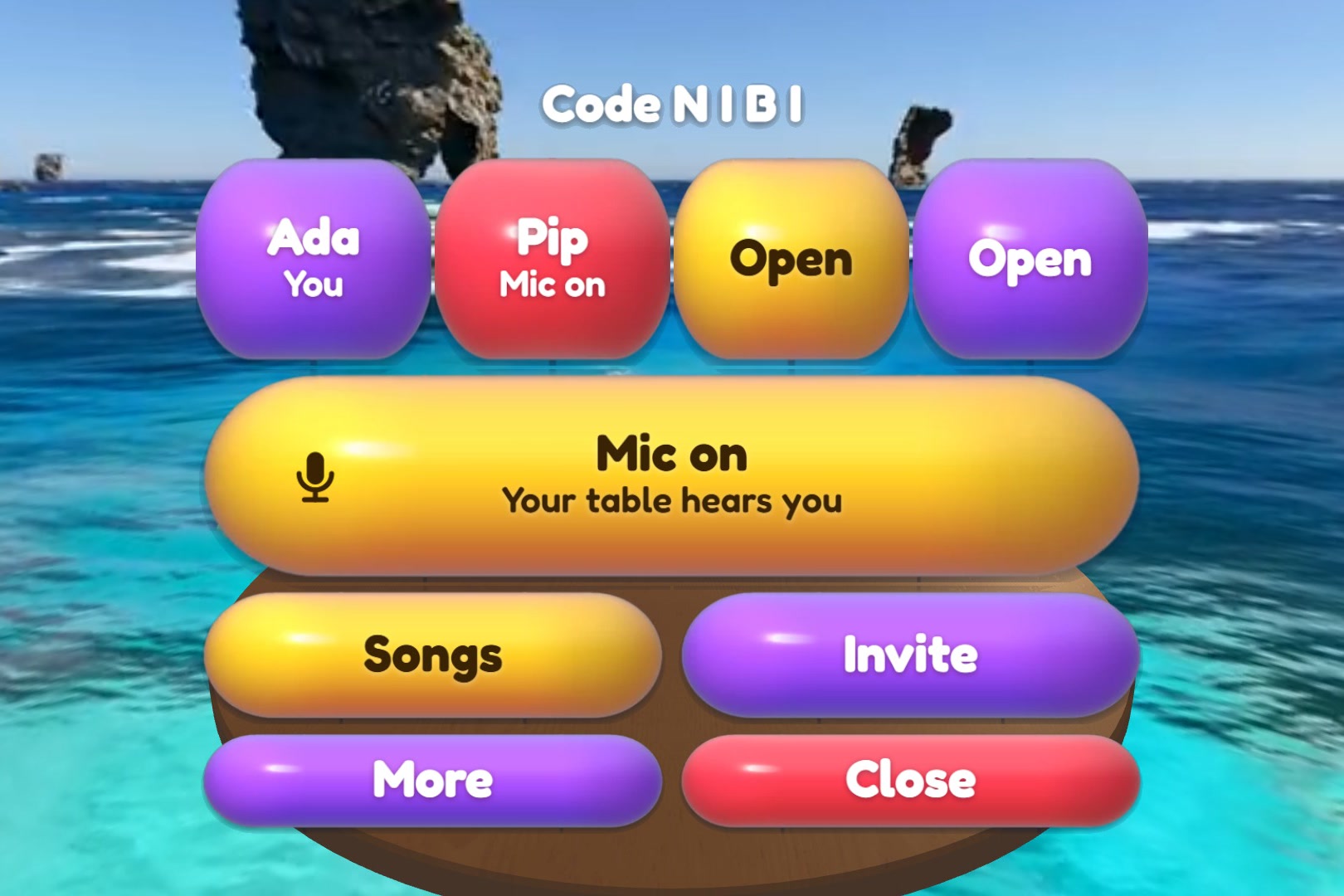
A friend types the code and sits down. Then you play and talk together.
-
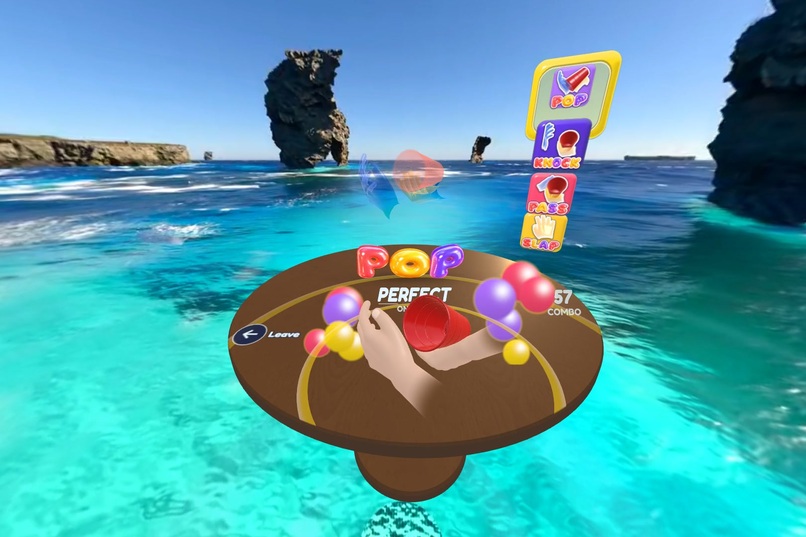
Headset view (emulator): the table in the middle of the sea, hands only, no controllers.
Inspiration
I have been an Anna Kendrick fan for years, and the "Cups" scene from Pitch Perfect and its music video stayed with me: one person, a table, a plastic cup, and a rhythm that makes everyone in the room want to join in. HOLY MOLY TAP! started as a fan's wish to step inside that moment. I wanted to sit at a table, pick up a cup, and have the music answer my hands.
The cup game itself is older than the film, a clapping game passed around kitchen tables and school cafeterias. That is what the game is built on: a routine anyone can learn, played with nothing but hands and a cup.
What it does
You sit at a table and open a link. Press PLAY, pick a level, pick a song, and copy a pair of guide hands on the beat: tap, clap, slap, and at higher levels the cup moves. There are 37 songs, public-domain classics and originals made for the game.
- Hands only. No controllers and no account.
- The song answers you. Play well and layers join in: a sung voice, harmony, colour. Each good hit throws a burst of gel beads and a ring across the table.
- Friends. One press makes a room; friends join with a four-letter code and talk by voice.
- No cup? The game brings one.
How I built it
The game is WebXR, built with Meta's Immersive Web SDK, three.js and TypeScript, so it runs from a link in a headset browser and on a flat screen. A Rust core compiled to WebAssembly listens through an AudioWorklet and judges each hit against the song together with the tracked hands. A small relay on Cloudflare seats friends at a table, and WebRTC carries their voices.
Challenges
- Three clocks. Audio, display and hand tracking each keep their own time. I built explicit timing paths and tests instead of trusting animation to be the judge.
- A headset's frame budget. The per-frame code allocates almost nothing, and every effect had to fit inside the draws and shader programs already there. The hit splash is drawn inside an existing shader.
- Feel. The first hit effects were thin lines nobody noticed. Making a hit feel like a hit took big, fast, gel-coloured feedback that lands exactly on the beat.
What I learned
Simple is hard. The game once asked several questions before a song or a room; now it is three presses to play and one press to make a room. I also learned to measure before believing: frame by frame for the effects, byte by byte for the frame budget.
Built With
- audioworklet
- immersive-web-sdk
- onnxruntime-web
- rust
- three.js
- typescript
- vite
- webassembly
- webrtc
- webxr

