-
-
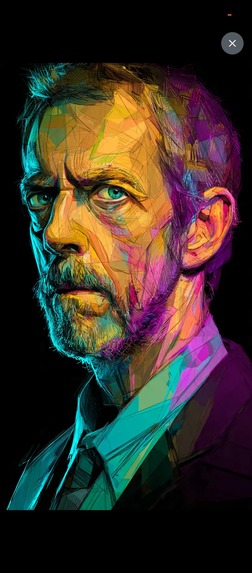
Nosso holograma
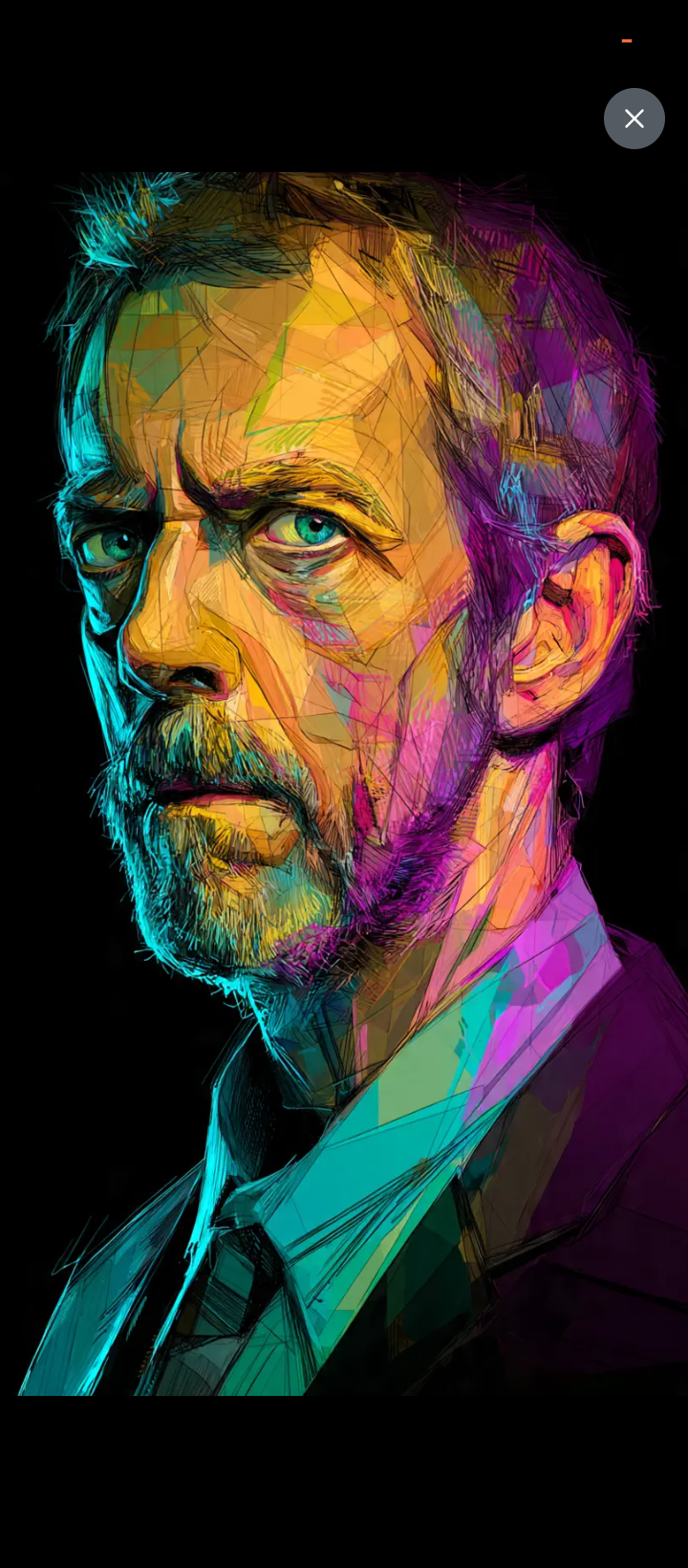
Inspiration Overworked doctors, especially in public and low-resource hospitals, are forced to make life-critical decisions in just a few minutes while dealing with dozens of exams, PDFs, images and patient histories.
This overload leads to delays, missed details and avoidable medical errors. MedLens AI was inspired by the idea that doctors should never be alone when making these decisions. We imagined a “second clinical brain” — an AI that can instantly read, analyze and connect all available medical data to support faster and safer care. The hologram interface represents this invisible assistant: always present, always focused, and always working to protect human life.
What it does
MedLens AI is a multimodal clinical assistant that helps doctors identify risks and diagnostic hypotheses faster. The doctor can upload: medical exams (images, PDFs, lab reports), written symptoms, or patient descriptions. Using Gemini 3, the system: extracts key medical data, cross-checks symptoms with clinical guidelines, analyzes medical images, and generates structured diagnostic suggestions, risk levels, and next-step recommendations. A holographic avatar presents this information in a clear and conversational way, allowing doctors to understand complex cases in seconds — without replacing human medical judgment.
How we built it
We built MedLens AI using Gemini 3’s multimodal reasoning capabilities. The system processes: medical images, text, and structured data simultaneously. Gemini 3 is used to: interpret lab values, analyze imaging patterns, correlate symptoms with known medical conditions, and generate medically grounded explanations. The hologram interface acts as a real-time AI front end, translating complex AI outputs into simple, human-readable clinical insights. The architecture is designed to be lightweight so it can run in clinics with limited infrastructure.
Challenges we ran into
One of the biggest challenges was designing the system to be helpful without replacing the doctor. Medical AI must avoid making final diagnoses or giving unsafe advice. We carefully structured the outputs to provide: probabilities, clinical reasoning, and recommendations, instead of definitive conclusions. Another challenge was making multimodal data — images, lab values, and text — work together in a reliable and medically coherent way.
Accomplishments that we're proud of
We created a working multimodal medical assistant powered by Gemini 3. We built an interface that makes complex AI output understandable in real time. We designed a system that supports doctors ethically instead of replacing them. We aligned advanced AI with a real global health problem. Most importantly, we proved that AI can be used not just for automation, but for saving lives.
What we learned
We learned that multimodal AI is especially powerful in healthcare, where no single data type tells the full story. We also learned that designing for trust, clarity and ethics is just as important as building strong models. AI becomes truly impactful when it amplifies human expertise instead of competing with it.
What's next for Holograma dr house
Next, we plan to: integrate real hospital workflows, support more medical imaging formats, include voice input from patients, and enable triage systems for emergency care. In the future, MedLens AI can become a scalable clinical assistant for public hospitals and underserved regions worldwide — helping doctors save more lives, faster.

Log in or sign up for Devpost to join the conversation.