-
-
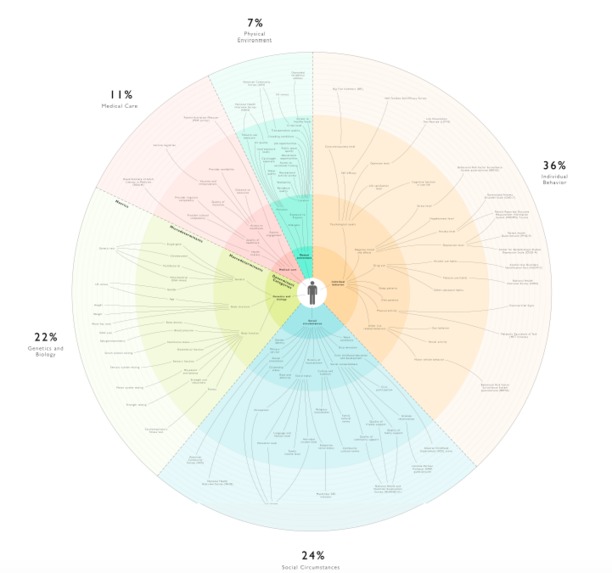
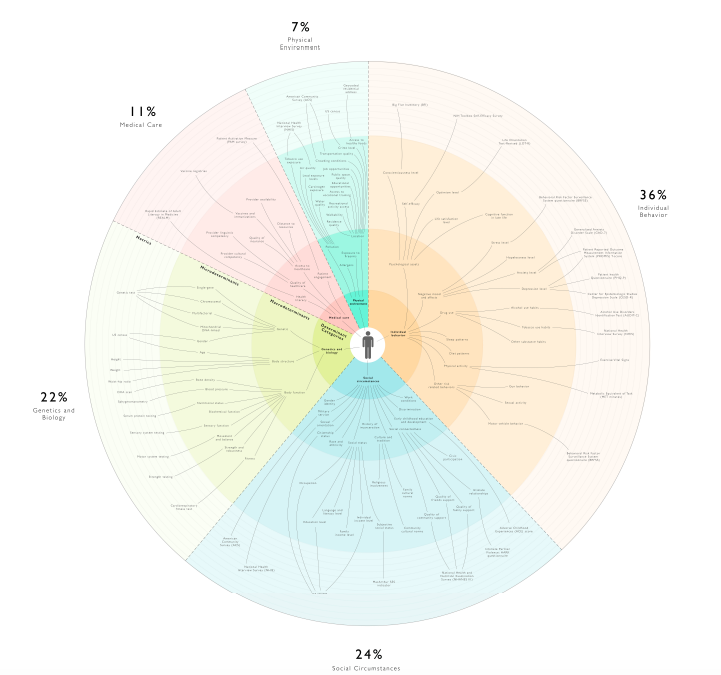
Determinants of health
-
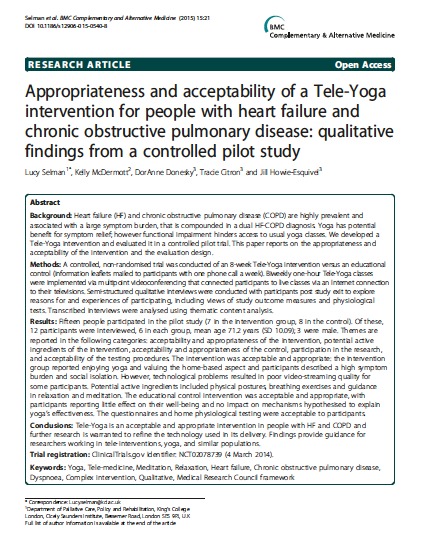
Example of source
-
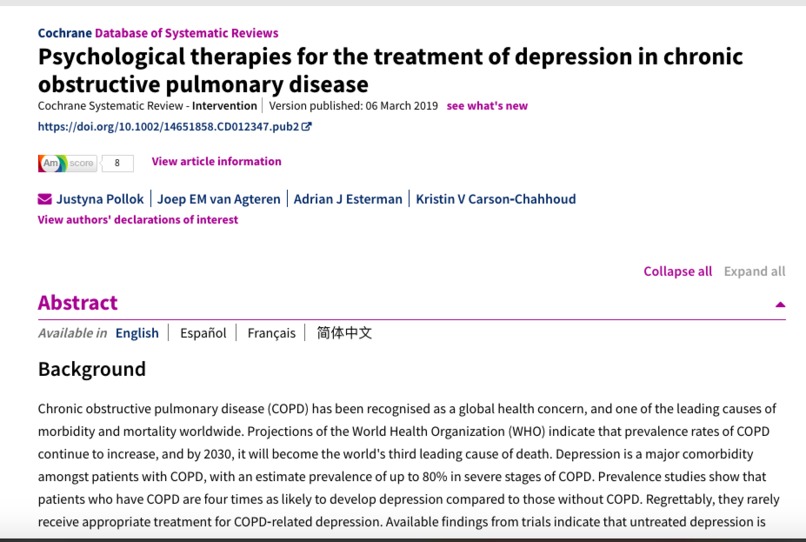
Example of source
-
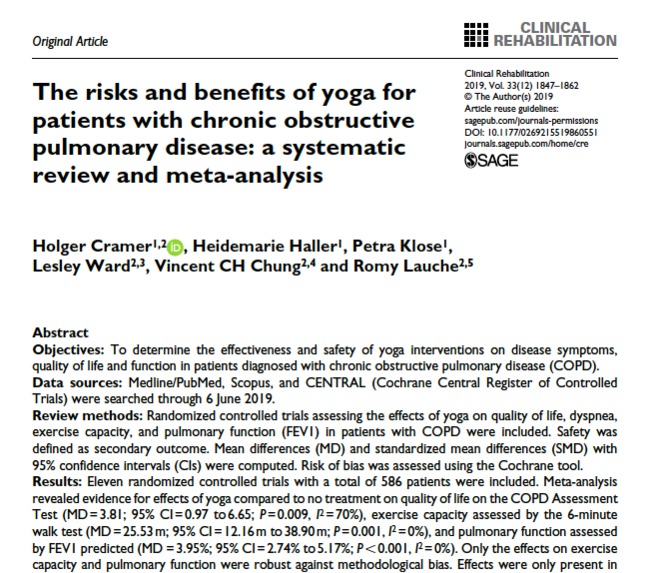
Example of source
-
Example of source
-
Example of source
Inspiration
Does it sound familiar any of the cases when I explain my real experience? Many years ago, my grandma, after breaking her hip and staying a while in the hospital, doctors let her go back home with just a short physiotherapy recovery treatment. After her condition and weakness, her moral declined, shutting herself up, having a more sedentary life and speeding the aging process.
For me, since two years I was losing hair and very frequently having heartburns. After many medical tests, the doctors concluded nothing was happening to me, just some anxiety because of work. They only recommended some vitamins for hair and gastric protector. Fortunately I did some research by myself and began psychology therapy, which stoped my anxiety.
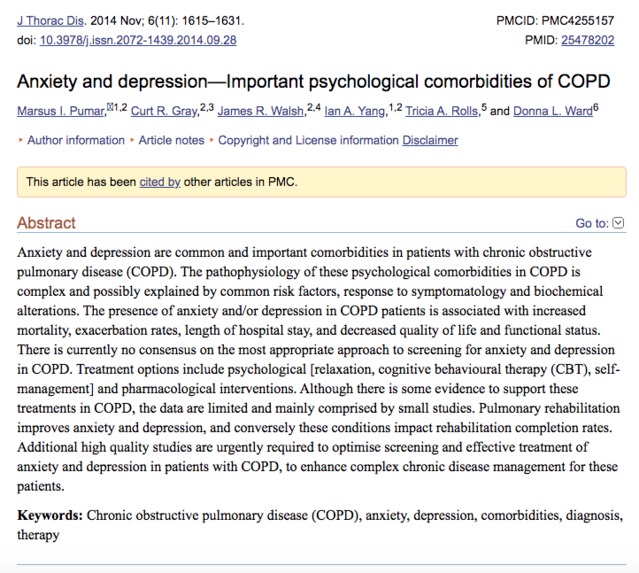
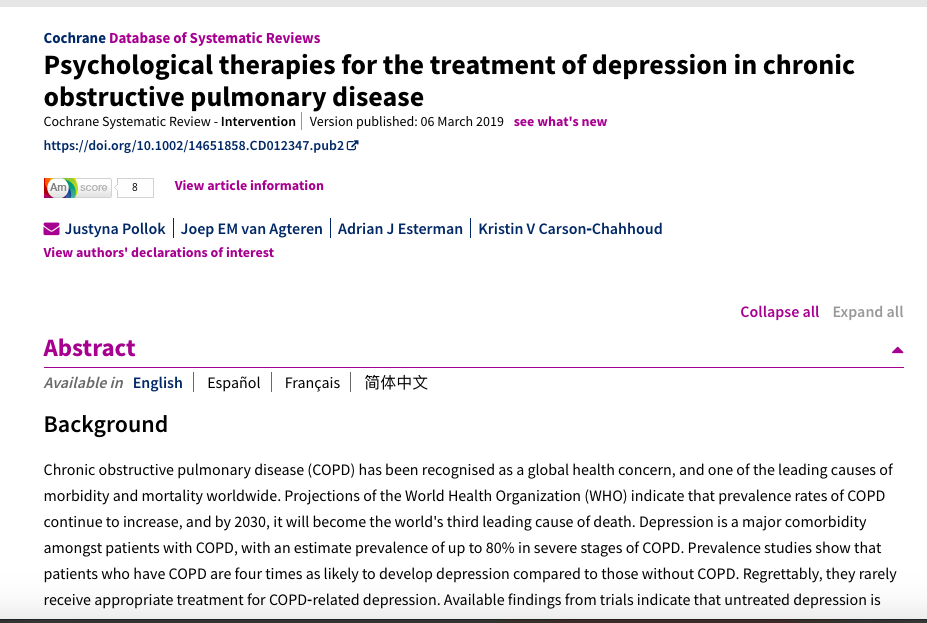
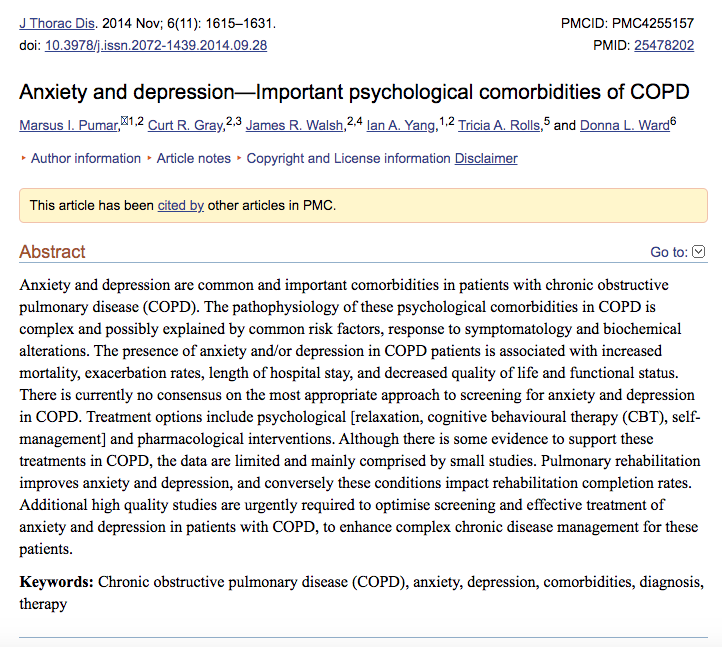
Finally, when my mother was diagnosed COPD (Chronic Obstructive Pulmonary Disease), she was prescribed to be dependent of Oxygen therapy forever all day long, nothing to do, having to adopt an extremely slow life. Then my father got cancer (all this is real). Suddenly, my mother forced herself to be more active, taking care of my father, accompanying him to hospital and treatments. And then we found she could have an almost normal life, didn't need more Oxygen therapy, doctors couldn't believe. After that we began to research on lung diseases, the big impact it has on public health (3rth and 4rth cause of death in many EU countries), how it's one of the higher costs due to common hospitalizations and exacerbations and the importance of keeping an active style of life to prevent degeneration, being psychological positive. But also on how we could improve quality of life working on the social determinants on health: Genetical, Individual Behaviour (psychological, diet,..), Social and Environment, which all contribute to 80/85% of our health, against clinical determinants.
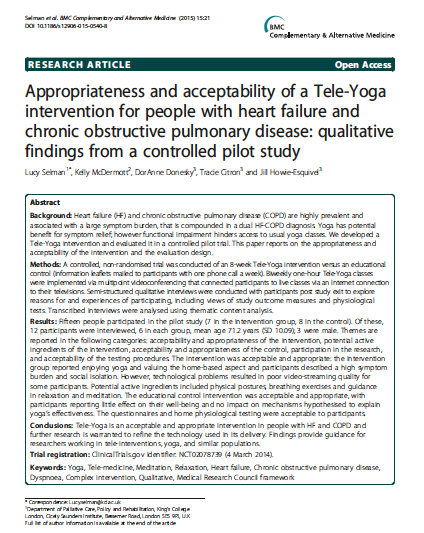
So, keeping in mind the importance of all the social determinants of health and how could be improved when treating a patient (recovery, chronic and also preventing) on a trustful way, but also that medical workers are busy enough to apply those data we are building Holistic Health. To improve life quality of people with lung diseases, as showed one of the most costly diseases and which before COVID-19 was a priority, and after it, due to the incipient evidence-based lung damages on COVID survivors, will be more important. We will allow them to know which supplementary treatment(s) will be better for them, keeping mind of their profile and comorbidities, always scientifically based, and even book and accomplish classes or treatments on line/in person.
How we built it
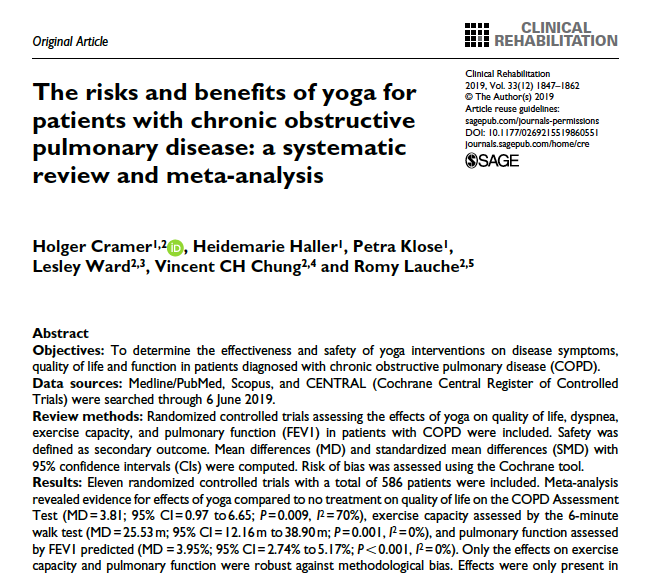
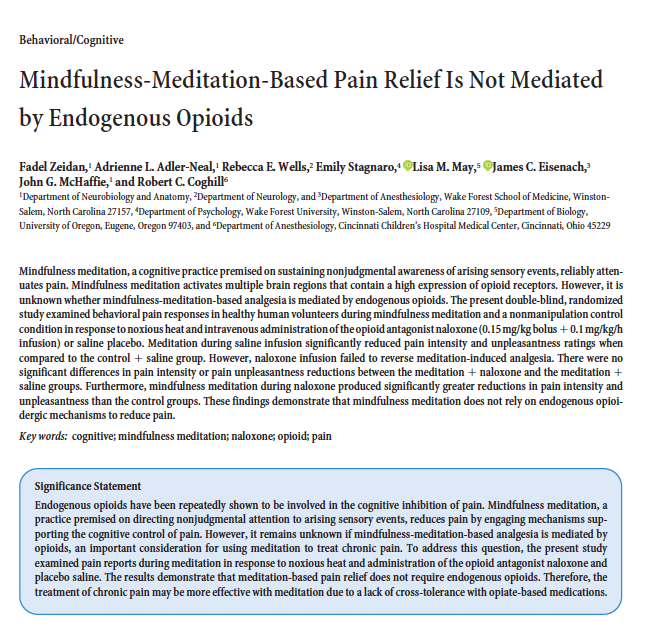
The system will look over just science based data (Pubmed, WHO,..) and after collecting it, it will suggest "non pure medical" treatments or to-do's to users. Looking first for information about possible health damages after COVID, parsing the information. Also in parallel looking for studies of efficacy of "alternative" treatments for those damages (for example, have been detected damages like pneumonia). *Alternative treatments meaning from new lifestyles, diets, sports or physical activities and psychological therapies. Also looking for some specifically contraindications for comorbities (i.e: bad effects of running in people with osteoporosis). That way, on a first version with decision-tree-like, the system suggests the best therapy or method por the profile introduced. NOTE: first version for the weekend.
For selecting the source of information, we run into some collaborators during the hackaton, contentmine.org. They build an opensource mining tool for just scientific literature. That way on our MVP we can focus on the recommendation tool, moving faster, linking the source through API keys
Challenges we ran into
-Before finding the collaborator, trying to find sources of information. -Design the algorithm
Accomplishments that we're proud of
-Market research (financials, number of cases, etc..) and focus on the idea -Collaborator -Even we didn't have a mentor assigned, we would say it worked better for us. It made us to move along and talk to many of them! Such involved and responsible people. -All the schema/structure
What we learned
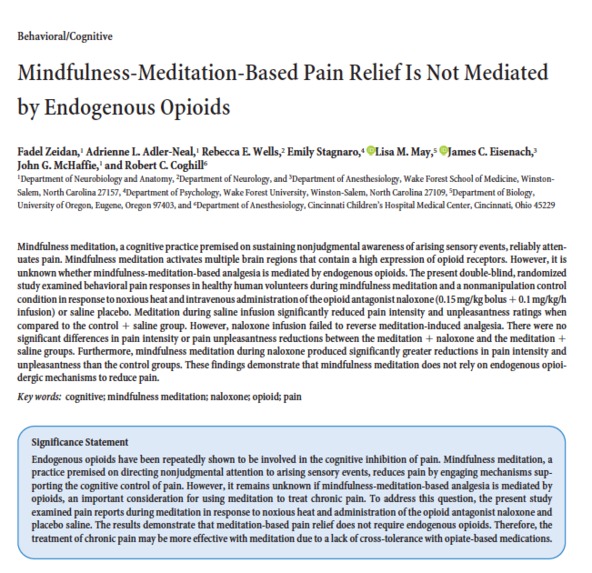
On our project, we learned how we could have a good impact on the COVID-19 crisis and the effects on people life. It's still early, but research is beginning to show some damages on survivors health, some of them might be chronic. As demonstrated on previous studies, working on social determinants of health could improve quality of life. So giving them access to an appropiate treatment as basic right, without having to proactively look for it, is a game changer. Also, with the boom of telemedicine and easy integration with providers, treatments could be done easily from home.
What's next for Holistic Health
As our main value is the recommendation system based on science and user profile, the product will be ready soon. However as there are different customers, we will need to clear up the integration: -Final user: through app or website -Insurance company: it could be an api sync with their system and them can get the recommendations. Also we could see an agreement with them, to provide our software and network as "white label". Offering as extra/added value for their customers. As marketing strategy, there are data showing how patients having same disease, but following some of the "alternative" treatments also are in better health, and have less hospitalizations, inpatient and outpatient expenses. So analysis of expenses of those treatments against the cost saving of hospitalizations can be presented. -Hospitals (most through nursing department,.) can have access to our software and network -Other centers: Gym, daycare center,..
As following steps, once we have our core, it's very scalable, so two of the most important points are: -Create a network of collaborators and the management platform of the patients, telemedicine, etc.. Syncs with wearables,.. -As easily suspected, the range of diseases can be quickly amplified, not just for COVID-19 damages.
Once there is some track, the algorithm can learn and prevent before disease appears, and suggest specific changes on the social determinants on health (for example, users reporting which deseases are prevalent on their families, their habits, but also tracking the social context of the user, when data privacy allows it).


Log in or sign up for Devpost to join the conversation.