Inspiration
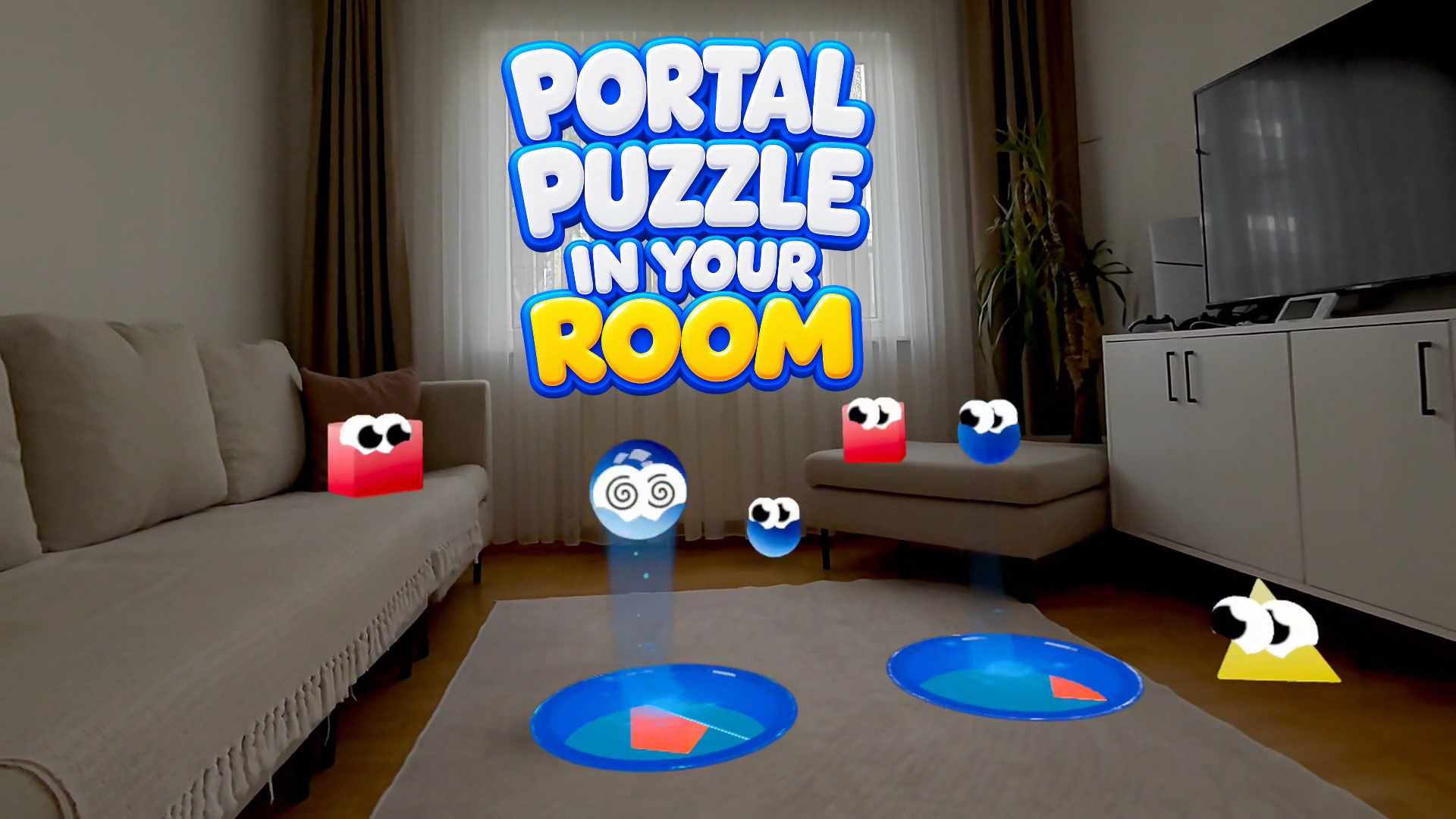
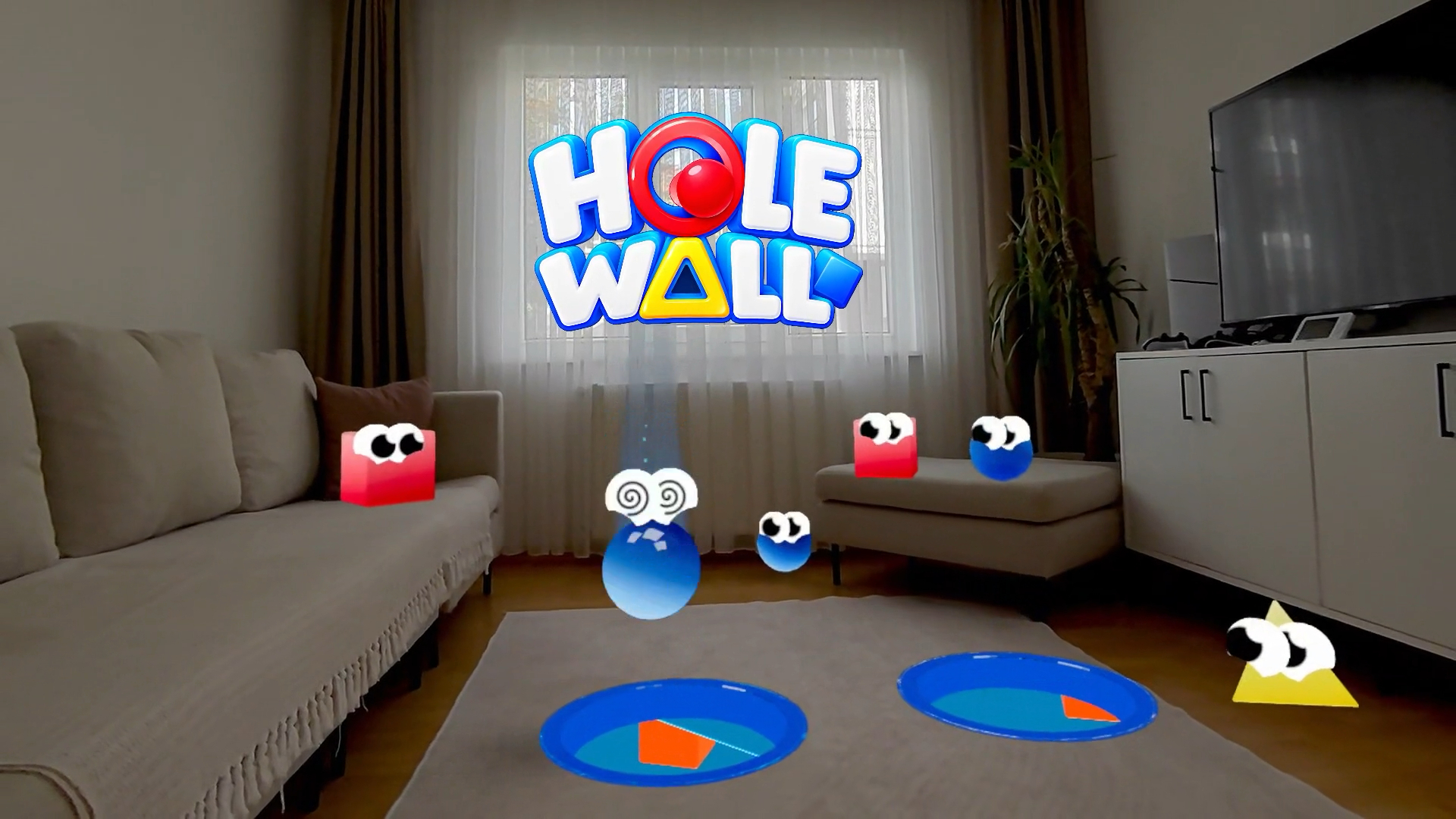
I wanted to create a game where anyone could solve fun portal puzzles in their own room, with every different room offering a unique experience.
What it does
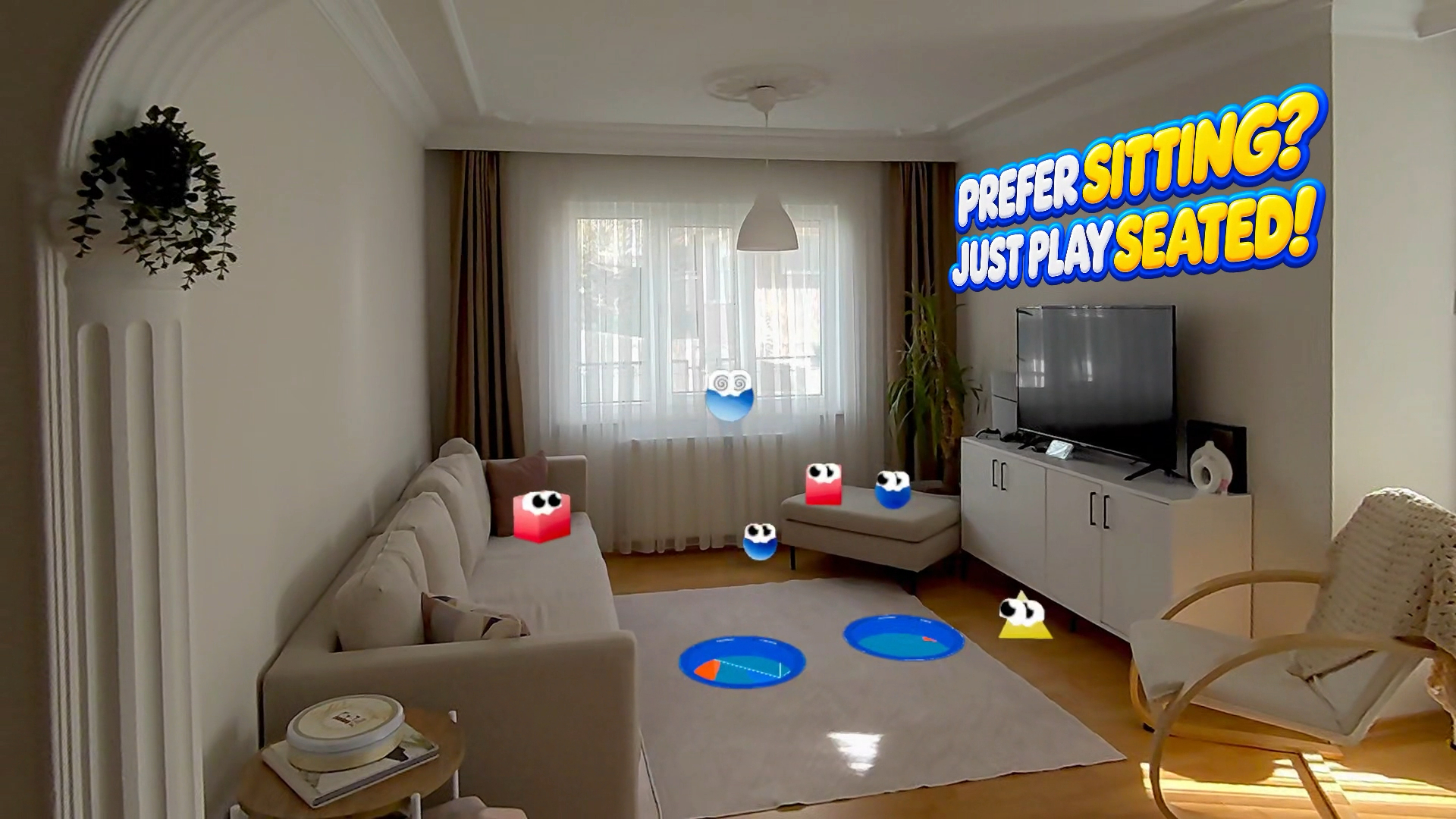
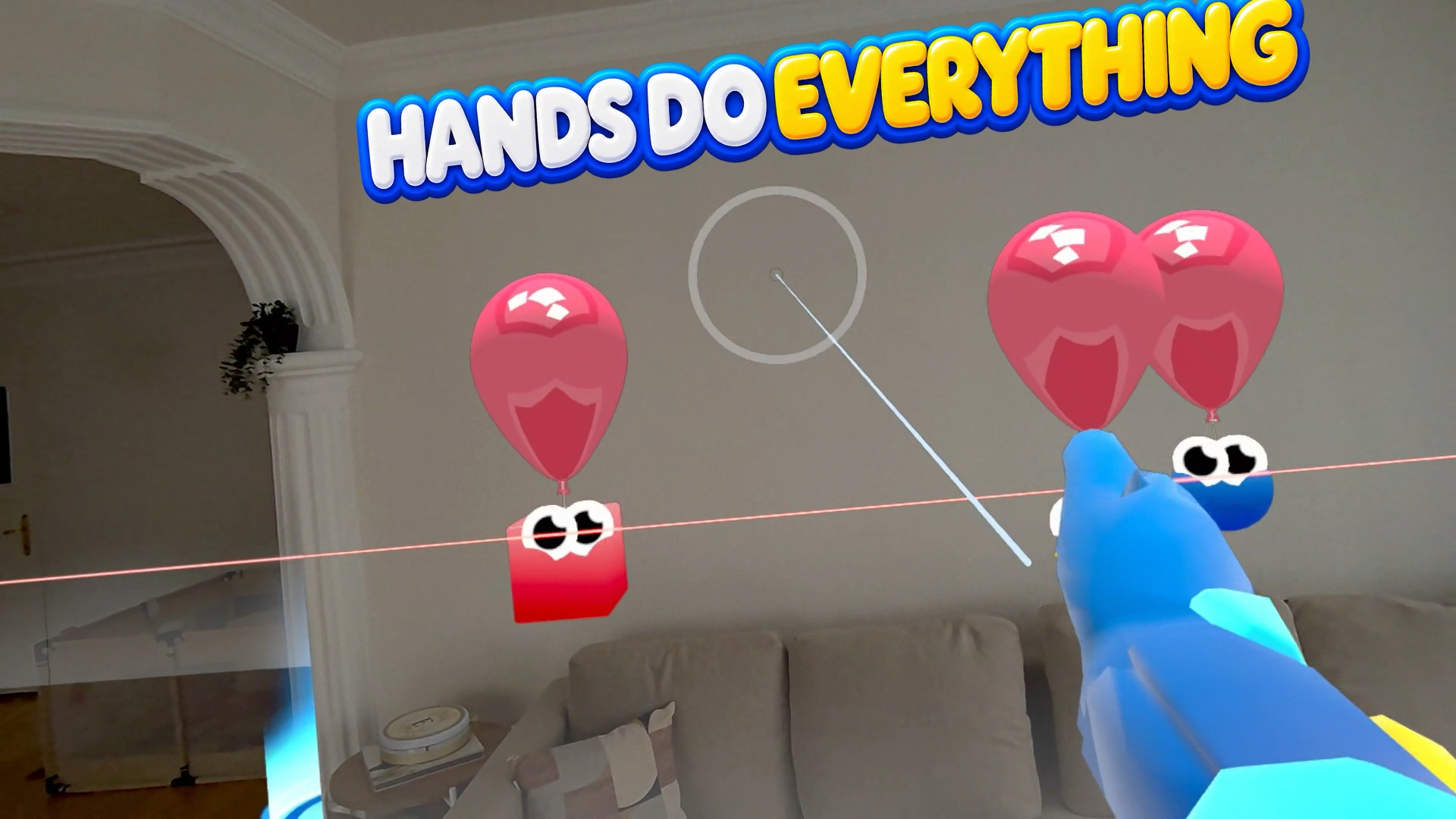
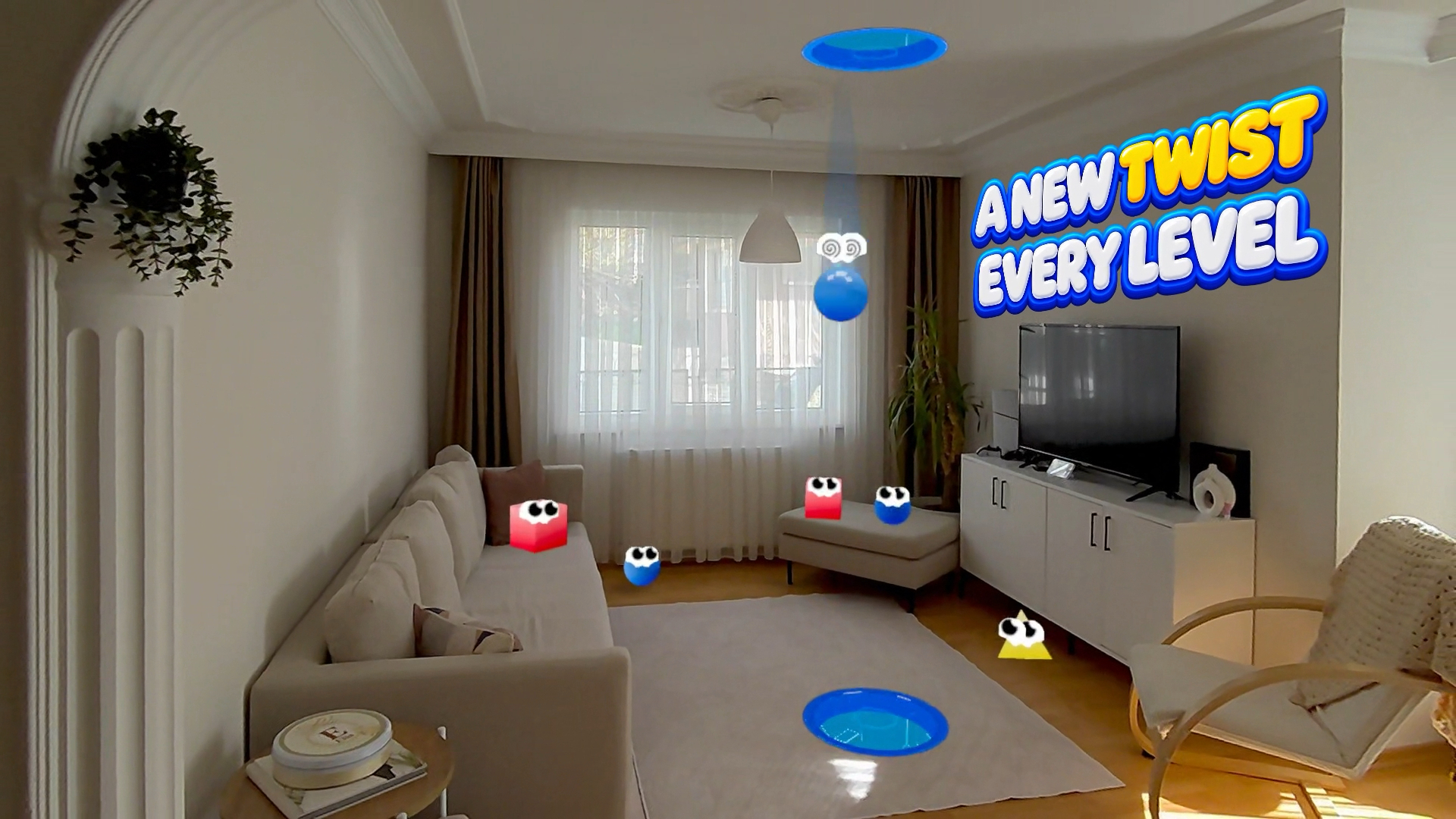
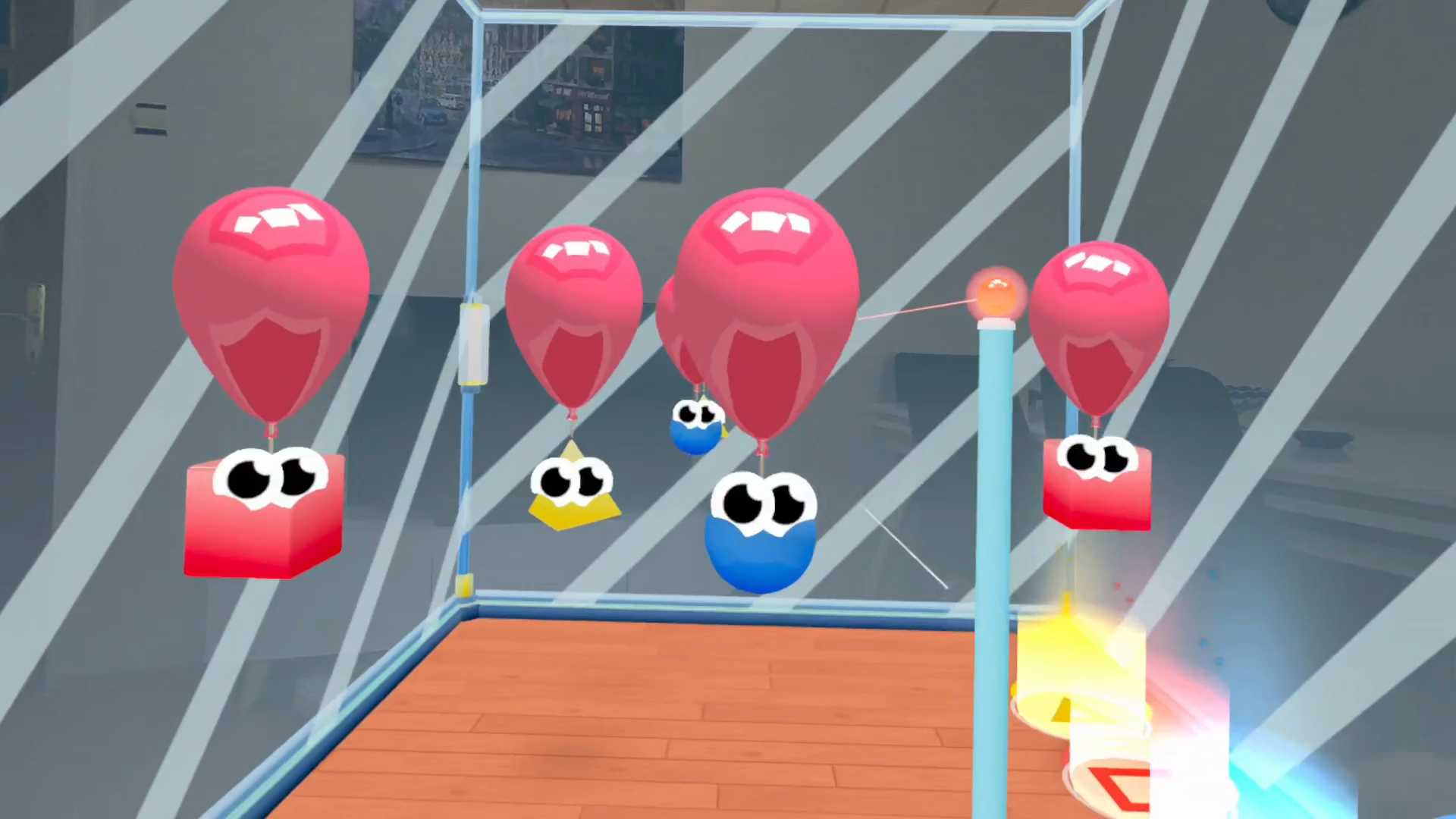
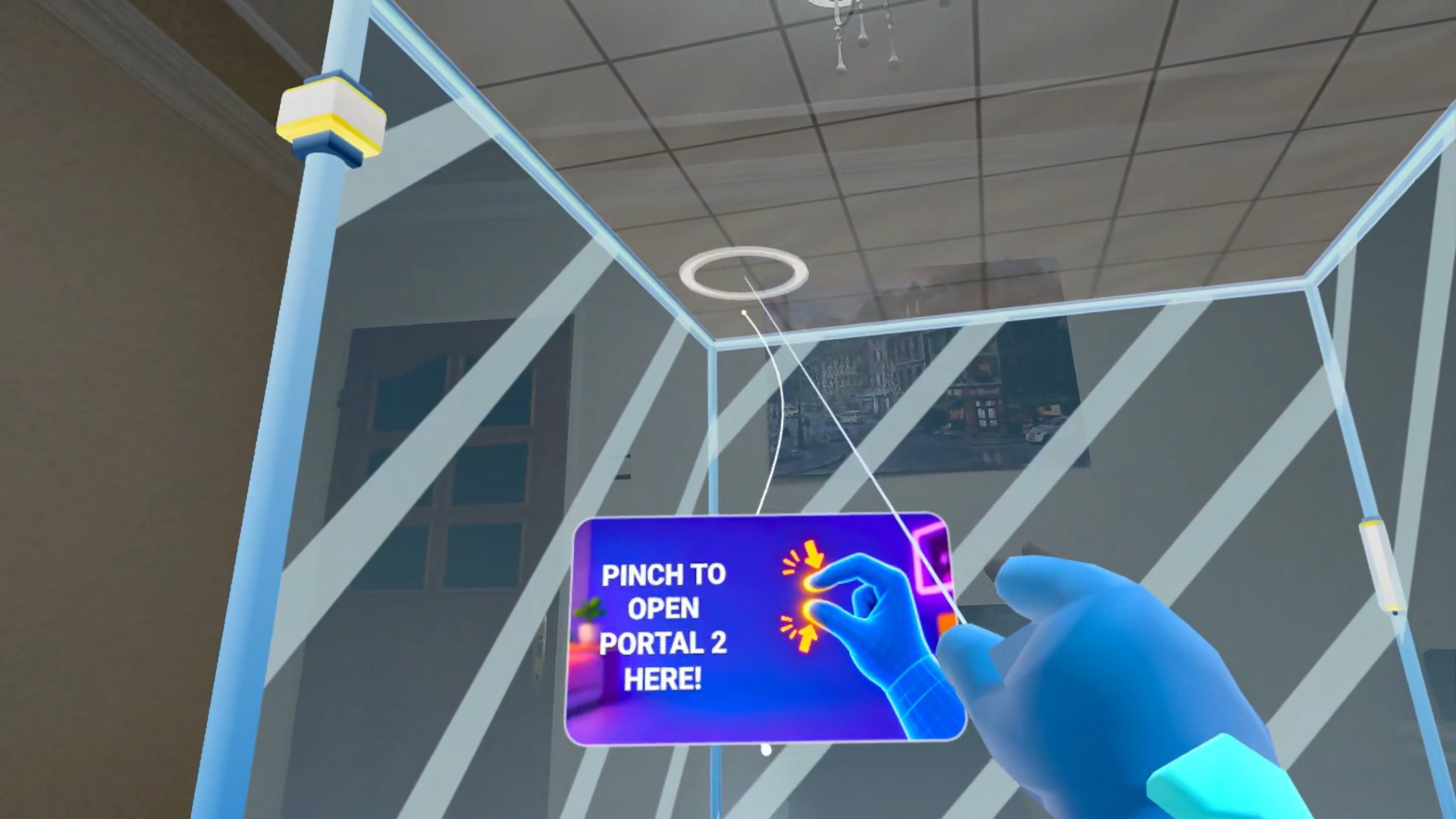
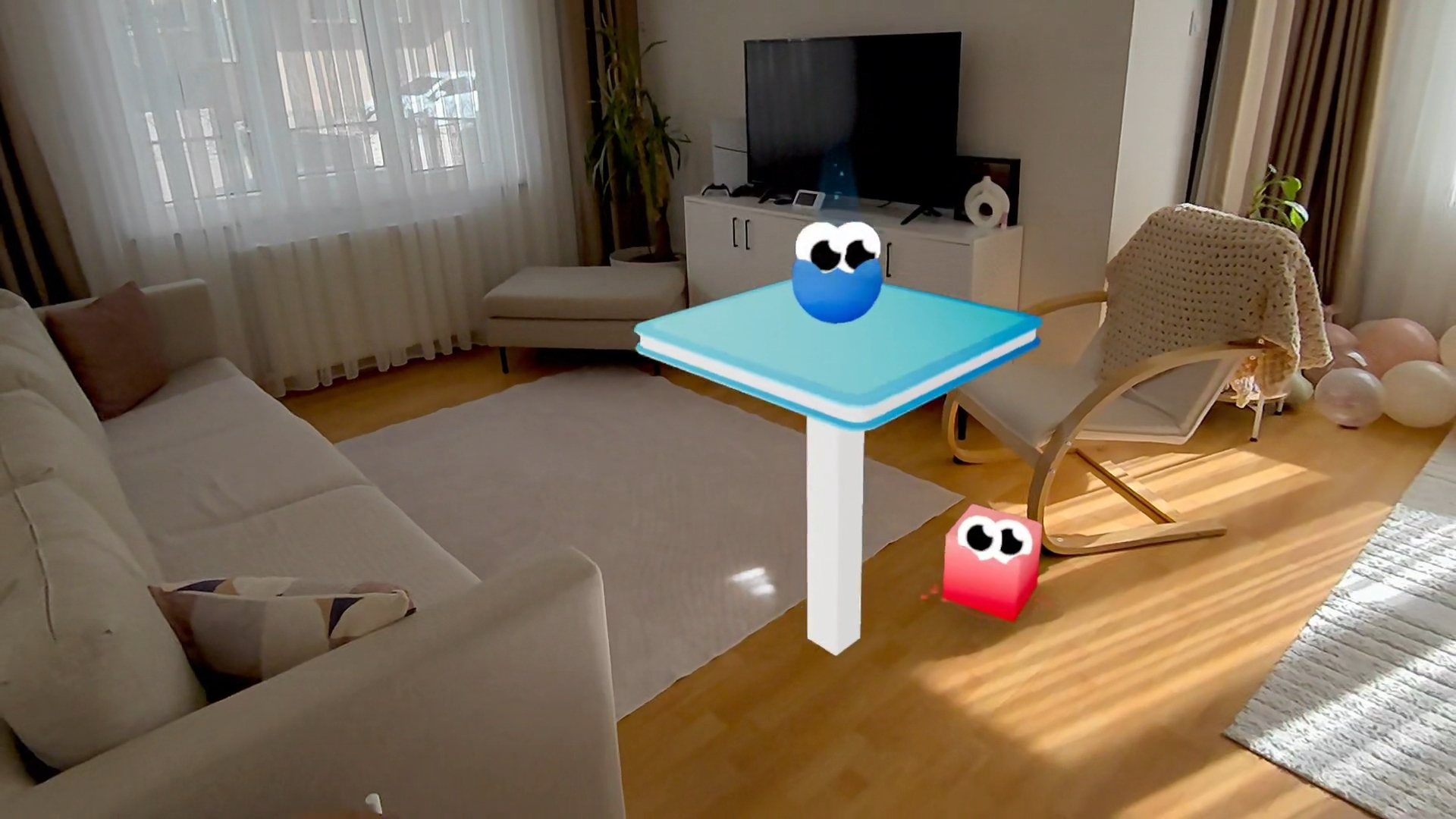
HOLE WALL is a mixed reality puzzle game where players use hand gestures to open portals, move objects, and solve physics-based challenges. Levels adapt to real room geometry, while Seated Mode allows playing without a room scan.
How I built it
I developed HOLE WALL natively in Kotlin using Meta Spatial SDK, MRUK, and OpenXR. I integrated Passthrough, Scene Understanding, Hand Tracking, Microgestures, Spatial Physics, Spatial Audio, and spatial UI.
I also built a custom real-time portal rendering system, physics-based portal traversal, procedural puzzle generation, and spatial occlusion. For Seated Mode, I developed adjustable virtual room geometry that supports the same gameplay without scanning the environment.
I also implemented a field-of-view simulation to adapt the experience for Meta VR Glasses.
Challenges I ran into
Maintaining realistic physics across portals, adapting puzzles to different room layouts, and optimizing performance on standalone Quest hardware were the biggest challenges.
Accomplishments that I'm proud of
Developing a portal and level system that adapts to each player's real environment, creating unique puzzle experiences across different room layouts. I'm also proud of bringing the same gameplay to both Roomscale and Seated Mode.
What I learned
I learned how much creativity and technical problem-solving it takes to make real-world spaces part of a game.
What's next for HOLE WALL
I'm planning to launch HOLE WALL in December. The first major update will introduce Build Mode, allowing players to create their own levels, share them, and play levels created by others. I also plan to expand the game with new puzzles and creative gameplay mechanics.


