-
-

-
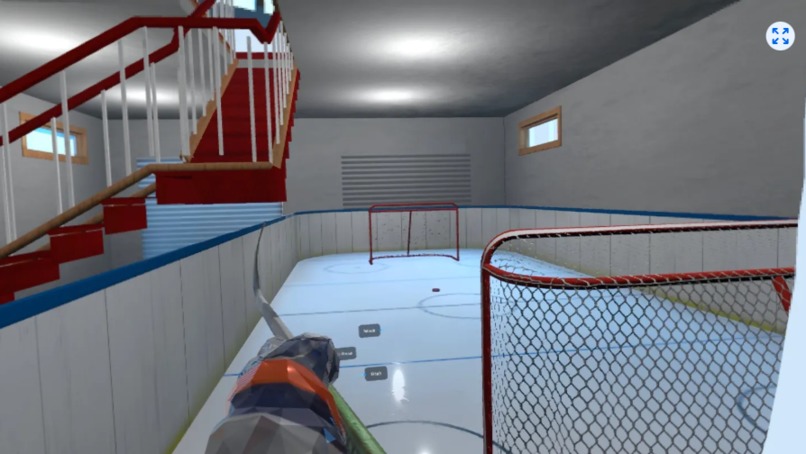
Mini rink in basement of hockey mansion
-
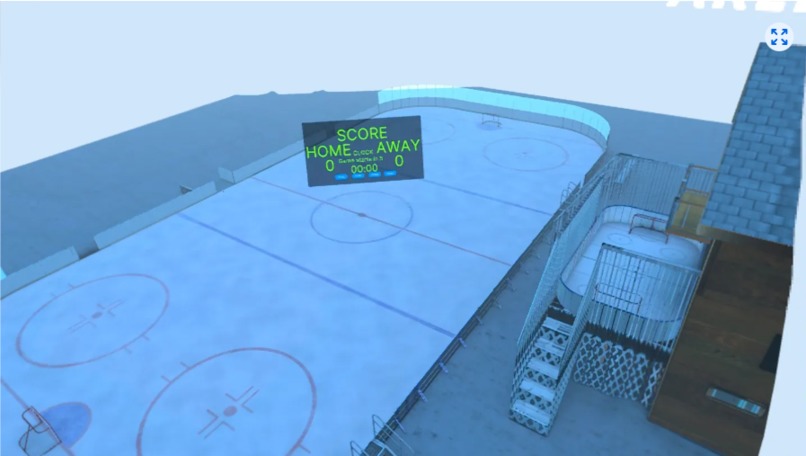
Full ice outdoor arena for players
-
-
-
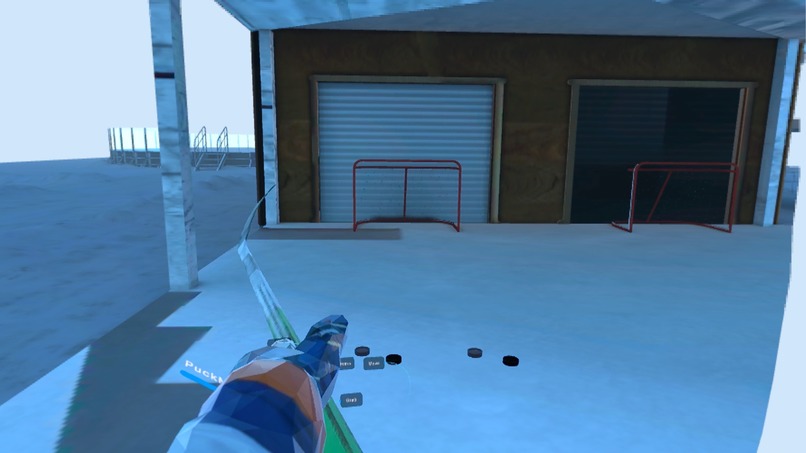

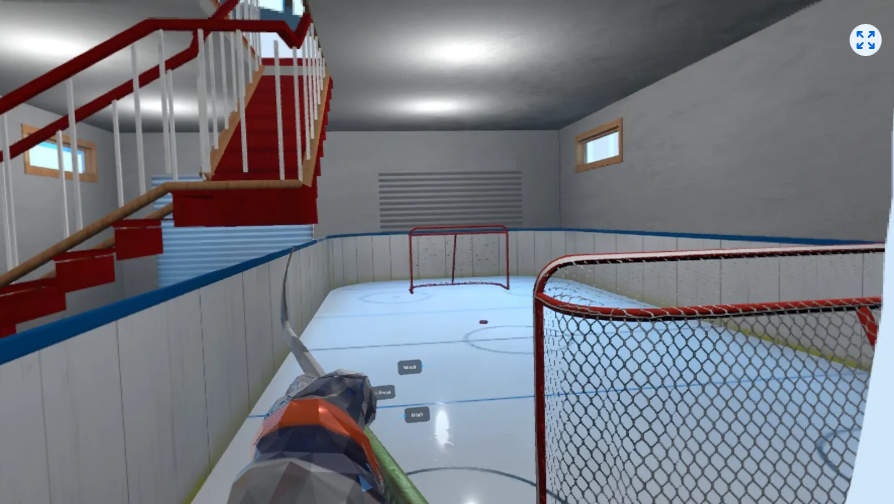
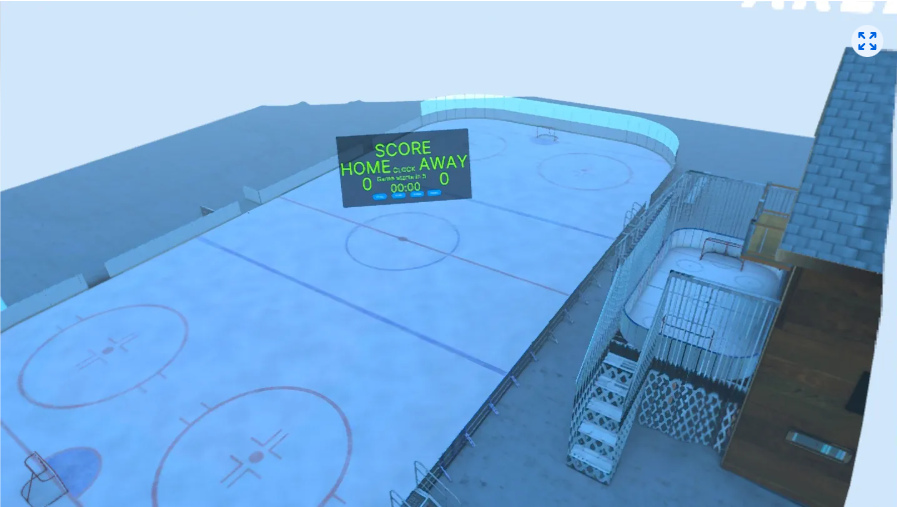
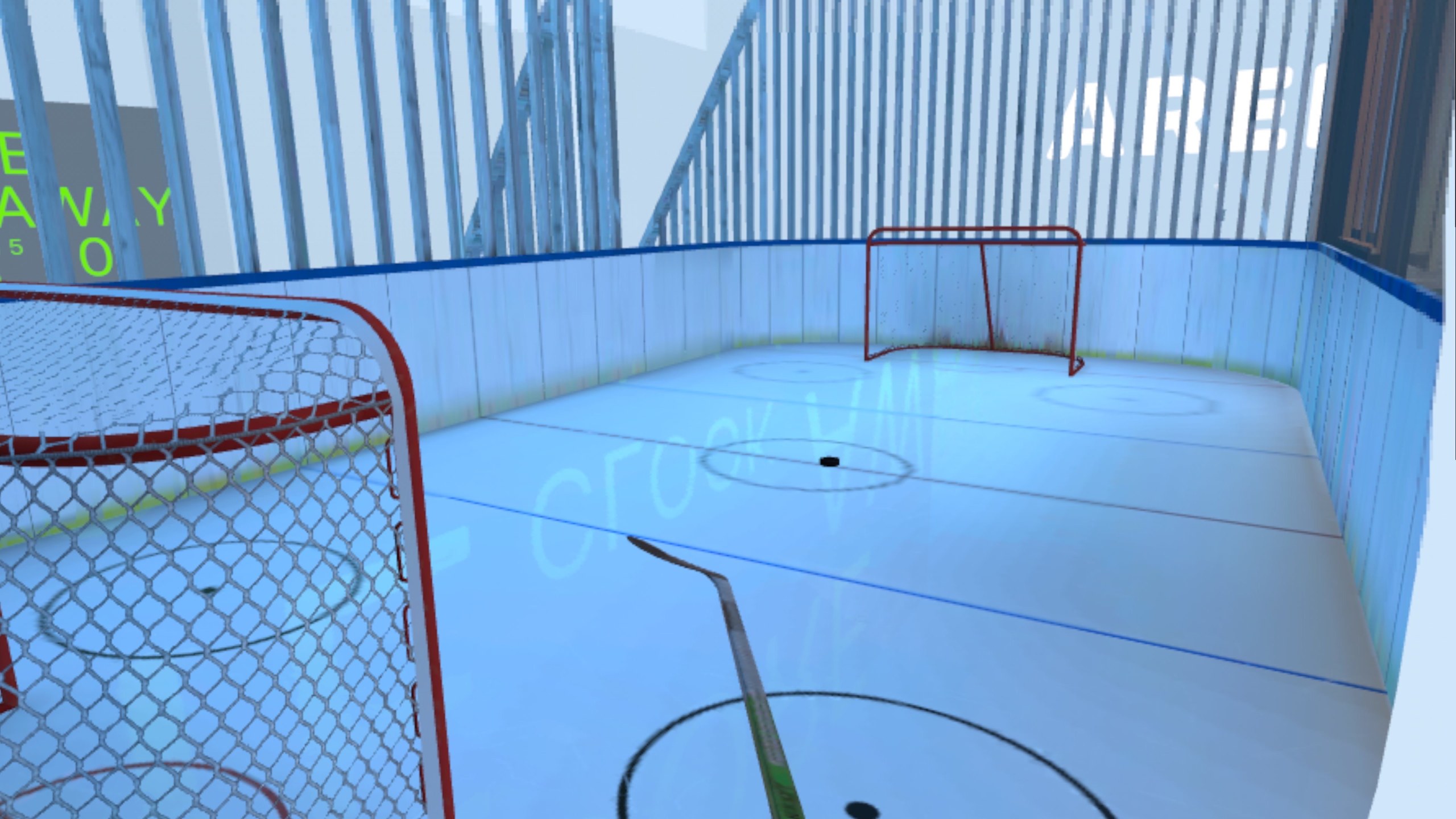
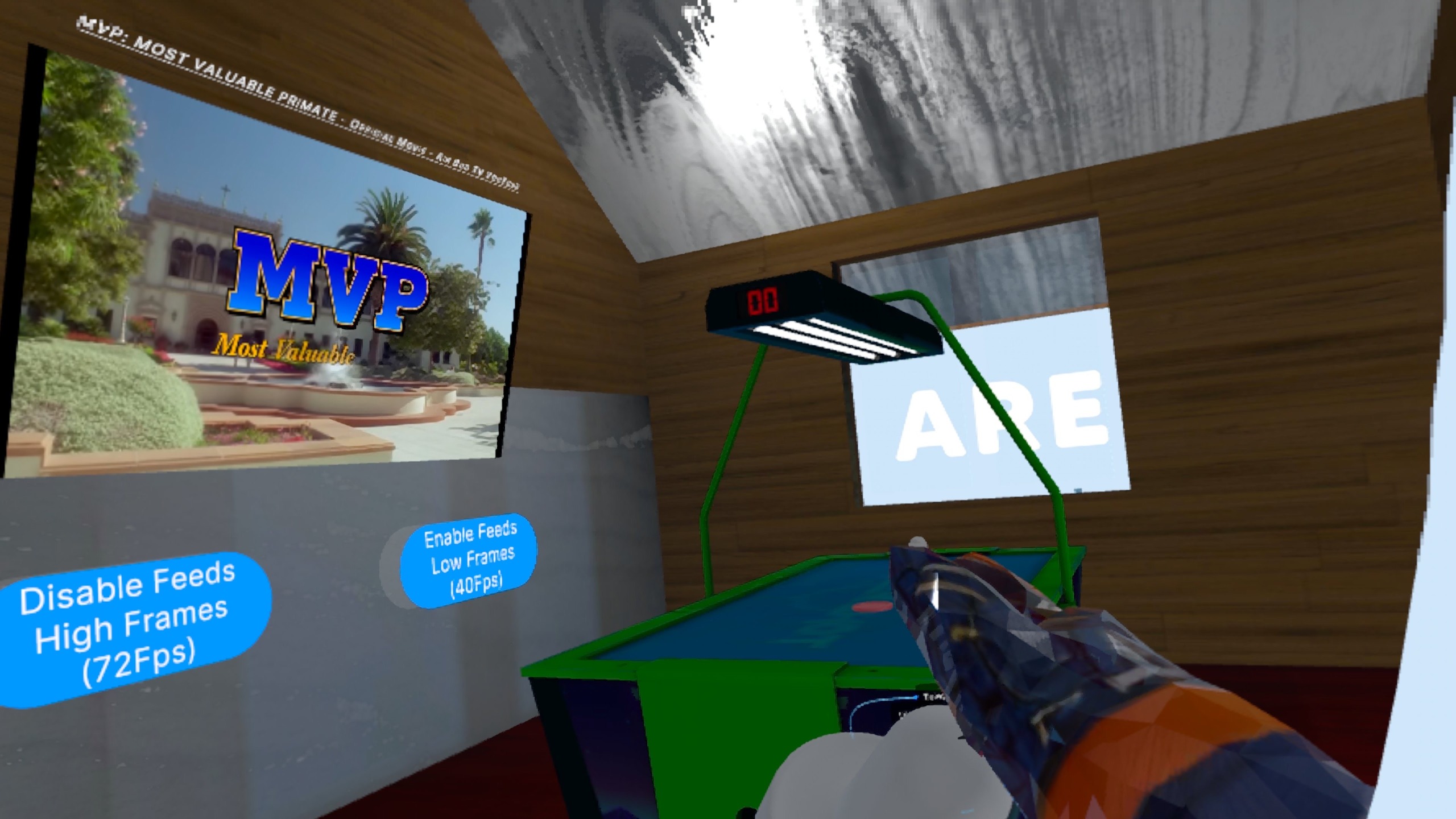
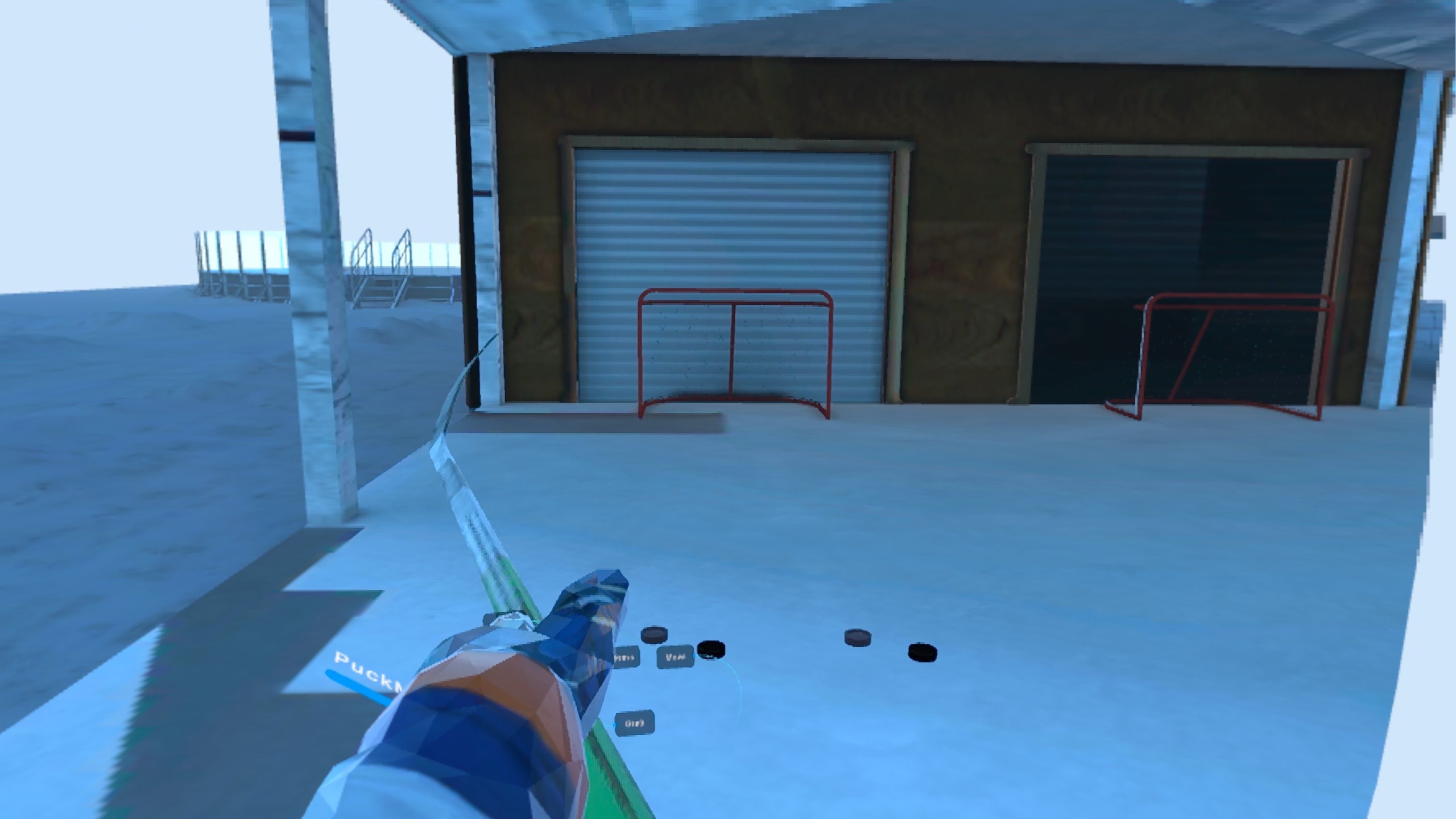
Inspiration
Hockey+ VR started as a nostalgic idea: mini sticks in the basement, late-night games with friends, improvised gear, and the chaotic fun that happens when competition and creativity collide. Growing up playing hockey in Canada, that experience was iconic — fast, scrappy, unpredictable, and full of laughter.
When VR movement physics started to improve, it clicked: this could finally be recreated in a way where players could actually feel like they were swinging a small stick, chasing a puck, and defending the net in tight spaces. The goal wasn’t just to simulate hockey — it was to recreate the feeling of playing mini sticks with your friends.
What it does
Hockey+ VR brings mini hockey into VR with physics-based sticks, fully networked matches, and intuitive gameplay using hand tracking or controllers. Players can pick up sticks, shoot, deke, pass, chip the puck, block shots, and even experiment with alternate pucks and modes like:
Standard mini hockey
Oversized puck
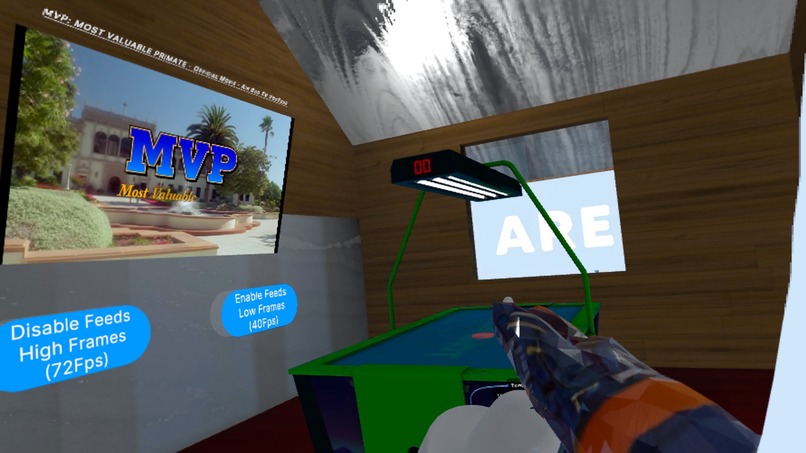
Air hockey–style rebounds
Doughnut puck chaos
Ball hockey mode
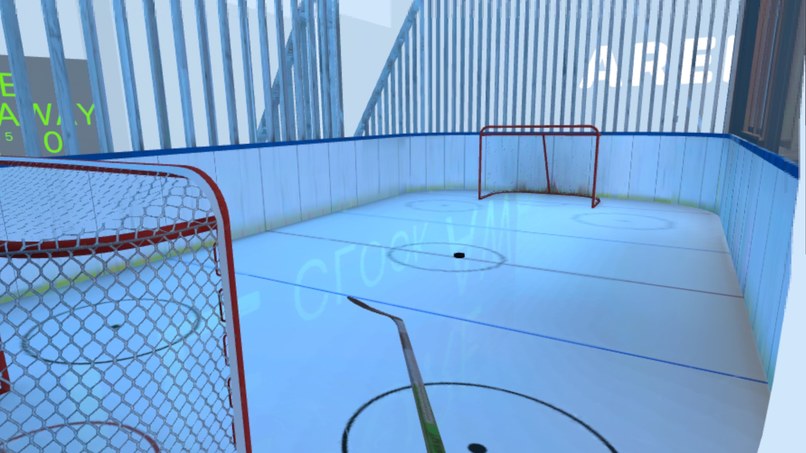
The game includes goalie AI, multiple playable rinks, a hub environment, and multiplayer functionality designed for casual matches, practice, and friendly chaos.
How we built it
Hockey+ VR was built in Unity using:
Custom physics interaction tuned specifically for stick control
Unity Netcode for synchronized multiplayer
Meta XR SDKs for hand tracking and controller support
A magnet-based puck handling assist system to make gameplay feel smooth and readable
Optimization focused on keeping interaction latency low and maintaining a high framerate on Meta Quest devices, especially during fast gameplay moments.
Challenges we ran into
Balancing realism and accessibility was one of the biggest challenges. True puck physics can feel punishing in VR if the control system isn’t tuned properly. Creating a puck-handling assist system that feels invisible while still rewarding skill took multiple iterations.
Networking also required work — syncing fast collisions like slapshots, rebounds, and deflections across clients pushed the limits of standard multiplayer physics logic.
Accomplishments we’re proud of
A physics-based stick and puck system that feels fun and intuitive
Multiplayer functionality with synced scoring and game states
A working goalie AI system that can block shots and respond to play
Multiple modes and puck variations that keep gameplay fun and unpredictable
Positive feedback from early testers who immediately recognized the “mini sticks energy”
What we learned
The biggest takeaway was just how sensitive VR sports interactions are. A few millimeters or milliseconds can completely change how believable something feels. It taught me a lot about precision tuning, VR comfort principles, network smoothing, and progressive iterative design.
What's next for Hockey+ VR
Upcoming additions include ranked online play, player cosmetics, improved goalie AI, social arenas, tournament formats, and mixed-reality passthrough so players can set up games in their real living space.
Long term, Hockey+ VR aims to become the go-to VR hockey playground — part sport, part sandbox, part childhood nostalgia all wrapped in one.


Log in or sign up for Devpost to join the conversation.