-
-
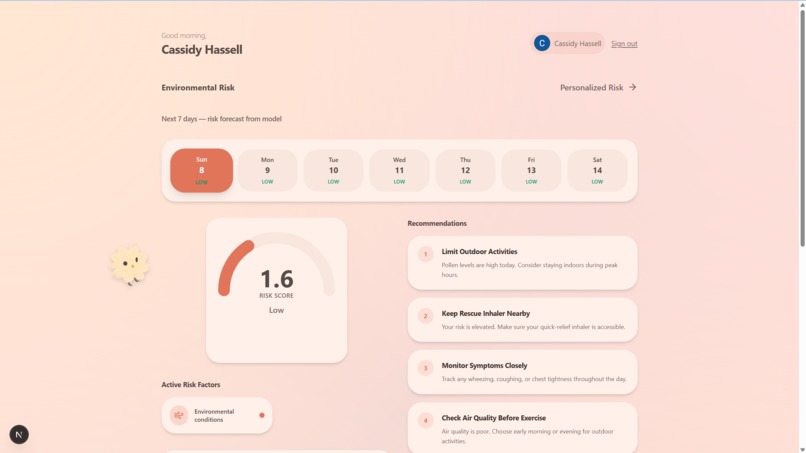
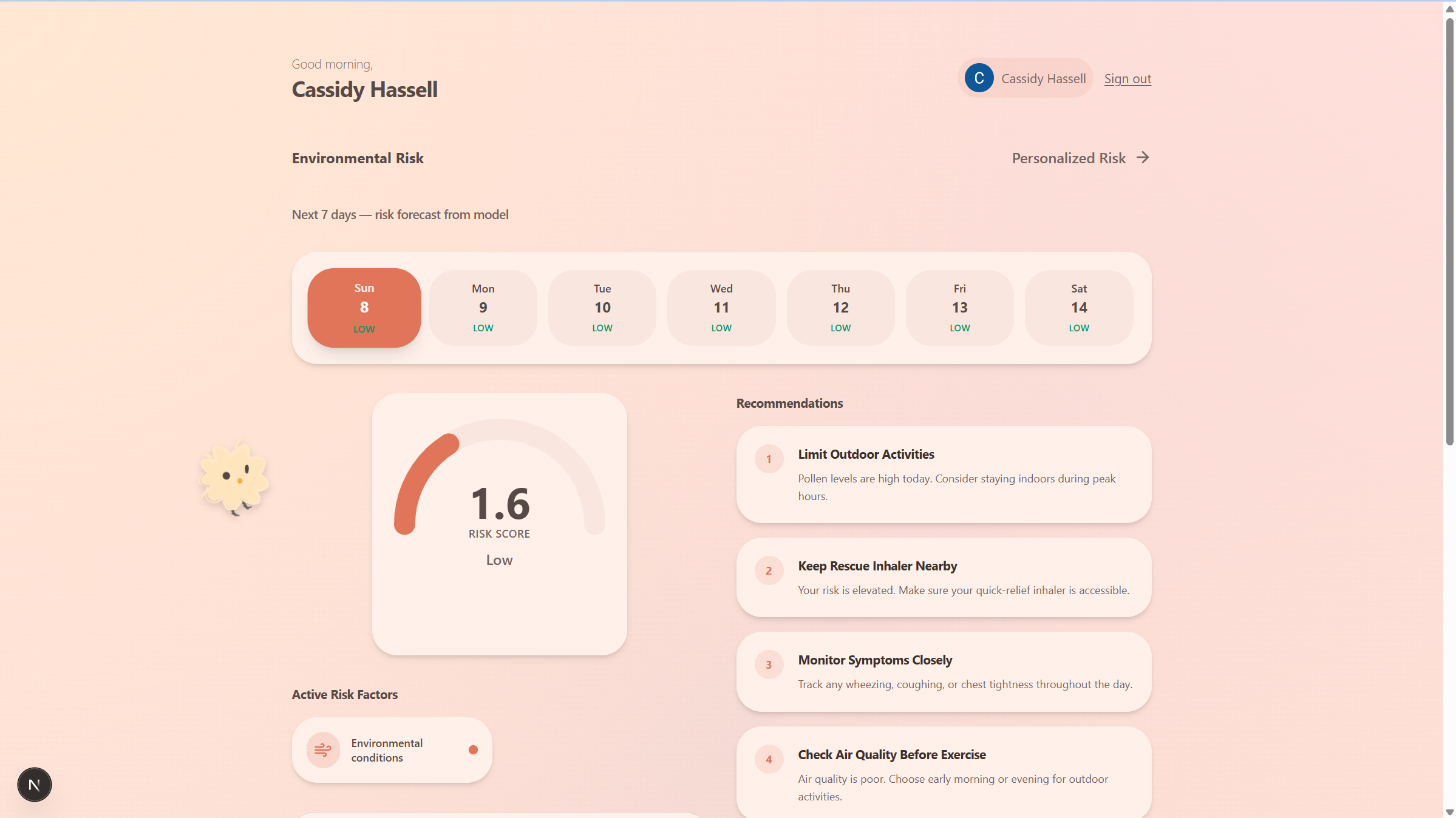
Dashboard
-
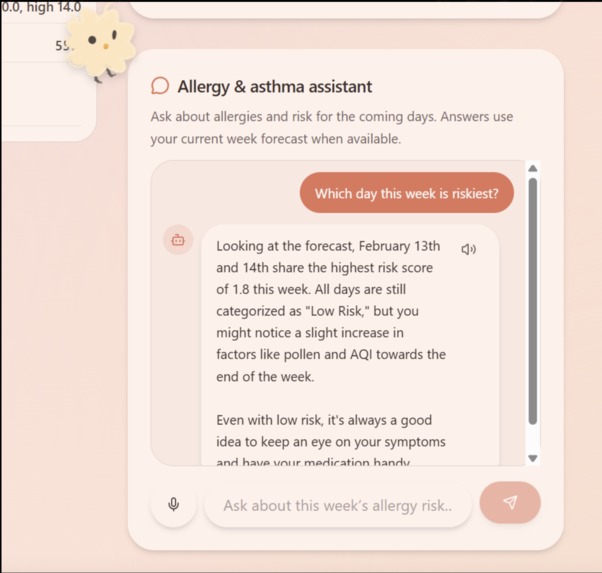
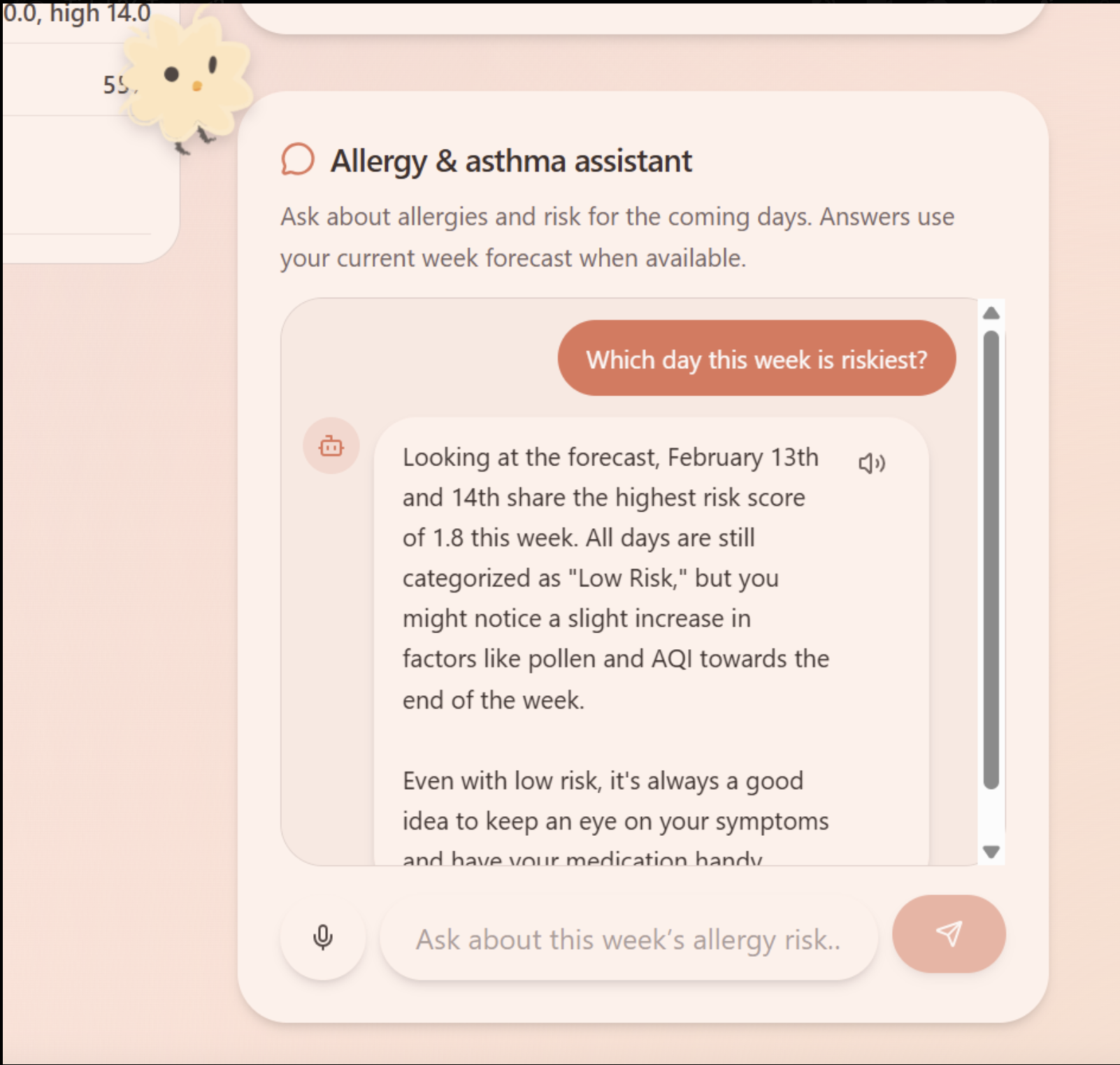
Chat and Voice Assitant
-
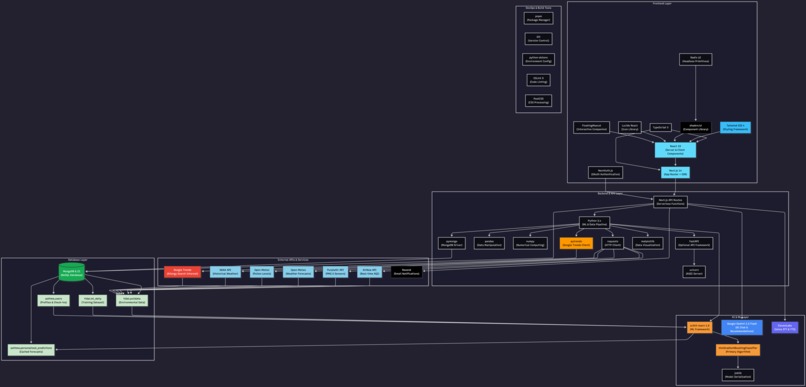
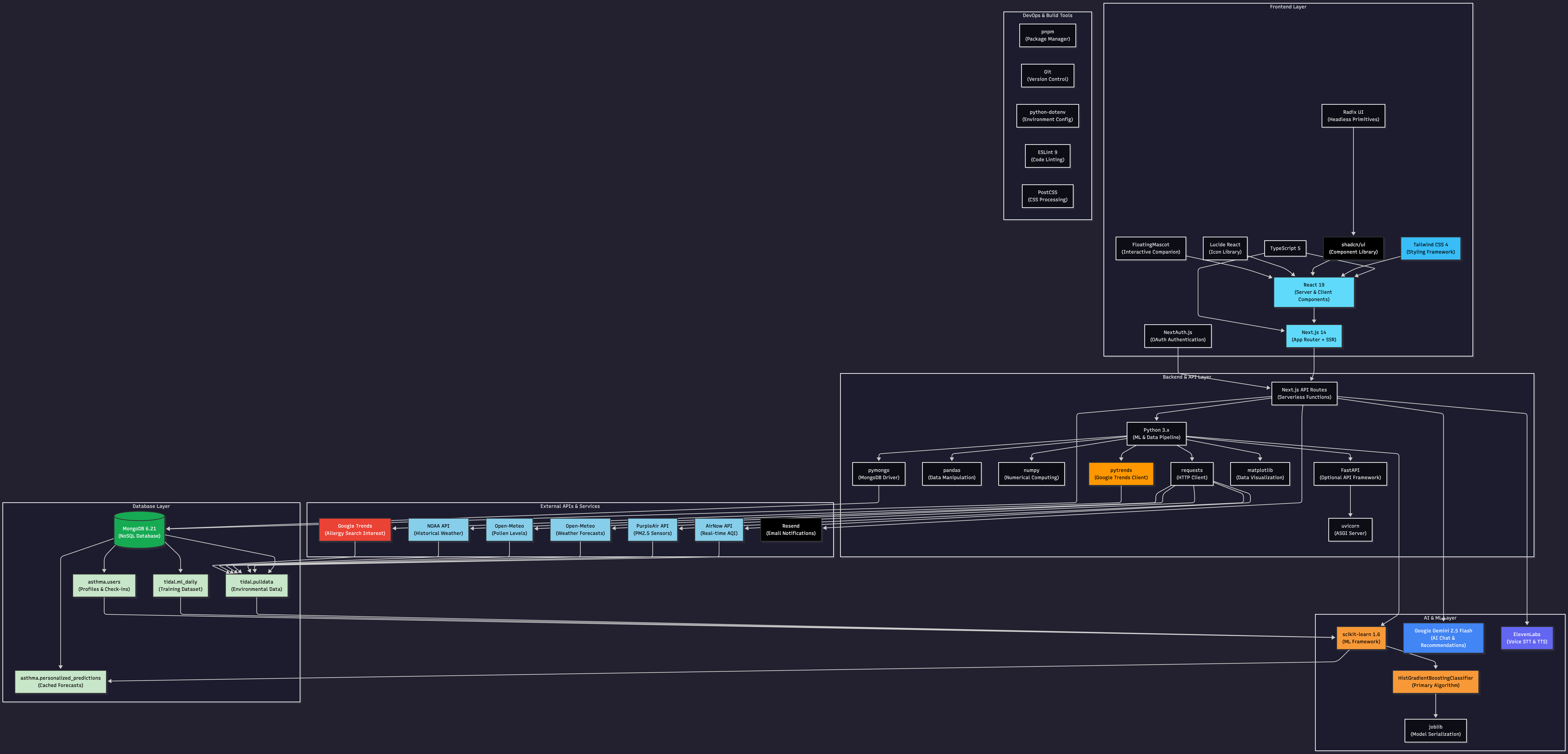
Work Flow
-
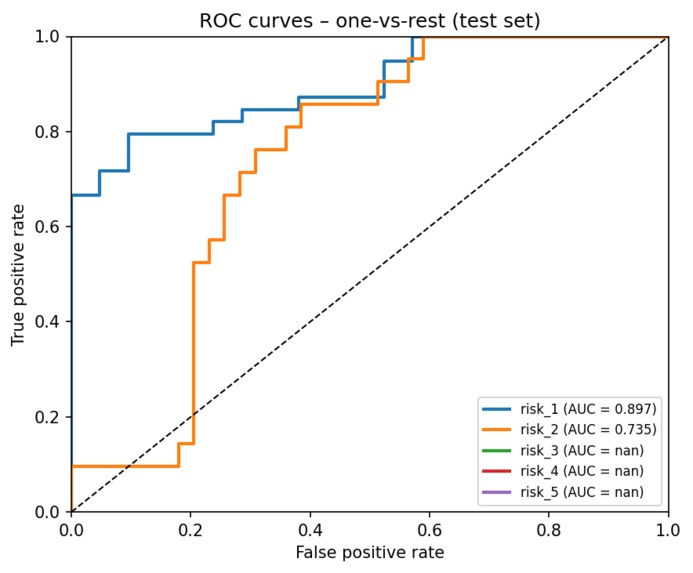
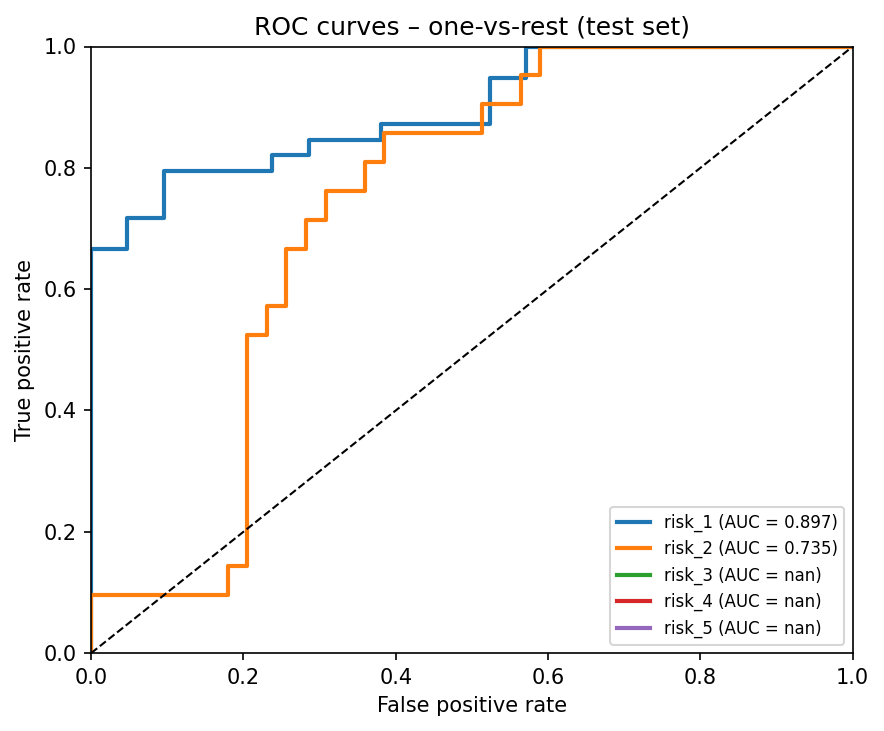
ROC Curve
-
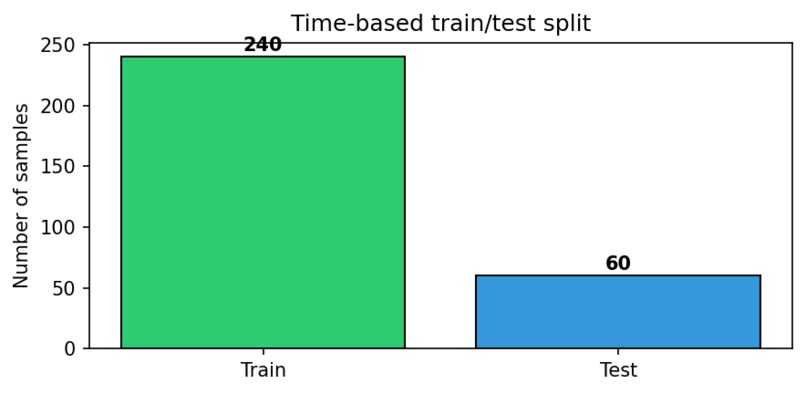
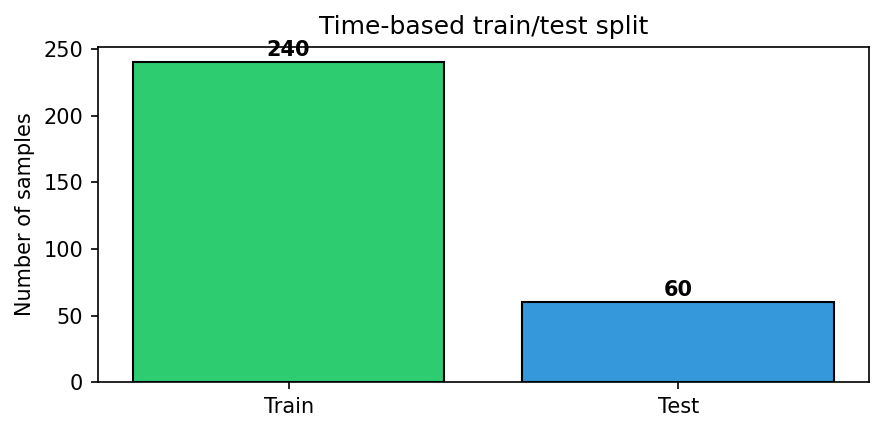
train and test split
-
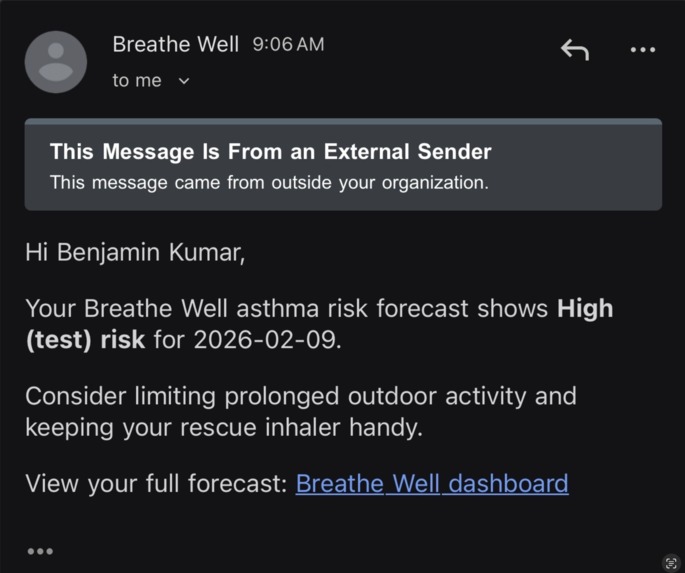
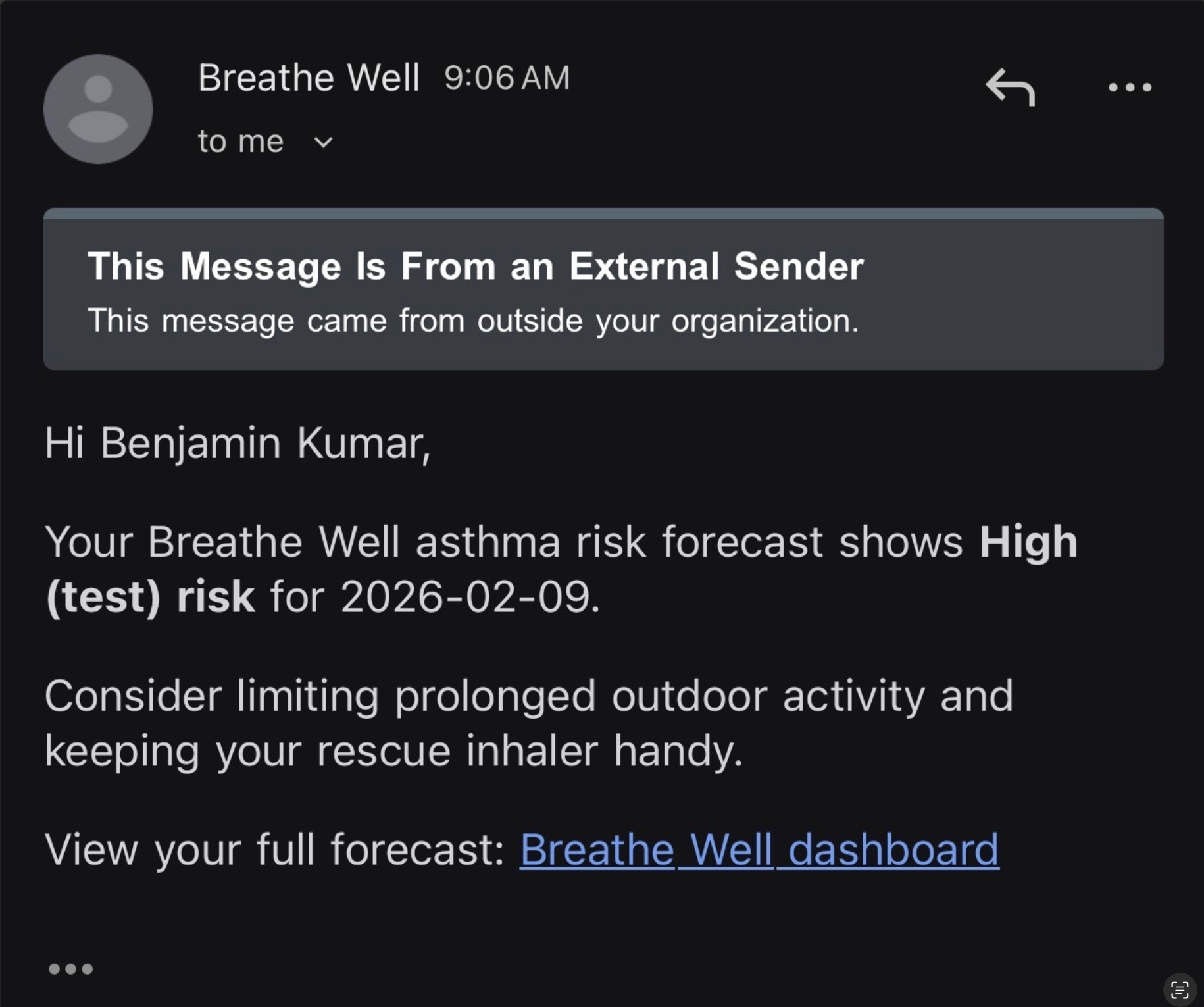
email notification at the start of the day
Wheeze-Wize
A personal asthma forecaster for everyday life
Inspiration
Asthma affects more than 300 million people worldwide, yet for many patients, flare-ups still feel sudden and unpredictable. Triggers such as air pollution, pollen, and weather changes are often invisible. By the time symptoms appear, it is usually too late to prevent them.
We wanted to change that experience.
Wheeze-Wize began with a simple idea: managing asthma should feel more like checking the weather. Instead of reacting to symptoms, people should be able to anticipate risk and plan ahead. Our goal was to turn complex environmental and health data into clear, personalized insights that help users make better decisions before their breathing worsens.
What Wheeze-Wize Does
Wheeze-Wize is an intelligent asthma management platform that predicts flare-up risk up to seven days in advance using machine learning. It supports two complementary modes so that anyone can benefit, regardless of how much personal data they choose to share.
Environmental Risk Forecast
This mode provides location-based risk assessments using real-time air quality, pollen levels, and weather conditions. It is available without creating an account and is designed for users who want quick insight into how their environment may affect their breathing on a given day.
Personalized Risk Forecast
For users who opt in, Wheeze-Wize generates individualized seven-day forecasts by combining environmental data with personal health information such as asthma severity, symptom history, and daily patterns. Over time, the system adapts to each user’s unique triggers and sensitivities.
Users can log daily symptoms, view interactive risk indicators, and receive practical recommendations such as when to limit outdoor activity or adjust medication timing. The interface is designed to be clear and reassuring, helping users understand risk without adding anxiety.
How We Built It
Frontend
The frontend is built with Next.js 14 and TypeScript, using Material-UI for accessible, consistent design. Authentication is handled with NextAuth, and interactive visualizations allow users to explore their risk trends and upcoming forecasts.
Backend and Machine Learning
The backend consists of a Python-based machine learning pipeline using scikit-learn. We trained HistGradientBoostingClassifier models on more than forty engineered features, including:
- Environmental data from AirNow and PurpleAir for air quality, and Open-Meteo for weather and pollen
- Personal health data such as age, BMI, asthma severity, symptom history, and exercise patterns
- Temporal features capturing seasonality, recent trends, and lag effects
Two models are maintained in parallel: a general environmental risk model and a personalized flare-up model that adapts to individual users over time.
Data and Infrastructure
MongoDB is used to store user profiles, daily check-ins, environmental datasets, and cached predictions. Automated data pipelines handle historical backfilling, real-time ingestion, and scheduled batch predictions to ensure the system remains responsive.
Challenges We Encountered
Integrating multiple external data sources was one of the biggest challenges. Each API had different rate limits, data formats, and geographic coverage. To address this, we implemented fallback logic, caching, and validation to ensure the system remained reliable even when some data was missing.
Training personalized models was initially slow. By optimizing feature engineering, improving database indexing, and streamlining queries, we reduced training time from several minutes to under thirty seconds.
Another key challenge was balancing personalization with privacy. We designed the system so users can benefit from environmental forecasts without sharing personal data, while still enabling deeper insights for those who choose to opt in.
Generating seven-day personalized forecasts in real time also proved expensive. We solved this by precomputing predictions and refreshing them periodically, allowing the app to feel fast and responsive.
What We Are Proud Of
Wheeze-Wize delivers meaningful value to both casual users and individuals seeking personalized asthma support. The system responds quickly, feels intuitive to use, and translates complex data into actionable guidance.
We are especially proud of the complete end-to-end architecture, from raw environmental data and feature engineering to trained models and a polished web interface. The platform is supported by thorough documentation, making it easy to extend or deploy in real-world settings.
What We Learned
Building machine learning systems for healthcare requires careful attention to interpretability. Users need to understand why risk is high, not just see a number.
We also learned that real-world data is often incomplete or inconsistent, and resilient systems matter more than perfect inputs. Personalization significantly improves engagement, but only when it is paired with transparency and trust.
Finally, performance matters. Caching, batch processing, and efficient database design made the difference between a tool that technically worked and one that felt genuinely helpful.
What’s Next for Wheeze-Wize
Future work includes expanding the model to incorporate additional factors such as sleep quality, stress levels, medication adherence, and seasonal allergen trends. We plan to develop a mobile application with push notifications for high-risk days and reminders.
We also aim to explore conversational interfaces for symptom logging, clinical validation in collaboration with pulmonologists, and tools for healthcare providers to monitor long-term trends. Longer term, integration with wearable devices and smart inhalers could allow for more passive and continuous monitoring.
Wheeze-Wize is built on the belief that better information leads to better breathing. By helping people anticipate risk instead of reacting to symptoms, we hope to make everyday life with asthma a little more manageable.
Built With
- airnow
- elevenlabs
- gemini
- mongodb
- next.js
- nextauth
- open-meteo
- purpleair
- python
- typescript



Log in or sign up for Devpost to join the conversation.