-
-
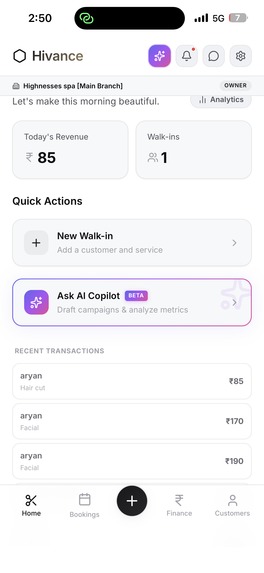
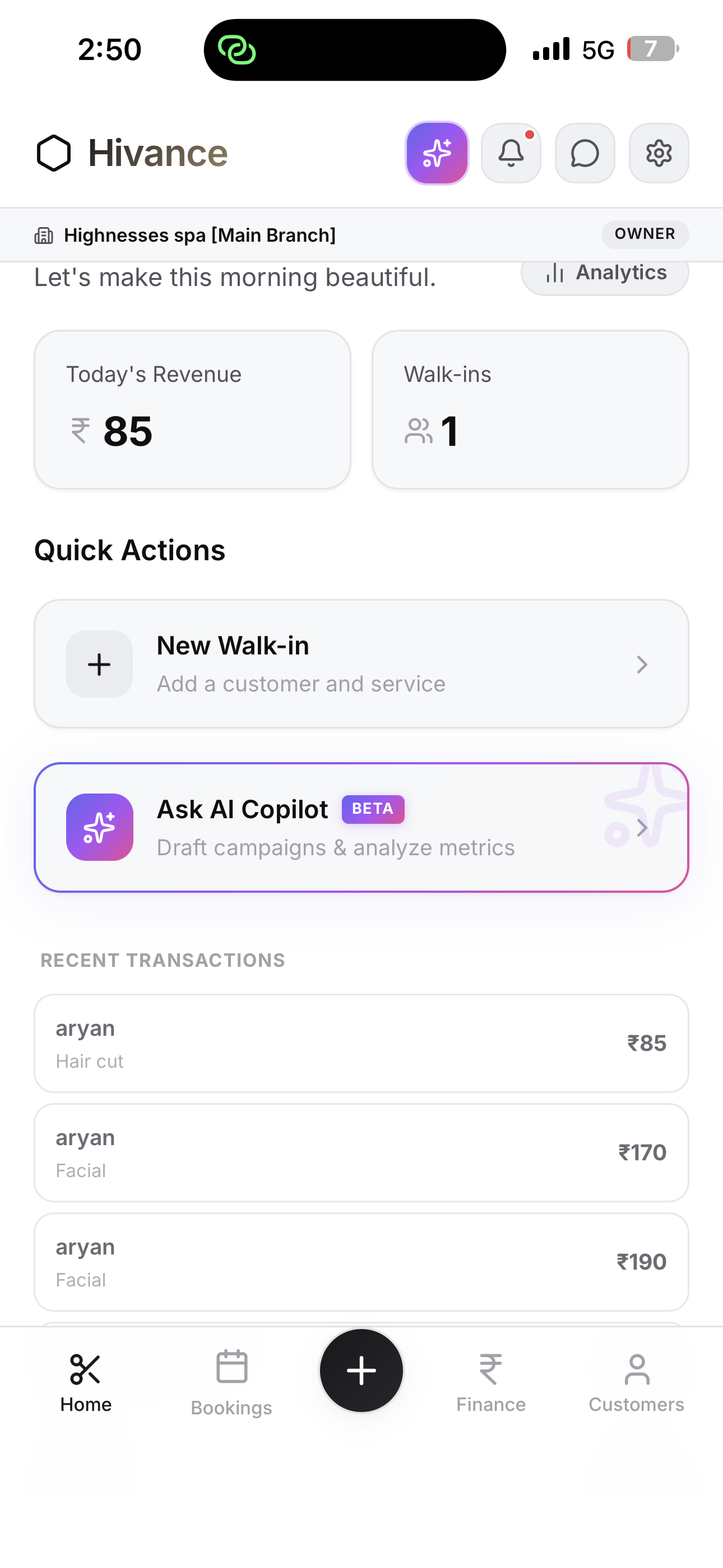
Home Page
-
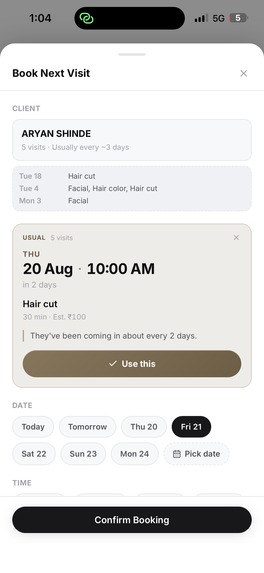
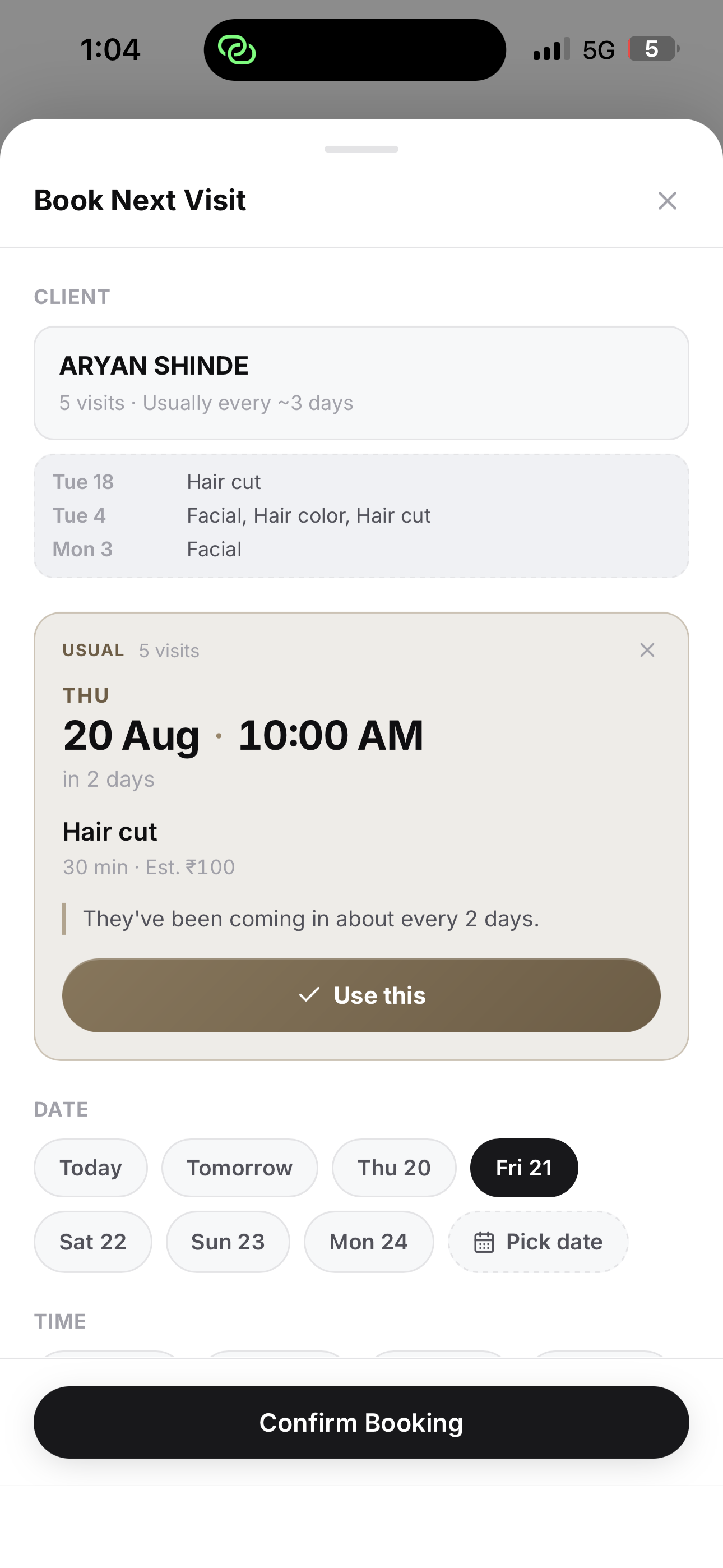
AI Booking Feature
-
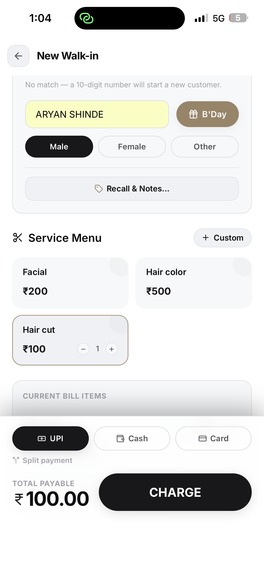
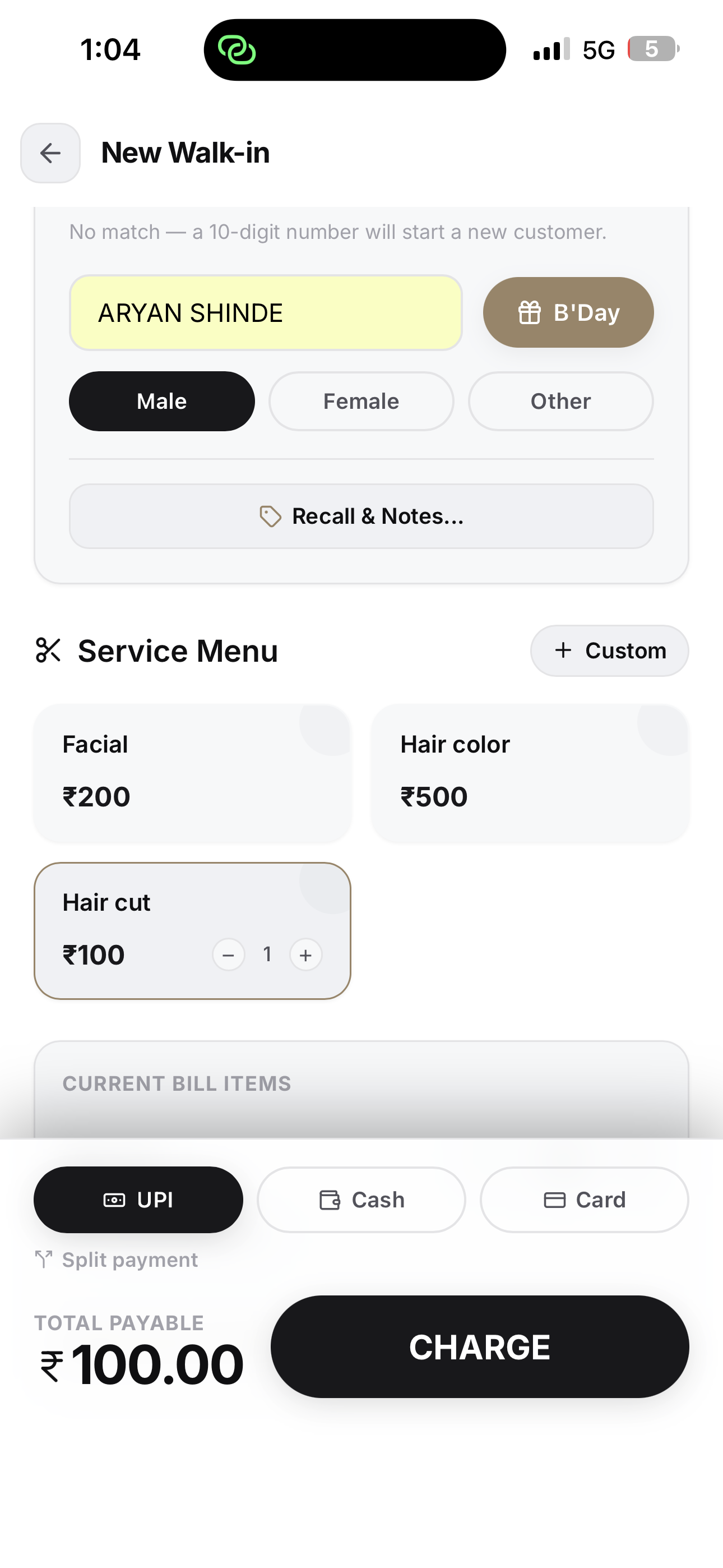
Easy Walkin
-
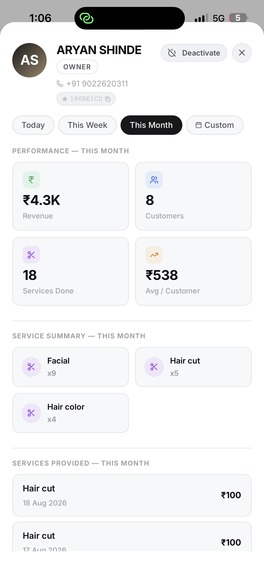
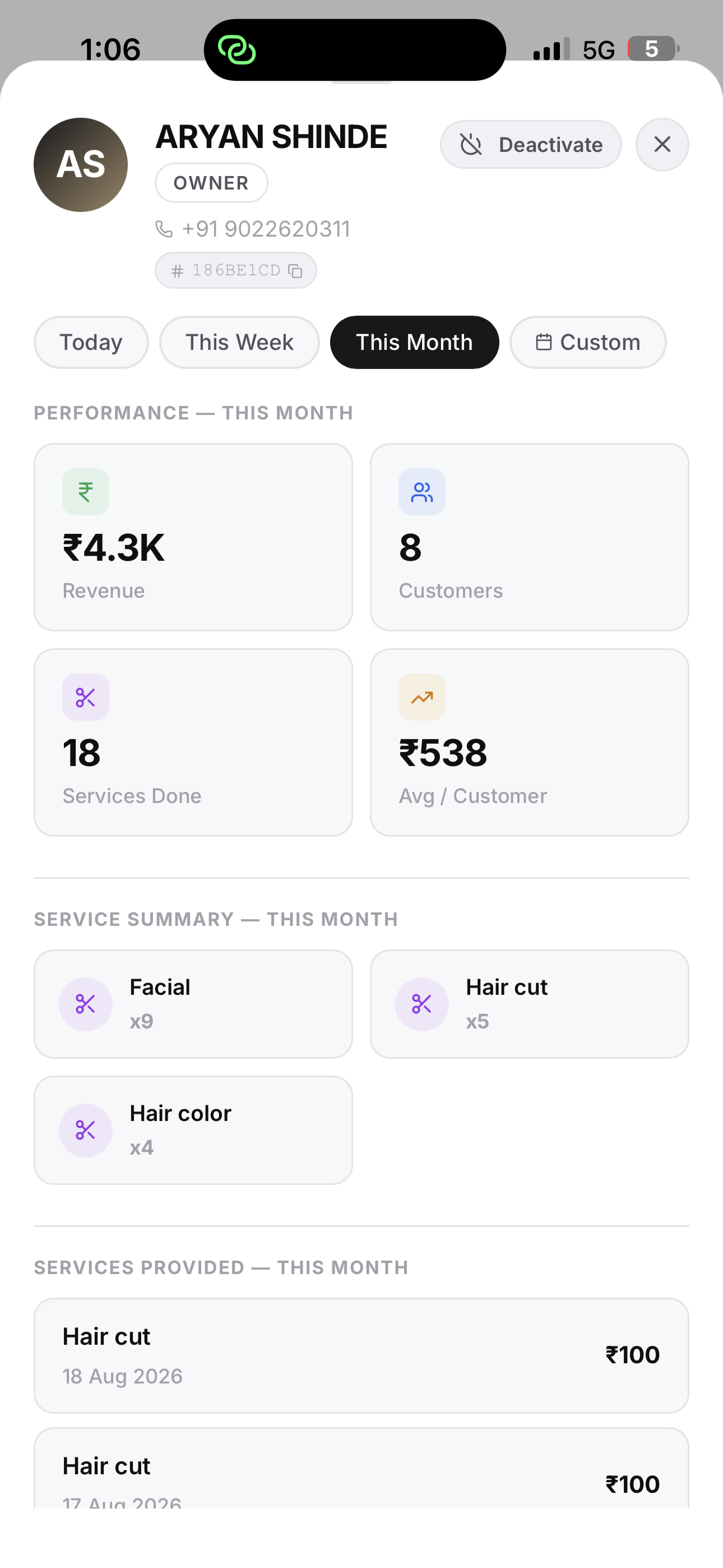
Staff Overview
-
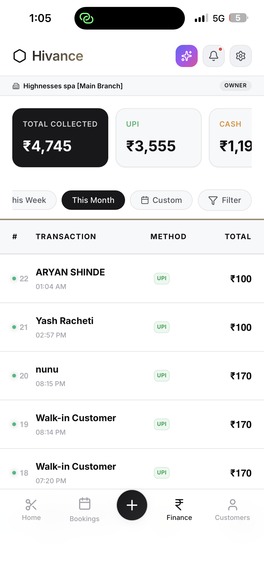
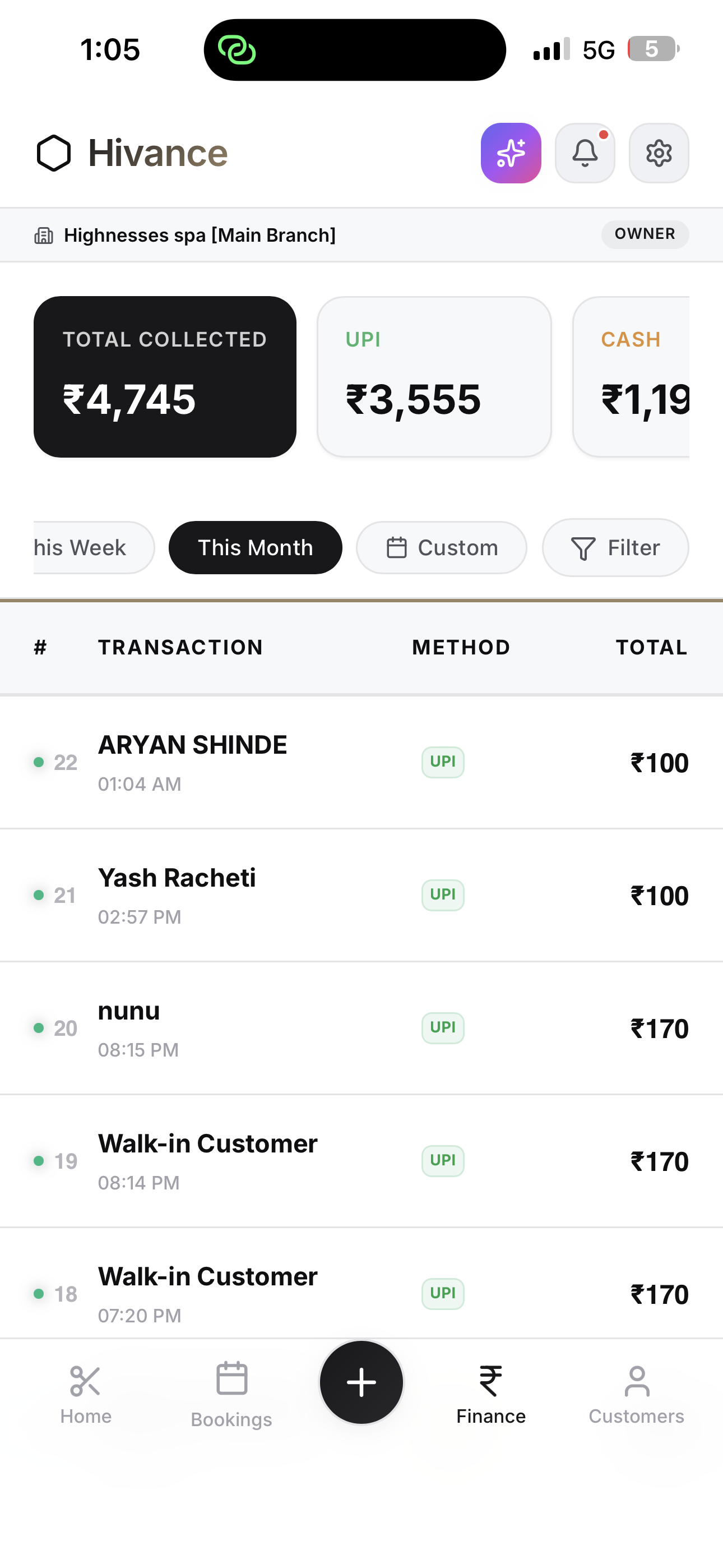
Financial records
-
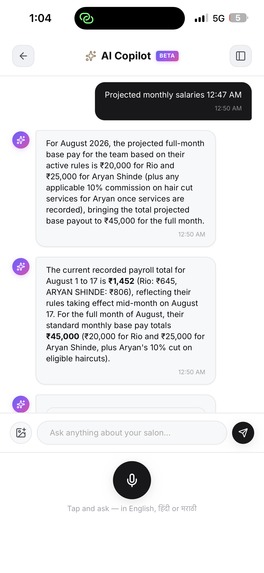
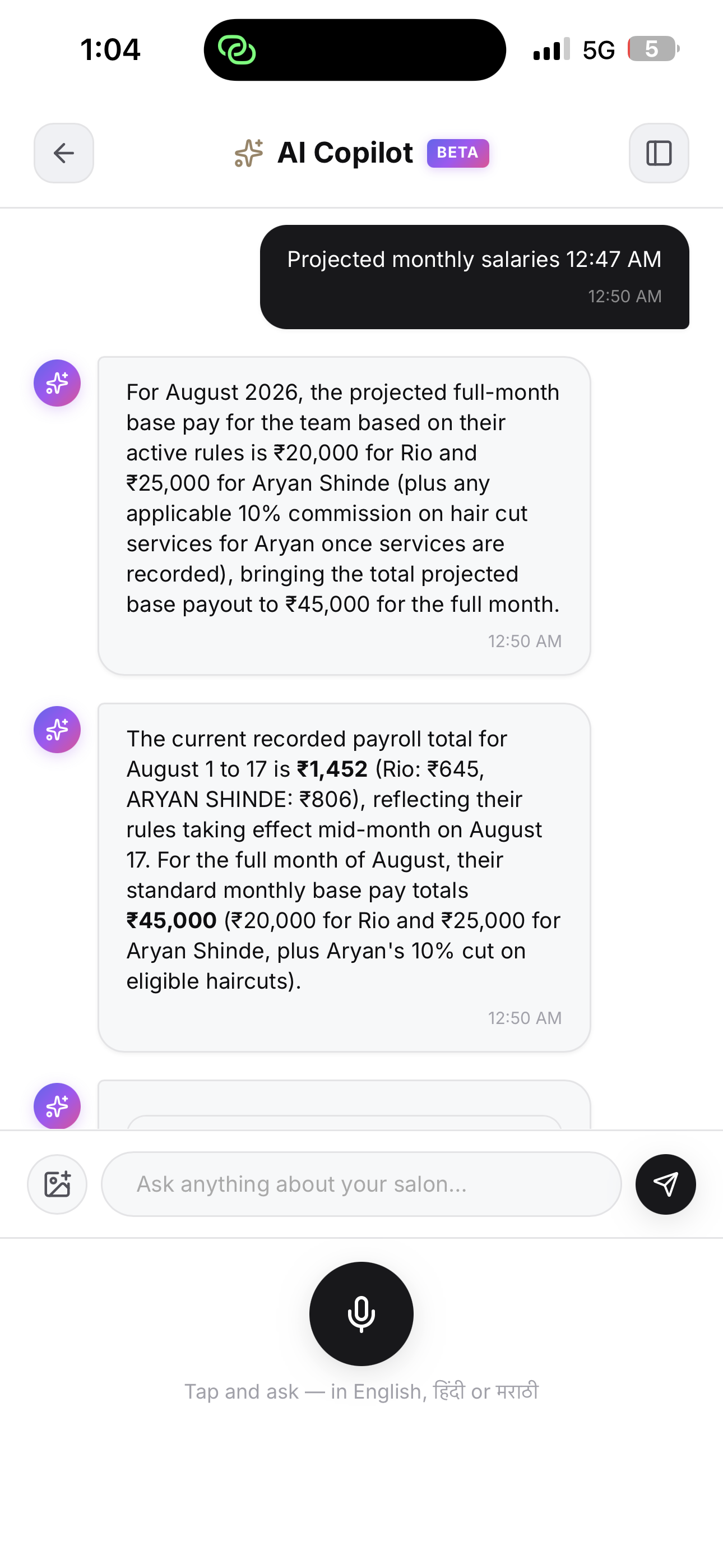
AI Insights
-
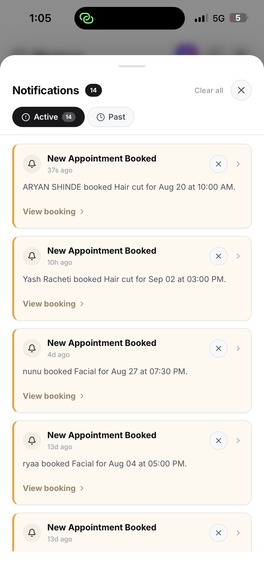
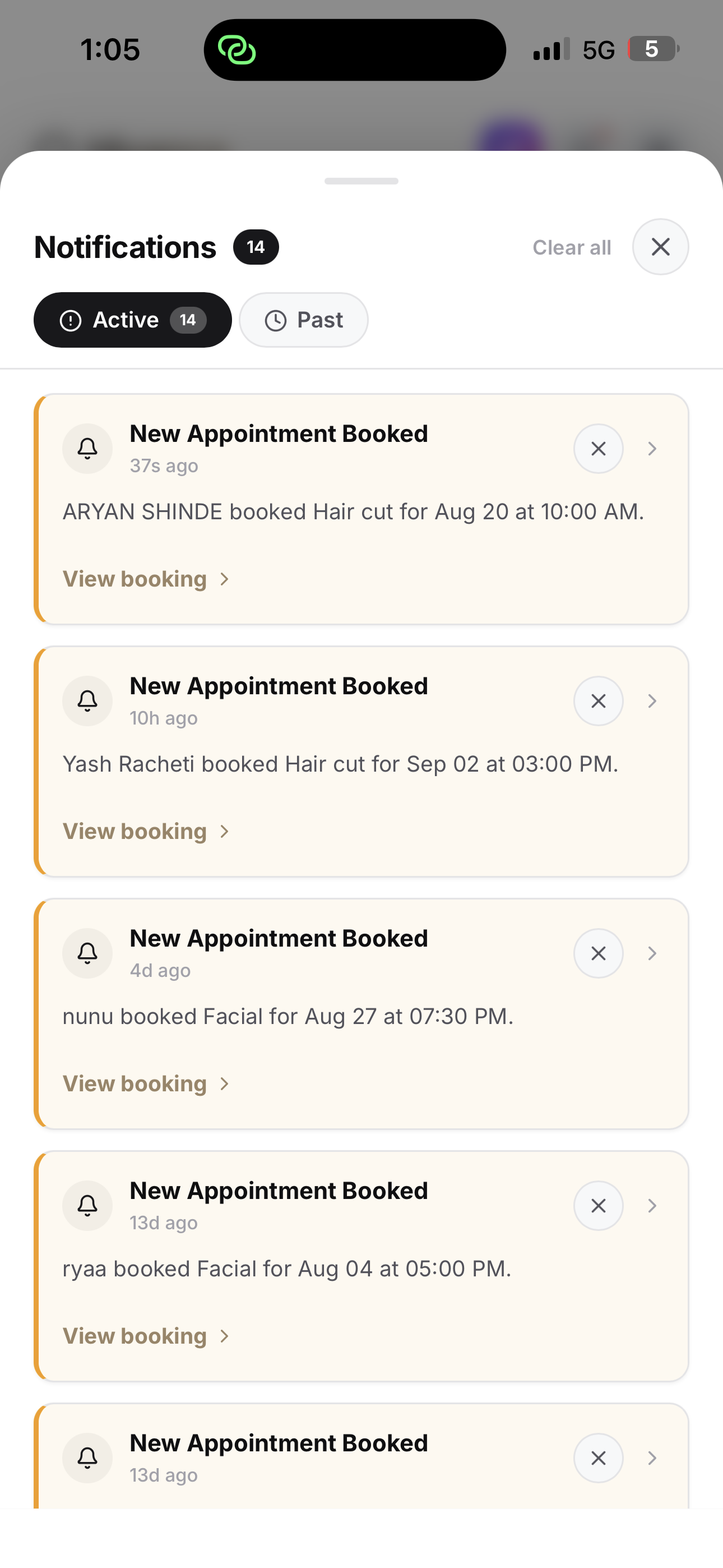
Booking Notification
-
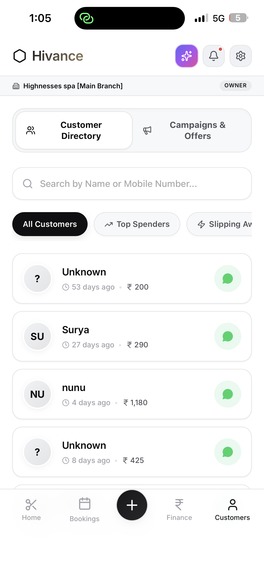
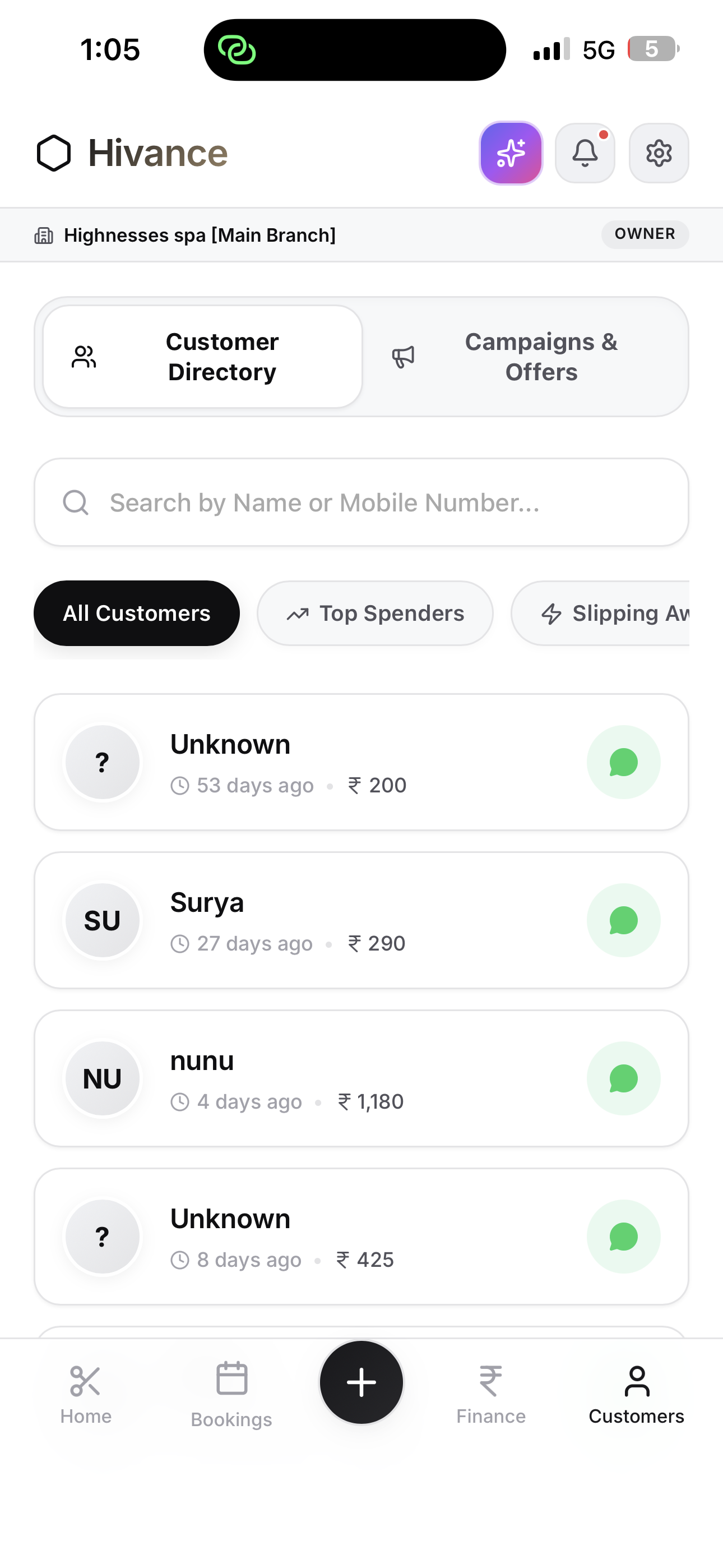
Customer Management
From another salon software to an AI-native business assistant
We didn't start Hivance because we wanted to build another salon management system.
We started by noticing a pattern: salons already had software.
They had billing systems. Customer databases. Appointment tools. Staff management. Yet many owners told us the same thing — after a few months, the software would stop being used.
Sometimes it was too complicated. Sometimes it was too expensive. Sometimes only one person in the salon really knew how to operate it, and when that person left, the salon stopped using the system altogether.
The problem wasn't simply a lack of software.
The software expected the salon to adapt to it.
We wanted to build something that adapted to the salon.
Hivance started with something deliberately simple
At its core, Hivance is an ERP + CRM system for beauty and wellness businesses, starting with salons.
A receptionist doesn't need to learn a complicated workflow to bill a customer.
Enter or search the customer's name or phone number. Select the services. Choose the payment method. Charge the customer.
A few taps.
The bill is generated, the customer can receive the communication on WhatsApp, and the transaction becomes structured business data instead of disappearing after the customer walks out.
That simplicity matters because salon software is only useful when the people working on the floor actually use it.
Then we asked: what happens to all that data?
This is where Hivance became more than an ERP.
A salon may know that a customer visited 40 days ago. It may know what service they purchased. It may know how much they spent. But someone still has to notice the pattern, decide what it means, decide which customers need attention, design an offer, and figure out what to send.
We believed the software should help with that work too.
So we built Hivance around an AI layer that can reason over the business's own operational data.
An owner can ask questions in natural language such as:
"What did we earn today?"
"How is this month performing?"
"How much has Rahul earned?"
Instead of forcing the owner to learn another reporting interface, the owner can simply talk to the business.
The AI can also identify opportunities in the data.
If a customer normally returns every 40 days and their expected return window has passed, Hivance can surface that as a retention opportunity. It can help identify which customers may be slipping away, suggest a relevant offer, and prepare outreach.
The owner still stays in control.
AI identifies the opportunity and helps prepare the action. A human reviews, edits and decides whether to send it.
We deliberately designed it this way.
AI handles the analysis. Humans keep the judgment.
The salon taught us what to build next
For the first part of the challenge, we were mostly heads-down building.
The 90-day deadline changed that.
We had to stop hiding inside the codebase and start talking to actual businesses.
We visited salons, listened to owners and staff, and discovered problems we would not have found by building from our desks.
One example was staff compensation.
Salons often have combinations of base salary, percentage incentives, service-based commissions and revenue targets. What sounds like a simple "salary calculation" can become a recurring source of manual work and confusion.
That pushed us to build AI-assisted salary and commission calculations around the salon's actual transactions and compensation rules.
Another conversation led to one of our most important workflows: booking the next visit.
Instead of treating an appointment as a completed transaction, Hivance can look at the customer's history, service patterns and timing to suggest when the customer should return.
That turns a billing event into an opportunity for retention.
We are intentionally starting small
Our commercial journey is still early.
We only began seriously selling Hivance near the end of the build period. We now have two paying salon customers, one of them a family business, and we have taken the product directly to 16 businesses. Four have become qualified prospects, including a three-branch business preparing for a trial and another multi-branch business that requested a demo account.
Our revenue so far is only ₹1,600.
We are not going to pretend that is massive traction.
What it represents to us is something more important at this stage: proof that someone outside the codebase is willing to pay for what we built, and that conversations in the real world are beginning to turn into adoption.
What we learned
The biggest lesson from building Hivance was that AI alone does not make software intelligent.
The intelligence comes from connecting AI to the messy, everyday context of a real business.
A salon doesn't need another chatbot.
It needs software that records what happened, understands what is happening, and helps decide what should happen next.
That is what we are building with Hivance:
simple enough for anyone on the floor to use, structured enough to run the business, and intelligent enough to turn everyday operations into decisions.
We started with salons because that is where we can see the problem up close.
Our goal is to make small businesses feel less like they are operating software — and more like the software is operating with them.
Built With
- antigravity
- firebase
- gcp
- gemini
- javascript
- supabase

Log in or sign up for Devpost to join the conversation.