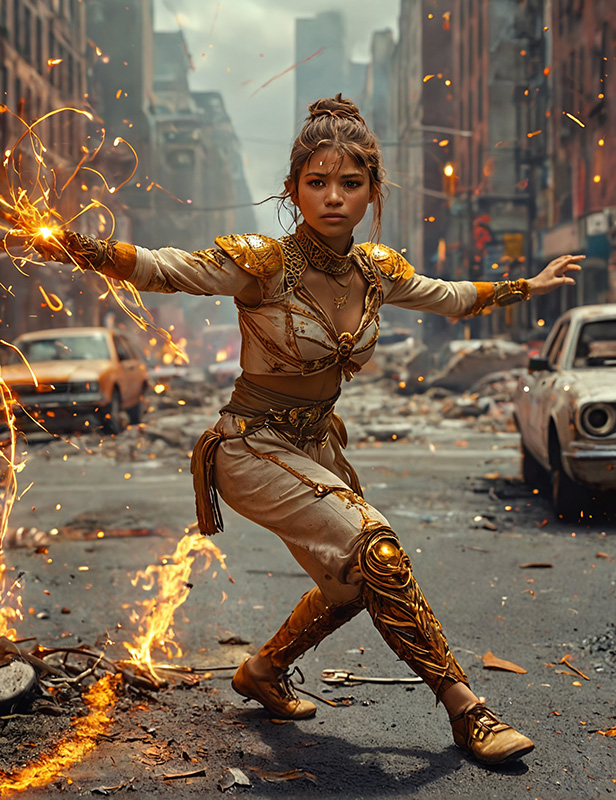
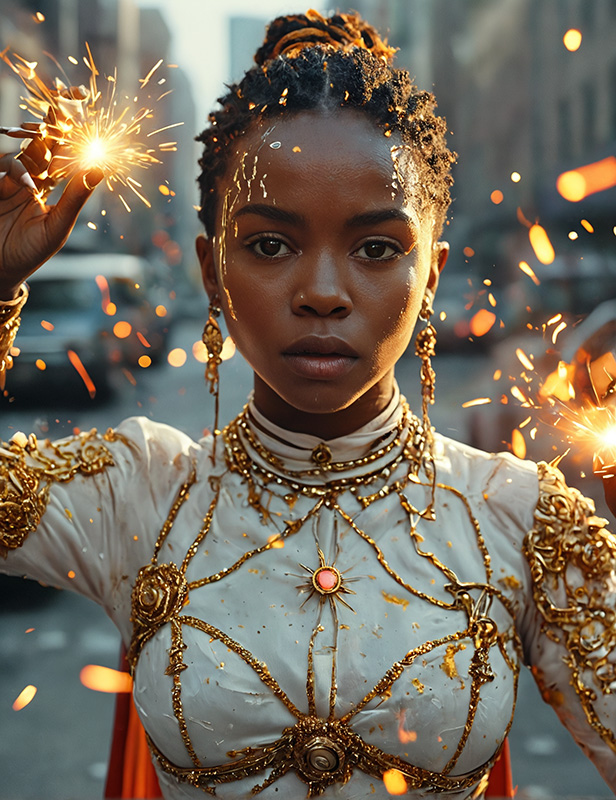
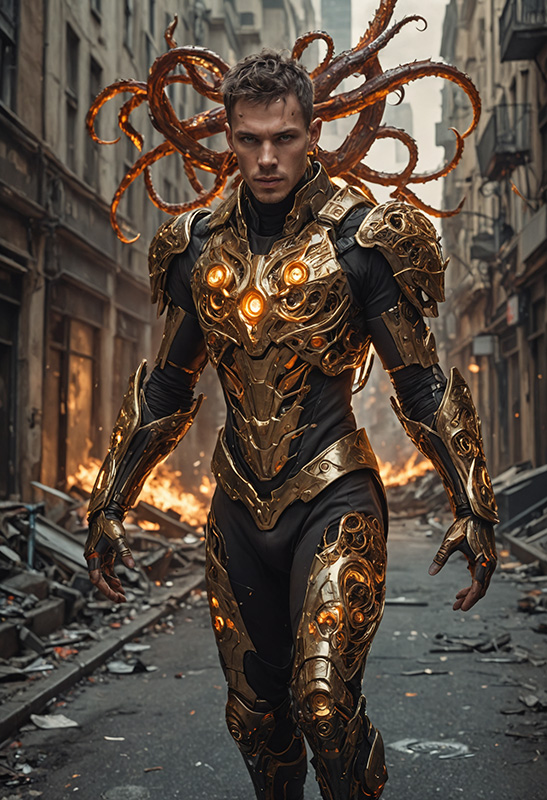
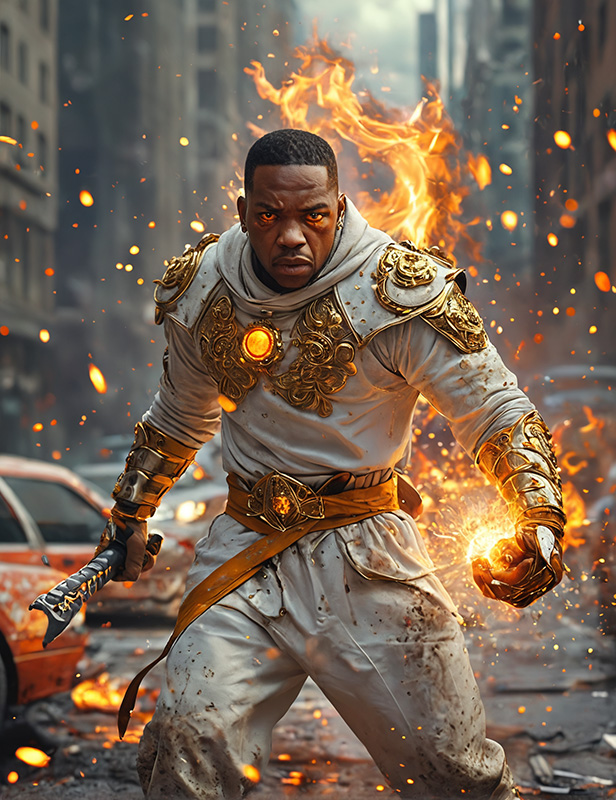
Inspiration
When I learned about recursion on bitcoin ordinals, it rewired my thinking. When I learned about DMT and UNAT, these also rewired my thinking. I employ all of these in immutably controlling stable diffusion for generative AI images and the ability to dynamically make changes to digital assets after minting. This allows for limitless gamification.
What it does
In terms of graphic capability, I would never inscribe an image of high resolution / high fidelity on-chain, that'd be terribly irresponsible, not to mention expensive. I inscribe a simple text inscription which is a set of parameters driving stable diffusion, an open source generative AI framework. In terms of DMY and UNAT, we make reference to pattern on the historic blockchain data, we scrape the mempool in realtime, and reference non-chain realworld data to drive character designs and how the sci-fi backstory onfolds. For the first time, an ordinals collection can unfold in an episodic way, and can continue unfolding until the very last bitcoin block is minted (in about 120 yrs). My containerized solution will run on GPUs in a decentralized way, a nod to Depin.
How we built it
Ordinals are a digital asset first created about 1.5yrs ago. We're creating recursive scripts which are inscribed on bitcoin as ordinals. We're employing the open source stable diffusion using python to do all the heavy lifting, resulting in a base64 image delivered from our endpoint. This works with the standard html tag, making it very widely compatible, especially within wallets and marketplaces.
Challenges we ran into
The challenges on the bitcoin side of things were minimal, but the infra around stable diffusion and the dictionary encryption used to understand brief text inscriptions required a lot of planning. Besides that, I've found that diversity in human likenesses is a huge problem for genAI today. I'm going to great lengths to ensure non-white likenesses are present.
Accomplishments that we're proud of
Besides the diversity efforts in genAI (we will release new open source LoRAs and checkpoint models as a result of this effort), we're proud to take some fundamental primitives on bitcoin and push them to inspirational heights. I jokingly call HIROS the slowest turn-based game, but that alone (using child inscriptions) represents an innovation in using the blockchain for autonomous storytelling.
What we learned
I learned that community is important in creating awareness of a project. This may sound obvious, but the support from other developers in the web3 space has been incredible. I'm extremely grateful to new friends I continue to find in this space.
What's next for HIROS
After launching the beta ordinals collection soon, early August, I will dive into the roadmap of build depin features allowing users to contribute their GPUs to running genAI on bitcoin. It may feel like a throwback to eth mining of the past, but i plan to form an economy around rendering images and video for public creator tools. I hope that artists/creators can use these tools via decentralized genAI containers in 6 months time.

Log in or sign up for Devpost to join the conversation.