-
Pic1
-
Pic2
Inspiration
Job searching today is fragmented, repetitive, and mentally draining. People constantly rewrite the same information across resumes, applications, emails, and LinkedIn messages. We wanted to build something that removes this friction entirely, an intelligent system that doesn’t just assist users, but actively represents them across the web.
HireMachine was inspired by the idea of turning job hunting into an autonomous process where your identity, context, and intent are always available and always improving.
What it does
HireMachine is an AI-powered browser agent that automates and enhances the entire job application and professional communication workflow.
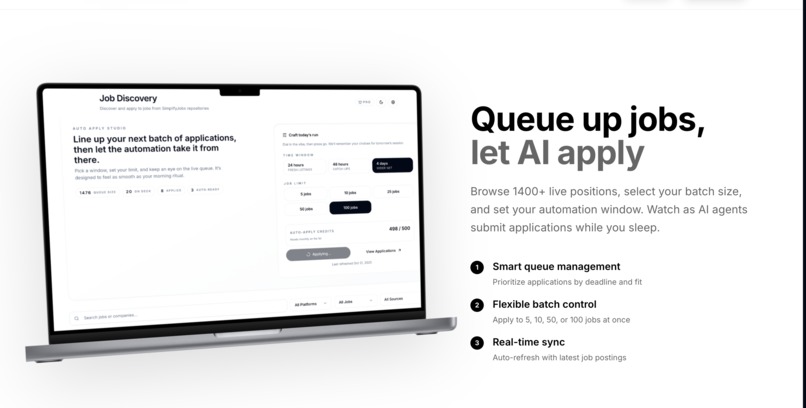
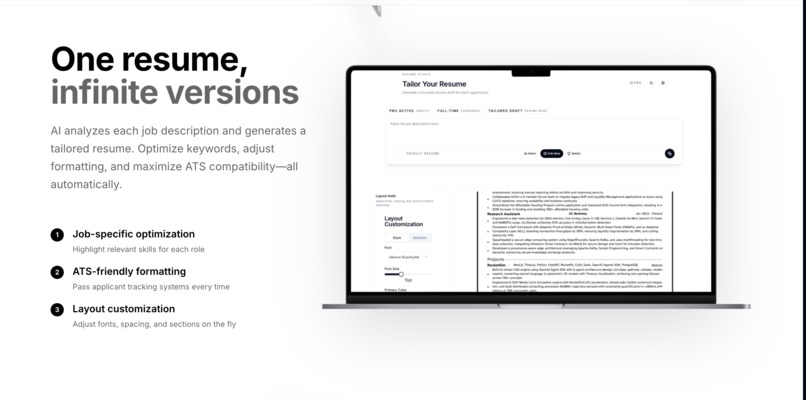
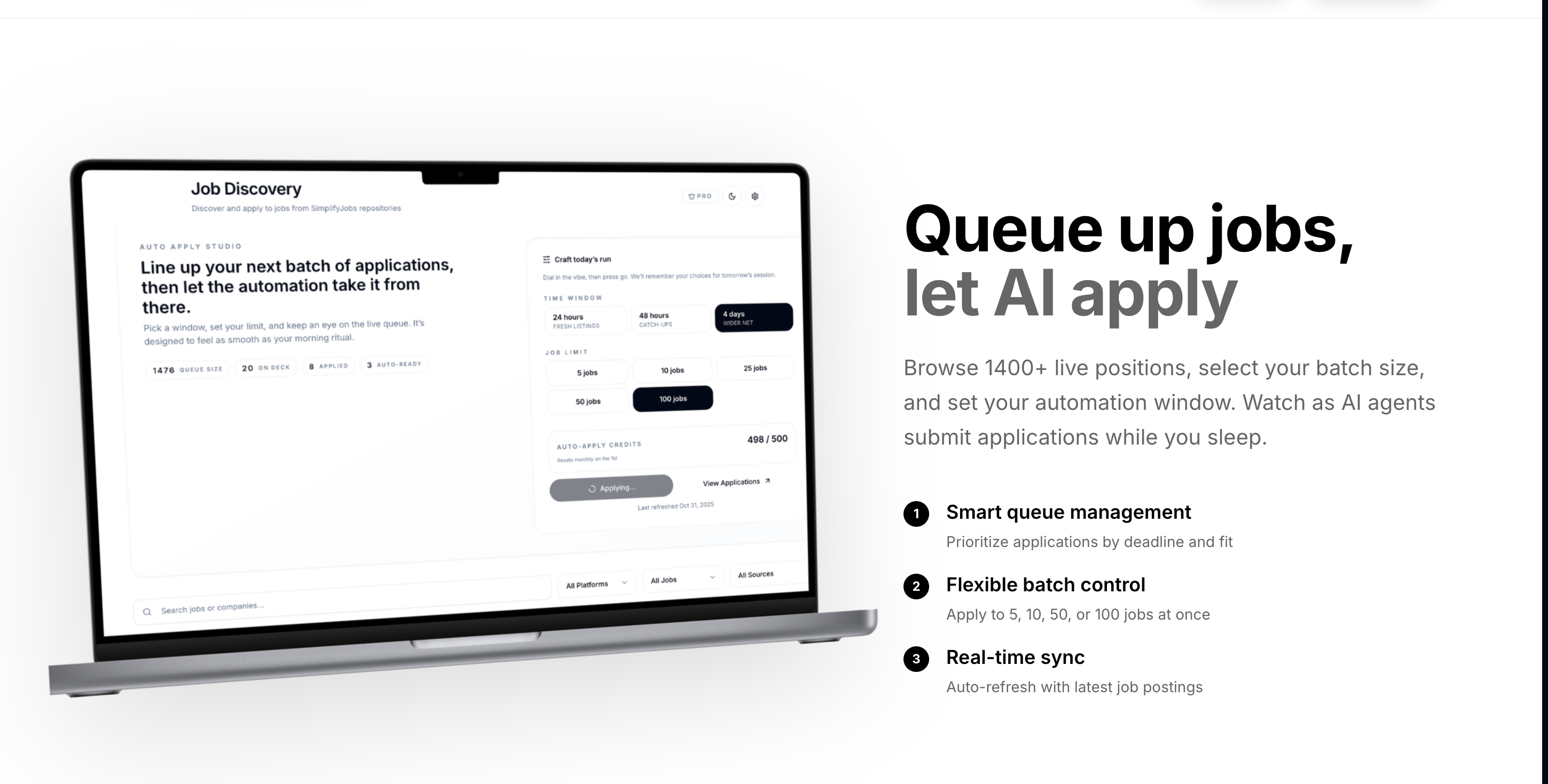
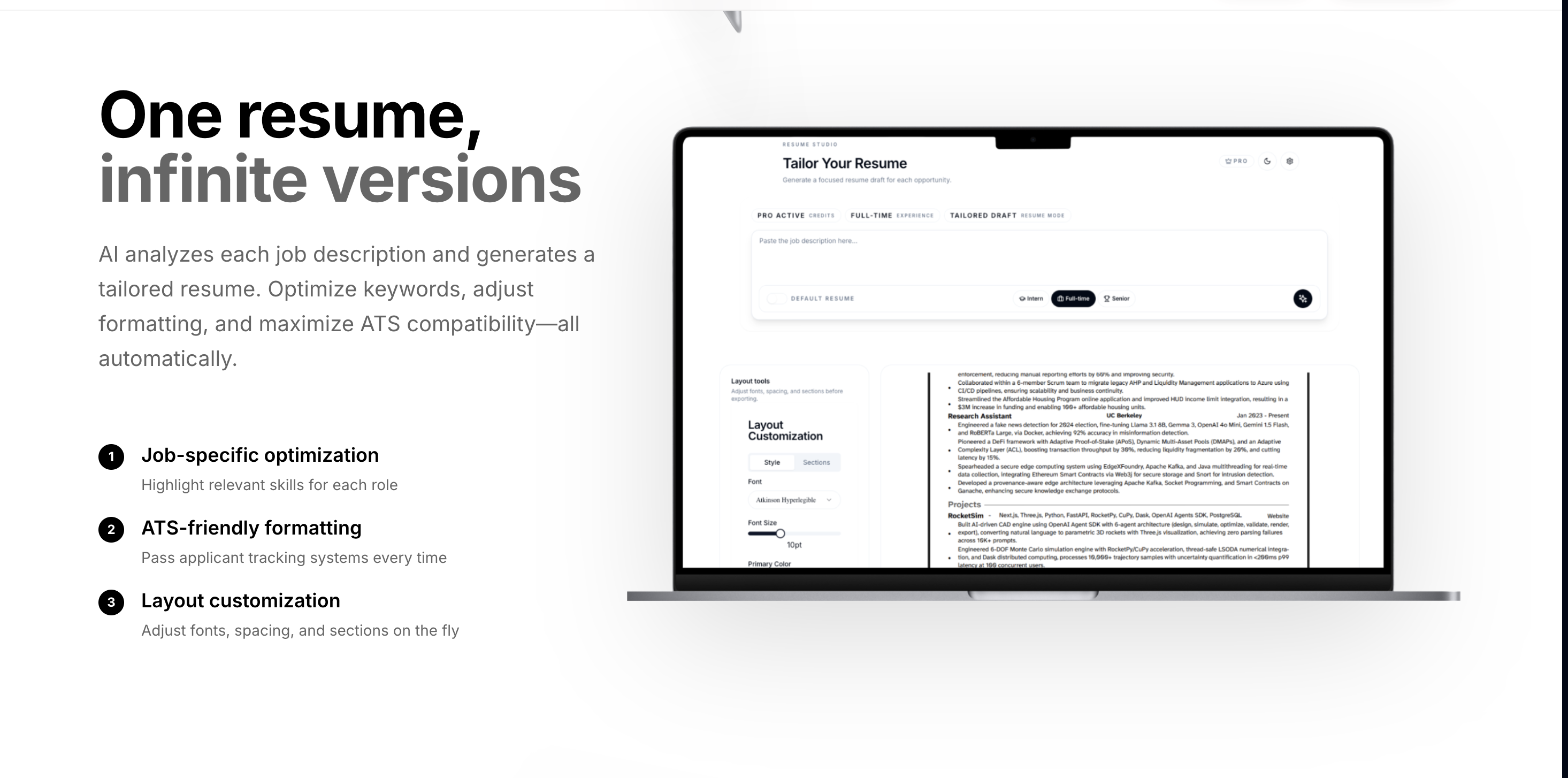
- Automatically applies to jobs using intelligent filters and resume tailoring
- Generates context-aware responses for applications, emails, and LinkedIn messages
- Learns user identity, tone, and background over time
- Maintains a persistent memory system for work history, preferences, and writing style
- Works across websites through a browser extension interface
- Adapts output based on platform context (job boards, LinkedIn, email, etc.)
In short, it turns job searching and professional writing into a continuous, automated system.
How we built it
HireMachine is built as a modern distributed system:
- Chrome Extension (MV3) for UI injection and field detection
- React for popup, memory interface, and context tools
- Convex backend for authentication, storage, actions, and scheduling
- Vector database (Embeddings) for semantic memory retrieval
- LLM integration (OpenAI / Anthropic / Gemini) for generation and extraction
- Context engine that pulls page data, saved memory, and user settings to generate responses
- Platform-aware logic layer for handling LinkedIn, Gmail, job boards, and general web inputs
The extension acts as a lightweight interface, while the intelligence lives in the backend.
Challenges we ran into
- Designing a memory system that is useful but not noisy or overfitted
- Handling inconsistent DOM structures across job platforms and text fields
- Balancing automation with user control to avoid “spam-like” behavior
- Managing multiple LLM providers with different capabilities and constraints
- Building reliable semantic retrieval that actually improves writing quality
- Ensuring performance stays fast inside browser injection contexts
Accomplishments that we're proud of
- Built a full cross-site AI writing layer that works in real-time
- Designed a persistent memory system with reinforcement + forgetting logic
- Successfully integrated multiple LLM providers under one unified system
- Created platform-aware generation that adapts to different websites
- Implemented context capture across the web without manual copy-paste
- Built a scalable architecture separating extension UI and backend intelligence
What we learned
- Context engineering is more important than prompt engineering
- Memory systems require aggressive filtering, not just storage
- Browser environments are unpredictable and require resilient injection logic
- The best UX is invisible automation with optional control
- Multi-provider LLM systems introduce complexity but greatly improve flexibility
- Users trust systems more when they can see and edit what is remembered
What’s next for HireMachine
- Deeper agent autonomy for end-to-end job application workflows
- Smarter memory prioritization using reinforcement learning signals
- Expansion into full “career OS” beyond job applications
- Team collaboration features (shared context + organization profiles)
- More adaptive writing styles based on company + role analysis
- Mobile companion for reviewing and approving applications on the go
- Marketplace for pre-built “career agents” (engineering, sales, etc.)
Built With
- anthropicapi
- convex
- elevanlabs
- radix
- react
- tailwind
- typescript
- wxt


Log in or sign up for Devpost to join the conversation.