-
-
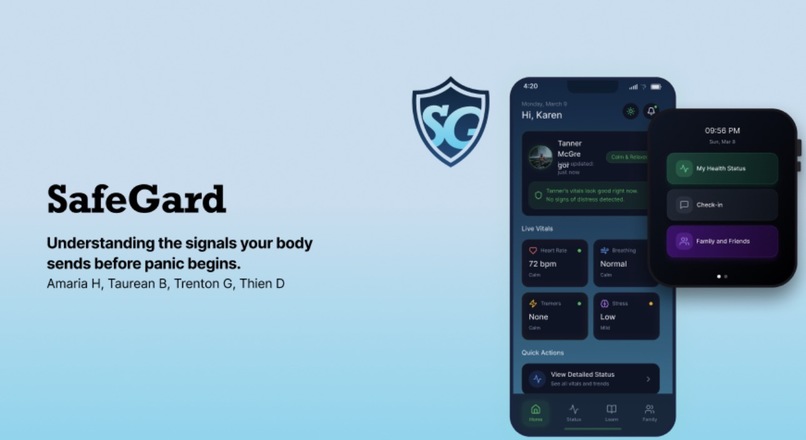
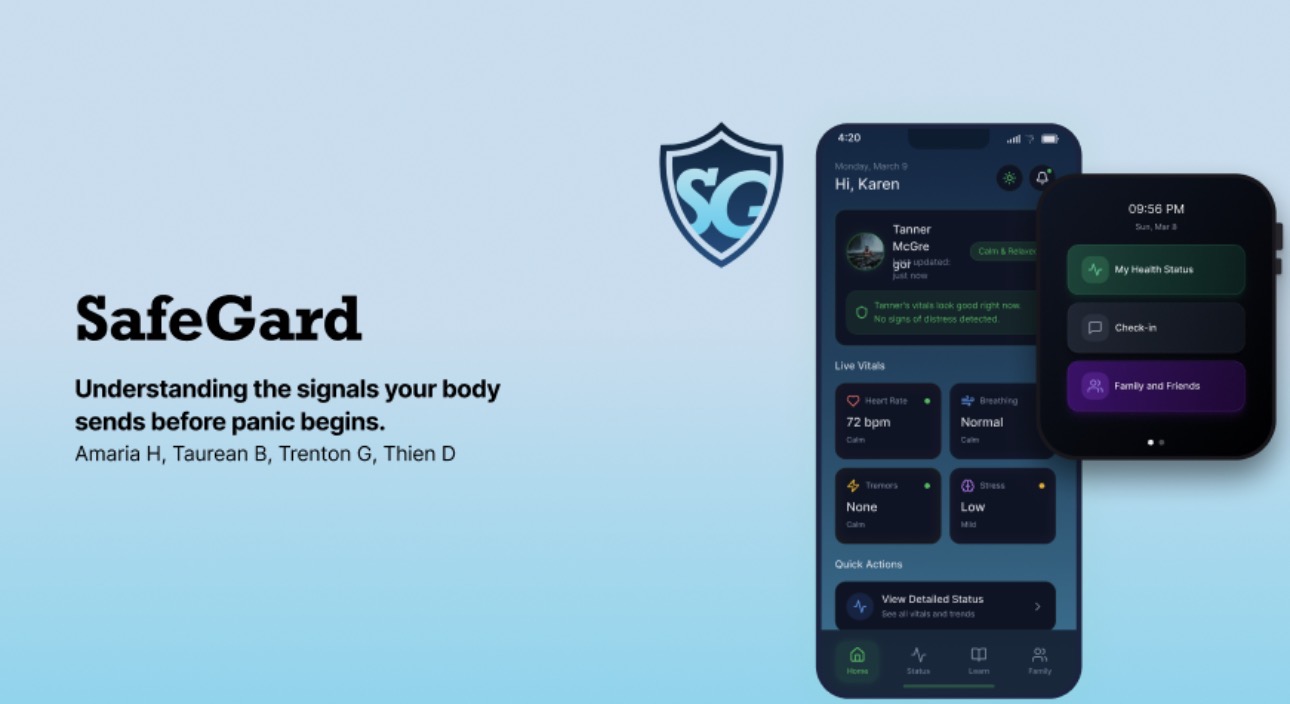
Introduction of SafeGard
-
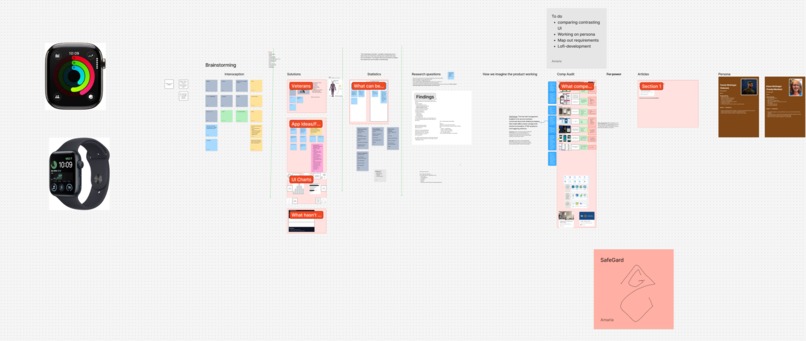
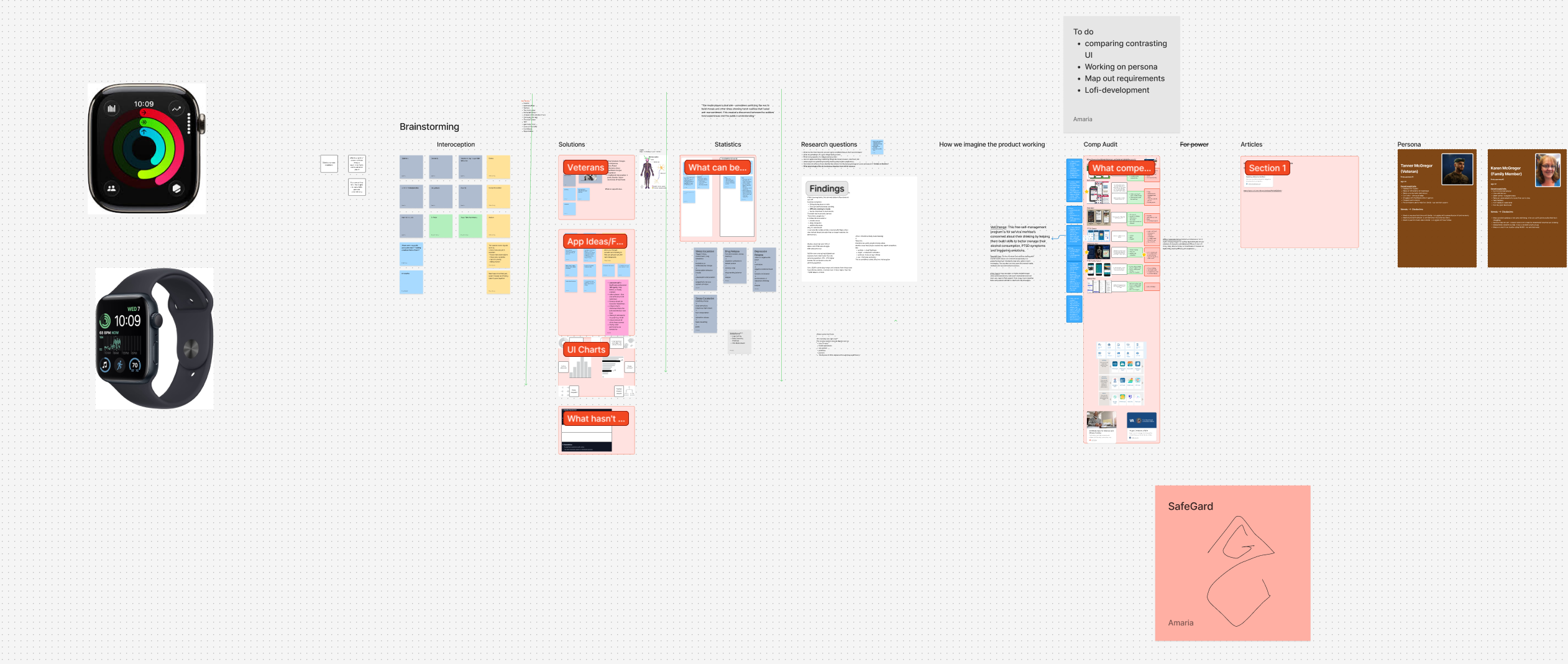
FigJam Process (Overview 1)
-
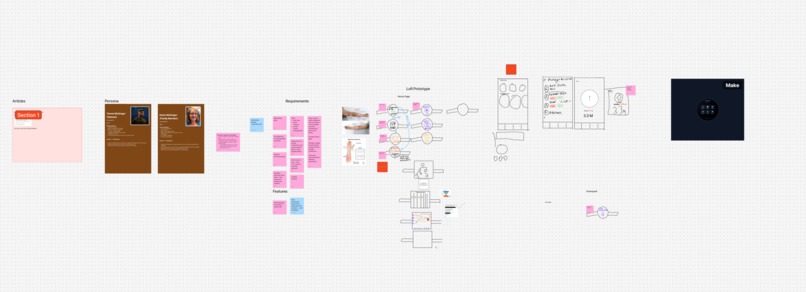
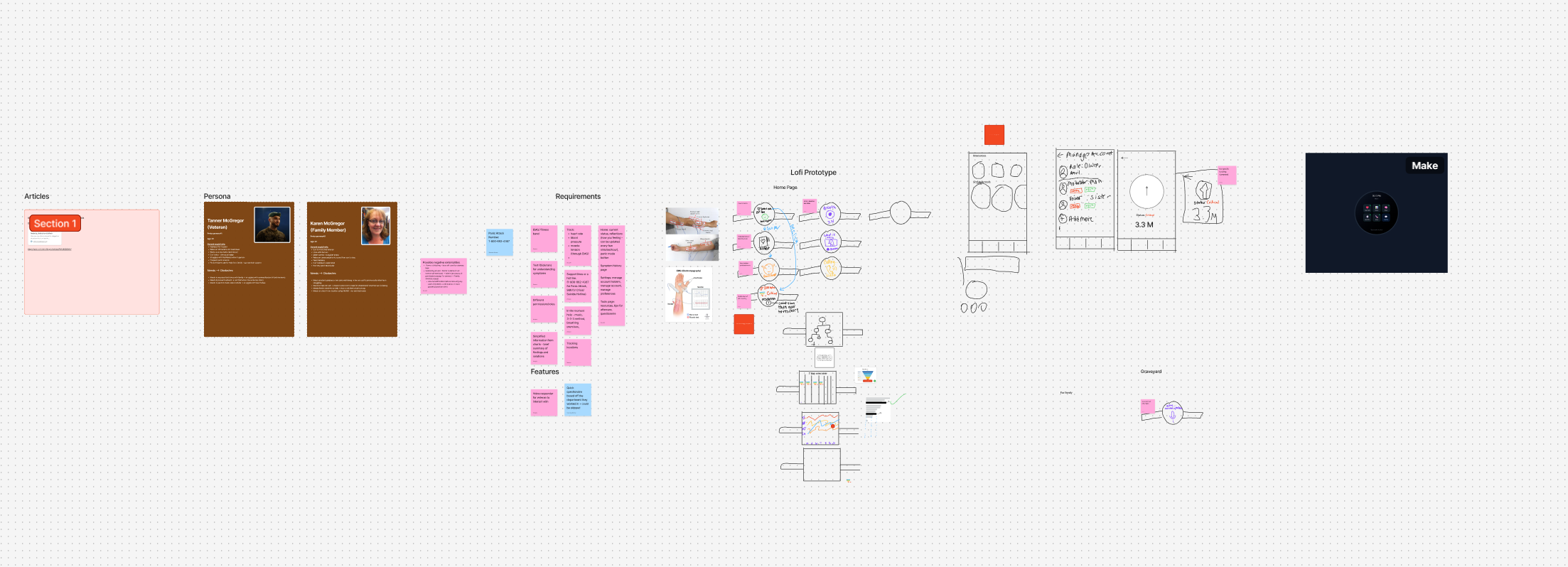
FigJam Process (Overview 2)
-
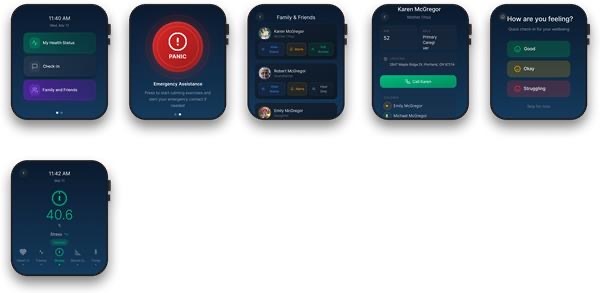
Mock of the Watch App
-
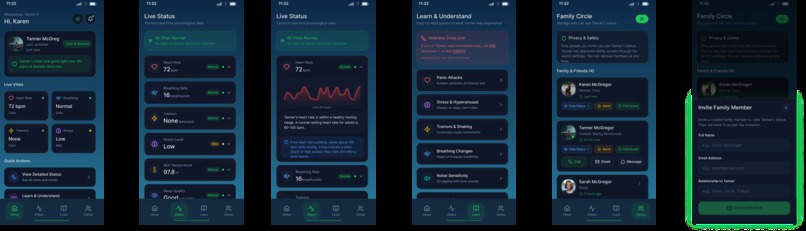
Mock of the Phone App
Inspiration
Our inspiration started with a curiosity about emerging or less-discussed senses and how they relate to the medical field. As we began learning more about interoception, we became interested in how mental health is closely related to bodily reactions and internal signals.
We wanted to focus on a typically overlooked audience in product design, which we identified as veterans. A few members of our team have veterans in their families and shared experiences about what life looked like for them after returning home from retirement. Many of these stories were difficult, describing the struggles of adjusting back to everyday life.
These experiences included panic attacks and flashbacks during ordinary family outings. As we began researching and listening to more veterans' stories, we learned more about substance abuse and depression that are prevalent in many individuals after deployment.
While exploring more into interoception and the role that conscious awareness of bodily signals can play in mental health, we realized that these internal sensations are often connected to the impulses that precede panic attacks or relapse. This led us to consider how existing technologies (like EMG, heart monitoring, and other physical tracking systems) could potentially detect early physical indicators of distress. From this, we began exploring the possibility of a product that could identify when someone is beginning to show signs of a panic attack or relapse, allowing them to intervene earlier and regain control.
What it does
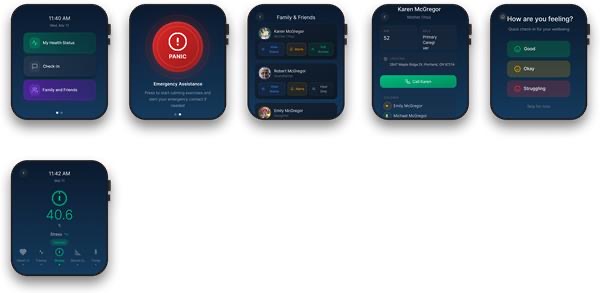
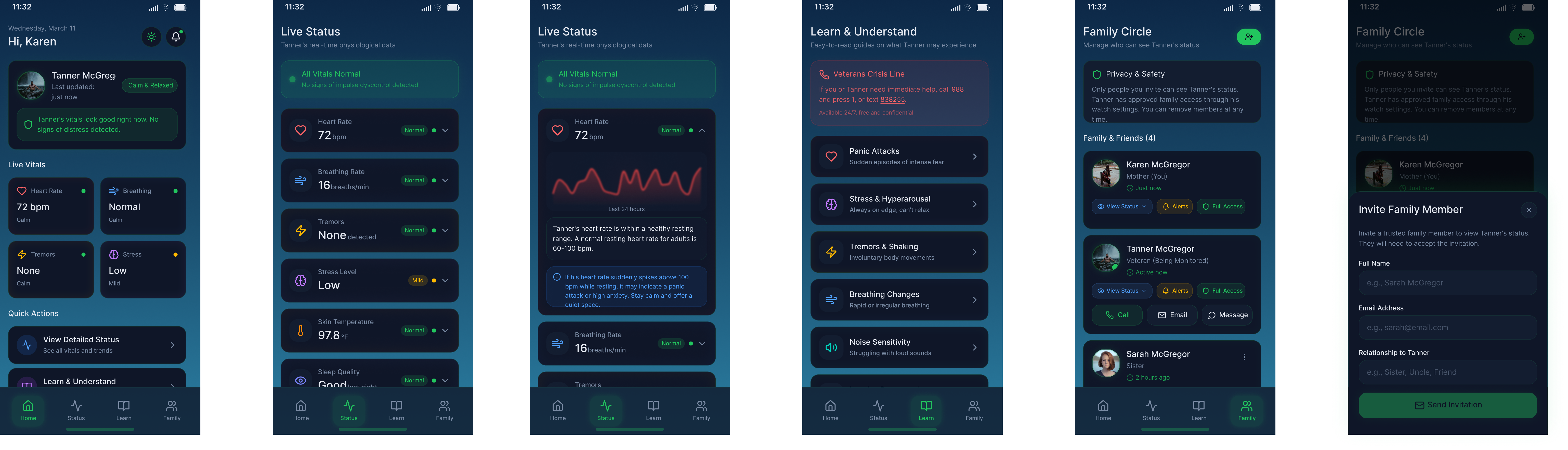
Our wearable device and companion app track various physical states and translate that information into a readable, user-friendly interface. The system communicates what status the user may be in and offers exercises and interventions to help improve that state before a panic attack or relapse occurs.
How we built it
We built this interface using Figma Design to create our design system and develop the overall UI. We used Figma Make to prototype interactions, build out different pages, and iterate on the interface. We also used Photoshop to develop our logo and supporting visual assets.
Challenges we ran into
One challenge we encountered was getting Figma Make to properly interpret our design system, which sometimes created inconsistencies in the prototype. Another challenge was narrowing our scope. We had many ideas we wanted to explore, and deciding which features to prioritize for a functional prototype was difficult, especially since we didn’t have as much user feedback during the hackathon as we would have liked.
Accomplishments that we're proud of
One accomplishment we are especially proud of is creating two digital interfaces designed for two different personas. We wanted to meaningfully integrate Karen’s role as a caregiver, because we understand how helpless it can feel to watch a loved one struggle during moments like a panic attack. Designing a system that gives caregivers a way to support someone in those moments was something we were really excited to include, and we’re proud we were able to build that into the concept.
What's next for SafeGard
The next step for SafeGard is exploring the possibility of a patent and continuing research and development. We believe this idea has the potential to become a real product with the right funding, partnerships, and clinical research. We are excited to continue developing the concept beyond this hackathon and ultimately hope to put a tool like this into the hands of veterans and families who need it.
Built With
- capcut
- chatgpt
- figma
- figma-design
- figma-make
- photoshop


Log in or sign up for Devpost to join the conversation.