-
-
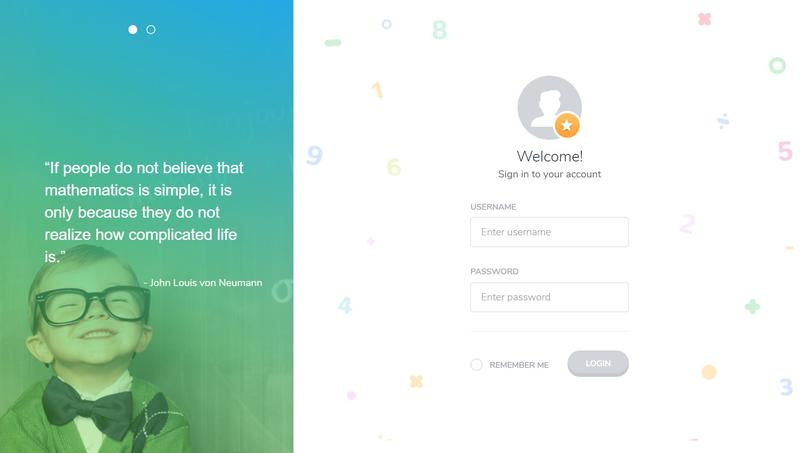
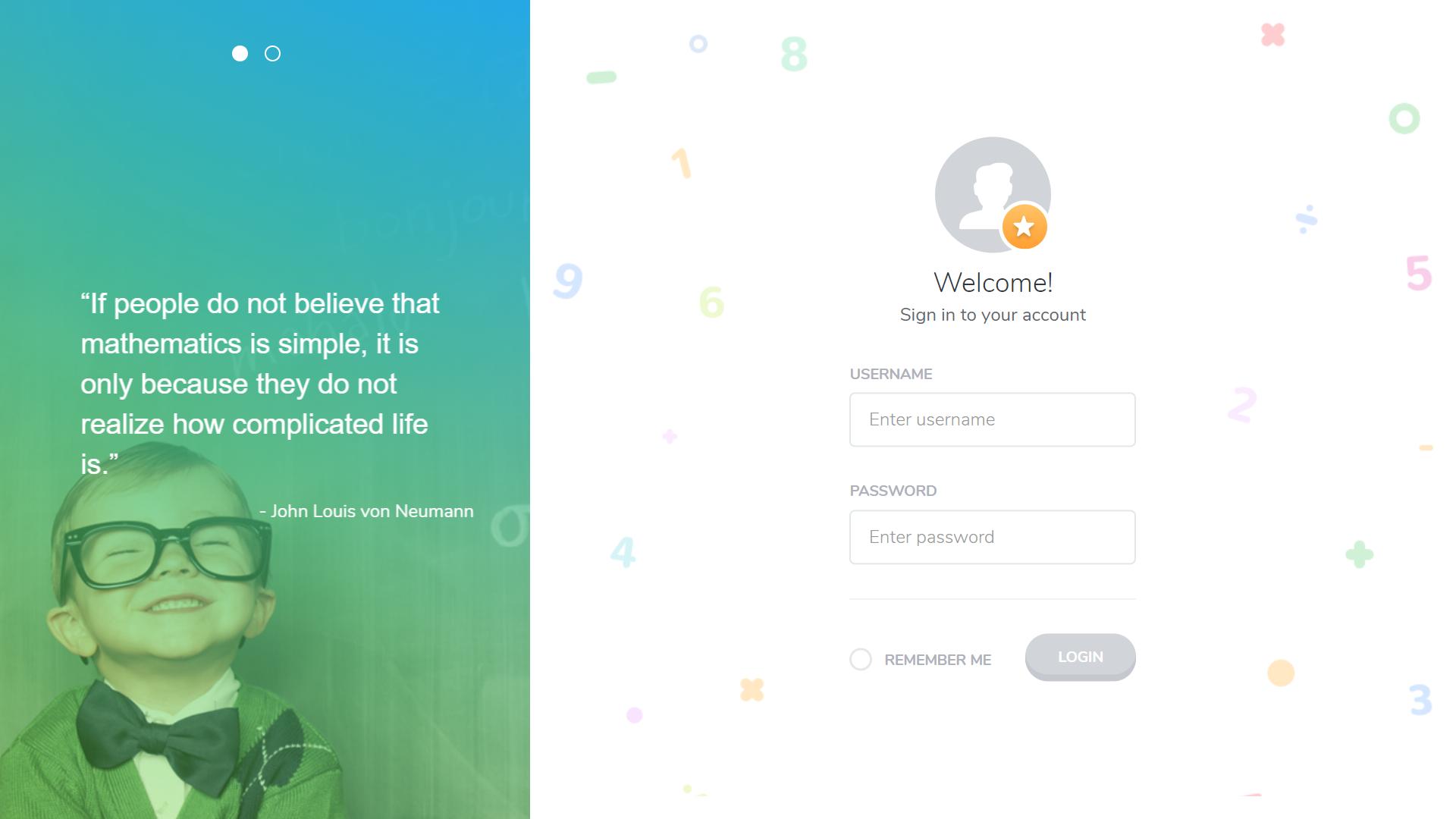
Login page
-
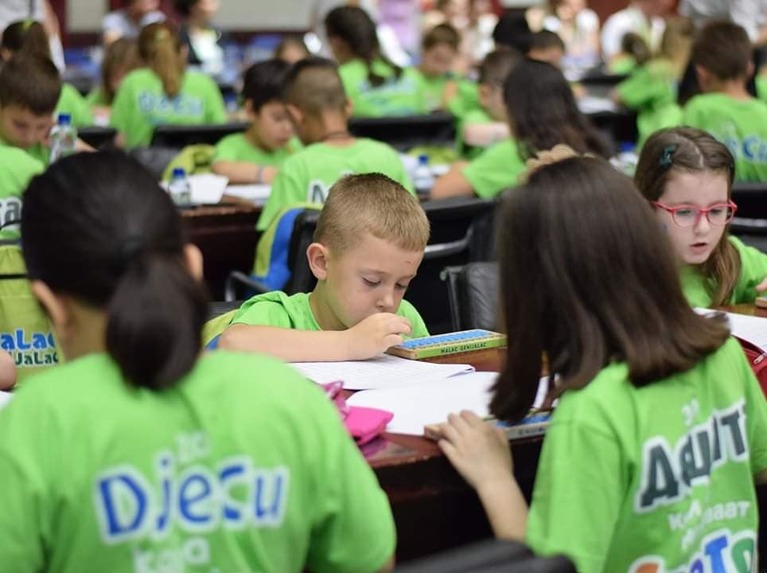
Learning
-
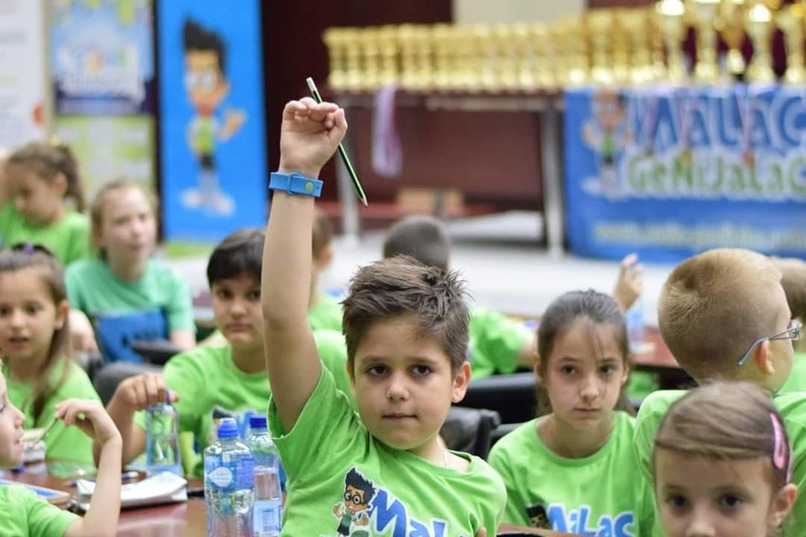
Children
-
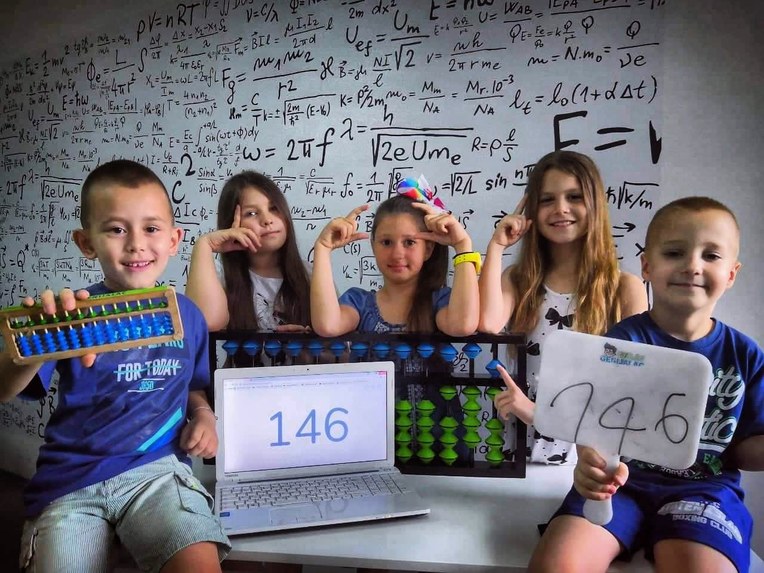
HIKARI Mental Arithmetic
Inspiration
In line with the development of technologies and the advantages offered by online access, it is significantly easier to function without the need for physical presence. Based on this, there are many advantages of systems and platforms that enable virtual gatherings of people regardless of need. In particular, given the pandemic caused by the COVID-19 virus and the need for physical distance from other people, platforms that enable social interaction without physical presence are becoming highly valued and wanted.
How does that work
With the help of the virtual classroom that we are developing, it will be possible for teachers to hold online classes with defined classes and students enrolled in a certain class, adapted to the needs and program of schools for which there is a whole network and teaching that have been traditionally held for years.
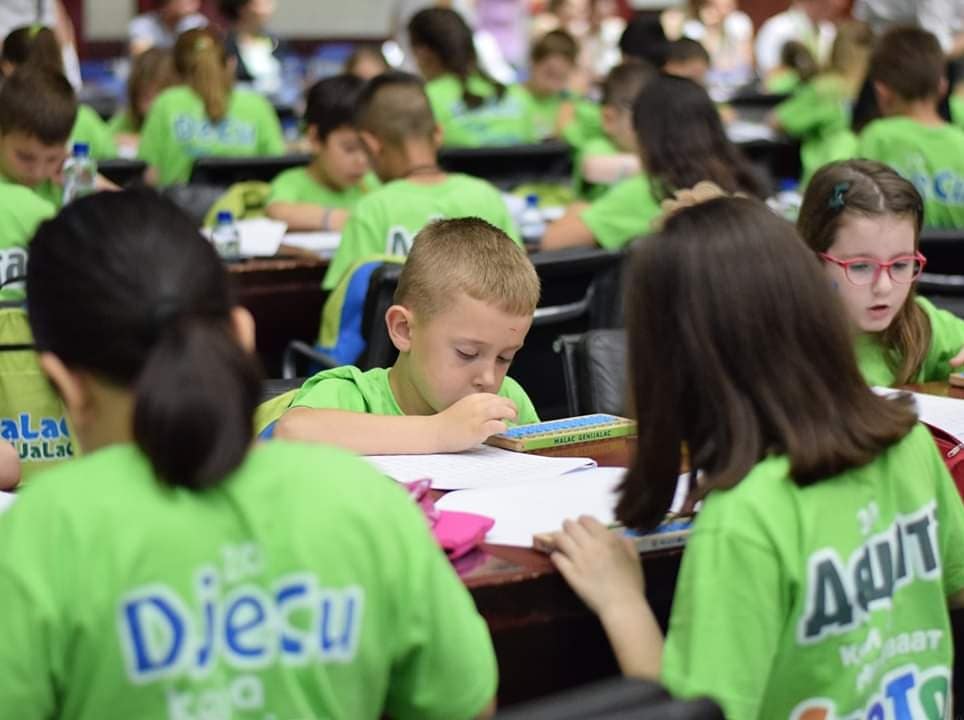
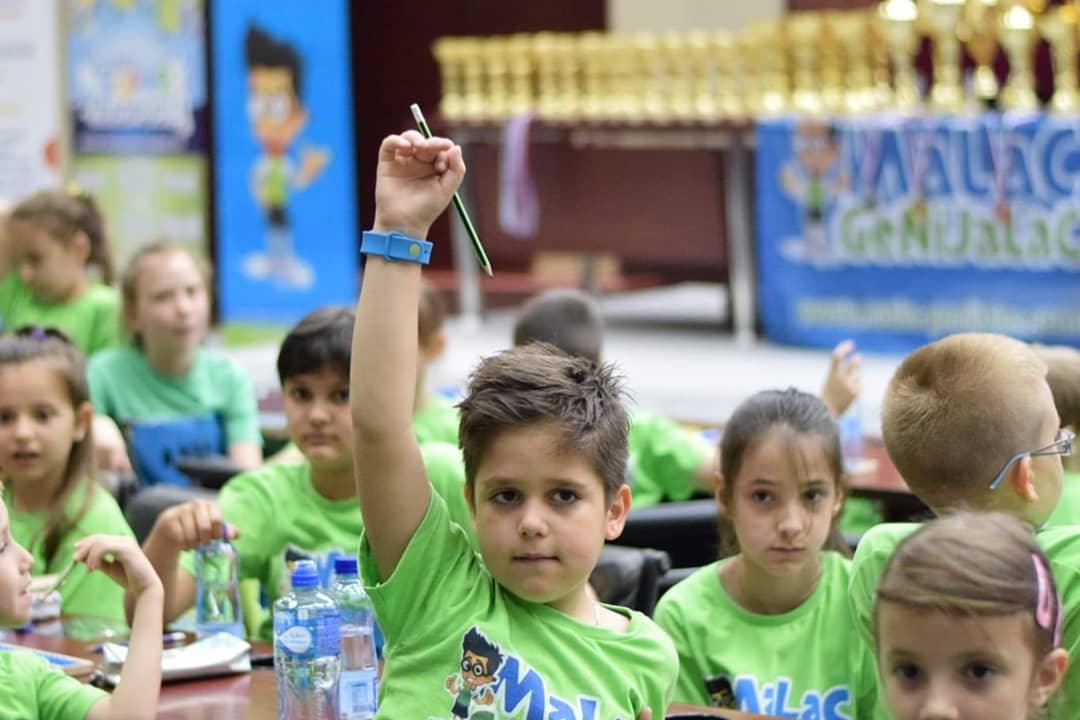
The network of our schools consists of 13 countries. Schools are present in the region of Southeast Europe and the Balkans (Slovenia, Croatia, Bosnia and Herzegovina, Montenegro, Serbia, North Macedonia and Kosovo)
(www.kidgenius.eu, www.malacgenijalac.com)
The idea is for the teacher to be the administrator of the class and for each of the students to take part by applying for attending classes in real time.
Functionalities enabled:
· video / audio connection of all active participants · chatting involved · a board on which the teacher can write, and the students can follow what is on the board in real time
Further development of functionalities concept would cover:
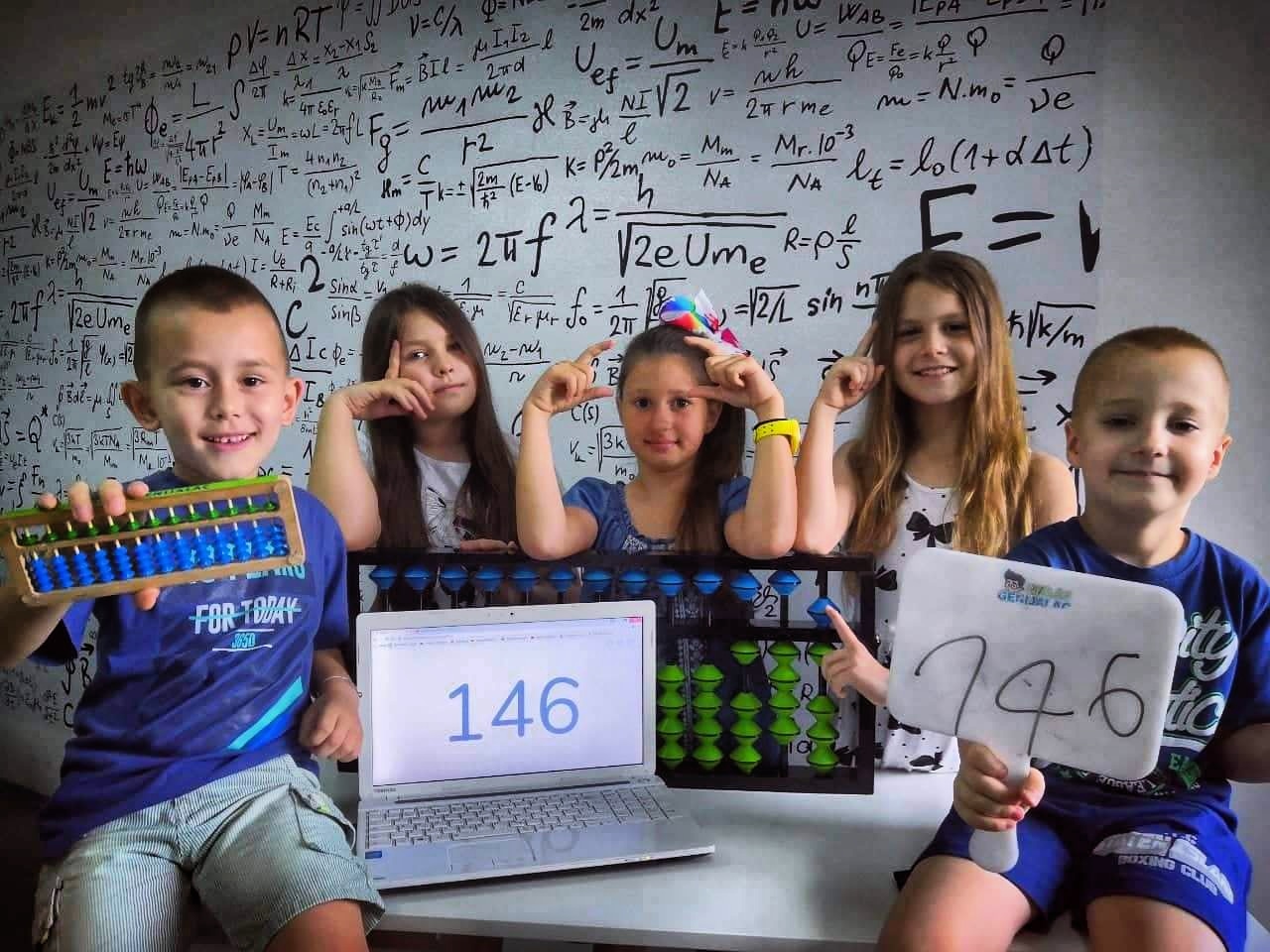
· generating tasks according to the school program and assigning students to work in real time · solving tasks by students and monitoring by teachers · screen share · exchange of materials between participants (PDF digital textbook, digital abacus) · development of tools for working on boards
What we learned?
We have learned a lot through the development of this project. We are proud of the practical experiences of teachers and students that we have incorporated into this application. The goal of the project was to solve the real needs of the users. We believe that we have created a powerful application that will provide significant support for learning from home. Completely new technologies for most of the development team represented a completely different experience in software development, which is why we are even more proud of the results of our work so far.
How the system is made?
The starting point is WebRTC technology. The socket.io service was used to transfer communication to / from the signaling server. A node.js server has been set up for the signaling server to establish connections. STUN and TURN servers were used for further transmission of the stream via UDP protocol (server selection for each user is performed by WebRTC ICE technology, in accordance with the user's NAT). The PHP / MySQL / HTML / CSS stack is used to define permissions and initial display of the control panel and room, and mostly JavaScript with several libraries such as paper.js, canvas-designer and others for data processing and display.
The challenges we encountered
In addition to having vast experience in online education and working with children, this was a great challenge for us for which we had to prepare especially. That is why we conducted a large survey of teachers and parents of children (students) to hear experiences and needs from the field. In this way, we compiled a list of real needs and problems that needed to be solved with the new distance learning application.
What's next for the Hikari classroom?
We will try to further develop the application in the future, introducing new features. It is also important that the application is as easy and convenient to use as possible, so we will constantly test its usability and adapt it to new user needs.


Log in or sign up for Devpost to join the conversation.