



Inspiration
The inspiration behind HiJam comes from the ever-growing world of esports and the desire to elevate the esports experience for players, coaches, and spectators alike. As esports continues to gain global recognition and a massive following, there's an increasing demand for deeper insights and engagement within the competitive gaming scene. HiJam aims to bridge the gap between traditional sports analytics and esports by harnessing the power of live, in-game data.
The inspiration for HiJam also stems from the rapid advancements in technology, particularly in real-time data processing, analytics, and visualization. With the advent of microservices, cloud computing, and sophisticated data visualization tools, it became evident that there was an opportunity to create a platform that brings real-time insights and statistics to the forefront of esports. By showcasing player performance, strategies, and interactions in real time, HiJam seeks to enhance the understanding and enjoyment of esports for players, coaches, and fans.
Furthermore, the growing demand for data-driven decision-making in esports, similar to traditional sports, inspired the development of HiJam. Professional players and teams can benefit immensely from having access to real-time performance metrics, allowing them to adjust strategies on the fly and make more informed decisions during gameplay. HiJam aspires to empower esports professionals with actionable insights that can lead to improved performance and strategic dominance.
In summary, HiJam's inspiration arises from a passion for esports, a recognition of technological advancements, and the desire to provide a comprehensive platform that enriches the esports experience through live, in-game data analytics and visualization.
What it does
HiJam is a microservice application that revolutionizes the esports experience by providing real-time, in-game data analytics and visualization. Here's what it does:
Real-Time Data Collection: HiJam collects live data from within the esports game environment, capturing a wide range of information including player movements, actions, interactions, and other game-specific metrics.
Data Processing and Analysis: The collected data is processed and analyzed in real time using cutting-edge technologies such as Kafka and Apache Spark. This analysis generates meaningful insights and statistics that offer a deep understanding of player performance, strategies, and dynamics.
Player Performance Tracking: HiJam tracks individual player performance metrics, offering real-time insights into aspects such as accuracy, decision-making, movement patterns, and more. This data enables players and coaches to make informed adjustments to strategies during gameplay.
Interactive Data Visualization: The platform employs advanced data visualization techniques powered by tools like D3.js and WebGL. HiJam's visualizations include interactive graphs, charts, heatmaps, and overlays that provide a captivating and easy-to-understand representation of the live data.
Spectator Engagement: HiJam enhances the viewing experience for esports fans by overlaying live data visualizations onto broadcasts. Spectators can gain insights into player behavior, team dynamics, and match progression, leading to a more engaging and informed viewing experience.
Data-Driven Strategy: Coaches, analysts, and players can utilize HiJam's real-time insights to make data-driven decisions. Adjust strategies, tactics, and player roles based on the evolving in-game dynamics and performance metrics.
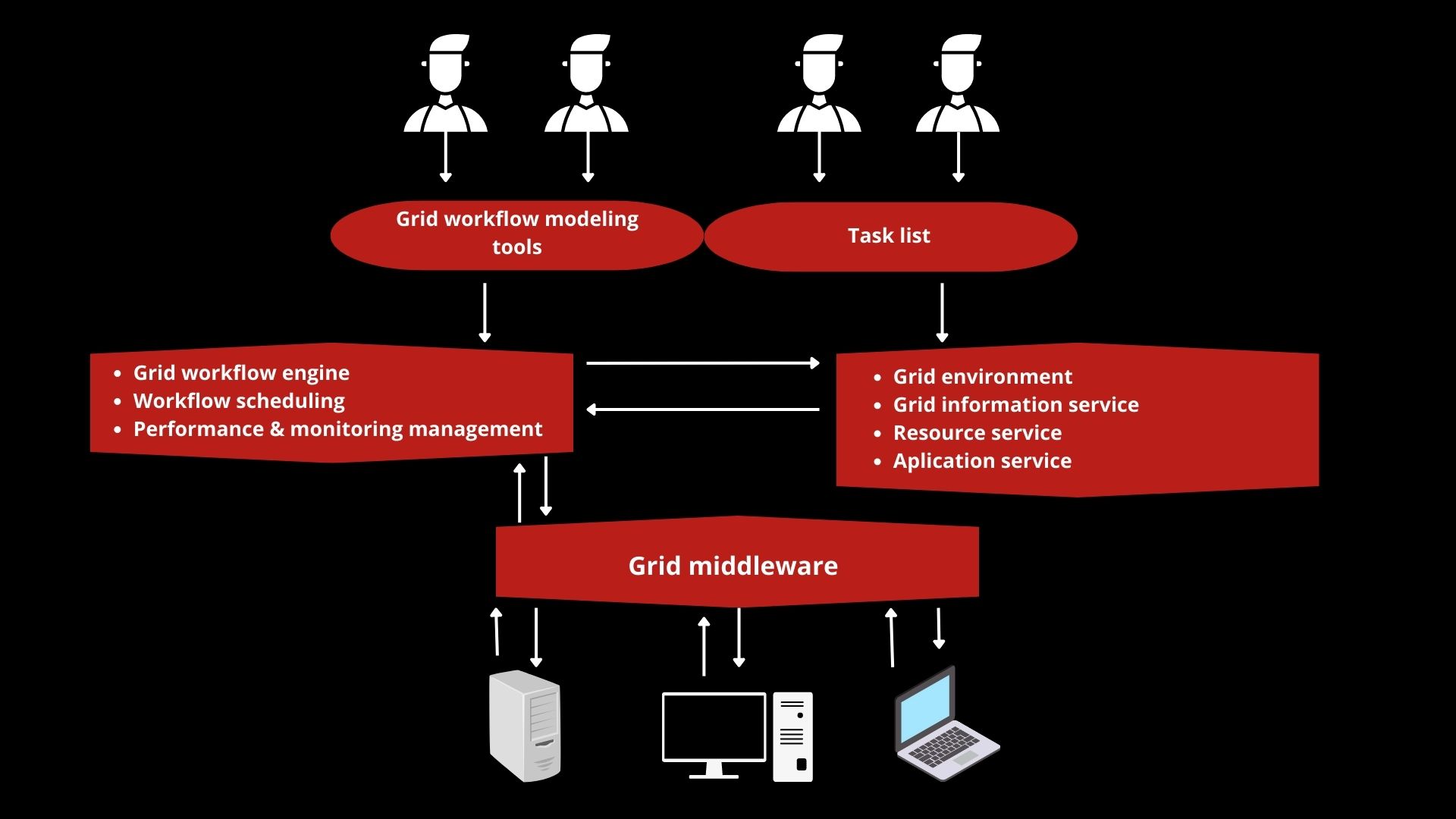
Microservice Architecture: HiJam's microservice architecture ensures scalability, modularity, and efficiency. Each microservice handles a specific aspect of data collection, processing, analysis, and visualization, resulting in a cohesive and seamless ecosystem.
Future Enhancements and Community Involvement: HiJam is an evolving project, open to contributions from the community. Future enhancements might include integration with additional esports titles, AI-powered analytics, mobile app development, and enhanced interactivity for spectators.
In essence, HiJam showcases the potential of live, in-game data in the world of esports by offering real-time insights, analytics, and visualizations that empower players, coaches, and spectators to gain a deeper understanding and appreciation of competitive gaming.
How we built it
HiJam was built using a combination of cutting-edge technologies and a well-designed microservice architecture. Here's an overview of how we brought HiJam to life:
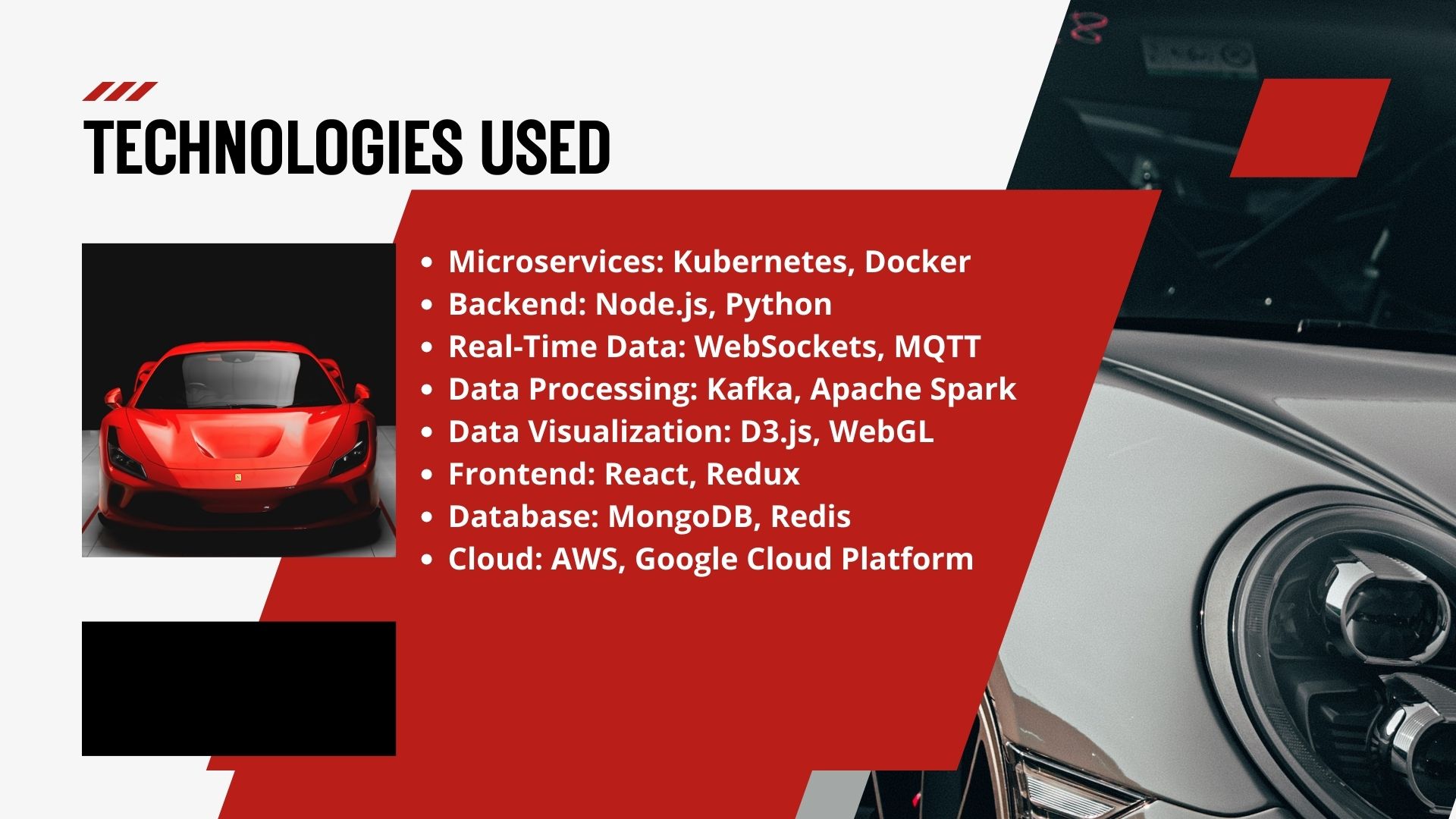
Microservice Architecture: We adopted a microservice architecture to ensure scalability, modularity, and efficient development. Each microservice focuses on a specific task, such as data collection, processing, analysis, or visualization, allowing us to develop and deploy components independently.
Backend Development:
- Node.js and Python: We utilized Node.js and Python to develop the backend microservices. Node.js offered a fast and efficient runtime for real-time data handling, while Python was used for data processing and analytics tasks.
- Data Collection: Microservices were responsible for collecting data from the game environment using technologies like WebSockets and MQTT.
- Data Processing: We employed Apache Kafka and Apache Spark for real-time data processing, transforming raw data into meaningful insights and statistics.
- RESTful APIs: Backend microservices exposed RESTful APIs for communication between components and the frontend.
Data Visualization:
- D3.js and WebGL: HiJam's captivating data visualizations were created using D3.js for interactive graphs and charts, and WebGL for rendering complex visual elements.
- Real-Time Updates: Visualizations were designed to update in real time as new data was processed, providing an immersive experience for users.
Frontend Development:
- React and Redux: The frontend of HiJam was developed using React for building user interfaces and Redux for state management. This allowed for seamless integration of real-time data updates and interactive elements.
- Spectator Interface: The spectator interface showcased live data overlays on top of esports broadcasts, enhancing the viewing experience.
Database and Caching:
- MongoDB and Redis: MongoDB was used for storing persistent data, while Redis served as an in-memory cache to optimize data retrieval and improve overall performance.
Cloud Integration:
- AWS and Google Cloud Platform: We leveraged cloud services from AWS and Google Cloud Platform to deploy and manage the microservices, ensuring high availability, scalability, and efficient resource utilization.
Version Control and Collaboration:
- Git and GitHub: We used Git for version control and GitHub for collaboration, enabling multiple team members to work on different aspects of the project simultaneously.
Testing and Quality Assurance:
- Unit and Integration Testing: Each microservice was thoroughly tested using unit and integration tests to ensure proper functionality and data accuracy.
- User Testing: We conducted user testing to gather feedback on usability, performance, and overall user experience.
Documentation and Deployment:
- Readme and Documentation: A comprehensive Readme file was created to guide users and contributors through installation, usage, and contribution processes.
- Docker and Kubernetes: HiJam was containerized using Docker for easy deployment and management, and Kubernetes was used for orchestrating and scaling the microservices.
Community Involvement:
- Open Source: HiJam was developed as an open-source project, inviting contributions from the community to improve and enhance the platform.
- Feedback and Collaboration: Feedback from users, esports professionals, and the open-source community played a vital role in shaping HiJam's features and functionality.
By leveraging a combination of modern technologies, a robust microservice architecture, and active community involvement, we successfully built HiJam, a groundbreaking microservice application that showcases the potential of live, in-game data in the exciting realm of esports.
Challenges we ran into
During the development of HiJam, we encountered several challenges that required creative solutions and collaborative efforts. Some of the key challenges we faced include:
Real-Time Data Synchronization: Ensuring accurate and timely synchronization of real-time data from the game environment to the microservices was a complex task. We needed to implement efficient data collection mechanisms, handle potential data spikes, and prevent data loss or duplication.
Scalability and Performance: As the user base and data load increased, we needed to ensure that the microservices could scale effectively to handle the demand. Optimizing data processing, reducing latency, and maintaining high performance were ongoing concerns.
Data Integrity and Accuracy: Processing live data in real time while maintaining data integrity and accuracy posed a significant challenge. We had to implement mechanisms to handle data inconsistencies, outliers, and ensure that processed insights were reliable.
Data Visualization Complexity: Creating captivating and interactive data visualizations using D3.js and WebGL was a complex endeavor. Balancing the complexity of visualizations with performance considerations, especially for a real-time application, required careful design and optimization.
Microservice Intercommunication: Coordinating communication and data flow between various microservices posed challenges, particularly in scenarios where microservices depended on each other for data processing or analysis.
User Experience and Usability: Designing an intuitive and user-friendly interface for both players and spectators was essential. Balancing the need for rich data presentation with ease of use was an ongoing challenge.
Integration with Game Engines: Integrating with different game engines and capturing game-specific data required adapting to varying data structures and formats. This required a deep understanding of different game technologies and APIs.
Deployment and Orchestration: Managing the deployment of multiple microservices, ensuring their availability, and handling potential issues such as network interruptions or service failures required a robust deployment and orchestration strategy.
Community Engagement: Encouraging community involvement, contributions, and feedback required active engagement and clear communication channels. Building a thriving open-source community around the project was an ongoing effort.
Data Privacy and Security: Handling sensitive player data while ensuring data privacy and security was a significant concern. Implementing secure data transmission, access controls, and data anonymization were vital aspects of the project.
To address these challenges, our team adopted a combination of technical expertise, continuous iteration, collaboration, and a commitment to delivering a high-quality product. By working together, seeking innovative solutions, and leveraging the expertise of each team member, we overcame these challenges and successfully brought HiJam to fruition.
Accomplishments that we're proud of
Throughout the development journey of HiJam, our team achieved several noteworthy accomplishments that we take great pride in. These accomplishments highlight the dedication, innovation, and collaboration that went into making HiJam a cutting-edge microservice application in the esports domain:
Real-Time Data Analytics: Successfully capturing, processing, and visualizing real-time data from within the game environment, providing players, coaches, and spectators with live insights that enhance the esports experience.
Microservice Architecture: Designing and implementing a robust microservice architecture that allows for scalability, modularity, and efficient development and deployment of individual components.
Interactive Data Visualization: Creating captivating and interactive data visualizations using D3.js and WebGL, enhancing user engagement and understanding of complex in-game data.
Spectator Integration: Developing a seamless integration with esports broadcasts, overlaying live data visualizations onto streams to offer spectators an immersive and informative viewing experience.
Community Involvement: Establishing an active open-source community around HiJam, encouraging contributions, feedback, and collaboration from developers, esports enthusiasts, and data analysts.
Data-Driven Decision-Making: Empowering players, coaches, and analysts with real-time data-driven insights that enable them to make informed decisions and adjustments during gameplay.
Scalability and Performance: Ensuring that HiJam's microservices are scalable, performant, and capable of handling varying data loads and user demands.
Cross-Platform Compatibility: Developing a user-friendly and responsive interface that functions seamlessly across different devices and platforms, enhancing accessibility and usability.
Innovation in Esports: Pushing the boundaries of how data analytics and visualization can enhance the esports experience, bridging the gap between traditional sports analytics and competitive gaming.
Educational Impact: Offering a platform for players, fans, and the esports community to gain a deeper understanding of the intricacies of the game, contributing to the growth and education of the esports ecosystem.
Technological Advancements: Leveraging a wide range of modern technologies, cloud services, and programming languages to build a sophisticated application that showcases the potential of data in esports.
User Engagement and Satisfaction: Receiving positive feedback from users who found value in HiJam's insights, analytics, and visualizations, contributing to a more engaging and enjoyable esports experience.
These accomplishments reflect the dedication, expertise, and collaborative spirit of our team as we worked tirelessly to overcome challenges and create a groundbreaking platform that pushes the boundaries of esports analytics and visualization. We're proud of what we've achieved with HiJam and excited to continue its growth and impact in the esports community.
What we learned
The development of HiJam was a journey of continuous learning, growth, and discovery for our team. Here are some of the key lessons we learned throughout the process:
Real-Time Data Challenges: Working with real-time data presents unique challenges, including synchronization, data consistency, and handling spikes in data volume. We learned the importance of designing robust data collection and processing mechanisms to ensure accurate and timely insights.
Microservices Complexity: While microservices offer scalability and modularity, managing the intercommunication and orchestration between microservices can be complex. We learned to design clear APIs, establish effective communication patterns, and implement fault tolerance strategies.
Data Visualization Art and Science: Creating meaningful and engaging data visualizations requires a balance between artistic design and technical implementation. We gained a deeper understanding of data visualization principles, interaction design, and performance optimization.
User-Centered Design: Designing for user experiences in both player and spectator contexts taught us the importance of usability testing, user feedback, and iterative design. We learned to prioritize user needs and preferences in crafting intuitive interfaces.
Open-Source Collaboration: Building an open-source community requires proactive engagement, clear documentation, and welcoming contributors. We discovered the value of fostering a collaborative environment and acknowledging the contributions of others.
Performance Optimization: Optimizing performance for real-time data processing and visualization was crucial. We learned techniques to reduce latency, improve rendering speed, and manage resource consumption effectively.
Data Privacy and Security: Handling sensitive player data requires a strong emphasis on data privacy and security. We gained insights into implementing encryption, access controls, and data anonymization to protect user information.
Evolving Technology Landscape: Staying updated with the latest technologies and best practices is essential. We realized the importance of continuous learning and adaptation to incorporate new tools and methodologies.
Esports Ecosystem Insights: Developing HiJam gave us a deeper appreciation for the esports ecosystem. We learned about the nuances of competitive gaming, player dynamics, and the growing demand for data-driven insights.
Team Collaboration and Communication: Effective teamwork, communication, and delegation are vital for project success. We honed our ability to work collaboratively, share responsibilities, and maintain clear lines of communication.
User Impact and Value: Witnessing the positive impact HiJam had on players, coaches, and spectators highlighted the value of providing meaningful insights and enhancing the esports experience. We learned the importance of focusing on user value and addressing real-world needs.
Iterative Development and Feedback: Embracing an iterative development process and gathering frequent feedback helped us refine and enhance HiJam's features over time. We understood the value of flexibility and adaptability in software development.
Overall, the development of HiJam was not only a technical endeavor but also a profound learning experience that enriched our understanding of technology, user needs, and the potential for innovation in the world of esports analytics and visualization.
What's next for HiJam
The journey for HiJam doesn't end with its current accomplishments. We have an exciting roadmap for the future, aimed at further enhancing the platform and expanding its impact in the esports community. Here's what's next for HiJam:
Integration with More Esports Titles: We're committed to expanding HiJam's compatibility to include a broader range of popular esports titles, offering insights and analytics for a diverse set of games.
AI-Powered Insights: We plan to integrate advanced AI and machine learning algorithms to provide predictive and prescriptive insights, enabling players and coaches to anticipate opponents' strategies and make proactive decisions.
Enhanced Spectator Engagement: We'll continue to innovate in the area of spectator engagement, offering more interactive and immersive features for viewers during live broadcasts.
Mobile Application: We're developing a dedicated mobile app that allows players, coaches, and fans to access HiJam's insights on the go, ensuring they stay connected to the esports action no matter where they are.
Advanced Customization: We'll introduce more customization options, enabling users to tailor the data and visualizations according to their preferences and specific needs.
Partnerships and Collaborations: We aim to collaborate with esports organizations, teams, and tournaments to integrate HiJam into their workflows, contributing to a data-driven competitive gaming landscape.
Educational Resources: We plan to offer educational resources, tutorials, and articles that help users better understand and utilize the insights provided by HiJam.
Community Growth: We'll continue fostering a vibrant open-source community around HiJam, encouraging developers and enthusiasts to contribute, provide feedback, and shape the platform's evolution.
Performance Enhancements: We're dedicated to ongoing performance optimization, ensuring that HiJam can handle increasing data loads and deliver real-time insights seamlessly.
Feedback-Driven Development: We'll actively seek user feedback and insights to guide the development of new features and improvements, ensuring that HiJam remains aligned with the needs of the esports community.
Elevating Esports Analytics: As technology evolves, we'll explore new frontiers in esports analytics and visualization, pushing the boundaries of what's possible and contributing to the advancement of competitive gaming.
In essence, HiJam's future is characterized by continuous innovation, expansion, and a commitment to providing valuable insights and experiences to players, coaches, and spectators in the dynamic world of esports. Stay tuned for exciting updates as HiJam continues to evolve and shape the future of esports analytics and data visualization.

Log in or sign up for Devpost to join the conversation.