-
-
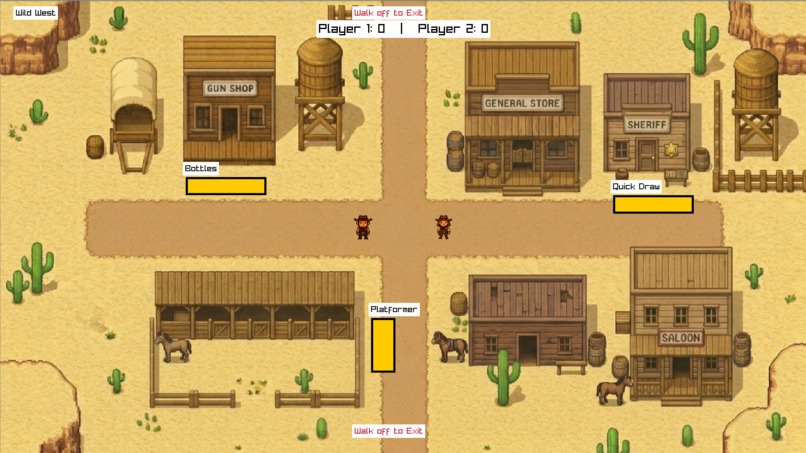
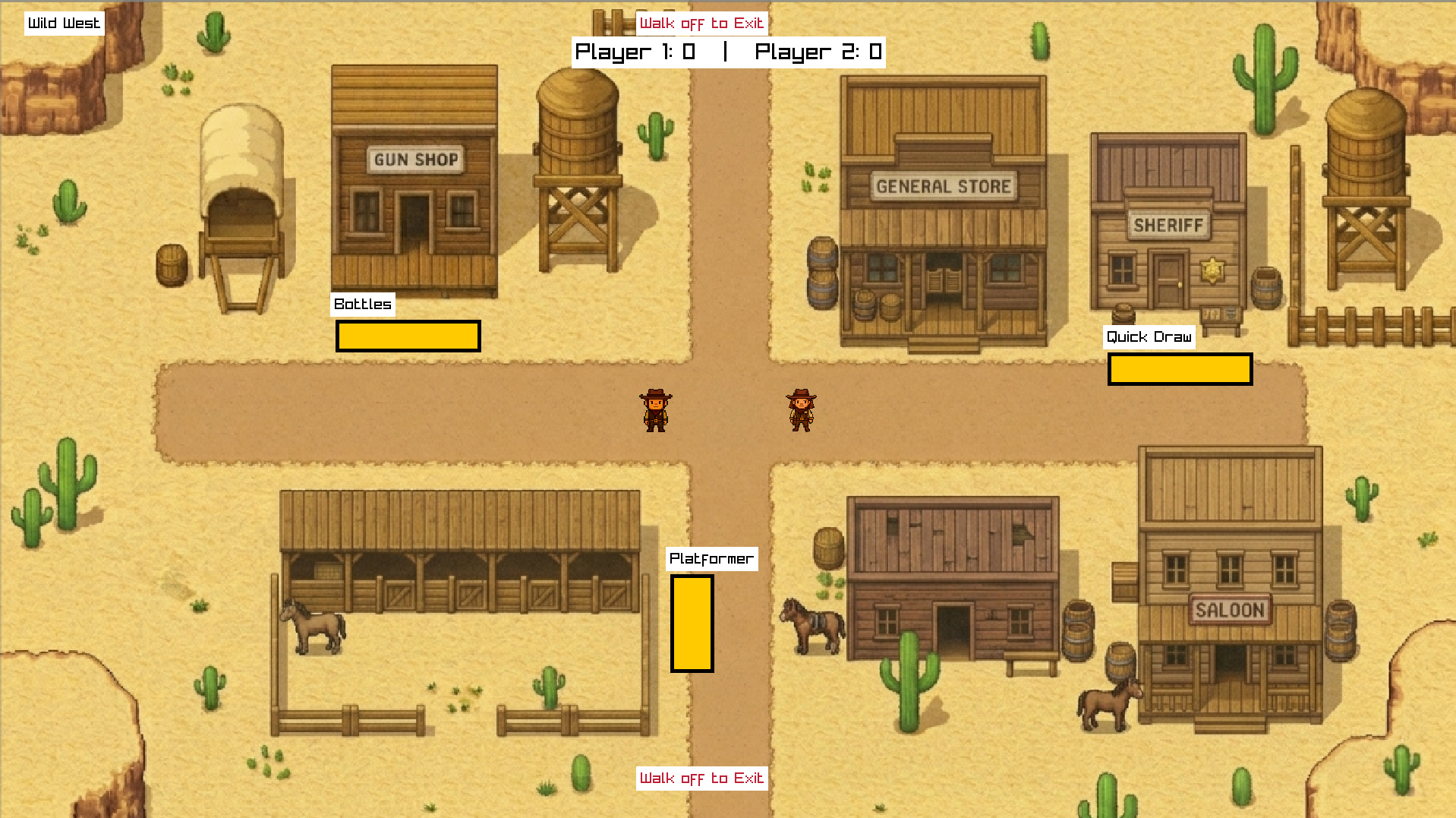
Lobby
-
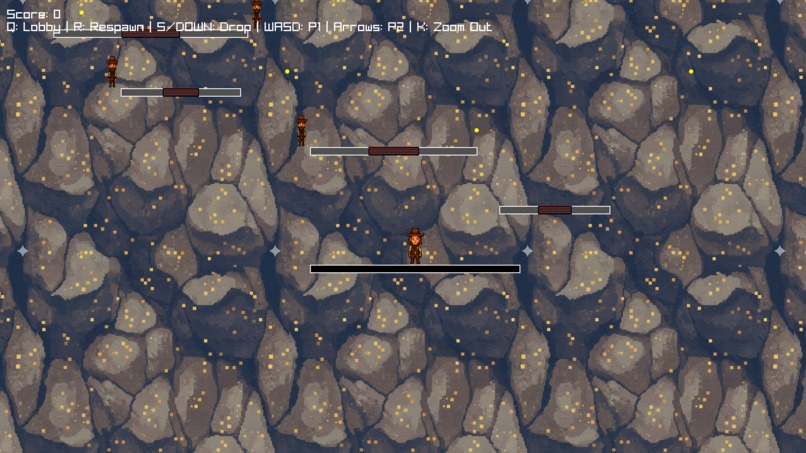
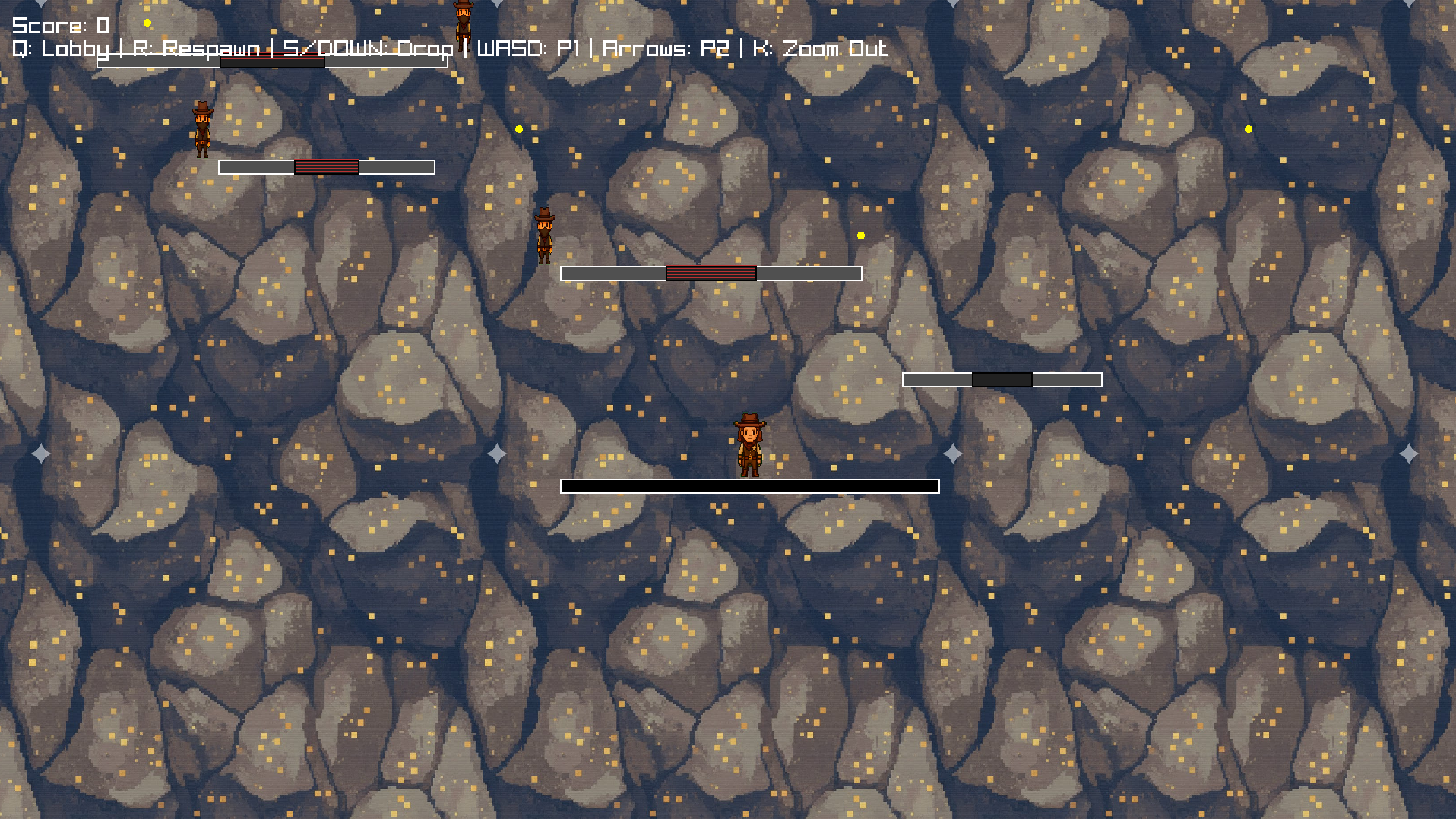
Platformer Minigame
-
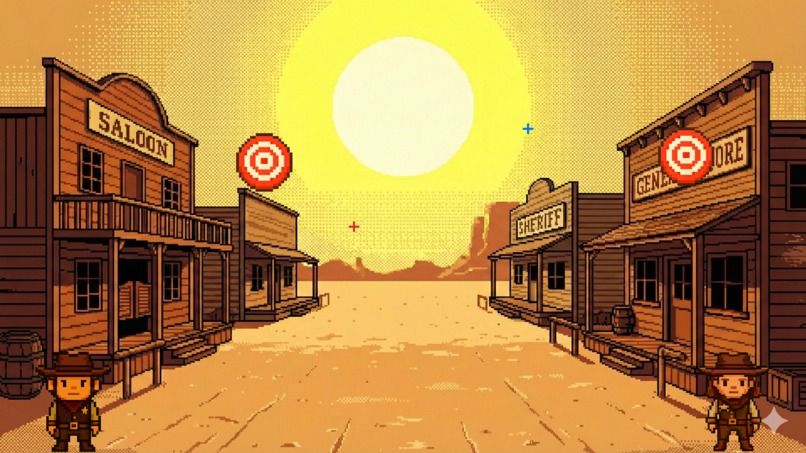
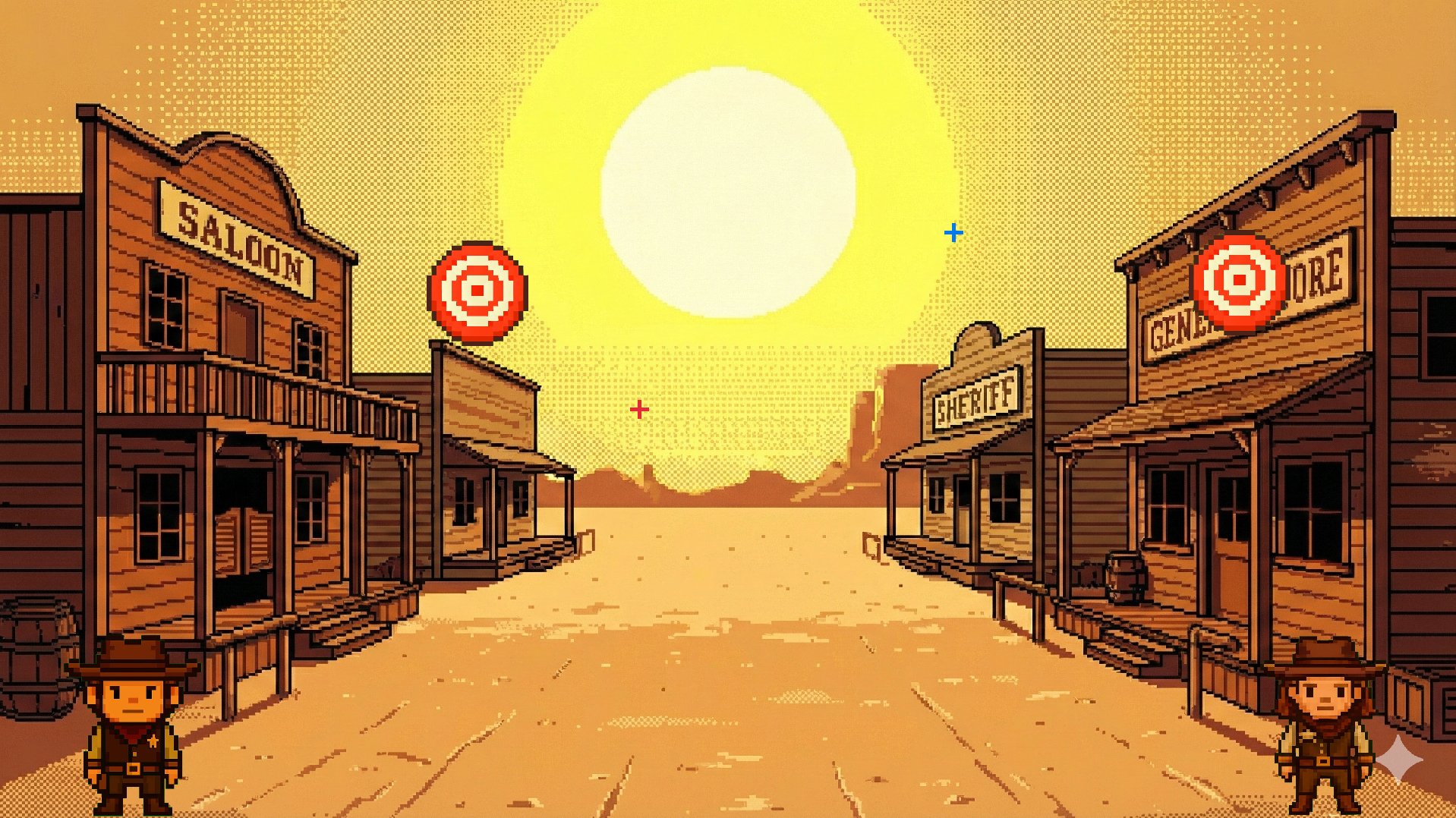
Quick Draw Minigame
-
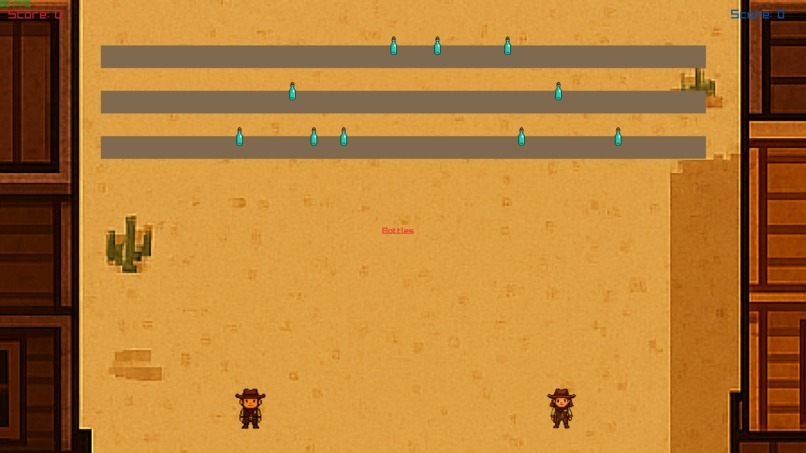
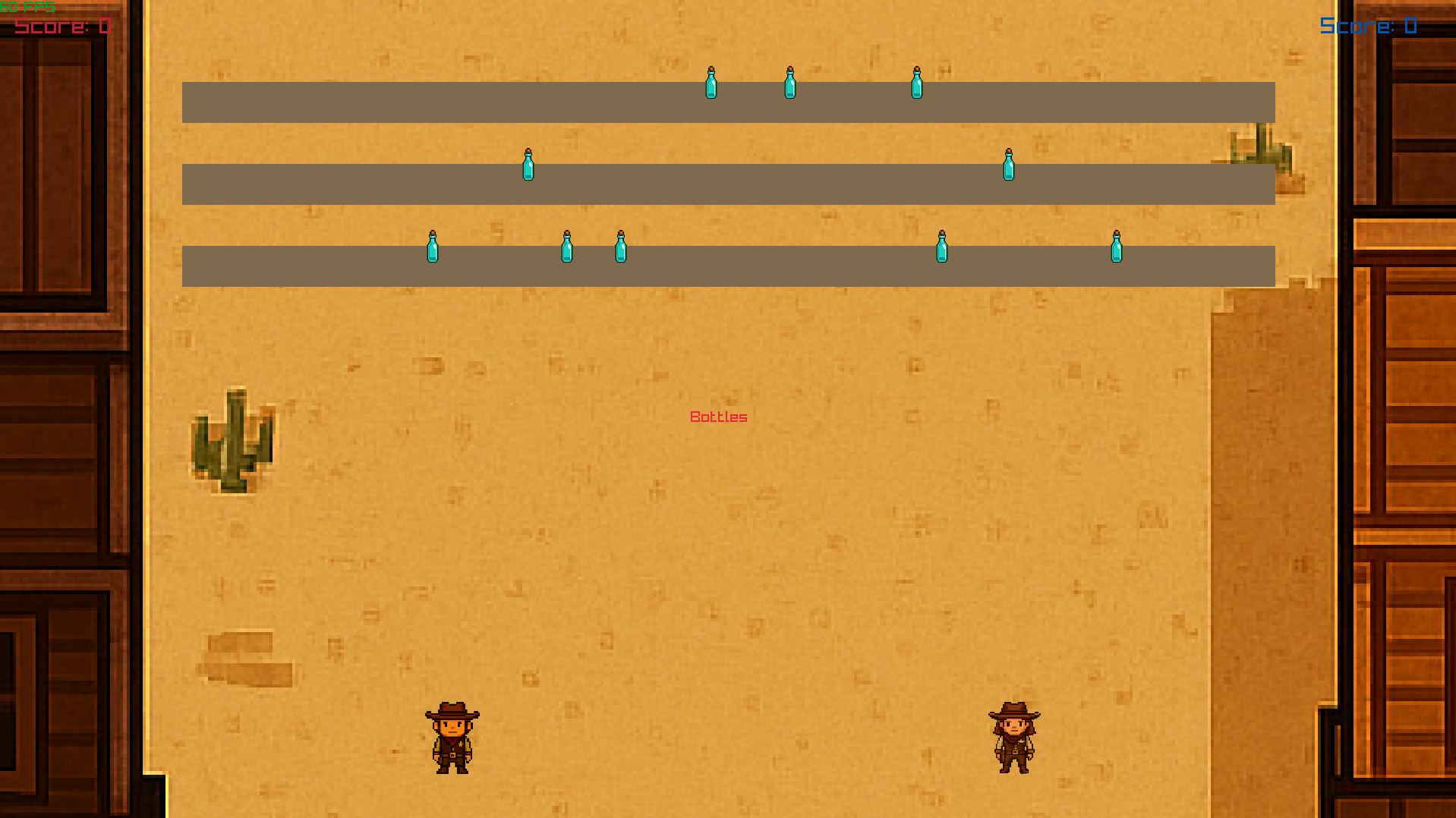
Bottles Minigame
-
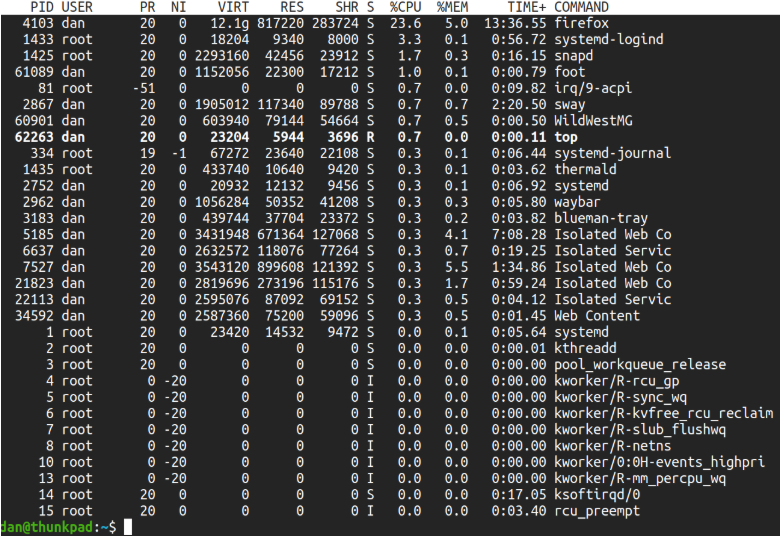
Sustainable CPU Usage
Inspiration
Growing up in the golden age of gaming (the early 2010s, obviously), some of the best memories we have are sitting in front of the TV with our closest friends and siblings, split screening Halo 4, Minecraft, and Xbox 360 Kinetic River Raft. Those were more fun, simple, and social times. No need for an internet connection, no laggy, robotic voices in Discord. We wanted to bring these vibes back by creating a gaming hub for people to enjoy, not online, but face to face, because hey, when you get to call someone a noob, it’s much more fun to say it to their face.
What it does
Our project is a Wild West–themed multiplayer minigame hub where players spawn into an interactive lobby and enter different buildings to compete in unique challenges.
The game features a cooperative platformer race against outlaw fire, a reaction based 1v1 quick draw duel, and a competitive bottle shooting contest. Winners earn points that appear on the lobby leaderboard, encouraging replayability and friendly rivalry. Players can seamlessly return to the lobby or jump back into the action for another round.
How we built it
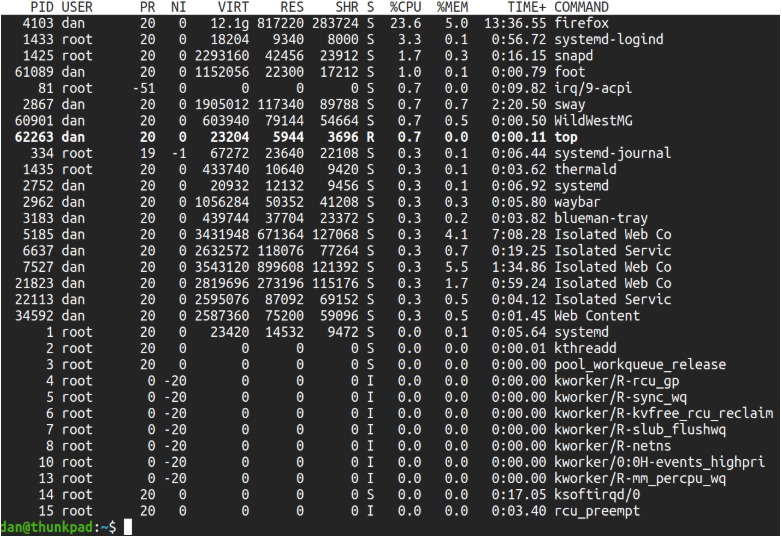
High Noon Showdown was created in the C programming language utilizing the Raylib games programming library, and the cmake build system. We chose to pursue a project in C so that we could create the most performant, lightweight application as possible. Games should load quickly, look and feel smooth and responsive, and not cause your laptop to cosplay as a jet engine. While languages like Python, Javascript, or Java would lead to an easier time developing and targeting cross-platform, we did not want to sacrifice the performance of our game. For our game assets such as sprites and background, we utilized Google Gemini Nano Banana to generate pixel art.
Challenges we ran into
Among the great successes that we had at the end of the project, there were a few challenges that we had along the way.
- Setting up the build system so that each of us were able to run and compile the code on different systems
- Since each member of our team used different systems to run the game that we made, there were some differences in the way that the game was rendered, therefore it made slight alterations in the style the pixels were displayed.
- Finding out what the correct size of the background image should be was a challenge. We wanted the game to have a clean look, so there was lots of trial and error related to the background.
- 2 Player integration for the lobby and other areas of the game was difficult as it was hard to understand and let the game know where each of the players were at the same time.
- Overlaying the correct sprite image using the image were not all the same size and format.
Accomplishments that we're proud of
- Fully functional lobby with integration to play each game directly from the lobby.
- Completed 3 individual minigames that all function as expected.
- 2 of our team members had never even heard of Raylib before this hackathon, so being able to learn the library and successfully implement it in a day was a huge accomplishment
What we learned
Functional applications of Raylib and applying that to make an inclusive gaming experience!
What's next for High Noon Showdown
- Small bugs with animations and ease of menu access, polishing game!
- Adding additional minigames
Built With
- c
- cmake
- raylib


Log in or sign up for Devpost to join the conversation.