-
-
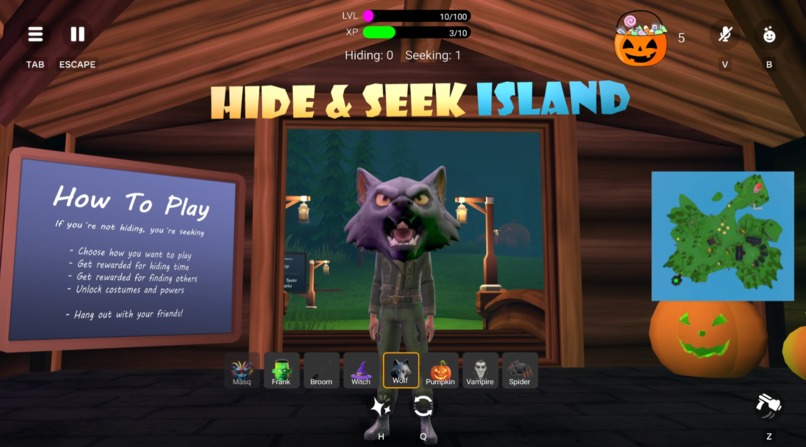
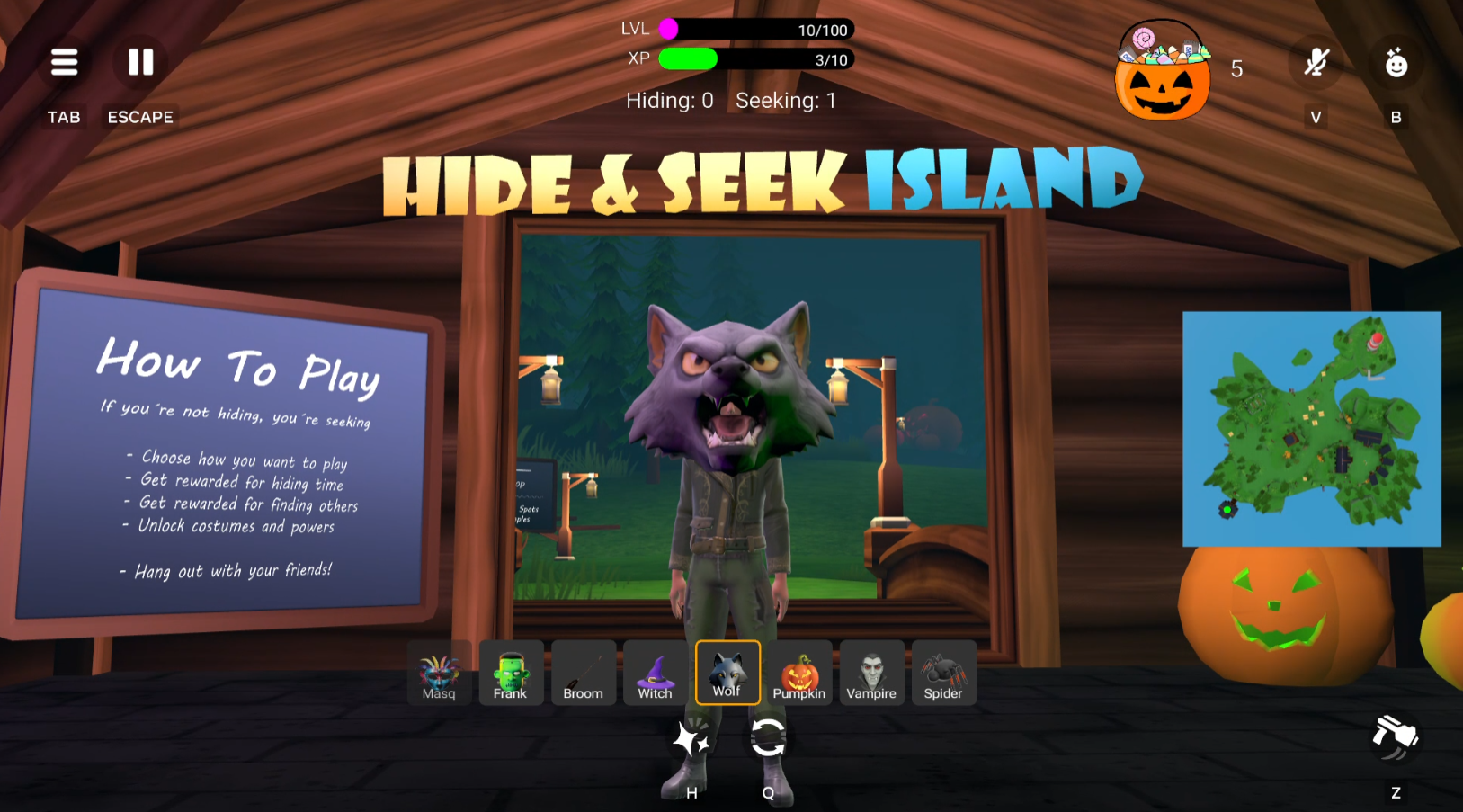
Werewolf Ready to Hunt
-
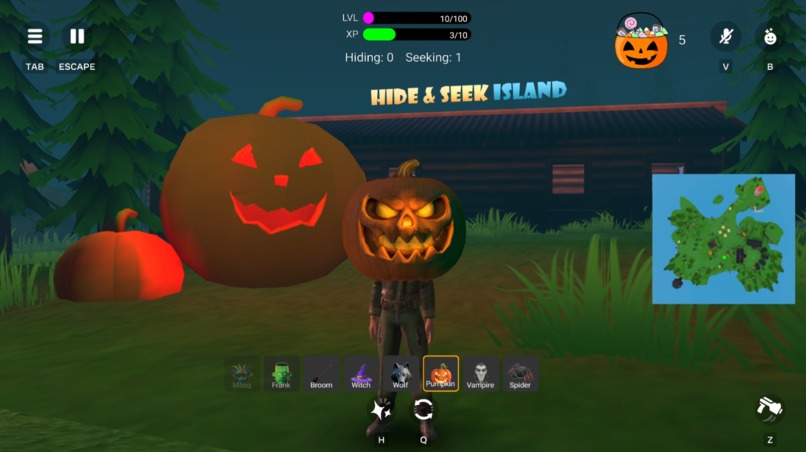
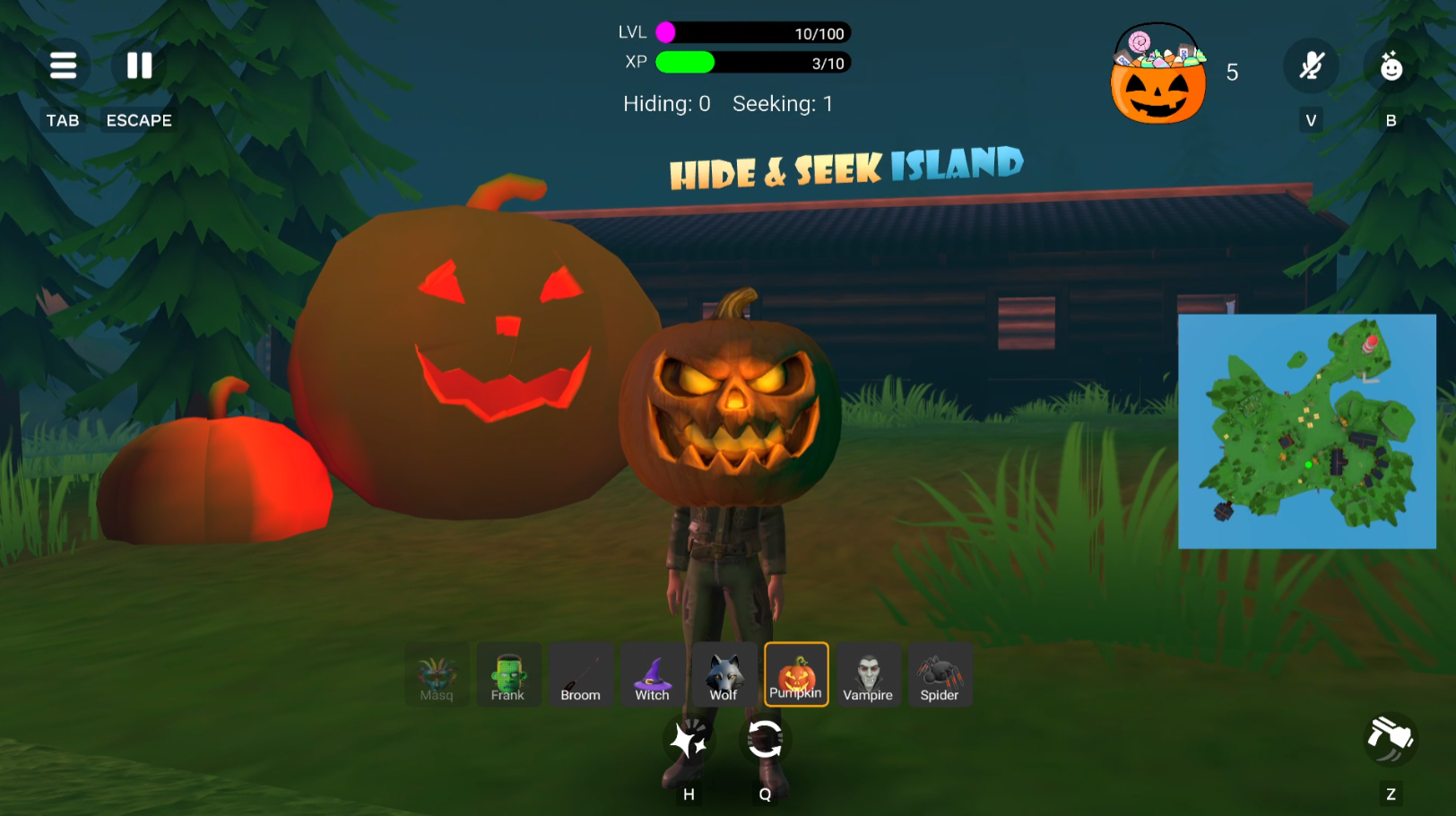
Pumpkin Among Peers
-
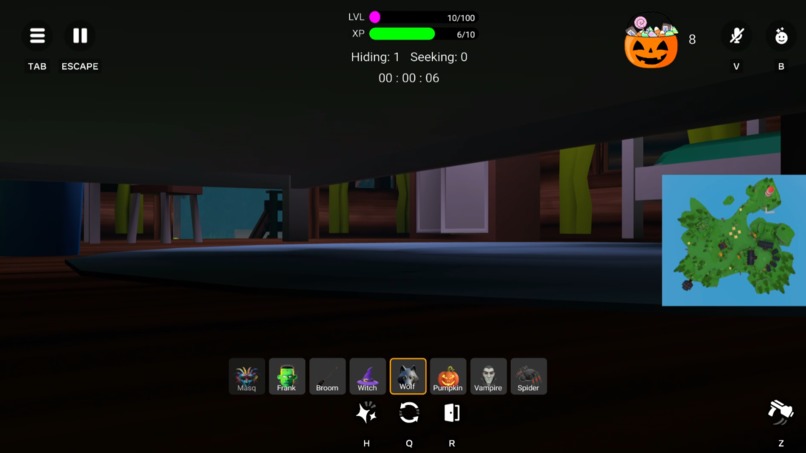
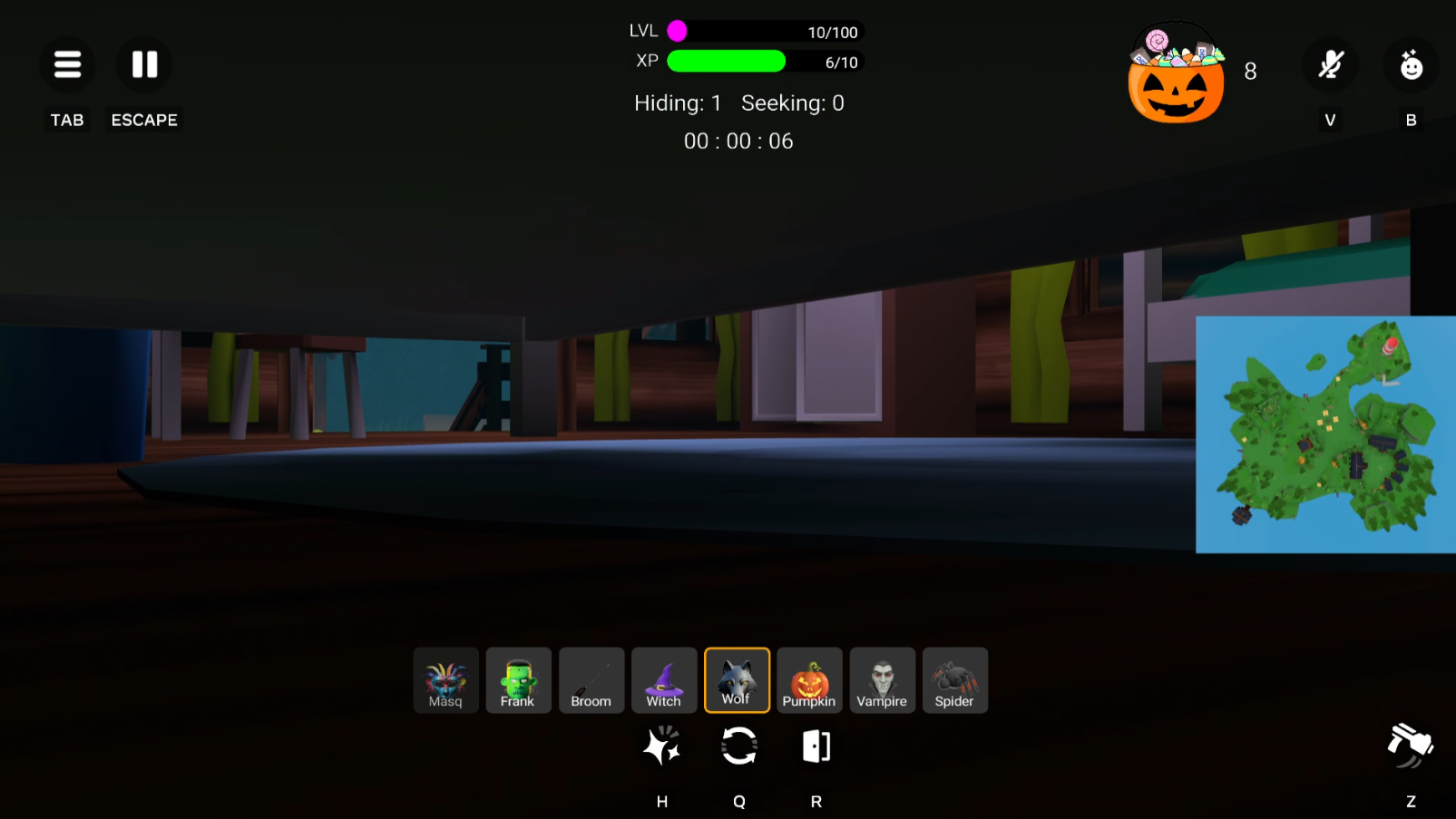
I Hope Nobody Looks Under the Bed
-
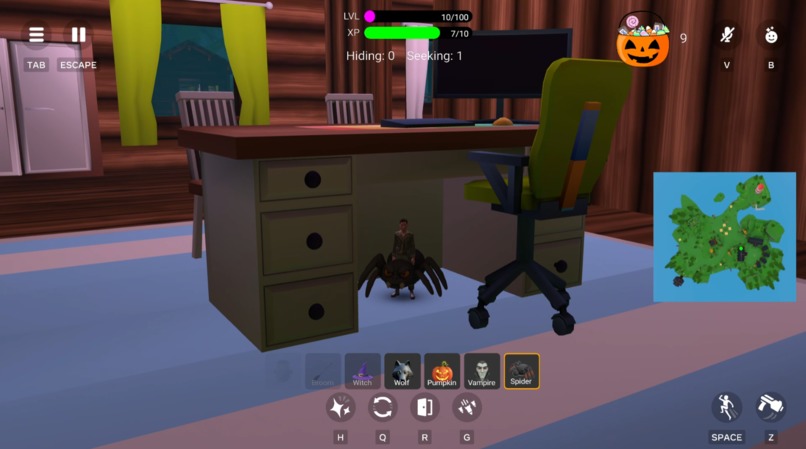
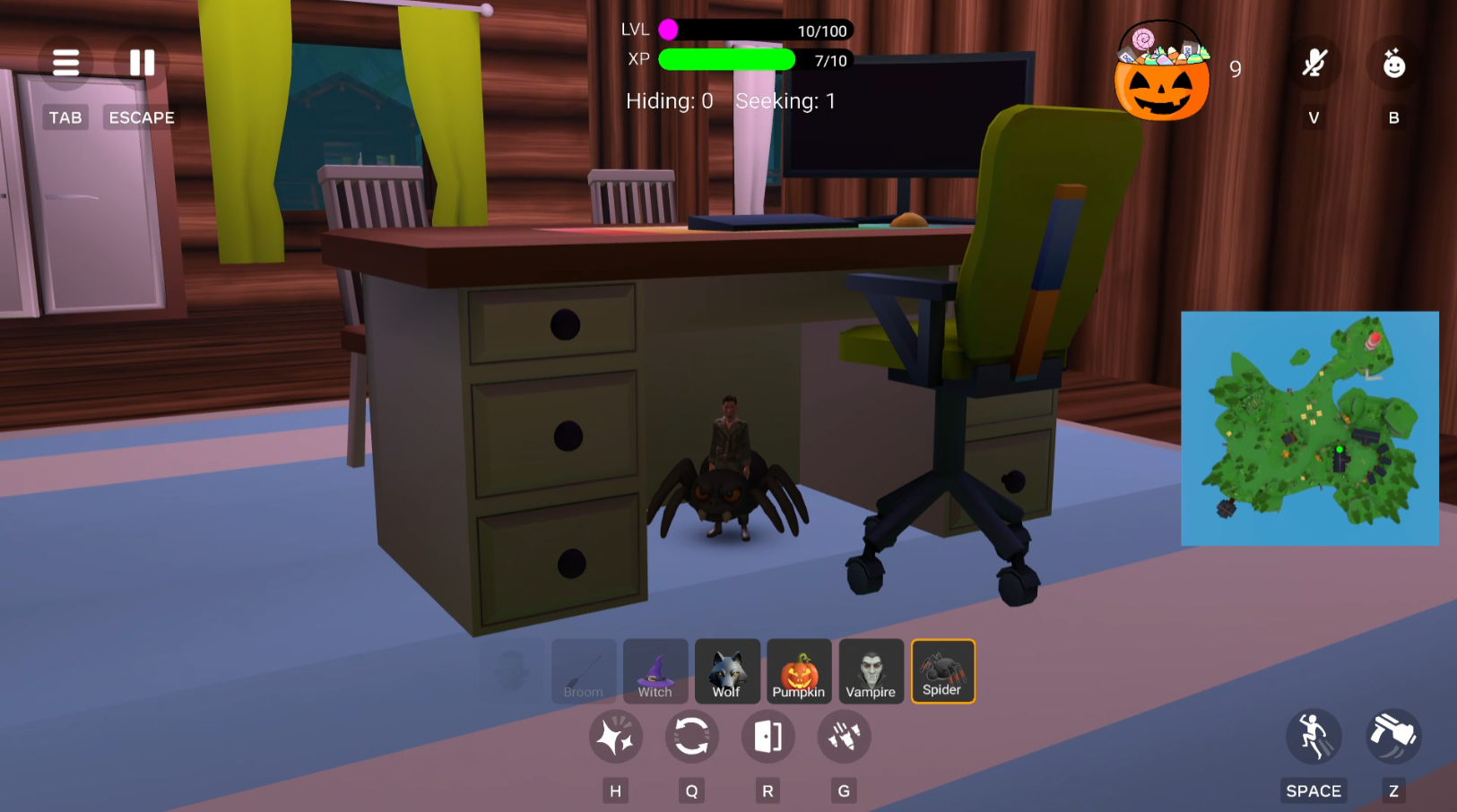
Always Check For Spiders Under the Desk
-
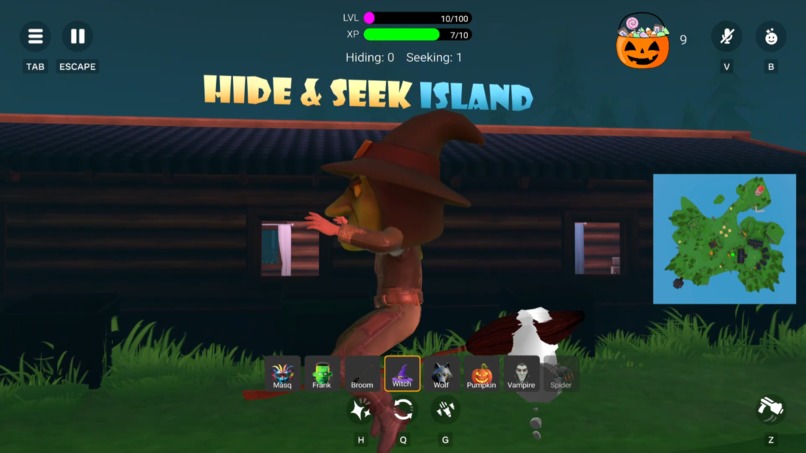
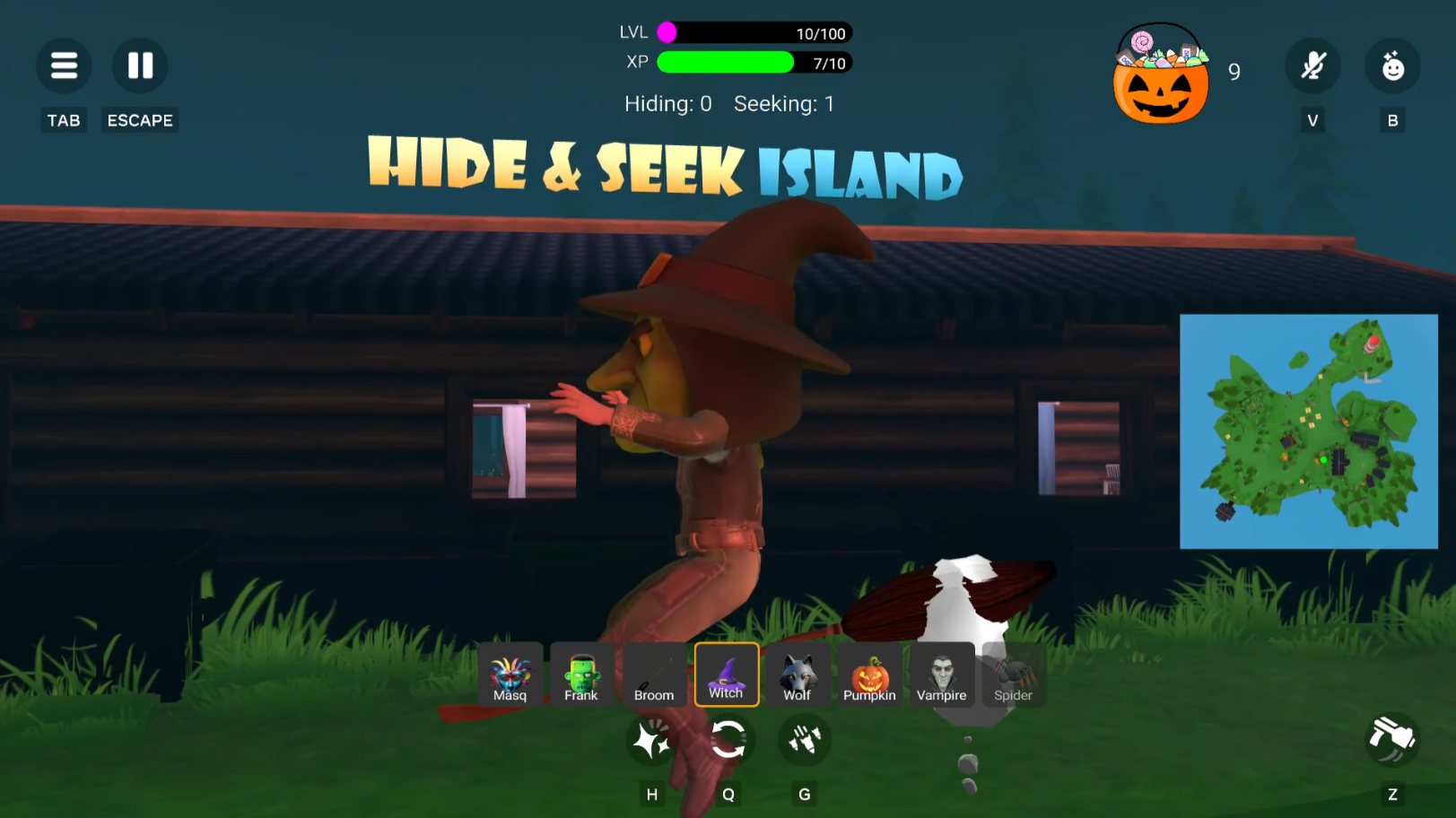
Witches Flight
-
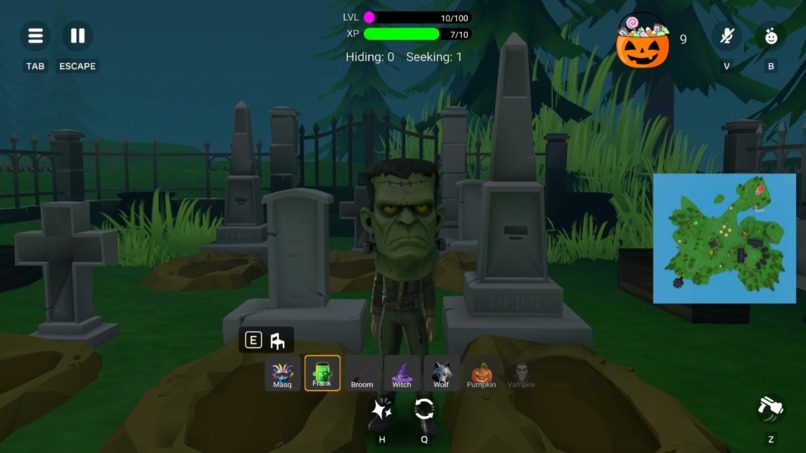
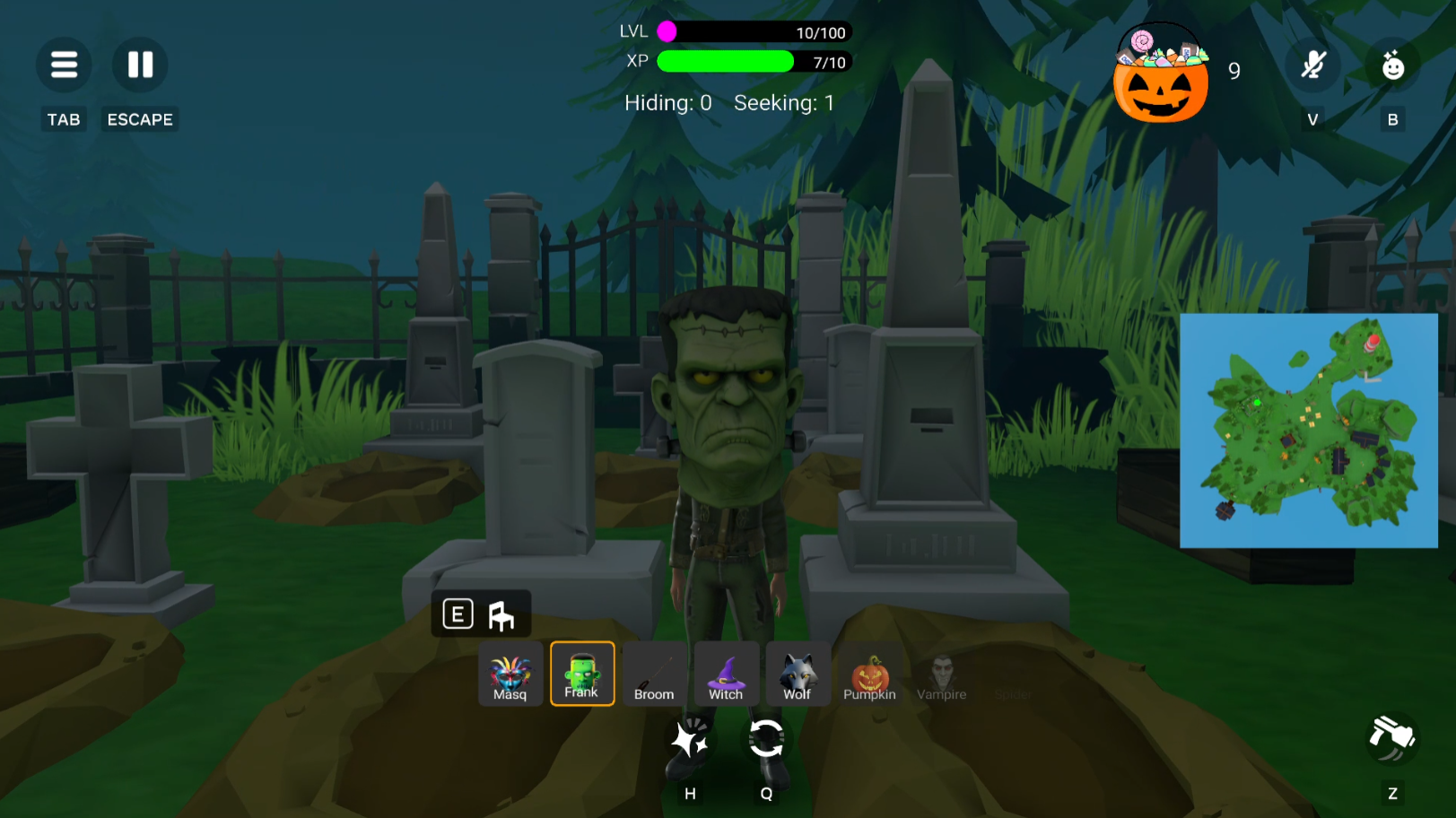
In Grave Danger
-
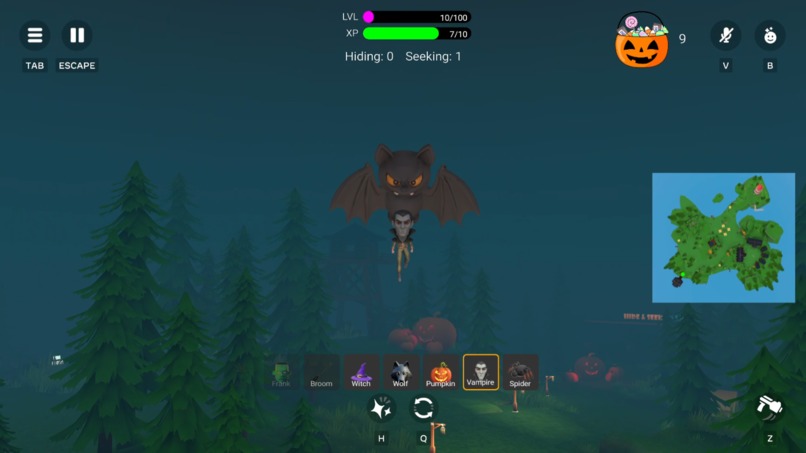
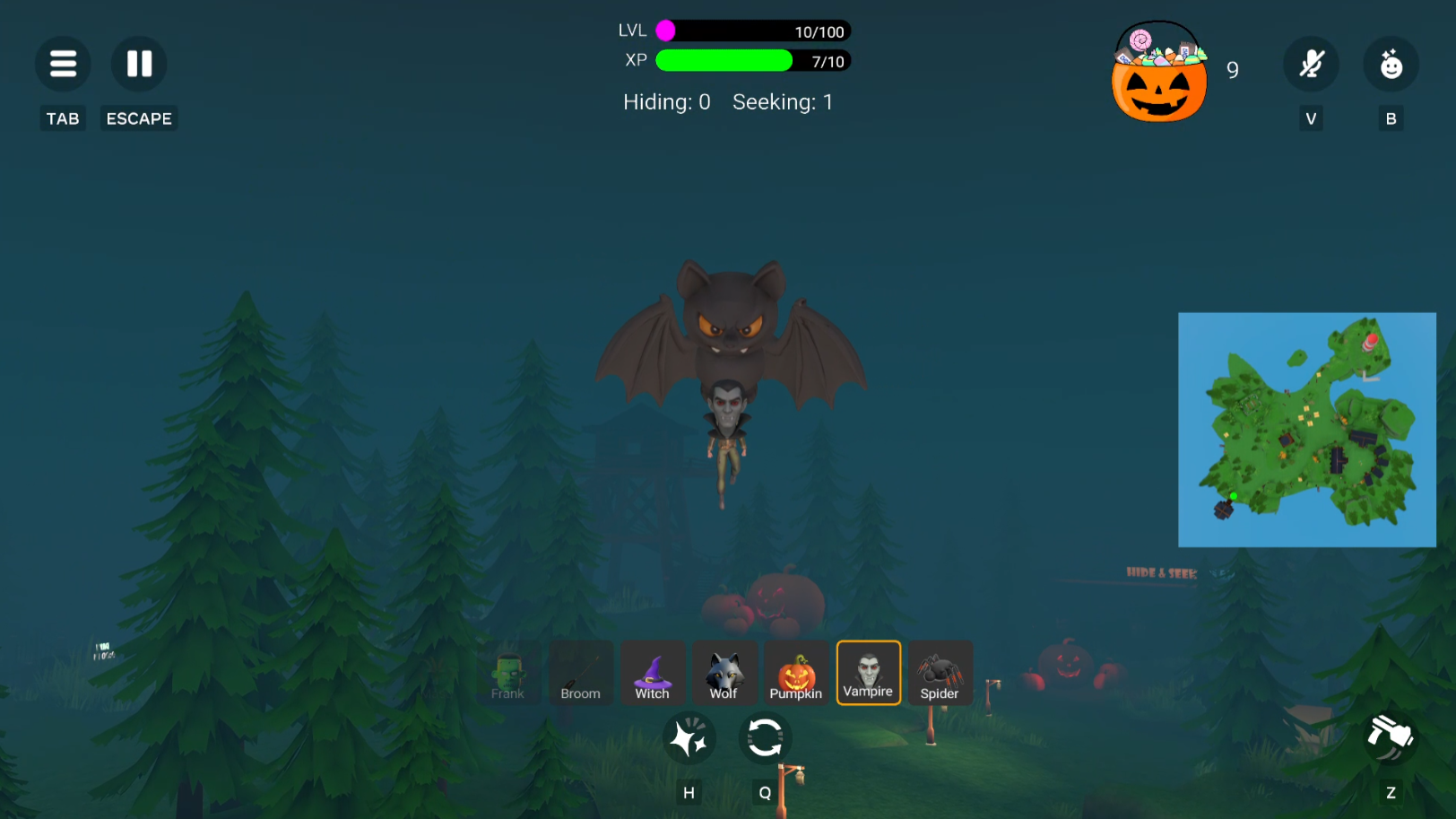
Dracula's Minion
-
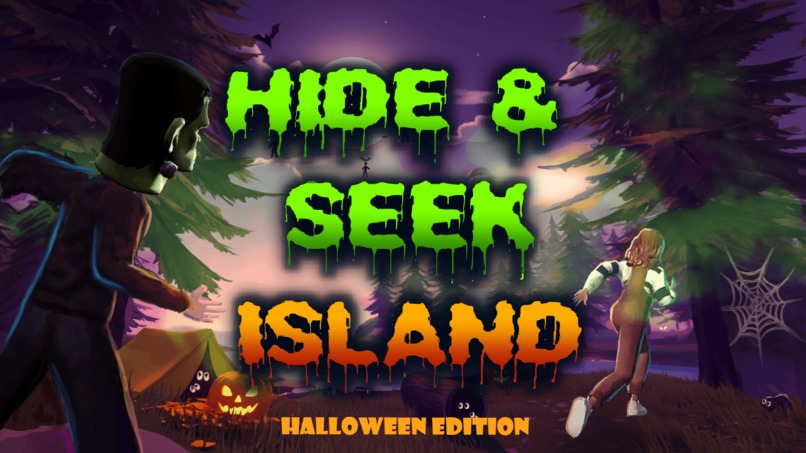
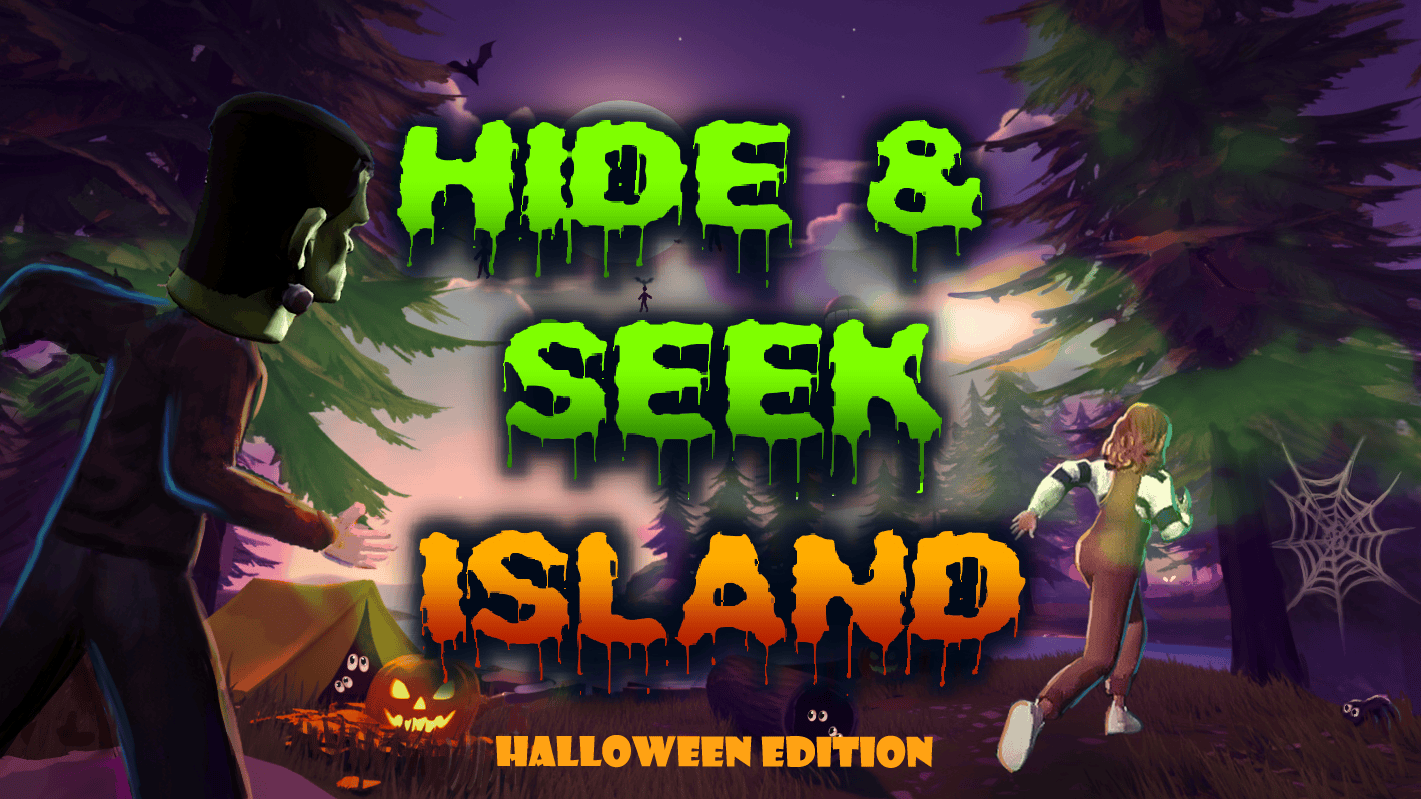
Hide & Seek Island Halloween Edition
Inspiration
Our inspiration for “Hide & Seek Island” in Meta Horizon Worlds comes from our love of classic Halloween vibes, horror films, and what we learned through the Creator Academy. As kids, we were obsessed with hide and seek, and we saw the perfect opportunity to bring that simple game to life in a spooky and playful way. We didn’t just want to build a game; we wanted to create an experience where people could make hilarious memories by role-playing as Halloween monsters and characters while running, hiding, and exploring with friends. We designed the world to work whether you're playing solo or with a group, and whether you want to be fully active or just casually hanging out in the atmosphere.
What it does
In “Hide & Seek Island,” players can hide, collect candy, seek out other hiders, and compete to top the leaderboard in all three categories. The world is also a social hangout space where players can role-play as camp leaders, unlock wearable Halloween masks that change seasonally, and use rideable items like a witch’s broom to move faster. A built-in HUD system shows each player’s level, experience, candy collected, inventory, hiding times, and a mini-map to help navigate the world and locate others. Different unlockable wearables also come with unique abilities, adding strategy and replayability to the experience. Players can also interact with NPCs scattered around the island, who can be told to hide or seek, adding an extra layer of life and unpredictability to the game.
How we built it
We built “Hide & Seek Island” by splitting the workload between the three of us, each focusing on different elements. The development was very iterative, involving constant designing, testing, and adjusting as we tried out new ideas. All models were created in 3D software like Maya and Blender, then imported into the world with optimizations such as combining objects to reduce draw calls and using shared texture maps wherever possible. We designed the game with the future in mind, planning for seasonal versions where hiding spots, characters, shop items, and even the environment will change with each season. We also built a custom UI and inventory system to enhance the overall player experience.
Challenges we ran into
One of our biggest challenges was creating a large map that encourages exploration without making players feel lost. The HUD mini-map became essential in helping players navigate while still keeping the mystery and adventure alive. Building a big explorable environment also came with performance issues, so we’ve been constantly optimizing and improving it to make sure the experience runs smoothly for everyone. Another challenge was developing gameplay loops and mechanics that feel fun both with friends and solo, so we made sure there are multiple ways to level up and interact with the world. Balancing the reward systems is an ongoing process, and we’re continuing to refine it as we gather feedback and playtest with more users.
Accomplishments that we're proud of
We’re incredibly proud of how the environment and atmosphere have evolved throughout the design process, creating a world that’s fun to explore even without playing the game itself. We’re also proud of the characters and abilities that let players interact in creative and entertaining ways. The custom UI and inventory system is another major achievement, giving players a real sense of progression and a reason to stay, return, and keep improving. The HUD and mini-map have also worked out great, not just for helping seekers track others, but for making it easier to socialize and see where players are spending their time. Above all, we’re proud of each other and what we’ve accomplished together as a team.
What we learned
Throughout the development of “Hide & Seek Island,” we learned a lot about both the creative and technical sides of building a world in Meta Horizon. We found that grouping as many objects as possible helps reduce draw calls and improves performance, and using shared texture maps is an efficient way to keep the world optimized. We learned how to create custom clothing and set it up so players can purchase and use it. When building multiple objects with scripts and triggers, we discovered it’s best to fully complete and test one before duplicating it across the world. Most importantly, we learned to keep testing and iterating, because there is always a solution if you keep going. If it’s not fun for us, it won’t be fun for anyone else. We also realised how important it is to make instructions clear, because what seems obvious to us may not be obvious to new players experiencing the world for the first time.
What's next for Hide & Seek Island
Next for “Hide & Seek Island,” we have a full story outlined that will unfold over time, with seasonal changes to the environment, characters, abilities, and interactions. We’re planning to add more unlockables and collectibles, including lore pages that reveal the island’s mysterious past. Rideable items will be placed around the map to speed up movement, and NPCs will be scattered across different areas, giving players clues about hidden objects. We also want to introduce daily rewards to encourage players to return, along with quests at various locations where players can unlock wearables and in-world currency. Beyond the game itself, we’re focused on building a community around the world, including events and giveaways where players search for hidden objects or special NPCs, with prizes for the first to find them and share it.
Built With
- blender
- horizon
- maya
- substancedesigner
- substancepainter
- typescript
- zbrush


Log in or sign up for Devpost to join the conversation.