-
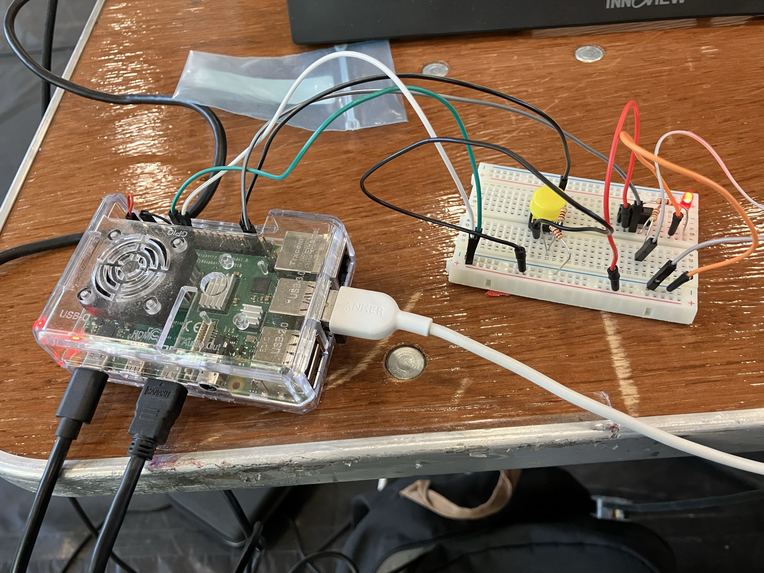
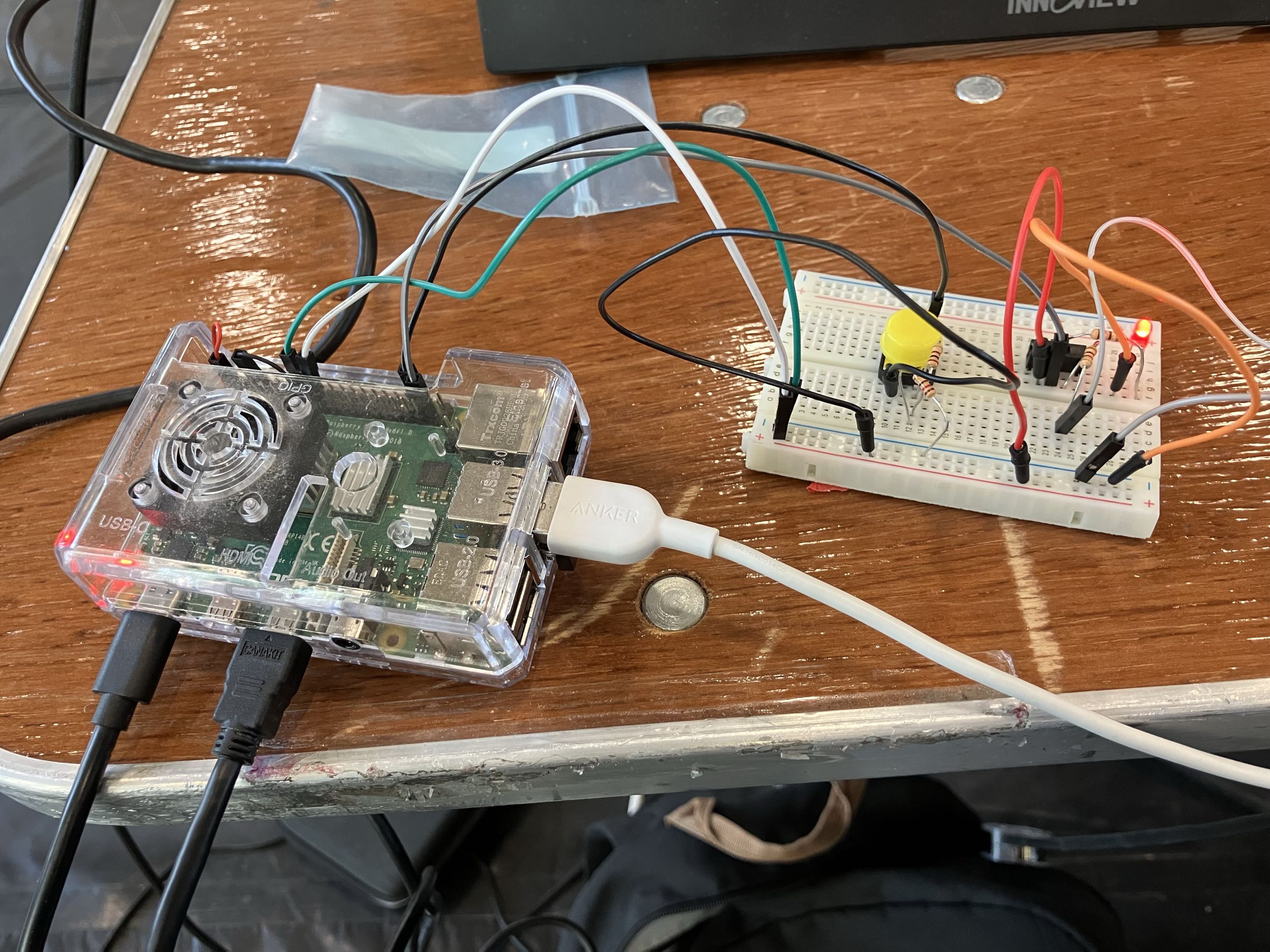
Picture of physical hardware circuit
-
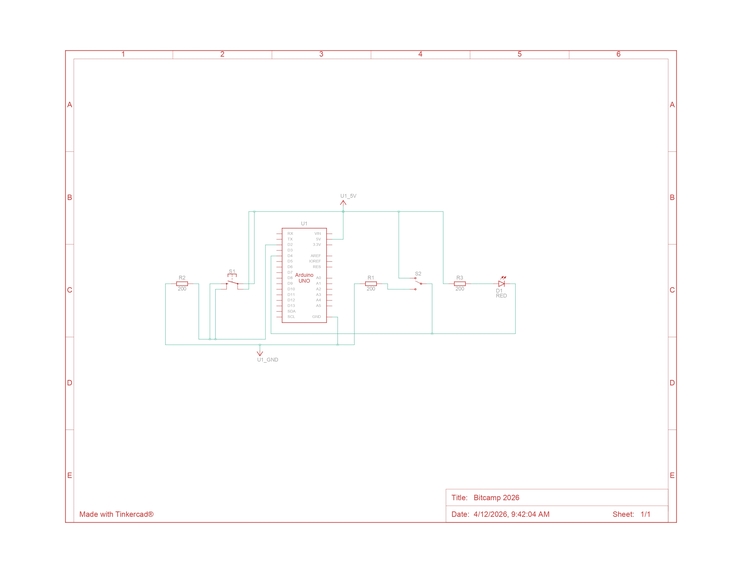
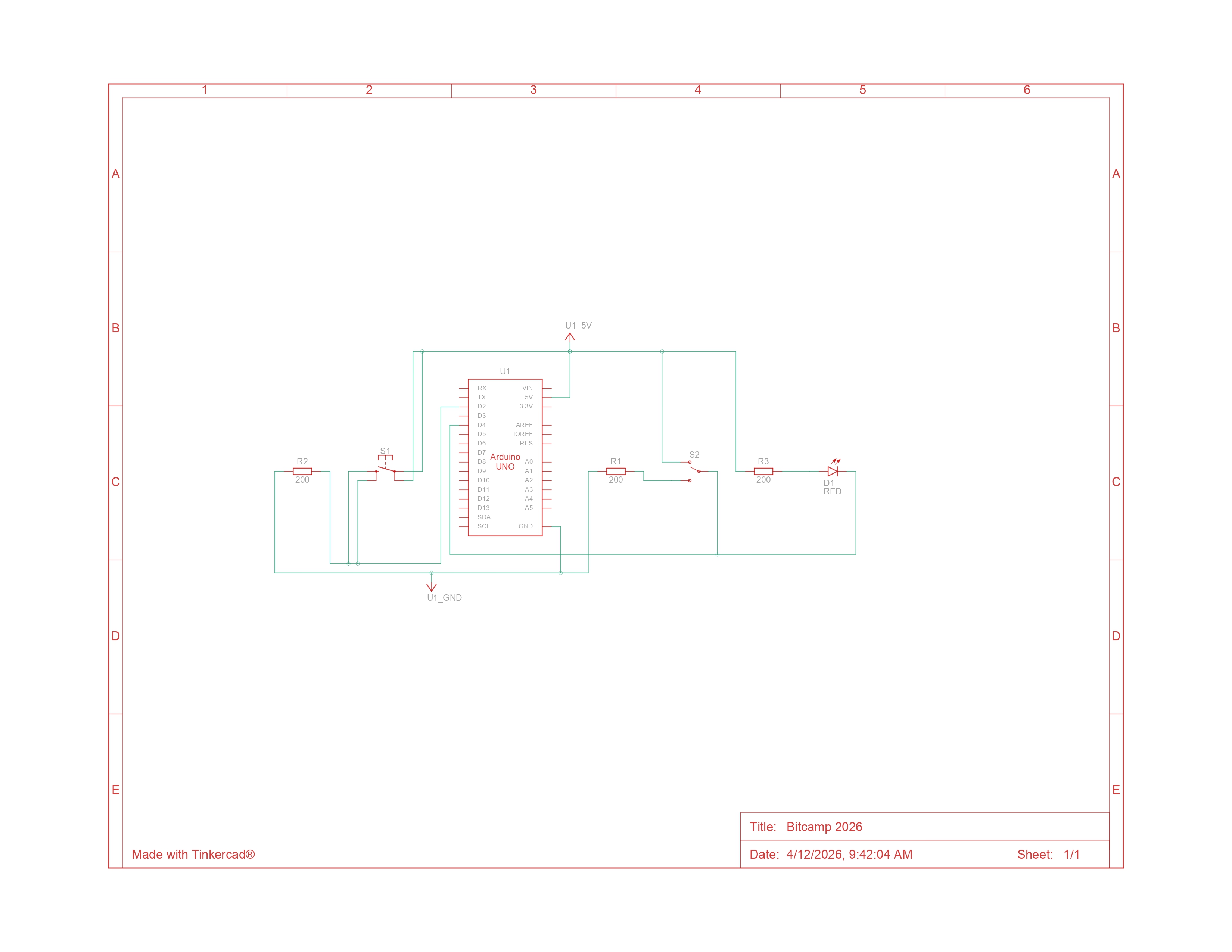
Electrical circuit diagram (RPi instead of Arduino)
-
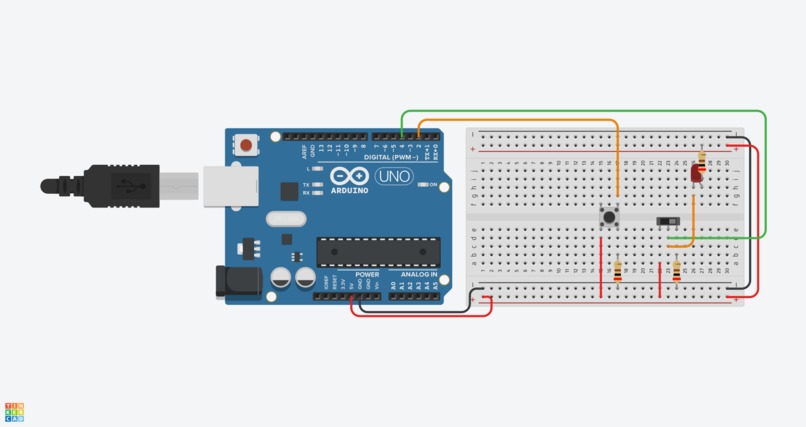
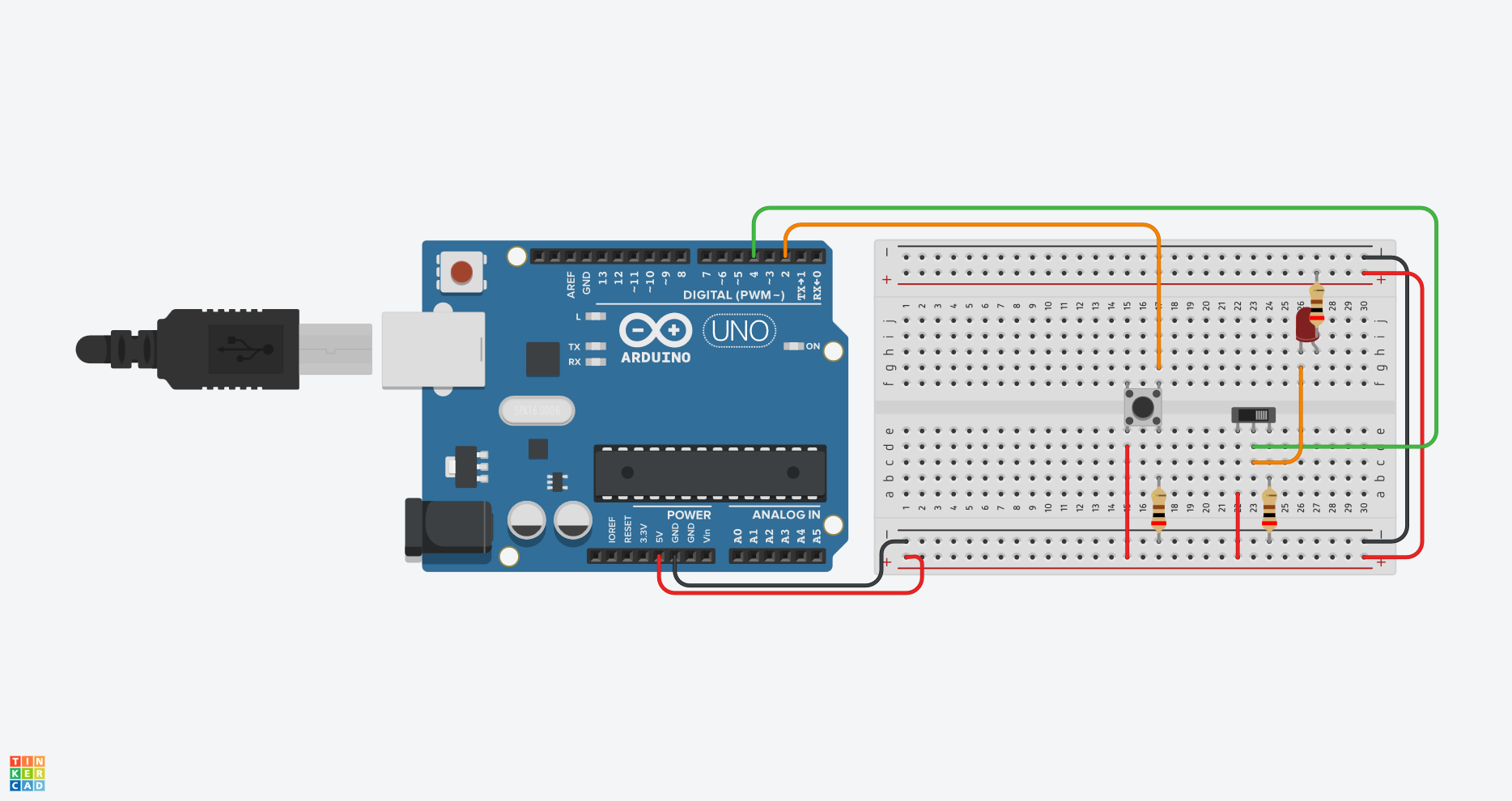
Tinker circuit diagram (RPi instead of Arduino)
Inspiration
Modern AI tools like Cursor or Copilot are primarily optimized for outputting code rather than building the understanding of the user. While many tools try to include a "learning mode" in their tools list, we believe that something more needs to be done. There is a massive gap for students learning to code in areas where English isn't their first language or don't have enough money for private tutoring. While these aforementioned modern AI tools may help, a physical tool that a student can talk to using speech will help retain memory a lot clearer than a text based computer tool.
What it does
Doug the Debugging Dog is a multilingual, hardware-integrated AI teaching assistant. We built a physical device that acts as a one-to-one private tutor. Students press a button and verbally explain their problem in their native language (While only English and Spanish are supported on this version, Doug can integrate many more by demand). Doug then responds, explaining the solution by highlighting lines in the user's code editor as well as speaking to the user in the same language about what they can do about the problem.
How we built it
Physical Component:
- Raspberry Pi for the processing power
- ElevenLabs for the Speech to Text and Text to Speech
- Breadboard+Resistors+Button+Switch for checking when user is talking (push to talk) and which language the user wants
VS Code Extension/IO Processing Component:
- Gemini for converting input to output
- Javascript for the extension
- DeepL for text translation
Challenges we ran into
- Audio: We found it hard to find a suitable input and output source for the audio
- Bluetooth: The Raspberry Pi's Bluetooth Driver needed to reboot causing hours of lost testing time with the Pi due to us not having a backup wired keyboard connection.
Accomplishments that we're proud of
- Working through debugging the Bluetooth Driver issue
What we learned
- We learned that working with different forms of input and output for Raspberry Pis are hard.
- We learned how much work can get done once we find ways to parallelize the tasks
- We learned how to work with TinkerCAD to work with the breadboard and physical component layouts
What's next for Hey Doug
We want to add more language support for Hey Doug as well as a better system for audio input and output. Due to the limited supply of hardware on hand, there was only so much we could do in terms of creating a language selector on hardware and deal with microphones and speakers. With more time to scope out and buy components, we hope to improve the working prototype of Hey Doug to be a more genuine cohesive unit of a dog.
Built With
- elevenlabs
- gemini
- raspberry-pi


Log in or sign up for Devpost to join the conversation.