-
-
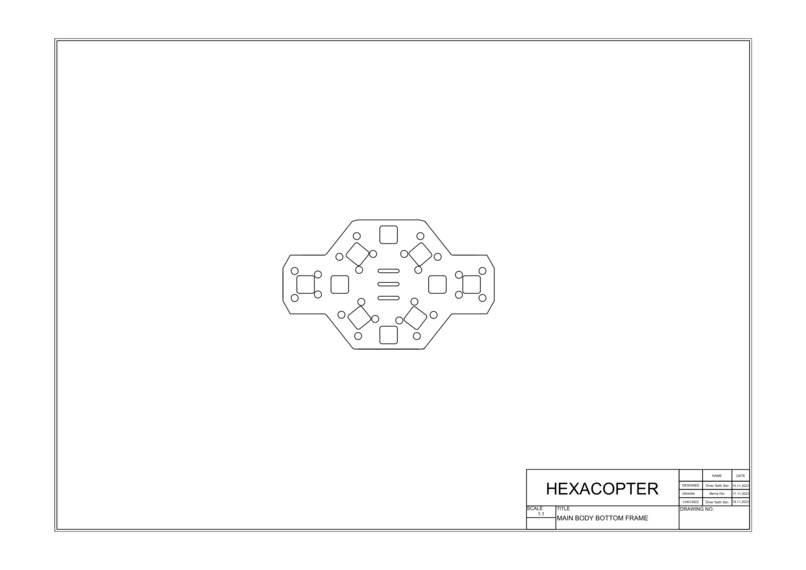
Technical Drawing 1.1
-
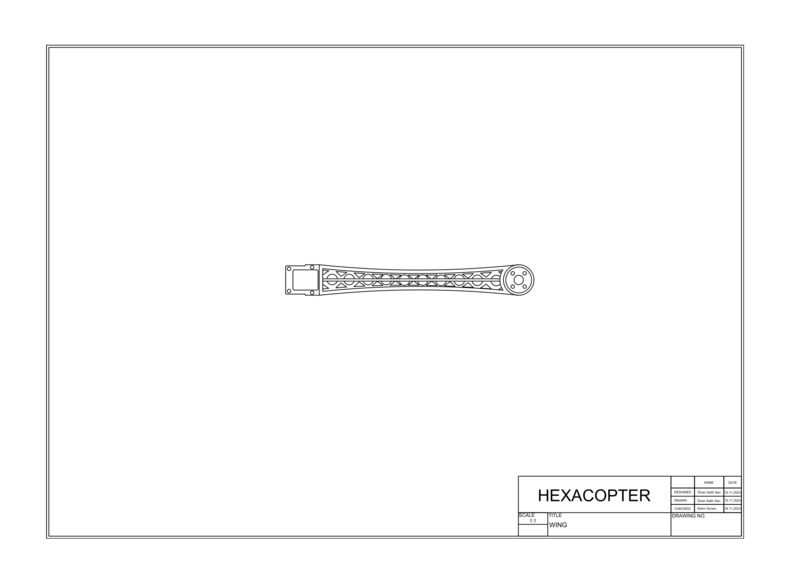
Technical Drawing 1.2
-
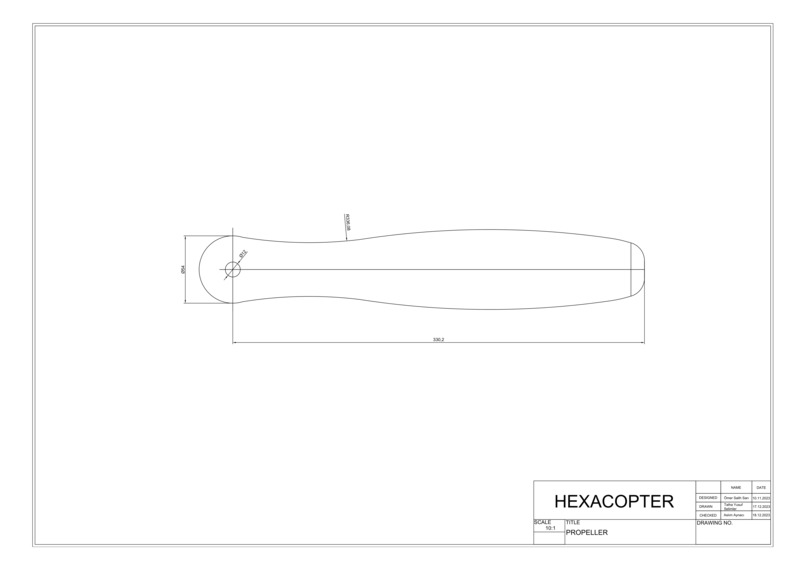
Technical Drawing 1.3
-
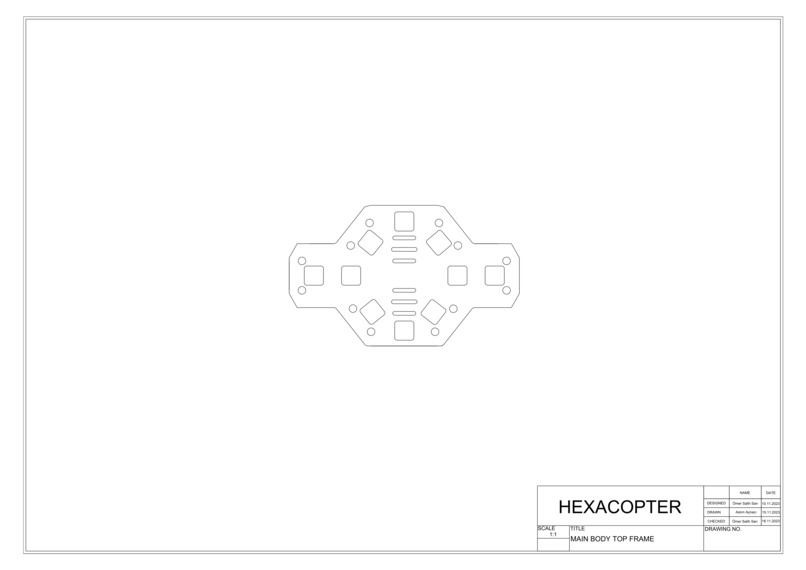
Technical Drawing 1.4
-
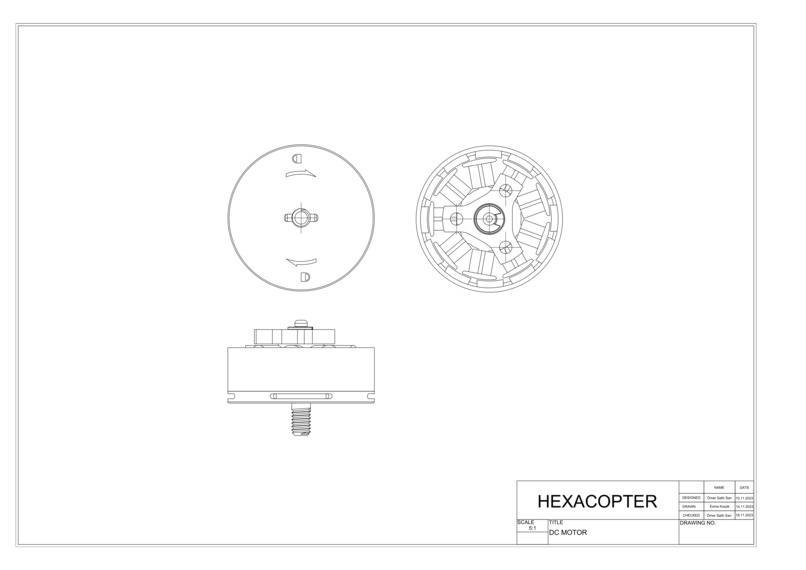
Technical Drawing 1.5
-
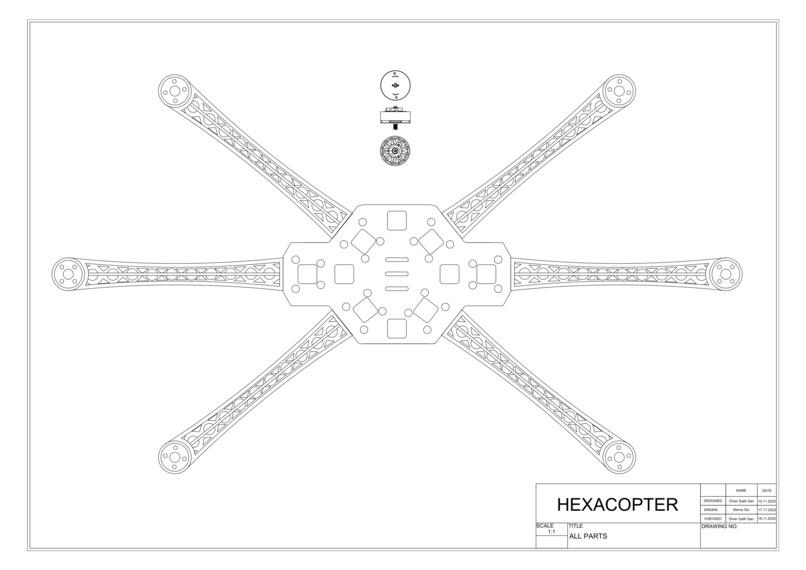
Technical Drawing 1.6
-
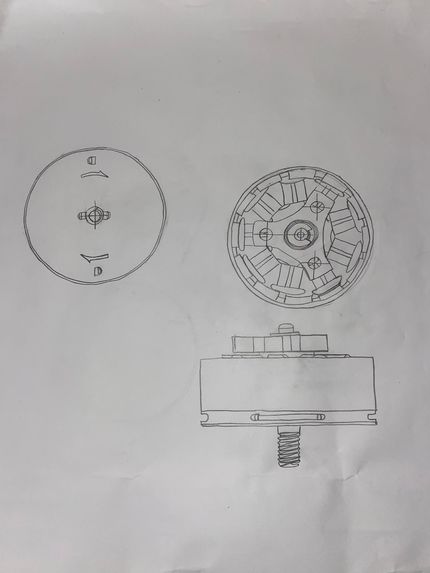
-
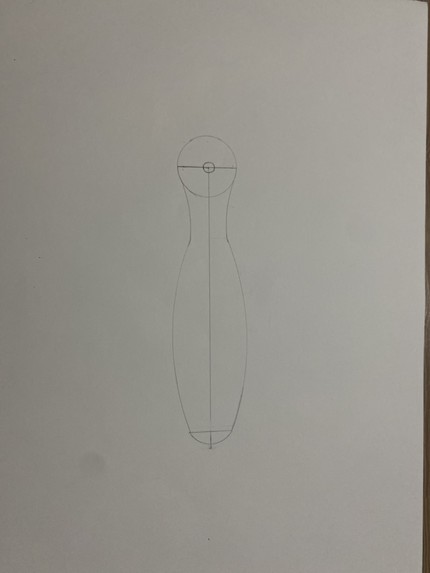
-
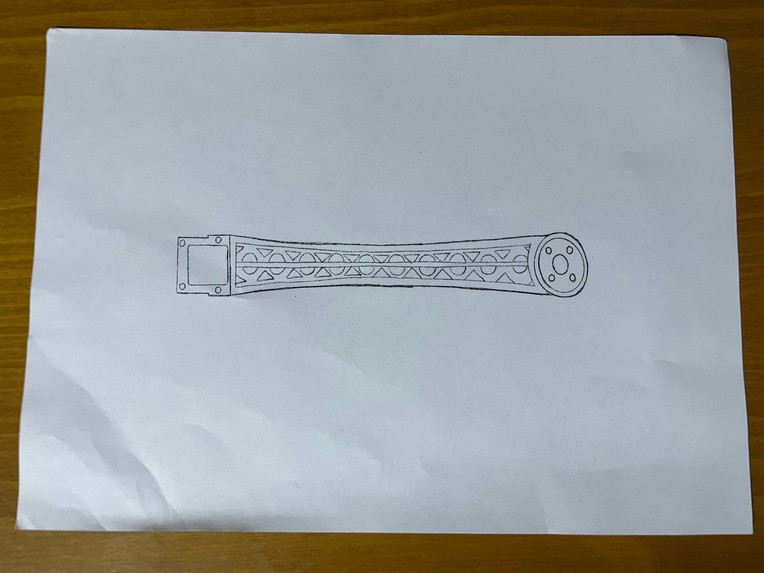
-
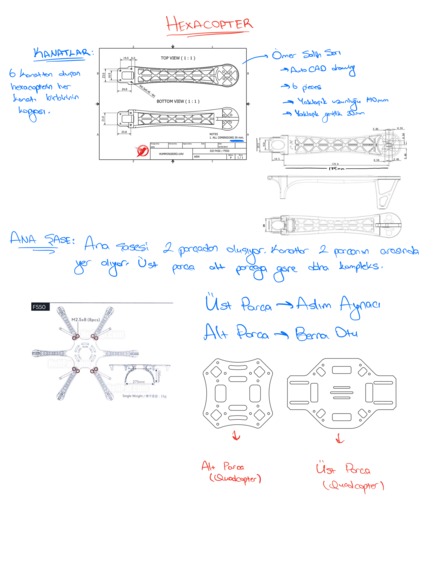
Draft 1.1
-
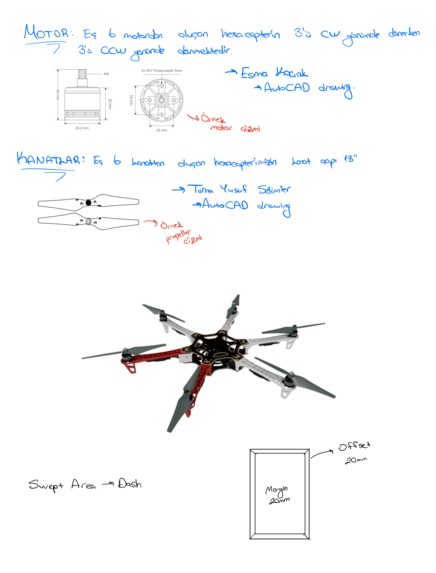
Draft 1.2
-
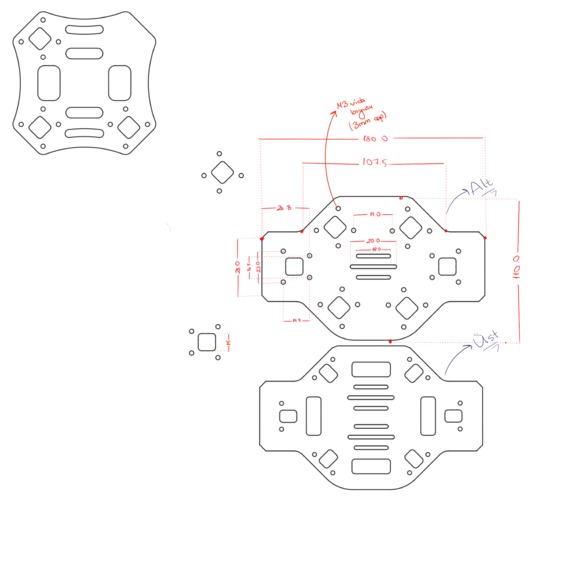
Draft 1.3
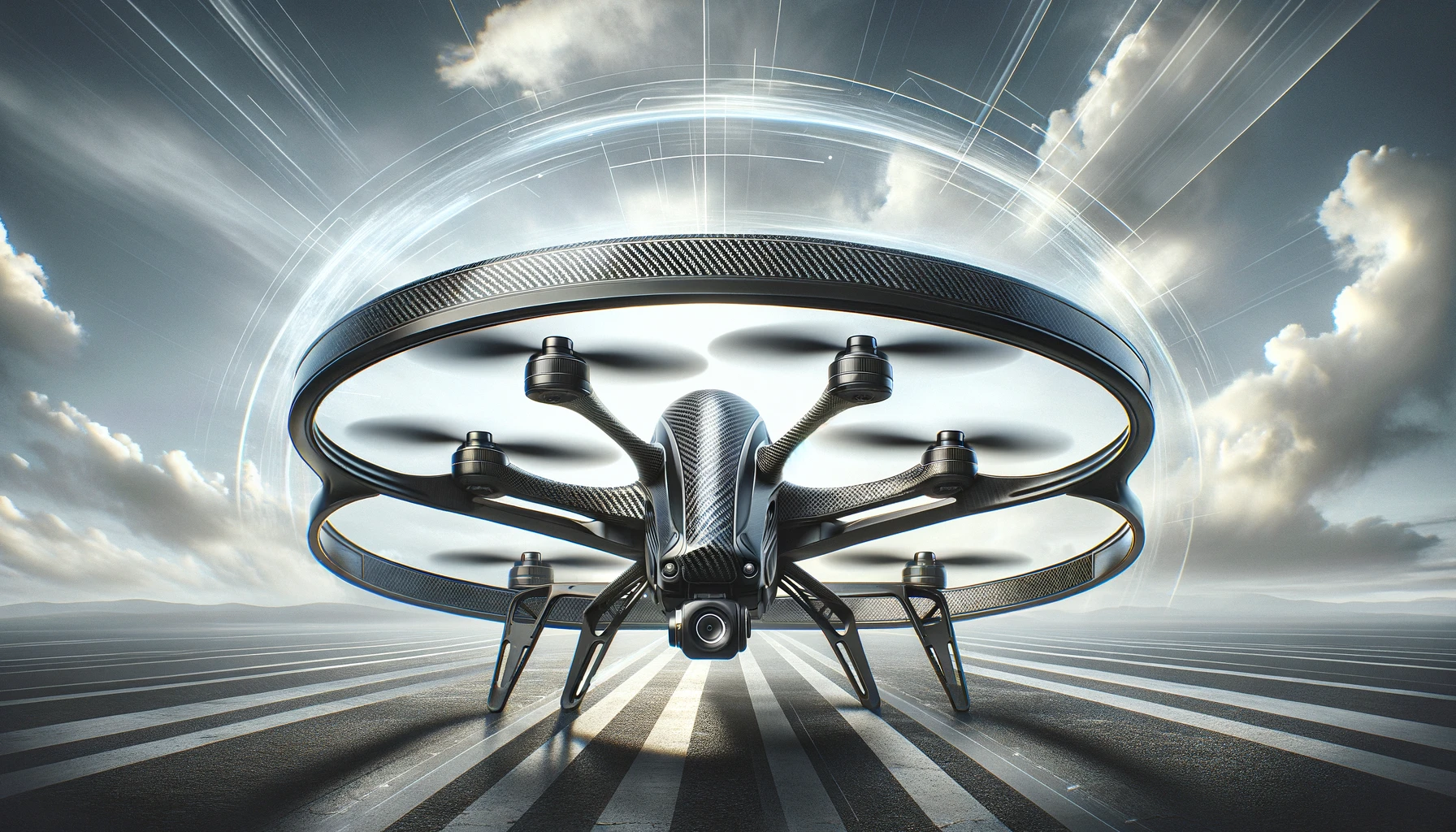
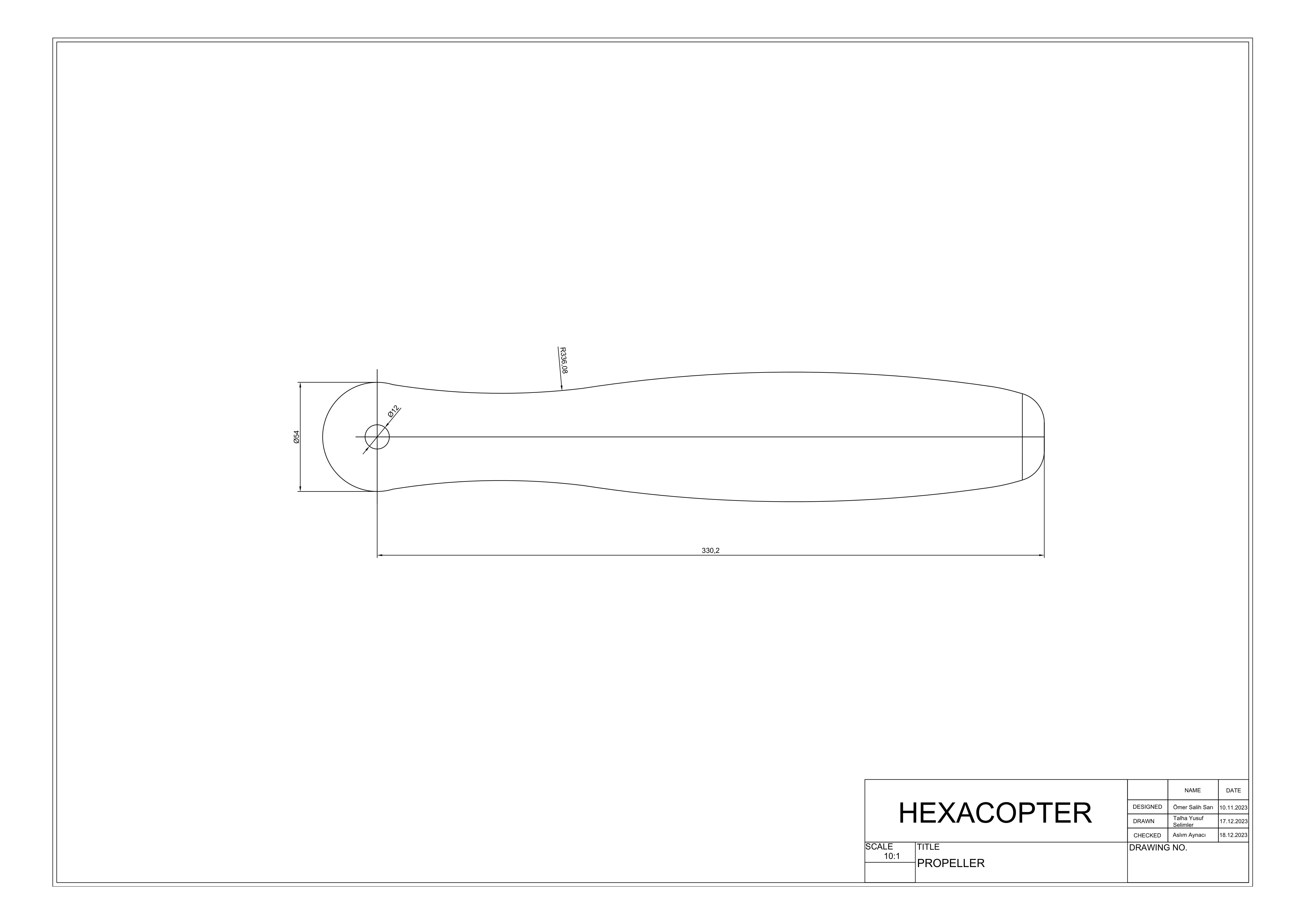
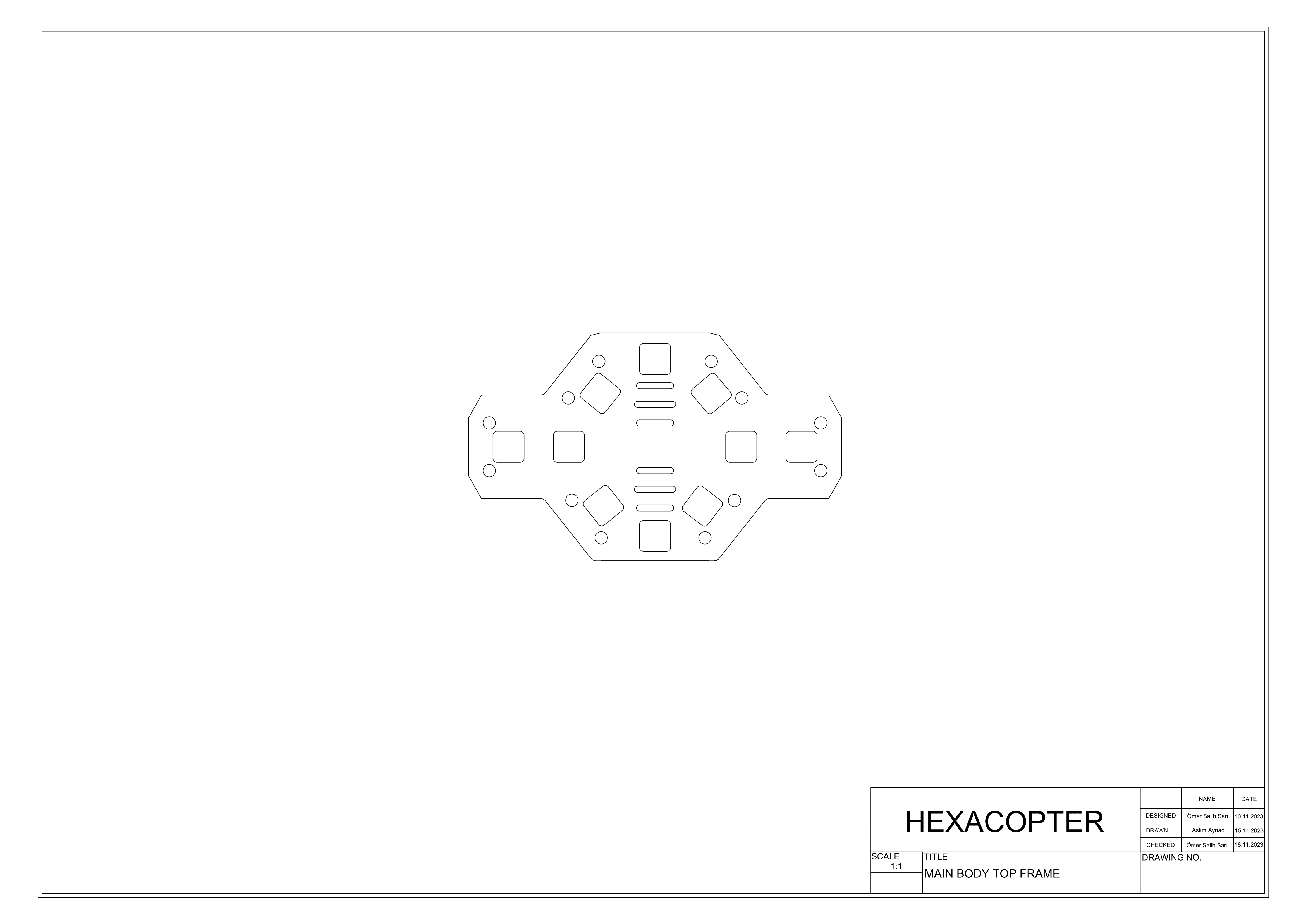
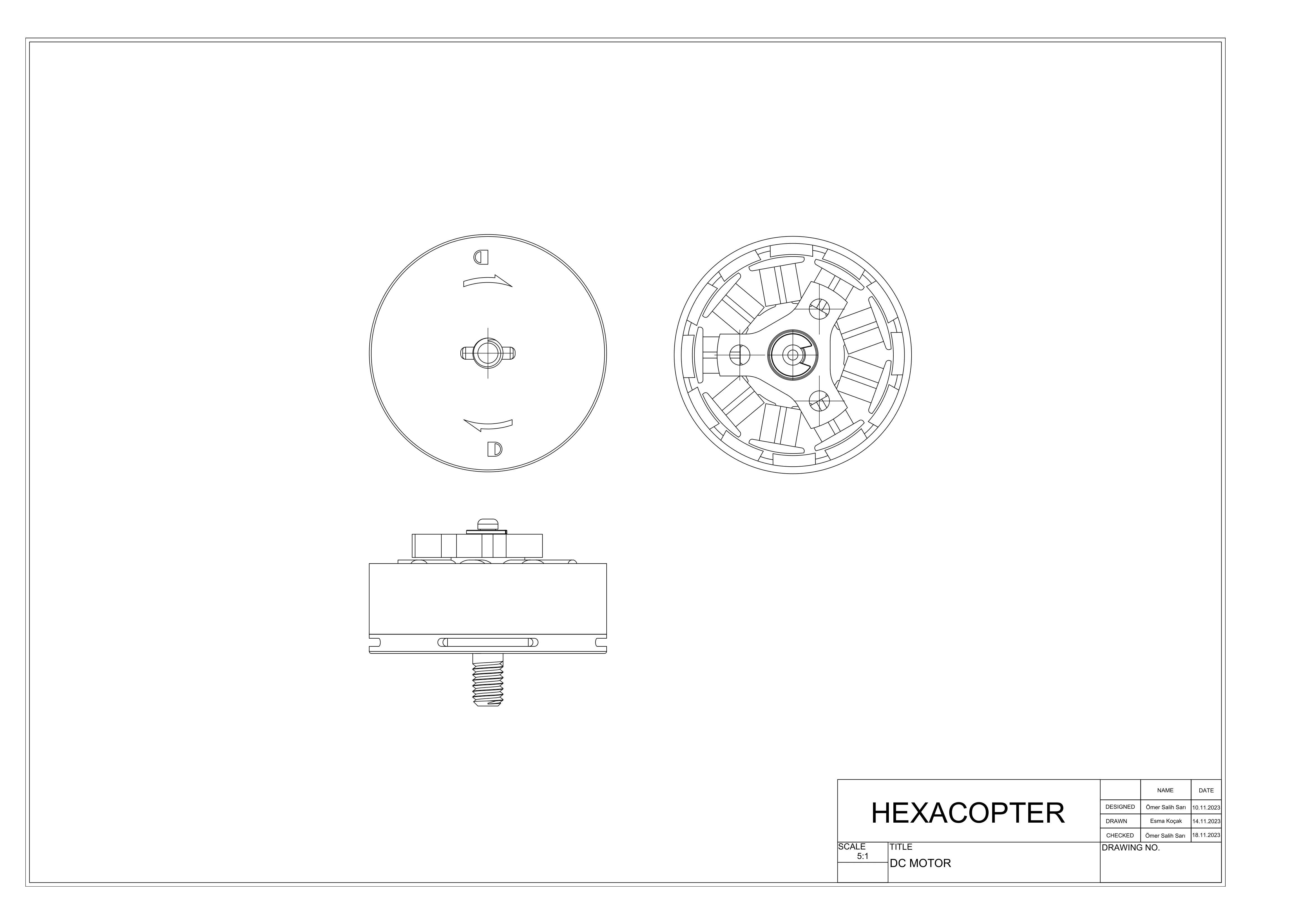
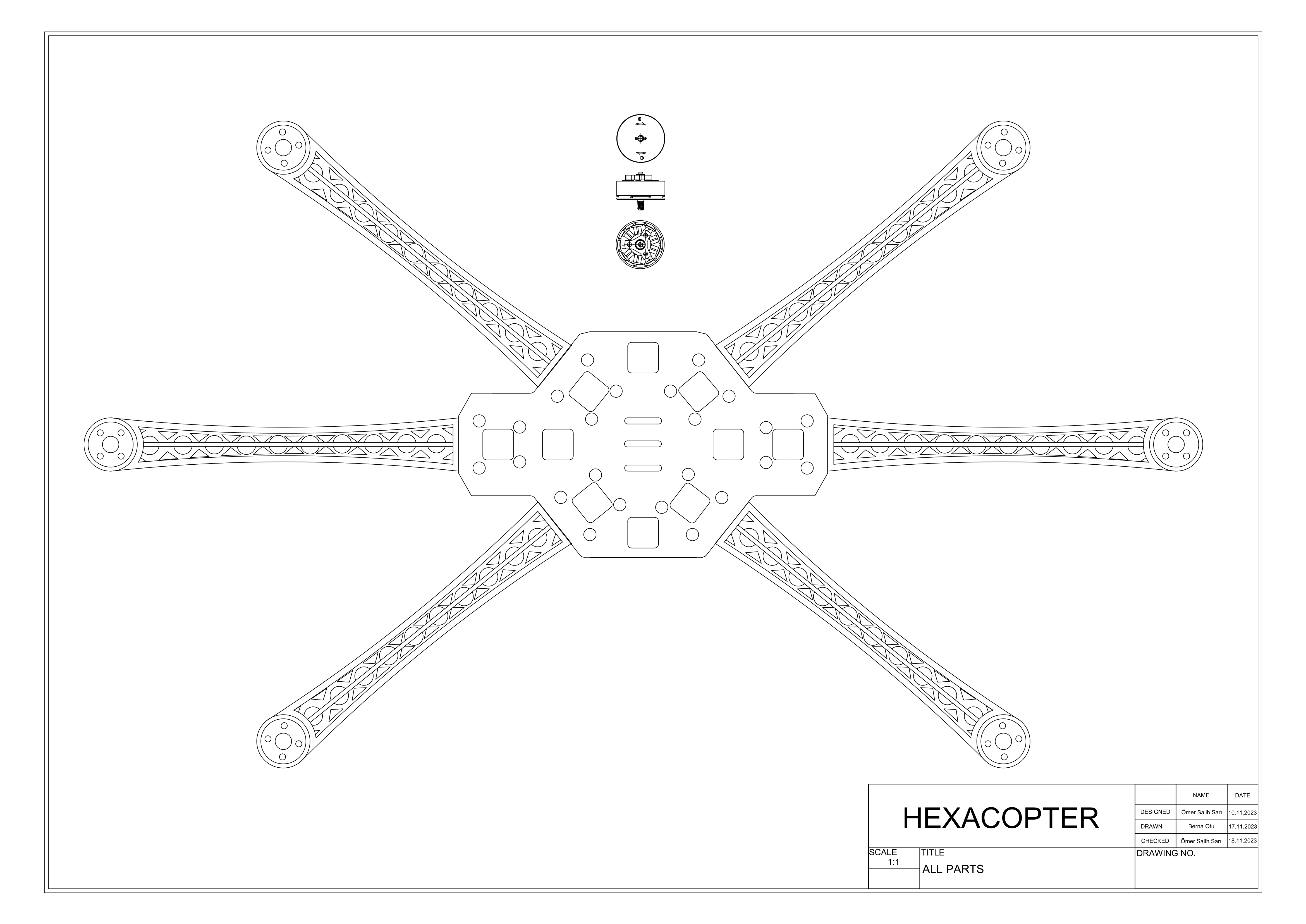
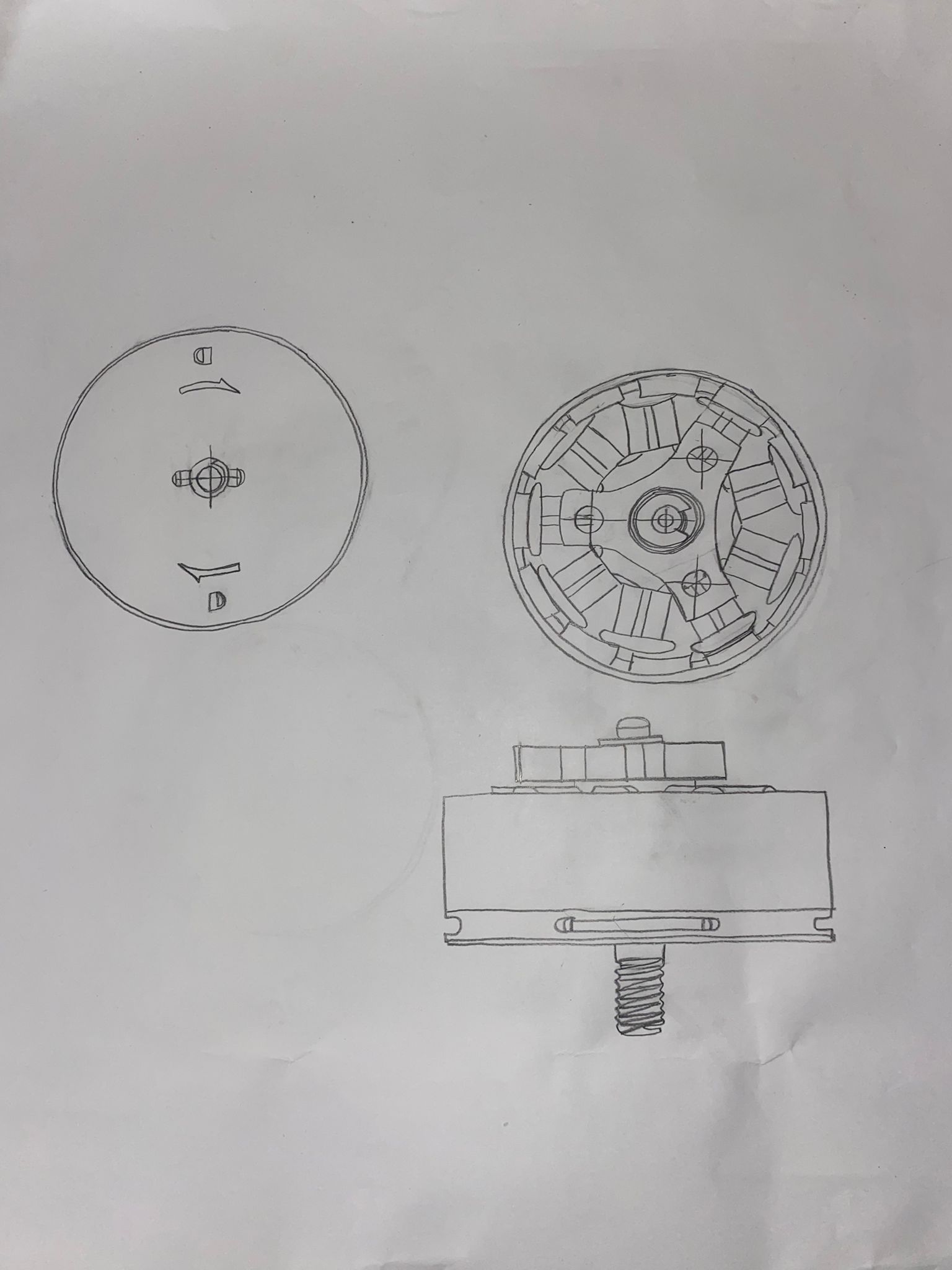
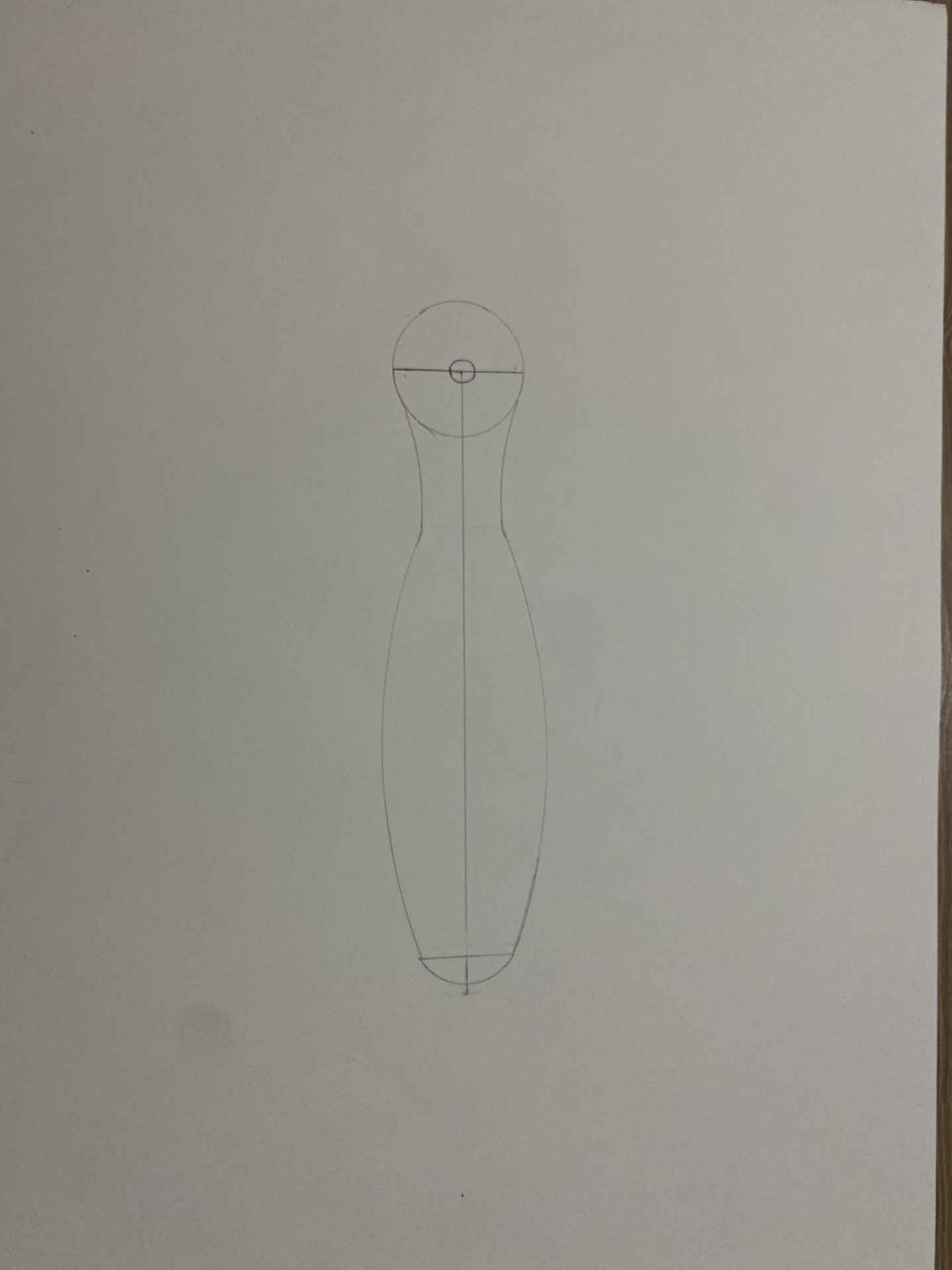
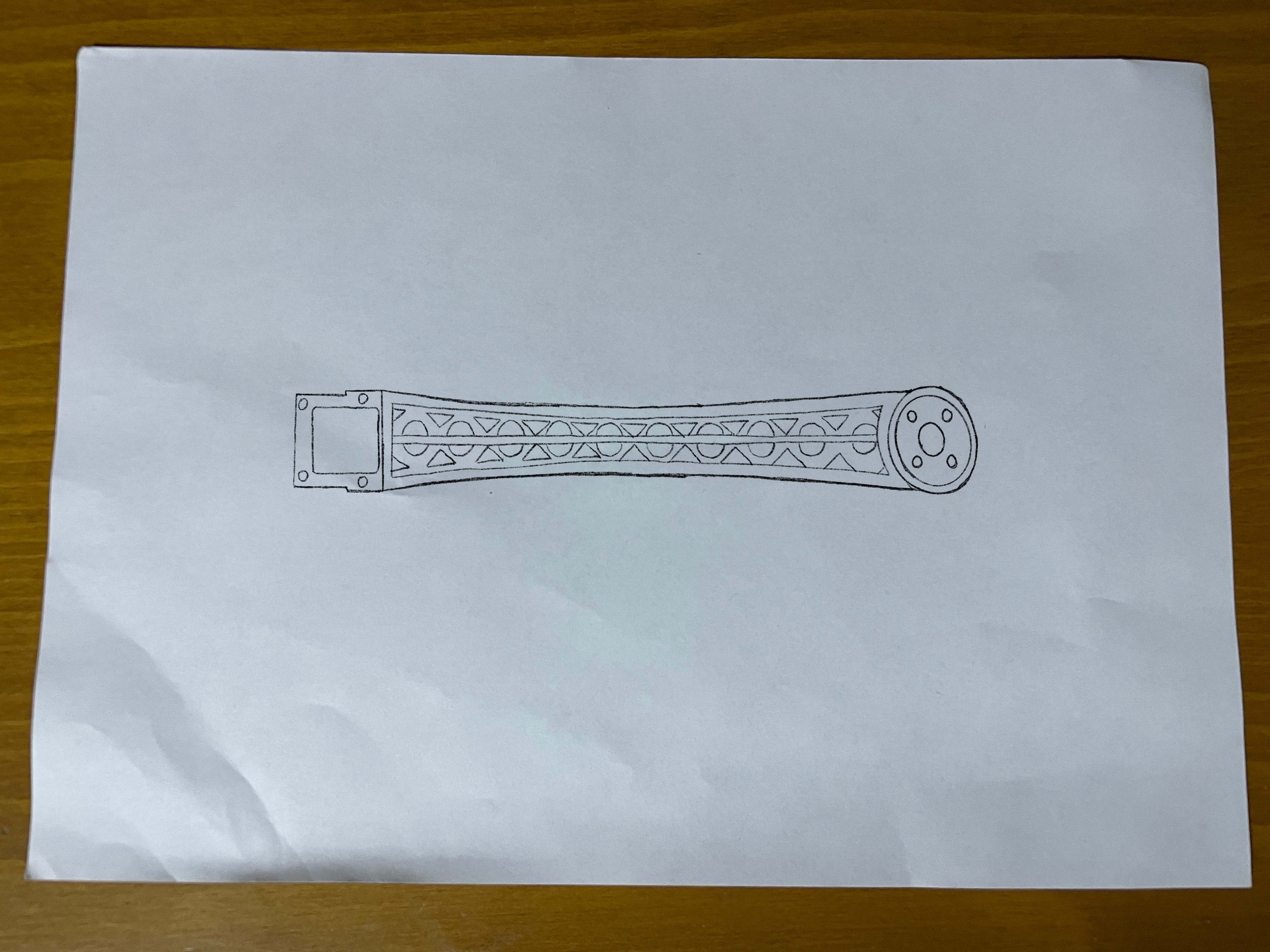
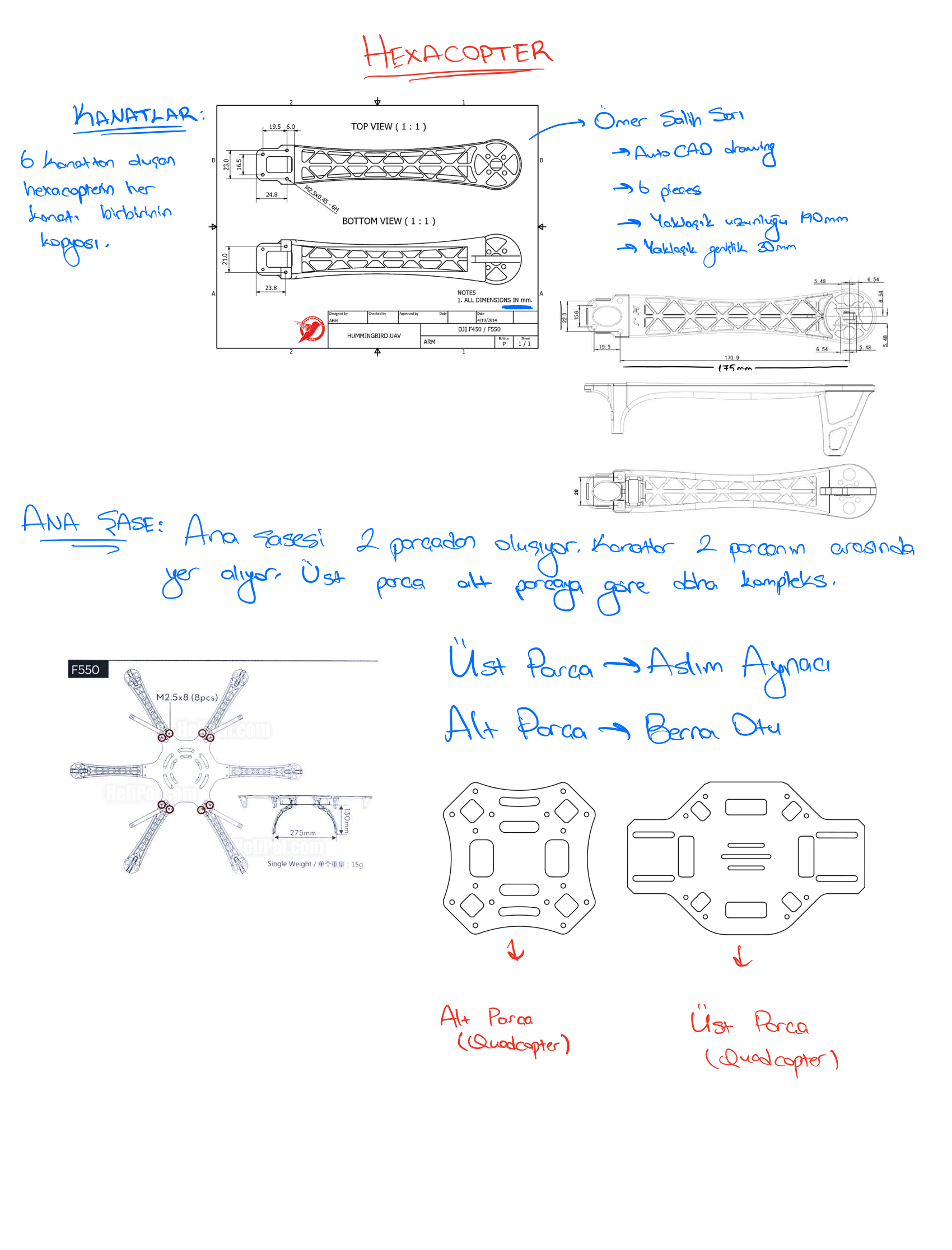
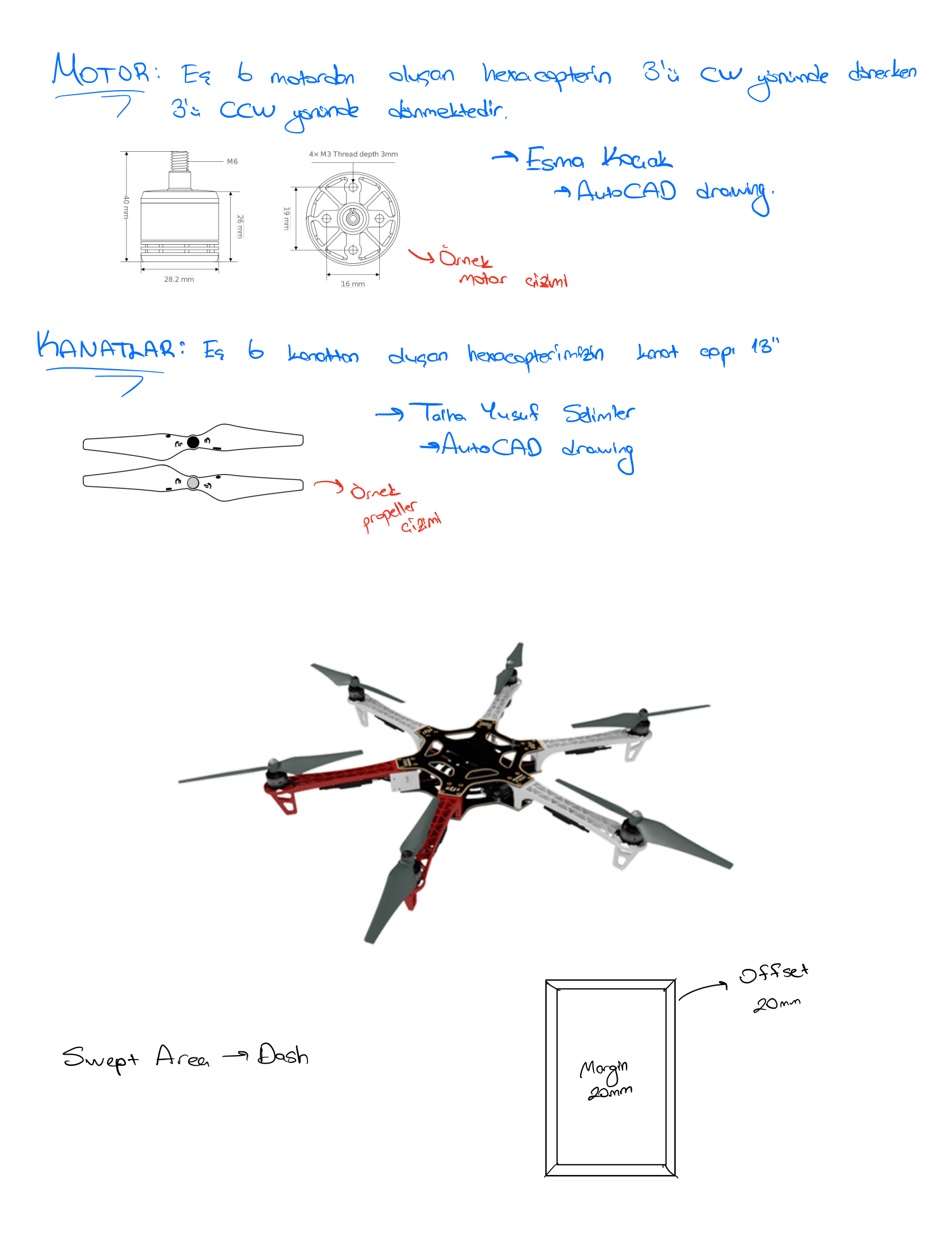
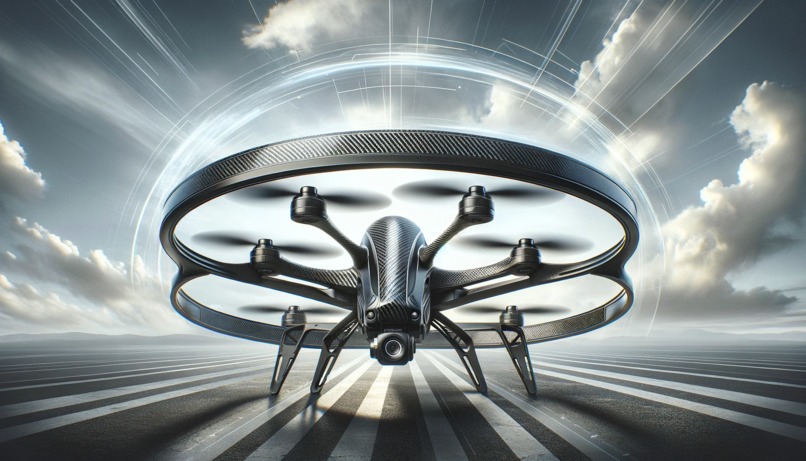
Inspiration The HexaFly Innovator project was inspired by the growing need for more robust and versatile aerial vehicles in various fields. Traditional quadcopters, while popular, often face limitations in stability, payload capacity, and flight duration. The hexacopter design, with six rotors, emerged as a solution to these challenges, promising greater stability, efficiency, and adaptability for diverse applications ranging from aerial photography to search and rescue operations.
What it does
HexaFly Innovator is designed to push the boundaries of unmanned aerial vehicle capabilities. With six powerful rotors, it achieves superior stability and control, even in challenging weather conditions. The additional rotors allow for higher payload capacity, making it ideal for carrying advanced cameras, sensors, and other equipment. Its applications span surveillance, aerial photography, geographic mapping, environmental monitoring, and emergency services.
How we built it
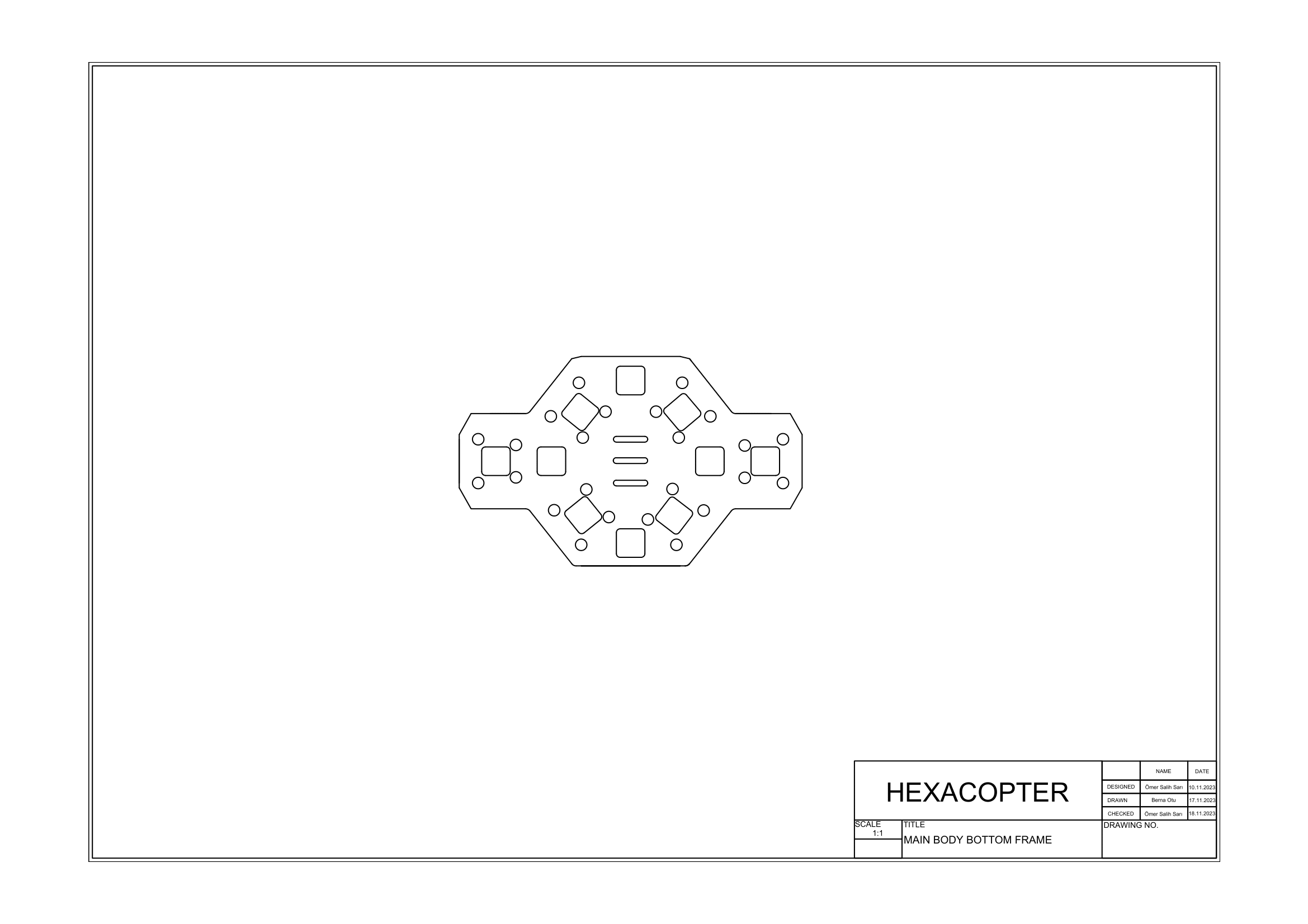
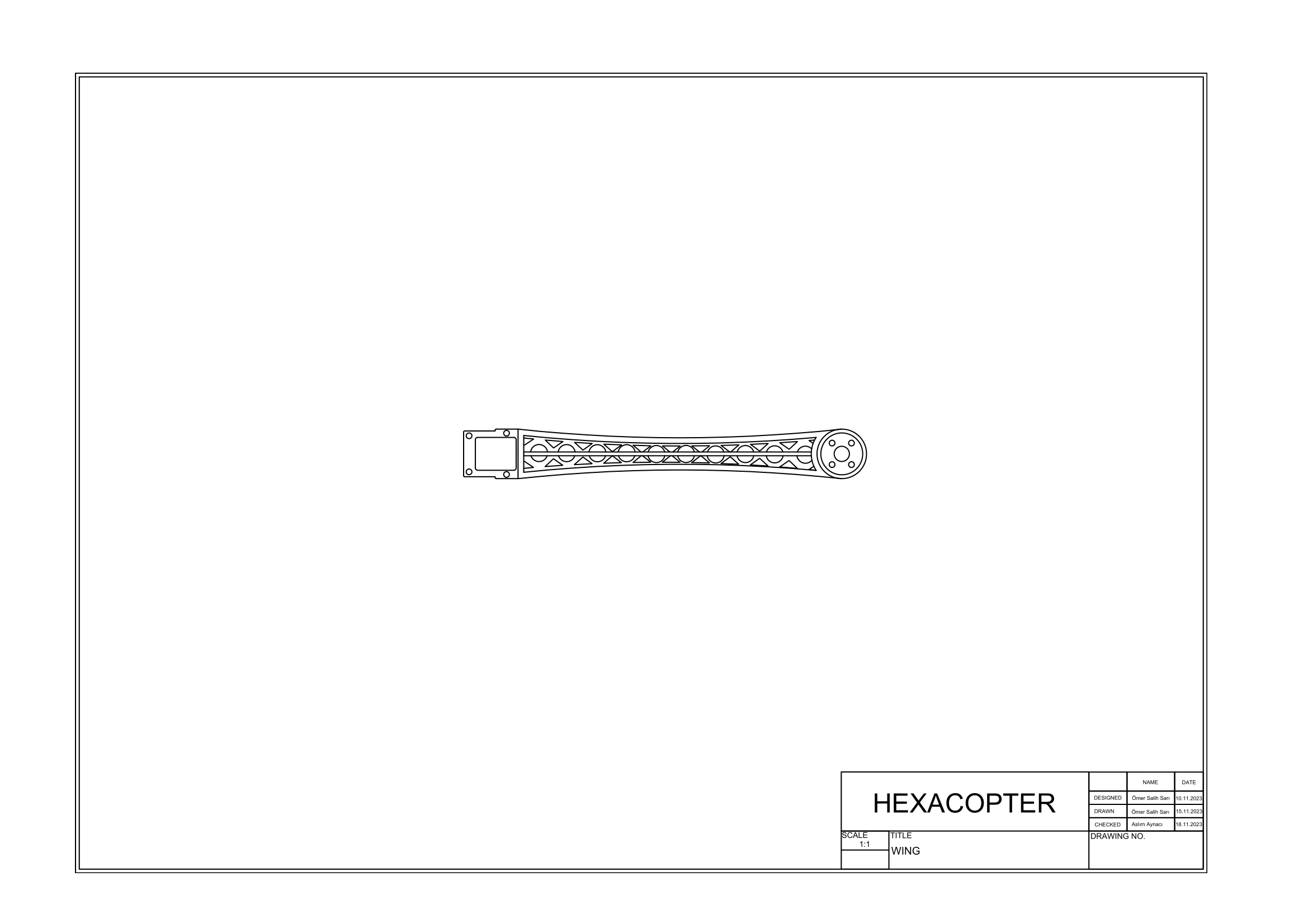
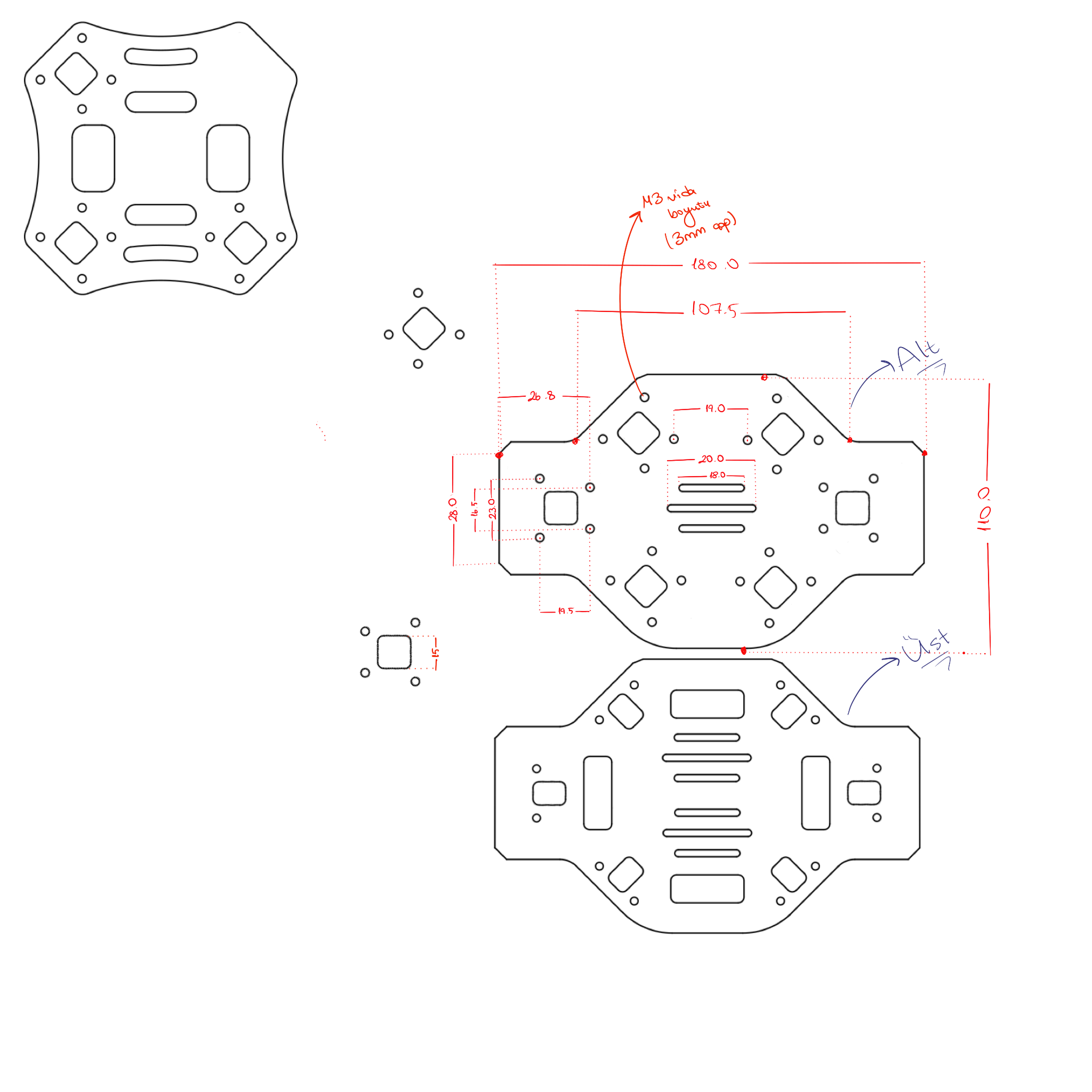
The HexaFly Innovator project was a collaborative effort that combined expertise in various engineering disciplines. We started with an extensive research phase to understand the dynamics of hexacopter technology and its potential improvements over traditional quadcopters. Utilizing AutoCAD, we designed detailed drawings and made precise dimension assumptions to ensure a robust and efficient framework.
Challenges we ran into
Throughout the development of HexaFly Innovator, we faced several challenges that tested our ingenuity and collaborative skills. One of the primary challenges was achieving the delicate balance between the hexacopter's weight and its power efficiency. Ensuring that the drone was lightweight enough for optimal flight, while still robust enough to carry necessary equipment, required careful selection and integration of components.
Accomplishments that I'm proud of
Successfully designing and building a hexacopter that surpasses traditional drones in stability, payload capacity, and versatility is a significant achievement. The project's successful integration of advanced technologies like GPS and sensor-based navigation systems stands out as a notable accomplishment. Overcoming technical challenges and achieving a high level of performance in the prototype phase is a testament to the project's success.
What I learned This project was a profound learning experience in areas of aerodynamics, robotics, electronics, and control systems. It highlighted the importance of precision engineering and the integration of various technologies to create a cohesive and efficient UAV. The experience also emphasized the value of perseverance and innovation in overcoming technical challenges.
What's next for HexaFly Innovator: The Future of Unmanned Aerial Vehicles Looking forward, HexaFly Innovator aims to explore new frontiers in UAV technology. The focus will be on enhancing autonomy through advanced AI algorithms, improving battery efficiency for longer flight times, and integrating more sophisticated sensors for varied applications. Future developments may include customizing the hexacopter for specific tasks such as agricultural monitoring, disaster management, and urban planning, making HexaFly Innovator a forerunner in the evolution of UAV technology.
Built With
- autocad


Log in or sign up for Devpost to join the conversation.